What New York Gardeners Know About Pine Cones That Most People Don’t
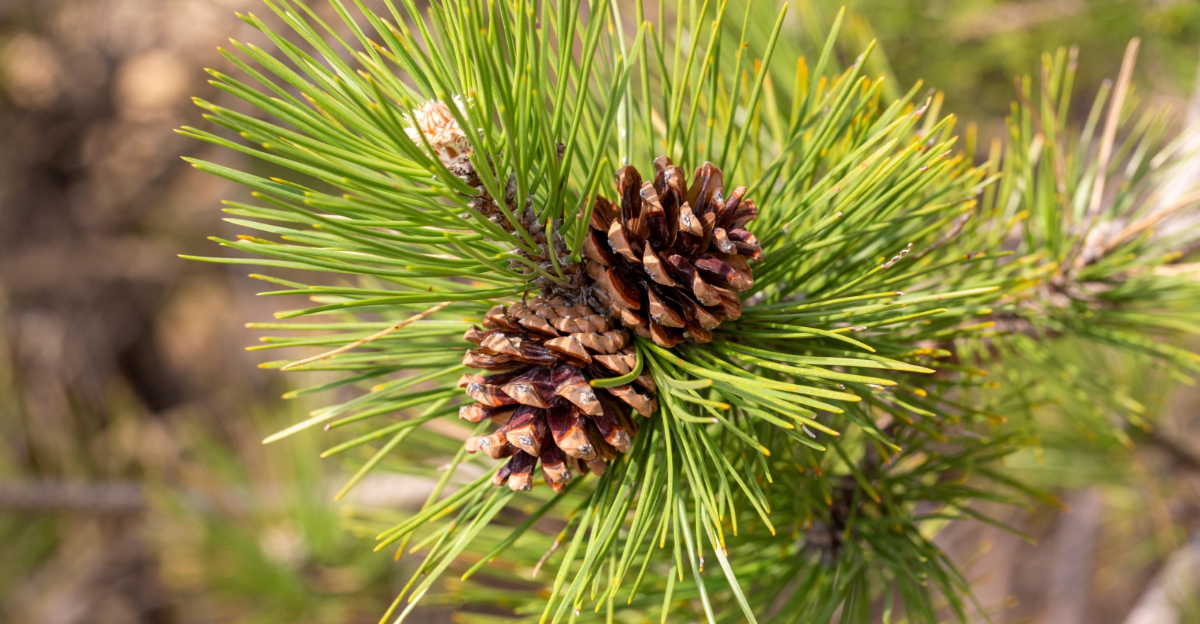
Every fall, New York gardeners do something that looks a little eccentric to their neighbors: they bury pine cones.
Not in a compost bin, not in a yard waste bag, but deliberately, purposefully, straight into the soil.
And then they smile about it.
Here’s what those neighbors don’t realize: pine cones are doing something genuinely useful down there.
They hold moisture, break down slowly into organic matter, and create tiny air pockets that roots actually love.
It sounds almost too simple, and that’s exactly why most people overlook it.
New York’s dense, often compacted urban soil happens to respond particularly well to this.
Local gardeners figured that out quietly, without much fanfare.
It’s the way the best garden tips have always traveled, not through algorithms, but person to person, season to season, usually over a fence.
So before you rake those cones to the curb this autumn, give this five minutes.
You might just change your mind about what belongs in your garden and what doesn’t.
Pine Cones Are Nature’s Slow-Release Sponges
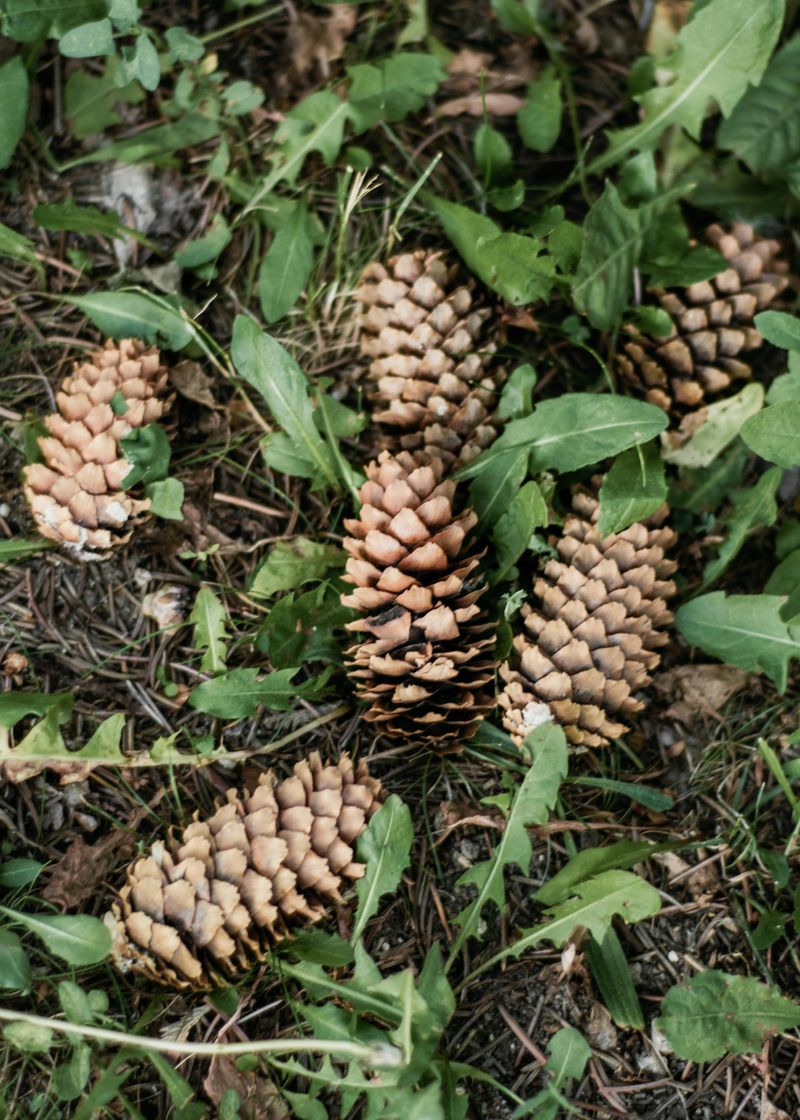
Forget using them as decoration.
When broken down and tucked into garden soil, pine cones act like tiny water reservoirs with surprisingly good timing.
During rain, they absorb moisture like a sponge.
As the soil dries out, they release it back steadily, keeping plant roots hydrated for days longer than bare soil alone.
In a city where summer can swing from downpour to drought in the same week, that slow-release cycle isn’t a small thing.
Crushed or chipped pine cones mixed into garden beds also create air pockets that prevent compaction.
Loose soil means roots can spread wider and deeper without fighting through dense, hard ground.
And more root spread equals stronger, healthier plants by midsummer, it really is that direct.
Pine cones contain trace amounts of resin, which includes some antifungal compounds, though their effect in garden soil is modest at best.
That means the soil around your plants stays a little cleaner and less prone to mold problems.
Gardeners who mulch with pine cone pieces often notice fewer surface fungal issues after heavy rain weeks, which in a humid New York summer is a quiet but genuine win.
Think of each pine cone as a tiny sponge with a built-in timer.
It soaks up what’s available, holds it safely, and shares it gradually.
For plants navigating New York’s unpredictable summer dry spells, that slow generosity makes a measurable difference in survival and growth.
And all it cost you was something you were about to throw away.
Why New York Soil Makes This Trick More Valuable Than Almost Anywhere Else
New York soil has a reputation among gardeners, and it is not exactly flattering.
Much of it leans clay-heavy and compacted, especially in suburban and urban areas, which creates a frustrating cycle.
Too much water in spring, cracked and hardened ground by summer, and plant roots stressed the entire time.
Your New York Garden Changes Every Week. Your Plan Should Too.
Gardening in New York changes quickly throughout the season. Every Friday you’ll receive a simple weekly plan showing exactly what to plant, prune, fertilize, harvest, and protect so you never miss the right timing.
Pine cone material breaks that cycle by improving what scientists call soil structure.
As the fibrous scales decompose, they create channels that allow both water and air to move more freely through the ground.
That last part surprises most people.
Air movement in soil is something home gardeners rarely think about, but roots need oxygen just as much as they need water.
The benefits shift depending on where in New York you garden.
Upstate, heavy frost heaving pushes soil particles together tightly each winter.
A layer of pine cone mulch insulates the ground, reducing how deep the freeze penetrates and keeping root systems protected through February.
Downstate is a different story.
Gardeners near the coast deal with salt drift from ocean winds, which gradually damages soil over time.
Organic pine cone matter buffers soil pH and reduces that salt impact, something local gardeners figured out through trial and error long before any study confirmed it.
And that, really, is the point.
Sometimes the most practical knowledge doesn’t come from a lab.
It comes from someone who’s been gardening the same patch of Brooklyn soil for twenty years and noticed what works.
The Right Way To Do It (Most People Skip This Step)
Here is where most people go wrong.
They grab a handful of pine cones, toss them onto the bed, and assume that counts.
It does not, and the difference matters more than you’d think.
Whole cones take years to break down and can actually repel water rather than absorb it.
The scales need to be broken apart first, either by hand, with pruning shears, or by running them over with a lawn mower in a bag attachment.
Once cracked open, those pieces decompose at a much faster, more useful rate.
Before adding them to any bed, bake the pieces in an oven at 200 degrees Fahrenheit for about 20 minutes.
This step sounds unnecessary, but it eliminates hidden insects, larvae, and any mold spores clinging to the surface.
Skipping this creates the risk of introducing unwanted pests directly into your garden soil.
After baking, let them cool completely before mixing into your top two inches of soil or spreading as a mulch layer.
Aim for a depth of about one to two inches across the bed surface.
Going deeper than that can prevent rainfall from reaching roots efficiently.
Mix the pieces with compost at a roughly 50-50 ratio for the best results.
The compost speeds up decomposition and adds nutrients that pine cones alone do not supply.
Together, they do more than either could manage on its own, and your plants will notice the difference before you do.
The Science Behind What Pine Cones Do Underground
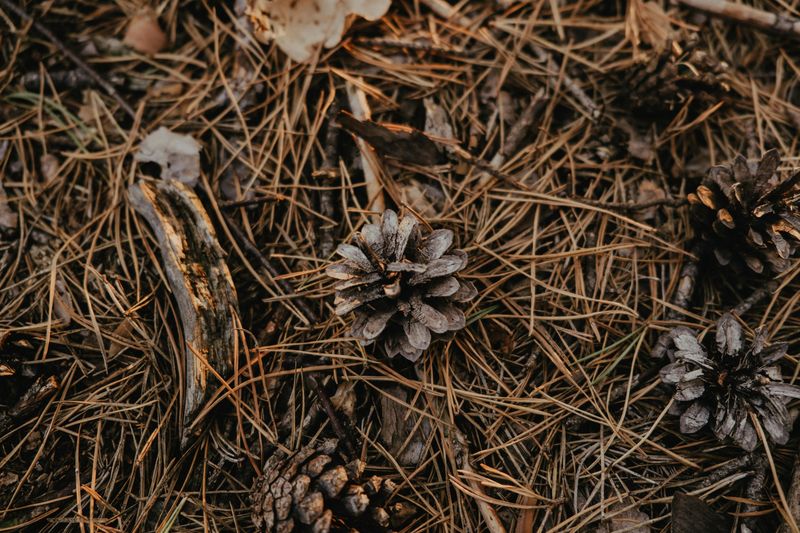
Pull back the soil around a buried pine cone a few months in, and you will find something worth looking at.
The woody scales are breaking down.
The surrounding earth looks darker, looser, more alive.
And the biology happening just beneath the surface is more interesting than most people expect.
As the scales decompose, they contribute organic matter that indirectly supports the conditions in which soil fungi called mycorrhizae thrive.
These fungi form networks that attach to plant roots and significantly expand the surface area available for nutrient absorption.
Plants connected to healthy mycorrhizal networks can access water and minerals from a much wider zone than their roots alone could ever reach.
Pine cones are also slightly acidic, with a pH around 3.5 to 4.5.
As they break down, they can gently nudge the surrounding soil pH lower over time, though the shift is gradual, not dramatic.
For acid-loving plants like blueberries, azaleas, and rhododendrons, pine cone mulch supports the soil conditions they already need.
Think of it as a natural pairing rather than a dramatic fix.
Carbon-to-nitrogen ratios matter a lot in soil health, and pine cones are high in carbon.
High-carbon materials slow down microbial activity just enough to preserve organic matter longer in the soil.
That means the benefits stretch across multiple growing seasons, not just one.
Earthworms are also drawn to decomposing pine material.
More worms mean better aeration, faster nutrient cycling, and healthier soil biology overall.
It starts with a pine cone.
It ends with soil that actually works for you.
What To Expect In The First Season
Managing expectations in the first season will save you a lot of frustration.
During the first few months, the pine cone pieces are still in the early stages of breaking down.
You likely will not see dramatic changes in plant size or yield right away.
What you will notice is that the soil holds moisture longer between watering, which reduces how often you need to drag the hose out.
Some gardeners report slightly slower early-season growth in the first year.
This happens because decomposing high-carbon material temporarily ties up some nitrogen as soil microbes get to work.
Adding a balanced organic fertilizer during this phase keeps plants well-fed while the biological process gets established.
By midsummer, things begin to shift noticeably.
Soil texture feels looser and darker, which signals increasing organic matter content.
Some gardeners notice deeper green color and stronger stem growth in amended beds.
That said, results depend heavily on your soil type and what you are growing.
The second season is where the payoff becomes obvious and hard to ignore.
Soil structure improves significantly, root systems expand more freely, and water retention reaches its full potential.
Gardeners who commit to this method consistently describe the second year as the moment they became true believers.
The first year you try it.
The second year, you understand it.
The One Type Of Garden Where This Won’t Work
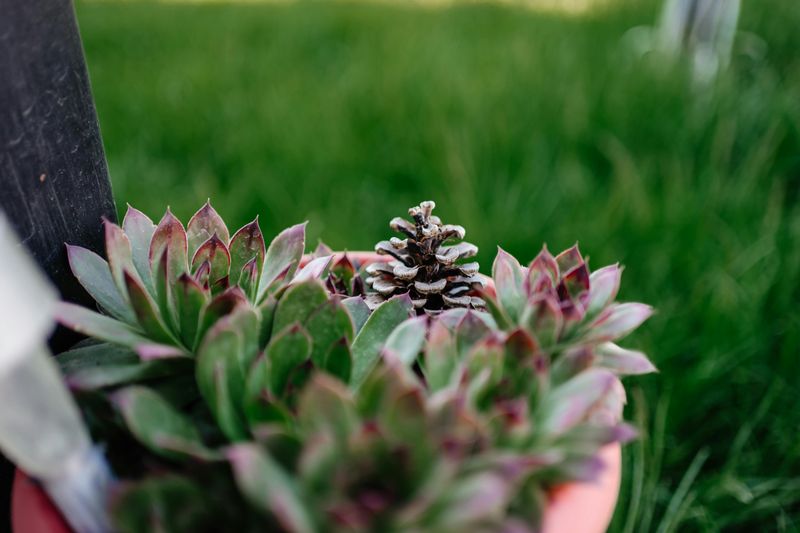
Here is the part most pine cone enthusiasts leave out.
This method does not work for everyone, and planting it in the wrong spot can do more harm than good.
Alkaline-loving plants absolutely do not mix well with pine cone material.
Plants like lavender, asparagus, and brassicas prefer neutral to mildly alkaline soil and do not respond well to increasing acidity.
Adding pine cone pieces to those beds gradually acidifies the soil.
Lower pH sounds harmless, but for the wrong plants it blocks the absorption of calcium and magnesium, and that shows up fast in how they grow.
Container gardens with limited soil volume are also risky candidates for this method.
In a small pot, the pH shift happens faster and more intensely than in open ground.
A plant that needed neutral soil can find itself in an acidic environment within a single growing season, showing yellowing leaves and stunted growth as warning signs.
Vegetable gardens planted heavily with brassicas like cabbage, broccoli, and kale should also avoid pine cone mulch.
Those crops prefer slightly alkaline conditions and are already prone to clubroot disease, which worsens in acidic soil.
Using pine material in that scenario would work directly against the plants you are trying to support.
New York gardeners who know about pine cones also know when to leave them alone.
Matching the right amendment to the right plant is the real skill.
Used in the right places, pine cones are powerful.
Used in the wrong ones, they quietly cause more harm than good.
The good news is that a simple pH test costs less than five dollars and answers the question before your plants have to.