North Carolina Plants That Attract Japanese Beetles And What To Pair With Them To Fight Back
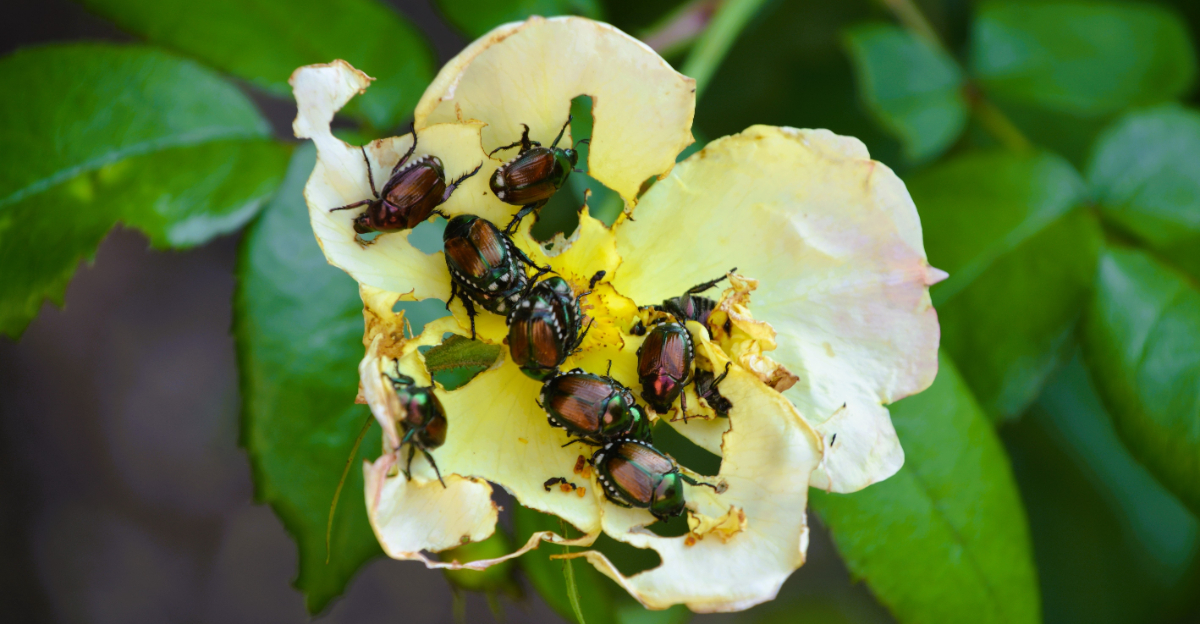
Japanese beetles in North Carolina operate with a specific kind of focus. They aren’t randomly distributed across the garden.
They move toward certain plants with real purpose, feeding in groups that grow larger as the chemical signals from damaged leaves draw in more beetles from the surrounding area.
Knowing which plants are the biggest attractants in a North Carolina garden is useful on its own, but the more interesting strategy is what you can plant alongside those beetle magnets to complicate the situation for incoming populations.
Certain companion plants interfere with beetle behavior, repel them outright, or attract the beneficial insects that prey on larvae before they ever reach the surface.
Working with plant combinations rather than just reaching for a treatment changes the dynamic in a garden over time and produces results that hold up better from one season to the next.
1. Roses
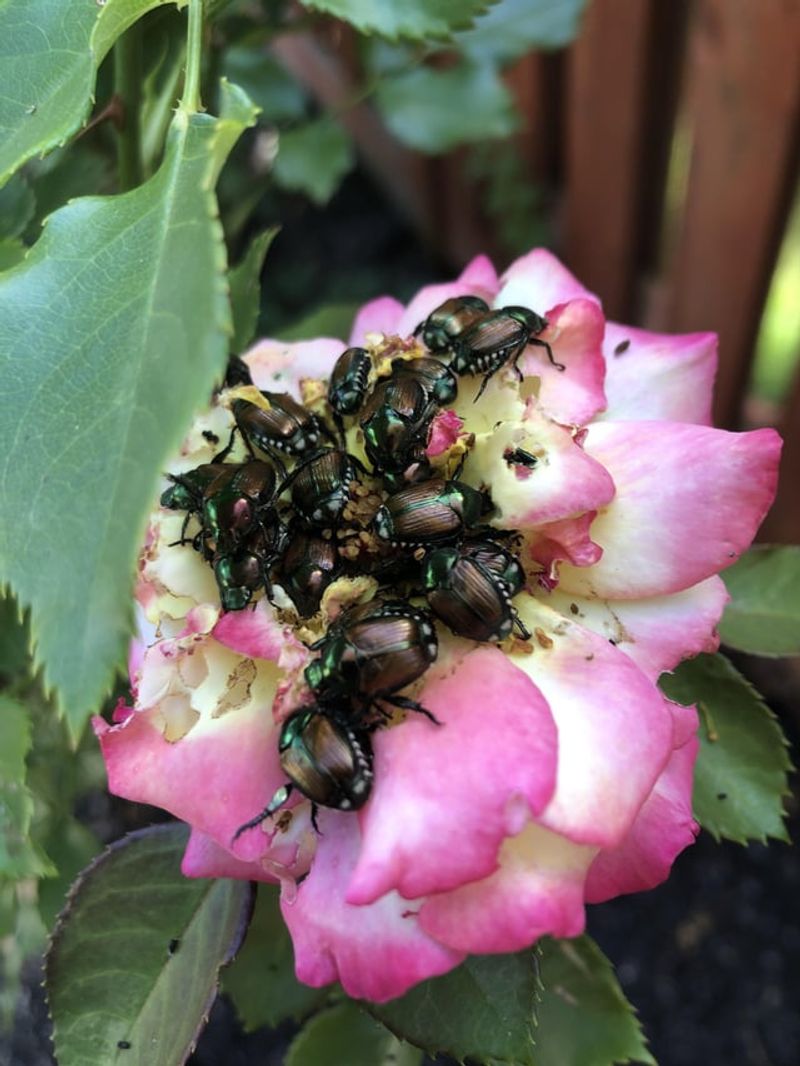
Few plants in the North Carolina garden attract Japanese beetles quite like roses. The moment those glossy blooms open up in early summer, beetles seem to appear out of nowhere, chewing through petals and leaving flowers ragged and torn.
It is one of the most well-documented relationships between a pest and a garden plant, and rose lovers across the state know this battle well every single year.
The good news is that pairing roses with aromatic companions can make a real difference in supporting the beneficial insects that help keep pest populations in check. Catmint, mountain mint, and yarrow are all excellent choices to plant nearby.
These pollinator-friendly perennials bring in predatory wasps, parasitic flies, and other beneficial bugs that naturally reduce beetle numbers over time without harming your roses or the surrounding environment.
Still, no companion plant will stop a determined wave of Japanese beetles on its own. Early morning hand-picking is one of the most reliable methods available.
Beetles are slower and easier to remove when temperatures are cool, so heading out with a bucket of soapy water each morning makes a measurable impact. Regular monitoring throughout July and August keeps populations manageable before they spiral.
Combining aromatic companions with consistent hands-on removal gives your roses the strongest defense possible throughout the season.
2. Grapes
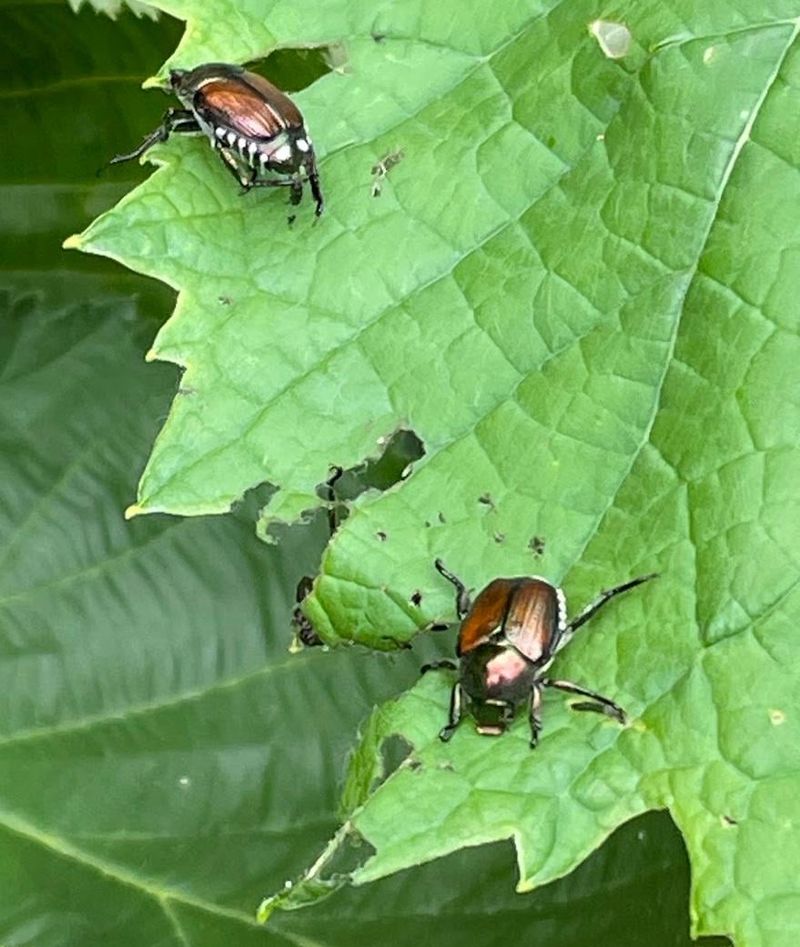
Grapevines are practically a welcome sign for Japanese beetles. The broad, soft leaves and ripening clusters make them one of the most heavily targeted plants in any North Carolina yard or small vineyard.
When beetle populations are high, the damage moves fast, turning lush green foliage into a lacy skeleton within just a few days of feeding activity.
Companion planting alone is not going to protect your grapes, and that is an honest truth worth knowing upfront. The most dependable strategies center on physical and cultural controls.
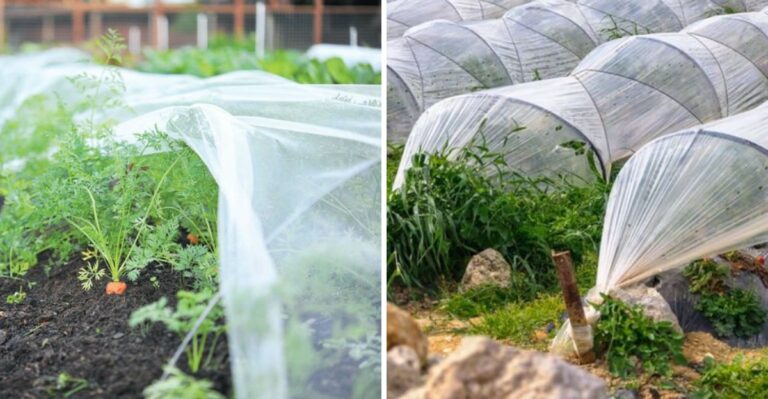
Fine mesh netting draped over small vines before peak beetle season can block feeding access effectively.
Strong, well-maintained trellising also matters because it keeps vines off the ground and improves airflow, reducing the dense, humid conditions that can make infestations worse.
Pruning for good airflow is another smart practice that keeps vines healthier and easier to inspect. Early morning is the best time to remove beetles by hand since they are sluggish in cooler temperatures and drop easily into a container of soapy water.
Your North Carolina Garden Changes Every Week. Your Plan Should Too.
Gardening in North Carolina changes quickly throughout the season. Every Friday you’ll receive a simple weekly plan showing exactly what to plant, prune, fertilize, harvest, and protect so you never miss the right timing.
Staying consistent with this routine during June and July, when adult beetle activity peaks, is what makes the biggest difference.
Combining netting, clean trellising, regular pruning, and morning removal gives grapevines a fighting chance through the toughest part of beetle season every year.
3. Canna Lilies
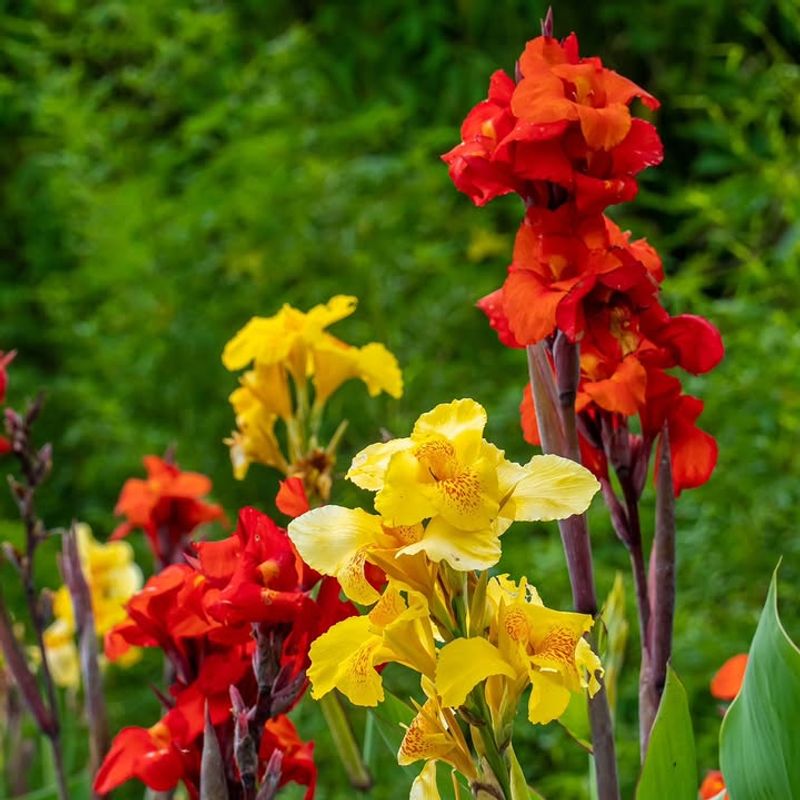
Canna lilies bring bold color and tropical drama to North Carolina gardens, and their large, open blooms and broad foliage can attract Japanese beetle feeding during midsummer.
While cannas are not always at the very top of the beetle preference list, they are absolutely not immune, especially when planted in mass groupings where feeding activity can spread quickly from plant to plant.
Spacing your cannas properly is one of the simplest and most overlooked prevention strategies.
Good airflow between plants makes it easier to spot early damage and reduces the dense, sheltered conditions that beetles tend to favor.
When you notice chewed edges or holes appearing on the foliage, remove the damaged leaves promptly. This sanitation step eliminates feeding sites and reduces the visual and chemical cues that draw more beetles in from surrounding areas.
Checking your cannas regularly during bloom time, roughly every two to three days at peak beetle season, lets you catch infestations early when they are still manageable.
Pay close attention to the flowers and the undersides of large leaves, where beetles like to cluster and feed.
Reaching for broad-spectrum insecticide sprays as a first response is worth reconsidering since these products often harm beneficial insects that would otherwise help control beetle numbers naturally.
Consistent checking, prompt removal of damaged material, and smart spacing are genuinely effective and garden-friendly ways to manage beetle pressure on cannas.
4. Fruit Trees
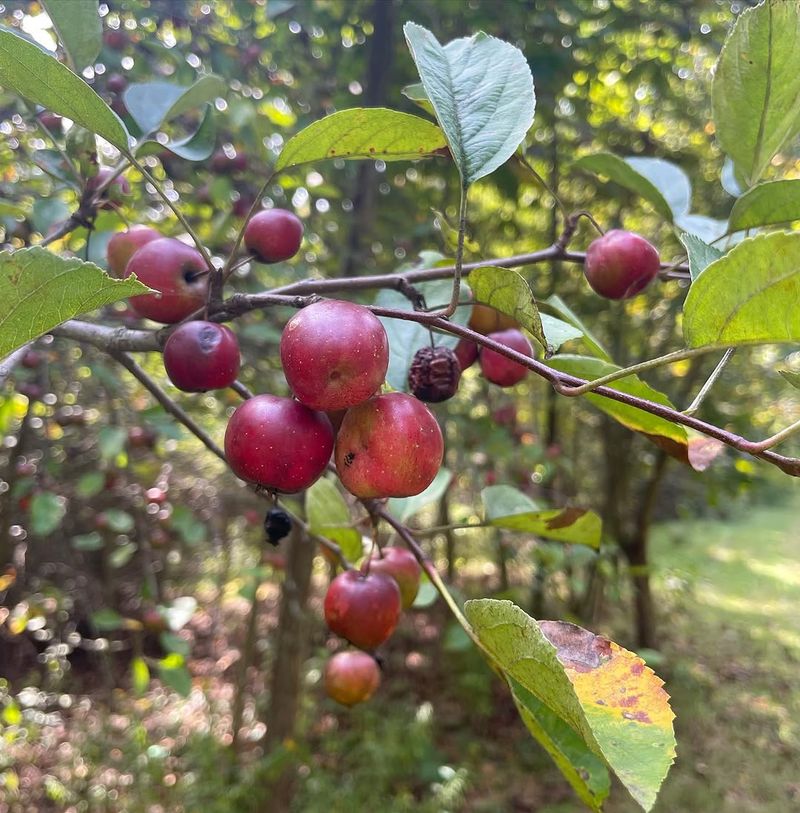
Peaches, plums, cherries, and apples are all on the Japanese beetle menu, and North Carolina fruit growers deal with this reality every summer.
Adult beetles feed on leaves and sometimes the skin of ripening fruit, and heavy feeding on young trees can set back growth significantly.
For home orchardists who have spent years nurturing their trees, watching beetles swarm the canopy is genuinely discouraging.
Protective netting is one of the most reliable physical barriers available for small fruit trees.
Draping fine mesh netting over young trees before peak beetle season, typically by mid-June, prevents adults from reaching the foliage and fruit without using any chemicals at all.
This approach works especially well for newly planted trees that need extra protection during their first few seasons of establishment.
Orchard sanitation plays an equally important role. Fallen or overripe fruit left on the ground creates a feeding and fermenting attractant that draws beetles and other pests to the area.
Cleaning up dropped fruit regularly and keeping the orchard floor tidy removes this invitation. Pruning for good airflow also helps since open canopies are easier to inspect and less hospitable for congregating beetles.
Early scouting starting in June, combined with netting and consistent fruit cleanup, gives home orchardists a dependable and practical system for reducing beetle damage without relying on companion-plant promises that rarely hold up under real orchard pressure.
5. Linden Trees
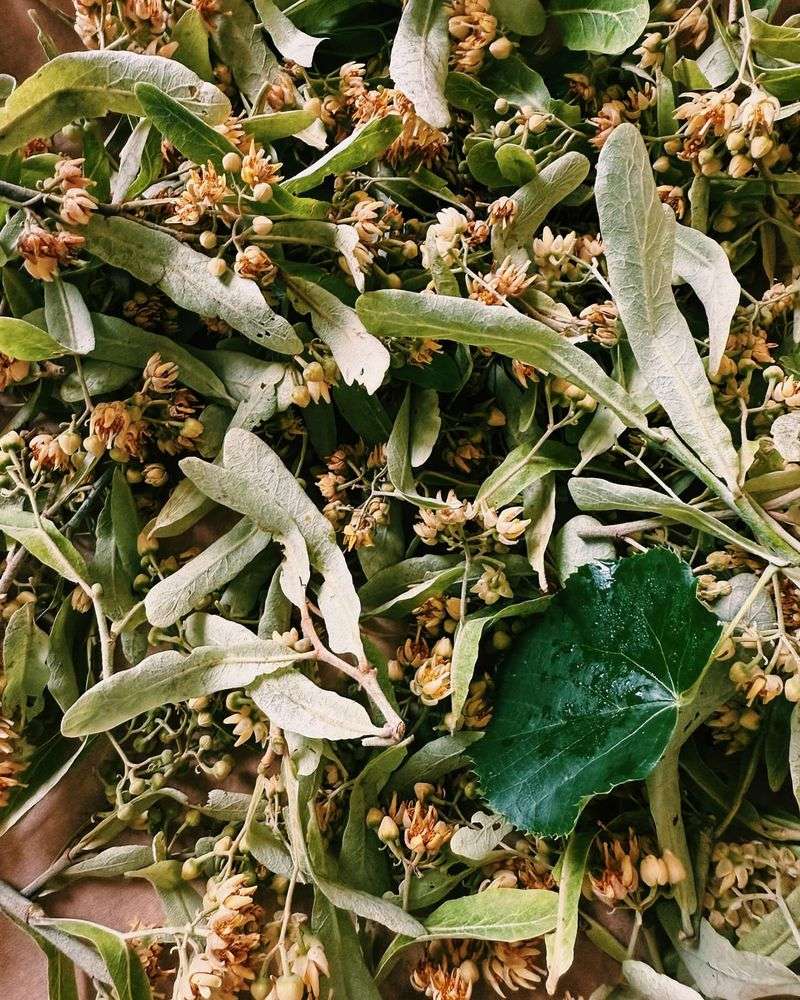
Linden trees are among the most heavily targeted plants on any Japanese beetle host list, and North Carolina homeowners with lindens in their yards know this firsthand.
The soft, fragrant leaves are irresistible to feeding adults, and large trees can show dramatic canopy damage during peak beetle season without much warning.
The sheer size of mature lindens makes hands-on beetle removal completely impractical for most people.
Here is something that many gardeners overlook: you cannot companion-plant your way out of beetle pressure on a large tree.
No amount of aromatic herbs or pollinator plants placed underneath a linden will stop adult beetles from flying in from surrounding areas and feeding on the canopy.
Accepting this reality helps you focus energy on strategies that actually work at the landscape scale.
Where you can make a real difference is in the lawn beneath and around the tree. Japanese beetles lay their eggs in turf during midsummer, and the resulting grubs develop in moist soil.
Reducing or eliminating irrigation during late June through August lowers soil moisture and makes the lawn less hospitable for egg-laying females and developing grubs.
Healthy but drier turf during this window can meaningfully reduce future beetle populations over multiple seasons.
Combining smart irrigation management with patience and realistic expectations gives linden tree owners a practical, science-backed approach to managing this persistent and widespread pest.
6. Hibiscus
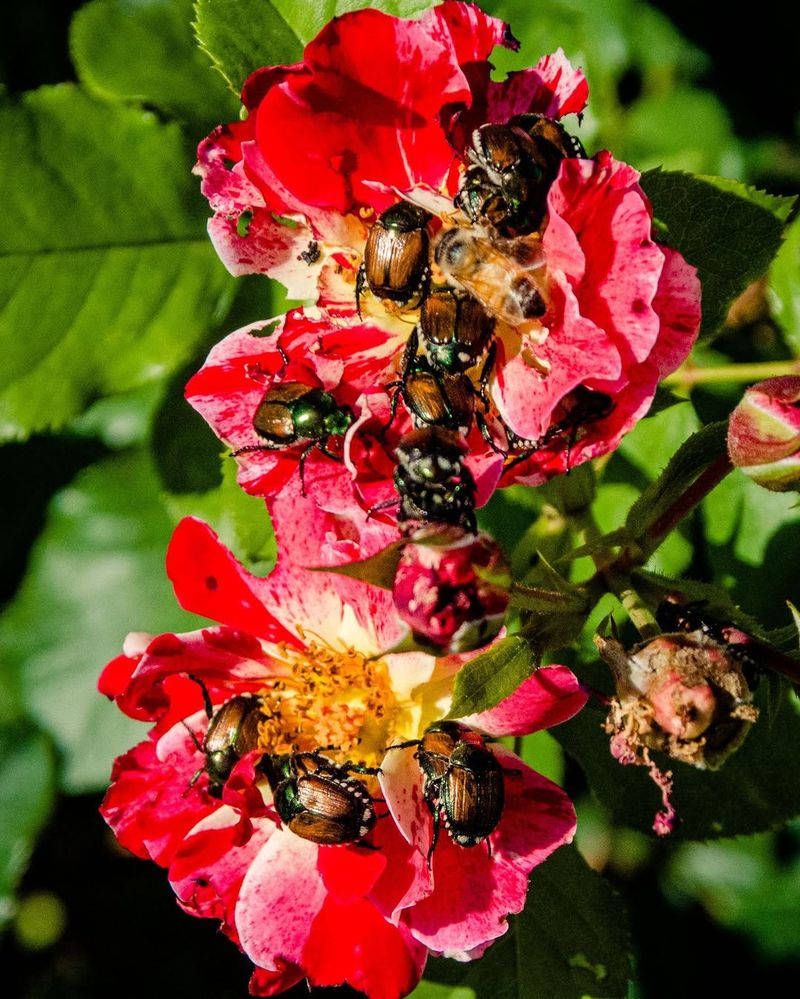
Hibiscus is a showstopper in the summer garden, but those big, colorful blooms also happen to be a magnet for Japanese beetles. Both tropical and native varieties can experience noticeable feeding damage, especially during peak beetle activity in July.
Flowers get chewed along the edges, and foliage can show the classic skeletonized pattern that signals a beetle problem is underway.
Planting native flowering perennials nearby is a smart move for supporting beneficial insects that help keep beetle populations in balance.
Purple coneflower, black-eyed Susan, and native goldenrod all attract parasitic wasps and predatory beetles that naturally target Japanese beetle larvae and adults.
While these companions do not act as a direct repellent, they build a healthier garden ecosystem that works in your favor over the long run.
Regular scouting is where the real protection happens. Walking through your hibiscus plantings every few days during peak season lets you spot new feeding damage early and remove beetles before populations grow.
Hand-picking in the morning is easiest since beetles are less active in cool temperatures. Removing heavily damaged blooms also reduces the scent signals that attract more beetles to the area.
Staying consistent with inspections and avoiding broad-spectrum sprays that harm beneficial insects will help your hibiscus stay healthier and more vibrant all summer long.
7. Crabapple Trees
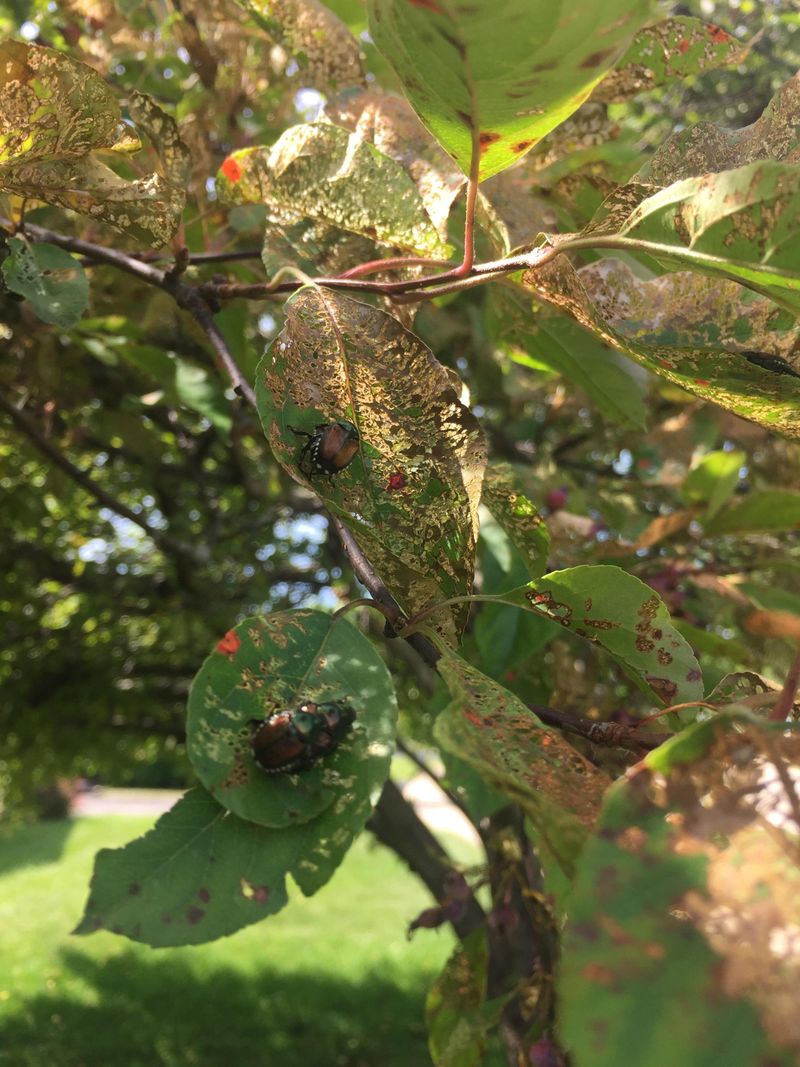
Crabapple trees bring beautiful blooms in spring and ornamental fruit through fall, making them a favorite in North Carolina landscapes. Unfortunately, they also rank high on the Japanese beetle preference list.
Adult beetles feed on the foliage and sometimes the fruit skin, and young or recently planted trees are especially vulnerable since they have not yet built the root reserves needed to bounce back from repeated stress.
Early monitoring is your strongest tool when it comes to protecting crabapples. Starting your scouting in mid-June and checking trees every few days through late July puts you ahead of the feeding curve.
On smaller or younger trees, hand removal is absolutely practical and worth the effort.
Knocking beetles into a bucket of soapy water during the cooler morning hours removes them quickly and prevents the congregation effect, where one feeding beetle releases chemicals that attract more beetles to the same spot.
Landscape planning also plays a smart supporting role. Avoid mass plantings of other high-attracting plants such as roses or linden directly adjacent to your crabapples, since clustering beetle favorites creates a concentration of activity that is harder to manage.
Choosing beetle-resistant plants for surrounding beds reduces overall pressure in that area of the yard.
Pairing resistant companion plantings with early, consistent monitoring gives crabapple trees a meaningful layer of protection through the most intense weeks of summer beetle season.
8. Raspberries And Blackberries
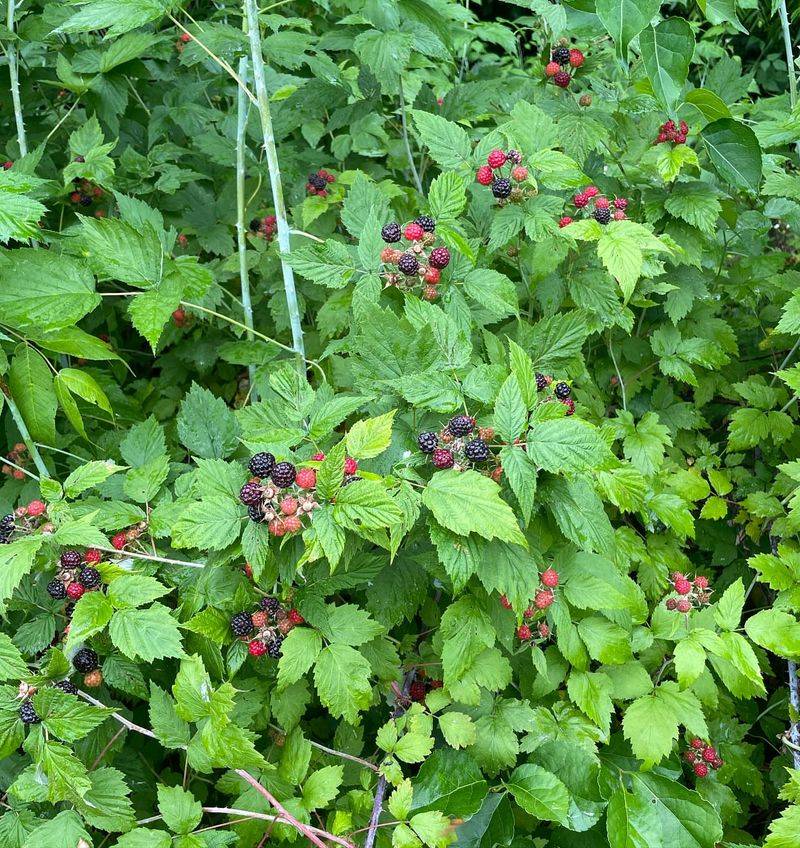
Brambles like raspberries and blackberries are summer staples in North Carolina gardens, and they happen to be a genuine favorite for Japanese beetles.
The combination of lush foliage, sweet-smelling blooms, and ripening fruit creates an irresistible situation for feeding adults.
Left unchecked, beetles can skeletonize leaves and damage developing fruit clusters in a matter of days during peak activity.
Harvest timing is one of the most practical tools you have. Picking fruit as soon as it ripens removes the fermenting, sweet-smelling attractant that pulls beetles in from surrounding areas.
Overripe or damaged fruit left on the canes is essentially an open invitation, so keeping up with harvesting every day or two during peak fruiting season makes a real difference. Removing fallen or rotting fruit from the ground around your rows is just as important.
Keeping rows open and well-pruned improves airflow and makes inspections faster and more thorough. Dense, tangled growth is harder to check and gives beetles more sheltered spots to congregate without being noticed.
Early morning is the ideal time to knock beetles into a container of soapy water since cooler temperatures make them sluggish and less likely to fly away during removal.
Combining frequent harvesting, consistent row cleanup, open pruning practices, and regular morning beetle removal gives your bramble patch a strong and sustainable defense throughout the entire summer season.
9. Beans
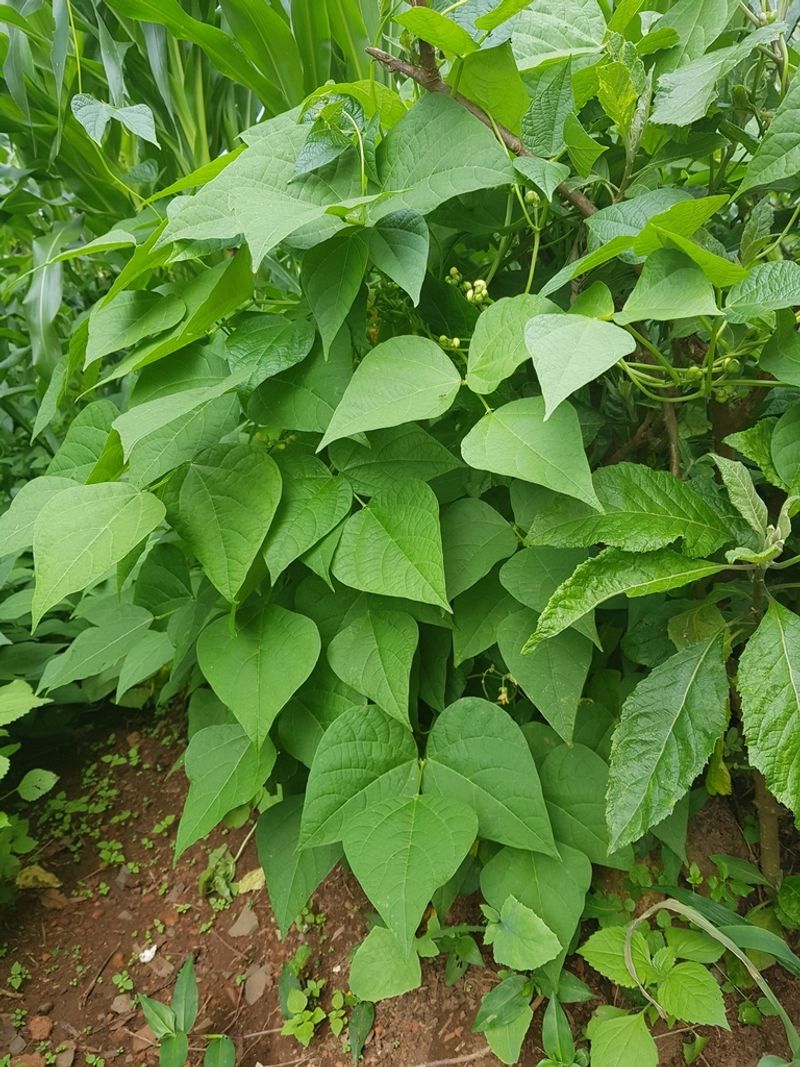
Bean plants are a classic summer vegetable in North Carolina gardens, and they are also one of the crops that Japanese beetles target with surprising enthusiasm.
The broad, soft leaves are easy for beetles to feed on, and a large enough population can skeletonize entire plants within just a few days.
Watching a thriving bean patch get reduced to see-through leaf frames is one of the more frustrating moments in summer gardening.
Lightweight row covers are one of the smartest protective tools available for beans. Installing them over young plants before peak beetle season creates a physical barrier that keeps adults off the foliage entirely.
The key management detail to keep in mind is that covers must be lifted or removed once plants begin flowering so that pollinators can reach the blooms and ensure a good harvest.
Managing this transition carefully lets you get the protective benefits early while still allowing proper pollination later in the season.
Frequent inspection is what keeps small problems from turning into large ones. Checking your bean rows every two to three days during June and July lets you spot feeding damage early and hand-remove beetles before their numbers grow.
Look along leaf undersides and near the growing tips where beetles tend to congregate first.
Combining early row cover protection with consistent hands-on monitoring gives your beans a genuinely practical defense that works within the realities of a busy summer vegetable garden.
10. Smartweed, Wild Grape, And Weedy Hosts Nearby
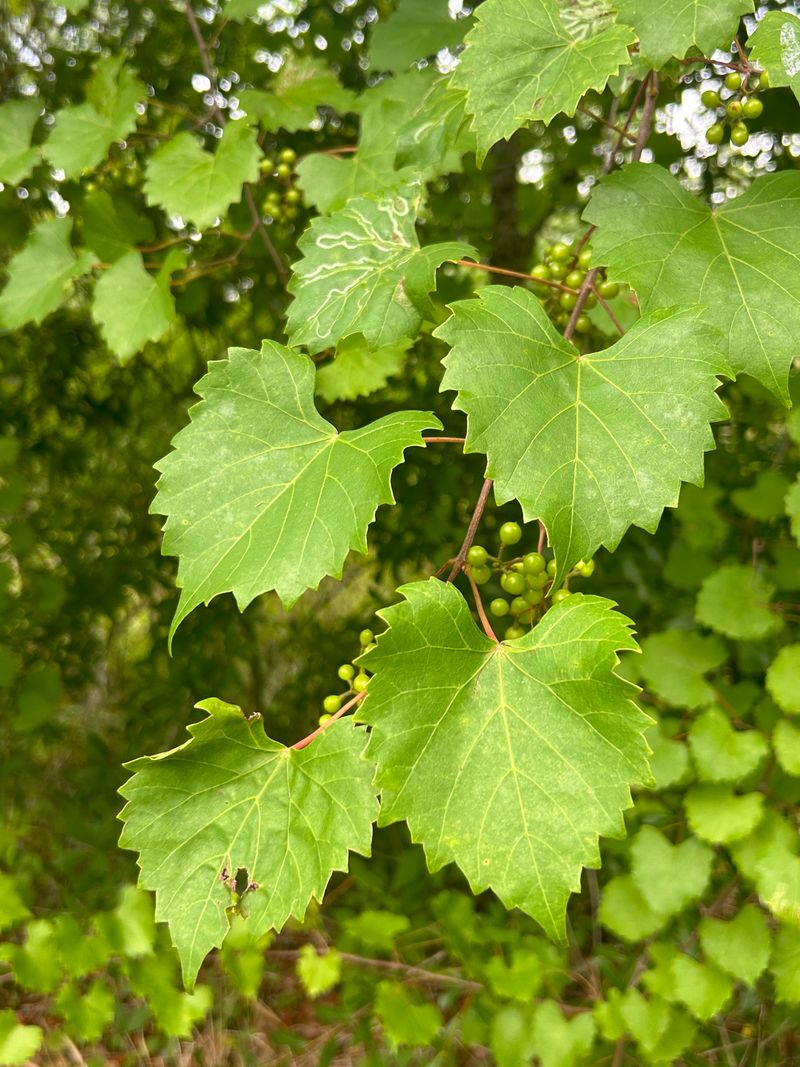
Not all Japanese beetle pressure comes from the plants inside your garden beds. The weedy, unmanaged edges around your property can harbor some of the most attractive beetle host plants in the region.
Wild grape, smartweed, and other weedy volunteers are highly appealing to feeding adults.
And when these plants grow unchecked near your cultivated garden, they essentially create a launching pad for beetles that then spread into your roses, beans, and fruit trees.
Managing garden edges is a genuinely underrated strategy for reducing overall beetle activity.
Clearing out patches of wild grape along fence lines, removing dense smartweed growth, and keeping the transition zones between lawn and garden tidy all reduce the local food sources that support adult beetle populations.
You do not need to eliminate every wild plant, but targeted removal of known beetle favorites along your garden perimeter makes a measurable difference over the course of a season.
Monitoring nearby vegetation is just as important as watching the plants inside your beds. Beetles feeding heavily on weedy hosts at the edge of your yard are likely to move inward once those plants are depleted or disturbed.
Catching this migration early gives you a chance to respond before feeding pressure peaks on your valued plants.
Combining consistent edge management with regular perimeter scouting creates a smarter, whole-property approach to keeping Japanese beetle activity at a genuinely manageable level all summer long.