The Most Underrated Georgia Native That Helps Keep Ticks Out Of Backyard Gardens
Nothing ruins time in the garden quite like spotting a tick where it should not be.
It only takes a single encounter to make people pay much closer attention to the areas around flower beds, pathways, and favorite outdoor sitting spots.
That growing concern has many gardeners looking at their landscapes differently. Instead of focusing only on appearance, more attention is being given to plants that can make a yard feel more enjoyable throughout the season.
Some choices attract pollinators. Others provide shade or privacy.
A few have earned attention for a completely different reason.
Among Georgia’s native plants, there is one that rarely gets the recognition it deserves. It is not the plant most people immediately think of when planning a garden, yet it has qualities that make it stand out for more than its appearance alone.
Once gardeners learn what it brings to the landscape, it becomes much easier to see why it deserves a closer look.
1. Narrowleaf Mountain Mint Earned Its Reputation
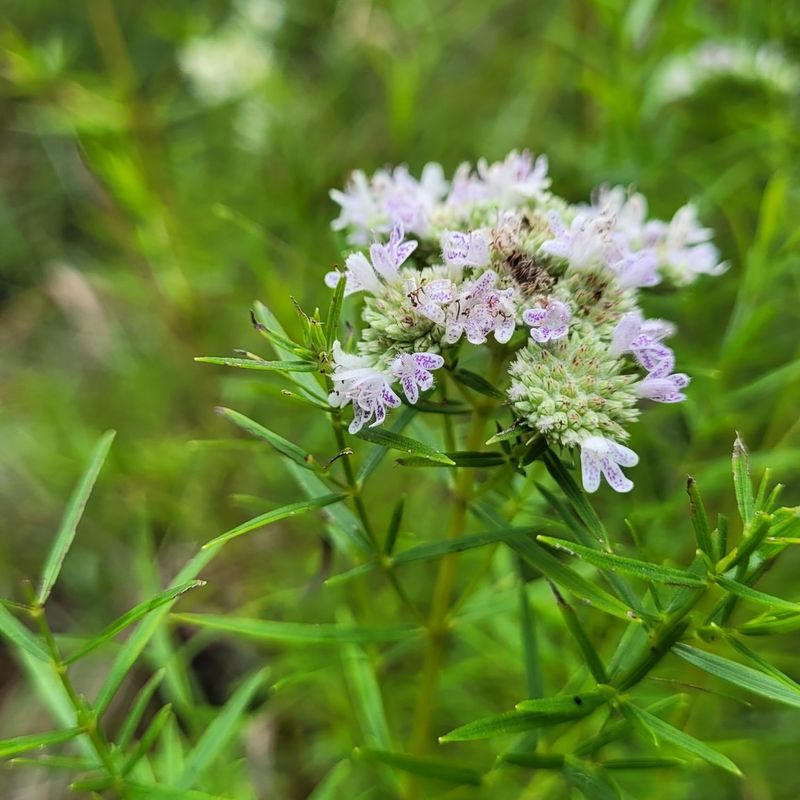
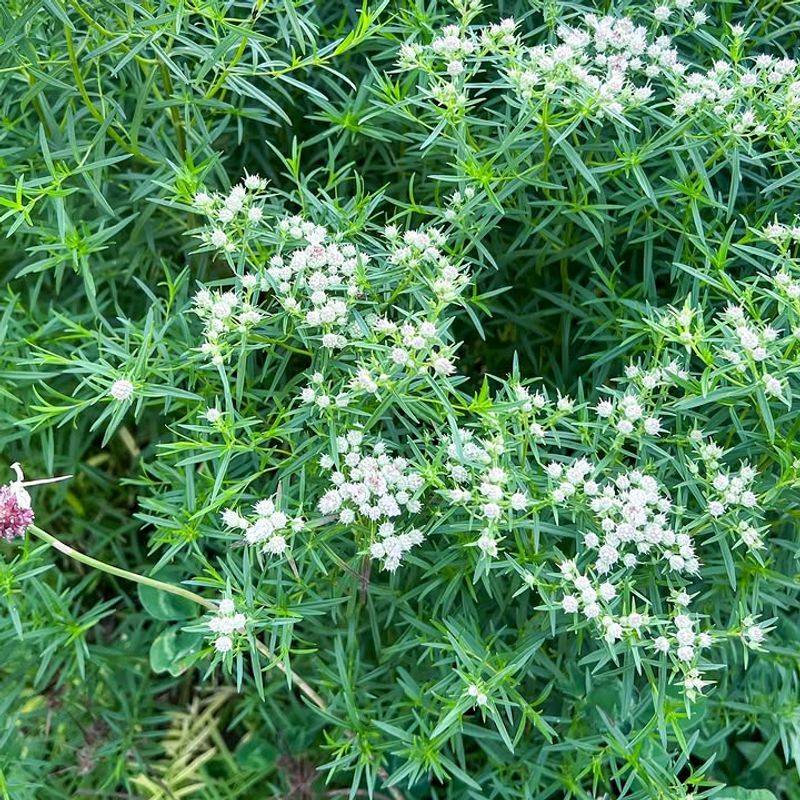
Not every plant earns its place in a garden by looking pretty. Narrowleaf Mountain Mint, known scientifically as Pycnanthemum tenuifolium, has earned its spot by actually doing something useful.
Ticks prefer humid, shaded spots with dense leaf litter. Mountain Mint disrupts that comfort zone.
Native plant enthusiasts have grown this species for years, mostly praising it for pollinators. The tick-repelling side effect caught on more slowly, mostly through word of mouth between neighbors and gardeners.
Now it is getting the attention it deserves.
Backyard gardeners in Georgia and surrounding states have started planting it specifically along garden borders and lawn edges. Those are exactly the spots where ticks tend to travel from wild areas into your yard.
Placing Mountain Mint there creates a natural barrier worth considering.
No plant offers a guaranteed fix for tick problems. Yard conditions, wildlife traffic, and nearby vegetation all play a role.
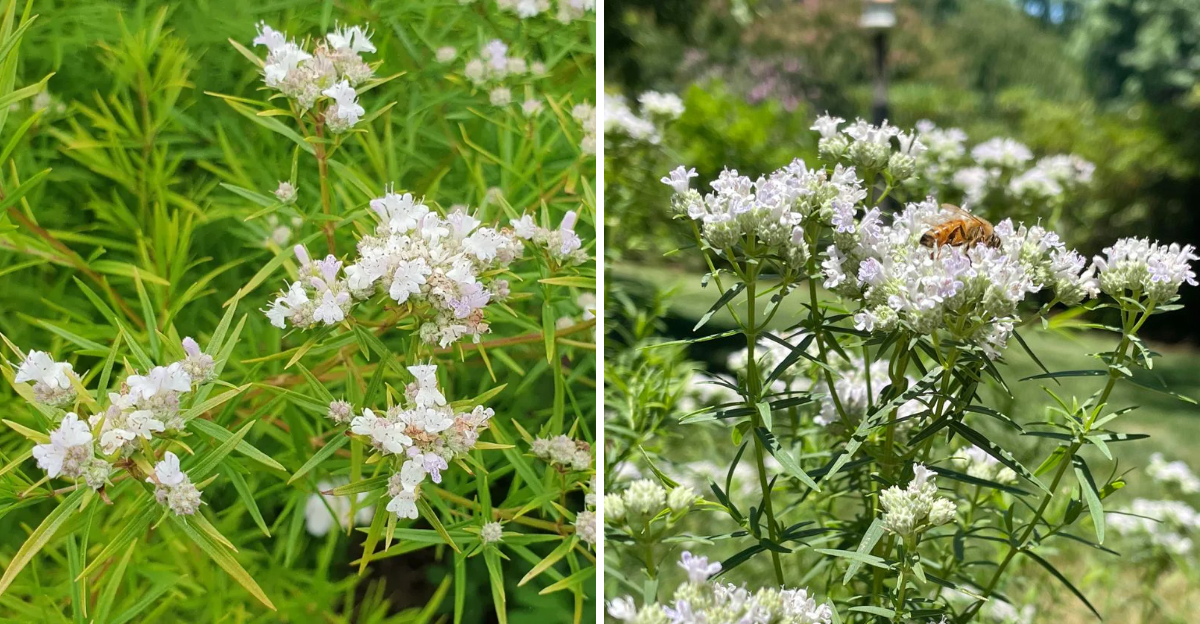
Many gardeners also value this native plant for its long bloom period and ability to attract a wide variety of pollinators. Its clusters of small white flowers draw bees, butterflies, and other beneficial insects throughout much of the summer.
Once established, it is a low-maintenance plant that tolerates heat, drought, and a range of soil conditions.
2. Fragrant Leaves Make This Native Stand Out
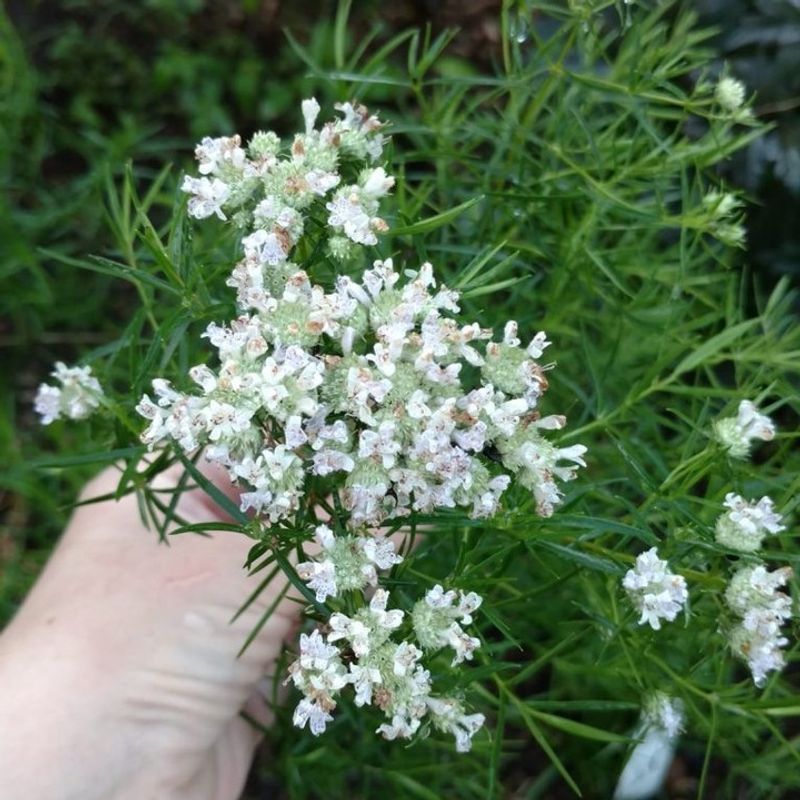
Crush a single leaf between your fingers and the smell hits you immediately. Sharp, clean, and almost medicinal, the scent of Narrowleaf Mountain Mint is not subtle.
That strong fragrance is exactly what makes it so effective at keeping unwanted insects at a distance.
Aromatic compounds in the leaves, including pulegone and menthol-related oils, create an environment that many insects find unpleasant. Ticks rely heavily on scent cues to navigate and find hosts.
A plant that overwhelms those cues works as a natural disruptor.
Unlike store-bought sprays that wear off quickly, the scent from living plants persists through the growing season. Rain, heat, and brushing against the plant all release more of those oils into the surrounding air.
The effect stays active without any extra effort from you.
Your Georgia Garden Changes Every Week. Your Plan Should Too.
Gardening in Georgia changes quickly throughout the season. Every Friday you’ll receive a simple weekly plan showing exactly what to plant, prune, fertilize, harvest, and protect so you never miss the right timing.
Gardeners who have planted it near patios or seating areas often mention the pleasant smell as a bonus. It does double duty: smells good to people, smells bad to ticks.
That balance is rare in garden plants and genuinely useful in outdoor spaces.
Worth noting: the fragrance alone will not eliminate a serious tick problem. If your yard borders dense woods or attracts a lot of deer, you will need a broader strategy.
3. Give Plants A Sunny Spot To Thrive
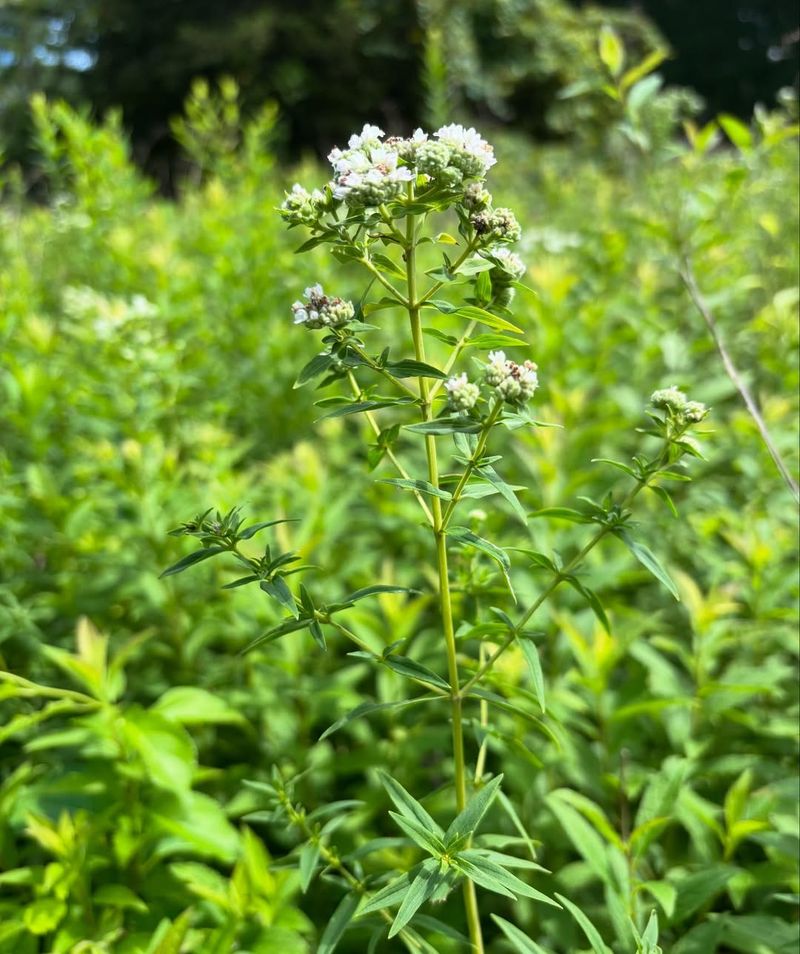
Placement matters more than most people realize with this plant. Narrowleaf Mountain Mint wants full sun, at least six hours a day.
Put it in a shady corner and it will survive, but it will not thrive or produce the dense growth that makes it most effective.
Sunny garden borders are ideal. Those spots also happen to be where ticks enter yards most often, moving in from grass edges, shrubs, or wooded areas nearby.
Planting Mountain Mint there addresses both the plant’s needs and your pest concerns at the same time.
Well-drained soil helps too. Rocky or sandy soil that drains quickly is actually fine for this species.
It tolerates drought once established, which makes it a practical choice for gardeners who do not want to fuss over watering schedules every week.
Avoid low spots where water pools after rain. Soggy roots stress the plant and reduce its vigor.
A slightly raised bed or a slope with good drainage will keep it growing strong through Georgia summers and beyond.
Mulching around the base helps retain some moisture during dry spells, but keep mulch away from the stems. Piling mulch against the base of any plant can cause moisture buildup and stem problems over time.
4. Dense Growth Creates Fewer Open Gaps
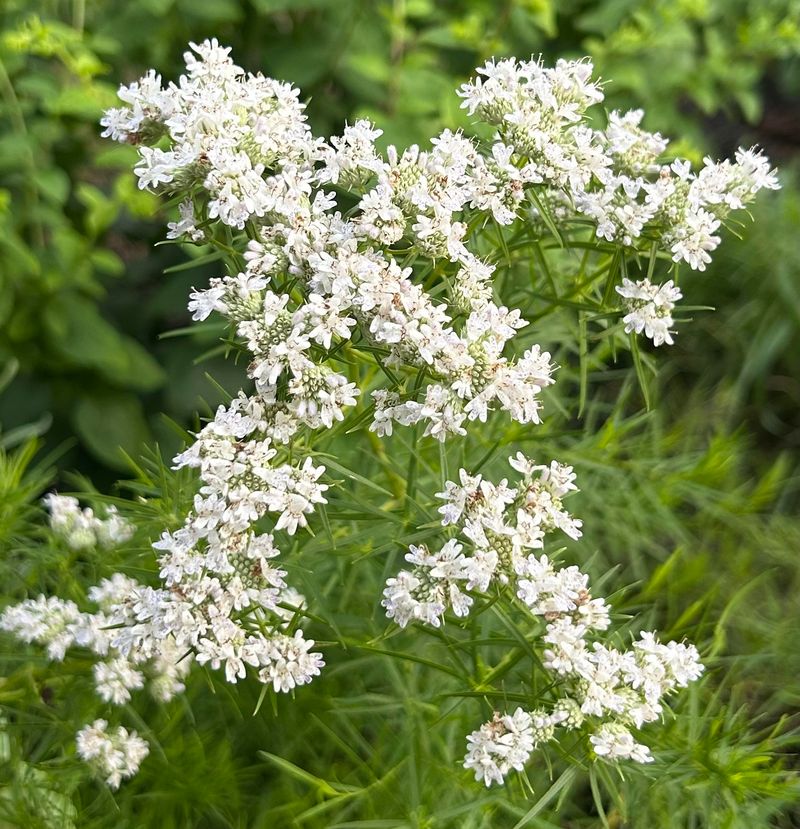
Ticks do not just wander randomly through a yard. They move through specific corridors, usually low vegetation, leaf litter, and open soil near edges.
Dense plant growth disrupts those corridors and makes navigation harder for them.
Narrowleaf Mountain Mint spreads steadily by underground runners. Over two or three seasons, a single plant can fill a two-foot-wide section of border completely.
That kind of coverage leaves very little open ground for ticks to move through comfortably.
Thick foliage also reduces the cool, moist microhabitat that ticks prefer. When sunlight reaches the ground less and air circulation increases through a dense planting, the conditions ticks favor become less available.
It is not a perfect barrier, but it is a meaningful one.
Pairing Mountain Mint with other dense native ground covers along your yard’s edge strengthens this effect further. Plants like native sedges or low-growing ferns can fill gaps beneath the mint’s canopy and create a more complete buffer zone.
Keep in mind that density depends on consistent growing conditions. Plants stressed by poor soil, too much shade, or inconsistent moisture will not spread as vigorously.
Healthy, well-sited plants are the ones that create the tight coverage you actually want.
5. Summer Flowers Bring Pollinators In Droves
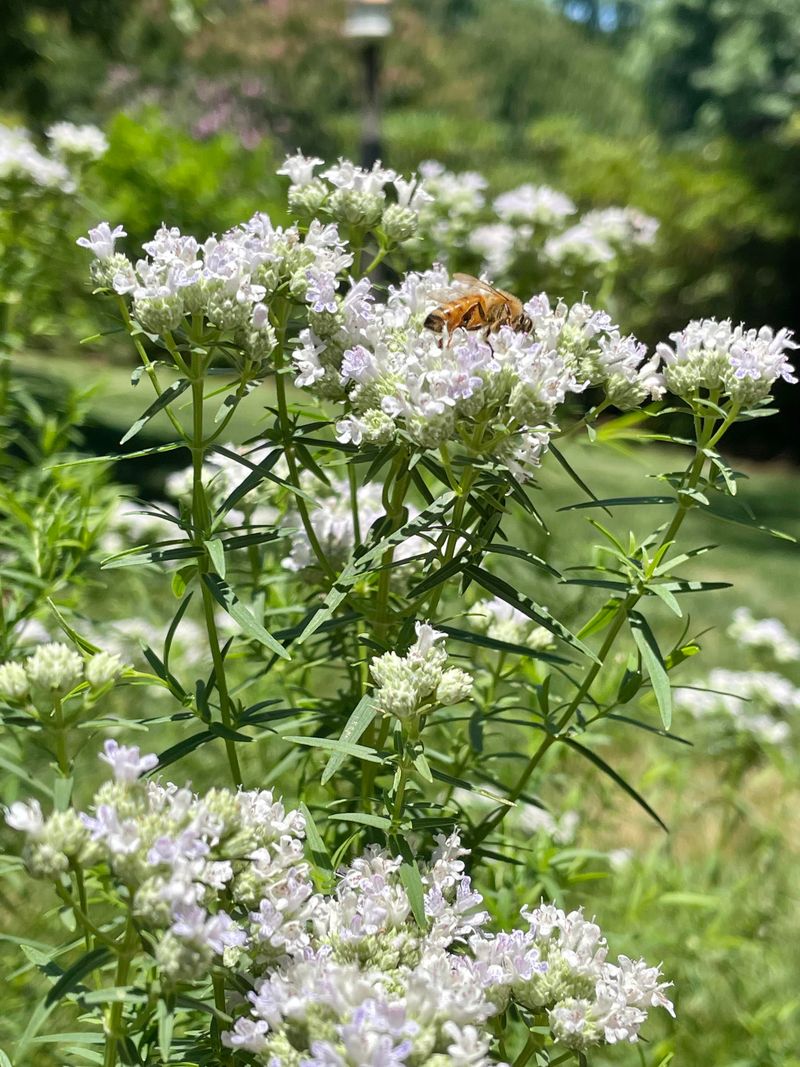
Bloom time for Narrowleaf Mountain Mint runs roughly from June through September. During those months, the tiny white flower clusters become one of the busiest spots in any backyard garden.
Bees, wasps, butterflies, and beneficial flies all show up in numbers.
What does that have to do with ticks? Quite a bit, actually.
Many of the small parasitic wasps attracted to Mountain Mint are natural predators of soft-bodied insects and pest larvae. A yard rich in beneficial insects is a more balanced ecosystem overall.
Predatory insects that feed on tick eggs and larvae are part of that balance. Encouraging them into your yard by planting natives like Mountain Mint supports a food web that works quietly in your favor.
It is not an instant fix, but it builds over seasons.
Gardeners often plant this species purely for pollinators and then notice the broader effect later. A garden buzzing with beneficial insects tends to have fewer pest problems across the board.
Mountain Mint is one of the most reliable ways to attract that kind of activity.
The flowers are small but produced in such abundance that the plant becomes visually striking at peak bloom.
6. Cut Back Stems To Keep Plants Full
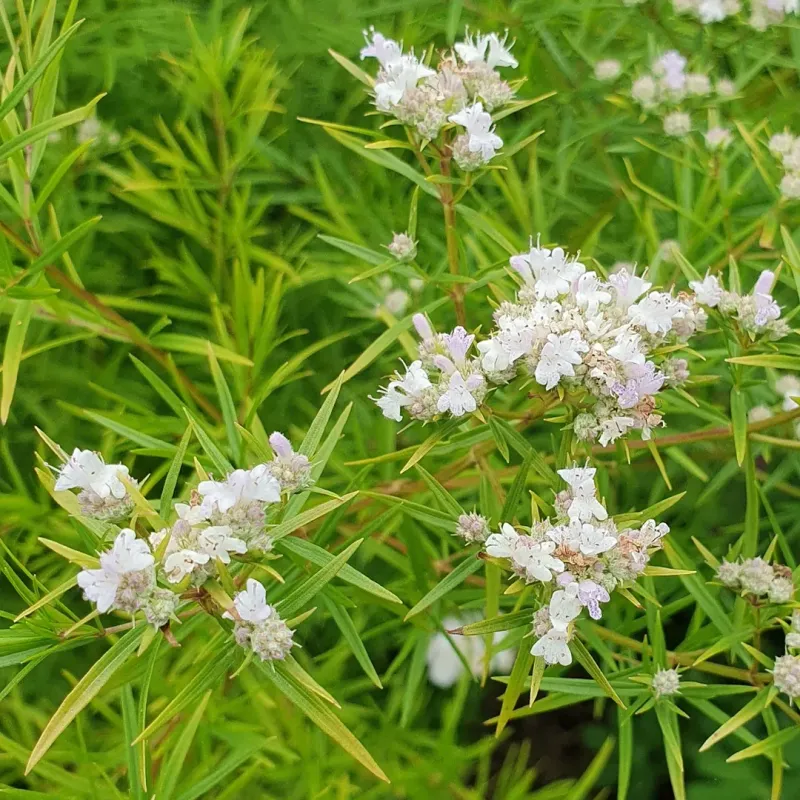
Left completely alone, Mountain Mint can get leggy by midsummer. Stems stretch upward, the lower portion of the plant thins out, and that tight, dense look starts to open up.
A quick cutback fixes that and keeps the plant working harder for you.
Cutting stems back by about one-third in late spring encourages branching. More branches mean more leaves, more fragrance, and denser coverage along the ground.
That extra density is exactly what makes the plant effective as a tick deterrent near garden edges.
No special tools needed. Sharp garden shears or even scissors work fine on the soft stems of this species.
A clean cut just above a leaf node is all it takes to trigger new side growth within a week or two.
Some gardeners do a second light trim after the first flush of flowers fades in July. That encourages a second bloom period and keeps the plant looking tidy through late summer.
It also extends the time the plant is actively releasing its aromatic oils into the air.
Avoid cutting too late in the season. Trimming after September in most parts of the South gives the plant less time to harden off new growth before cooler temperatures arrive.
7. Divide Clumps Before They Outgrow Their Space
Mountain Mint spreads. That is one of its best qualities for ground coverage, but it also means you need to manage it before it takes over more space than you intended.
Dividing clumps every two to three years keeps the plant healthy and your garden organized.
Early spring is the best time to divide. New growth is just beginning, roots are easy to separate, and transplants establish quickly before summer heat arrives.
Wait too long into the growing season and the plant resents the disruption much more visibly.
Use a garden fork or sharp spade to lift the clump cleanly. Pull sections apart by hand or cut through the root mass with a clean blade.
Each division needs at least a few healthy stems and a decent root section to establish well in a new spot.
Divided sections can be replanted along new sections of garden border, shared with neighbors, or used to fill gaps in existing plantings.
Expanding your Mountain Mint coverage this way costs nothing beyond a bit of time and effort on a cool spring morning.