Everyday Habits Arizona Homeowners Have That Keep Attracting Javelinas To Their Yards
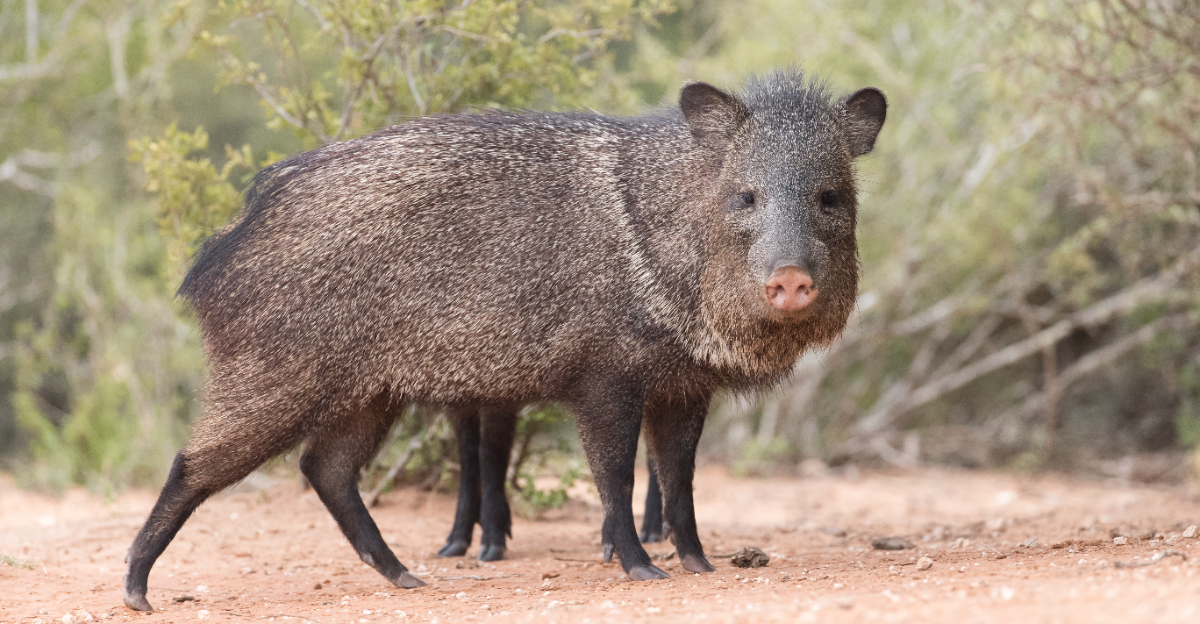
Few things catch people off guard quite like finding signs of javelinas in the yard.
A patch of disturbed soil, missing plants, or fresh tracks can appear overnight and leave people wondering what suddenly attracted these animals to the property.
The answer is not always as mysterious as it seems. Javelinas are constantly searching for resources, and some of the things that draw them in are surprisingly common around residential landscapes.
In many cases, the attraction is not a single problem but a collection of everyday habits that make a yard more inviting over time.
That can be frustrating because most of these routines seem completely harmless. They are part of normal yard maintenance and often happen without a second thought.
Yet certain habits can encourage repeat visits and make a property stand out from others nearby.
Arizona homeowners are often surprised to learn which everyday practices are helping bring javelinas back again and again.
1. Pet Food Left Outside Overnight
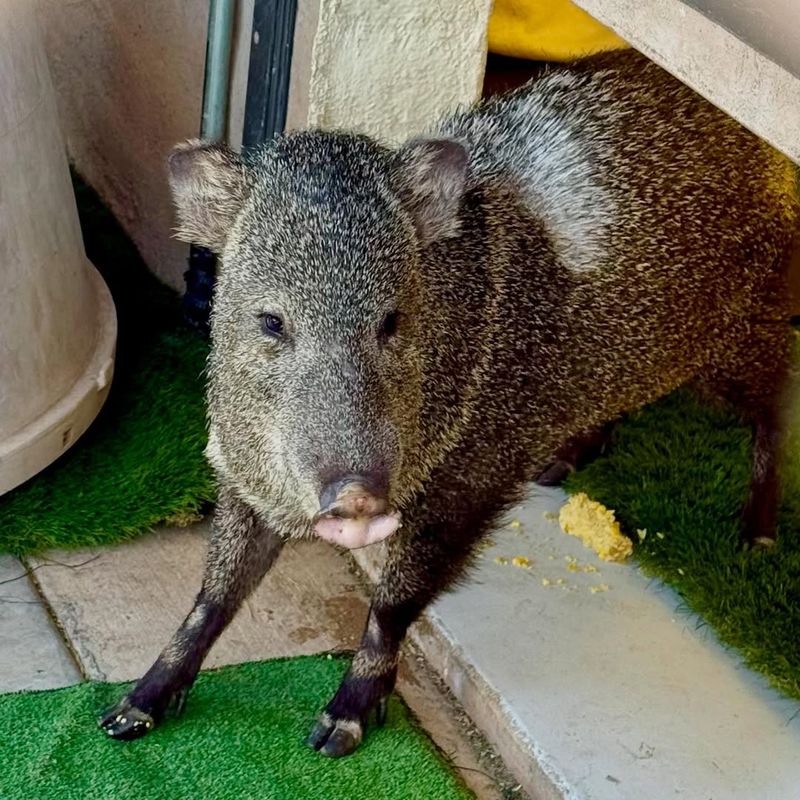
Leaving your dog or cat’s bowl outside after dark is basically sending javelinas a dinner invitation. Pet food smells incredibly strong to wildlife, and javelinas have a sense of smell that puts most animals to shame.
Once they catch that scent, they will return night after night.
Javelinas are not picky eaters. Dry kibble, wet food, even empty bowls with leftover residue can pull them in from surprisingly far away.
They travel in herds, so when one finds a food source, others follow quickly.
Bringing food bowls inside before sunset is one of the simplest fixes a homeowner can make. Store pet food in sealed containers kept indoors or in a locked garage.
Even a small amount left out can reset their habit of visiting your yard.
Some homeowners switch to automatic feeders that close on a schedule. That can help, but feeders still carry strong odors.
Washing the feeder regularly and bringing it inside at night is a smarter move overall.
If your pet eats outside, try feeding them only during daylight hours. Pick up any uneaten food right after mealtime.
A clean patio with no food smell is far less interesting to a roaming herd of javelinas looking for an easy meal after dark.
2. Fallen Fruit Under Backyard Trees
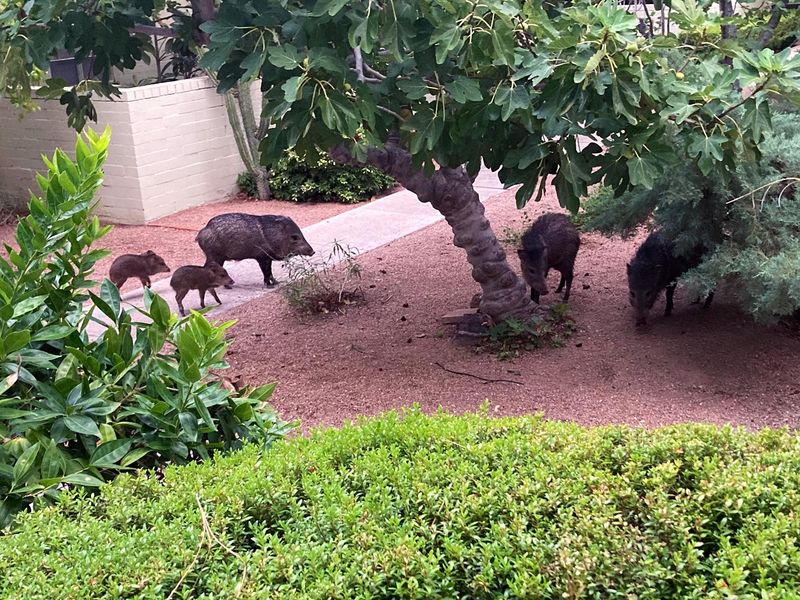
Citrus trees are a backyard staple across much of Arizona, and that sweet, rotting fruit on the ground is one of the biggest javelina magnets around. Fallen oranges, lemons, grapefruits, and limes release a strong sugary smell as they ripen and break down.
Javelinas pick up that scent fast.
A single mature orange tree can drop dozens of fruits in a week during peak season. Most homeowners do not realize how quickly fallen fruit piles up.
Even partially eaten fruit left on the ground keeps drawing wildlife back repeatedly.
Picking up fallen fruit every day or two makes a real difference. It takes only a few minutes, and it removes the primary food reward javelinas are after.
Composting fallen fruit in a sealed bin kept far from the yard perimeter helps too.
Your Arizona Garden Changes Every Week. Your Plan Should Too.
Gardening in Arizona changes quickly throughout the season. Every Friday you’ll receive a simple weekly plan showing exactly what to plant, prune, fertilize, harvest, and protect so you never miss the right timing.
Fruit that stays on low-hanging branches is also a problem. Javelinas can stand on their hind legs or push against branches to knock fruit down.
Pruning lower branches reduces that opportunity significantly.
If you have multiple fruit trees, consider harvesting fruit before it fully ripens and drops. Storing harvested fruit indoors or in a garage keeps the smell contained.
Keeping the ground beneath your trees clean and free of debris removes one of the most reliable reasons javelinas keep returning to your property season after season.
3. Bird Seed Spilled Beneath Feeders
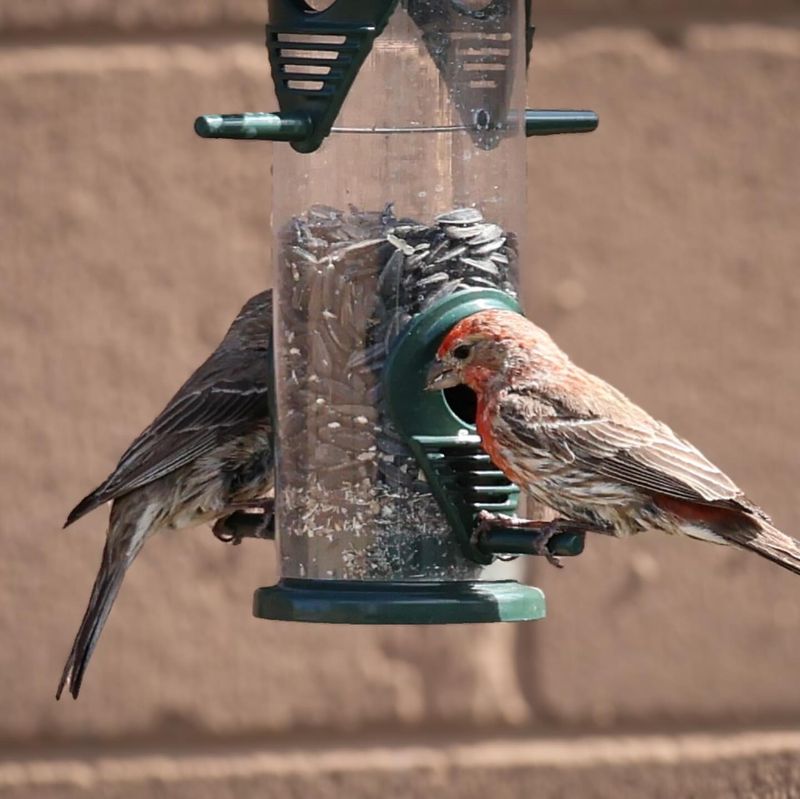
Bird feeders bring beautiful wildlife to your yard, but the seed that falls to the ground tells a very different story after dark. Javelinas are opportunistic foragers, and spilled seed is exactly the kind of low-effort meal they seek out during nighttime rounds through residential neighborhoods.
Sunflower seeds, millet, and cracked corn are especially attractive to them. A thick layer of seed husks and dropped grain beneath a feeder creates a reliable feeding spot.
Once javelinas learn that spot exists, they show up consistently.
Switching to a no-mess feeder that catches dropped seed in a tray helps reduce ground scatter significantly. Tray-style feeders that hold seed closer to the feeder body also cut down on waste.
Less seed on the ground means less reason for javelinas to investigate.
Cleaning beneath feeders every evening before dusk removes the overnight temptation. A quick sweep or rake of the area takes only a few minutes.
Combining that with storing any bagged seed in sealed metal containers keeps the overall scent load low.
Placing feeders closer to the house and away from fence lines or desert edges also reduces access. Javelinas feel bolder near cover and open desert edges.
Moving feeders to a more visible, open area of the yard can discourage them without giving up the joy of watching birds visit your outdoor space regularly.
4. Trash Cans Without Tight Lids
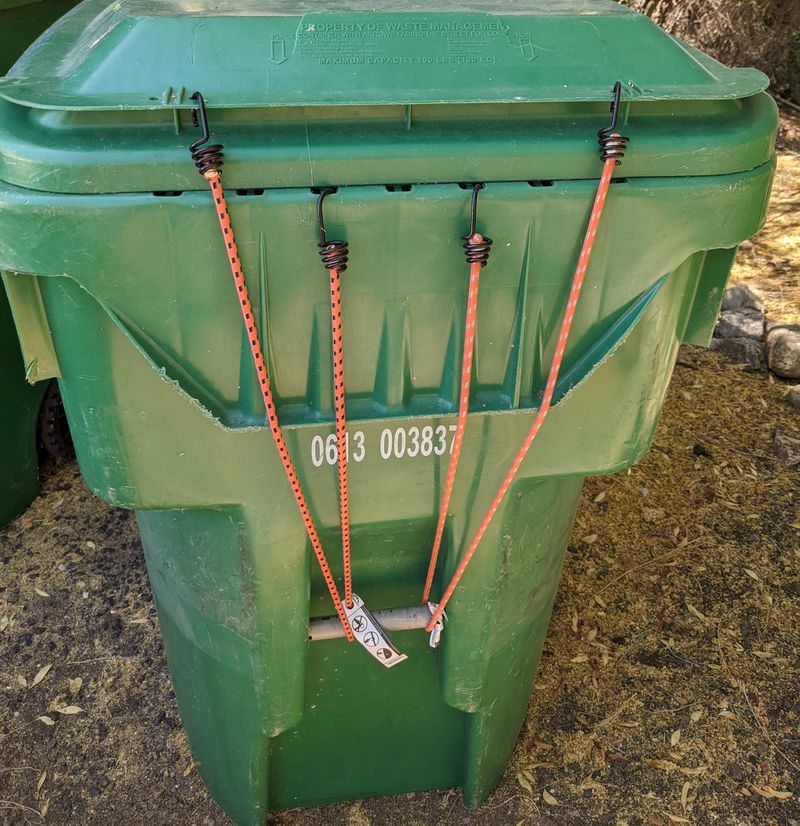
Garbage smells like a buffet to a javelina. Trash cans without secure lids broadcast every food scent inside straight into the night air.
Javelinas have powerful snouts built for rooting through soil and debris, and a loose trash lid is no real obstacle at all.
Food scraps, meat packaging, fruit peels, and even used paper plates carry strong odors that travel far in dry desert air. Neighborhoods with consistent javelina activity almost always have multiple homes using cans without locking lids.
It becomes a reliable circuit for the herd.
Switching to cans with locking or bungee-secured lids is one of the highest-impact changes a homeowner can make. Wildlife-resistant trash cans are widely available and hold up well to repeated nudging and rooting attempts.
Standard lids that just rest on top rarely stay put.
Keeping trash cans in a closed garage until collection morning removes the scent source almost entirely. Storing them outside the night before pickup is understandable, but double-bagging food waste before placing it in the can helps contain odors significantly.
Rinsing cans regularly with a diluted vinegar solution cuts down on residual smells that cling to plastic. Spraying the outside base of the can with a pet-safe deterrent spray adds another layer of discouragement.
Small steps in trash management can dramatically reduce how often javelinas visit your property looking for an overnight meal.
5. Unprotected Vegetable Gardens
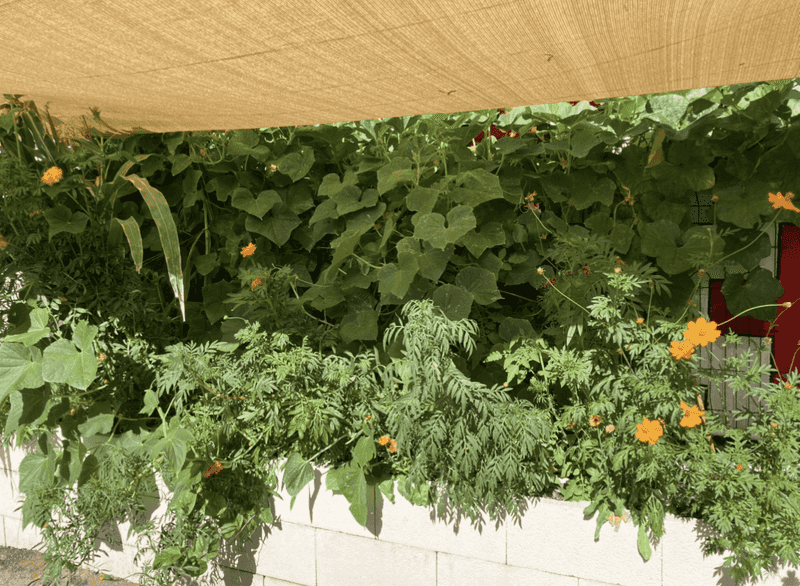
Growing your own vegetables in the desert Southwest takes real effort, and javelinas can undo weeks of work in one night. Unprotected garden beds are wide open invitations.
Tomatoes, peppers, squash, and leafy greens are all high on their list of preferred foods.
Javelinas are not dainty about eating. They root through soil, knock over plants, and chew stems down to nothing.
One visit from a herd can leave a garden looking completely destroyed by morning. The damage is fast and thorough.
Physical barriers are the most reliable solution. A sturdy wire fence at least four feet tall around the garden perimeter keeps most javelinas out.
Burying the bottom edge of the fence a few inches into the soil prevents them from rooting under it.
Raised beds with hardware cloth on the bottom and sides offer strong protection. Some gardeners add a low electric fence wire around the perimeter as an added deterrent.
That option requires a power source but proves highly effective with repeat visitors.
Planting aromatic herbs like rosemary, lavender, or strong-scented marigolds around the garden border may help create a natural scent buffer. Javelinas rely heavily on smell, and dense aromatic plants can mask the food scents that pull them in.
Combining physical barriers with scent deterrents gives your vegetable garden the best chance of surviving intact through every growing season.
6. Open Compost Piles Near Garden Beds
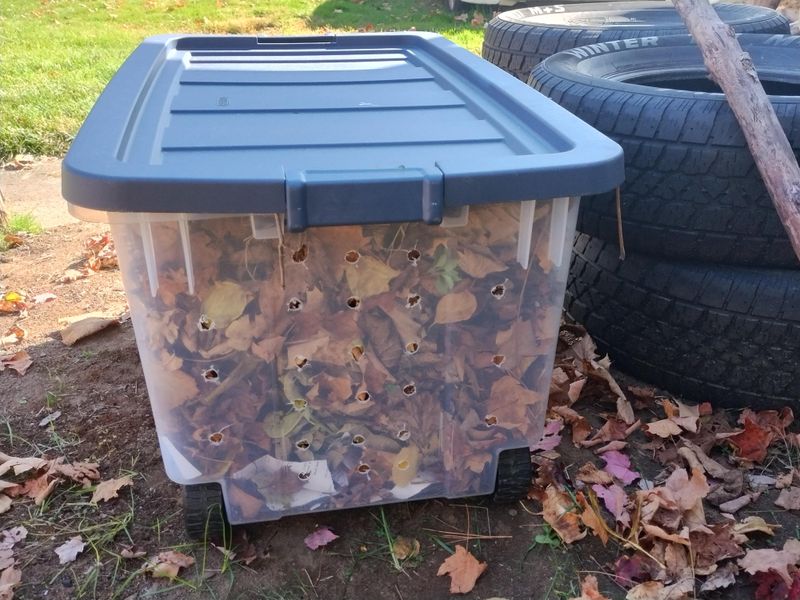
Composting is a smart, eco-friendly habit, but an open pile near your garden is one of the strongest javelina attractants on a residential property. Decomposing food scraps release concentrated odors that carry far in dry evening air.
Javelinas follow those smells directly to the source.
Fruit and vegetable scraps are especially problematic. As organic material breaks down, the smell intensifies before it fades.
A fresh addition of kitchen waste to an open pile can draw wildlife within hours after sunset. The timing lines up perfectly with peak javelina activity.
Switching to a fully enclosed compost bin with a locking lid is the most practical fix. Tumbler-style composters are particularly effective because they seal completely and elevate material off the ground.
Ground-level open piles with no cover are nearly impossible to secure against determined wildlife.
Avoid adding meat, dairy, or cooked food to any outdoor compost. Even in a sealed bin, those items generate stronger odors than plant-based scraps.
Sticking to raw fruit peels, vegetable trimmings, and yard clippings keeps the smell more manageable and less attractive to foraging animals.
Moving the compost setup as far from the main yard and garden as possible also helps. Placing it near a solid fence or wall on the outer edge of your property reduces easy access.
Combining location, enclosure, and smart material choices keeps your composting habit from becoming a reliable nightly stop for javelinas on the move.
7. Decorative Cactus Fruit Left On Plants
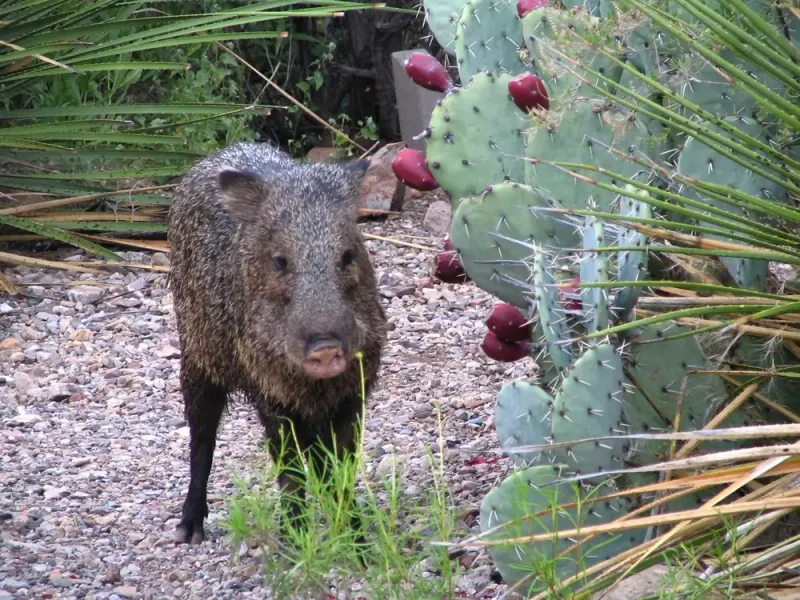
Prickly pear cactus is one of the most popular landscaping plants in the desert Southwest, and those bright red and purple fruits are practically a javelina’s favorite food.
Leaving ripe fruit on the plant through late summer and fall creates a reliable food source right in your front or backyard.
Javelinas have thick, tough skin around their mouths that lets them eat cactus pads and fruit without much discomfort from spines. Ripe prickly pear fruit is sweet, water-rich, and nutritious for them.
Once a herd discovers a fruiting cactus on your property, they will return every season.
Harvesting prickly pear fruit before it fully ripens and drops is the most effective way to remove the attraction. Use tongs and thick gloves to collect fruit.
Ripe fruit can be eaten, juiced, or made into jelly, so harvesting it has real value beyond just managing wildlife.
Fallen fruit at the base of the plant is just as much of a draw as fruit still on the pad. Clearing dropped fruit from the ground every few days during fruiting season significantly reduces the scent signal reaching nearby wildlife.
If you prefer keeping cactus fruit on the plant for visual appeal, consider placing a low wire barrier around the base of large specimens.
It will not stop every attempt, but it slows access enough to discourage casual visits from herds passing through your neighborhood during their nightly foraging routes.