These Arizona Container Plants Help Repel Mosquitoes All Summer
Warm evenings feel much better when mosquitoes are not constantly buzzing around patios and entryways.
The problem often gets worse in Arizona during summer after monsoon moisture, extra watering, and shaded container areas create better conditions for pests to stick around longer.
Container plants can help make outdoor spaces far less inviting for mosquitoes during the hottest months of the year. Strong fragrance plays a big role, especially when pots are placed near seating areas, doors, or small backyard gathering spots.
Some plants also handle extreme heat surprisingly well once temperatures start climbing daily.
Container choice matters too. Overwatered pots and standing water often attract more mosquitoes no matter what is planted nearby.
Healthy airflow and proper drainage usually make a noticeable difference very quickly.
A few well placed containers can completely change how comfortable patios and small outdoor spaces feel during long summer evenings.
1. Citronella Grass Forms Large Fragrant Clumps By Mid Summer
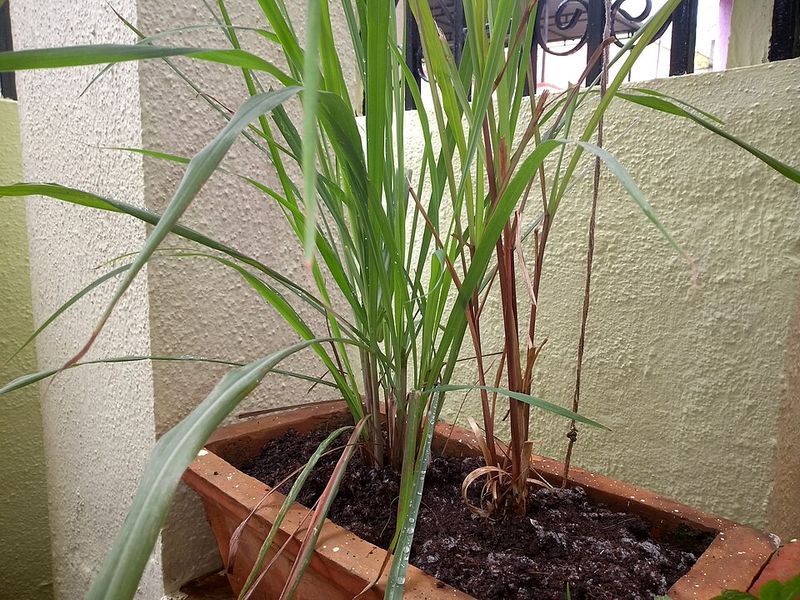
Few plants earn their patio space quite like citronella grass.
By midsummer, a single container can grow into a dramatic, fragrant clump that fills the air with a sharp lemon scent every time the wind moves through it.
Citronella grass thrives in full sun and warm temperatures, which makes it a natural fit for hot desert summers. Plant it in a large pot with good drainage because soggy roots slow growth quickly.
Water deeply but let the top inch of soil dry out between sessions. Overwatering is actually the most common mistake people make with this plant.
A container on wheels helps a lot here. You can roll it near seating in the evening and move it to a sunnier spot during the day without any hassle.
Rubbing a leaf between your fingers releases the oils directly and gives you a quick burst of natural scent. Some gardeners do this before sitting outside to boost the repelling effect on nearby mosquitoes.
Citronella grass can reach five to six feet tall in a season under ideal conditions. Give it room, consistent sun, and occasional feeding with a balanced fertilizer to keep growth strong all summer long.
Strong afternoon sun usually intensifies the fragrance, especially once temperatures stay consistently hot through July and August.
Trimming away older outer leaves occasionally also helps the clump stay tidier and encourages fresh new growth from the center.
2. Sweet Basil Stays Fuller With Frequent Tip Pinching
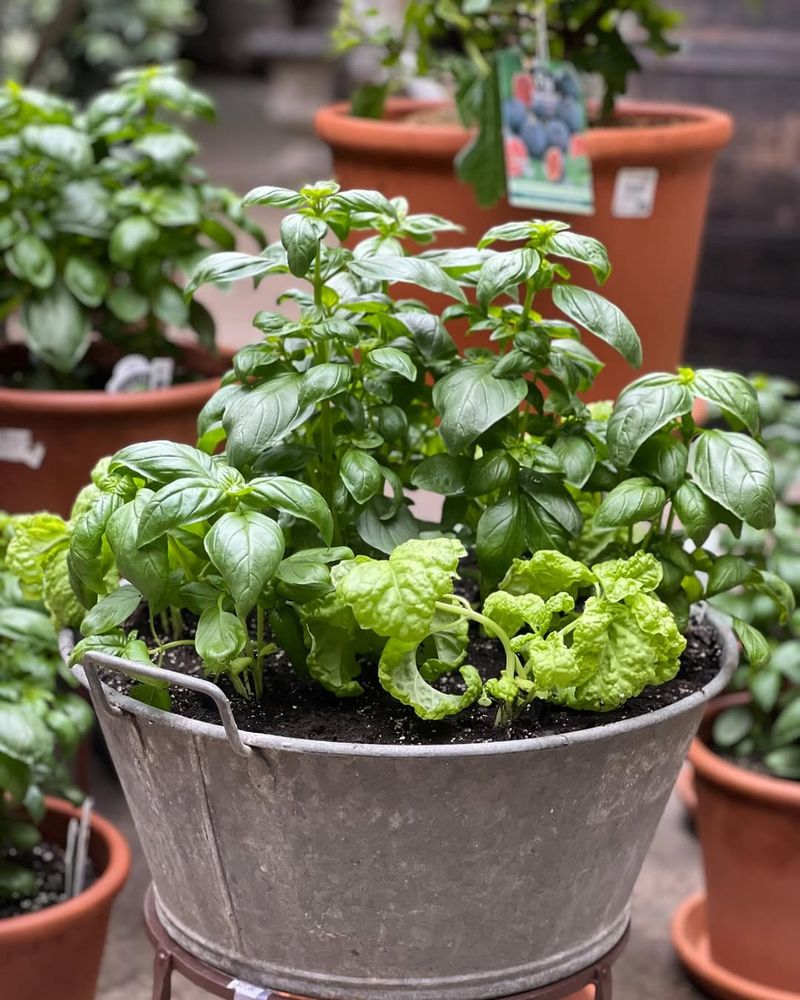
Basil does double duty in the garden. It flavors your cooking and pushes back against mosquitoes at the same time, making it one of the most practical container plants you can grow outside.
Pinching the tips regularly is the single most important thing you can do to keep basil bushy and productive. Without it, the plant shoots upward, flowers quickly, and loses a lot of its aromatic punch.
Snap off the top two sets of leaves every week or so. New growth will branch out from those spots and the plant stays compact, leafy, and strongly scented all season.
Your Arizona Garden Changes Every Week. Your Plan Should Too.
Gardening in Arizona changes quickly throughout the season. Every Friday you’ll receive a simple weekly plan showing exactly what to plant, prune, fertilize, harvest, and protect so you never miss the right timing.
In the desert heat, basil appreciates some afternoon shade. Direct sun past three in the afternoon can stress the leaves, causing browning on the edges and slowing new growth noticeably.
Water consistently but never let roots sit in standing water. A well-draining mix with some compost added keeps moisture balanced without suffocating the roots.
Place your pot near doorways, outdoor dining areas, or anywhere you spend time after sunset.
Basil releases its oils most strongly when brushed or disturbed, so positioning it near patios or seating areas helps maximize its repelling potential throughout warm evenings.
Regular harvesting keeps basil fuller and delays flowering during summer heat.
Lemon basil and Genovese basil both grow well in containers and release a strong scent once temperatures rise.
3. English Lavender Prefers Dry Soil And Strong Sunlight
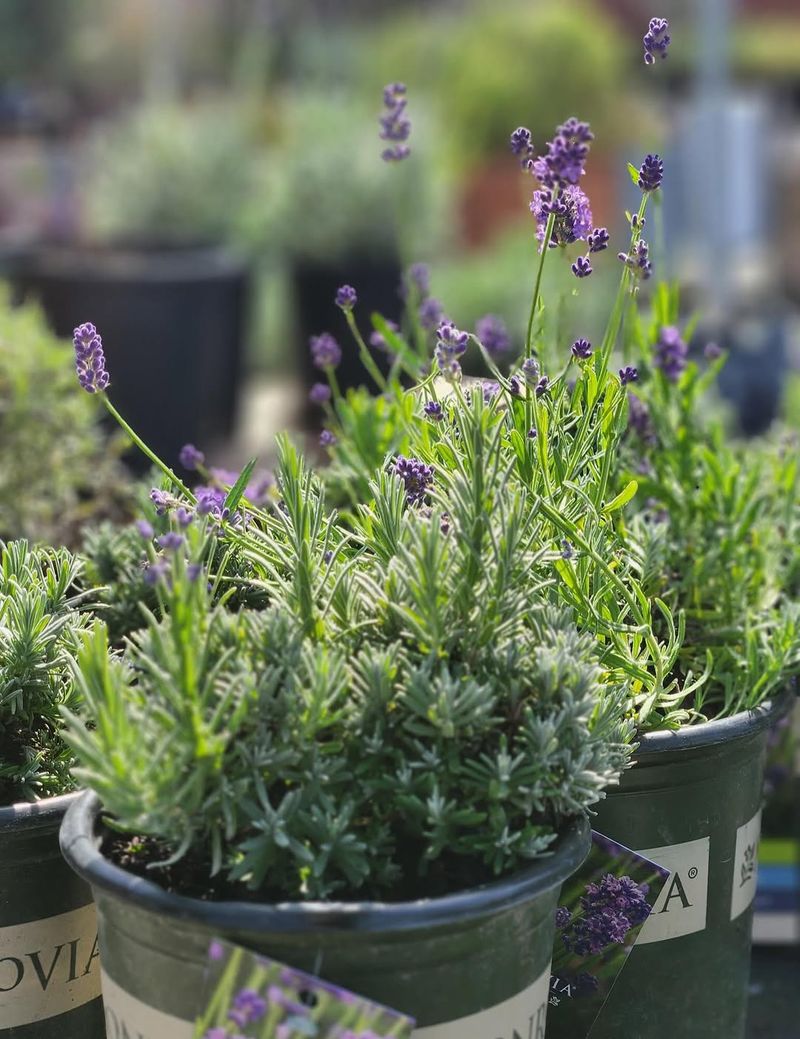
Lavender was practically built for dry climates. Its preference for lean, well-drained soil and intense sunlight lines up almost perfectly with the conditions found across much of the Southwest during summer.
Plant English lavender in a terracotta pot with a gritty, fast-draining mix. Standard potting soil holds too much moisture and can cause root problems over time, especially in humid monsoon weeks.
Water sparingly once established. Lavender handles drought far better than it handles wet feet, so erring on the dry side is almost always the safer choice with this plant.
The purple flower spikes bloom most heavily in late spring and early summer. Mosquitoes dislike the strong floral-herbal scent, and bees absolutely love it, so you get pest repelling and pollinator support at once.
Trim spent flower stalks back after blooming to encourage a second flush of growth. Avoid cutting into the woody base too aggressively since that can stress the plant significantly.
Placement near seating areas works best. A few containers clustered together create a stronger scent barrier than a single pot spread out alone.
Try grouping lavender with rosemary or citronella grass for a layered, effective natural defense against evening mosquitoes.
Morning sun and good airflow help lavender stay healthier through humid monsoon periods.
Smaller varieties like Munstead usually adapt better to containers than larger growing types.
4. Eucalyptus Gives Off A Stronger Scent In Summer
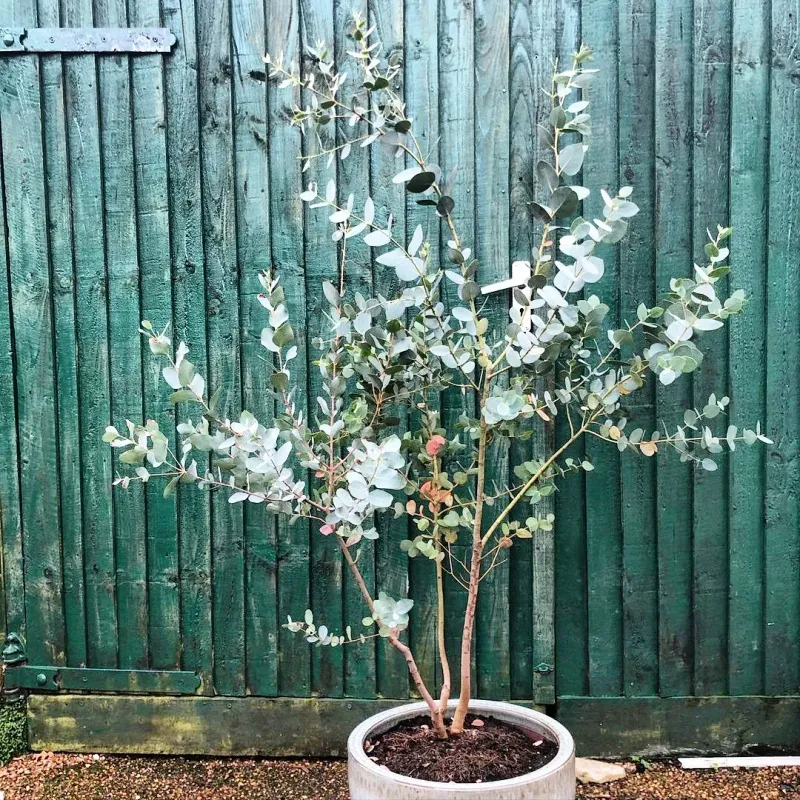
Eucalyptus handles Arizona heat surprisingly well once roots become established in a large container with fast draining soil. Summer warmth actually intensifies the aromatic oils inside the leaves.
That is why the fragrance often becomes much stronger during long hot evenings.
Many gardeners place eucalyptus near patios, entryways, or outdoor seating areas once mosquito activity increases after monsoon moisture and extra summer watering begin attracting more pests around the yard.
Choose a container with excellent drainage and place it where the plant receives several hours of direct sunlight every day. Smaller growing varieties usually adapt much better to container life.
Larger landscape types quickly outgrow pots and become difficult to manage in small outdoor spaces.
Silver Dollar Eucalyptus is one of the most popular choices because the rounded blue green leaves stay attractive through intense summer heat.
Water deeply but allow the upper layer of soil to dry slightly before watering again. Eucalyptus handles dry conditions far better than constantly damp soil, especially during humid monsoon periods when roots stay wet longer than expected.
Light pruning encourages fuller growth and keeps the plant more compact through summer. Fresh new growth usually produces the strongest fragrance.
Brushing the leaves while walking past releases even more scent into the warm evening air around patios and containers.
5. Peppermint Benefits From Afternoon Shade During Extreme Heat
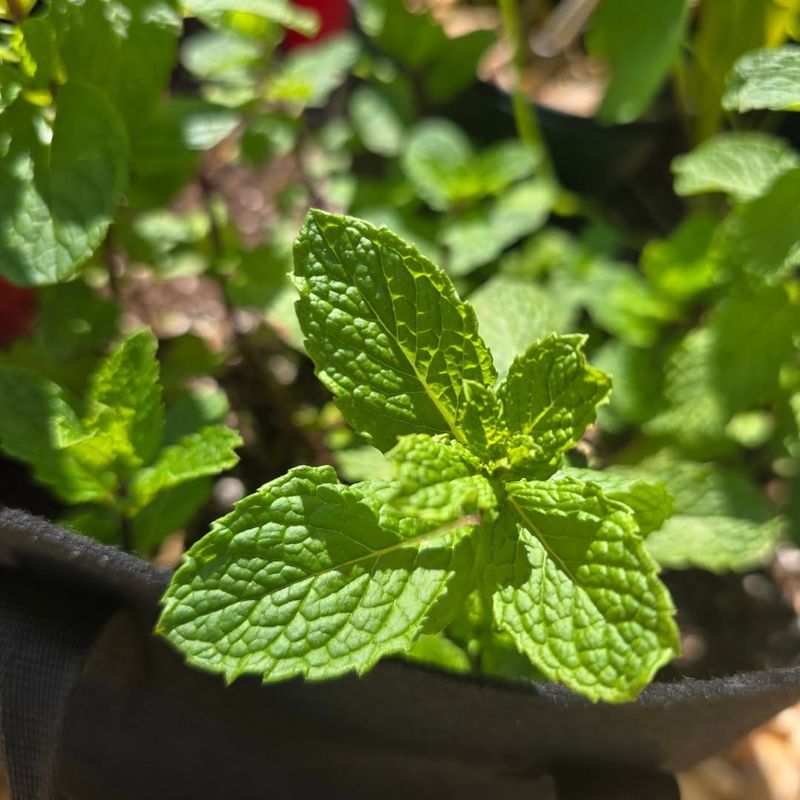
Peppermint is powerful, but it has limits in extreme heat. Unlike rosemary or lemongrass, it needs a break from the afternoon sun during the hottest months or the leaves start scorching and losing their punch.
Move pots to a spot that gets morning sun and afternoon shade once temperatures climb consistently above 100 degrees. A covered patio, a north-facing wall, or the shade of a larger plant all work well.
Peppermint spreads aggressively in the ground, which is exactly why containers are the smarter choice. A pot keeps the roots controlled while still giving the plant enough room to grow full and bushy.
Keep the soil consistently moist without letting water pool at the bottom. Peppermint wilts quickly when dry but bounces back fast once watered, making it more forgiving than some other herbs on this list.
Mosquitoes strongly dislike the menthol compounds in peppermint leaves. Crushing a few leaves and rubbing them lightly on your skin gives temporary, mild natural repelling without harsh chemicals.
Harvest stems regularly to promote dense, leafy regrowth. Peppermint left unpruned tends to get leggy and less fragrant over time.
Fresh growth always carries stronger scent than older stems sitting on the plant too long.
Hot, dry wind can stress peppermint quickly in exposed spots, especially during peak summer afternoons.
Smaller containers also dry out faster, so larger pots usually keep the plant healthier through extreme heat.
6. French Marigolds Continue Flowering Through Hot Dry Weather
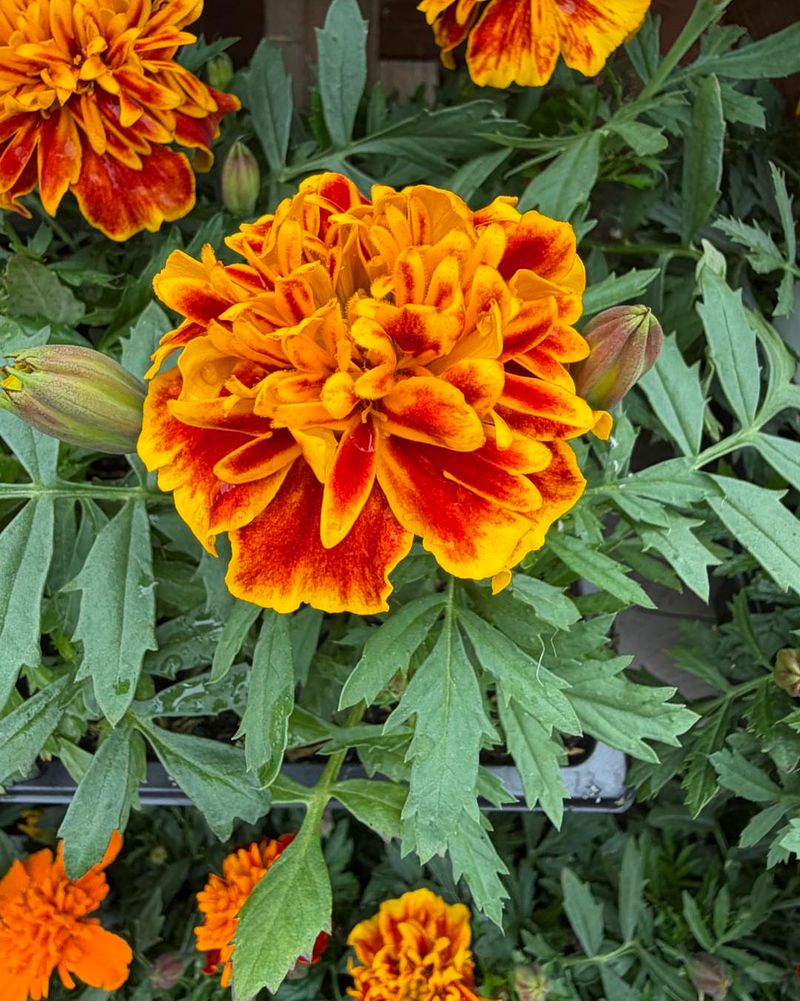
Bold color and a sharp, almost medicinal scent make French marigolds one of the most recognizable mosquito-repelling plants around. They keep blooming even when summer heat is at its most relentless.
French marigolds are smaller and bushier than African varieties, which makes them a better fit for container gardening. A single twelve-inch pot can hold two to three plants comfortably and still look full all season.
Plant them in well-draining potting mix and place containers in full sun. More sunlight generally means more blooms, and more blooms means more of the strong scent that mosquitoes find genuinely unpleasant.
Water at the base rather than overhead to prevent petal browning. Consistent moisture without waterlogging keeps roots healthy and supports continuous flower production through the longest, hottest stretches of summer.
Deadheading spent blooms every few days makes a real difference.
Removing old flowers encourages the plant to push out new buds rather than putting energy into seed production, which extends the blooming season noticeably.
Marigolds also repel other garden pests beyond mosquitoes.
Aphids, whiteflies, and certain beetles avoid them too, making these cheerful flowers one of the hardest-working and most visually rewarding additions to any outdoor container garden this summer.
French marigolds usually stay compact without much trimming, even during long stretches of heat.
Yellow, orange, and deep red varieties all handle summer sun well once roots become established.
7. Scented Geraniums Release More Aroma During Warm Evenings
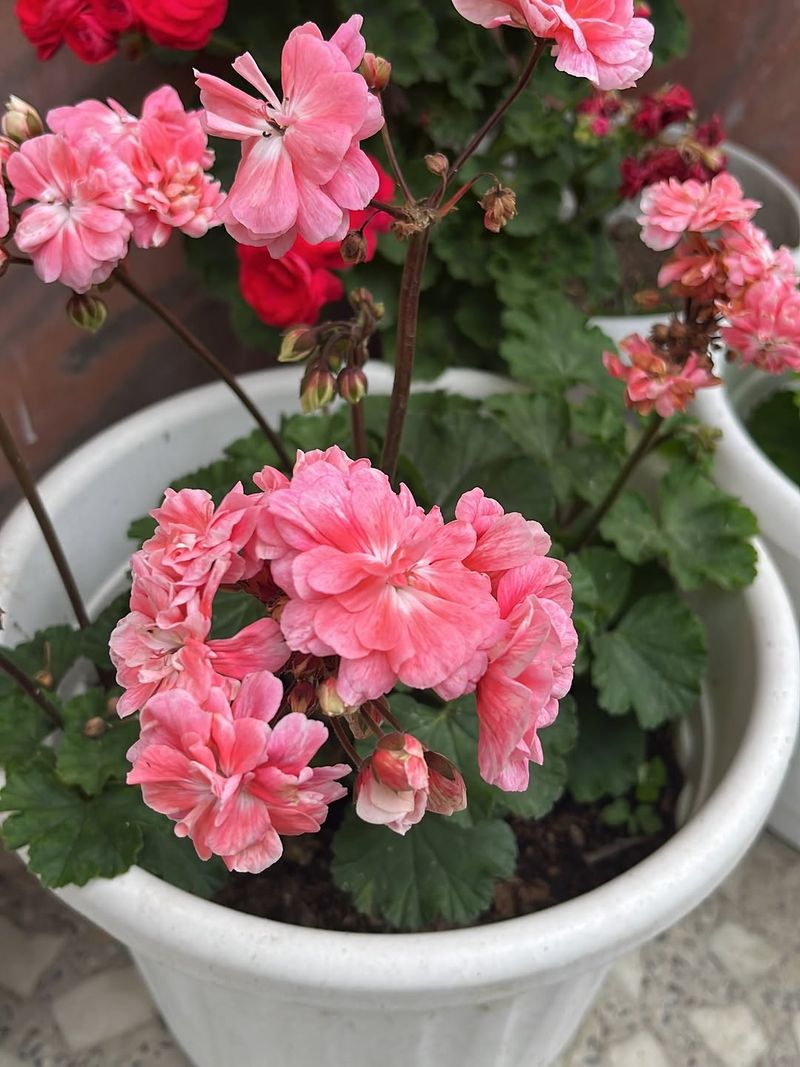
Scented geraniums have a quiet kind of magic.
Warm evening air often carries the fragrance surprisingly far, with different varieties producing scents that resemble roses, citrus, or fresh mint.
Mosquitoes are particularly sensitive to the compounds in rose-scented and citronella-scented geranium varieties.
Placing these near seating areas takes advantage of the natural scent release that happens as evening temperatures stay warm.
Arizona summers are genuinely ideal for scented geraniums because warmth intensifies the aromatic oils in the leaves. You get stronger scent output on hot evenings than you would in cooler climates without doing anything extra.
Plant in a container with excellent drainage and give them full morning sun with light afternoon protection. Too much intense afternoon exposure can stress the leaves and reduce oil production over time.
Water moderately and let the soil dry slightly between sessions. Scented geraniums lean toward drought tolerance and recover well from occasional dry spells, making them manageable even for less attentive gardeners.
Pinch back leggy stems to keep plants full and compact. Healthy, dense foliage produces far more aromatic oil than sparse, stretched growth does.
Consistent light trimming keeps these plants performing at their best all the way through the warm season.
Terracotta pots help prevent excess moisture around the roots, especially during humid monsoon periods.
Brushing the leaves lightly while walking past also releases more fragrance into the air around patios and seating areas.
8. Rosemary Handles Reflected Heat Better Than Many Herbs
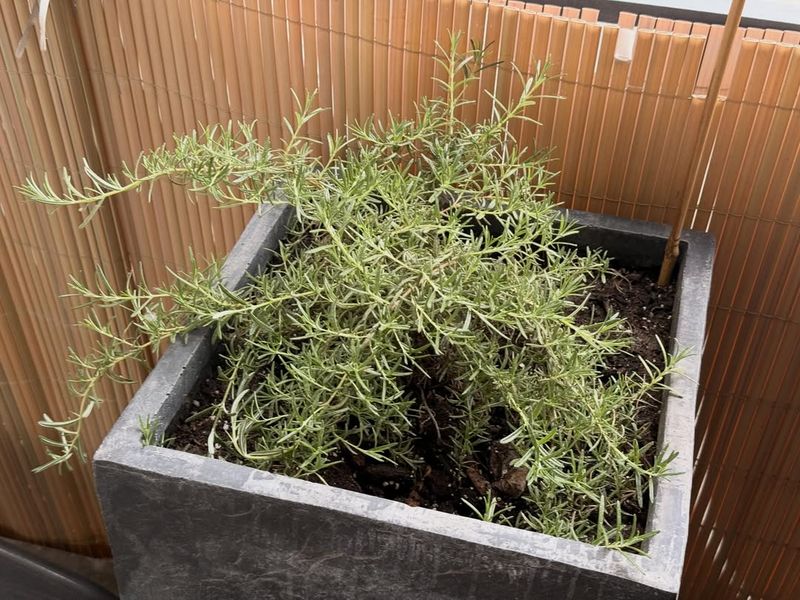
Reflected heat off concrete and stucco walls can push temperatures well above what most herbs can handle. Rosemary barely notices.
It thrives in conditions that would wilt softer plants within days.
Its needle-like leaves have a natural coating that reduces moisture loss, which is exactly why rosemary holds up so well in intense, dry heat. That same adaptation makes it one of the most low-maintenance container herbs available.
Plant rosemary in a well-draining mix and place it in full sun without hesitation. A south or west-facing wall where heat reflects strongly is actually a good spot rather than a problem location for this plant.
Water only when the top two inches of soil feel dry. Rosemary prefers to run slightly dry between watering sessions, and overwatering causes far more problems than underwatering ever does.
Mosquitoes avoid the sharp, piney scent that rosemary releases constantly into warm air. Placing a container near a doorway or patio entrance creates a natural scent barrier without any effort on your part.
Trimming rosemary regularly keeps it compact and encourages fresh, strongly scented growth.
Use the cuttings in your kitchen since rosemary pairs well with roasted vegetables, grilled meats, and olive oil-based dishes throughout the summer months.
Terracotta pots work especially well because they help excess moisture evaporate faster after watering. Upright varieties usually stay tidier in containers, while trailing types spill nicely over the edges of larger pots.