These 8 Georgia Flowers Keep Dragonflies Visiting Your Backyard Garden
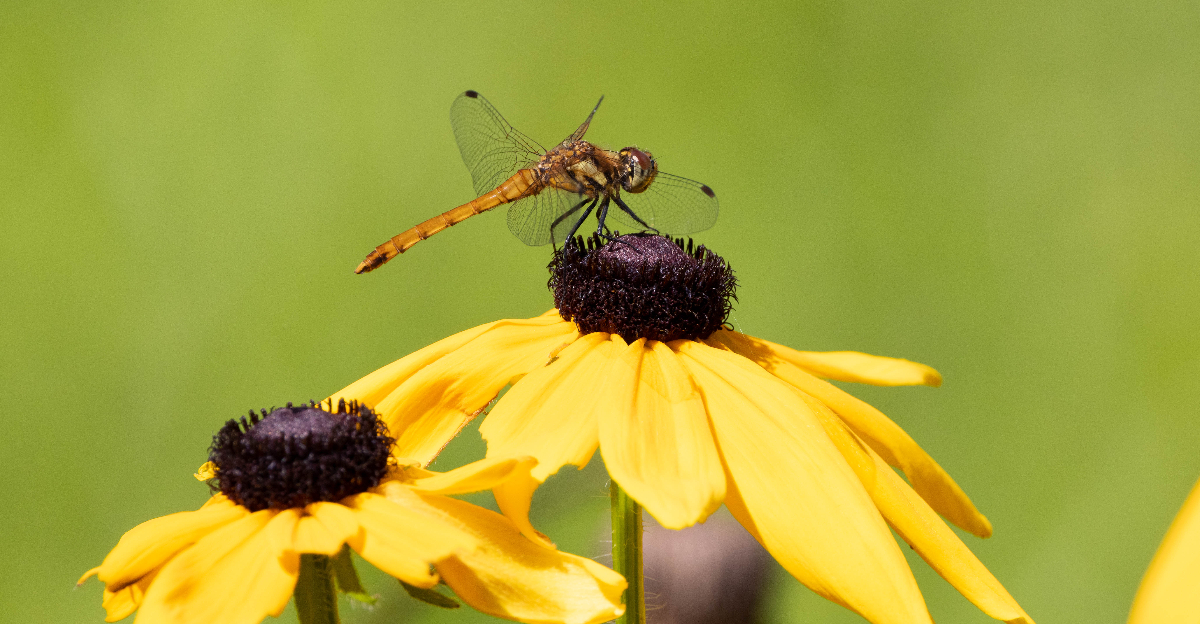
Dragonflies are doing something in your garden that many people never notice.
They are hunting. Patrolling. Returning to the same spots over and over because something in that space is worth coming back to. A water source. A perch. A reliable concentration of smaller insects to chase.
The yards where dragonflies show up consistently are not always the ones with the biggest ponds or the most elaborate water features. They are the ones with the right plants placed in the right spots.
Which raises a fair question. What exactly is it that brings them back?
Well, it is a combination of vertical structure, insect activity, open water access, and bloom timing that together create the kind of layered habitat dragonflies actually use rather than fly over.
Georgia gardeners have a real advantage here. The climate supports native moisture-loving plants that do this job exceptionally well.
Several of them are already common enough to find at any decent nursery. Eight of them are worth knowing about specifically.
1. Blue Flag Iris
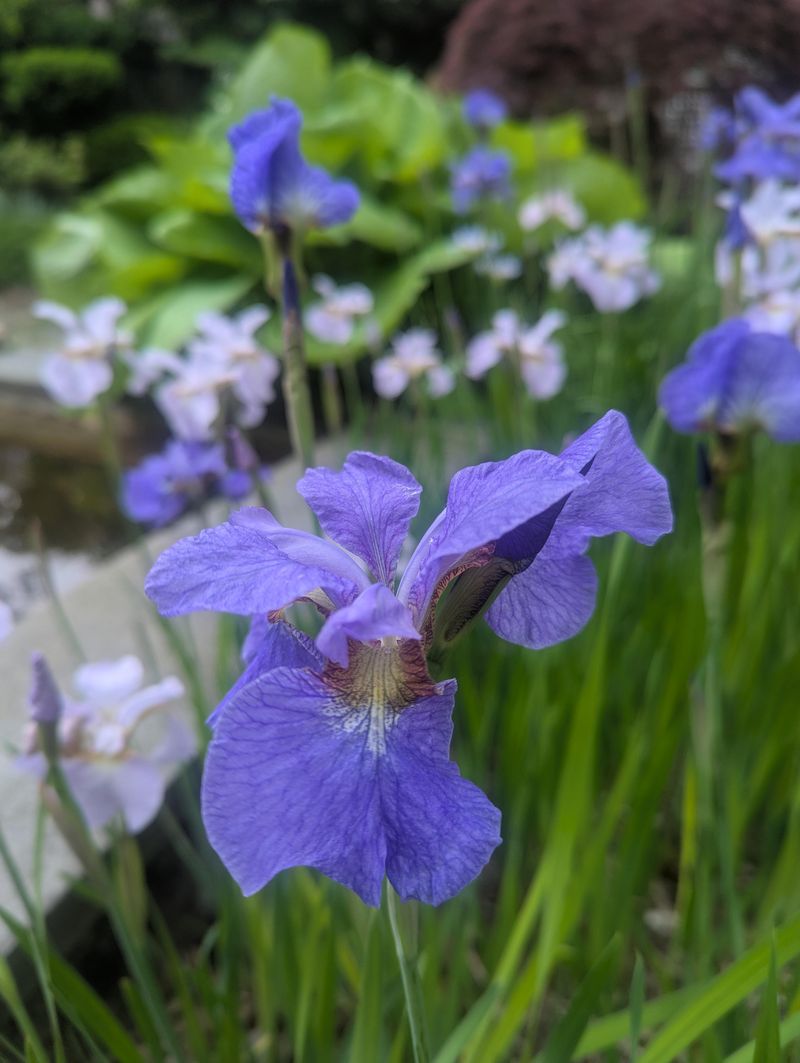
Watch a dragonfly land on a tall, sword-shaped leaf and the purpose of Blue Flag Iris becomes immediately clear.
Those stiff, upright leaves act as natural landing platforms, giving dragonflies a raised position to scan for prey and rest between hunting passes.
Few plants provide that kind of vertical structure right at the water’s edge, which is exactly where dragonflies spend most of their time.
Blue Flag Iris is native to the southeastern United States and thrives in Georgia’s wet soils in full sun to part shade. It grows naturally along pond margins, rain garden edges, and boggy spots that stay consistently moist.
The roots help stabilize muddy banks while the dense foliage creates shelter for aquatic insects that dragonflies actively pursue.
Purple blooms appear in spring and pull in native bees and small pollinators. That insect traffic is what draws dragonflies in close.
More prey near the water means more hunting activity, and dragonflies are extraordinarily efficient once they find a productive zone.
Plant in clusters of three or more along a pond edge or rain garden border, spacing rhizomes about eighteen inches apart.
Keep soil consistently wet through the first growing season. Once established, this iris spreads gradually and fills gaps without much input from the gardener.
Blue Flag Iris provides the structure, the habitat, and the insect traffic all at once. It is essentially a dragonfly welcome sign written in a language they actually understand.
2. Buttonbush
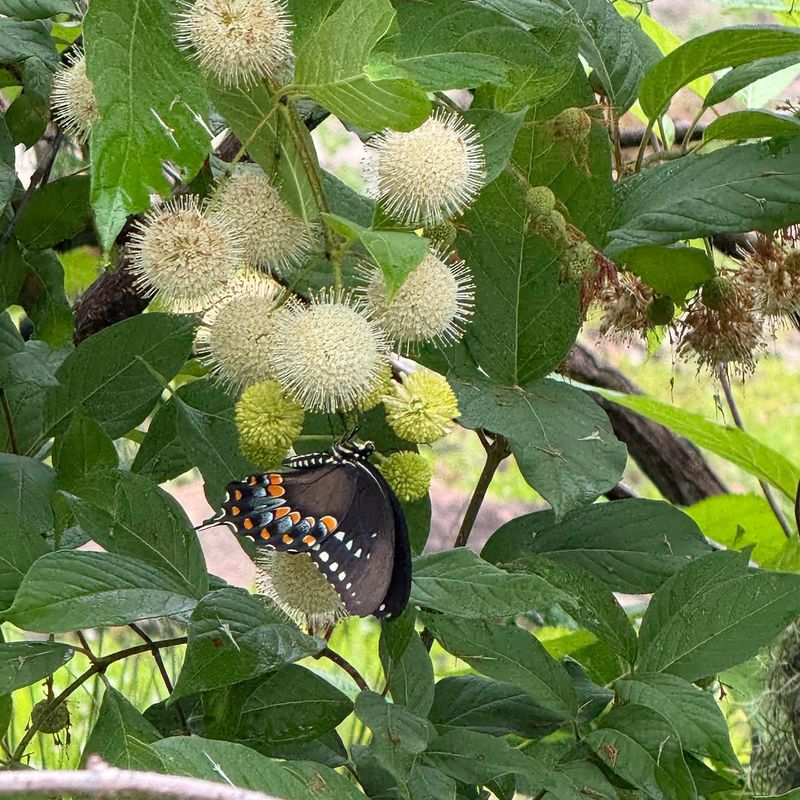
Buttonbush stops people mid-stride with those round, spiky white blooms that look like they belong in a botanical illustration rather than a backyard garden.
Cephalanthus occidentalis grows naturally along Georgia stream banks, pond edges, and bottomland areas where soil stays wet for extended periods.
It is a native shrub that fits naturally into water gardens and naturalized wet spots without demanding much in return.
Dragonflies are not coming for the flowers themselves. They are coming because Buttonbush creates a concentrated hub of insect activity right at the water’s edge.
Your Georgia Garden Changes Every Week. Your Plan Should Too.
Gardening in Georgia changes quickly throughout the season. Every Friday you’ll receive a simple weekly plan showing exactly what to plant, prune, fertilize, harvest, and protect so you never miss the right timing.
Bees, beetles, butterflies, and small flies converge on those fragrant globe blooms from midsummer into early fall.
The shrub’s branching structure also provides outstanding perching spots. Dragonflies rest on woody stems near water, warming in the sun before launching into another pass.
Buttonbush offers both the perch and the prey in one location, which is a combination dragonflies find hard to pass up.
Plant in full sun to partial shade in consistently moist or seasonally flooded soil. It tolerates standing water far better than most landscape shrubs, making it ideal for rain garden edges and pond margins.
Prune lightly in late winter to maintain shape. Left unchecked, it reaches eight to twelve feet tall.
Buttonbush is the plant that threw a party at the pond and invited every flying insect in the county. Dragonflies RSVP almost every time.
3. Swamp Milkweed
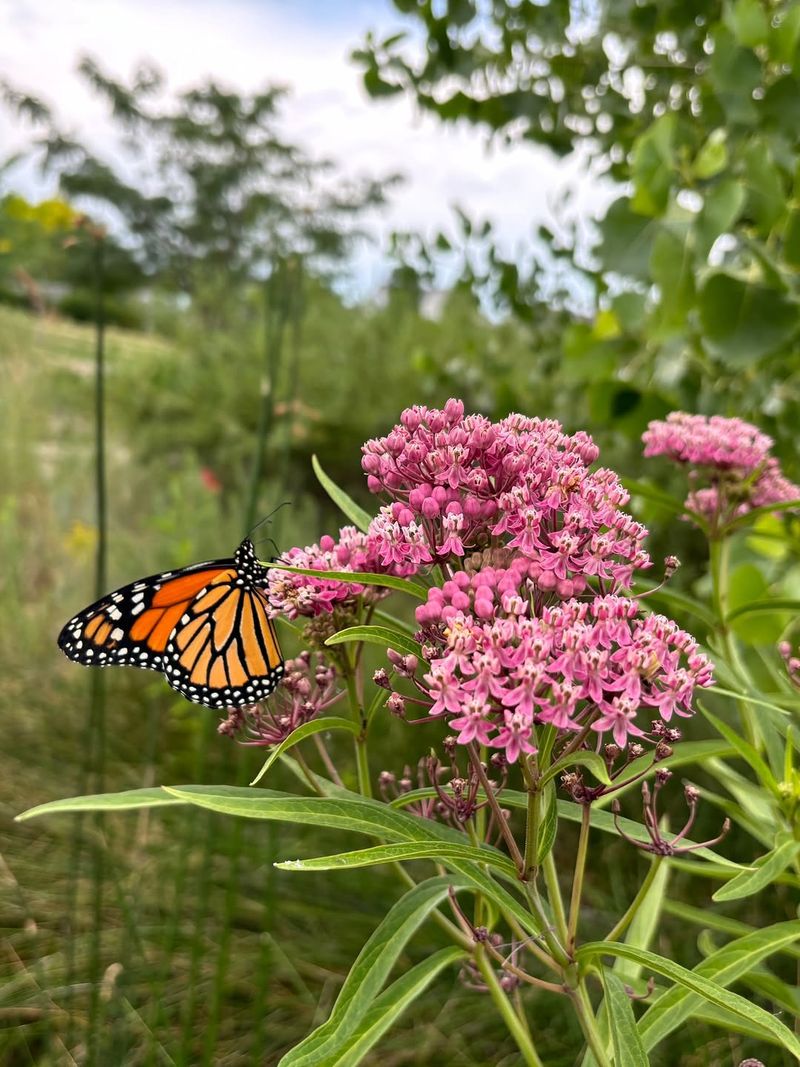
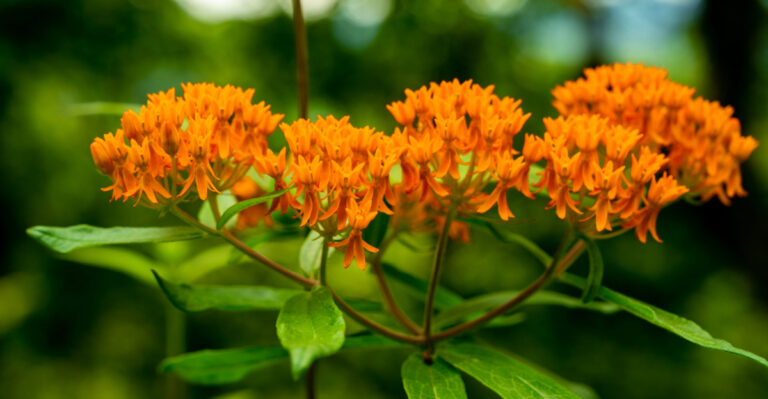
Not every milkweed belongs in a dry field. Swamp Milkweed is at home in Georgia’s wet gardens, rain garden edges, and moist borders where the soil stays reliably damp.
Asclepias incarnata is a native perennial that supports an impressive range of insects from late spring through late summer. That insect diversity is the entire point when it comes to dragonfly habitat.
Dragonflies are predators. A healthy, layered insect population is their food source. Swamp Milkweed supports monarchs, native bees, wasps, beetles, and aphid colonies, all of which attract secondary predators and build a functioning food web.
The plant grows three to five feet tall with clusters of rosy pink blooms that carry a faint sweet scent.
It works well as a mid-border plant behind shorter water-edge species and provides upright stems that dragonflies use as occasional resting spots between hunting passes over nearby water.
Full sun in consistently moist or seasonally wet soil gives it the best conditions. It pairs well with Cardinal Flower and Joe Pye Weed for a layered, multi-season planting that keeps insect activity going from early summer into fall.
Avoid removing seed pods aggressively. They provide late-season structure and support overwintering insects. Divide clumps every three to four years to keep the plant vigorous.
Swamp Milkweed is not just feeding monarchs. It is running an entire ecosystem, and dragonflies are the apex predators benefiting most from the arrangement.
4. Cardinal Flower
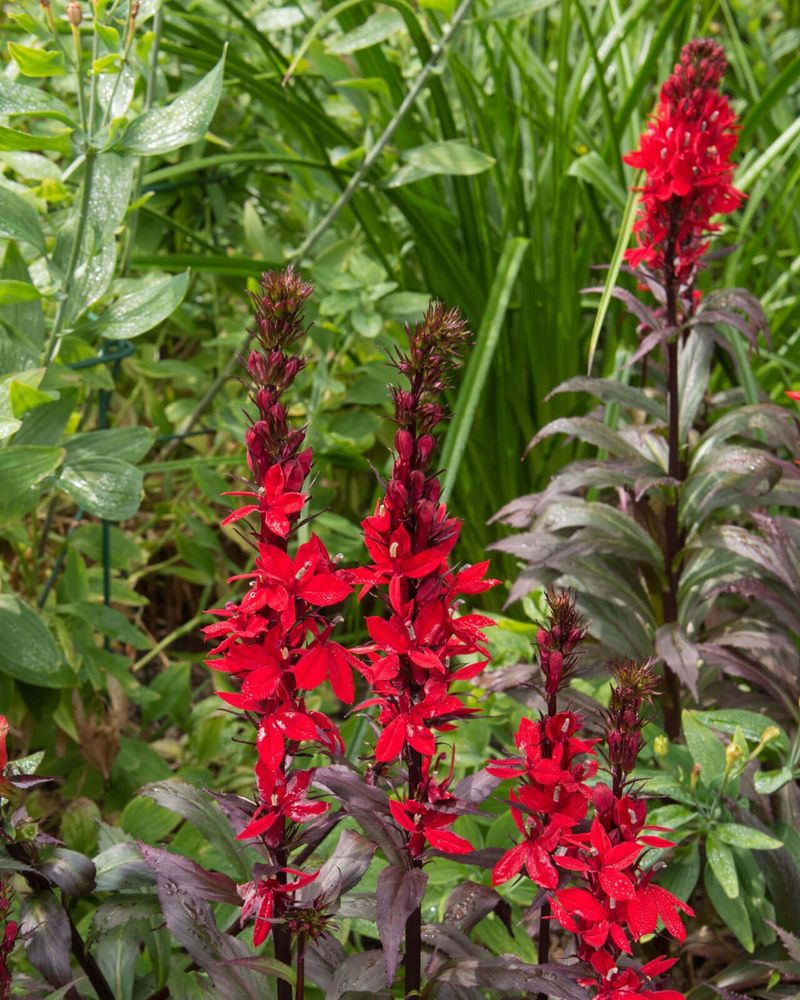
Cardinal Flower in full bloom is not subtle. Lobelia cardinalis produces tall spikes of fire-engine red flowers from midsummer into early fall that are genuinely difficult to miss from across the yard.
Hummingbirds are devoted to this plant, and that devotion creates a specific advantage for dragonfly habitat that most gardeners overlook entirely.
Hummingbird activity near the water’s edge generates movement, feeding passes, and insect disturbance that dragonflies register as a productive hunting signal.
Plant Cardinal Flower near a pond or rain garden and you create a multi-species gathering spot that stays consistently active for weeks.
This plant is native to Georgia and grows naturally along stream banks and moist woodland edges. It prefers full sun to part shade and consistently moist or wet soil.
The plant grows two to four feet tall, providing vertical interest and a sturdy stem structure that dragonflies use as a perch between hunting passes.
For best results, plant in groups of three to five along the northern or eastern edge of a water feature so it receives morning sun without the soil drying out. Mulch heavily around the base to retain moisture through Georgia’s hot summers.
Cardinal Flower self-seeds reliably. Leaving a few spent spikes in place after blooming means new seedlings fill gaps naturally the following spring without any replanting effort.
The red color stops hummingbirds. The hummingbirds stop dragonflies. Cardinal Flower is essentially running a very effective chain reaction without being asked.
5. Joe Pye Weed
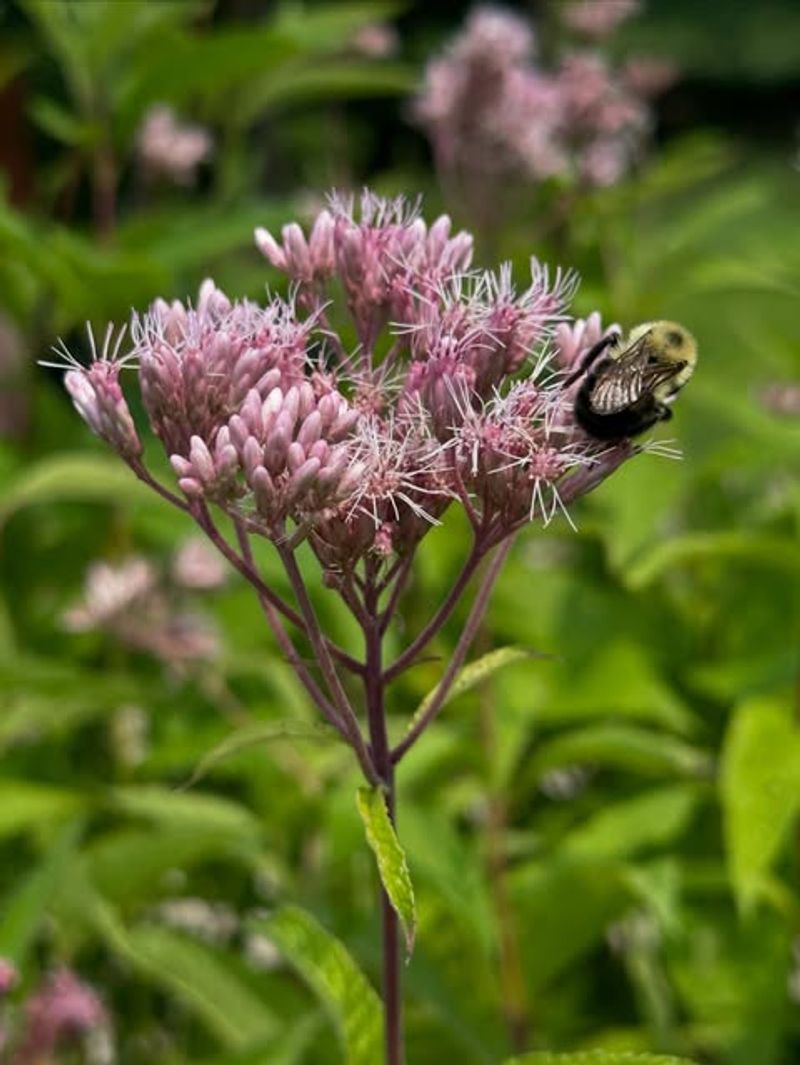
Joe Pye Weed standing six to eight feet tall in late summer makes a garden feel genuinely wild in the best possible way.
Eutrochium purpureum and its close relatives are native Georgia perennials that thrive in moist soil and bloom when most of the garden is already winding down.
That late-season timing matters considerably for dragonfly habitat because it sustains insect activity well into September and October when other plants have already finished.
Height variation serves a specific function in a dragonfly-friendly garden. Dragonflies are aerial hunters that navigate, perch, and launch from elevated positions.
The sturdy hollow stems of Joe Pye Weed give them a raised sightline over shorter plants and open water, which is exactly the kind of structural advantage they look for when selecting patrol territory.
Mauve-pink flower clusters attract butterflies, native bees, and beneficial wasps in significant numbers.
That sustained insect activity near moist soil and water edges creates the layered habitat that keeps dragonflies returning consistently through the end of summer.
Pairing Joe Pye Weed with Cardinal Flower and Swamp Milkweed creates a staggered bloom sequence that carries insect support from early summer all the way through fall.
Plant in full sun to light shade in consistently moist, organically rich soil. Space plants three feet apart. Cut stems back to about six inches in late winter. Leave hollow stems standing through fall and winter to support overwintering native bees.
Joe Pye Weed is basically a six-foot-tall dragonfly watchtower that also happens to feed half the pollinator population in your county.
6. Black-Eyed Susan
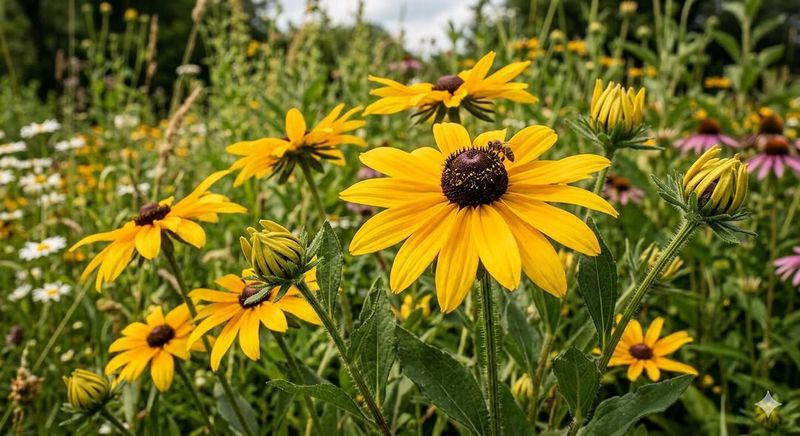
Black-Eyed Susan earns its place in any Georgia garden by generating a steady, reliable stream of small insect activity from early summer through fall.
Rudbeckia hirta is a native wildflower that thrives in Georgia’s heat and adapts well across most of the state without significant maintenance.
The golden blooms are familiar and cheerful, but the ecological work happening on those flower heads is what makes this plant valuable for dragonfly habitat.
Dragonflies do not eat pollen or nectar. They eat other insects. A patch of Black-Eyed Susans near a water feature creates a concentrated feeding zone that dragonflies treat as a reliable hunting ground.
Small bees, hoverflies, beetles, and midges work the blooms throughout the day, and that density of prey draws repeated hunting passes.
The upright stems, reaching one to three feet, also give smaller dragonfly species a convenient perch point in sunny areas away from the water’s edge.
That combination of prey density and perching availability makes Black-Eyed Susan more useful than its cheerful appearance suggests.
Sow seeds directly in fall or plant transplants in early spring in full sun. Avoid heavy fertilizing since rich soil produces floppy plants with noticeably fewer blooms. Leave spent flower heads standing through winter for birds and overwintering insects.
Black-Eyed Susan spreads easily by seed and establishes with minimal effort in most Georgia conditions.
It is essentially a self-sustaining dragonfly lure that also happens to look excellent in a summer border. Some plants really do pull their weight.
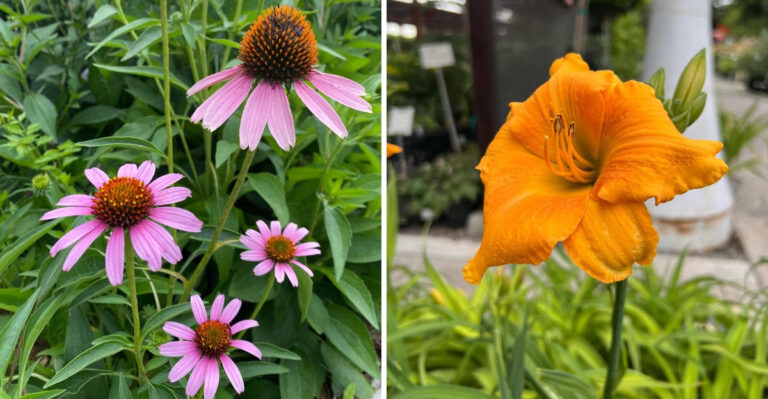
7. Coneflower
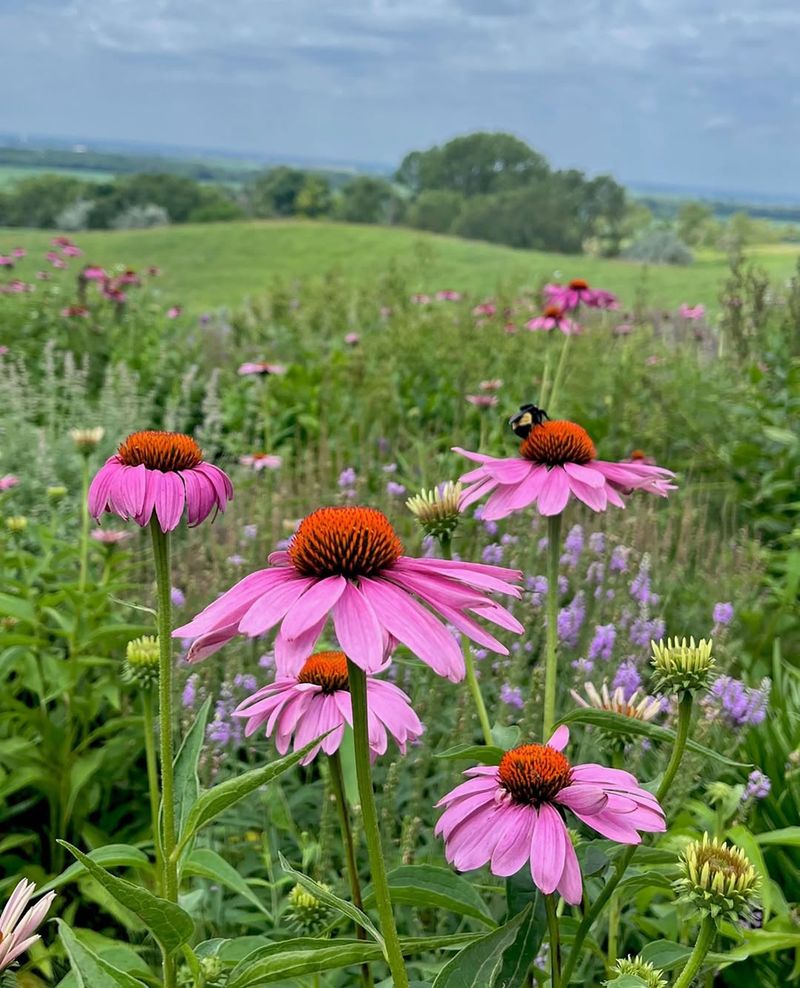
Coneflower earns its reputation honestly. Echinacea purpurea blooms from early summer through early fall, supports dozens of insect species, and holds up through Georgia’s summer heat without complaint.
The sturdy upright stems are as valuable as the blooms when it comes to dragonfly habitat. Dragonflies are visual hunters that rely on elevated perches to spot and pursue prey.
Stems reaching up to three feet give medium-sized dragonflies a sunny resting position with clear sightlines over adjacent garden beds and open ground.
Position a sunny Coneflower bed near a water feature and the two elements work together as a natural hunting corridor.
The flowers draw prey insects. The water supports breeding habitat. The stems provide the elevated perch that connects both areas.
The blooms attract bumblebees, sweat bees, skippers, and small flies, all of which appear regularly on dragonfly prey lists.
Goldfinches visit seed heads in late summer, adding another layer of movement and activity that keeps the space feeling consistently alive.
Plant in full sun in well-drained to moderately moist soil. Coneflower adapts well across Georgia from the Piedmont to the coastal plain. Space plants eighteen to twenty-four inches apart and avoid heavy mulching at the crown, which can lead to rot.
Leave seed heads standing through winter to support birds and overwintering insects. Divide clumps every three to four years to maintain vigorous blooming.
Coneflower works spring, summer, fall, and winter in slightly different ways. It is the garden equivalent of a year-round employee who never asks for a raise.
8. Pickerelweed
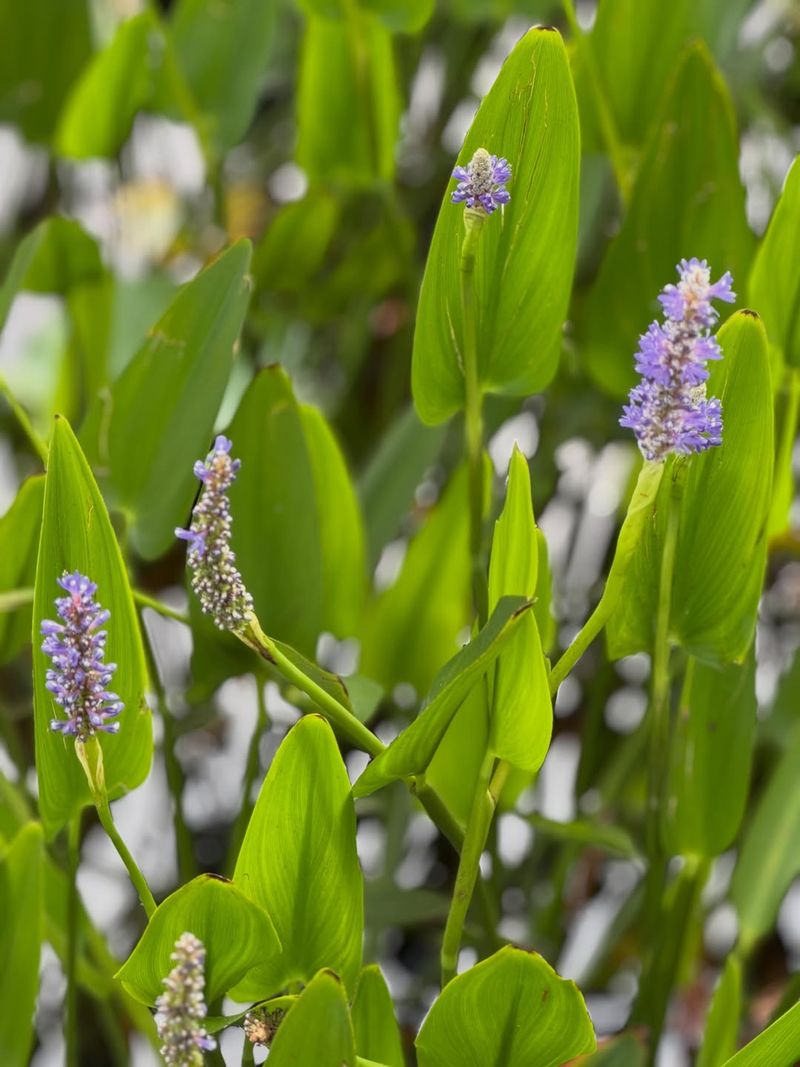
Stand at the edge of a healthy Georgia pond and Pickerelweed is often already there, purple flower spikes rising above glossy heart-shaped leaves in the shallows.
Pontederia cordata is a true aquatic native that grows directly in shallow water or saturated pond margins.
It is one of the most ecologically connected dragonfly habitat plants available, and the reason goes deeper than its appearance.
Dragonflies are tied to water across their entire life cycle. Females lay eggs on or near aquatic plants. Larvae live underwater for months before emerging as adults.
Pickerelweed growing in six to twelve inches of water provides ideal egg-laying surfaces and emergent stem structures that nymphs climb during transformation.
That emergence, when a dragonfly nymph pulls itself out of the water and becomes an adult, is one of the most dramatic events a backyard pond can offer.
Adult dragonflies return to Pickerelweed stems as basking and perching spots on warm mornings. Warming flight muscles before hunting is a daily ritual, and Pickerelweed gives them the right combination of sun exposure and water proximity to do it efficiently.
The purple blooms attract native bees and small flies, adding insect activity right at the water’s surface where dragonflies hunt most intensively.
Plant in full sun in shallow pond margins where water stays four to twelve inches deep. Set plants in aquatic baskets with heavy clay loam. Divide rhizomes every two to three years to keep growth manageable.
Pickerelweed does not just attract dragonflies. It is where dragonflies begin.