The California Garden Pests That Show Up Every June And How To Stop Them
June can make a California garden feel like it changed overnight. New growth is everywhere, flowers are busy, and warm days push plants into high gear.
That same fresh energy can also draw in pests right when gardeners are getting excited about summer. Leaves may start looking curled.
Tender stems can seem weaker than they did a week ago. Small clues often show up before the real damage is easy to see.
The good news is that early action can make a big difference. You do not need to panic or reach for the strongest spray right away.
You just need to know what is likely to appear and where to look first. Once you spot the pattern, June pest problems become much easier to manage.
1. Leaffooted Bugs Damage Ripening Fruit
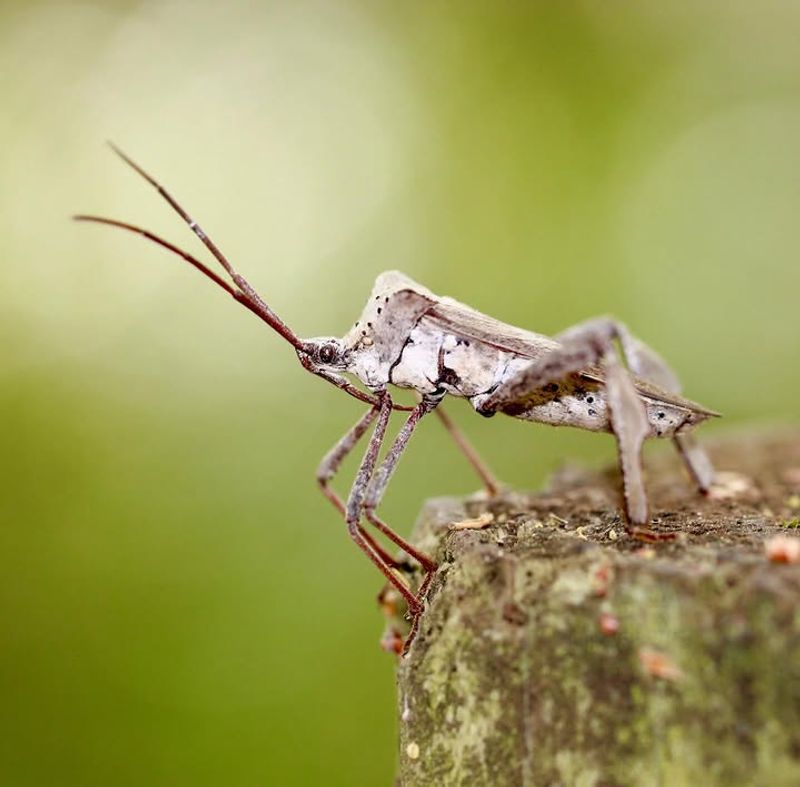
Named for the flat, leaf-shaped flare on their hind legs, leaffooted bugs are hard to miss once you know what to look for. They are large, brownish-gray insects that move quickly when disturbed.
You might spot them on tomatoes, pomegranates, peaches, or almonds, especially as fruit begins to ripen in June and July.
These bugs feed by piercing fruit skin and injecting saliva as they extract juice. The damage shows up as sunken, discolored spots on the fruit surface.
On tomatoes, the flesh underneath turns white and pithy. On stone fruits and nuts, the damage can cause gumminess or premature drop.
A small number of bugs can ruin a surprisingly large portion of a harvest.
Catching them early makes control much more manageable. Nymphs, the young bugs, are easier to manage than adults and tend to cluster together in groups.
Knocking them into a jar of soapy water is effective. Wear gloves because they release an unpleasant odor when handled.
Kaolin clay, a fine white powder mixed with water and sprayed on fruit and foliage, creates a physical barrier that discourages feeding.
It washes off with rain or irrigation, so reapplication is needed regularly. Row covers placed over young plants before bugs arrive prevent access entirely.
Removing nearby weeds and brush piles reduces habitat, which means fewer bugs emerging in spring and making their way into your garden as each year.
2. Aphids Crowd Tender New Growth Fast
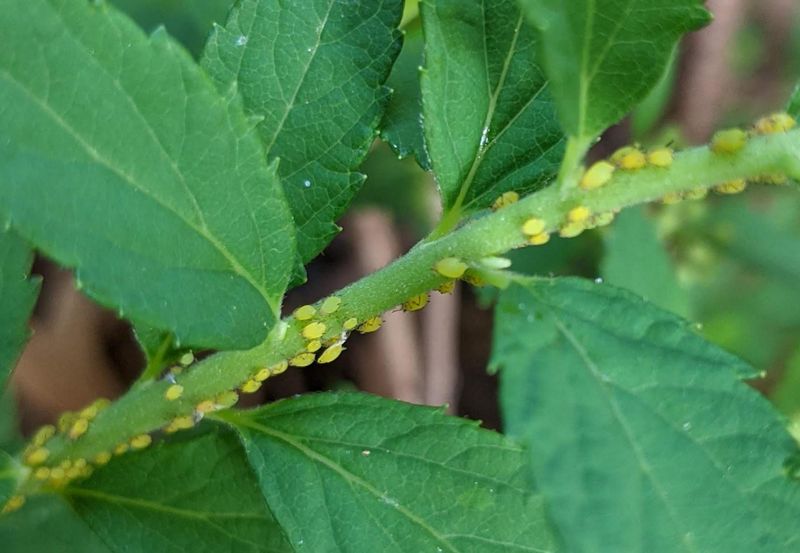
Few garden pests multiply as quickly as aphids. One day your rose bush looks perfectly healthy, and the next morning the newest growth is covered in a sticky, squirming mass of tiny green, yellow, or black insects.
They work fast because they reproduce without mating, meaning a single aphid can start a whole colony on her own.
Aphids feed by piercing plant tissue and sucking out sap. This causes leaves to curl, yellow, and look wrinkled or deformed.
They also leave behind a sticky substance called honeydew, which attracts ants and leads to a black sooty mold that covers leaves and blocks sunlight.
The easiest first response is a strong blast of water from your garden hose. Knocking aphids off plants works surprisingly well, and many never make it back.
Your California Garden Changes Every Week. Your Plan Should Too.
Gardening in California changes quickly throughout the season. Every Friday you’ll receive a simple weekly plan showing exactly what to plant, prune, fertilize, harvest, and protect so you never miss the right timing.
Repeat this every few days. For heavier infestations, spray plants with insecticidal soap or neem oil, making sure to coat the undersides of leaves where aphids hide.
Encouraging natural predators is one of the best long-term strategies. Ladybugs and lacewings eat aphids eagerly.
Planting dill, fennel, or yarrow nearby draws these helpful insects in. Avoid using broad-spectrum pesticides that wipe out the good bugs along with the bad ones.
Staying consistent with weekly checks in June keeps aphid populations from ever getting out of hand.
3. Squash Bugs Gather Around Stems And Leaves
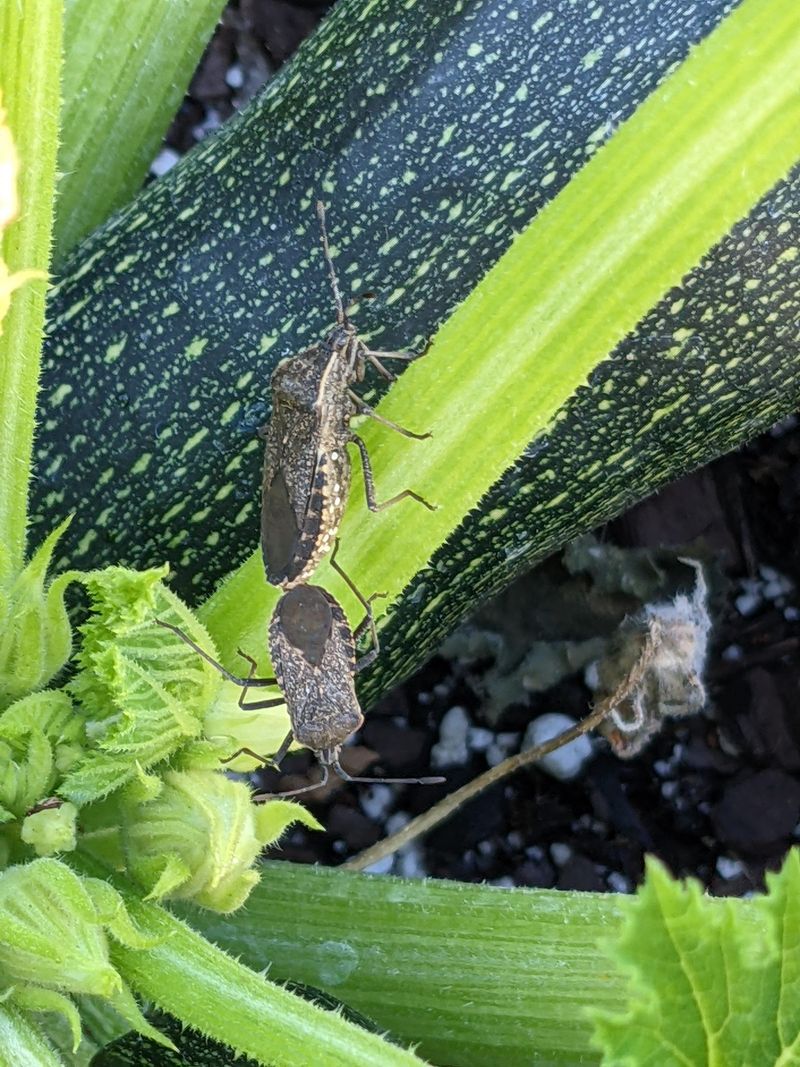
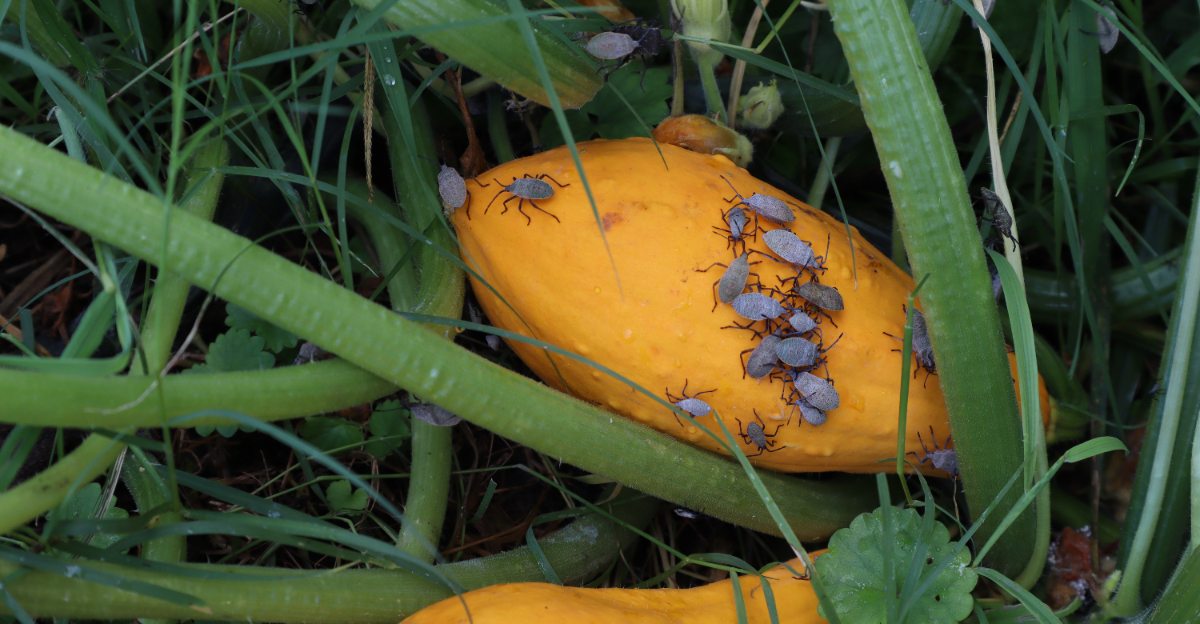
Squash gardeners know the feeling. You go out one morning and find dozens of flat, brownish-gray bugs clustered around the base of your zucchini or pumpkin plant.
Underneath the leaves, neat rows of coppery-brown eggs line the leaf veins. Squash bugs arrive in June and they mean business, targeting cucumbers, melons, and all types of squash with impressive determination.
These bugs inject a toxin as they feed that causes a condition called cucurbit yellow vine disease. Leaves wilt, turn yellow, and eventually collapse even when the soil has plenty of moisture.
Young plants are especially vulnerable and can decline within days of a heavy infestation. Older, established plants can handle more pressure but still suffer significant production loss.
Removing egg clusters by hand is one of the most effective tactics available. Check the undersides of leaves every two to three days and scrape off any bronze egg masses you find.
Catching eggs before they hatch stops the next generation before it starts. Placing a piece of cardboard or a board near plants overnight attracts bugs seeking shelter, and you can collect and remove them in the morning.
Neem oil and insecticidal soap provide some control on young nymphs but are less effective on adult bugs. Planting resistant squash varieties when possible reduces vulnerability.
Crop rotation also helps by preventing bugs from simply overwintering in the same soil and emerging right next to next year’s plants.
Consistent monitoring through June and into July keeps squash bug numbers from ever reaching overwhelming levels.
4. Whiteflies Hide Under Leaves Until Plants Yellow
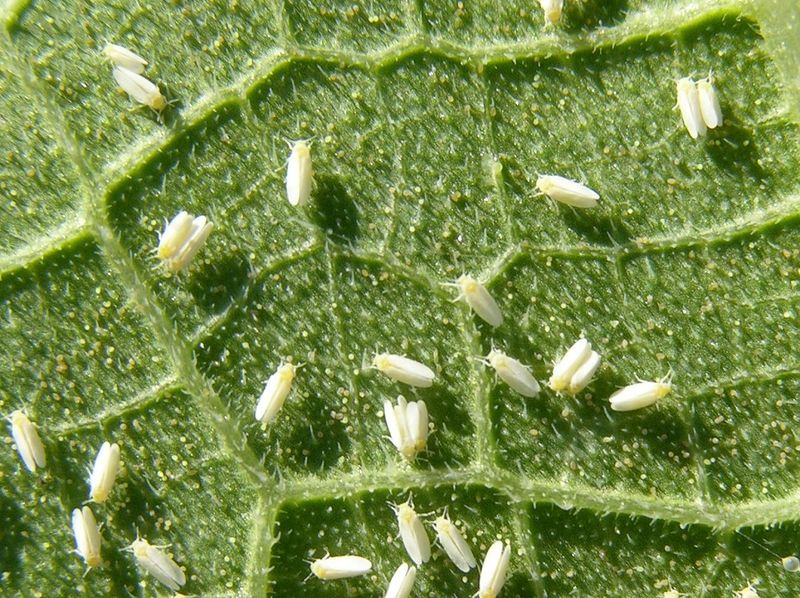
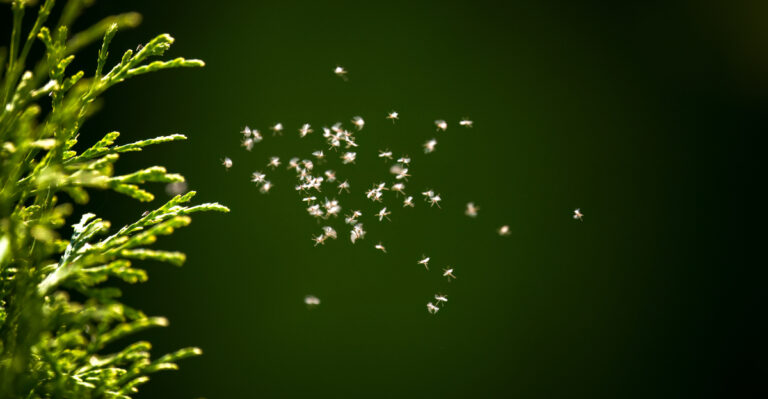
Walk past a tomato plant and suddenly a small white cloud lifts into the air. That is your first sign of whiteflies.
These tiny, moth-like insects are barely visible individually, but they gather in huge numbers on the undersides of leaves where they feed on plant sap and stay hidden from plain view.
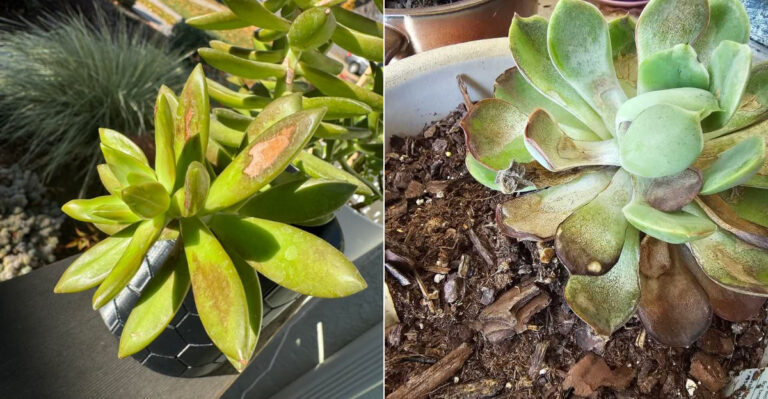
Whiteflies weaken plants gradually. Yellowing leaves are usually the first visible symptom.
Over time, plants lose vigor, growth slows, and fruit production drops. Like aphids, they also produce honeydew, which invites sooty mold and creates an even bigger problem on top of the feeding damage.
Yellow sticky traps hung near affected plants catch adult whiteflies before they spread to new areas. These are inexpensive, easy to use, and give you a clear picture of how bad the problem is.
Replacing them every week or two keeps the trap effective. Spraying the undersides of leaves with insecticidal soap or a diluted neem oil solution works well for direct control.
Do this in the early morning or late afternoon to avoid burning leaves in the heat.
Reflective mulch placed on the soil around plants confuses and deters whiteflies from landing.
In this state’s warm June climate, whitefly populations can explode in just a week, so checking plants twice a week and acting at the first sign makes a real difference.
5. Thrips Leave Silvery Damage Before You See Them
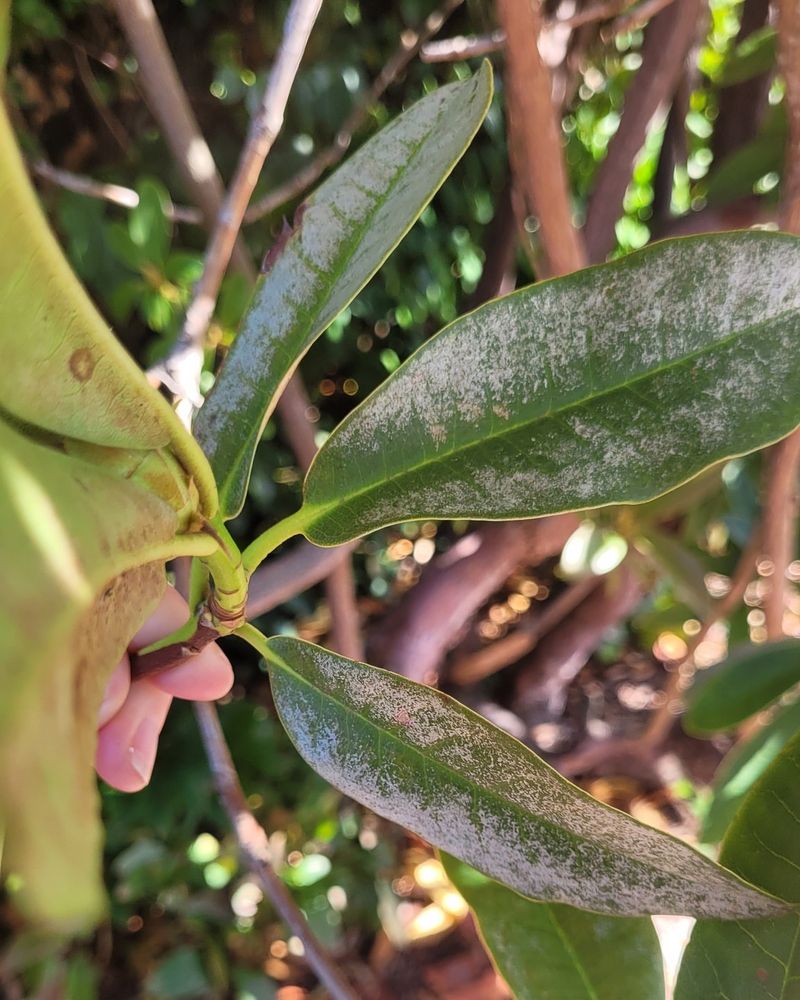
Thrips are sneaky. By the time most gardeners realize something is wrong, these tiny, slender insects have already been feeding for days.
The first clue is usually the damage they leave behind: silvery or bronze streaks across leaves, distorted flower petals, and a rough, scarred texture on fruit surfaces.
The insects themselves are barely visible without a magnifying glass.
These pests feed by scraping plant tissue and drinking the cell contents. Peppers, onions, tomatoes, and many flowering plants are common targets in June gardens across this state.
Beyond the physical damage, thrips can also transmit plant viruses, making early control especially worthwhile.
Blue sticky traps are more effective at catching thrips than yellow ones. Hanging them at plant height near affected areas helps you monitor populations and catch adults before they spread.
Checking the traps every few days tells you whether numbers are rising or falling.
Spinosad, a naturally derived pesticide, works well against thrips and is approved for organic gardening. Neem oil also provides good control when applied consistently.
Spray plants in the early morning so the solution has time to dry before the heat of the day sets in.
Removing heavily damaged leaves and flower buds reduces the number of thrips hiding in those spots.
Keeping weeds cleared from around garden beds also helps since many weed species host thrips between garden plants and act as a source of new infestations throughout the season.
6. Scale Insects Look Like Bumps On Stems
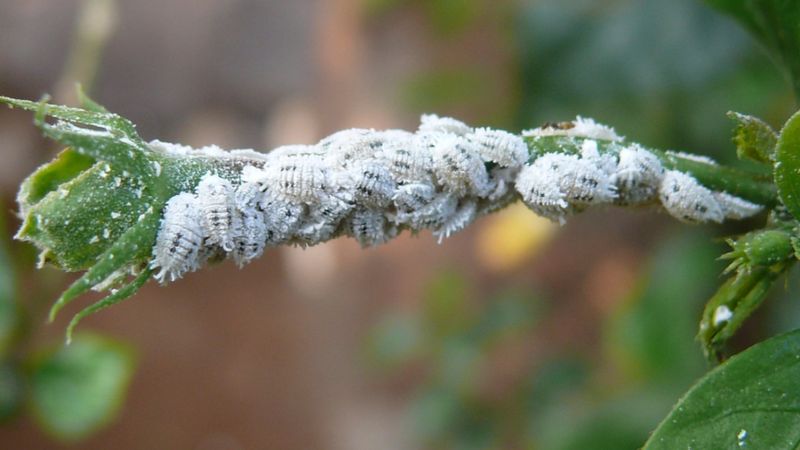
At first glance, scale insects do not even look like bugs. They appear as small, rounded bumps stuck to stems and branches, sometimes resembling a patch of rough bark or a cluster of tiny seeds.
Many gardeners scrape at them thinking they are a disease or a mineral deposit before realizing they are dealing with a living insect colony.
Scale insects attach themselves to plant tissue and feed on sap continuously. They protect themselves with a hard or waxy shell that makes them resistant to many sprays.
Heavy infestations weaken plants over time, causing yellowing leaves, stunted growth, and branch decline. Citrus trees, camellias, and many ornamental shrubs in this state are frequent targets.
The most effective time to treat scale is during the crawler stage, when the young insects are mobile and have not yet formed their protective coating.
This window is short, usually just a few weeks in late spring and early summer, which makes June an important time to act.
Horticultural oil spray smothers scale insects at all life stages by blocking their breathing pores. Apply it when temperatures are between 40 and 90 degrees to avoid plant damage.
For small infestations on individual stems, rubbing scale off with a cotton swab dipped in rubbing alcohol works surprisingly well.
Pruning heavily infested branches and disposing of them away from the garden removes a large portion of the population in one step and gives the plant a fresh start.
7. Tomato Hornworms Strip Leaves Almost Overnight
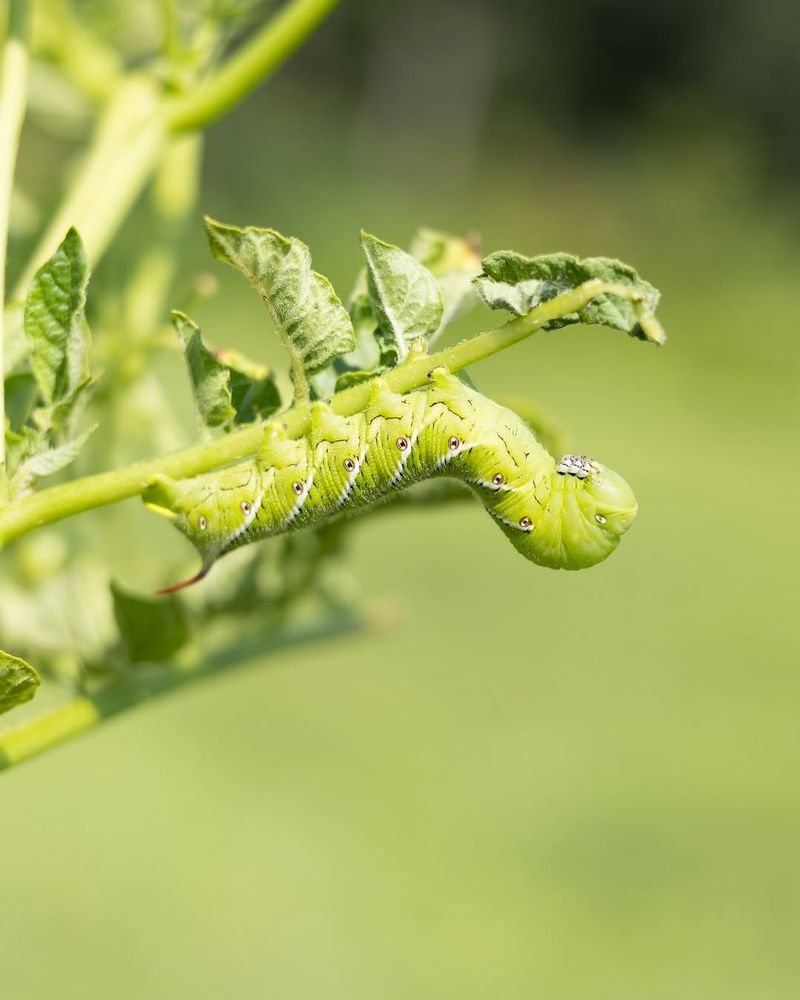
Something ate your tomato plant. Half the leaves are gone, a few stems are completely bare, and you cannot figure out what happened.
Then you look closely and find a fat, bright green caterpillar the size of your finger practically invisible against the stem.
That is the tomato hornworm, and it is one of the most dramatic garden pests of the summer season.
These caterpillars are the larvae of a large hawk moth. They blend in with tomato foliage so well that finding them takes patience.
Look for dark green or black droppings on leaves below, then trace upward to find the caterpillar. They also feed on peppers, eggplant, and potatoes, so check those plants too.
Hand-picking is the most reliable control method for home gardens. Drop collected hornworms into a bucket of soapy water.
It sounds simple, but it works. Wearing gloves makes the job easier.
Check plants every morning during June because hornworms grow fast and feeding damage increases rapidly as they get bigger.
Bacillus thuringiensis, commonly called Bt, is a natural soil bacteria that targets caterpillars without harming birds, bees, or other beneficial insects. Spray it on foliage in the evening when hornworms are most active.
It must be ingested to work, so good leaf coverage matters. Parasitic wasps also naturally control hornworm populations.
If you spot a hornworm covered in small white cocoons, leave it alone. Those cocoons belong to beneficial wasps that will go on to protect your garden.
8. Spider Mites Explode In Hot, Dusty Weather
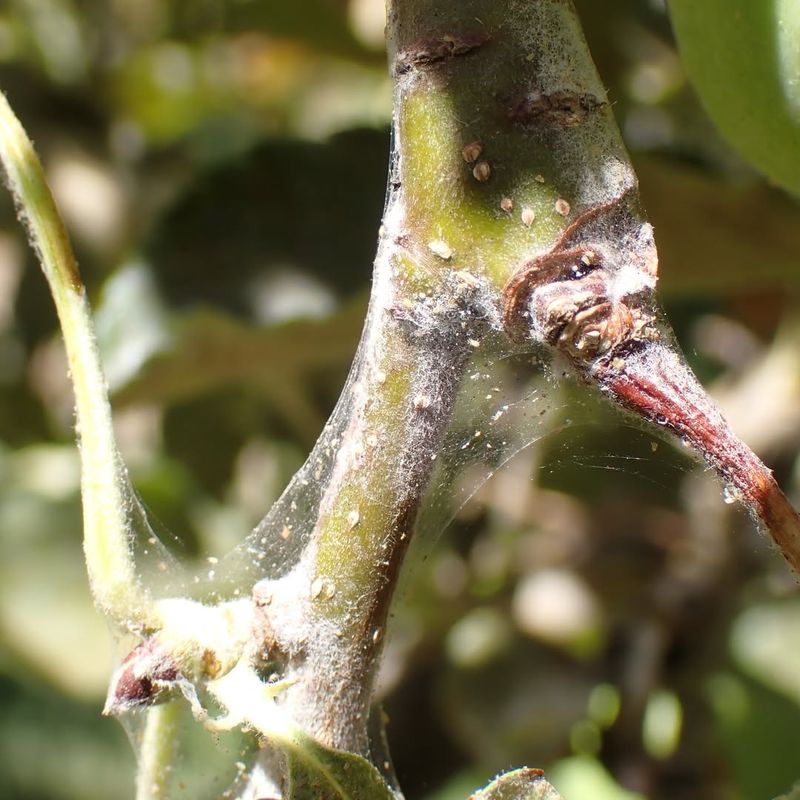
Hot, dry June days are basically an open invitation for spider mites. These creatures are not insects at all.
They are arachnids, closely related to spiders, and they are so small that most gardeners never actually see them.
What they do see is the damage: pale, stippled leaves covered in fine webbing that looks like someone draped a piece of dusty cheesecloth over the plant.
Spider mites thrive when temperatures climb and humidity drops. They reproduce incredibly fast under those conditions, going from egg to adult in less than a week.
A mild problem in early June can turn into a serious infestation by mid-month if left alone. Plants like tomatoes, beans, strawberries, and roses are especially vulnerable.
Keeping plants well-watered helps because mites prefer stressed, drought-weakened plants.
Misting foliage with water in the morning raises humidity around the leaves and makes conditions less comfortable for mites.
A strong spray of water directly on the undersides of leaves dislodges mites and disrupts their colonies.
For bigger infestations, neem oil or insecticidal soap applied every five to seven days gives good results. Make sure to get full coverage under every leaf.
Avoid dusty conditions around your garden by keeping pathways and bare soil areas moist or mulched.
Dust actually protects mites from their natural enemies, so a cleaner garden environment works in your favor all season long.