More North Carolina Gardeners Are Growing These Plants That Help Keep Ticks Away
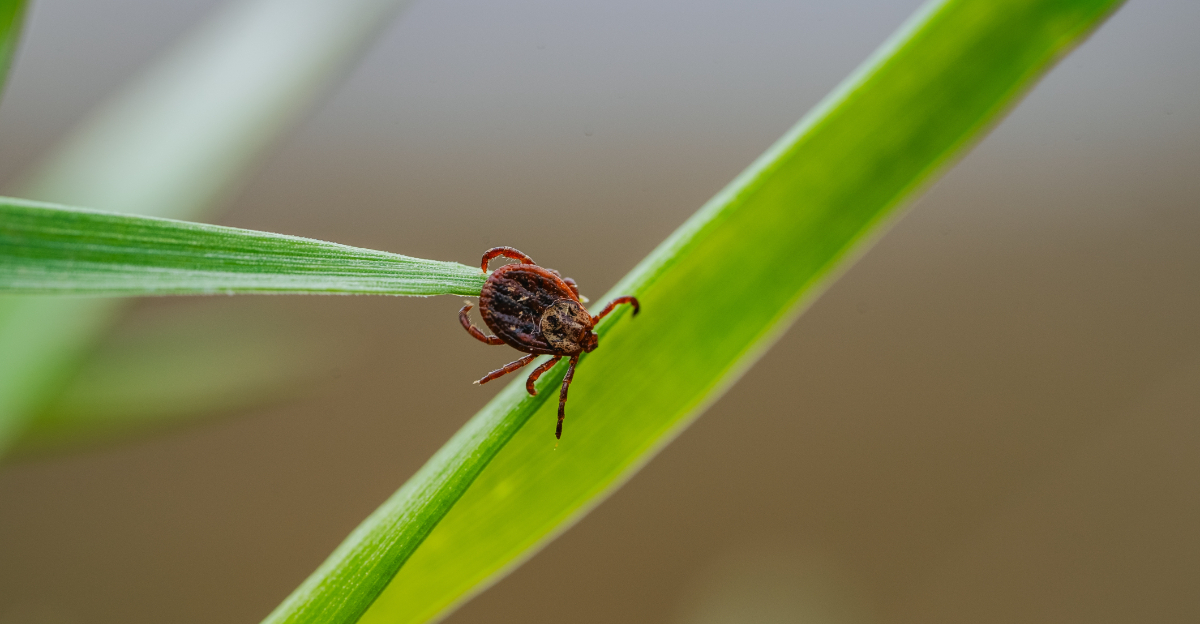
Tick pressure in North Carolina yards has been climbing steadily, and more gardeners across the state are looking for solutions that do not involve repeated chemical applications throughout the season.
What has been gaining real traction lately is a group of plants with natural properties that ticks consistently avoid, several of which happen to be well suited to the heat and growing conditions that North Carolina summers deliver.
These are not obscure or hard to find plants. Many of them are attractive enough to anchor a border or fill a problem area while quietly doing something genuinely useful at the same time.
Once you see the full list and understand where to place them, adding them to your yard becomes an obvious and very satisfying decision.
1. Lavender
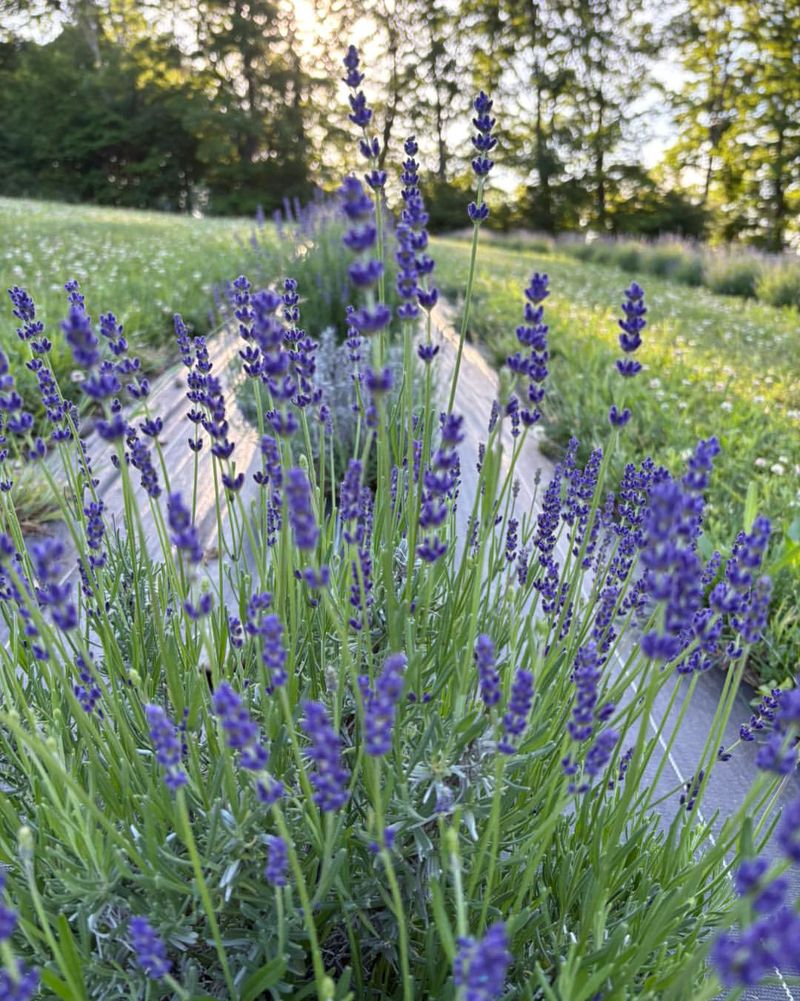
Few plants pull double duty quite like lavender. It fills your yard with one of the most beloved fragrances in the plant world, and at the same time, its strong aromatic oils make it deeply unappealing to ticks.
The same scent that draws people and pollinators in actually pushes ticks away.
In North Carolina, lavender thrives best in full sun with at least six to eight hours of direct light daily. Well-drained, slightly alkaline soil is key because this plant absolutely cannot tolerate soggy roots.
Raised beds or sloped garden spots work especially well across the Piedmont and western regions of the state.
Planting lavender along walkways, garden borders, or near patios creates a fragrant barrier right where you need it most. Bees and butterflies will flock to the blooms from late spring through summer, making it a pollinator magnet too.
Trim plants back by about one-third after each bloom cycle to keep them full and healthy.
English lavender varieties like Hidcote and Munstead tend to handle North Carolina humidity better than some others. Watering deeply but infrequently encourages deep root growth and stronger plants overall.
Once established, lavender is surprisingly tough and requires very little attention, making it a brilliant low-maintenance addition to any tick-aware garden strategy.
2. Rosemary
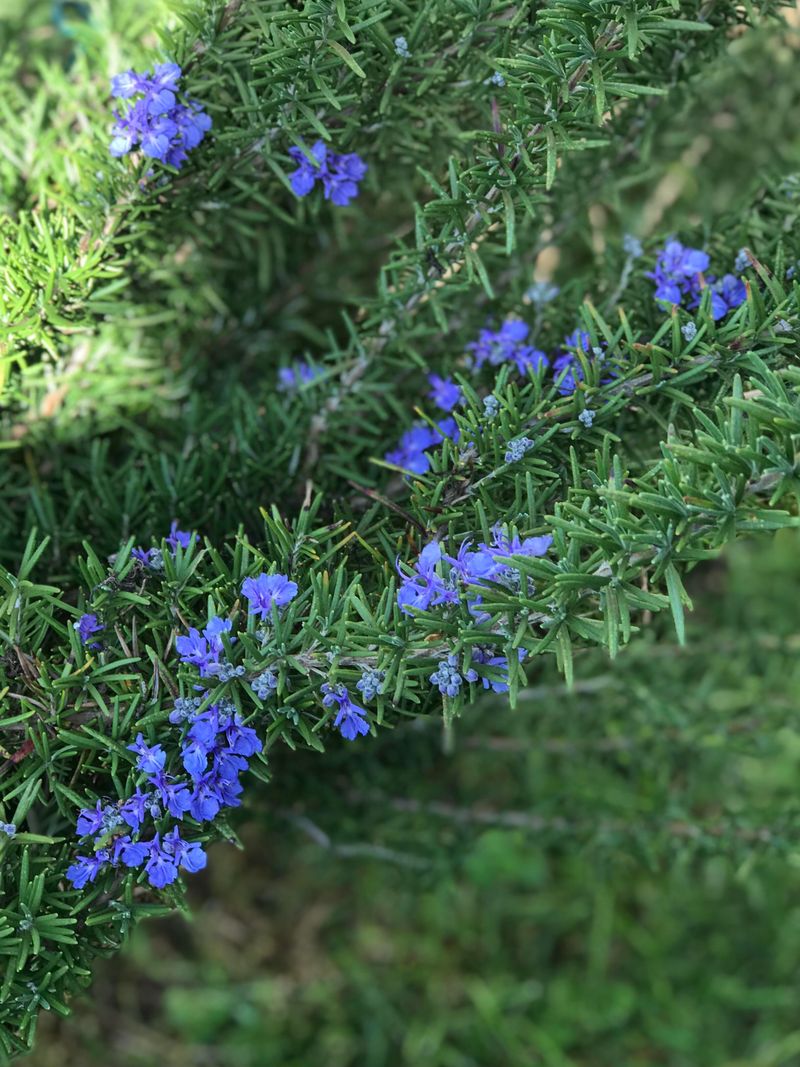
Rosemary is one of those plants that earns its place in the garden several times over. Its piney, resinous scent is a staple in the kitchen, but out in the yard, that same powerful aroma works as a natural deterrent against ticks.
Planting it along garden edges and pathways puts that protection exactly where foot traffic is highest.
North Carolina summers can be hot and humid, but rosemary handles heat with impressive ease. It prefers full sun and fast-draining soil, making it a natural fit for raised beds, rocky borders, or the drier sections of your landscape.
Avoid overwatering because rosemary roots are prone to rot when they sit in moisture for too long.
Upright varieties like Tuscan Blue grow tall enough to create a small hedge, while trailing types like Prostratus spread nicely along slopes or retaining walls. Both offer the same tick-discouraging aromatic oils throughout their foliage.
Snipping fresh sprigs for cooking is a bonus that keeps the plant trimmed and bushy at the same time.
Your North Carolina Garden Changes Every Week. Your Plan Should Too.
Gardening in North Carolina changes quickly throughout the season. Every Friday you’ll receive a simple weekly plan showing exactly what to plant, prune, fertilize, harvest, and protect so you never miss the right timing.
Rosemary also blooms in soft blue or purple flowers that attract bees during late winter and early spring, which is earlier than most garden plants. That early pollinator support makes it even more valuable.
Place it near seating areas or garden gates where people pass frequently for the best tick-reducing effect throughout the season.
3. Catnip
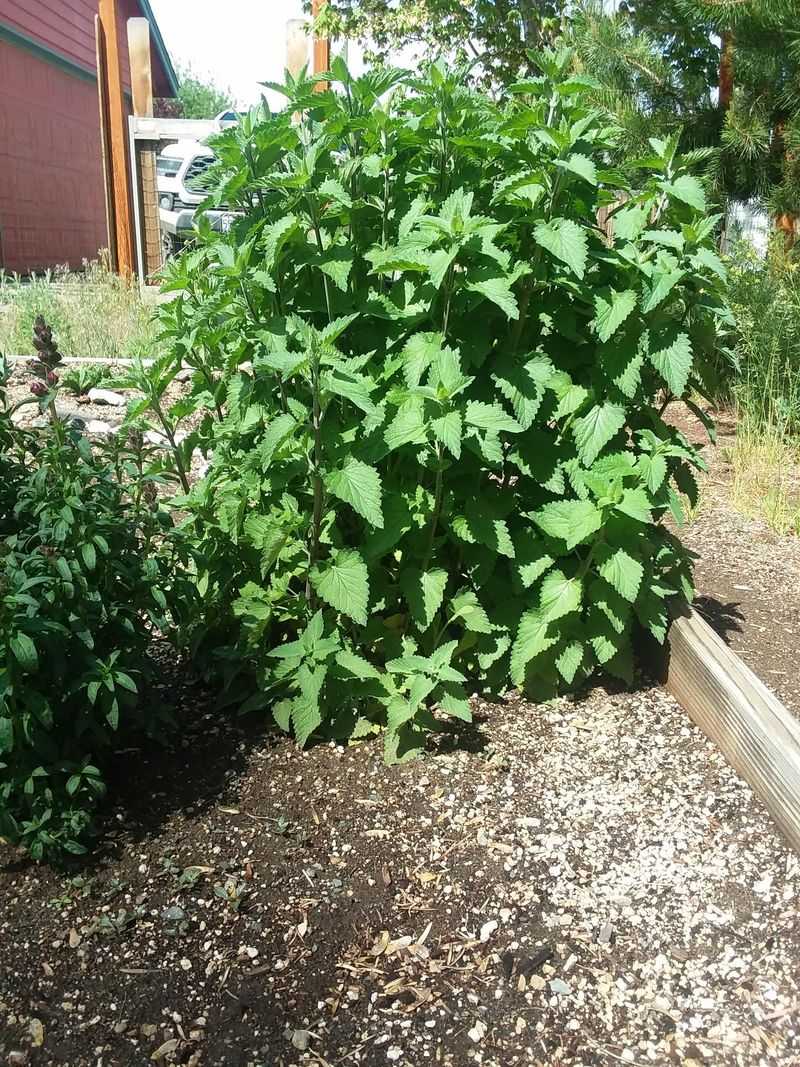
Here is something surprising: the same plant that sends cats into a playful frenzy is one of the most effective tick-repelling herbs you can grow.
Catnip contains a compound called nepetalactone, which research has shown to be remarkably effective at deterring ticks and other insects. It is a powerhouse in a pretty, unassuming package.
Growing catnip in North Carolina is genuinely easy. It loves full sun but tolerates partial shade better than many herbs, and it bounces back from summer heat without much fuss.
The plant is a hardy perennial, meaning it will return year after year once established, saving you time and replanting costs each spring.
Plant catnip along fence lines, near garden entries, or in clusters throughout your yard to spread its protective aroma across a wider area. The small white and lavender blooms attract bees and beneficial insects throughout the growing season.
Cutting the plant back by half after its first bloom encourages a second flush of flowers and keeps it from becoming too leggy or sprawling.
One thing worth knowing: if neighborhood cats visit your yard, they may roll on or chew your catnip plants. Placing small wire cages around young plants can protect them while they establish.
Once catnip is mature and well-rooted, it recovers quickly from feline attention and keeps producing the aromatic foliage that ticks find so unappealing all season long.
4. Lemon Balm
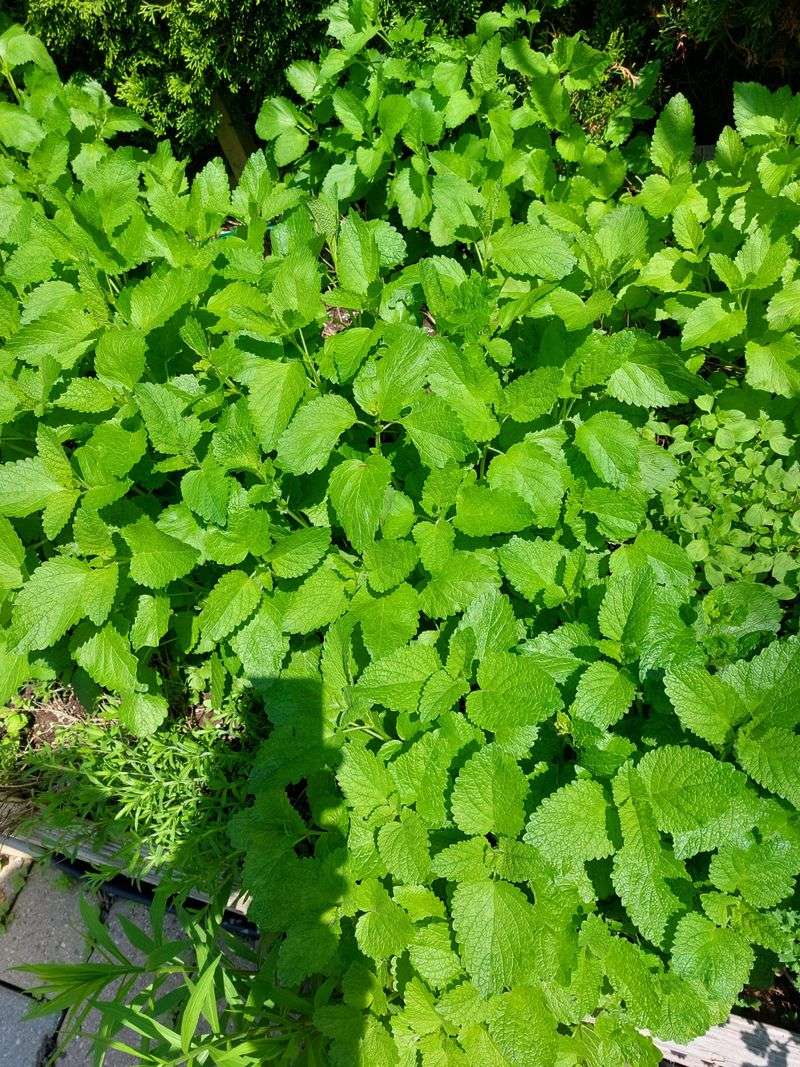
Crush a lemon balm leaf between your fingers and the bright, citrusy scent is instantly refreshing. Ticks, however, feel the opposite way about it.
That strong lemon fragrance comes from compounds in the leaves that ticks find highly unattractive, making lemon balm a smart and pleasant addition to any North Carolina garden focused on tick management.
Lemon balm is a fast grower, which is both its greatest strength and something to watch carefully.
It spreads enthusiastically through both seeds and underground runners, so planting it in containers or using root barriers in garden beds helps keep it from taking over neighboring plants.
Once you have it contained, it is an incredibly easy herb to maintain. It tolerates partial shade better than most tick-repelling plants, which makes it useful in spots under trees or along shadier fence lines where ticks tend to hide and rest.
Water it regularly during dry spells, and trim it back hard once or twice a season to encourage fresh, fragrant new growth. The young leaves also make a lovely herbal tea with a mild, calming flavor.
Pairing lemon balm with garlic or rosemary in a mixed border creates a layered aromatic effect that covers more ground and strengthens your overall strategy. Bees absolutely love its small white flowers too, so you gain pollinator activity as a bonus.
For North Carolina gardeners wanting versatile, fragrant, and functional ground cover, lemon balm checks nearly every box.
5. Garlic
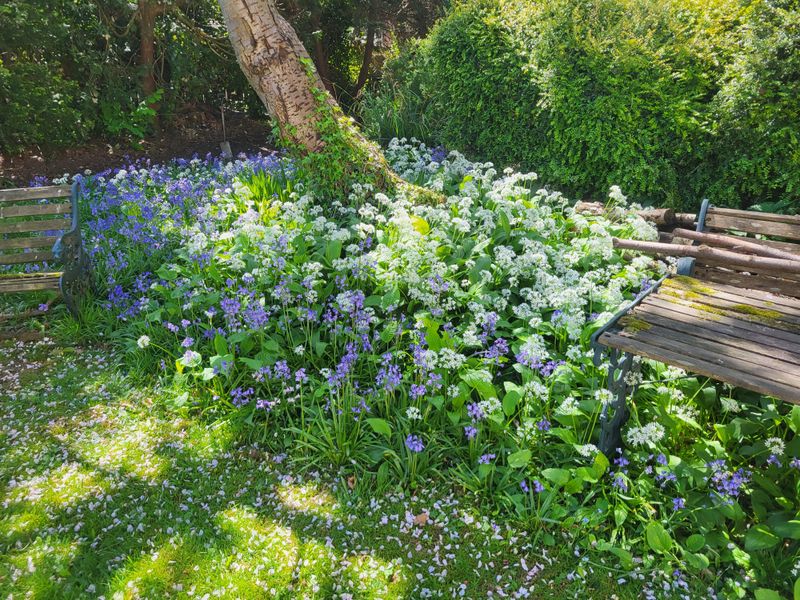
Garlic has been a kitchen staple for thousands of years, but its role in the garden goes well beyond flavor. The pungent sulfur compounds that give garlic its unmistakable smell are also what makes ticks want nothing to do with it.
Planting garlic as a border herb around your yard creates an aromatic boundary that fits naturally into a layered tick management plan.
In North Carolina, garlic is typically planted in the fall, between October and November, and harvested the following summer. It prefers full sun and loose, well-drained soil with plenty of organic matter worked in.
Raised beds are a popular choice because they provide the drainage and soil depth that garlic needs to develop full, healthy bulbs.
Space cloves about six inches apart and plant them with the pointed end facing up, about two inches deep. Mulching over the bed after planting helps regulate soil temperature through winter and keeps weeds at bay.
Pull the mulch back slightly in early spring as green shoots emerge to allow good airflow around the plants.
Beyond its tick-deterring properties, garlic planted alongside vegetables helps protect those crops from a range of other garden pests as well. You get the double benefit of a productive edible crop and a natural pest barrier all in one planting.
Hardneck varieties like Rocambole and Purple Stripe tend to perform especially well in North Carolina’s climate and offer complex, rich flavor at harvest time.
6. Sage
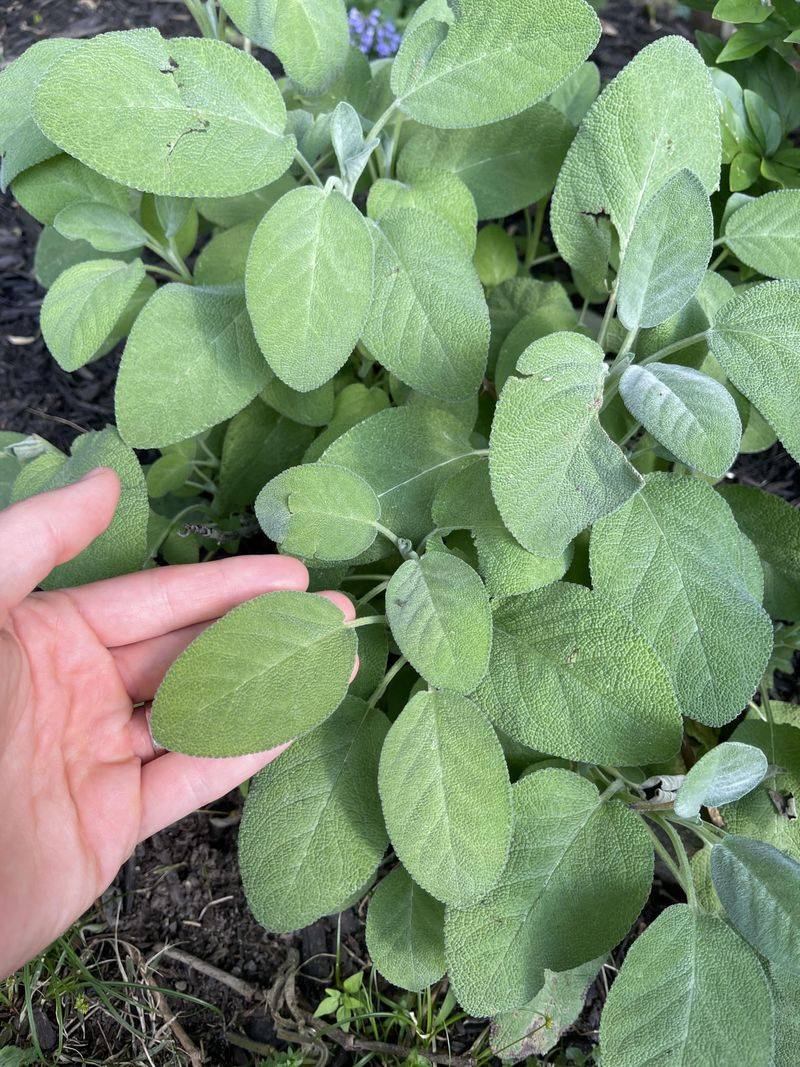
Sage brings a woodsy, earthy fragrance to the garden that is genuinely pleasant for people but distinctly off-putting for ticks.
Its aromatic oils are concentrated throughout the leaves, meaning the plant releases its scent constantly, not just when touched or bruised.
That steady, ambient fragrance makes sage a reliable contributor to any tick-reduction planting strategy.
Full sun is non-negotiable for sage in North Carolina. It wants at least six hours of direct sunlight each day and well-drained soil that does not stay wet after rain.
Sandy loam or amended clay soil with good drainage works well, and slightly raised planting areas help prevent the root rot that can set in during the state’s wetter seasons.
Sage pairs beautifully with rosemary and lavender in mixed herb borders, and the combination of their overlapping aromas creates a stronger, more complex deterrent zone than any single plant alone.
The soft purple flower spikes that appear in late spring also attract bees and beneficial insects, adding ecological value to the visual appeal of the planting.
Prune sage back by about one-third in early spring before new growth starts, and again lightly after it blooms. This keeps plants compact, prevents woody overgrowth, and encourages fresh aromatic foliage throughout the season.
Varieties like Berggarten and Tricolor both perform well in North Carolina gardens and offer slightly different leaf colors that add visual interest to borders and raised herb beds year-round.
7. Thyme
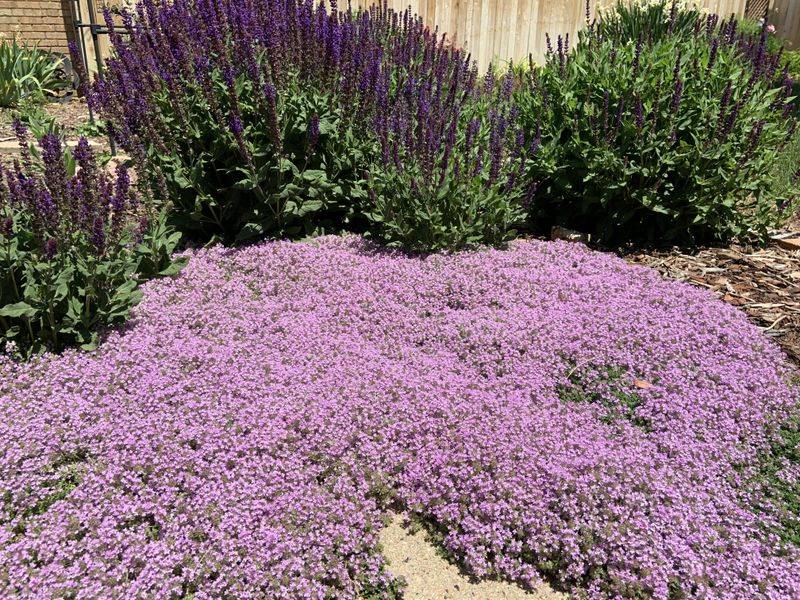
Thyme is one of the hardest-working low-growers in the gardening world.
Its dense, mat-forming habit means it fills in gaps between stepping stones and along path edges, physically reducing the bare, shaded ground cover that ticks prefer for resting and moving through a yard.
Add in its strong aromatic oils, and you have a plant that tackles tick-friendly conditions on two fronts at once.
North Carolina gardeners love thyme because it handles heat and drought with remarkable endurance once it gets established. Plant it in full sun with fast-draining soil, and it will spread steadily without demanding much attention.
It is a perennial in most parts of the state, so it comes back reliably each spring and fills in a little more each season.
Creeping thyme varieties like Red Creeping or Elfin are especially effective for pathways and garden borders because they stay low and spread wide.
Common culinary thyme works well in raised herb beds and container gardens near patios or outdoor seating.
Both types offer the same aromatic foliage that ticks find unappealing and pollinators find irresistible.
Trim thyme lightly after it blooms in late spring to keep it tidy and encourage dense regrowth. Avoid heavy overwatering because thyme strongly prefers drier conditions between waterings.
Planting it alongside sage and lavender creates a fragrant, layered ground-level barrier that makes your garden both beautiful and far less inviting to ticks throughout the warmer months.
8. Marigold
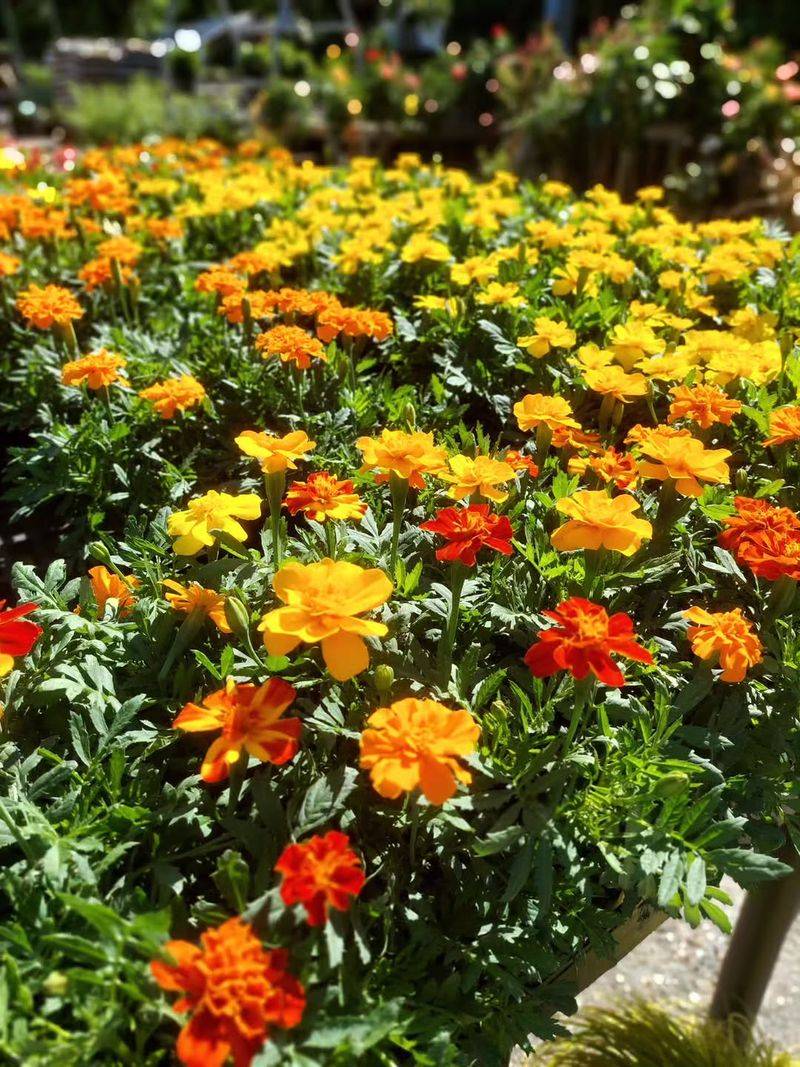
Marigolds are the workhorses of the annual garden, and their bold orange and yellow blooms are hard to miss.
What many people do not realize is that the cheerful flowers come backed by a sharp, musky scent that ticks and many other garden pests find genuinely off-putting.
That combination of visual impact and natural pest deterrence makes marigolds one of the smartest border plants a North Carolina gardener can choose.
Plant marigolds after the last frost date, which typically falls between mid-March and mid-April depending on your region of North Carolina. They thrive in full sun and adapt to a wide range of soil types, though they prefer good drainage.
Regular deadheading, which means removing spent blooms, keeps plants producing new flowers from late spring all the way through the first fall frost.
French marigold varieties tend to stay compact and bushy, making them ideal for edging garden beds and lining walkways. African marigolds grow taller and create a bolder visual statement along fence lines or as backdrop plantings.
Both types carry the strong aromatic compounds in their foliage and flowers that contribute to a less tick-friendly yard environment.
Marigolds also work brilliantly as companion plants alongside vegetables, where they help deter nematodes and other soil pests while adding bright color.
Mixing them with perennial tick-repelling herbs like rosemary or sage gives your garden a layered, season-long defense.
For an easy, colorful, and genuinely functional annual, marigolds are hard to beat in any North Carolina landscape.