What It Really Means When Carpenter Bees Start Showing Up Around Your Texas Porch
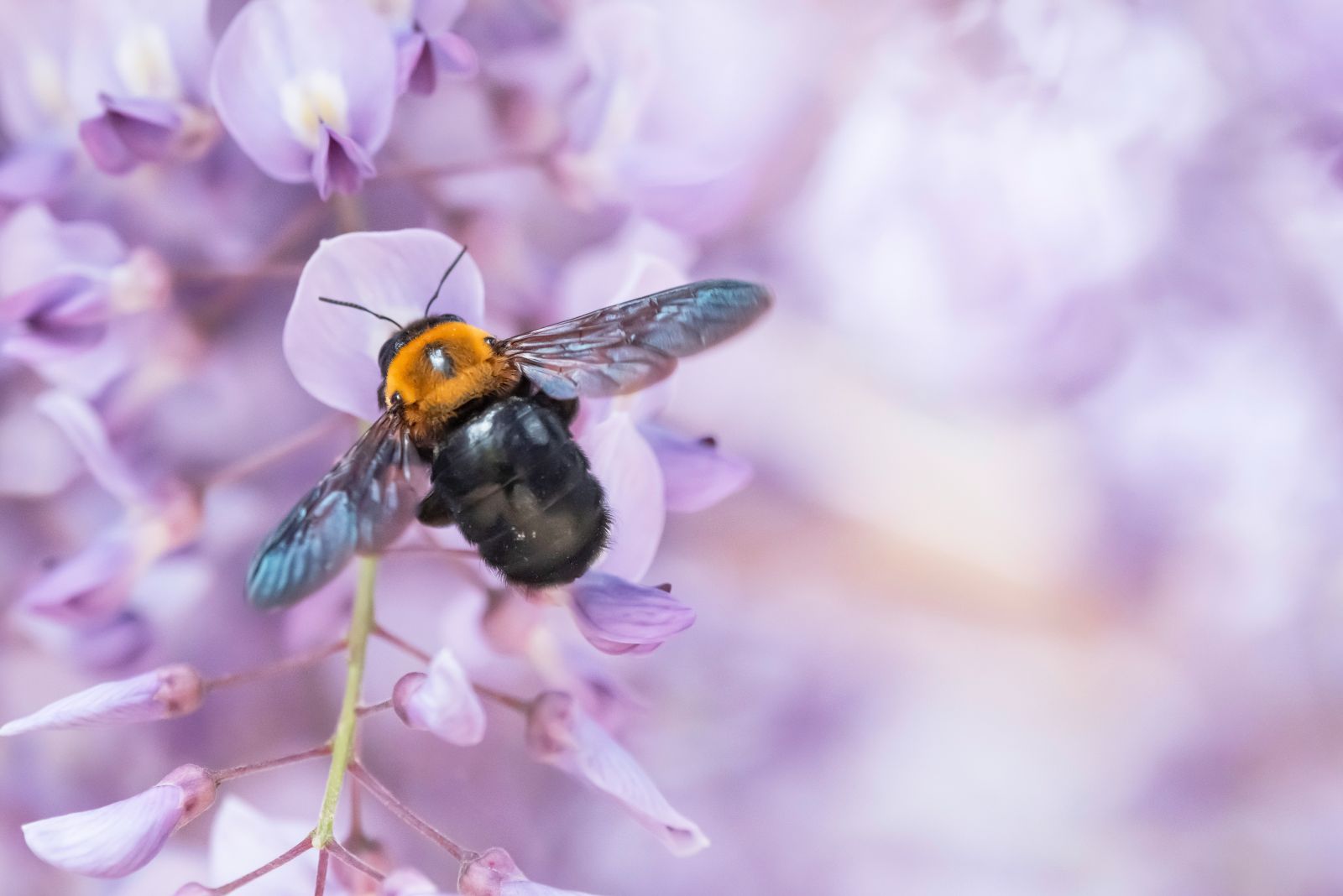
Have you ever stepped outside to find large bees hovering around your Texas porch with a persistence that feels almost deliberate, like they are casing the place rather than just passing through? That instinct is not far off.
Carpenter bees showing up around a porch in Texas are not there by accident, and their presence is telling you something specific about your structure, your wood, and the conditions that make your porch worth their attention.
Most homeowners either ignore them because they seem harmless or react with alarm and start looking for ways to drive them off, neither of which starts with actually understanding what is happening. Carpenter bees are more interesting and more complicated than they appear.
Knowing what their arrival actually signals, how much of a genuine threat they pose to the wood around your home, and what separates normal seasonal activity from a situation worth addressing gives you a much more useful starting point than alarm or indifference ever will.
1. Healthy Pollinators Are Visiting Your Yard
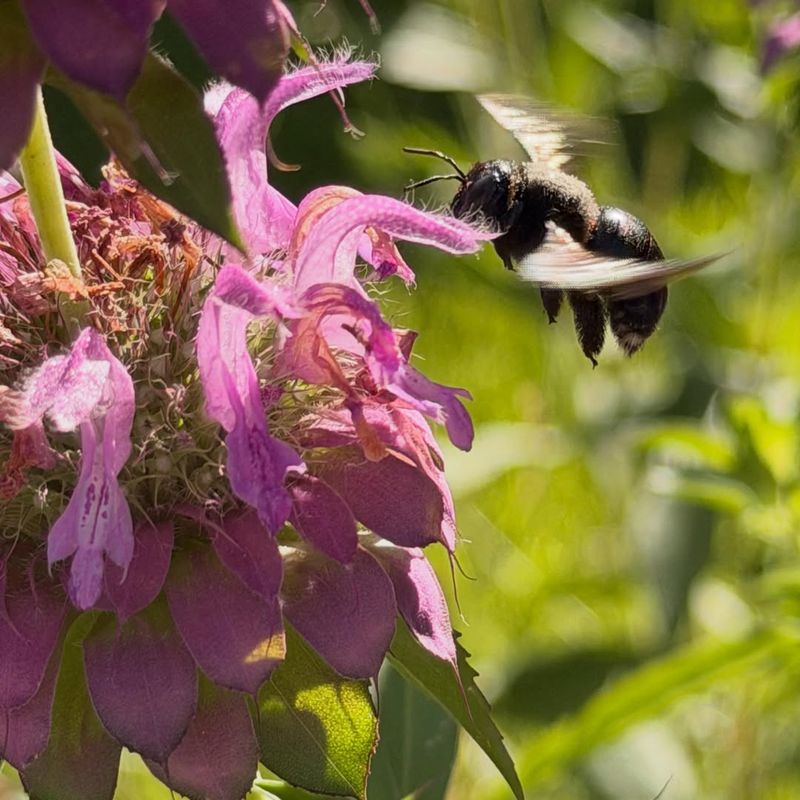
Spotting carpenter bees around your porch is actually a really good sign for your yard. These native Texas pollinators play a big role in keeping local plants healthy and thriving. Without pollinators like them, many flowering plants would struggle to reproduce.
Carpenter bees are what scientists call “buzz pollinators.” They vibrate their bodies at a specific frequency to shake pollen loose from flowers.
This technique works especially well on tomatoes, blueberries, and many wildflowers that grow across Texas. Honeybees cannot do this, which makes carpenter bees uniquely valuable.
Their presence near your porch usually means your yard has plenty of flowers and blooming plants nearby. They would not stick around if there was nothing to eat.
So if you have got flowering plants, shrubs, or garden beds close to your home, you have basically created an open invitation for these bees.
Carpenter bees do not live in colonies like honeybees. Each female works alone, which makes them even more impressive as solo pollinators covering large areas. A single carpenter bee can visit dozens of flowers in just one trip.
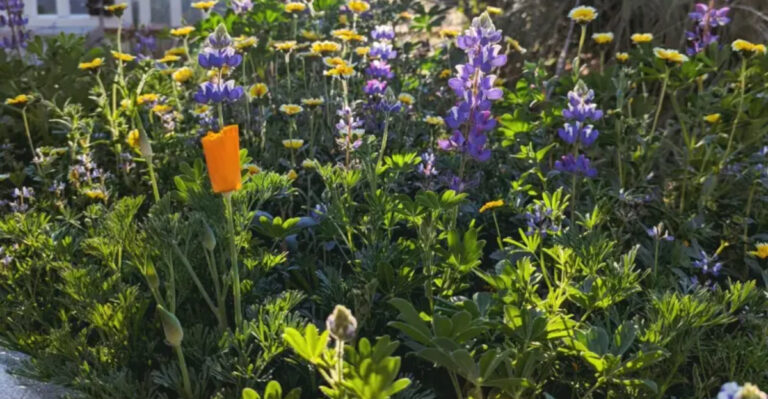
Encouraging pollinators like carpenter bees is something many Texas gardeners actively try to do. Planting native wildflowers such as black-eyed Susans, coneflowers, or Texas sage can attract even more of them.
The more diverse your garden, the more pollinator activity you will see. Rather than seeing them as a problem, think of carpenter bees as a free gardening service.
They are working hard to support the plants and flowers you already love. A yard that attracts pollinators is a yard that is genuinely alive and well.
2. They Are Looking For Nesting Sites
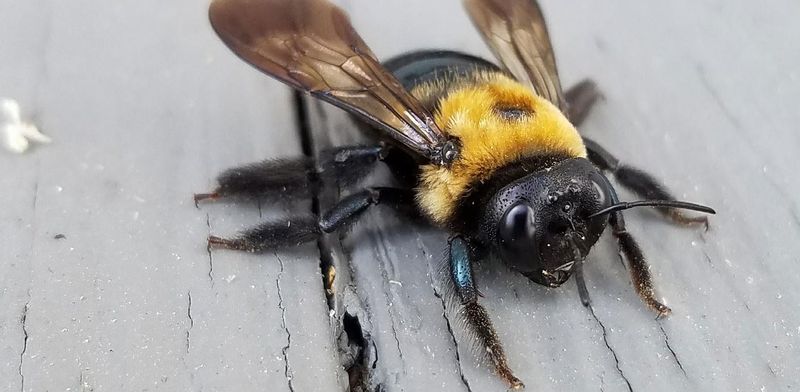
Here is something most people do not realize: when you see carpenter bees flying close to your porch, the females are often on a house-hunting mission.
Female carpenter bees bore perfectly round tunnels into wood to create nesting chambers for their eggs. It is one of nature’s most impressive solo construction projects.
A female bee can chew through wood at a surprisingly fast rate. She uses her strong mandibles, which are like tiny jaws, to drill a nearly perfect half-inch wide entrance hole.
Your Texas Garden Changes Every Week. Your Plan Should Too.
Gardening in Texas changes quickly throughout the season. Every Friday you’ll receive a simple weekly plan showing exactly what to plant, prune, fertilize, harvest, and protect so you never miss the right timing.
Once inside, she turns and tunnels horizontally along the wood grain, creating a gallery where she will lay her eggs.
Porch beams, railings, wooden fences, and deck boards are some of their favorite spots in Texas. Untreated or weathered wood is especially attractive because it is softer and easier to work with.
If your porch has older, unpainted wood, it may look like prime real estate to a nesting female.
Each egg gets its own chamber stocked with a mixture of pollen and nectar, sometimes called “bee bread,” which feeds the larva as it develops. A single tunnel can hold multiple eggs, each sealed off in its own cozy compartment.
Seeing one or two bees nesting is not usually a crisis. But if the same spots get used season after season, the tunnels can expand and multiply. Over time, repeated nesting in the same boards can weaken the wood structure.
The best way to manage nesting activity is to pay attention early. Catching it in the first season gives you the most options for protecting your wood without major repairs later on.
3. Your Wood May Be Vulnerable
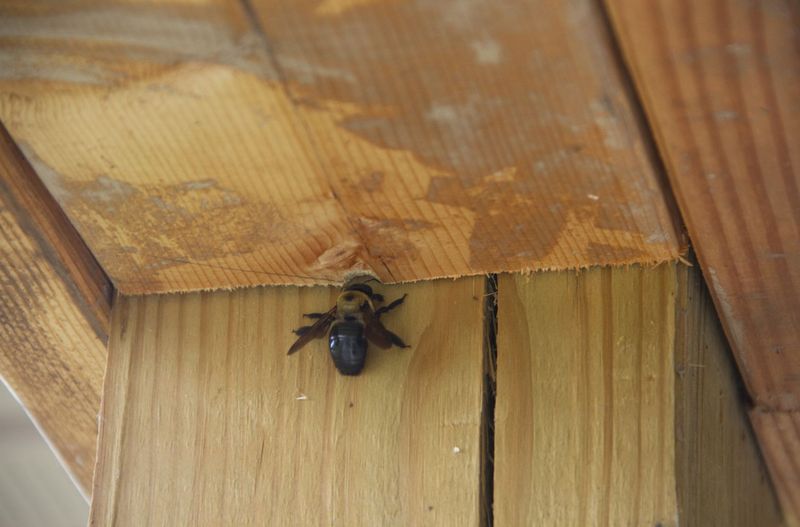
Not all wood is created equal in the eyes of a carpenter bee. Soft, unpainted, and weathered wood is basically a welcome mat for nesting females.
If your porch or fence has boards that have seen better days, carpenter bees may have already noticed.
Cedar, pine, and redwood are among the most common targets in Texas. These softer woods are easier to drill through, making them perfect for a bee that is working solo without any help.
Hardwoods like oak are much harder to penetrate, so they tend to get skipped over. Paint and varnish act as a natural deterrent. Wood that is freshly painted or sealed is tougher to drill into and less appealing to nesting females.
If you have sections of your porch that are bare, cracked, or peeling, those spots are the most likely targets.
Over time, if the same tunnels are reused every spring, the internal damage can grow. What starts as a small entry hole can eventually become a long network of galleries running through a beam or board.
That kind of repeated use is what can lead to real structural issues down the road. One helpful habit is doing a quick inspection of your porch wood each spring before carpenter bee season peaks. Look for perfectly round holes about the size of a dime.
Fresh sawdust or yellowish staining below a hole is a clear sign that a bee has recently been at work.
Treating or repainting vulnerable wood before the season starts is one of the simplest and most effective ways to reduce nesting activity. A little maintenance now can save you from a bigger headache later.
4. Male Bees May Be Patrolling Your Space
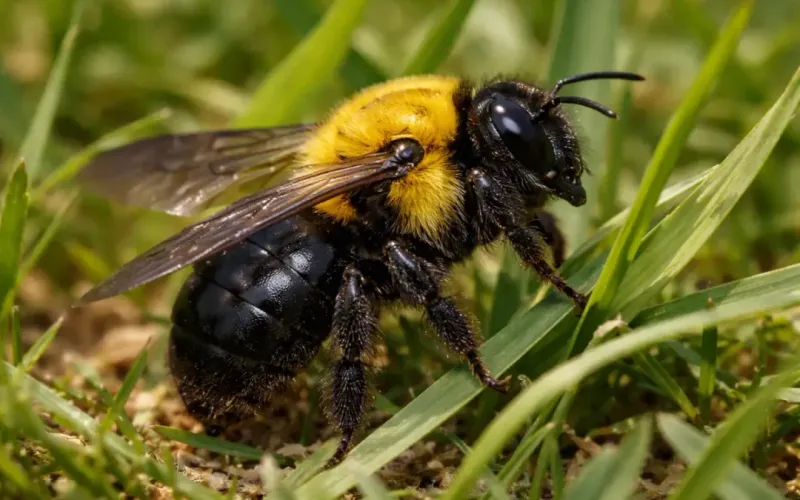
Ever had a big black bee fly straight at your face and then just hang there, staring you down? That is almost certainly a male carpenter bee doing his job.
Male carpenter bees are the self-appointed security guards of the porch world, and they take their role very seriously.
Males spend most of their time hovering near nesting sites, chasing off other insects and occasionally startling unsuspecting humans. They will zoom toward anything that enters their territory, including birds, butterflies, and yes, people.
It can feel aggressive, but there is zero actual danger involved. Here is the key fact that changes everything: male carpenter bees cannot sting. They simply do not have a stinger.
All that hovering and charging is pure bluff. They are trying to look intimidating without having any real backup plan.
Female carpenter bees do have stingers, but they are extremely unlikely to use them. Females are focused on nesting and foraging, not on confrontation.
A female would only sting if she were physically grabbed or trapped, which almost never happens accidentally.
So if a bee is flying at your face repeatedly and acting bold, you are almost certainly dealing with a male. You can walk right past him without any real concern. He will follow you to the edge of his territory and then drift back to his post.
Understanding this behavior makes sharing your porch with carpenter bees a lot less stressful.
Once you know the male is all show and no sting, that dramatic aerial display becomes more entertaining than frightening. Think of him as a tiny, fuzzy bouncer who cannot actually do anything.
5. They Indicate A Healthy Insect Population
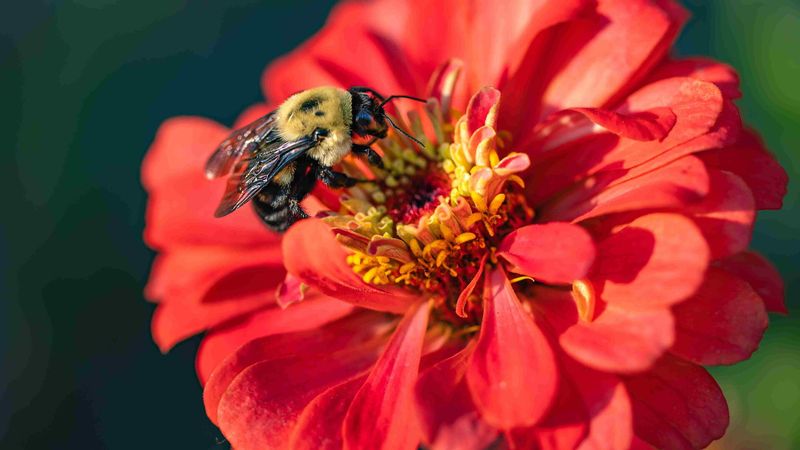
Carpenter bees showing up around your porch is actually a signal that your local environment is in pretty good shape. These bees depend on a steady supply of flowering plants for nectar and pollen.
If they are visiting regularly, it means your neighborhood has the resources to support them.
A thriving insect population is one of the clearest signs of a healthy outdoor ecosystem. When you see carpenter bees, there are likely other pollinators nearby too, including native bees, butterflies, and beetles.
Each of these insects plays a different but connected role in keeping plants and gardens productive.
Texas is actually home to over 800 species of native bees, and carpenter bees are among the most visible. Their size makes them easy to spot, but they are just one piece of a much larger insect community that lives and works around your yard every day.
Insects also support birds, lizards, and other wildlife by acting as a food source. A yard with a strong insect population tends to attract more songbirds, which many Texas homeowners enjoy. The whole food web benefits when the insect layer is healthy and diverse.
Pesticide use is one of the biggest threats to this kind of balance. Broad-spectrum sprays can wipe out beneficial insects along with the ones you are trying to manage.
If carpenter bees are a concern, targeted and selective approaches are far better for the overall health of your yard.
Seeing carpenter bees is a reminder that your outdoor space is connected to something bigger. A yard that supports native insects is contributing to the broader ecological health of your region, one buzzing visitor at a time.
6. Timing And Season Tell You Something Important
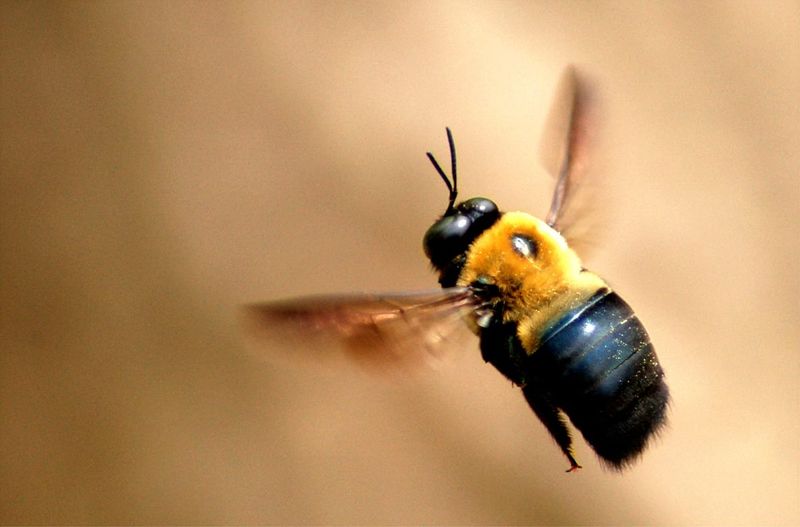
Carpenter bees do not show up randomly. Their arrival around your porch follows a very predictable seasonal rhythm, and paying attention to that timing can actually tell you a lot about what is happening in your local environment.
In Texas, carpenter bees typically become active in late February or early March, depending on how warm the winter has been. By April and May, activity is usually at its peak.
Seeing them means the season has shifted enough to trigger their natural reproductive and foraging cycles.
Warmer winters in Texas are causing some changes in insect timing across the state. Carpenter bees and other native pollinators are sometimes emerging earlier than they did a few decades ago.
Scientists who study insect behavior use these patterns as one way to track broader climate trends.
After the busy spring season, carpenter bee activity slows down significantly by midsummer.
Adults from the new generation will eventually find sheltered spots to wait out the winter, often inside existing tunnels or in natural wood cavities. Then the cycle starts again the following spring.
If you are seeing carpenter bees for the first time on your porch this year, it may simply mean your yard has matured.
Older trees, more established plants, and aged wood all make a property more attractive to nesting bees over time. Your yard has essentially leveled up in the eyes of local wildlife.
Tracking when they first appear each year is a fun and easy way to connect with the natural rhythms of your local environment.
A quick note in your phone each spring can reveal patterns you might never have noticed before. Nature has its own calendar, and carpenter bees are right on schedule.