Why Citrus Fruit Splits On The Tree In California And How To Stop It
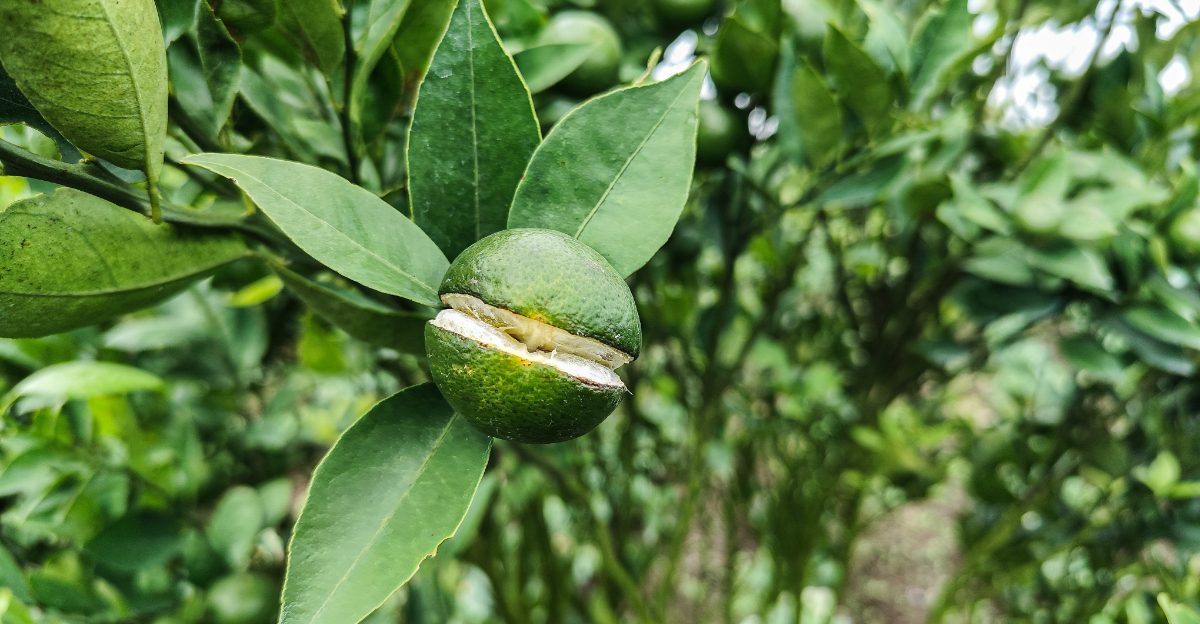
Citrus fruit can look perfect one week, then suddenly crack open while still hanging on the tree.
For California gardeners, this can feel extra frustrating because the tree may seem healthy at first glance.
The problem often starts before the split shows up. Hot weather, uneven watering, and fast fruit growth can all play a role, especially during stressful stretches of the season.
Once the peel opens, the fruit is no longer the prize you were hoping for. The good news is that splitting is usually a sign of a care issue you can improve.
It is not always a mystery, and it does not mean your whole crop is ruined. With better timing and a steadier routine, you can help your citrus fruit hold together as it ripens.
1. Irregular Watering Makes Citrus Fruit Split
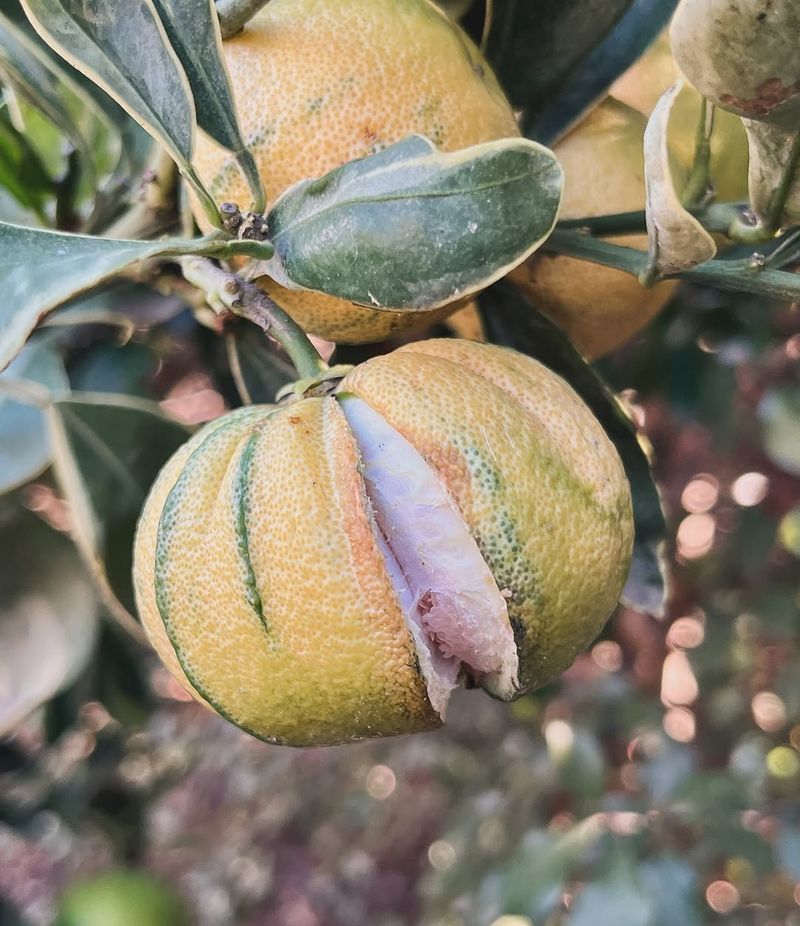
One of the most common reasons citrus fruit splits is something many growers do without realizing it: watering inconsistently.
When a tree goes without water for a stretch of time and then suddenly gets a big drink, the fruit reacts fast.
The juice inside the fruit expands quickly, but the rind cannot keep up with that sudden growth.
Think of it like a balloon being blown up too fast. The outer skin gets pushed past its limit and tears open.
This is exactly what happens to the rind of a citrus fruit when water supply swings back and forth. The problem is especially bad during late summer and early fall when fruits are close to full size.
At that stage, the rind stops growing but the juice keeps building up inside. Any sudden surge of water goes straight into the fruit with nowhere to go.
A steady watering schedule is the best way to prevent this. Aim to water deeply and regularly instead of skipping days and then overwatering to make up for it.
Setting up a drip irrigation system or using a timer can help keep things consistent. Your tree will thank you with whole, healthy fruit that stays on the branch until you are ready to pick it.
2. Hot Weather Puts The Rind Under Pressure
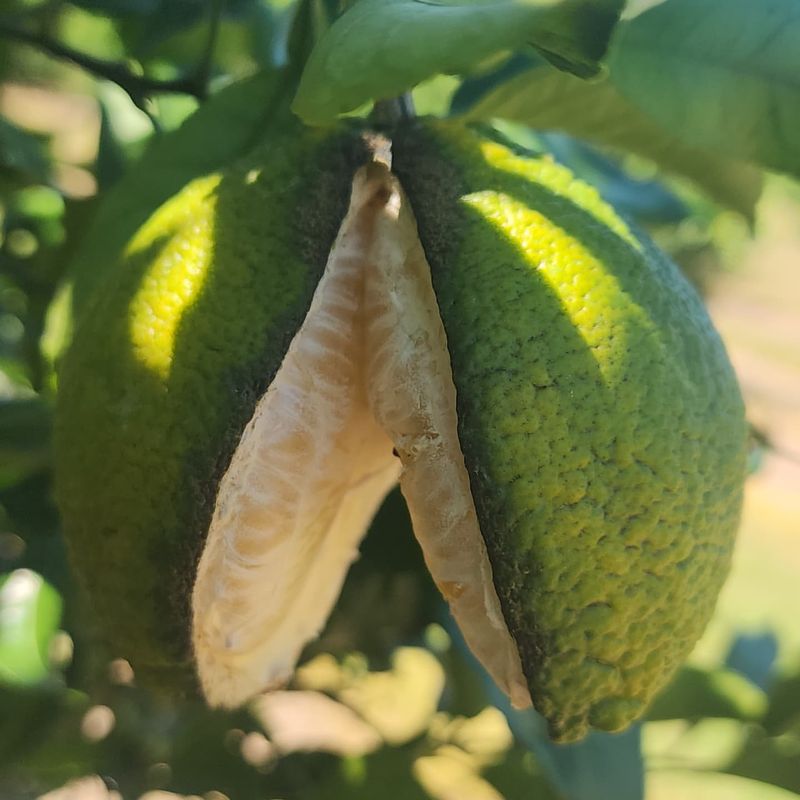
Summer heat in our state is no joke, and citrus trees feel every degree of it. When temperatures climb into the high 90s or above, the fruit heats up quickly.
The juice inside expands from the heat, and the rind gets tight. If the rind is already thin or has been stressed by dry conditions, it may not hold.
Hot spells that come on suddenly are the most dangerous. A few mild days followed by a heat wave gives the fruit no time to adjust.
The rind simply splits under the pressure. This is especially common with mandarins and navel oranges, which tend to have thinner skins than other varieties.
There are a few things you can do to help your trees handle the heat better. Shade cloth can protect fruit during extreme heat events.
Watering more frequently during a heat wave helps the tree stay hydrated and reduces internal fruit pressure.
Your California Garden Changes Every Week. Your Plan Should Too.
Gardening in California changes quickly throughout the season. Every Friday you’ll receive a simple weekly plan showing exactly what to plant, prune, fertilize, harvest, and protect so you never miss the right timing.
Applying a thick layer of mulch around the base of the tree also keeps the roots cooler and helps the soil hold moisture longer.
You do not need to overhaul your whole setup to make a difference. Even small adjustments during the hottest weeks of the year can save a big portion of your fruit from cracking before harvest time.
3. Dry Soil Followed By Heavy Watering Is The Big Trigger
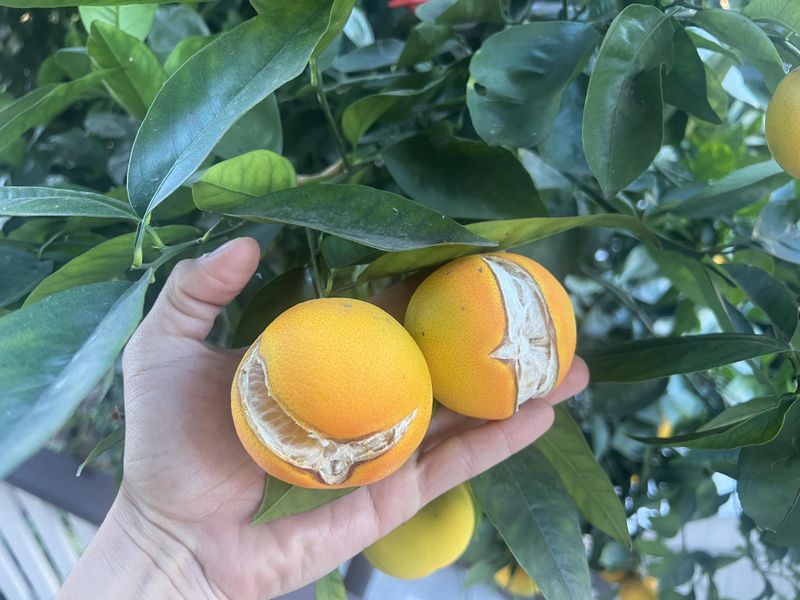
If there is one pattern that causes more citrus splitting than anything else, it is this one. Soil that gets bone dry and then receives a heavy soaking is a recipe for cracked fruit.
The tree absorbs the water rapidly after a drought period, and the fruit swells up almost overnight.
The rind, which has been sitting still and hardening in the dry heat, simply cannot expand fast enough.
Many growers notice this happening after the first big rain of fall following a long dry summer.
The trees have been running on minimal water for weeks, and then a storm drops an inch or two of rain in a short time.
Within days, split fruit starts showing up all over the tree. It can feel like there is nothing you can do, but preparation helps a lot.
Keeping the soil consistently moist through the dry season is the key. You do not want soggy soil, but you also do not want it to dry out completely between waterings.
Checking soil moisture a few inches below the surface before each watering session is a smart habit. A soil moisture meter is an inexpensive tool that takes the guesswork out of it.
When you keep moisture levels steady, the fruit grows at a steady pace and the rind has time to develop properly without cracking under pressure.
4. Thin-Skinned Citrus Splits More Easily
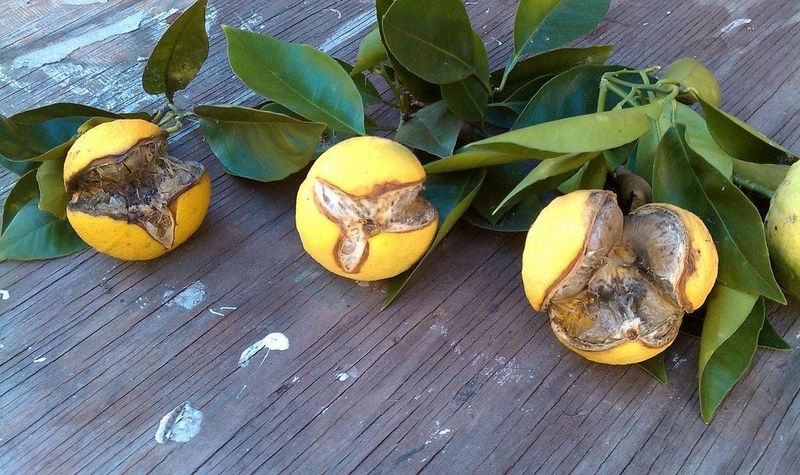
Not all citrus is created equal when it comes to splitting. Some varieties are just naturally more prone to it than others.
Mandarins, clementines, and certain navel orange varieties are known for having thinner rinds that crack more easily under pressure.
Grapefruits and lemons tend to have thicker skins that can handle more internal pressure without splitting.
Knowing your variety matters a lot. If you are growing a thin-skinned type, you will need to be extra careful about watering consistency and heat protection.
These varieties are also more sensitive to sudden changes in temperature or moisture. Even a small swing in conditions can push a thin rind past its breaking point.
That said, thin-skinned citrus is not hopeless. Growers who pay close attention to their trees and maintain steady care routines can still bring in a great harvest.
It just takes a little more effort and planning. Some growers also choose to plant thicker-skinned varieties alongside their favorites to balance out the risk.
If you have tried everything and still find yourself losing a lot of fruit to splitting, it might be worth talking to a local nursery about switching to a more resilient variety.
There are plenty of delicious options that hold up better under the conditions common in our state.
5. Mulch Helps Keep Soil Moisture Steadier
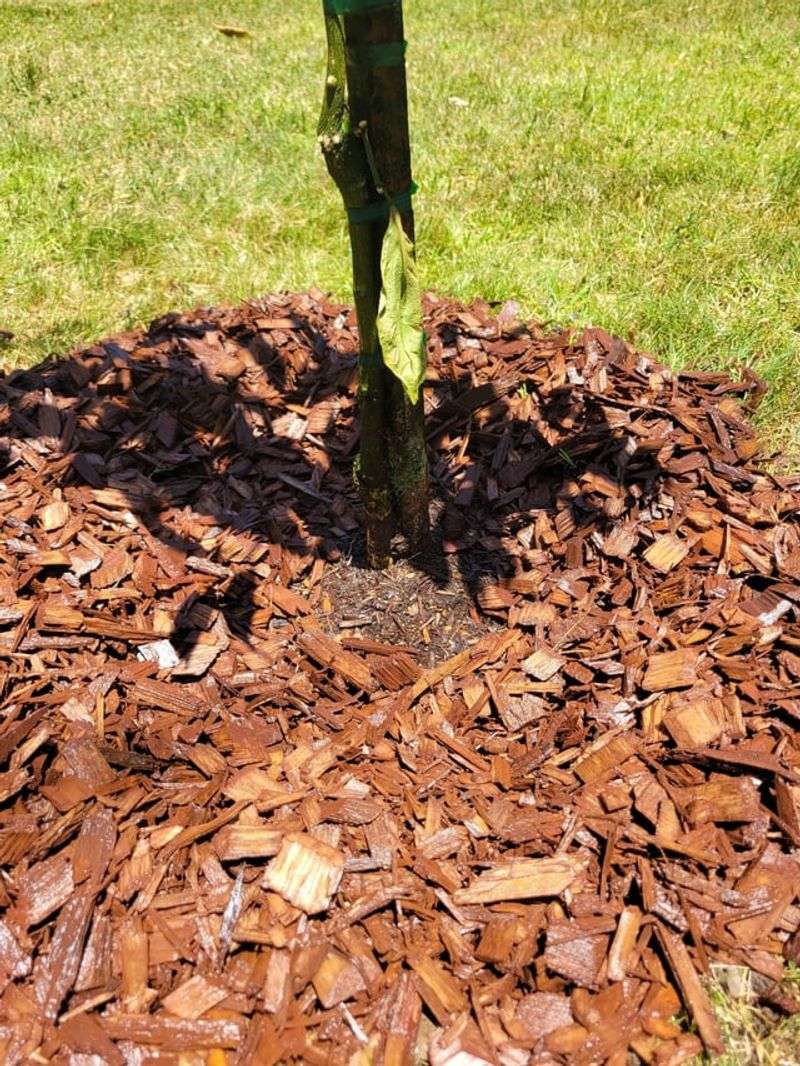
Mulch might not sound exciting, but it is one of the most powerful tools a citrus grower has. A good layer of mulch around the base of your tree acts like a blanket for the soil.
It slows down evaporation, keeps root temperatures stable, and helps the soil hold onto moisture between watering sessions.
In our warm, dry summers, unprotected soil can lose a huge amount of moisture in just a few hours of direct sunlight.
That rapid drying puts the tree under stress and creates the kind of moisture swings that lead to fruit splitting.
Adding three to four inches of wood chips, straw, or shredded bark around the base of your tree can make a real difference.
Keep the mulch a few inches away from the trunk itself so it does not cause rot or pest problems at the base.
Spread it out to cover the whole root zone, which usually extends to the edge of the tree canopy.
Refreshing your mulch layer once or twice a year keeps it working well. This simple step costs very little and takes less than an hour to do properly.
Growers who mulch consistently often notice fewer split fruits and healthier trees overall, especially during the hottest and driest months of the growing season.
6. Deep Watering Beats Quick Surface Sprinkles
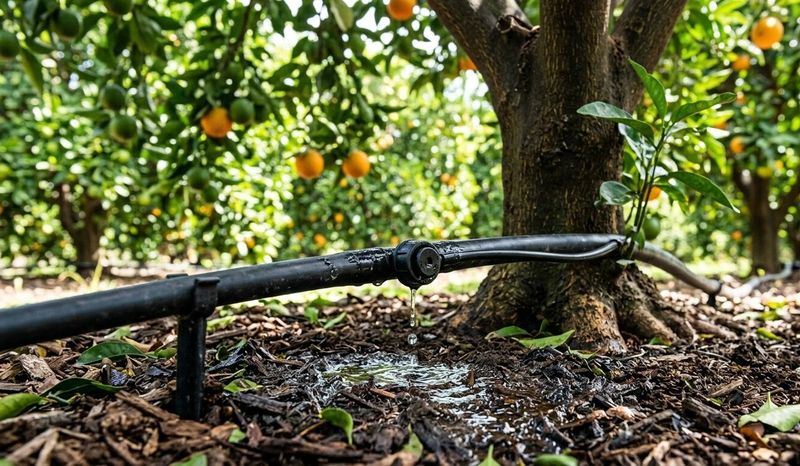
Sprinkling a little water on the surface of the soil every day might seem like a good habit, but it actually does more harm than good for citrus trees. Shallow watering keeps moisture near the top of the soil, which encourages shallow roots.
Shallow roots are more vulnerable to heat and drought, which means the tree is less stable and more likely to stress out during dry spells.
Deep watering means soaking the soil slowly so moisture reaches down 12 to 18 inches into the ground.
That is where the deeper roots are, and those roots are what keep the tree going strong during hot weather.
When the deep roots have steady access to moisture, the tree does not go into stress mode, and the fruit develops more evenly.
Drip irrigation is one of the best ways to water citrus deeply and consistently. It delivers water slowly right at the root zone without wasting it through runoff or evaporation.
If you do not have a drip system, you can use a slow trickle from a garden hose and let it run for 20 to 30 minutes in the same spot.
Water two to three times per week during summer, adjusting based on how hot and dry conditions are.
Deep, steady watering is one of the simplest ways to reduce fruit splitting and keep your trees productive all season long.
7. Too Much Or Too Little Water Can Stress The Tree
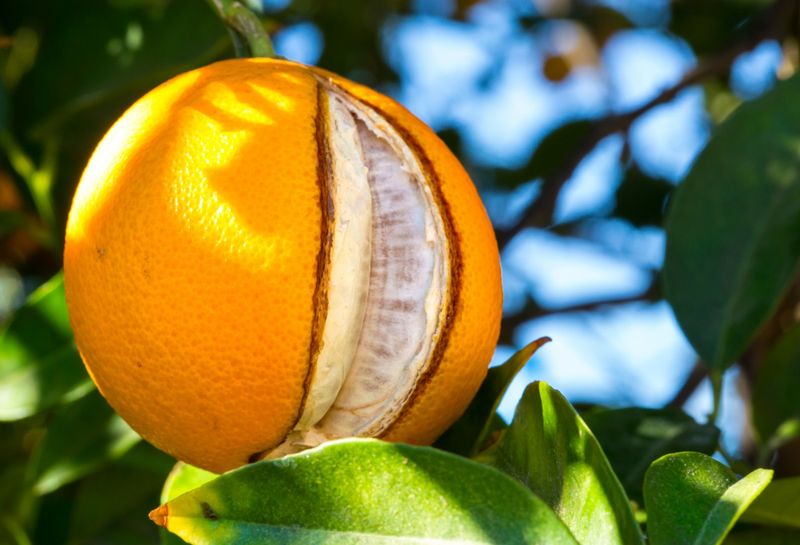
Water is the most important thing you give your citrus tree, but getting the amount right is a balancing act.
Too little water and the tree gets stressed, causing the fruit to develop slowly and the rind to harden too much.
Too much water and the roots can struggle to breathe, which also stresses the tree and leads to poor fruit development.
Both extremes can lead to splitting, just in slightly different ways. Underwatered trees produce fruit with thick, tough rinds that crack when water finally arrives.
Overwatered trees can develop root problems that cause uneven nutrient uptake, which leads to uneven fruit growth and splitting. Neither situation is good for your harvest.
Finding the right balance takes some attention and practice. A good rule of thumb is to water when the top two to three inches of soil feel dry but the soil below that is still slightly cool and moist.
In the peak of summer, that might mean watering every two to three days. In cooler months, once a week or less may be enough.
Every yard is different depending on soil type, sun exposure, and tree size. Paying attention to how your tree responds is the best guide.
Healthy leaves, steady fruit growth, and minimal splitting are signs that your watering routine is working well.
8. Split Fruit Should Come Off The Tree Fast
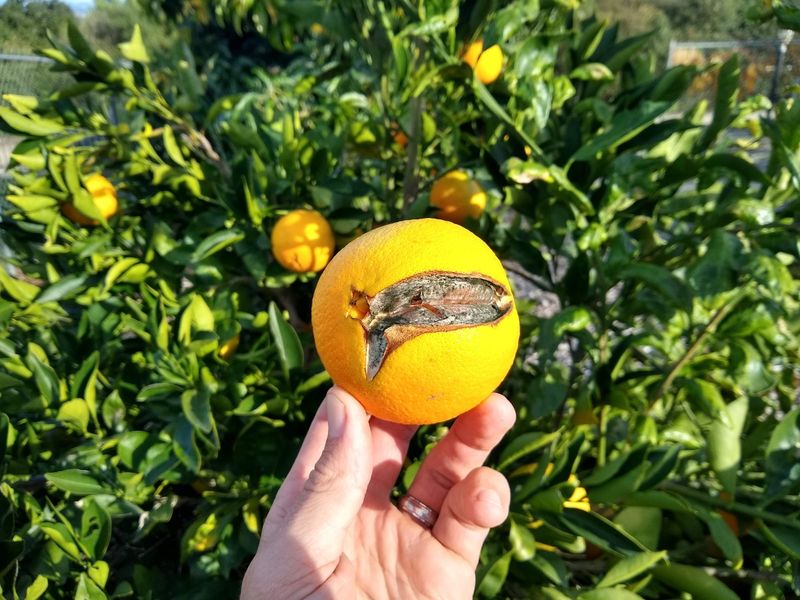
When you spot a split citrus fruit on your tree, the clock starts ticking. Leaving cracked fruit hanging on the branch invites a whole range of problems that can spread quickly.
Insects are attracted to the exposed juice and flesh right away. Fungal infections can set in within just a day or two, especially if the weather is humid or if rain is on the way.
Removing split fruit promptly protects the rest of the crop. Once mold or insects get into a split fruit, they can spread to neighboring fruits on the same branch.
Getting ahead of the problem saves you from losing even more of your harvest. Use clean pruning shears or wear gloves and twist the fruit off carefully without damaging the branch.
Do not toss the split fruit onto the ground near the tree. That can attract pests and spread fungal spores into the soil.
Bag the split fruit and put it in the trash, or use a hot compost pile that gets warm enough to break things down safely.
After removing the damaged fruit, take a good look at the rest of the tree. Check for any others that are showing early signs of cracking.
Catching them early gives you the best chance of harvesting them before they split all the way open. Quick action makes a real difference in protecting your overall yield.
9. Potassium Deficiency Can Make Splitting Worse
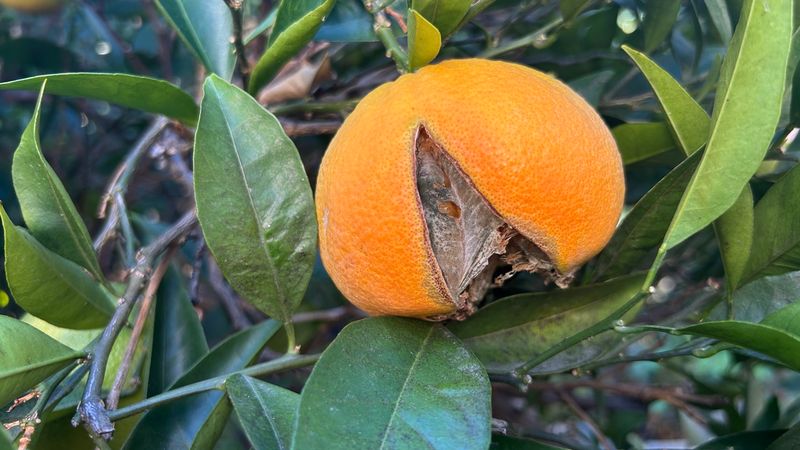
Most people focus on water when they think about fruit splitting, and water is definitely the biggest factor.
But soil nutrition plays a role too, and potassium is one nutrient that directly affects how strong the rind becomes.
Citrus trees that do not get enough potassium tend to produce fruit with weaker rinds that are more likely to crack under pressure.
Potassium helps the rind develop its structure and flexibility. Without enough of it, the skin of the fruit stays thinner and less resilient.
When a surge of water or heat hits, that weak rind gives way much more easily than a well-nourished one would.
Checking your soil for potassium levels is a smart step if you keep having splitting problems despite good watering habits.
A basic soil test from a garden center or through your local agricultural extension office can tell you exactly what your soil is missing.
Citrus-specific fertilizers usually contain the right balance of nutrients, including potassium.
Look for fertilizers labeled for citrus and avocado, as these often have higher potassium levels suited to the needs of fruiting trees. Feed your trees in early spring and again in late summer for best results.
Getting the nutrition right does not just reduce splitting. It also improves flavor, color, and the overall size of your fruit at harvest time.
10. Consistent Summer Care Helps Prevent The Next Round
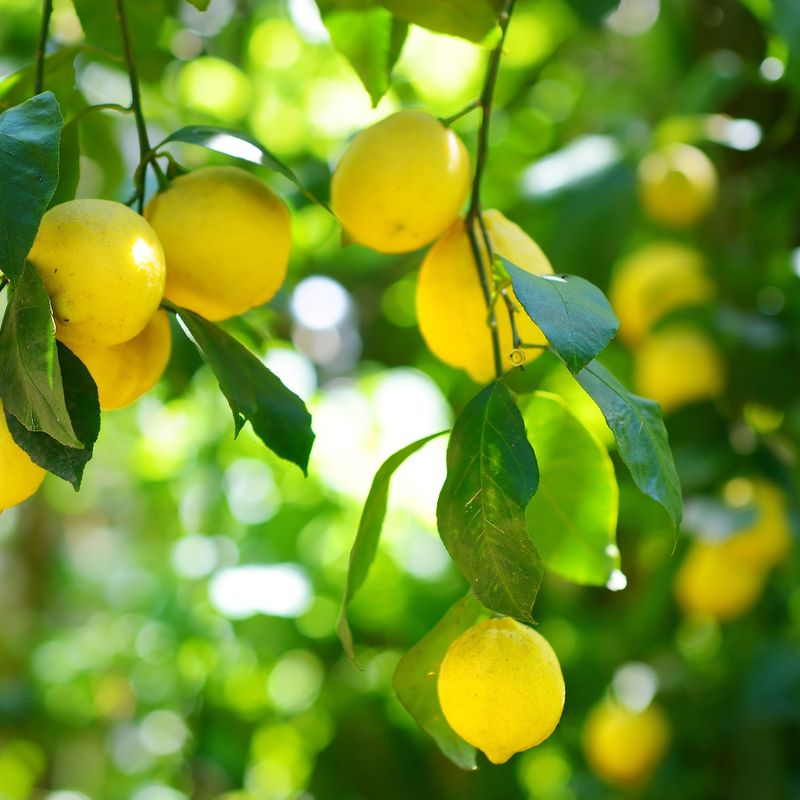
Preventing citrus fruit splitting is not a one-time fix. It is an ongoing commitment that pays off season after season.
The habits you build during summer directly affect how much fruit you lose to splitting in fall.
Keeping up with watering, mulching, and feeding throughout the hottest months sets your tree up for a strong finish.
A simple summer checklist can help. Water deeply and consistently, check soil moisture before each session, refresh mulch if it has thinned out, and feed with a balanced citrus fertilizer in late summer.
Watch the forecast and adjust your watering if a heat wave or early rain is on the way. These small actions add up to big results by harvest time.
Growers who take a proactive approach to summer tree care almost always see fewer split fruits than those who only react to problems after they show up. Building a routine makes it easier and less time-consuming over the years.
You get to know your tree, understand how it responds to heat and rain, and make smarter decisions faster.
Healthy trees that are well cared for through the summer months produce thicker rinds, more balanced fruit development, and a harvest you can actually enjoy.
Staying consistent is the single most effective thing you can do to protect your citrus crop from splitting year after year.