California Patios Can Attract More Hummingbirds With These Easy Changes
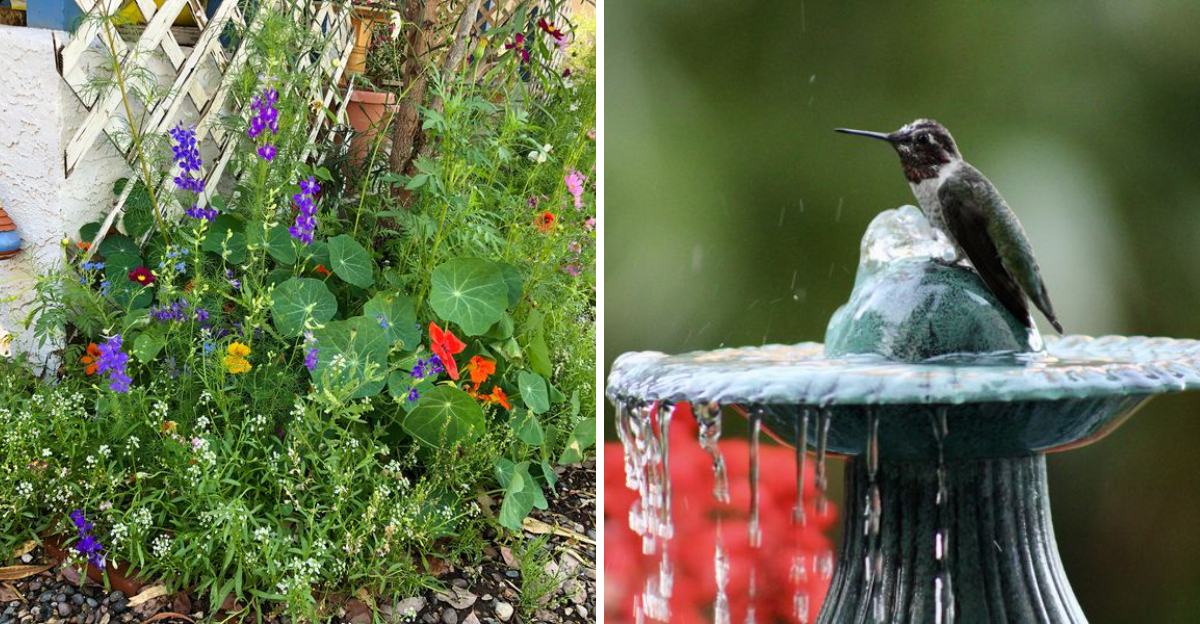
One tiny blur can change the whole mood of a California patio. You hear a zip, catch a spark of color, then it vanishes like it owes the air money. Rude? A little. Addictive? Absolutely.
Most patios miss the secret by one small step. The chairs are right. The sun is right. The coffee is right. Yet the tiny visitors pass by, unimpressed, like picky food critics with wings.
What do they see that you miss? That is the fun part. A patio can whisper “stop here” without any bird theme park vibe. No giant yard. No fancy setup. No backyard makeover that requires a hard hat and a second mortgage.
Just smart little choices that make a space feel safer, sweeter, and more worth a visit. Some involve flowers. Some involve water. One may already sit on your rail.
Your patio might be closer to ready than it looks today, which is good news. Ready to turn that quiet corner into the best café in town, with tiny VIPs?
1. Add Tubular Flower Pots Near Seating
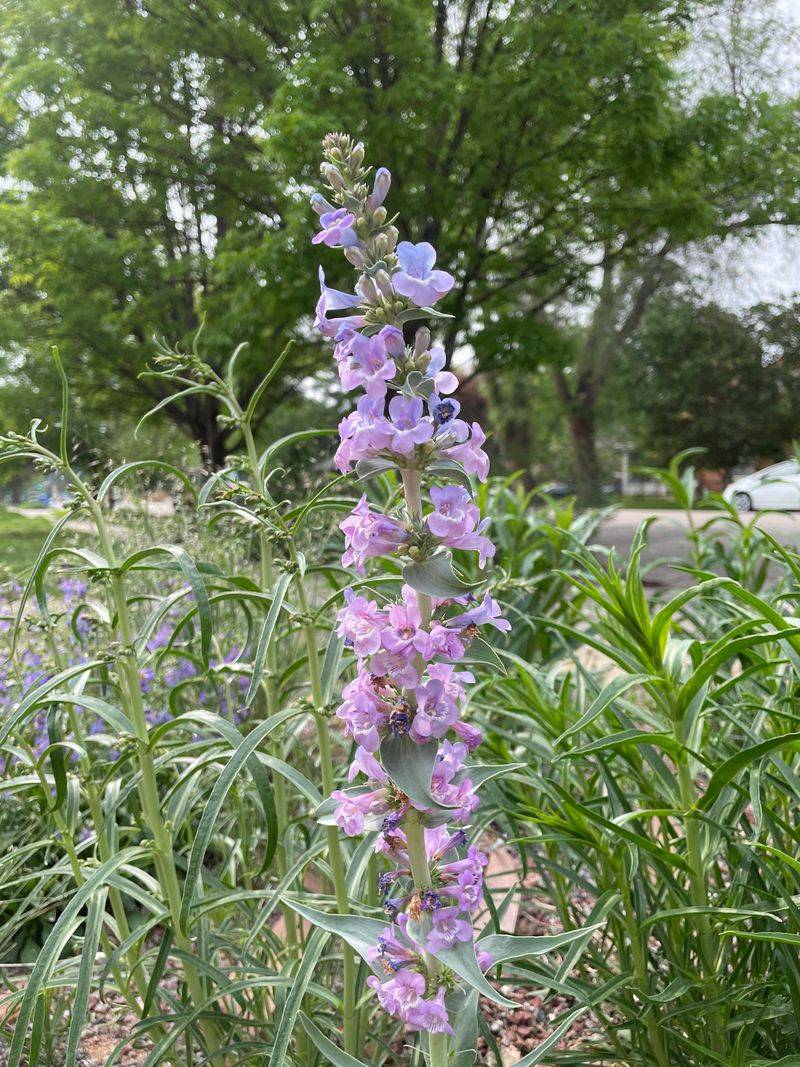
Your patio chair deserves a little drama, preferably the feathered kind. A few pots with tubular flowers near your favorite seat can turn a quiet corner into prime hummingbird real estate.
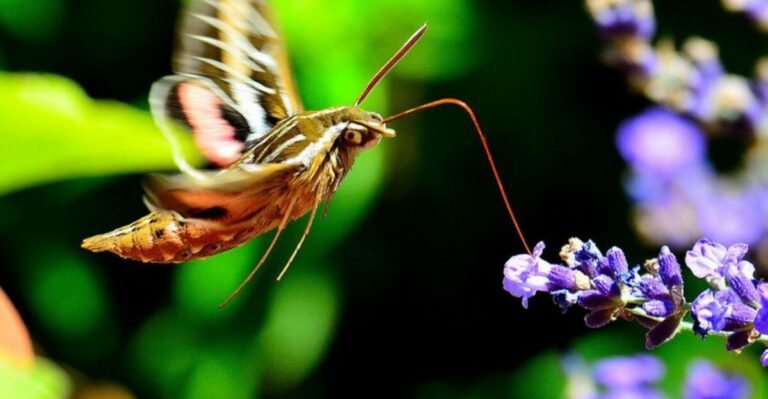
The trick is placement. Hummingbirds notice color from a distance, then move in for nectar that fits their long, slender bills.
Penstemon, red salvia, cuphea, and cape fuchsia all suit containers well. Their narrow flowers work like tiny nectar straws. That shape helps hummingbirds feed fast, then zip away with plenty of energy for the next stop.
Keep the pots close enough for a front-row view, but not so close that wings buzz your coffee cup. You want a visit, not a tiny airshow inside your latte.
Cluster three or four containers together for a stronger color signal. One lonely pot can blend into the patio. A small group looks like a neon diner sign for birds.
Use pots around 10 to 12 inches wide, or larger for stronger roots. Early sun with a bit of afternoon shade suits many California patios, especially inland spots.
Terra cotta can work well because it breathes and helps soil dry between drinks.
That little flower cluster gives your patio a job. It becomes a snack bar with charm, color, and very small regulars.
2. Choose Native Salvias For Nectar
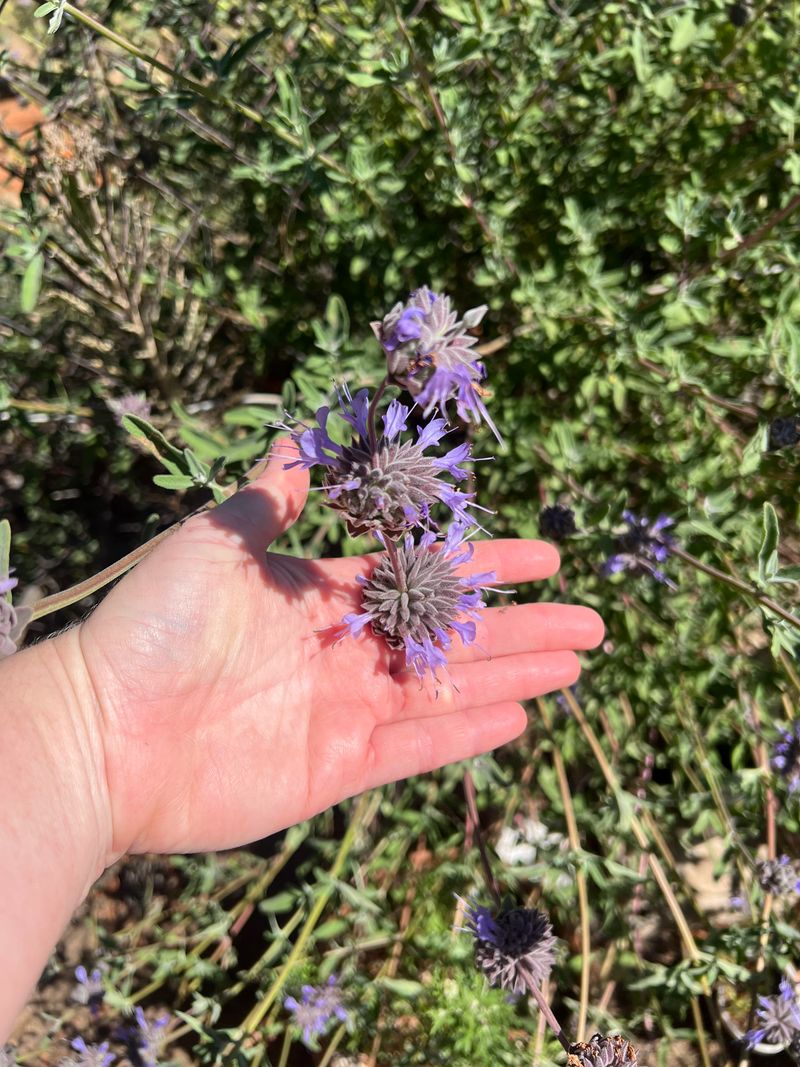
Native salvias offer serious nectar credentials without any fancy routine. They belong in California landscapes, and that gives them a natural edge on patios.
Their flower shape, bloom rhythm, and dry-climate manners line up nicely with the hummingbirds that already patrol the neighborhood.
Hummingbird sage suits shadier patios and walls with northern exposure. It stays lower, spreads with a relaxed habit, and sends up rosy blooms that feel made for tiny bills.
Cleveland sage prefers more sun and rewards a large pot with fragrant leaves plus tall violet-blue flower spikes.
That is where this plant earns its place. You get fragrance, flowers, and a patio that feels less like décor and more like a tiny California buffet. Not bad for one pot with good drainage and a sunny attitude.
Your California Garden Changes Every Week. Your Plan Should Too.
Gardening in California changes quickly throughout the season. Every Friday you’ll receive a simple weekly plan showing exactly what to plant, prune, fertilize, harvest, and protect so you never miss the right timing.
For containers, compact choices such as ‘Bee’s Bliss’ or ‘Pozo Blue’ can stay easier to manage. Give them a loose, well-drained mix. Let the soil dry a bit between drinks.
Native salvias often prefer restraint over fuss, which makes them friendly to gardeners with busy weeks and half-finished coffee.
Mix two salvia types with different bloom times for a longer nectar run. One plant opens the café, another takes the afternoon shift. Your patio gets more color, and the birds get another reason to check the menu.
3. Keep Feeders Clean And Fresh
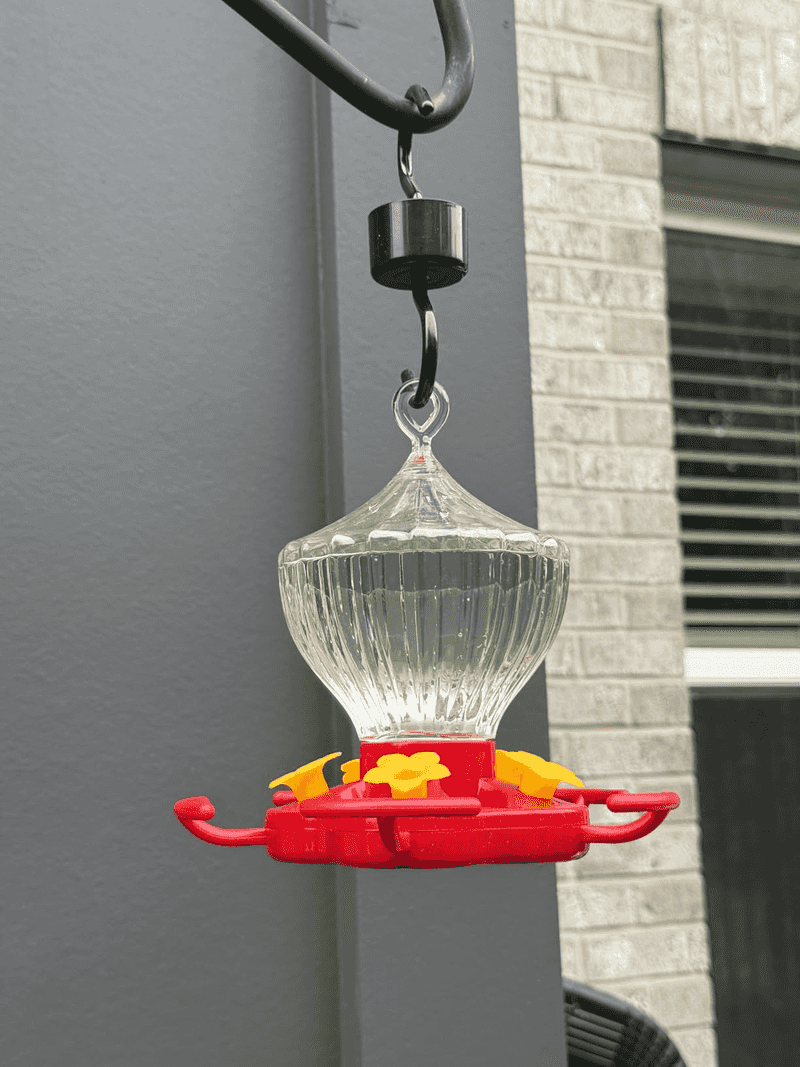
A hummingbird feeder can become the patio VIP table, but only with fresh service. Sugar water changes fast in warm California weather.
Clear nectar can turn cloudy, sour, or sticky sooner than a gardener expects, especially in hot spells.
Keep the recipe simple: four parts water to one part plain white granulated sugar. Boil the water, stir in the sugar, then let it cool before it reaches the feeder.
Skip red dye. The feeder’s red parts do plenty of visual work with no color in the drink.
Now for the unglamorous part, because patio fame has chores. Scrub the feeder ports and bottle with hot water and a small brush. A splash of plain white vinegar can help with residue. Rinse well so the next refill smells clean, not like a salad.
In hot weather, fresh nectar may need replacement after a day or two. Cooler months usually give you a little more time.
Cloudy water, sour smell, or specks of mold mean refill time right away. No debate, no committee debate, no tiny customer complaint form required.
Place the feeder near flowers, but not buried inside foliage. Hummingbirds like clear access and quick exits. A clean feeder does not need fancy tricks.
It just needs good nectar, good visibility, and a host who runs a tidy little sugar bar.
4. Place Water Where Birds Can Hover
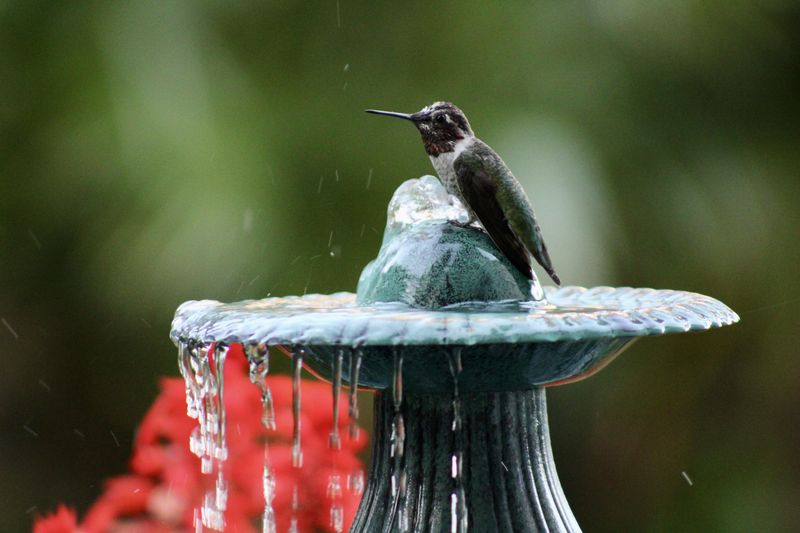
A bowl of water sounds helpful until a hummingbird sees the depth and files a tiny complaint. Many patio bird baths suit larger birds better.
Hummingbirds prefer a light mist, a gentle drip, or a shallow edge where they can freshen up fast.
A small mister can make a patio feel like a spa day for wings. Clip one to a pot, a stake, or a trellis near nectar plants. The soft spray catches light, adds motion, and gives birds a reason to loop back through the same area.
You get a bonus show in the middle of the afternoon. A hummingbird may dart through the mist, pause on a perch, then return for another pass. Very dramatic. Very small. Very committed to personal care.
For a basin, keep the water shallow. Half an inch is plenty. Add smooth stones so birds have a firm edge near the surface. Refresh the water often, especially in warm stretches, so it stays clear and less friendly to mosquitoes.
Place water close to flowers, but slightly off to the side. That layout helps birds discover it on nectar visits yet away from the feeder.
Water with motion has extra appeal because it glimmers and sounds fresh. Even a slow drip can turn a plain patio corner into a tiny splash zone with excellent reviews from the feathered crowd.
5. Create Perches Near Flower Pots
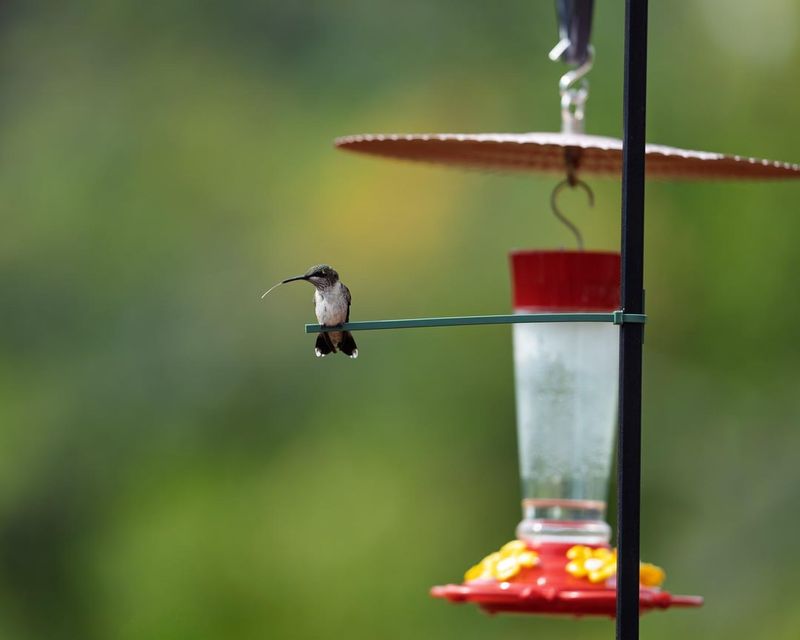
Hummingbirds zip around like they drank espresso from a thimble, but they also need rest stops. A patio with flowers but no perch can feel useful, yet not quite comfortable.
Add one thin perch near nectar plants, and the space starts to feel more like claimed territory.
A bamboo stake works beautifully. Push it into a pot so it rises a few inches above the flowers. A slim bare twig tied to a rail can do the same job.
Hummingbirds favor narrow spots with a clear view, because they like to watch food, rivals, and the general neighborhood drama.
This is where you get to play patio manager. Give them a tiny lookout desk. No office chair required. Place the perch three to five feet from blooms or a feeder, close enough for quick trips but open enough for clear sightlines.
Balcony rails may already help. Watch for a bird that lands between nectar visits and sits with that bold little “this is my table now” attitude. That means your patio has started to matter in its daily route.
A perch also gives you longer views. Instead of one quick flash, you may get a full pause, a head turn, and a little shimmer in the sun. For such a small upgrade, that feels like a pretty sweet perch-ase.
6. Stagger Blooms Across The Season
A patio can look great at peak bloom, then turn quiet once the flower party ends. Hummingbirds notice that gap. A better plan is to pass the nectar baton from one plant to another across the year, so your patio stays worth a detour.
Start with a simple bloom calendar. No fancy spreadsheet required, although the garden nerds among us may enjoy one.
Note which plants flower in late winter, mild months, summer, and fall. The empty slots show where the next pot can earn its keep.
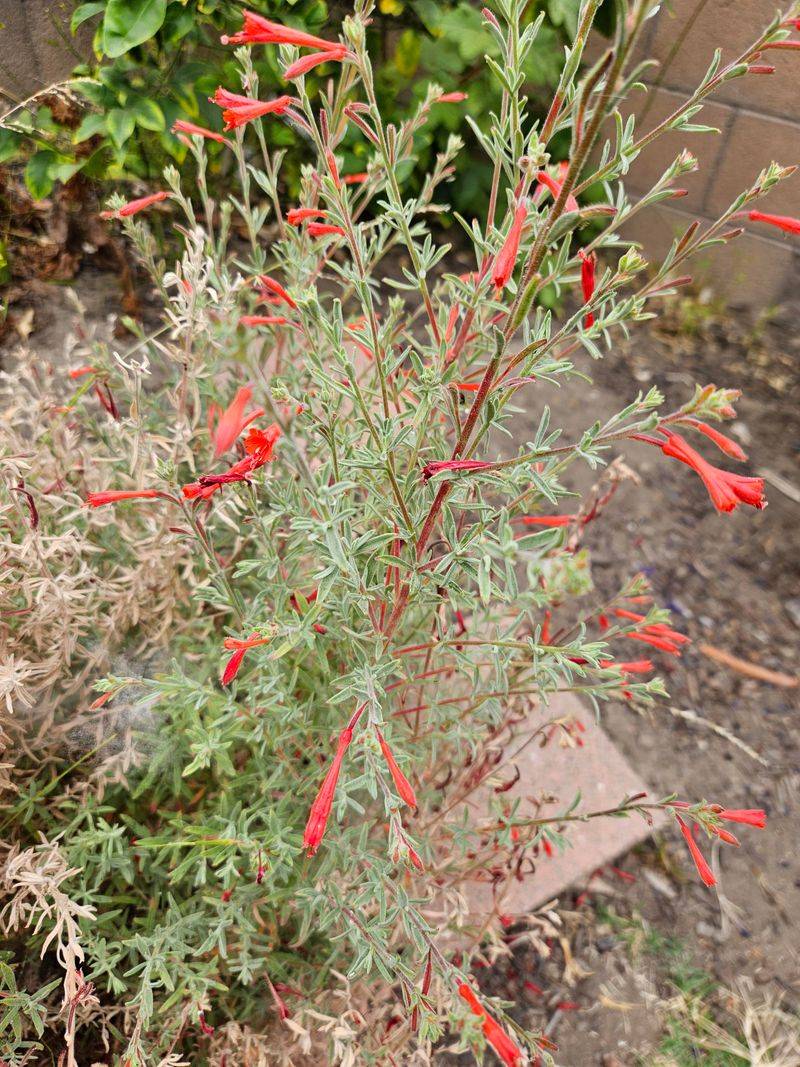
California fuchsia is a strong late-season player. Its orange-red tubular flowers arrive when many early bloomers have left the stage.
It handles dry conditions well and can work nicely in containers. Hummingbird sage and many salvias can cover late winter into the mild season in mild areas.
Aloe and other tubular-bloom succulents may bridge cooler months, especially near the coast or in southern patios.
This gives your garden a relay team instead of a one-week parade. One plant waves the nectar flag, then another takes over. The birds learn that your patio has more than a seasonal snack.
Choose three or four plants with different bloom windows. Keep them healthy, rotate tired pots, and note what performs well.
Your patio does not need to bloom like a festival. It just needs a steady enough menu to keep tiny guests curious.
7. Skip Sprays Around Nectar Plants
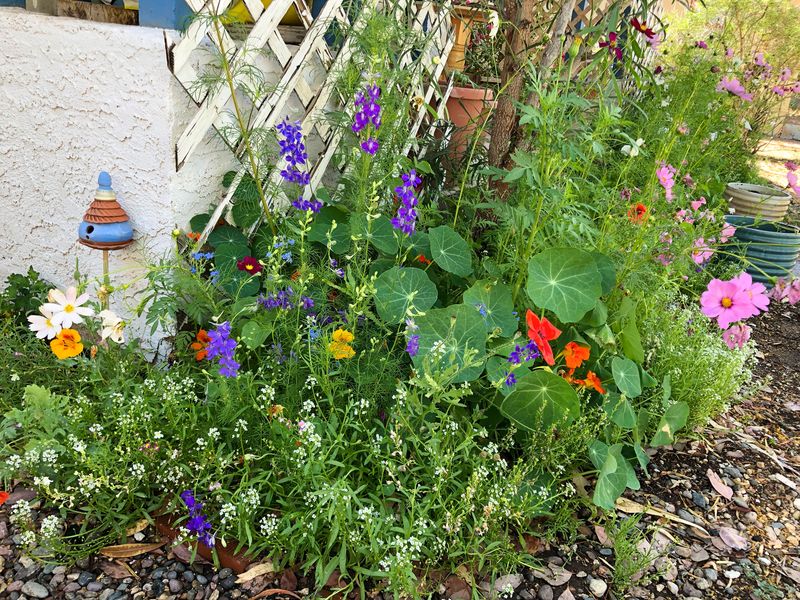
Nectar plants should feel like a café, not a chemistry lab. Sprays around flowers can complicate the patio food chain.
Hummingbirds sip nectar, but they also pick off tiny insects and spiders for protein. Residue can move through that menu in ways a small bird does not need.
Systemic insecticides deserve extra caution near nectar plants. Those products move inside plant tissue, which may include flowers and nectar. That is not the kind of secret ingredient anyone wants in the house special.
The good news sits in the plant choice. Salvias, penstemons, and California fuchsia tend to behave well once they have sun, drainage, and sensible water.
They can often handle normal patio pest pressure without a full chemical production. Very Hollywood, very unnecessary.
Aphids or mites may still appear. Start with the gentle stuff. Pinch off a badly crowded stem, rinse pests away with a firm stream of water, or invite beneficial insects with a broader mix of flowers.
Ladybugs do not need a red carpet, but they do appreciate dinner.
A spray-free patio also supports bees, butterflies, and the little insects hummingbirds use as snacks. More life around the pots can make the space feel lively and balanced.
Your patio becomes less of a feeder station and more of a mini ecosystem with excellent buzz, pun fully intended.