How Georgia Homeowners Keep Armadillos From Turning Yards Into Digging Zones
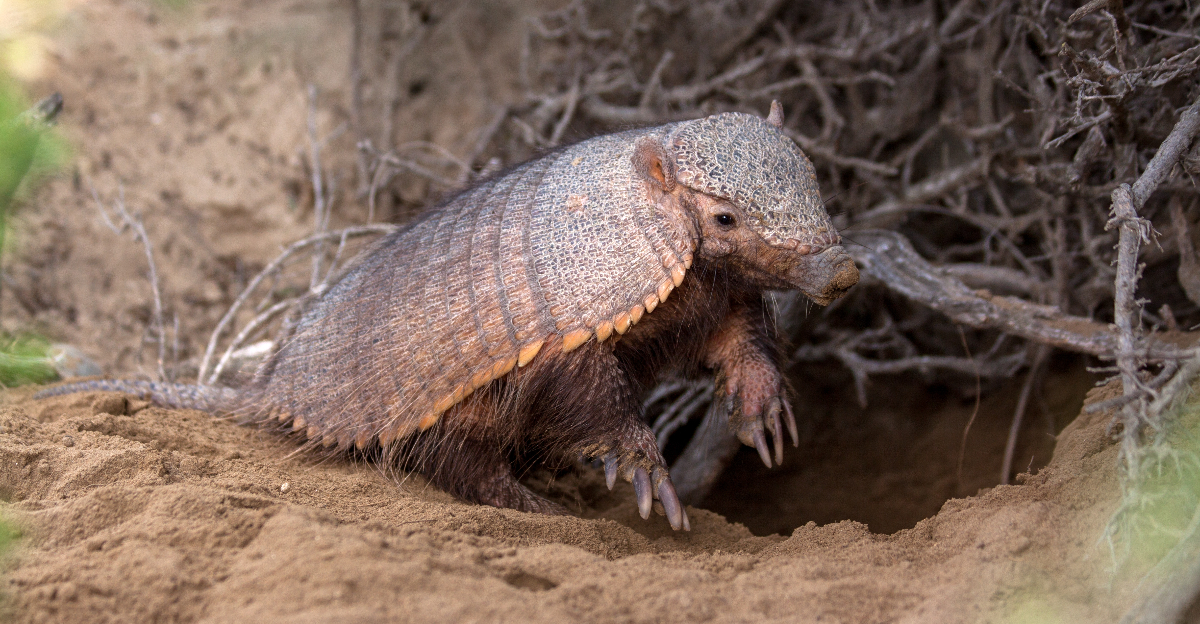
Something was in the yard last night.
You did not see it. You did not hear it. But this morning the lawn looks like someone went through it with a small shovel, leaving a trail of cone-shaped holes across the grass you spent the better part of spring getting right.
Georgia homeowners who have been through this know exactly what kind of visitor leaves that pattern. The question is never whether it will come back. It almost always comes back. The question is what is drawing it to your yard specifically.
Have you ever wondered why yours gets targeted while the neighbor’s stays untouched?
The answer is almost never random. Armadillos follow food, soft soil, shelter, and scent. Every yard that gets hit consistently is offering at least one of those things in a way that others nearby are not.
Each of those factors can be addressed directly. None of the solutions require trapping, confrontation, or anything complicated.
Eight of them are worth knowing about.
1. Remove Grub Rich Lawn Areas That Invite Night Digging
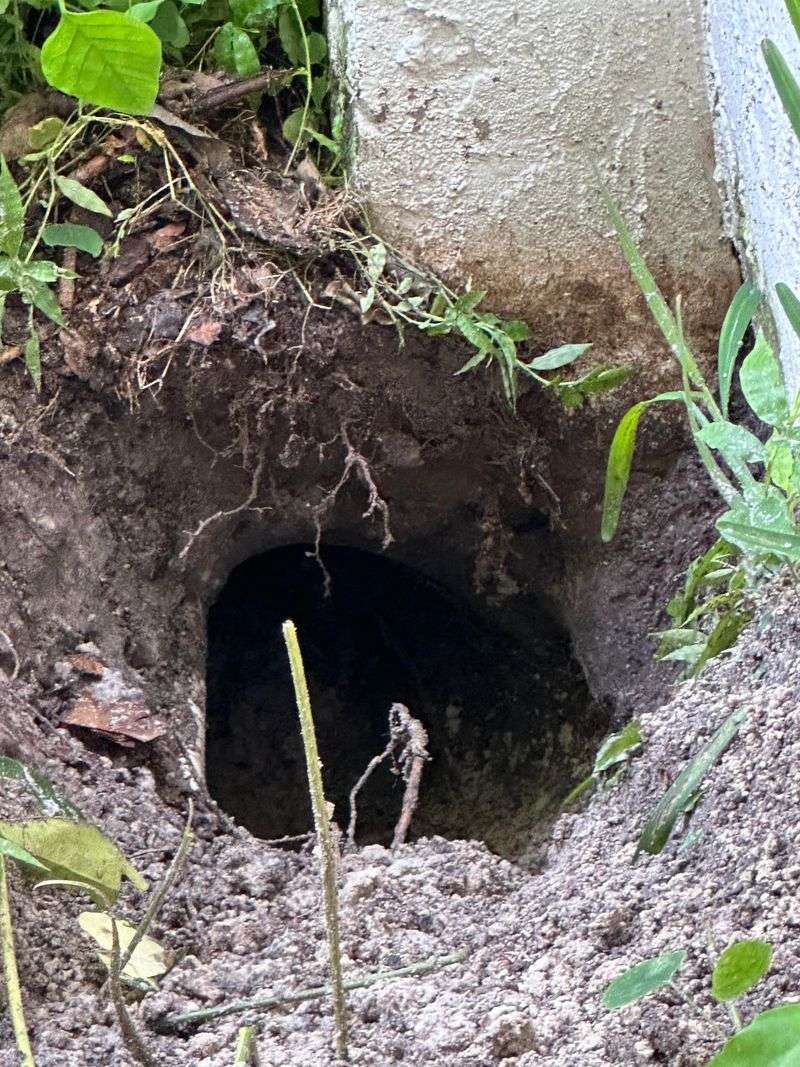
Armadillos are not wandering your yard by accident. They are following their nose directly to a food source buried just beneath the soil surface.
Grubs, beetle larvae, and earthworms concentrated in the top inch or two of turf are essentially what keeps them coming back.
A lawn with a significant grub population offers a reliable nightly meal, and armadillos are efficient enough to find it every single time.
Reducing that food source is one of the most direct approaches available. Applying a grub control product in late spring or early summer, when larvae are young and close to the surface, can meaningfully lower insect populations across the lawn.
Healthy, well-maintained grass also tends to support fewer pest insects overall. Proper mowing height, good drainage, and consistent fertilization all reduce the conditions that allow grub populations to build to attractive levels.
This is not an overnight solution. Grub reduction works over a full season, and results become more noticeable over time as the insect population drops.
Combined with other prevention steps, addressing the food supply creates a yard that is simply less worth visiting on a regular basis.
Reducing easy food sources can make your lawn less attractive, especially when paired with barriers and shelter prevention. The goal is to make sure that update happens as quickly as possible.
2. Fence Trouble Spots With A Buried Bottom Edge
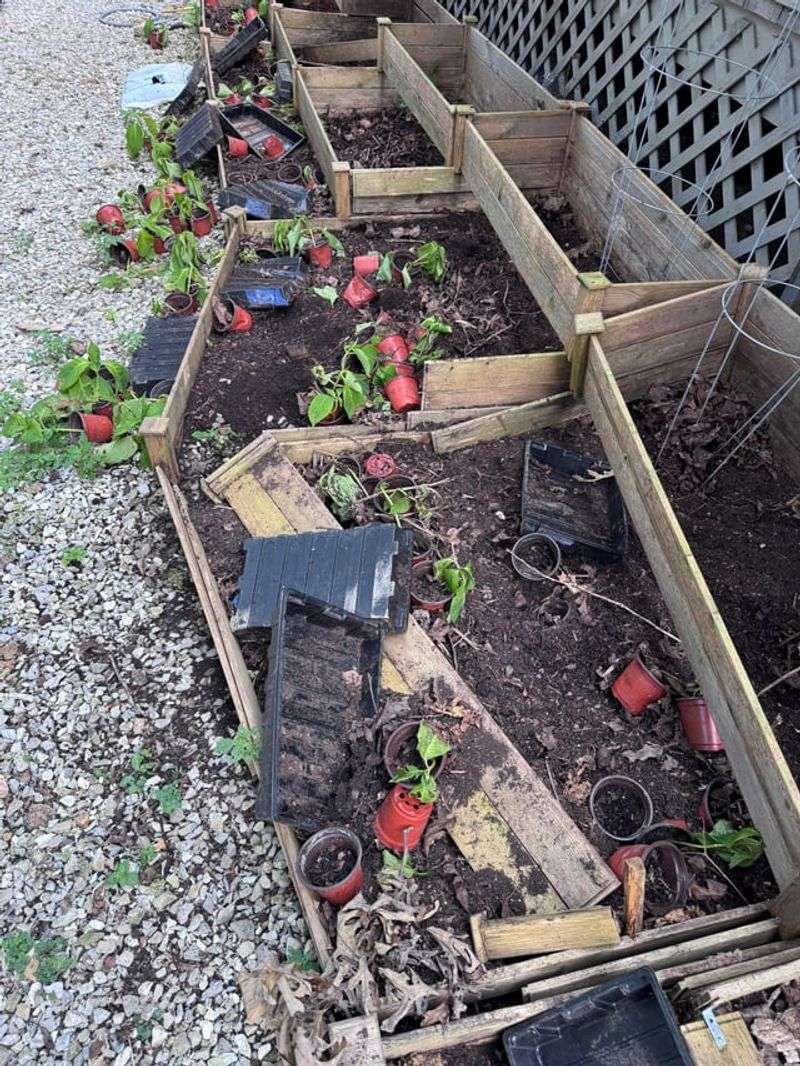
A standard garden border around a flower bed gives most Georgia homeowners a false sense of security.
Armadillos are low to the ground, persistent, and entirely comfortable routing under a surface-level barrier without slowing down.
A fence that does not extend underground is not really a fence for an armadillo. It is more of a mild inconvenience.
Exclusion fencing works reliably when the bottom edge is buried at least six to twelve inches deep and angled outward at roughly a 90-degree bend.
That underground extension is what stops them from rooting beneath the barrier, which is their standard approach to any obstacle placed in their path.
Your Georgia Garden Changes Every Week. Your Plan Should Too.
Gardening in Georgia changes quickly throughout the season. Every Friday you’ll receive a simple weekly plan showing exactly what to plant, prune, fertilize, harvest, and protect so you never miss the right timing.
Hardware cloth or welded wire mesh with openings no larger than three by three inches handles the job well.
The above-ground portion only needs to reach about two feet since armadillos are not climbers. The underground section is doing the actual work.
Focus this effort on high-value areas first. Raised garden beds, vegetable plots, flower borders near the house, and newly seeded sections of lawn are the spots that justify the investment.
Attempting to fence an entire yard is rarely practical or cost-effective for many homeowners.
Done correctly with a buried edge, targeted exclusion fencing creates a physical barrier that armadillos genuinely cannot work around.
They are persistent. But they are also not carrying shovels.
3. Block Crawl Spaces Before Burrows Appear Nearby
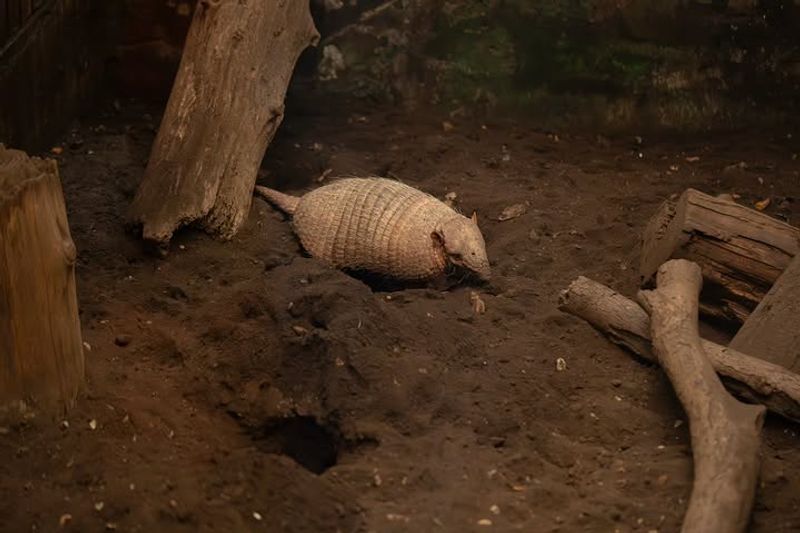
Armadillos do not only dig in search of food. They also dig to create burrows for resting, sheltering from Georgia heat, and raising young.
A dark, quiet space under a deck, shed, or porch is exactly the kind of location they find suitable for that purpose.
Once a burrow is established near a structure, digging activity in the surrounding yard tends to increase significantly. The animal is not just visiting anymore. It has moved in.
Blocking these access points before a burrow appears is considerably easier than addressing one after the fact.
Hardware cloth or heavy-gauge wire mesh secured firmly around the base of decks, porches, sheds, and similar structures forms an effective barrier.
The mesh should be buried at least six inches into the ground around the perimeter to prevent rooting underneath.
Check barriers regularly, particularly after heavy rain or frost events that can shift soil and loosen previously secured sections.
A gap of four to five inches can be sufficient for a medium-sized armadillo to push through and begin establishing a site.
Pay particular attention to shaded, low-traffic corners of the yard. Spots behind air conditioning units and along the back walls of detached garages are frequently overlooked and consistently attractive to armadillos looking for undisturbed ground.
Preventing a burrow from forming is far simpler than dealing with a tenant who does not pay rent and has no interest in leaving.
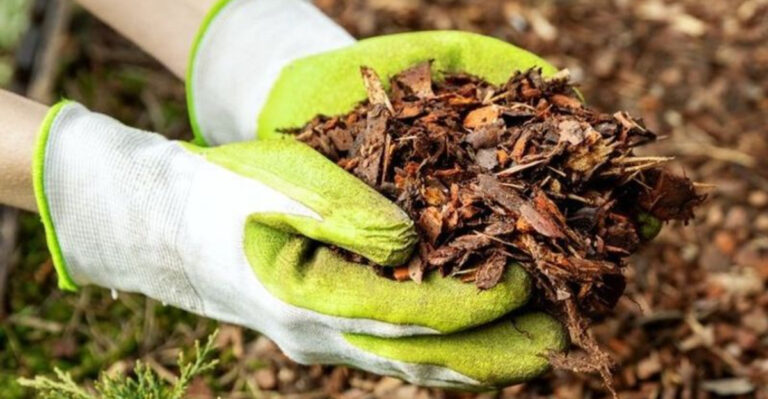
4. Keep Mulch Beds Less Bug Friendly Near The House
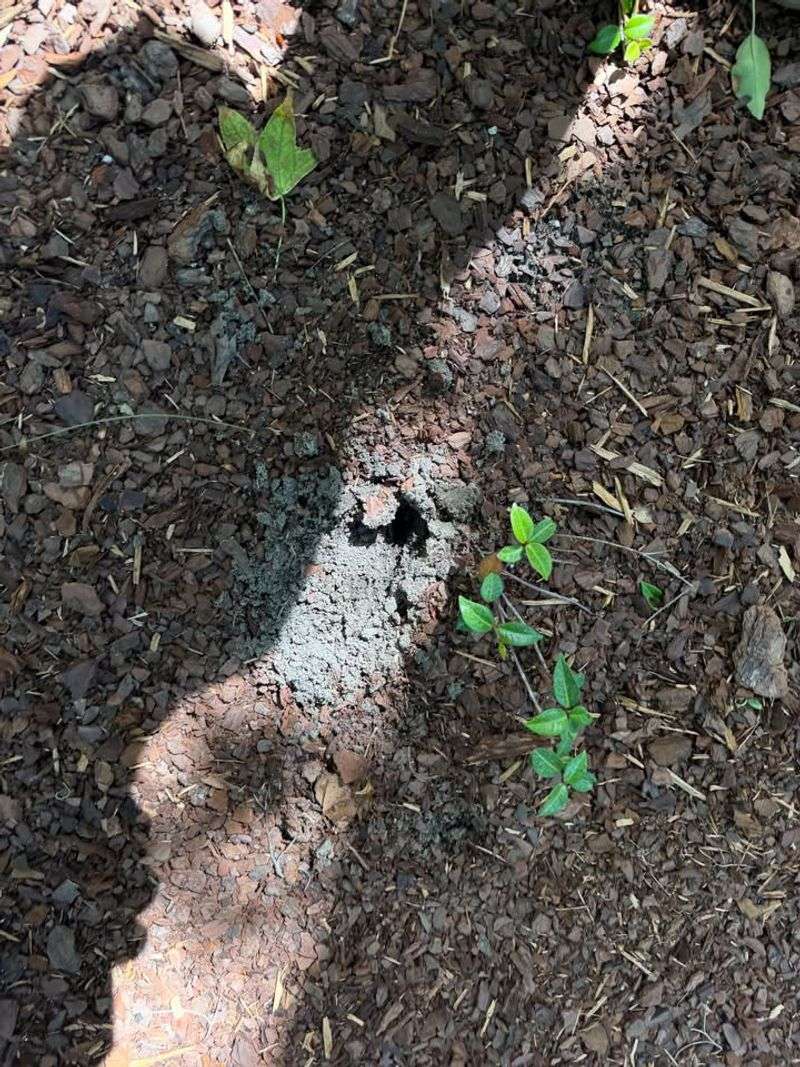
Thick, moist mulch beds pressed against a home’s foundation create some of the most attractive foraging conditions available to an armadillo in a typical Georgia yard.
The warmth, moisture, and decomposing organic matter in deep mulch support dense populations of insects, earthworms, and beetle larvae. Where insect activity concentrates, armadillos follow.
A common habit is layering mulch four to six inches deep in foundation beds and leaving it undisturbed season after season.
Over time that layer becomes exactly the kind of dense, bug-rich environment that draws nighttime wildlife in close to the house.
Keeping mulch beds at two to three inches rather than four to six reduces habitat quality for insects and makes the bed noticeably less attractive as a foraging zone.
Pulling mulch back a few inches from the foundation also improves airflow and reduces moisture buildup against the structure itself.
In the most vulnerable beds, replacing organic mulch with gravel or rubber alternatives near the house removes the decomposition process that supports insect populations in the first place.
Neither material is a complete solution on its own, but each reduces the attraction measurably.
Less insect activity near the house gives armadillos fewer reasons to approach the foundation at night.
The mulch looks tidy. The armadillo sees a buffet. Keeping the depth down changes what that bed looks like to a foraging nose considerably.
5. Repair Irrigation Leaks That Soften Digging Areas
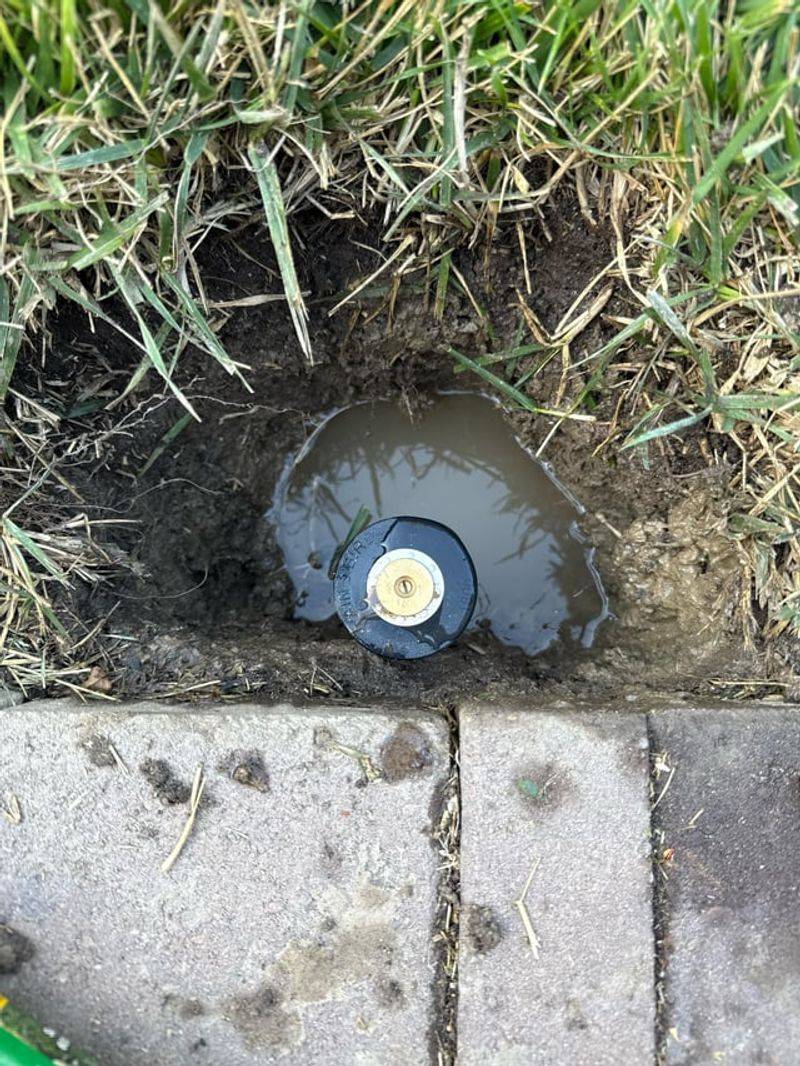
Armadillos prefer soft ground. A lawn or garden bed that stays consistently damp from a leaking irrigation line or malfunctioning sprinkler head becomes one of the most accessible digging zones available to them in the entire yard.
Georgia’s warm climate already supports strong insect activity, and wet soil pushes that activity closer to the surface where it is easiest to reach.
The combination of soft ground and concentrated insects is genuinely difficult for a foraging armadillo to pass up.
Slow irrigation leaks are often overlooked because they do not create visible flooding. Instead, they produce a persistently moist patch of soil that stays soft long after surrounding areas have dried out.
That soggy area becomes a recurring hotspot for earthworms and grubs, and then for the armadillos tracking them down.
Checking irrigation zones carefully after each cycle helps identify unusually dark or spongy patches. Inspecting sprinkler heads for cracked casings, tilted angles, or uneven spray patterns catches most problems before they develop into significant issues.
The repair itself is typically straightforward and inexpensive. A replacement sprinkler head is a minor cost, and most drip line repairs take under thirty minutes.
The payoff is a more consistent moisture level across the lawn, which is less attractive to wildlife looking for the softest possible spot to start excavating.
A well-maintained irrigation system protects both the lawn and the sleep of the homeowner who no longer has to investigate new holes every morning.
6. Use Motion Lights Where Armadillos Keep Returning
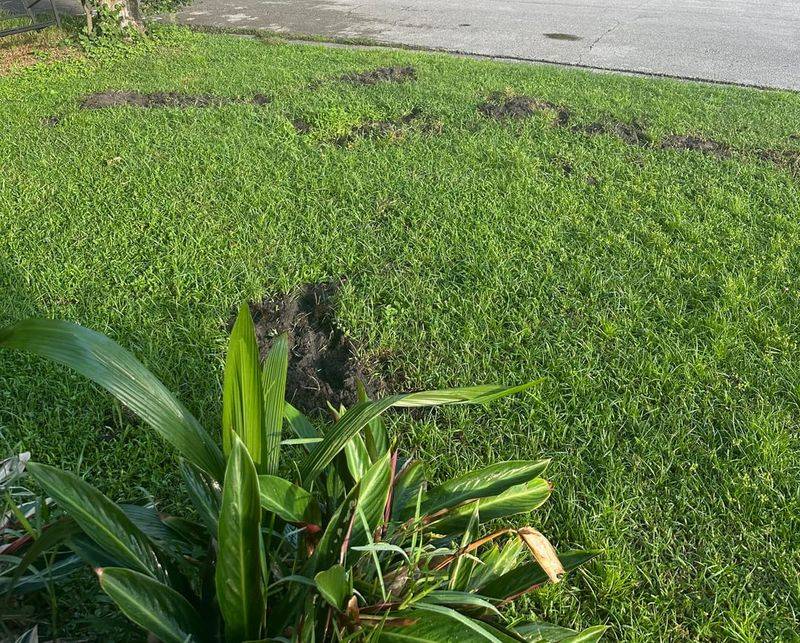
Armadillos are creatures of habit. Once a productive foraging route through your yard gets established, they tend to follow the same path night after night with reliable consistency.
That predictability is actually useful, because it means deterrents can be placed with some precision rather than guessing.
Armadillos are nocturnal and strongly prefer darkness. Sudden bright light does not typically cause them to run, but it does interrupt foraging behavior and makes a location feel less comfortable and less safe over repeated exposures.
Used consistently in the same spots, motion-activated lights can gradually discourage return visits to specific areas.
Mount lights low enough to illuminate ground level where the animals actually travel rather than pointing them at fence lines or elevated areas.
Solar-powered motion lights are affordable, require no wiring, and are easy to reposition as new problem areas emerge. Placing them near garden bed edges, along fence lines, or close to deck bases targets the specific routes armadillos tend to use.
Motion lights work best as one component within a broader prevention approach. Combining them with reduced food sources and exclusion fencing creates a layered defense that is considerably harder to navigate around than any single deterrent.
The goal is making the yard feel like a consistently uncertain and uncomfortable place to visit rather than a reliable, low-risk food source.
An armadillo that gets startled in the same spot enough times may eventually decide the route is not worth the trouble. That decision is what you are working toward.
7. Call A Wildlife Professional For Persistent Yard Damage
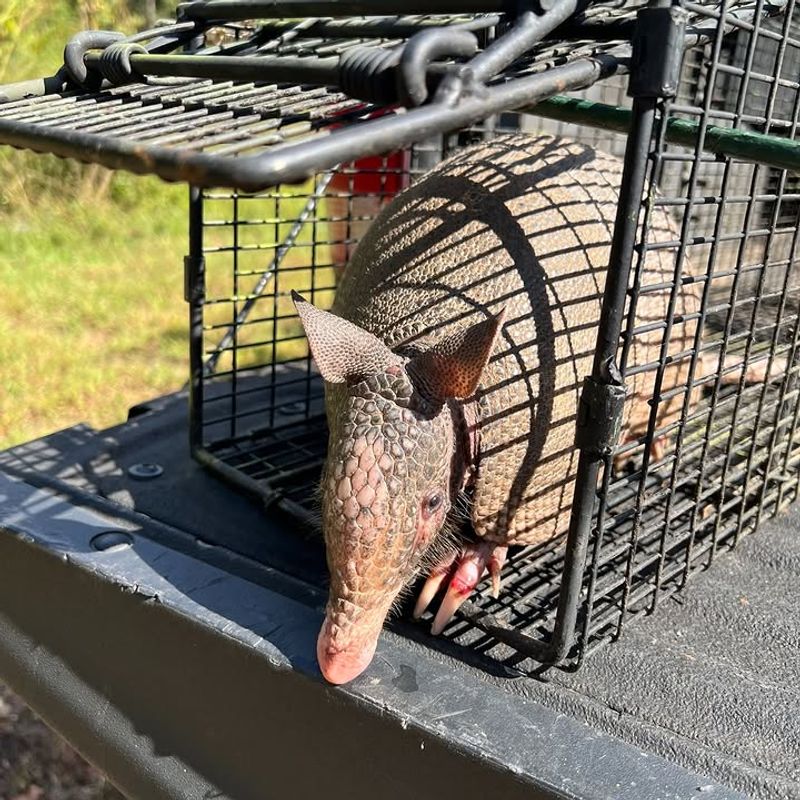
Some yards attract armadillos persistently regardless of what the homeowner tries.
Grub treatments are completed, mulch is reduced, fencing is installed, and fresh holes continue appearing each morning. At that stage the situation has moved beyond what most standard DIY approaches are equipped to address.
A licensed wildlife control professional brings tools, experience, and site-specific knowledge that significantly changes the outcome in these cases.
They can identify active burrow locations, place traps in positions that actually produce results, and assess what specific conditions in the landscape are making the property consistently attractive.
Georgia law governs how armadillos can be handled, trapped, and relocated. Improper trapping or relocation can create legal and practical complications that a licensed operator understands and navigates correctly.
Persistent digging activity can also indicate a larger underlying insect or pest problem in the lawn that needs professional diagnosis.
A wildlife professional may suggest coordinating with a pest control company or lawn care specialist to address the root cause alongside the animal activity directly.
Reaching out for professional help at this stage is not a failure of the DIY effort. It is a practical recognition that some problems require a different level of expertise and equipment to resolve effectively.
The longer an armadillo operates without meaningful disruption, the more established its patterns become. Getting expert involvement earlier in a persistent situation generally saves both time and lawn repair costs.
8. Stop Leaving Pet Food Outside After Dusk
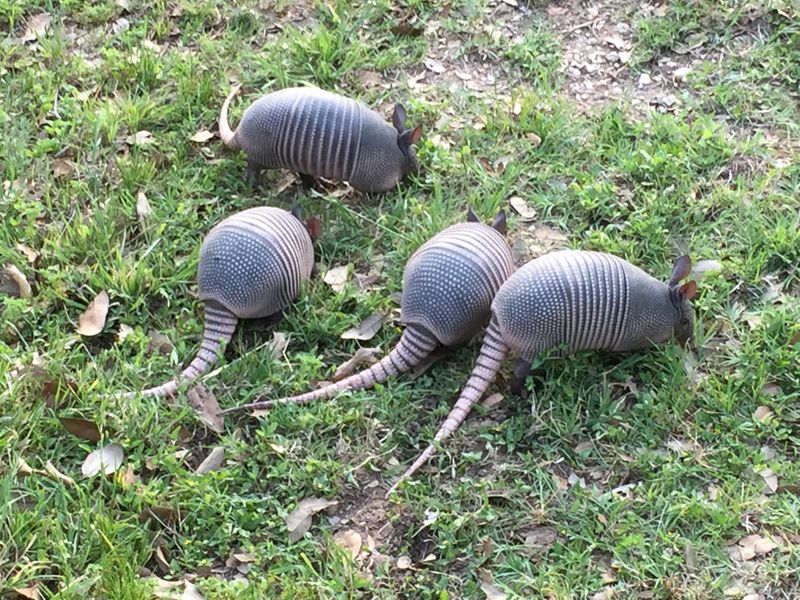
Many Georgia homeowners do not connect their dog’s leftover dinner bowl to the armadillo holes appearing across the lawn. The connection is more direct than most people realize.
Leaving pet food outside after dark sends a scent signal across the yard that draws nighttime wildlife in close. Armadillos rely heavily on smell to navigate and locate food sources.
While insects make up most of their diet, food odors in the yard at night encourage them to investigate the area, linger, and eventually become familiar with the space.
An armadillo that comes investigating a food smell is also an armadillo that has just learned your yard is a comfortable, low-risk environment. That comfort is what builds into repeat visits and eventually into active digging nearby.
The fix costs nothing and takes under a minute. Bring food bowls inside before sunset. Rinse them to reduce residual odors, and store any outdoor pet food bags in sealed containers inside the garage.
Even faint food smells on a bowl left outside can be enough to draw attention on a calm Georgia evening.
Bird feeders deserve attention as well. Seed and suet that drops to the ground attracts insects, which then attract armadillos as a secondary effect. Feeders on baffled poles and regular cleanup of fallen seed reduce that chain of attraction.
Consistent small habits make a measurable difference over time.
The armadillo is not after the kibble specifically. It just followed its nose and found your yard in the process.