The One Thing To Do To Ohio Peonies In June For Better Blooms Next Year
Peonies are the rock stars of the Ohio garden. They show up, they dazzle, and then June rolls around and most gardeners just walk away, assuming the job is done until next spring.
That one assumption is costing you bigger, better blooms year after year. There is a single task that makes a dramatic difference in how your peonies perform next season.
It takes maybe ten minutes. It costs nothing.
And the overwhelming majority of Ohio gardeners skip it completely, not out of laziness, but because nobody ever told them it mattered this much. June is actually the most important month for peonies, not May when they bloom.
What you do right now, after those flowers fade, sets the foundation for everything next year. So what is this one thing?
You are about one scroll away from finding out, and honestly, you will never neglect your peonies in June again.
1. Trim Spent Flowers Before Peonies Waste Their Energy
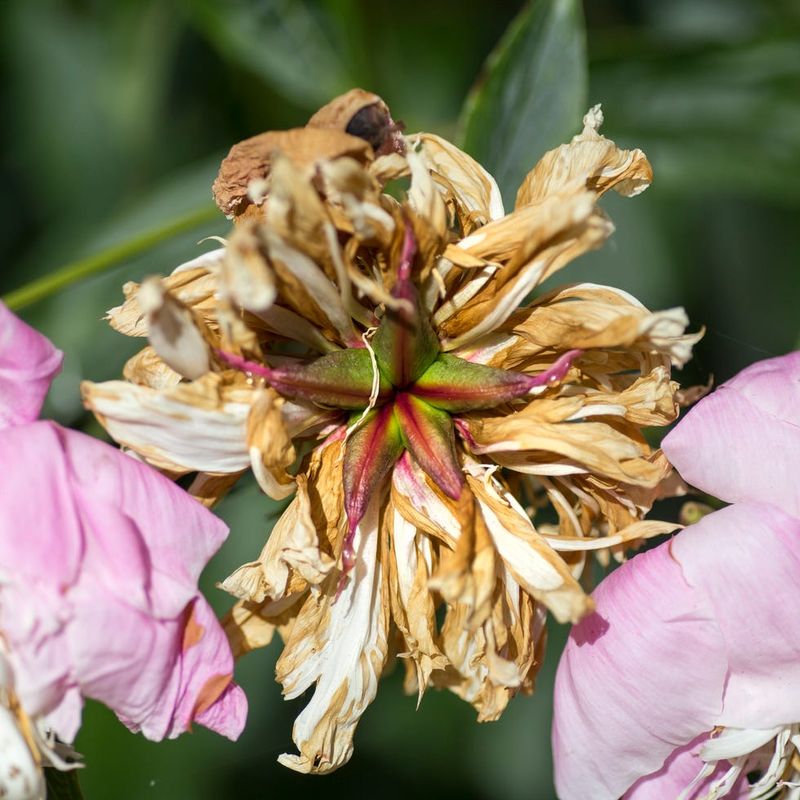
After a peony’s petals turn brown, sag, and start falling apart, the plant shifts its focus toward producing seeds inside the old flower head.
That seed production pulls energy away from the roots and the underground buds that will become next year’s flowers.
Trimming spent flowers redirects that energy back into the plant itself, which supports stronger root development through the summer months.
The timing matters here. Wait until the blooms have clearly faded and lost their appeal, not while the flowers are still open and attractive.
Once petals are browning, drooping, or going mushy after rain, that is the right moment to act. Removing them at this stage keeps the plant tidy and cuts down on the mess of wet petals piling up around the crown.
Ohio State University Extension and Buckeye Yard and Garden onLine both point to post-bloom flower removal as a sensible part of peony care. It does not guarantee a spectacular display next year on its own.
Bloom success also depends on full sun, correct planting depth, plant age, and healthy foliage through summer. Think of trimming spent flowers as one helpful step in a bigger picture of good peony care.
2. Cut The Flower Stem Back To A Healthy Leaf
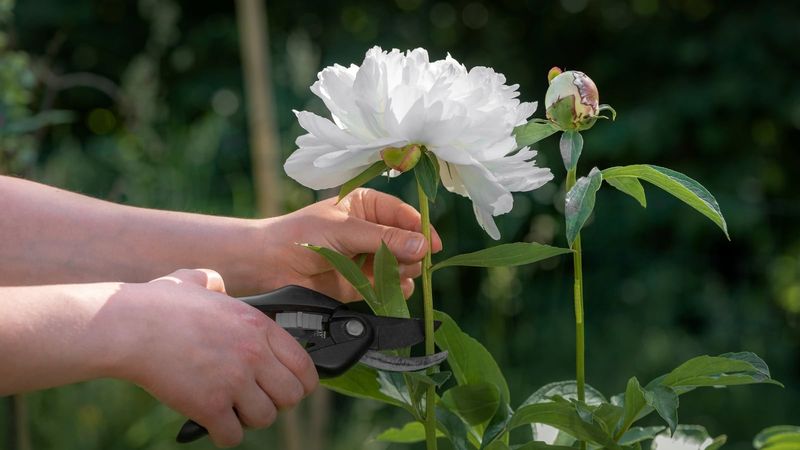
Trimming peonies is not the same as shearing the plant down. This is where many gardeners accidentally do too much.
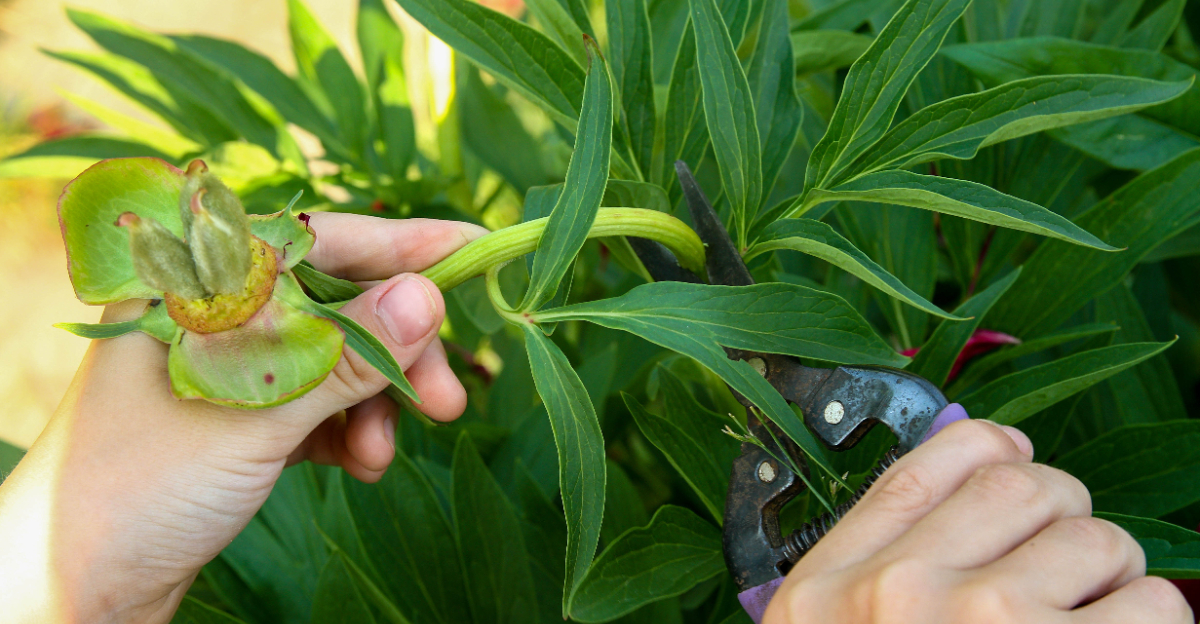
When removing a spent bloom, follow the flower stem down to the first strong, healthy set of leaves and make your cut there. This removes the old flower head and bare stem while leaving the leafy part of the plant intact.
That foliage is incredibly important. After blooming, peony leaves continue collecting sunlight and turning it into energy through photosynthesis.
That energy is stored in the roots and crown, where next year’s growth is already being prepared.
In other words, the leaves are doing the quiet work that creates next spring’s flowers.
Use clean, sharp pruners rather than tearing stems by hand. A clean cut heals faster and reduces unnecessary damage to the plant.
Your Ohio Garden Changes Every Week. Your Plan Should Too.
Gardening in Ohio changes quickly throughout the season. Every Friday you’ll receive a simple weekly plan showing exactly what to plant, prune, fertilize, harvest, and protect so you never miss the right timing.
If you are trimming several peonies, it is smart to wipe your pruners between plants, especially if any leaves look diseased or spotted.
The goal is simple: remove the faded flower, but keep as much healthy foliage as possible. Your peony may look like it is finished for the year, but underground it is very much still working.
3. Do Not Cut The Whole Plant Back In June
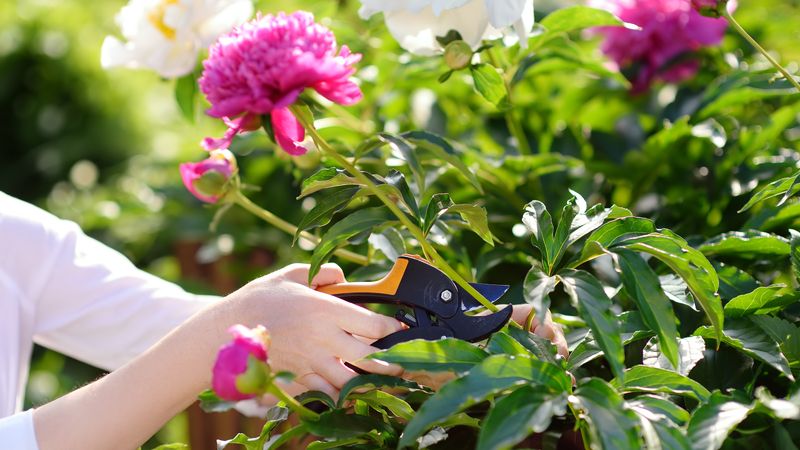
This is one of the biggest mistakes Ohio gardeners make with peonies after bloom season. Once the flowers are gone, the plant can start to look plain, floppy, or even a little tired.
That makes it tempting to cut everything back and “clean up” the garden bed.
Resist that urge.
Peony foliage should stay in place through summer and into fall, as long as it remains reasonably healthy. Cutting the plant to the ground in June robs it of months of energy production.
The plant needs those leaves to rebuild itself after the heavy work of flowering.
Think of the flowers as the big performance and the leaves as the recovery team. Without the recovery team, the plant goes into next year weaker than it should.
You can remove individual damaged stems, broken pieces, or diseased leaves as needed. But the full plant should not be cut down until fall, after frost has browned or destroyed the foliage.
In Ohio, that usually means waiting until much later in the season, often October or November depending on your region and the weather that year.
Leaving the foliage alone in June may not look as tidy as cutting it back, but it is much better for the plant. If the leaves bother you aesthetically, surround peonies with later-blooming perennials that help hide the foliage as summer goes on.
4. Clear Away Fallen Petals Around The Crown
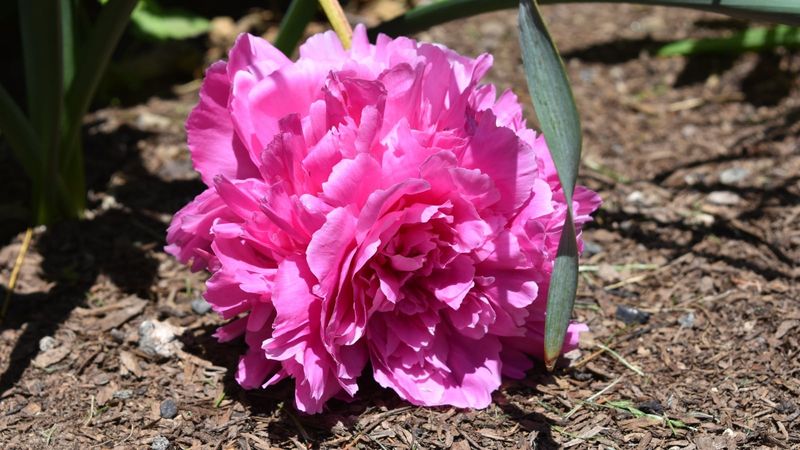
Trimming the spent blooms is the main job, but there is one small cleanup step that makes a big difference: remove fallen petals from around the base of the plant.
Peony petals are beautiful when they are fresh, but once they fall, they can form a damp, sticky layer on the soil. After June rain or heavy humidity, those petals can cling to leaves, stems, mulch, and the crown of the plant.
That damp debris can create the kind of environment fungal problems love.
Ohio’s June weather can swing from warm and sunny to wet and muggy very quickly. Peonies are tough plants, but they do not benefit from soggy plant debris sitting around their crowns.
After trimming, gently pick up the fallen petals and discard them. Do not pile them into the crown or bury them under mulch.
If the petals are clean and disease-free, they can usually go into a compost pile. If they are slimy, moldy, or mixed with diseased leaves, it is safer to throw them away.
This is not about making the garden look perfect. It is about improving airflow and reducing moisture where the plant is most vulnerable.
A few minutes of cleanup in June can help keep the plant healthier through the rest of the growing season.
5. Keep The Leaves Dry And Give The Plant Airflow
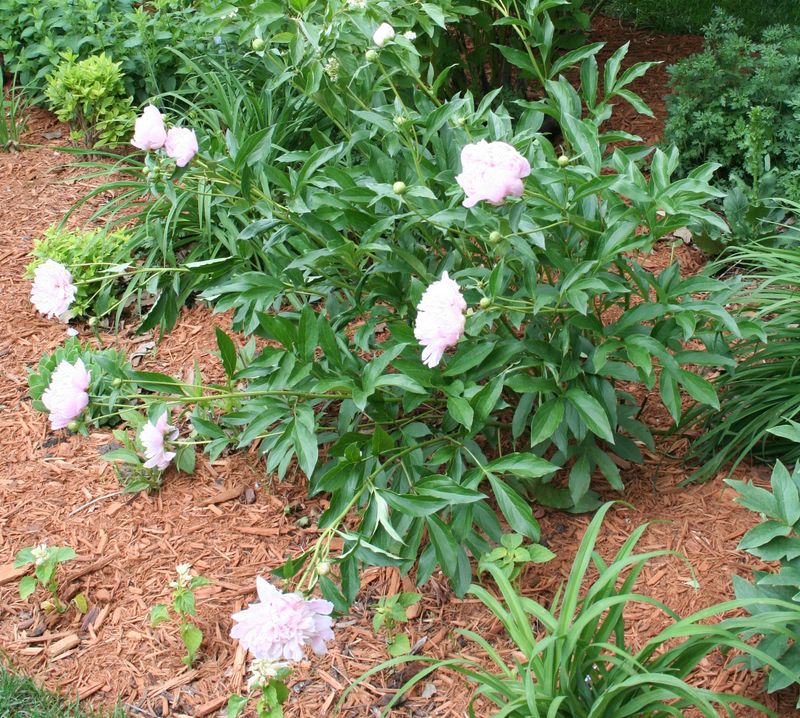
Peonies hate being crowded into damp, stagnant conditions. They can tolerate cold Ohio winters beautifully, but humid summer air combined with wet foliage can invite disease.
After bloom time, take a look at the space around your peonies. Are nearby plants pressing against them?
Is mulch piled too high around the stems? Are the leaves constantly staying wet after rain?
If the answer is yes, your peony may need better airflow.
You do not need to move the plant in June. In fact, summer is not the ideal time to transplant peonies.
But you can make small improvements right away. Pull nearby weeds, thin out annuals that are smothering the plant, and make sure mulch is not packed tightly against the stems.
Peonies prefer mulch nearby, not piled on top of their crown. A light layer around the plant can help conserve moisture and suppress weeds, but the crown itself should not be buried.
When watering, aim for the soil rather than spraying the entire plant from above. Morning watering is better than evening watering because leaves have time to dry during the day.
These small habits help keep the foliage healthy. And healthy foliage is exactly what the plant needs after flowering to build strength for next year.
6. Feed Lightly Only If Your Peonies Need It
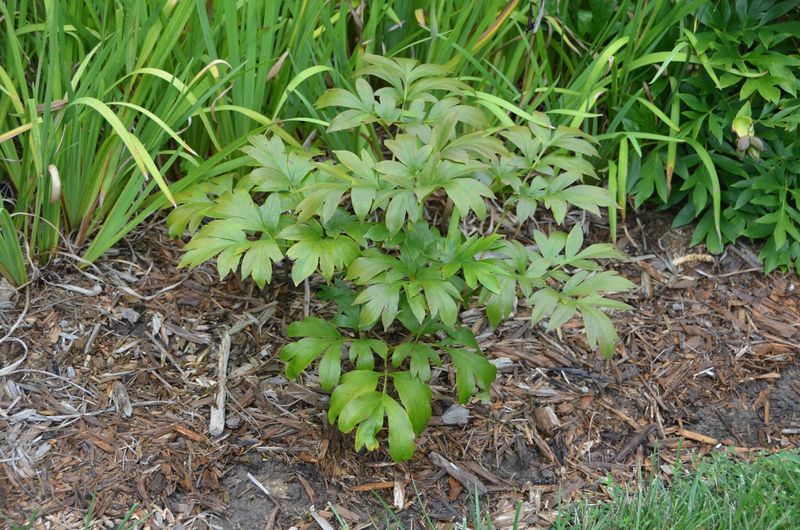
After trimming, some gardeners wonder whether they should fertilize immediately. The answer depends on the condition of your plant and your soil.
Peonies are not heavy feeders compared with many other flowering plants. In fact, too much fertilizer, especially too much nitrogen, can encourage lots of leafy growth with fewer blooms.
If your peonies are growing well, blooming reliably, and have rich garden soil, they may not need much feeding at all.
But if the plant seems weak, the stems are thin, or the soil is poor, a light feeding after bloom can be helpful. Choose a balanced, slow-release fertilizer or work a small amount of compost around the plant.
Keep fertilizer away from direct contact with the crown.
The goal is not to force the plant into dramatic new growth. The goal is to gently support root strength and next year’s bud formation.
Avoid dumping fertilizer directly on top of the crown or using a heavy hand. More is not better with peonies.
Overfeeding can lead to floppy stems and disappointing bloom performance.
A soil test is the best way to know what your garden actually needs. Ohio soils can vary widely, and guessing often leads to overdoing it.
If you are unsure, compost is usually the gentler choice.
Think of feeding as optional support, not the main event. Trimming and preserving healthy foliage matter more.
7. Watch For Disease While You Are Trimming
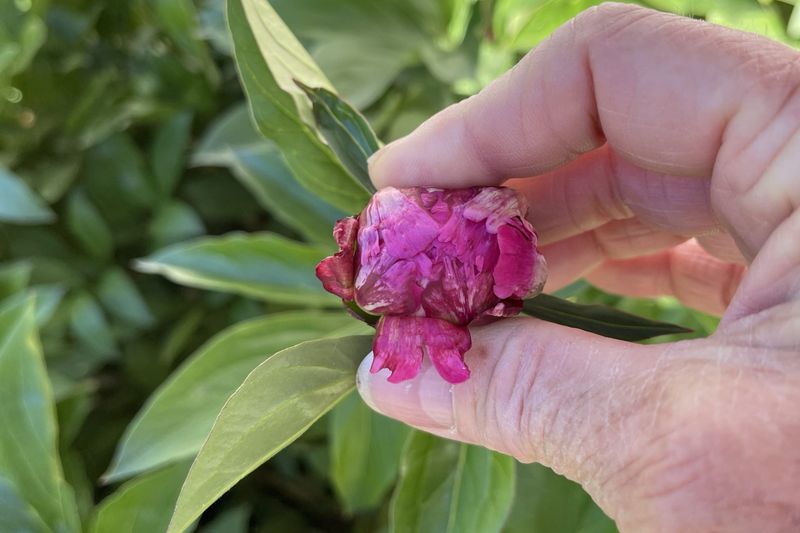
Trimming is also the perfect time to inspect your peonies closely. Since you are already standing there with pruners in hand, take a minute to look at the leaves, stems, and base of the plant.
Watch for blackened stems, gray fuzzy mold, brown blotches, or leaves that look unusually spotted or twisted. Peonies can be affected by fungal diseases, especially when spring and early summer are wet.
If you spot a suspicious stem or leaf, remove that affected part and throw it away. Do not compost diseased material, because some problems can survive and spread.
Also avoid working with peonies when the foliage is wet if you suspect disease. Handling wet plants can move spores around more easily.
Good sanitation is simple but powerful. Clean pruners, removed debris, and better airflow can all reduce disease pressure.
This does not mean you need to panic over every imperfect leaf. By June, many garden plants have a few blemishes.
But if you see patterns of spreading spots, mushy stems, or repeated problems every year, it is worth taking seriously.
A healthy peony does not just bloom better. It stores more energy, handles stress better, and comes back stronger next spring.
8. Remember That Next Year’s Blooms Start Forming Now
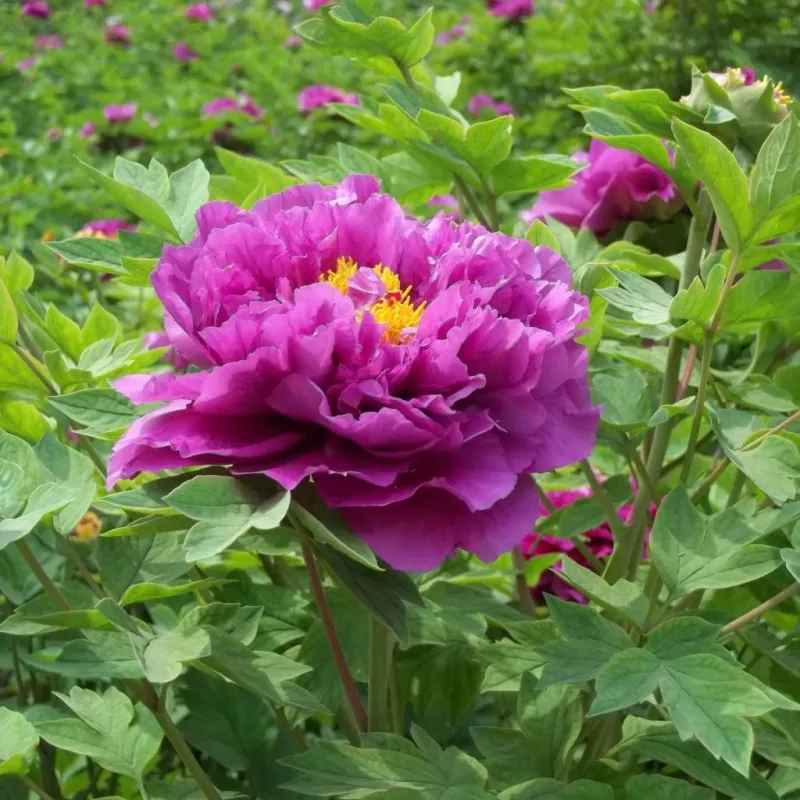
The most important thing to understand about peonies is that next year’s flowers are not some distant concern. The plant begins preparing for them long before winter arrives.
After blooming, peonies spend the rest of the growing season rebuilding their energy reserves. Underground buds, often called “eyes,” will eventually produce next year’s stems and flowers.
That is why June care matters so much.
When you remove spent blooms, keep the foliage healthy, and avoid cutting the plant down too early, you are helping the peony put energy where it belongs. You are not just making this year’s plant look cleaner.
You are directly supporting next year’s show.
This is also why struggling peonies often need patience. A newly planted or recently divided peony may take a few years to bloom heavily.
Peonies dislike being planted too deeply, and they do best in full sun. If those basics are wrong, deadheading alone will not fix everything.
But when a peony is planted correctly and growing in the right spot, June maintenance can help it perform at its best.
The plant has already given you its flowers for the season. Now your job is to help it recover, recharge, and prepare.