The One Thing You Must Do To Ohio Oakleaf Hydrangeas Before June Ends
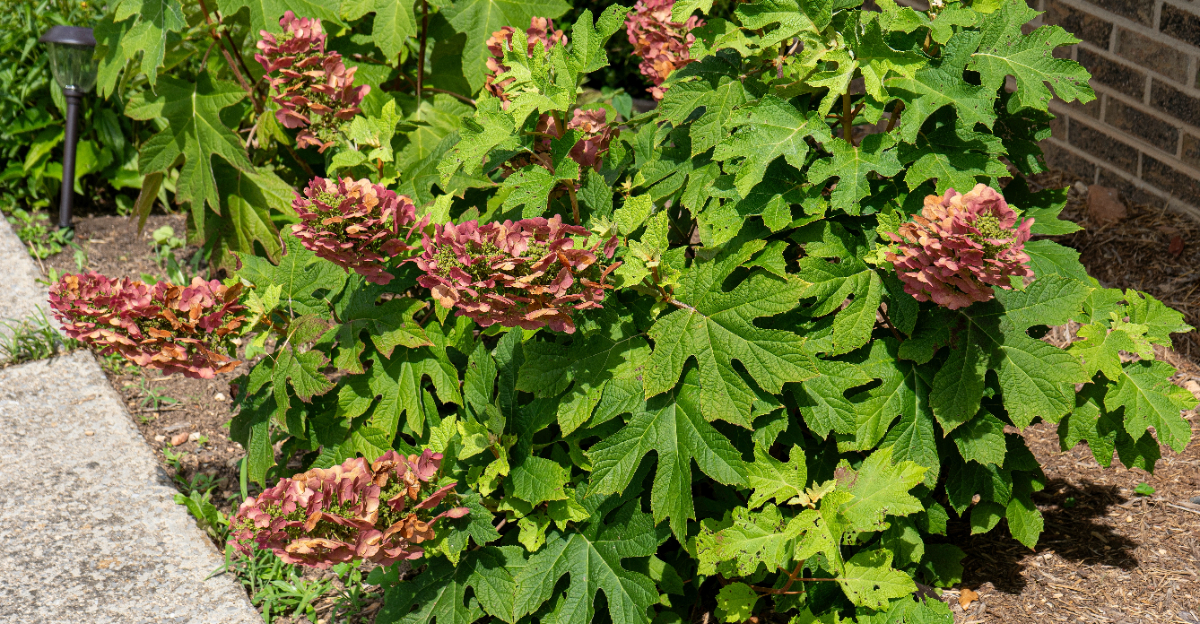
Oakleaf hydrangeas are one of the most forgiving shrubs in an Ohio garden right up until you miss this one thing in June. Most owners admire the blooms, appreciate the peeling bark, and assume the plant is handling itself fine without much input.
For most of the year that is true. June is the exception.
There is a specific task that oakleaf hydrangeas respond to strongly when done before the month ends. Skipping it costs you in ways that do not show up until next season, when it is already too late to fix.
The plant will not signal distress right away. It just quietly carries the consequences of a missed window into next year’s bloom cycle.
Ohio summers move fast and June has a way of slipping by before anyone acts on the tasks that actually matter. This one is worth putting on the calendar right now.
1. Prune Lightly After Flowers Fade And Then Stop
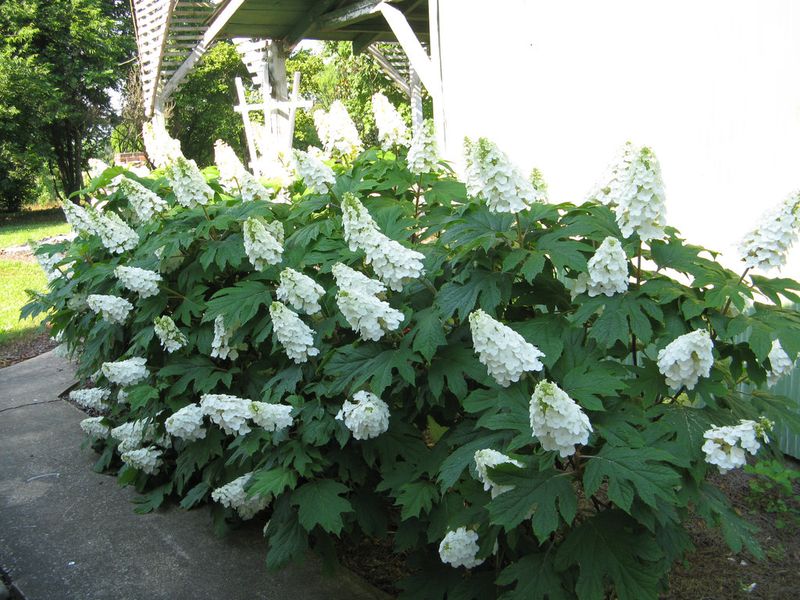
Most gardeners feel the urge to do something dramatic once the flowers start browning on an oakleaf hydrangea. Resist that urge.
The most useful thing you can do right after blooming ends is a quick, focused cleanup, and then you walk away.
Light pruning means removing spent flower heads, clipping out any stems that are clearly broken, and snipping back a branch that is genuinely out of place. You are not reducing the size of the shrub.
You are tidying it before the plant shifts its energy toward setting buds for next season.
Ohio State University Extension notes that oakleaf hydrangeas require very little pruning when sited correctly. Choosing the right spot from the start reduces how much cleanup is ever needed.
If the shrub has room to grow, your June task may take ten minutes or less.
Timing is the part most people miss. Once you move past the early post-bloom window, you risk cutting into stems that are already forming buds.
Do your light work promptly after flowers fade, keep it minimal, and let the shrub do the rest on its own schedule.
2. Old Wood Holds The Buds For Next Year’s Blooms
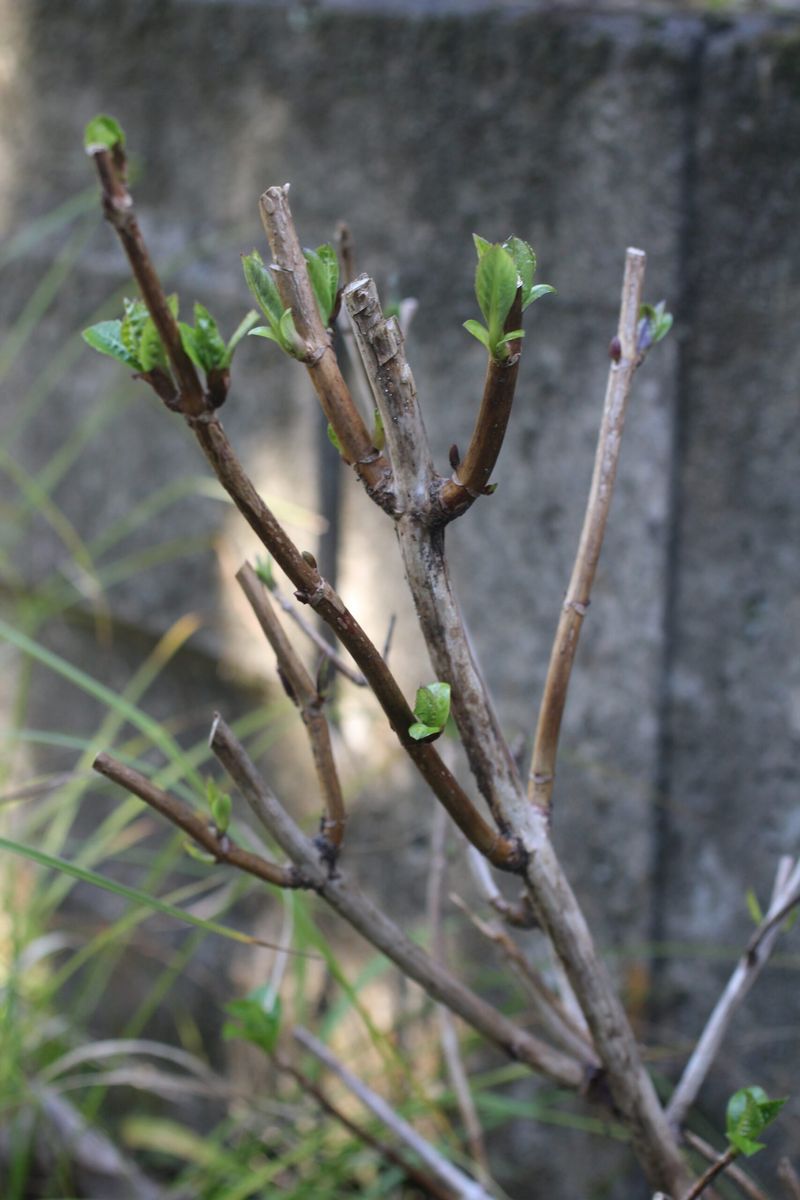
Oakleaf hydrangeas carry their flower buds on stems that grew the previous year. Gardeners call this blooming on old wood, and understanding it changes everything about how you approach this shrub in June.
When you cut an old stem away, that bud goes with it. You will not get a replacement flower on that spot next summer.
The plant will grow new stems, but those new stems will need a full growing season before they can carry blooms of their own.
Ohioline and Ohio State University Extension both emphasize that timing your cuts correctly is the most important pruning decision for shrubs that bloom on old wood.
The window right after flowering closes is the safest time to make any cuts you truly need.
After that window, the risk of removing developing buds rises steadily through the summer.
New gardeners sometimes confuse oakleaf hydrangeas with panicle hydrangeas, which bloom on new wood and can be cut back hard each spring. Those are completely different plants with different pruning rules.
Your Ohio Garden Changes Every Week. Your Plan Should Too.
Gardening in Ohio changes quickly throughout the season. Every Friday you’ll receive a simple weekly plan showing exactly what to plant, prune, fertilize, harvest, and protect so you never miss the right timing.
Knowing which type you have before reaching for the pruners can save you a full season of flowers. Check the leaf shape if you are unsure.
3. Trimming Spent Flowers Keeps The Shrub Looking Clean
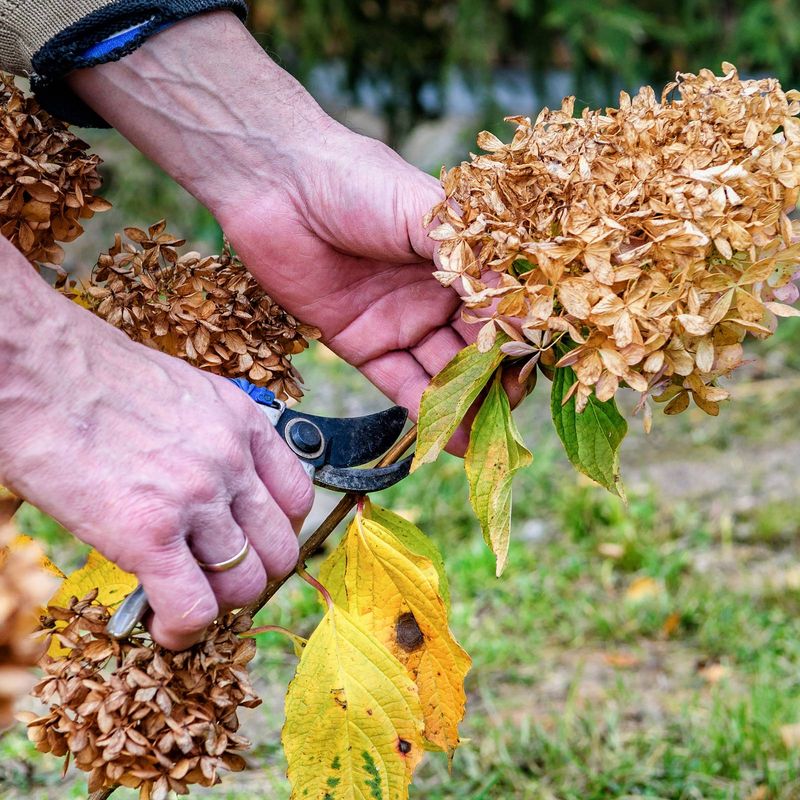
Trimming is the most cosmetic task on the June list, and it is completely optional. Some gardeners love the look of dried oakleaf hydrangea blooms through late summer and fall, and leaving them does not hurt the plant at all.
If a tidier look matters to you, snip spent flower clusters just below the base of the bloom head. Take as little stem as possible.
You want to remove the faded flower, not sacrifice a healthy section of stem that the plant may rely on for next year’s buds.
One practical tip: do this cleanup early rather than waiting until late July or August. The earlier you trim after blooms fade, the less chance you have of accidentally cutting into growth that has already started forming buds further down the stem.
Early action keeps the risk low.
Gardeners in shadier spots around the Buckeye State sometimes notice blooms fading more slowly than those in full sun. That is normal.
Just watch for the flower color to shift from cream or white to tan or brown before you start snipping. A bloom that still has some color may not be fully finished yet.
4. Damaged Stems Should Come Out Before Summer Heat Builds
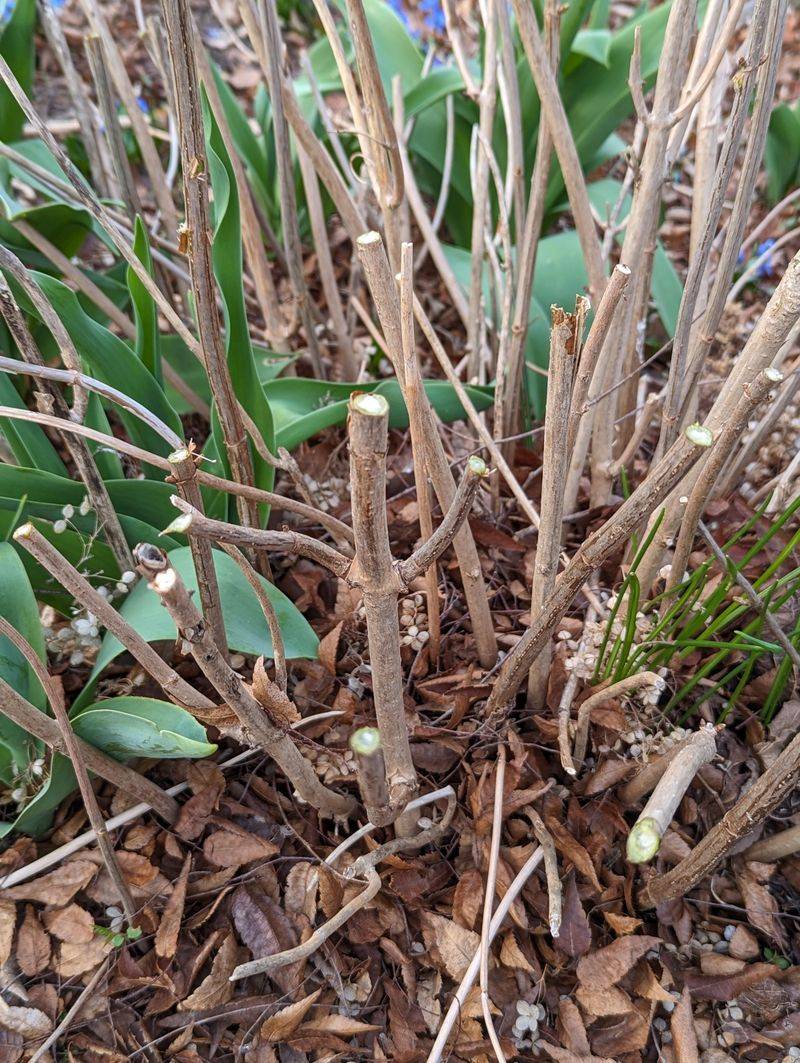
Late spring is the best time to spot stems that did not survive winter or got snapped by wind, heavy snow, or equipment.
Once the shrub has fully leafed out, damaged wood becomes obvious because it stays bare or shows brown, hollow centers when you scratch the bark.
Removing damaged stems is a different job than shaping the shrub. These cuts are corrections, not style choices.
Cut damaged wood back to a healthy bud or, if the whole stem is compromised, remove it cleanly at the base. Clean cuts heal better than ragged ones, so use sharp pruners.
Winters in northern regions of this state can be rough on woody stems, and oakleaf hydrangeas sometimes show tip withering after a harsh season. Do not panic when you see it.
Scratch the bark lightly with your thumbnail and look for green tissue underneath. Cut only to where the green begins.
Southern regions of the state tend to see less winter stem damage, but late frosts can still catch new growth off guard. Even in those milder spots, a quick inspection before summer heat builds is worth the few minutes it takes.
Removing weak wood early keeps the shrub focused on strong growth.
5. Heavy Cutting In June Can Cost You Next Year’s Flowers
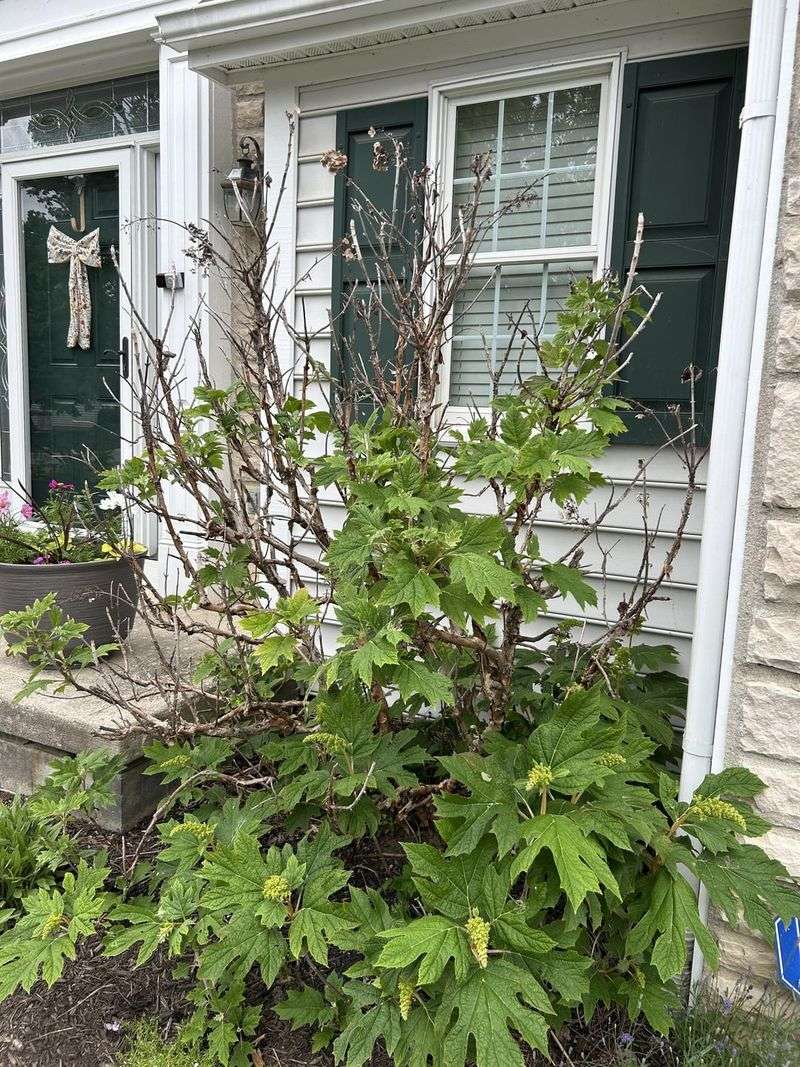
Cutting an oakleaf hydrangea hard in June feels satisfying in the moment, especially if the shrub looks oversized after its big bloom.
But that aggressive cut comes with a real cost: you are removing the stems that would have produced your flowers next summer.
Oakleaf hydrangeas have a naturally bold, arching form with large leaves and broad flower clusters. That size is not a problem.
It is part of the plant’s character. Gardeners sometimes mistake a healthy, full-sized shrub for one that is out of control, and they shear it down trying to create a tidier shape.
Shearing, topping, and cutting the plant into a tight ball are all approaches that damage the bloom potential significantly.
These techniques may work fine on boxwood or privet, but they are the wrong move for a shrub that depends on its older stems to carry flowers.
If your oakleaf hydrangea has genuinely outgrown its space, the right answer may be to transplant it or choose a smaller cultivar for that spot in the future. Repeated hard pruning to manage size will keep the plant smaller but will also keep it from blooming the way it should.
Plan the space, not the pruner schedule.
6. Shaping Works Best When You Keep The Natural Form
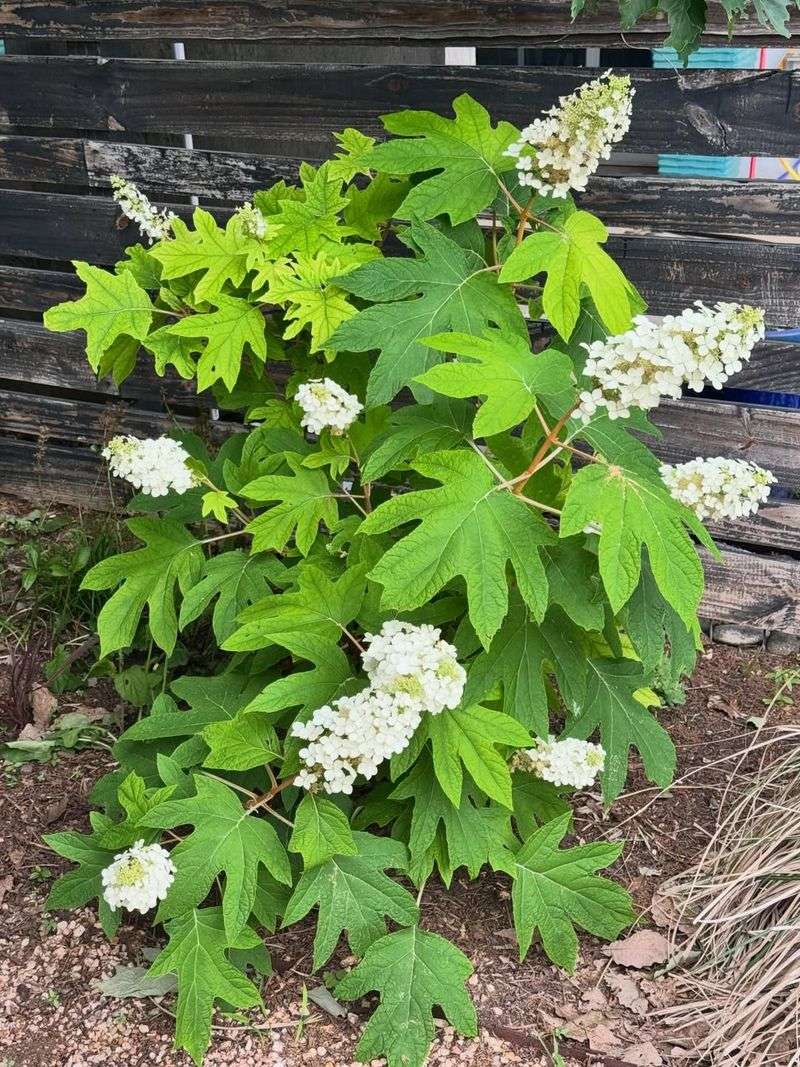
Oakleaf hydrangeas have a structure that many gardeners come to love once they stop trying to fight it. The broad leaves, the arching stems, and the large cone-shaped flower clusters all work together to create a plant that looks striking in a naturalistic landscape design.
Shaping this shrub works best when you work with its natural lines rather than against them. Stand back and look at the whole plant before making a single cut.
Identify the one or two stems that are crossing another branch awkwardly, rubbing against a wall, or leaning too far into a path.
Selective pruning means removing those specific problem branches, not giving the whole plant a haircut. Once those few cuts are made, step back again.
You may find the shrub already looks better without removing anything else. That moment of restraint is the skill that separates good gardeners from over-pruners.
University Extension sources consistently note that shrubs with open, arching habits look their best when pruning respects that habit.
Trying to force an oakleaf hydrangea into a compact, rounded shape requires repeated cutting that weakens bloom production over time.
Choose your cuts carefully, make them cleanly, and let the plant’s own structure do the design work for you.
7. Young Oakleaf Hydrangeas Need Patience More Than Pruning
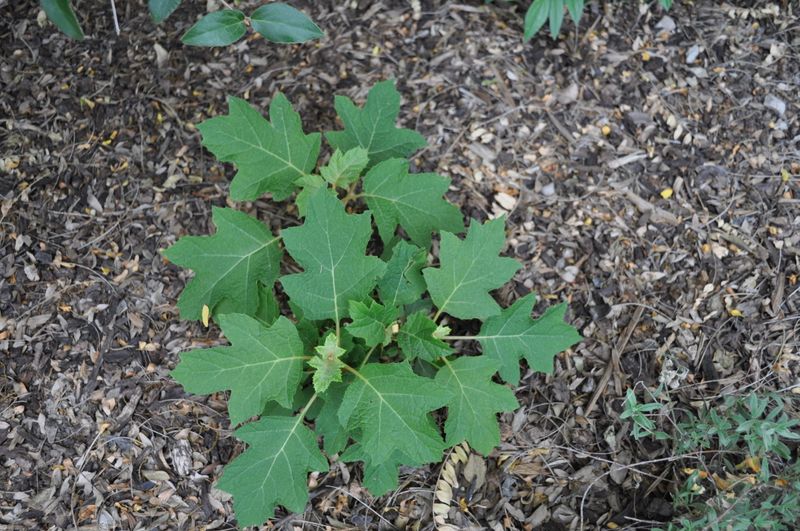
A newly planted oakleaf hydrangea can look a little underwhelming in its first year or two. The stems are thin, the leaf canopy is modest, and the blooms may be sparse or absent entirely.
That is completely normal, and it does not mean the plant needs aggressive pruning to wake it up.
Young shrubs are focused on root development during their first seasons in the ground. Cutting stems back hard redirects the plant’s energy away from that root-building process.
The result is often a smaller, slower plant that takes even longer to reach its full potential.
For young plants, the most helpful June tasks are watering consistently, keeping mulch around the root zone, and removing only stems that are clearly broken or damaged.
Skip the shaping entirely until the plant has had two or three full growing seasons to establish itself.
Gardeners who are patient with young oakleaf hydrangeas are usually rewarded with a strong, full-looking shrub within a few years. Buckeye State gardeners in shadier spots may notice slower establishment than those with more morning sun.
Either way, steady care beats repeated cutting every time. Give the roots time to anchor before you start worrying about the branch structure.
8. Mulch And Water Help The Plant Recover After Blooming
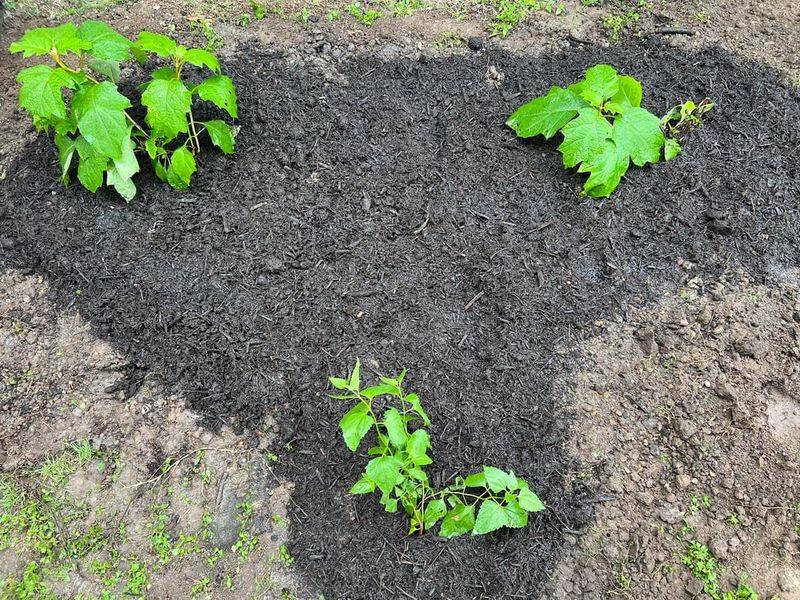
Once the blooms have faded and any light cleanup is done, shift your attention away from the pruners. The most useful thing you can do next is focus on the hose and the mulch pile.
Good aftercare supports the plant as it moves into the heat of summer.
A two-to-three inch layer of mulch around the root zone helps the soil hold moisture longer and keeps soil temperatures more stable during hot spells. Pull the mulch back a few inches from the main stems so it does not sit directly against the bark.
Mulch piled against stems can hold moisture where you do not want it.
Watering matters most during dry stretches, especially for plants that went into the ground within the last year or two. Deep, infrequent watering encourages roots to grow downward rather than staying shallow.
A slow soak at the base of the plant is more useful than a quick sprinkle over the leaves.
Ohio State University Extension recommends consistent moisture for newly established shrubs through their first few summers. Older, well-rooted oakleaf hydrangeas handle dry periods better, but they still benefit from a deep drink during extended heat.
Strong roots built through good summer care make the whole plant more resilient heading into fall.