Native Georgia Trees Garden Centers Rarely Carry But More Yards Deserve
Georgia has some of the most ecologically rich native trees in the entire country. Many of them are almost absent from the average garden center.
What fills those aisles instead is the same predictable rotation nurseries have been selling for decades. Crepe myrtles. Bradford pears. Japanese maples. Plants that look familiar and move quickly off the lot.
The trees that actually belong in Georgia soil were shaped by the state’s specific rainfall, humidity, and wildlife over thousands of years. Finding them requires a bit more searching than a standard nursery visit.
Have you ever driven through North Georgia in October and seen a hillside blazing in color so intense you had to slow down to look?
There is a good chance what you saw was a native tree you have never been offered at a nursery.
Several of these trees flower in spring, fruit for wildlife in summer, ignite in fall, and hold structure through winter. Eight of them deserve a spot in more Georgia yards.
1. Sourwood Brings Summer Flowers And Fiery Fall Color
Many Georgia trees spend July and August doing absolutely nothing interesting. Sourwood has other plans.
Right in the peak of summer heat, it produces long, arching chains of small white flowers that hang from every branch tip like clusters of tiny bells.
Bees recognize this immediately. Sourwood honey is considered some of the finest produced in the American Southeast, and the pollinators working these trees make that reputation entirely believable.
Oxydendrum arboreum grows best in acidic, well-drained soil, which suits much of Georgia’s Piedmont and mountain regions without any amendment drama.
It typically reaches 25 to 30 feet in a residential landscape. The narrow, slightly weeping form fits comfortably without crowding neighboring plants, which is a practical advantage in yards where space is already managed carefully.
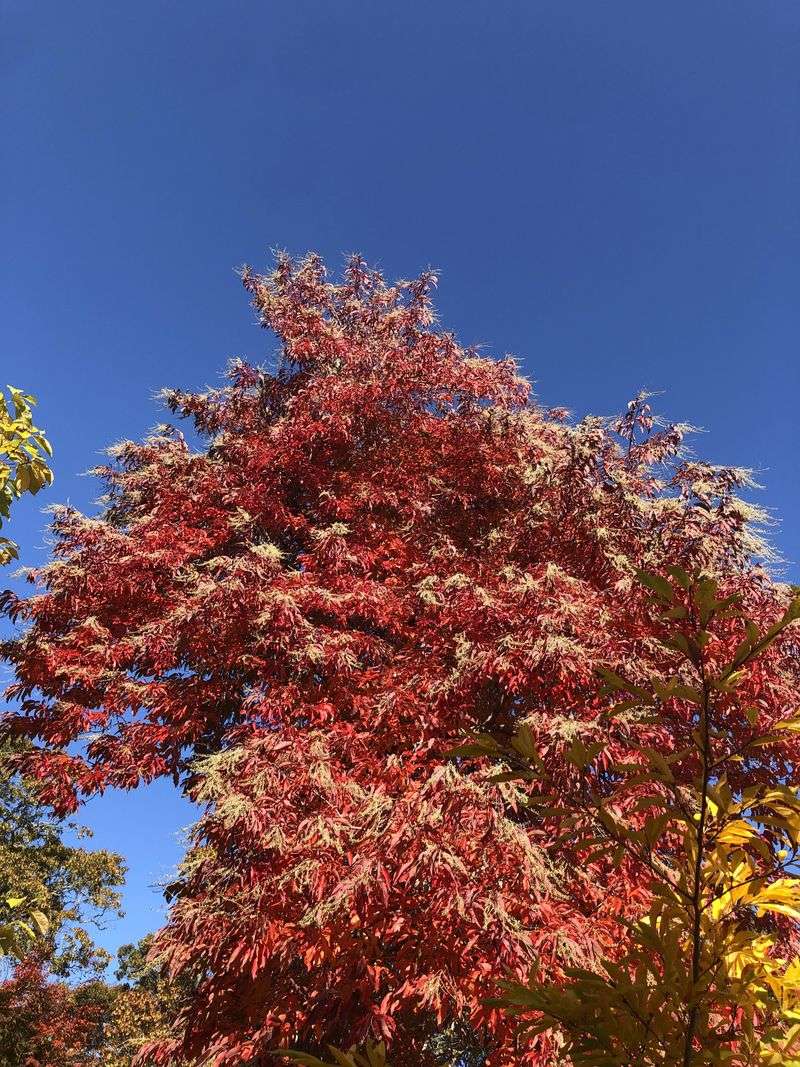
Fall is where sourwood earns its place in the conversation with showier imported ornamentals. The leaves shift into deep red, burgundy, and orange in layers that hold up against anything the nursery trade imports for autumn color.
Plant in partial to full sun with good drainage. Avoid compacted or waterlogged sites since roots need consistent oxygen through the soil. Amending the planting hole with pine bark lowers pH and improves drainage from the start.
Sourwood is genuinely difficult to find at standard garden centers, which makes specialty native plant nurseries worth the trip.
A tree that flowers in summer, turns crimson in fall, and produces exceptional honey. What exactly is the nursery industry waiting for?
2. Possumhaw Holly Adds Winter Berries Without Taking Over
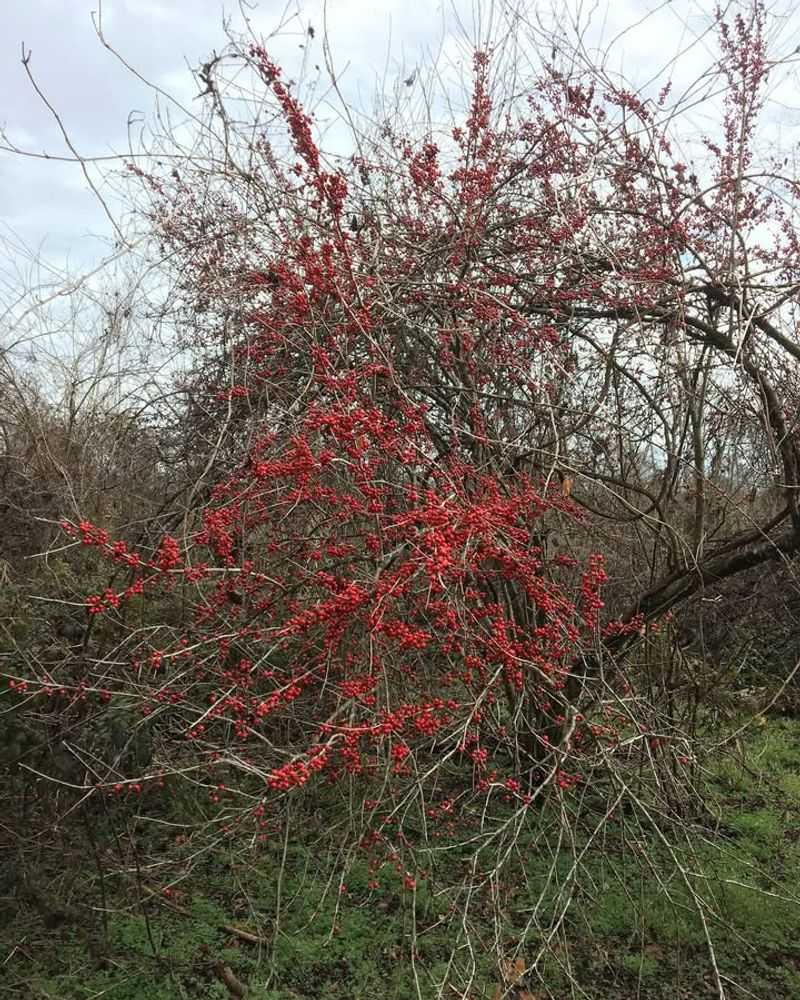
By December, most Georgia yards have essentially given up on being interesting. Possumhaw holly has not received that memo.
The bare branches of this small deciduous holly become loaded with clusters of bright red or orange berries that persist well into winter. Almst nothing else in the garden is doing anything at that point.
The berries are vivid, the branches are structural, and the overall effect is the kind of seasonal interest most homeowners add to a wish list and forget to plant for.
Your Georgia Garden Changes Every Week. Your Plan Should Too.
Gardening in Georgia changes quickly throughout the season. Every Friday you’ll receive a simple weekly plan showing exactly what to plant, prune, fertilize, harvest, and protect so you never miss the right timing.
Ilex decidua typically grows 7 to 15 feet tall, which keeps it in genuinely small-tree territory rather than something requiring long-term management.
It adapts well to a range of soil conditions including moist or periodically wet sites, which is useful for Georgia yards with low spots that collect water after rain events.
Cedar waxwings, mockingbirds, and bluebirds visit the berries consistently through winter and into early spring. The plant turns into a reliable feeding station during the months when natural food sources are at their scarcest.
Plant at least one male specimen nearby to ensure good berry production on female plants. Spacing of eight to ten feet between plants gives each enough room to develop fully.
For gardeners who want genuine winter presence without constant pruning, this tree asks very little and delivers considerably more than its modest reputation suggests.
It blooms in spring, berries in winter, and stays manageable forever. Possumhaw is essentially the opposite of a problem tree.
3. Red Buckeye Feeds Hummingbirds In Early Spring
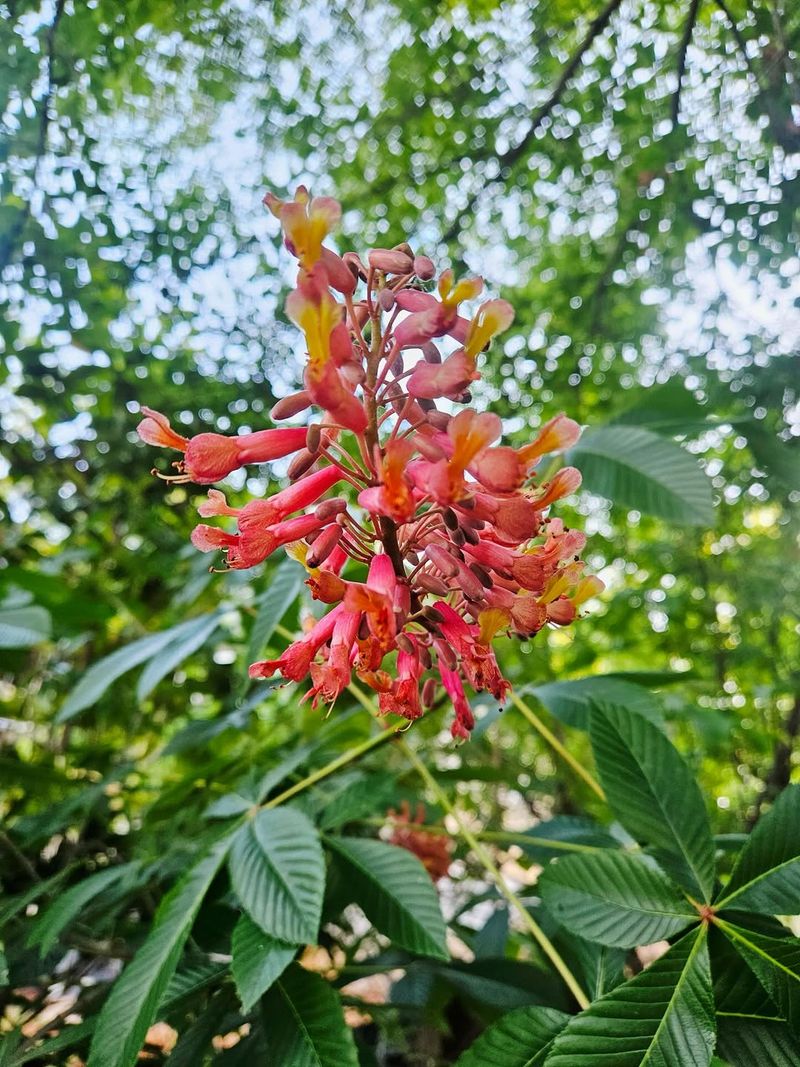
Late March in Georgia. The hummingbirds have just arrived back from their winter range. They need food almost immediately, and most trees have barely started leafing out.
Red buckeye is already flowering.
Aesculus pavia holds up tall clusters of tubular red flowers at exactly the moment ruby-throated hummingbirds return to the state.
The flower shape and the beak shape match with a precision that reflects thousands of years of co-evolution between this tree and its primary pollinator. The timing is not coincidence. It is a relationship built into the biology of both species.
Red buckeye is a small understory tree that typically stays between 10 and 20 feet tall. That size makes it a realistic option for smaller yards, tight side gardens, and naturalized woodland edges where a full-sized canopy tree would be impractical.
It performs best in partial shade with moist, well-drained soil rich in organic matter. Planting near the edge of an existing canopy mimics the conditions where it grows naturally in Georgia forests.
The seeds that follow flowering are toxic if eaten, so placement away from areas where very young children play unsupervised is sensible. Wildlife generally avoids the seeds without issue.
Leaves drop early in summer, which surprises some gardeners during their first season with the tree. Ferns or summer annuals planted beneath it fill that gap without much effort.
Water consistently through the first two summers to support root establishment in Georgia’s clay-heavy soils.
Red buckeye blooms when the hummingbirds need it most. That is either a remarkable coincidence or the most considerate tree in the Georgia landscape.
4. American Hornbeam Fits Shady Yards With Sculpted Bark
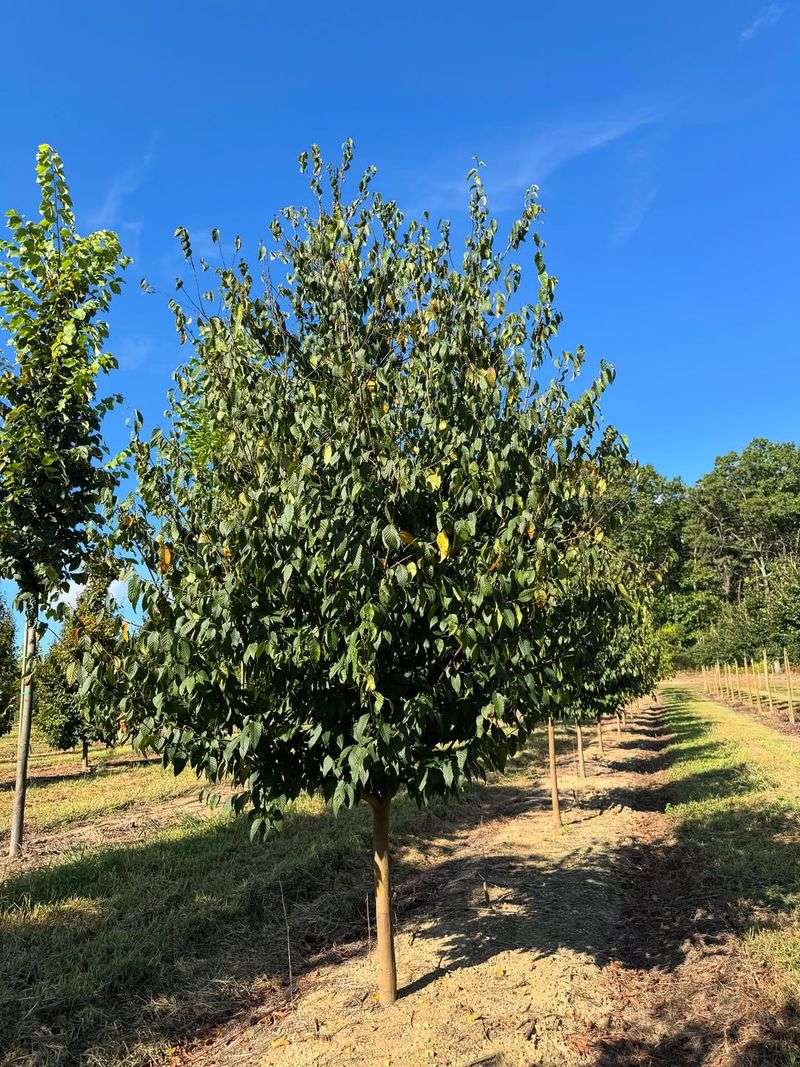
Most trees look like trees. American hornbeam looks like something that was carved.
Run a hand along the trunk and the texture registers as something genuinely unusual. Smooth, sinewy, with ridges and curves that resemble muscle beneath skin.
The common names musclewood and ironwood both come from this quality, and once you have seen it, the names make complete sense.
Carpinus caroliniana is a native understory tree that reaches 20 to 30 feet tall and grows naturally along stream banks and in moist bottomland forests throughout Georgia.
Shady spots with consistently moist, slightly acidic soil suit it well. It is one of the few native trees that genuinely prefers low light conditions, which makes it directly useful in yards dominated by large oaks or pines where other plants consistently underperform.
Fall color ranges from orange to red to yellow and arrives as a seasonal bonus that most people do not expect from a shade-tolerant tree. Small nutlets produced in late summer attract songbirds and small mammals throughout fall.
American hornbeam also supports numerous native moth and butterfly species, contributing to garden biodiversity in ways that are consistent even when not immediately visible.
Water young trees during dry spells through the first three years. Avoid planting in full sun or dry, exposed sites where establishment is difficult and leaf scorch becomes a regular summer issue.
American hornbeam is the rare tree where the most interesting feature is not a flower or a berry. It is just the bark.
That is either underrated or extremely confident, and honestly it might be both.
5. Blackgum Turns Fall Color Into A Backyard Event
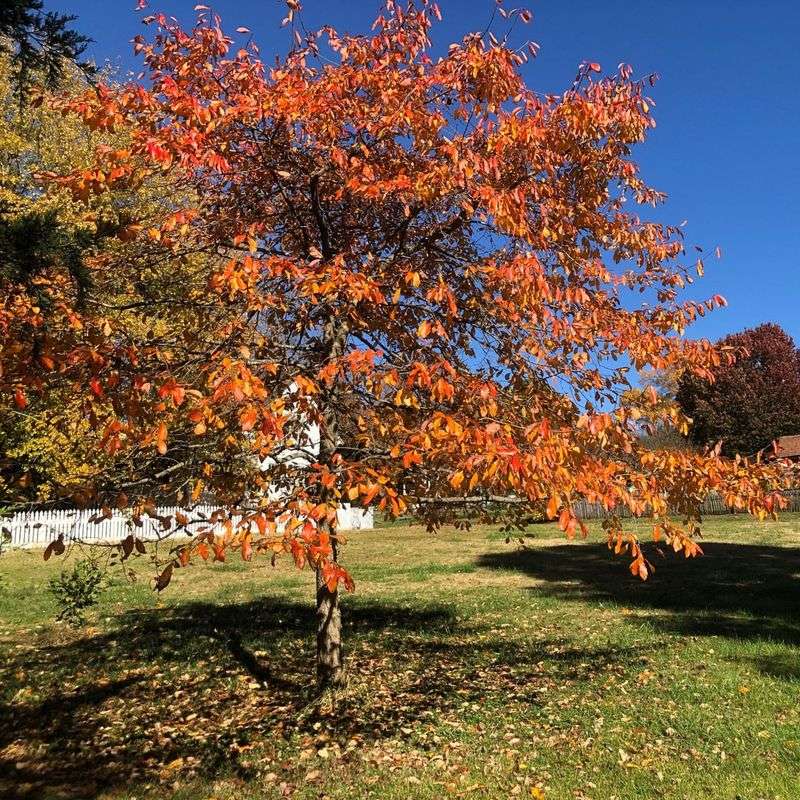
Georgia in October has a secret, and blackgum is one of the main reasons for it.
Nyssa sylvatica is among the earliest trees to change color in fall, and when it shifts, the display is complete.
Deep scarlet, burgundy, and orange layer onto the leaves simultaneously in a way that makes the tree visible from considerable distance.
Those hillsides blazing red along North Georgia roads in mid-October are frequently blackgum, doing what it has done in those forests for centuries.
Blackgum grows 30 to 50 feet tall with a straight trunk and a horizontal branching pattern that reads as elegant even in winter when the leaves are gone.
It adapts to a wide range of soils from moist bottomlands to drier upland sites, though slightly acidic, well-drained soil produces the strongest performance. Full sun to partial shade both work, which gives homeowners genuine flexibility when choosing a location.
Wildlife value is substantial. Small dark blue fruits ripen in early fall and attract wood thrushes, robins, bluebirds, and wild turkeys quickly after ripening. Blackgum also serves as a host plant for multiple native moths.
One practical note: transplant young container-grown trees rather than bare-root specimens. Blackgum develops a deep taproot early and responds poorly to significant root disturbance at planting.
Give it space and minimal interference and it will produce reliable fall color for decades.
The hillside version is dramatic. The backyard version is personal. Both are worth pursuing.
6. Fringetree Covers Small Spaces With White Spring Fringe
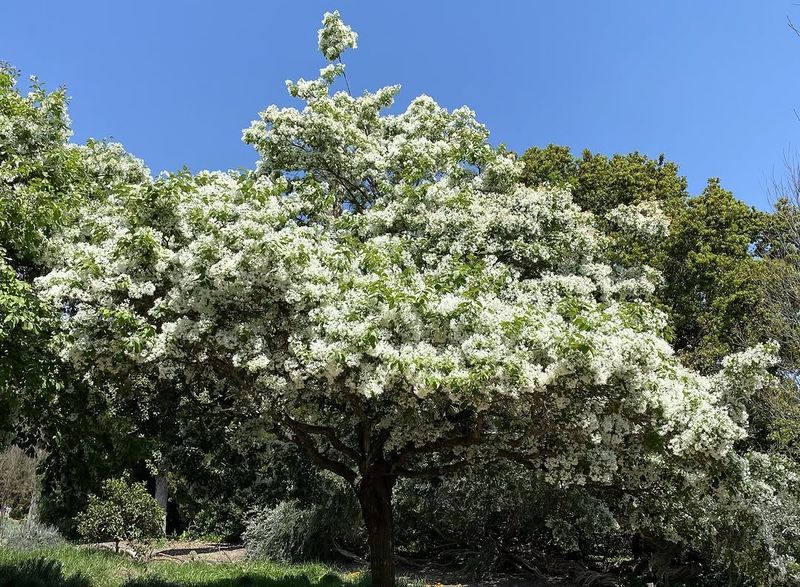
For roughly two weeks every spring, fringetree becomes one of the most visually distinctive plants in any Georgia neighborhood.
The flowers are not bold in the conventional sense. They are soft and feathery, made up of long wispy white petals that move in the breeze and give the tree a cloud-like quality that reads as genuinely unusual against a spring sky.
Neighbors stop and ask what it is. Telling them it is a Georgia native that most nurseries do not carry adds a satisfying layer to the conversation.
Chionanthus virginicus grows 12 to 20 feet tall, placing it firmly in small-tree territory that many modern yards can actually accommodate.
It adapts to both moist and moderately dry soils and performs well in full sun to partial shade. Blooming in April and May, it flowers slightly later than most spring trees, which extends the ornamental season rather than competing with the early rush.
Female plants produce small dark blue fruits in late summer that birds find worthwhile. Male plants tend to have showier flower clusters, so sourcing a male specimen from a specialty native plant nursery is worth the extra effort for those prioritizing bloom display.
Fringetree works particularly well in rain gardens and low spots where drainage is sometimes slow after heavy Georgia rain events. Mulching the root zone generously at planting protects roots during summer heat.
Young trees establish slowly. Patience through the first two seasons pays off considerably once the tree hits its stride.
Fringetree is the spring performer that most Georgia gardeners have never been offered. That situation deserves to change.
7. Serviceberry Gives Flowers Fruit And Fall Color
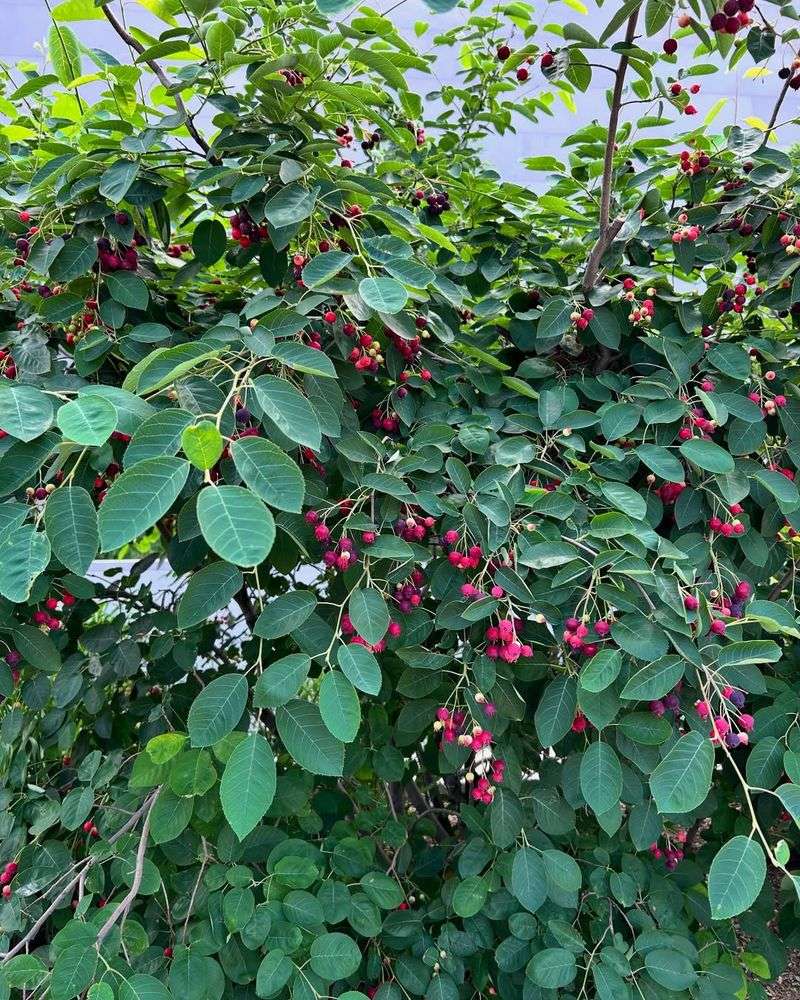
Very few trees hold up all season across every category that matters in a residential landscape. Serviceberry comes close enough to make the argument seriously.
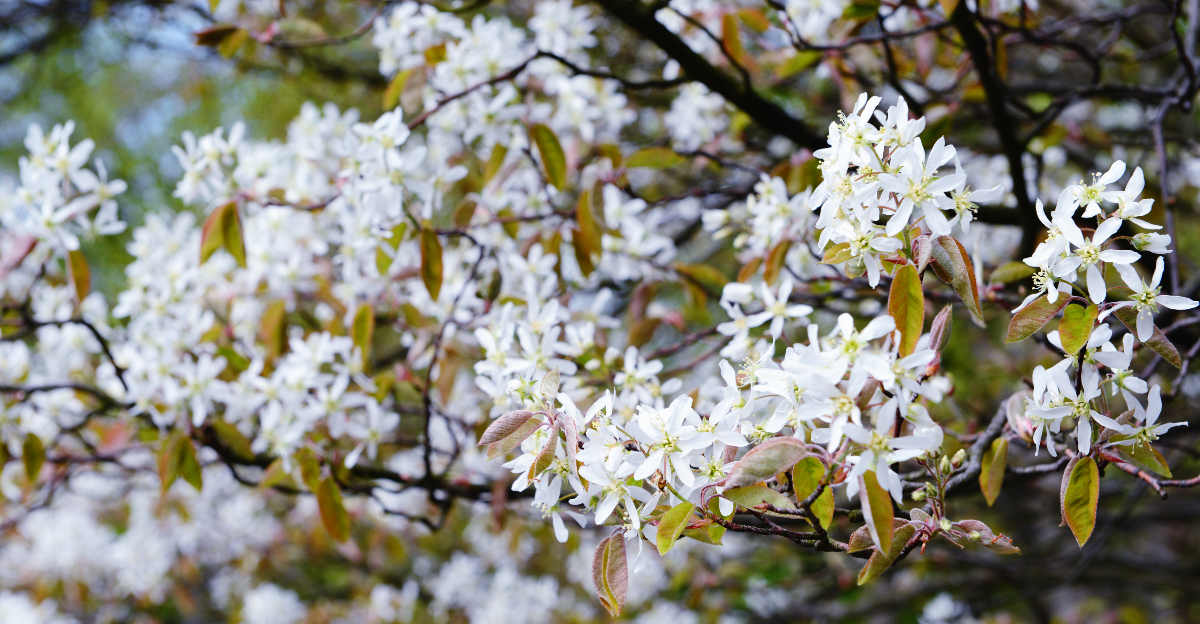
Amelanchier arborea opens with delicate white flowers in early spring before the leaves have fully emerged.
That timing gives it a soft, hazy quality at a moment when the rest of the landscape is still in transition. It is among the first native trees to flower in Georgia each year, which makes it a genuine seasonal marker rather than just another spring bloomer competing for attention in April.
The tree grows 15 to 25 feet tall and adapts to full sun or partial shade in moist, acidic, well-drained soil.
The multi-stemmed form many specimens develop gives them a layered, graceful appearance that looks considered rather than random in a mixed border or woodland edge planting.
Berries ripen in late spring and early summer. They are edible for people and immediately attractive to bluebirds, catbirds, and cedar waxwings. Whether the birds leave any for the gardener depends entirely on timing and determination.
Fall color ranges from orange to deep red, adding a final season of genuine interest to a tree that has already contributed spring flowers and summer fruit.
Serviceberry also serves as a host plant for over 100 native moth and butterfly species, which means the ecological work it does exceeds what most people notice at the surface.
In the hottest parts of Georgia, morning sun with afternoon shade reduces leaf stress on young trees through the first several seasons.
8. Yaupon Holly Handles Heat With Evergreen Structure
Georgia summers test every plant in the landscape. Heat, humidity, and periodic drought make up a combination that exposes weaknesses quickly.
Yaupon holly responds to those conditions by barely registering them.
Ilex vomitoria is among the most adaptable native plants in the Southeast. It tolerates poor soil, wet sites, dry sites, full sun, and partial shade without meaningful complaint.
That range of tolerance is genuinely uncommon and directly useful for homeowners dealing with the challenging corners of a yard where other plants have repeatedly underperformed.
The fact that most mainstream garden centers pass over this plant in favor of non-native hollies remains one of the more puzzling decisions in the Georgia nursery trade.
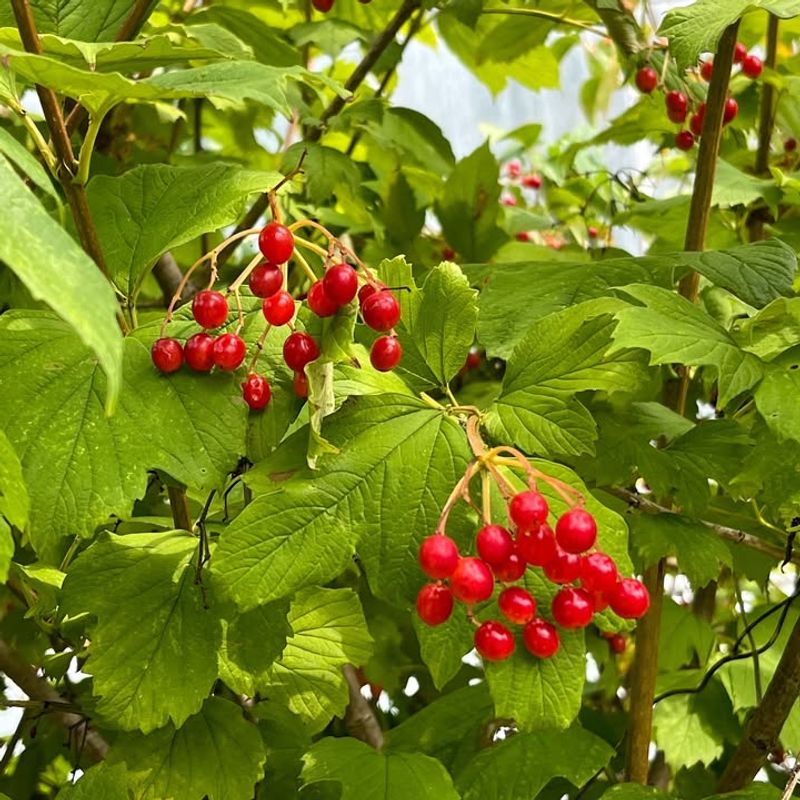
Yaupon can be maintained as a large shrub or trained into a small tree reaching 15 to 25 feet. Female plants produce small red berries that persist through winter and draw mockingbirds, cedar waxwings, and other berry-eating birds consistently.
The dense evergreen foliage provides year-round structure and serves as effective screening, windbreaks, or anchoring in mixed borders.
Plant male and female specimens within reasonable proximity to support reliable berry production each season.
One detail that earns reliable attention in any garden conversation: yaupon is the only native North American plant known to contain caffeine. Indigenous peoples prepared a ceremonial beverage from its leaves long before anyone was importing coffee.
That historical footnote comes standard with every plant, at no additional charge.