The Best Avocado Varieties California Gardeners Can Actually Grow In Containers
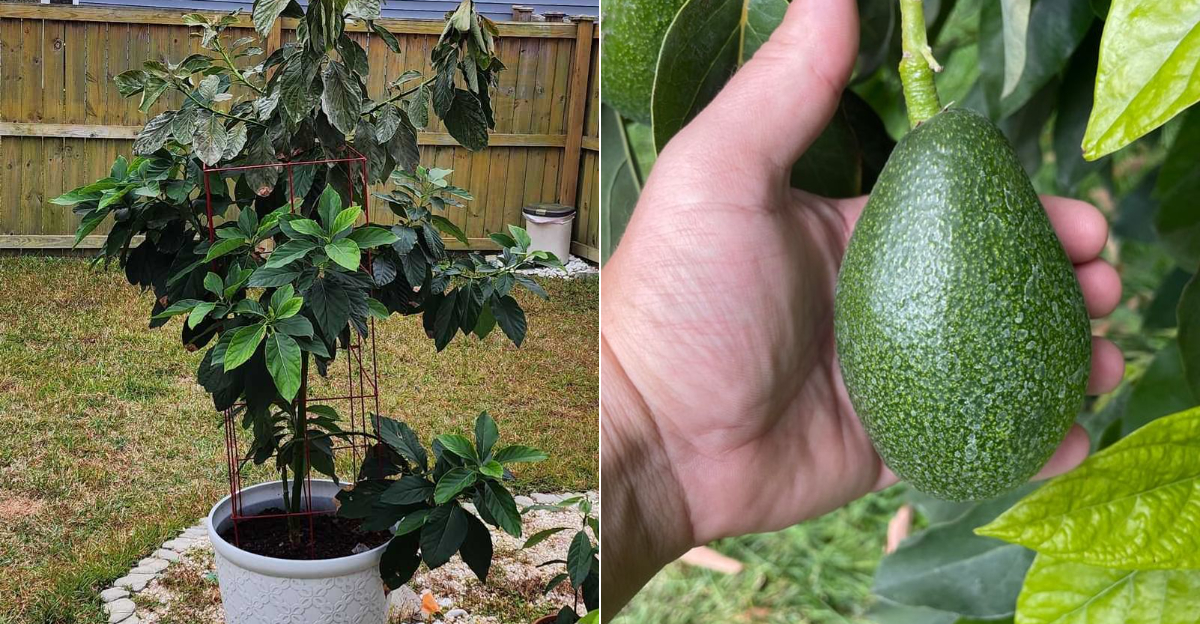
Growing an avocado tree in a container sounds almost too good to be true, but it can work with the right variety.
California gardeners have a real advantage, especially in mild coastal areas and warm patios with good light.
Still, not every avocado belongs in a pot. Some trees get too large fast, while others need more room than a container can offer.
The best choices stay more manageable and can handle regular pruning without turning into a constant project.
A container grown avocado also needs steady care, since pots dry out faster than garden soil. Choose a variety that stays compact. Give the tree enough space to grow.
With the right setup, it can become more than a pretty patio plant. It may even reward you with homegrown fruit down the road.
1. Little Cado Is The Safest Container Pick
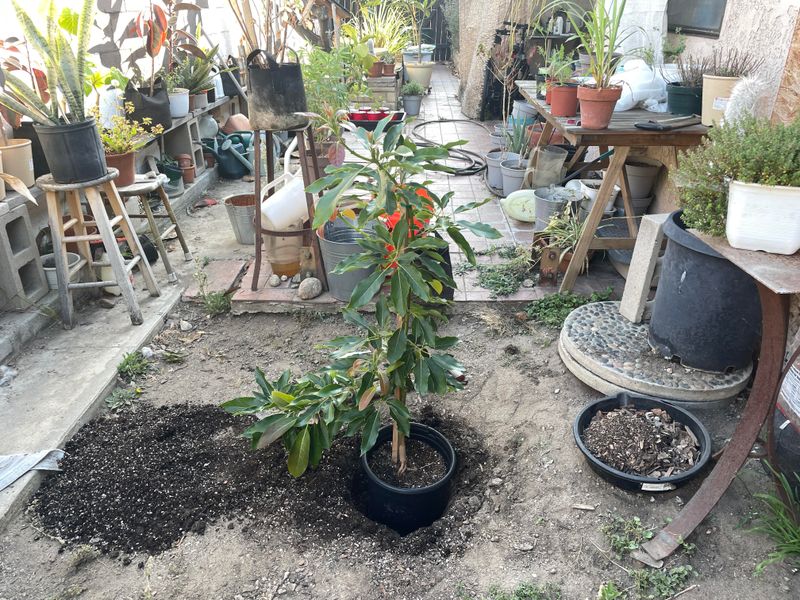
Ask any experienced container gardener which avocado to start with, and most will say Little Cado without hesitating. Also called Wurtz, this variety was practically made for pots.
It naturally stays small, usually reaching only eight to ten feet even in the ground. In a container, it stays even more compact, which makes it easy to manage on a patio or deck.
Little Cado is a type A pollinator, meaning it does best when paired with a type B variety nearby. However, it can still produce fruit on its own in many cases.
The fruit itself is rich and buttery, with the same creamy texture most people love in a classic avocado. It ripens from spring through summer, giving you a decent harvest window.
One big reason gardeners love this variety is how forgiving it is for beginners. It tolerates a bit of inconsistent watering better than some other types.
Use a pot that holds at least 25 gallons and make sure it has good drainage holes. Feed it with a balanced fertilizer every few months during the growing season.
Repot every two to three years to keep the roots healthy. With a little care, Little Cado can reward you with fresh fruit year after year right from your own container garden.
2. Holiday Stays Smaller Than Most Avocados
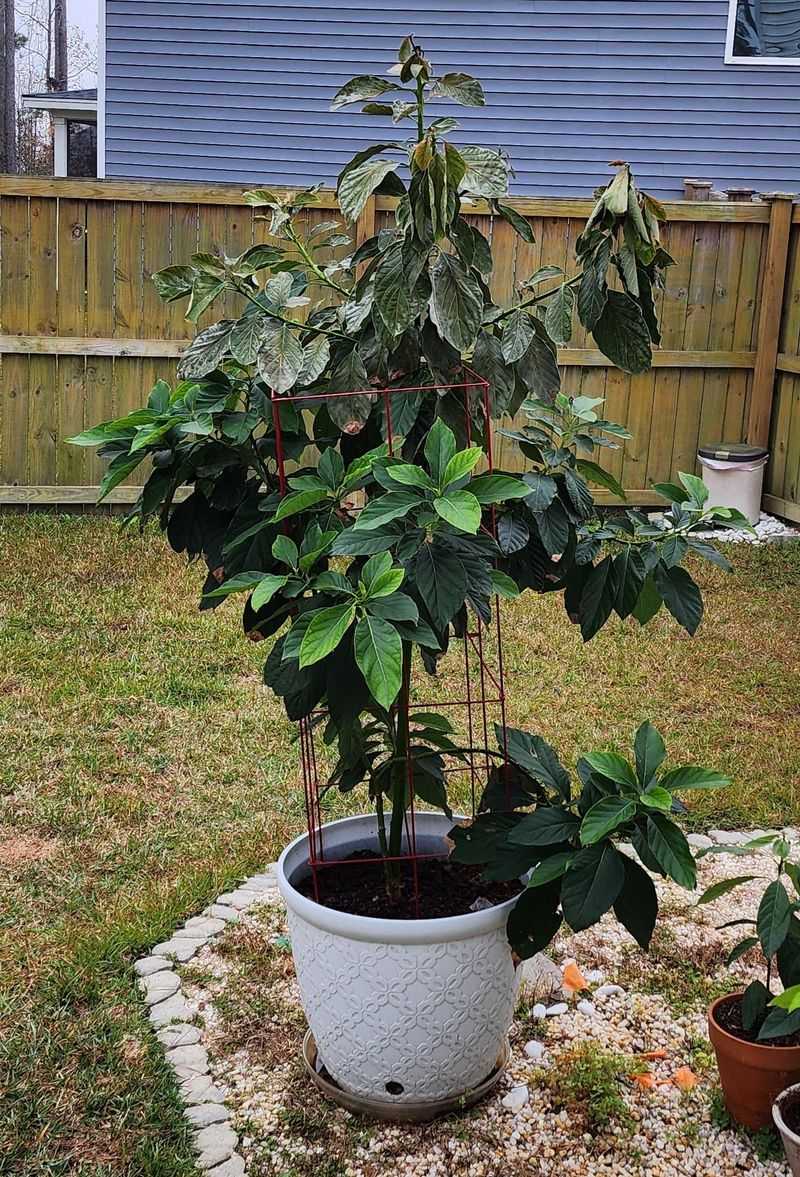
Not every avocado variety gets the spotlight it deserves, and Holiday is a perfect example of a hidden gem.
Developed specifically for home gardens, this variety was bred to stay compact without sacrificing fruit quality.
It grows upright and tidy, which makes it a smart pick for smaller patios where space is limited.
Holiday avocados are large and oval-shaped with smooth green skin. The flavor is mild and creamy, which makes them great for guacamole or spreading on toast.
The tree typically produces fruit in the fall and into winter, which is actually a great advantage. You get fresh avocados when most other varieties are not producing.
Growing Holiday in a container requires a pot of at least 25 to 30 gallons. It appreciates full sun and consistent moisture but does not like soggy roots.
Make sure to use a fast-draining potting mix designed for citrus or avocado trees. Fertilize lightly but regularly through spring and summer.
Your California Garden Changes Every Week. Your Plan Should Too.
Gardening in California changes quickly throughout the season. Every Friday you’ll receive a simple weekly plan showing exactly what to plant, prune, fertilize, harvest, and protect so you never miss the right timing.
Pruning the top a couple of times a year helps keep the height manageable and encourages bushier growth.
This variety is a type B pollinator, so planting a type A variety nearby can boost your fruit production.
Overall, Holiday is one of the most rewarding container avocado options available to home growers in our state.
3. Gwen Works For Bigger Patio Containers
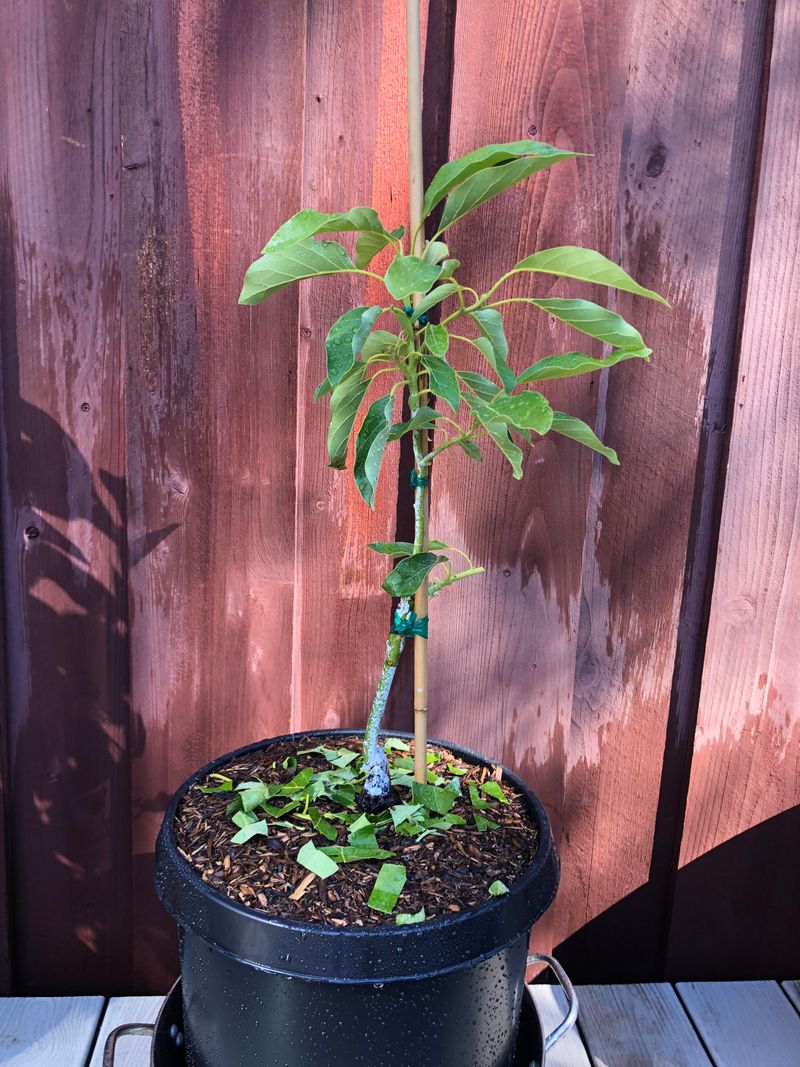
Gwen avocado has a loyal fan base among home growers who want serious fruit production without planting in the ground.
It is a bit larger than Little Cado, so it works better on a roomy patio rather than a tiny balcony.
With the right pruning routine, though, it can be kept to a very manageable size inside a large container.
The fruit is one of the highlights of choosing Gwen. It has a rich, nutty flavor with a slightly thicker skin than Hass, which actually helps it hold up well after picking.
Each fruit tends to be on the larger side, which means fewer fruits can still add up to a satisfying harvest. Gwen is a type A variety and produces fruit from spring into summer.
For container growing, a 30-gallon pot or larger is the way to go. Gwen does best in full sun, so place it where it gets at least six to eight hours of direct sunlight daily.
Water deeply but allow the soil to dry out a bit between waterings. Avoid letting the pot sit in standing water, as avocado roots are very sensitive to rot.
Light fertilizing every six to eight weeks during warm months keeps the tree strong. Trim it back after harvest to control height and encourage new fruiting wood for the next season.
4. Reed Grows More Upright Than Wide
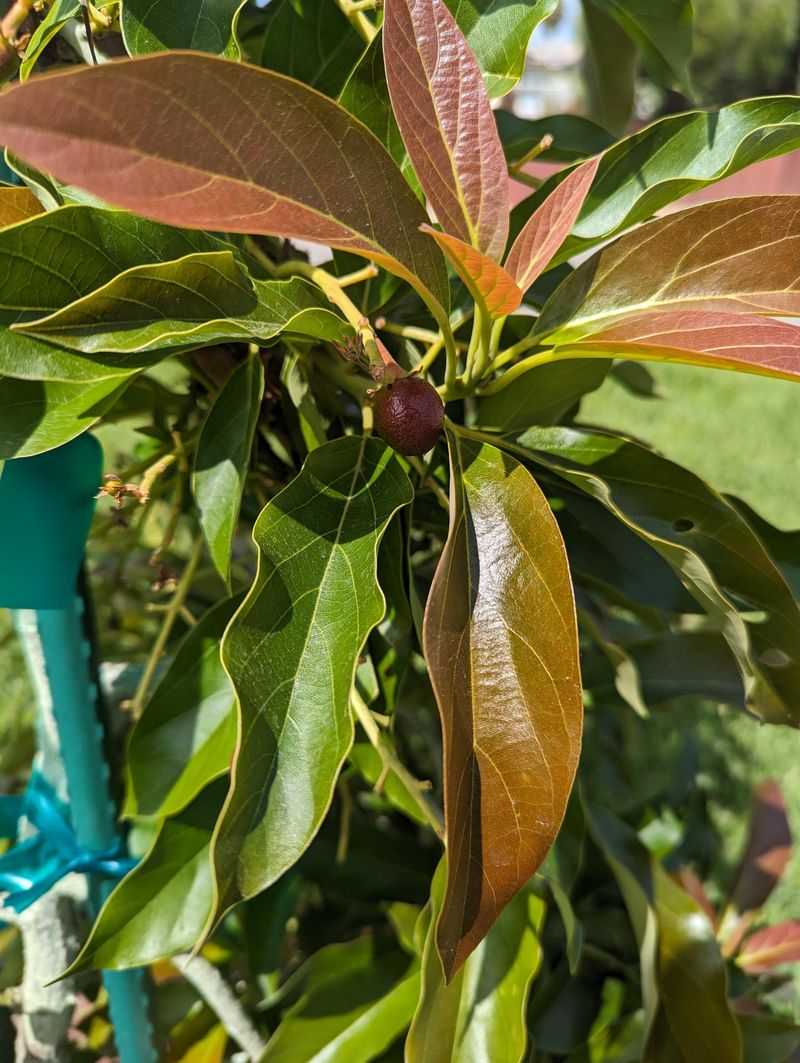
Some avocado trees spread out wide and take over a space fast, but Reed is different. It grows tall and narrow, which makes it one of the most space-efficient choices for container gardeners.
You can tuck it into a corner of your patio and it will not crowd out your other plants or furniture.
Reed avocados are known for their large, round fruit with a smooth green skin that stays green even when ripe. That can be a little confusing at first since most people look for dark skin as a sign of ripeness.
A gentle squeeze is the better test. The flavor is creamy and mild with a slight nuttiness that many people find very satisfying.
Reed is a type A variety and fruits in summer through fall.
Because of its upright growth habit, Reed can be grown in a slightly narrower container than other varieties. A 25 to 30-gallon pot works well, but taller pots are better than wide, shallow ones.
Full sun is a must for good fruit production. Reed handles heat well, which is great for warmer parts of our state.
Water consistently and mulch the top of the soil to help retain moisture between waterings.
Pruning the very top of the tree once or twice a year keeps it from getting too tall while maintaining that tidy upright shape that makes it so practical for container gardens.
5. GEM Gives Hass-Like Fruit On A Smaller Tree
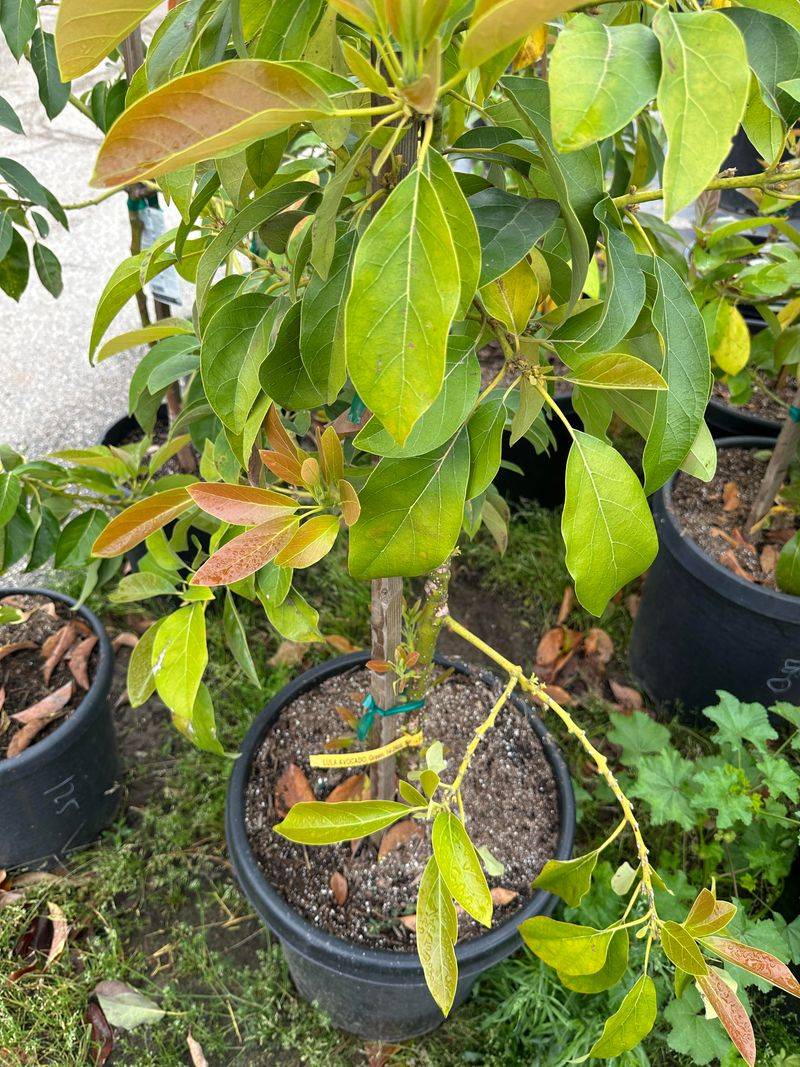
If you love Hass avocados from the grocery store, GEM might be the variety that wins your heart.
Developed as a close relative of Hass, GEM produces fruit with that same pebbly dark skin and rich, creamy flavor.
The big difference is that GEM trees tend to stay a bit more compact, which is a real advantage for container growing.
GEM fruit ripens later in the season than Hass, usually from summer into fall. This extended harvest window is a bonus because it means fresh avocados on your patio long after other varieties have finished.
The fruit also holds well on the tree without losing quality, giving you more flexibility about when to pick.
Growing GEM in a container takes some commitment. Use a pot of at least 30 gallons and fill it with a well-draining mix.
This tree loves heat and full sun, so a south-facing patio spot is ideal. Water regularly but never let the roots sit in wet soil for long.
GEM is a type A variety, so pairing it with a type B tree nearby can improve your yield noticeably.
Fertilize every six to eight weeks during the growing season with an avocado-specific fertilizer.
Prune lightly after the main harvest to manage size and shape. With consistent care, GEM can produce impressive amounts of fruit for a container-grown tree.
6. Lamb Hass Needs A Very Large Pot
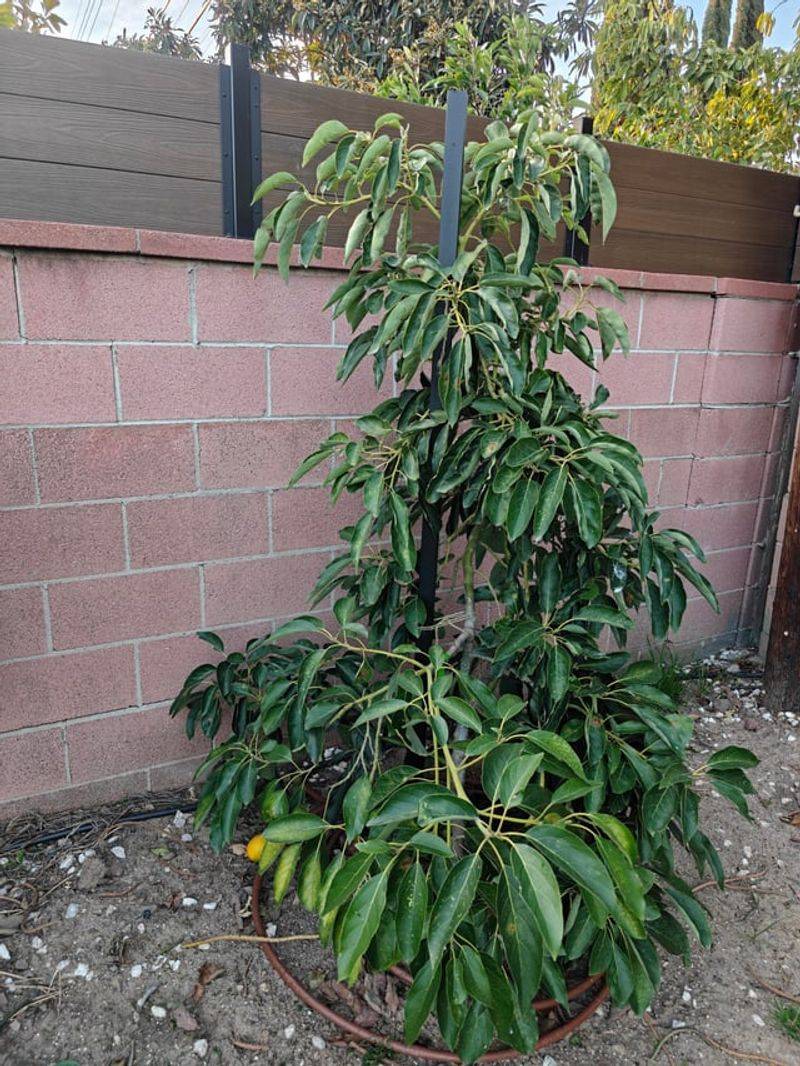
Let’s be honest right from the start: Lamb Hass is not the easiest avocado to grow in a container.
It naturally wants to grow into a large tree, so it takes more effort and more pot space to keep it in check.
But for gardeners who are up for the challenge, the payoff is absolutely worth it.
Lamb Hass produces fruit that rivals what you find at high-end farmers markets. The skin turns dark like Hass when ripe, and the flesh is smooth, rich, and full of flavor.
One standout feature is that the fruit holds on the tree for an exceptionally long time without dropping or losing quality. That means you can harvest over a very long window, stretching your fresh avocado supply for months.
To grow Lamb Hass in a container, go as big as you can. A 40 to 45-gallon pot gives the roots enough room to support healthy growth.
Full sun is non-negotiable for this variety. Water deeply and regularly, but always check that the drainage is working well.
Fertilize generously through the growing season, and prune firmly at least twice a year to control the size.
Lamb Hass is a type B pollinator, so placing a type A variety nearby will significantly boost your fruit production.
It is a high-maintenance option, but experienced container growers often say it is the most rewarding avocado they have ever grown in a pot.
7. Pinkerton Can Work With Careful Pruning
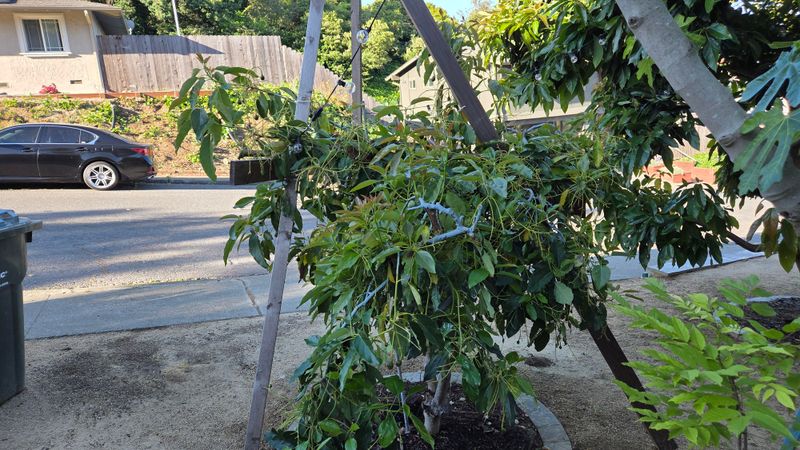
Pinkerton avocado has a personality all its own. It tends to grow vigorously and can get tall quickly, but that energy can be redirected with a steady pruning routine.
Gardeners who are not afraid to pick up the pruning shears on a regular basis will find that Pinkerton rewards their effort with excellent fruit.
The fruit is long and pear-shaped with a small seed, which means more flesh per avocado compared to many other varieties.
The skin is green and slightly pebbly, and the flavor is rich and creamy with good oil content.
Pinkerton is a type A variety that produces fruit from winter into spring, which is a great season when many other varieties are resting.
Starting with a 30-gallon container is smart, though moving up to a larger pot over time will help the tree stay productive. Full sun is important, and this variety handles the heat well in warmer parts of our state.
Water consistently and feed with a balanced fertilizer every six to eight weeks during the growing season. The key to keeping Pinkerton container-friendly is pruning two to three times per year.
Cut back new growth after each flush to keep the canopy compact and the height manageable. Pair it with a type B variety to improve pollination.
With patience and regular attention, Pinkerton can become a surprisingly productive patio tree.
8. Bacon Handles Cooler California Gardens Better
Cooler coastal areas and higher-elevation gardens in our state often struggle with avocado varieties that need a lot of heat to produce well. Bacon is the exception.
Named after James Bacon who developed it in the 1950s, this variety was bred to handle cooler temperatures better than most avocados. That makes it a smart pick for gardeners in foggy or mild-climate zones.
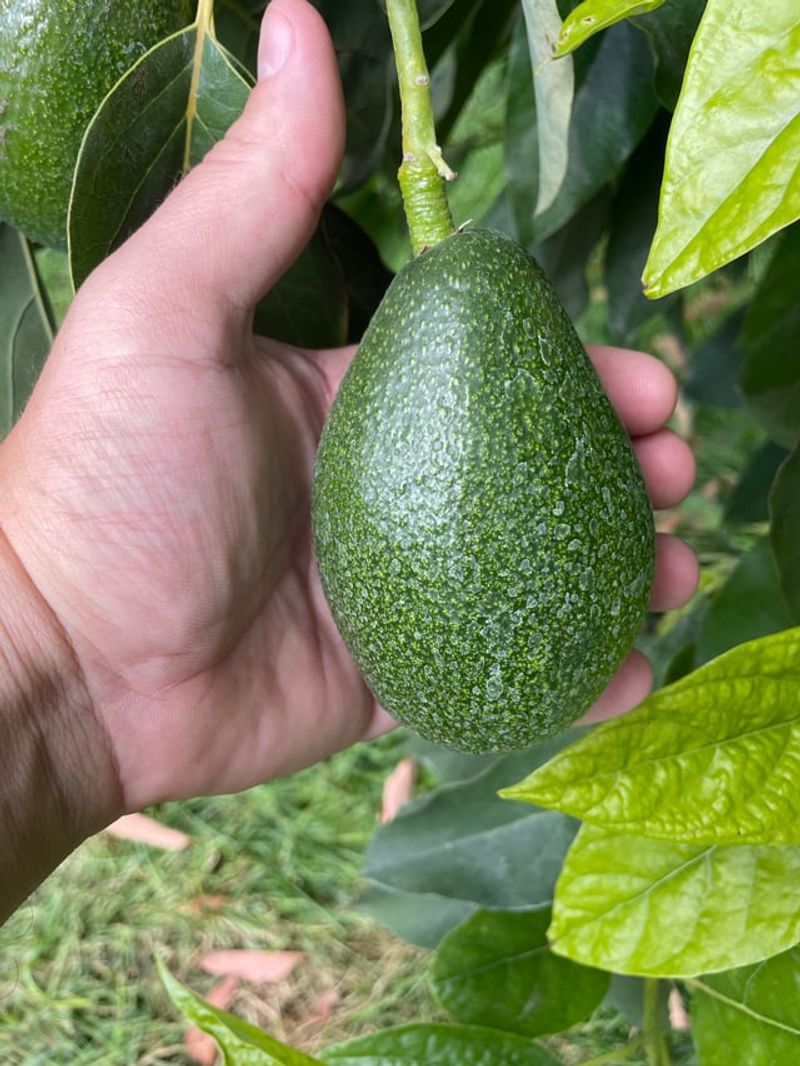
Bacon avocados are medium-sized with smooth green skin and a mild, slightly buttery flavor. They are not quite as rich as Hass, but they are still very enjoyable and easy to use in everyday cooking.
The tree is a type B pollinator, which makes it a great companion for type A varieties like Little Cado or GEM. It produces fruit from fall through winter, filling a gap when other trees are not fruiting.
In a container, Bacon grows to a manageable size with moderate pruning. Start with a 25 to 30-gallon pot and use a well-draining potting mix.
Because it is more cold-tolerant, it can stay outdoors in spots that would stress other avocado varieties.
Water regularly but avoid overwatering, especially during cooler months when the tree uses less moisture.
Fertilize lightly through spring and summer and hold back in winter. A little pruning after harvest keeps the shape tidy.
For gardeners in cooler parts of our state, Bacon might just be the most practical avocado choice available.