The Most Underrated Native Michigan Shrub That Creates A Natural Barrier Ticks Avoid
Most tick prevention conversations in Michigan focus on lawn treatments, clothing, and checking yourself after time outdoors.
Very few of them mention what you can actually grow along the edges of your property to make those spaces less appealing to ticks in the first place.
One native shrub has been doing exactly that kind of quiet work for years without getting any real recognition from the gardening community.
It grows densely enough to function as a genuine barrier, handles the clay soils and cold winters that Michigan properties regularly throw at plants, and comes back stronger every season with almost no intervention required.
For yards that back up to woods, fields, or unmowed edges, this shrub deserves a serious spot in the planting plan.
1. Spicebush
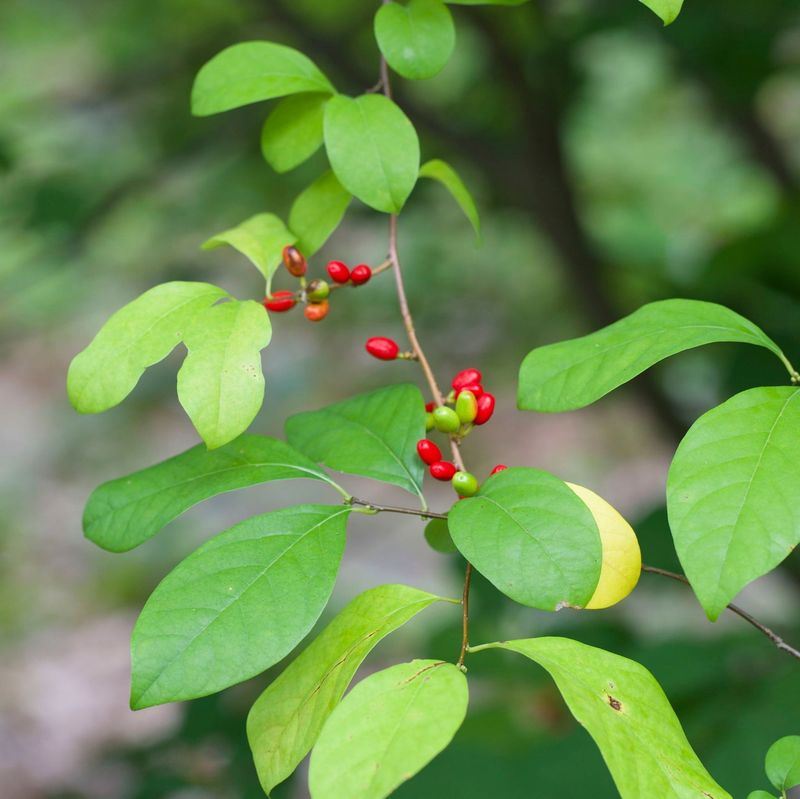
Most Michigan homeowners walk right past spicebush without realizing what a powerhouse plant it truly is.
Lindera benzoin grows naturally in Michigan woodlands and stream edges, thriving in conditions that many ornamental shrubs simply cannot handle.
Its aromatic oils are present in every part of the plant, from the leaves to the twigs to the bark, and that strong fragrance is exactly what makes ticks reluctant to move through areas where spicebush grows densely.
Planting spicebush along your yard borders, fence lines, or near vegetable beds creates a fragrant, living barrier that works around the clock.
For Michigan gardens, spicebush performs best in moist, well-drained soil with a slightly acidic pH between 5.5 and 6.5.
It handles part shade to full shade beautifully, which makes it ideal under tree canopies or along the north-facing sides of structures where other shrubs struggle.
Space plants about six to eight feet apart to allow natural spreading and air circulation. Water consistently during the first two seasons to help roots establish firmly.
Once settled in, spicebush is remarkably low-maintenance and rarely needs intervention. Adding a two-inch layer of organic mulch around the base retains moisture and keeps the root zone healthy through winters.
For a native shrub that multitasks this well, spicebush is genuinely hard to beat.
2. Dense, Aromatic Growth
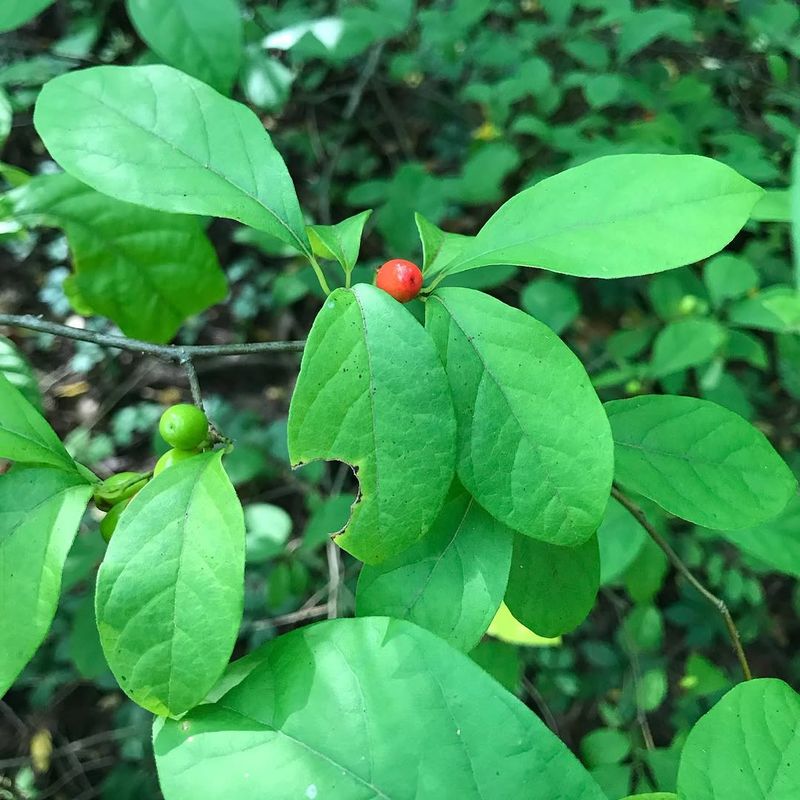
Spicebush does not just smell amazing, it actually builds a physical and chemical environment that ticks find completely inhospitable.
The shrub grows with tightly packed branches that create a dense microhabitat, and the essential oils released from its crushed or even undisturbed leaves fill the surrounding air with a sharp, spicy fragrance.
Ticks rely heavily on scent cues to locate hosts, and that overwhelming aromatic presence throws off their navigation in a major way.
Research on aromatic plants and tick behavior consistently shows that strong volatile compounds interfere with the sensory receptors ticks use to seek out warm-blooded animals.
Spicebush contains compounds including benzoin and camphor-like substances that create this natural deterrent effect.
Planting it strategically along walkways, yard perimeters, and near outdoor seating areas puts that protection exactly where your family spends time.
For the best results in a Michigan yard, plant spicebush in groupings of three or more shrubs rather than as isolated specimens.
Groupings create a continuous aromatic zone that covers more ground and strengthens the deterrent effect significantly.
Your Michigan Garden Changes Every Week. Your Plan Should Too.
Gardening in Michigan changes quickly throughout the season. Every Friday you’ll receive a simple weekly plan showing exactly what to plant, prune, fertilize, harvest, and protect so you never miss the right timing.
The dense branching also reduces the leaf litter and humid ground cover that ticks prefer for resting and reproduction. Keeping the base of each shrub clear of heavy debris further reduces tick-friendly conditions.
Over time, a well-placed spicebush planting genuinely changes the tick activity profile of your outdoor space.
3. Deer-Resistant Foliage
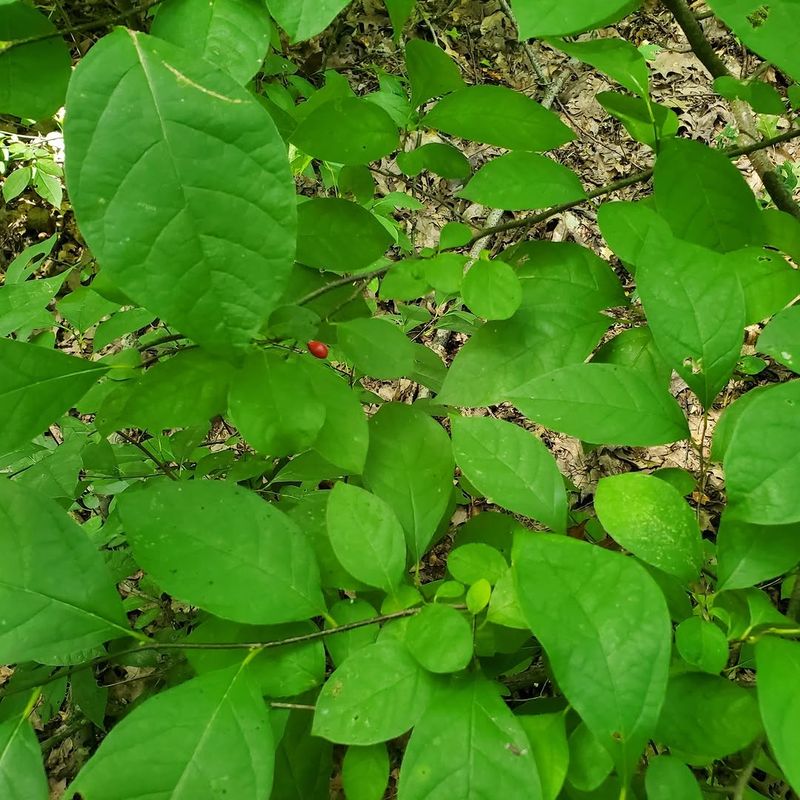
One of the most frustrating problems Michigan gardeners face is planting a beautiful shrub only to find deer have stripped it bare overnight. Spicebush sidesteps that problem almost entirely.
Deer tend to avoid it because of the same strong aromatic compounds that make it so effective at discouraging ticks.
That means your spicebush planting stays dense, full, and functional season after season without the gaps and setbacks that deer browsing causes in other shrubs.
Consistent coverage matters enormously when you are relying on a shrub to create a tick-deterring barrier. A shrub that gets browsed heavily loses its density, which opens up the low-growing spaces ticks love to inhabit.
Because deer largely leave spicebush alone, it maintains its tight branching structure and aromatic canopy continuously, which is exactly what you need for reliable protection along yard edges and garden borders.
In Michigan neighborhoods where deer pressure is high, spicebush is genuinely one of the smartest choices you can make for a border planting.
Pair it with other deer-resistant natives like wild ginger as a ground cover underneath, and you build a layered defense that stays intact through the full growing season.
The added bonus is that you spend far less time replanting or protecting damaged shrubs, which keeps your garden looking polished and your maintenance workload manageable. Spicebush earns its place by simply showing up and staying strong.
4. Early Spring Flowers
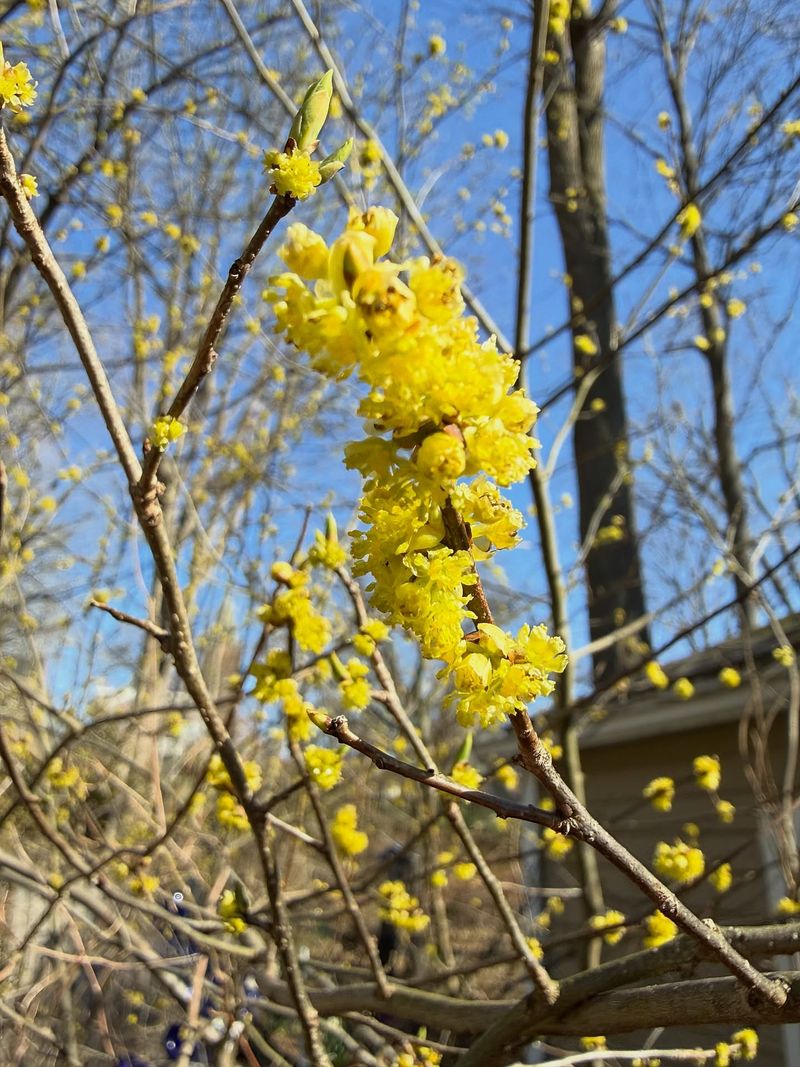
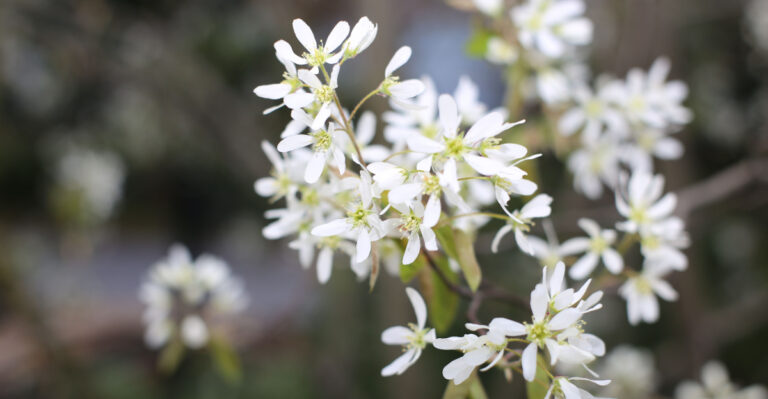
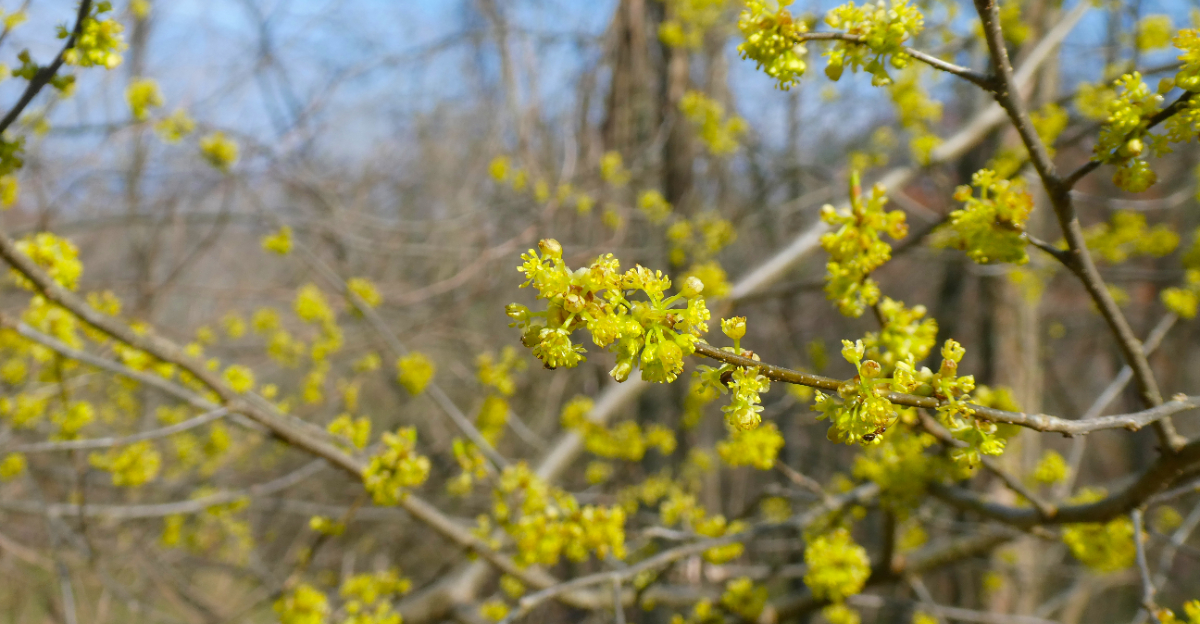
Before most trees have even thought about leafing out, spicebush bursts into tiny yellow flowers that light up the early spring landscape.
These small, clustered blooms appear directly on the bare branches in March and April, often while snow is still possible in Michigan.
That early flowering window is genuinely exciting for gardeners who are eager to see something alive and blooming after a long winter.
Beyond the visual charm, those early flowers serve a critically important ecological function. Native bees, including mining bees and early-emerging bumblebee queens, depend on early nectar sources to fuel their first foraging flights of the season.
Spicebush provides exactly that, offering reliable nectar when almost nothing else is blooming yet.
Supporting these early pollinators helps boost the entire garden ecosystem because healthy pollinator populations benefit every flowering plant you grow.
Interestingly, the flowering also happens before the dense leaf canopy develops, which means sunlight reaches the blooms easily and pollinators can access them without difficulty.
As the season progresses, the leaves fill in thickly and the tick-deterring aromatic coverage builds.
So spicebush pulls double duty from the very start of spring, first feeding your local bees and then protecting your yard from tick activity as summer approaches.
Planting even two or three spicebush shrubs gives you a reliable early spring show that feels genuinely rewarding after Michigan winters.
5. Summer Shade And Moisture Tolerance
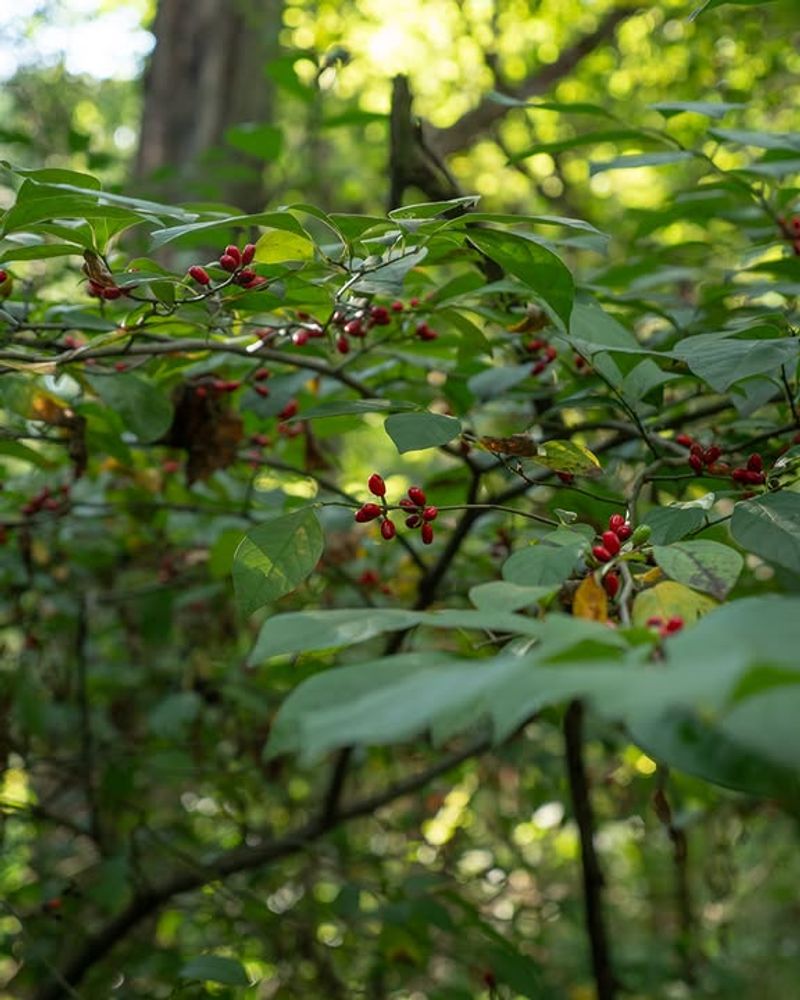
Shaded, moist corners of a Michigan yard can feel impossible to plant successfully, but spicebush was practically designed for exactly those conditions.
In the wild, it grows naturally along stream banks, in river floodplains, and under the canopy of mature hardwood forests.
That natural habitat means it is fully adapted to the part-shade and moisture-retentive soils that frustrate so many other plants. Here is why that adaptability matters for tick control specifically.
Ticks are most active in shaded, humid environments with low ground cover and leaf litter, which are the same areas where many yards struggle to maintain healthy vegetation.
When you plant spicebush in those difficult spots, you replace a tick-friendly zone with a dense, aromatic shrub that actively disrupts tick activity. You are essentially flipping a problem area into a protective asset.
For planting in moist areas, amend heavy clay soils with compost to improve drainage slightly while retaining enough moisture to keep spicebush happy.
Avoid areas with standing water for extended periods, as prolonged waterlogging can stress the roots.
In part-shade conditions, spicebush still grows vigorously and maintains dense foliage coverage. Full shade is manageable but may slow growth slightly.
Mulching around the base with shredded leaves, which is a very Michigan-appropriate choice, mimics the natural forest floor and keeps roots cool and moist through hot summer months. Spicebush genuinely thrives where other shrubs give up.
6. Produces Berries For Wildlife
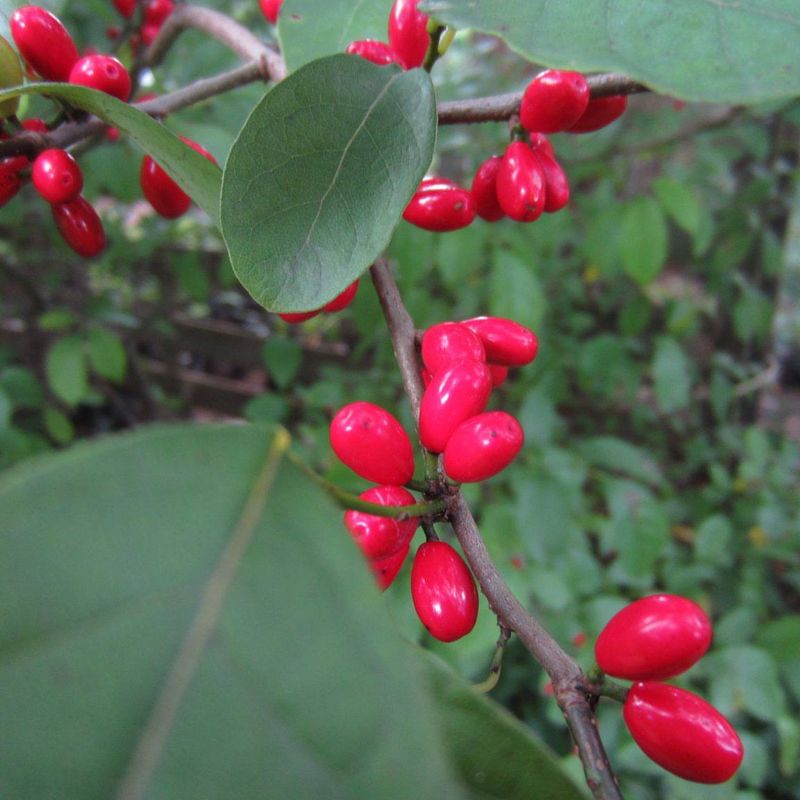
Female spicebush plants put on a spectacular show in late summer and early fall when their branches become loaded with small, glossy red berries.
These bright red drupes are not just decorative, they are a high-fat food source that migrating birds actively seek out during their fall journeys.
Wood thrushes, veeries, and great crested flycatchers are among the species documented feeding heavily on spicebush berries during migration.
Planting female spicebush in your Michigan yard genuinely supports bird populations that depend on native food sources.
From a tick-control perspective, this bird activity is a nice bonus. Many bird species, including robins and catbirds, actively forage on the ground for insects and invertebrates, which can include tick larvae and nymphs in the leaf litter.
Encouraging more bird activity in your yard through berry-producing natives like spicebush adds another layer of natural pest management to your garden ecosystem.
To get berries, you need at least one male and one female plant since spicebush is dioecious, meaning individual plants are either male or female. Planting two or three shrubs of mixed gender ensures reliable berry production each year.
Nurseries that specialize in native plants often sell sexed plants or can advise on selecting both.
The berries ripen from August through October, giving your garden stunning color right through the season and keeping birds visiting your yard long after summer flowers have faded.
7. Multi-Season Interest
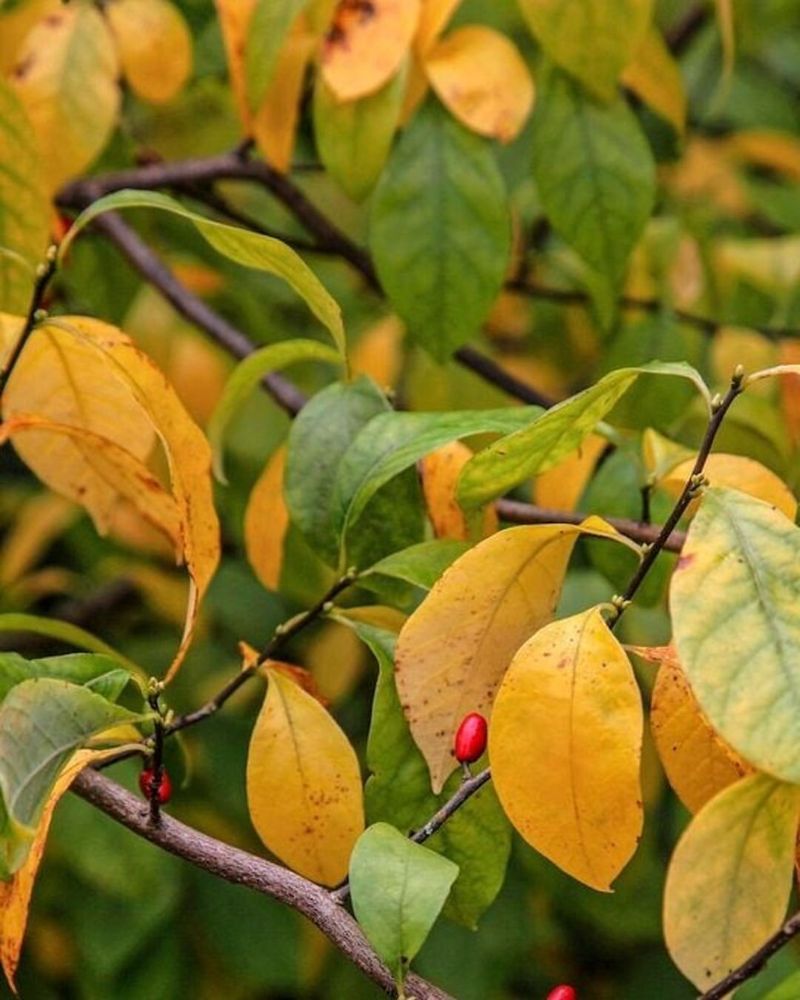
A shrub that looks great in only one season is never quite pulling its full weight in a garden. Spicebush, thankfully, earns its spot through every single season of the Michigan year.
Spring brings those cheerful yellow flowers on bare branches, which is a welcome sight after months of grey winter.
Summer fills the shrub out with lush, aromatic green foliage that creates dense coverage and keeps tick activity low across your yard perimeter.
Fall is honestly where spicebush becomes absolutely stunning. The leaves turn a clear, bright golden yellow that glows in autumn sunlight, rivaling the fall color of much more famous ornamental shrubs.
Combined with the lingering red berries on female plants, the fall display is genuinely beautiful and completely effortless since no special pruning or feeding is needed to achieve it.
Winter strips the leaves away but reveals a handsome branching structure with small, rounded flower buds already forming for the next spring.
Those buds give the winter silhouette a pleasing texture that catches the eye even in a snow-covered garden.
For Michigan homeowners who want a landscape that looks intentional and well-designed year-round, spicebush delivers that without demanding much in return.
The combination of ornamental beauty across all four seasons and consistent tick-deterring function makes it one of the most genuinely valuable native shrubs you can add to a Michigan yard today.
8. Spreading Habit For Coverage
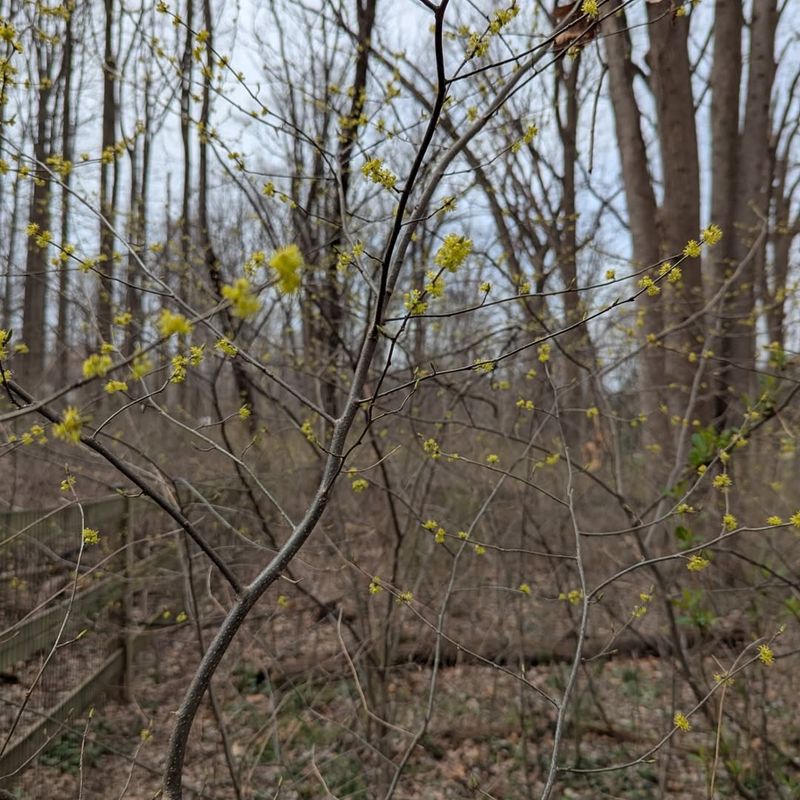
Spicebush has a naturally spreading growth habit that works in your favor when you are trying to create continuous tick-deterring coverage.
Over time, established plants send up new shoots from the root system, gradually forming clumps that fill in gaps along borders and edges.
This natural spreading means less replanting and fewer bare spots in your defensive perimeter, which is exactly what you want for consistent protection.
For most Michigan gardens, spacing spicebush plants six to eight feet apart gives each shrub enough room to develop its full form while still allowing the clumps to eventually merge into a continuous hedge-like planting.
If you want faster coverage, closer spacing of four to five feet speeds up that process, though you may need to thin occasionally to maintain airflow between plants.
Light pruning after flowering in spring helps control the spread if your space is limited. Remove older, thicker stems at the base every few years to encourage fresh, vigorous new growth and keep the shrub dense rather than leggy.
Avoid heavy pruning in late summer or fall because that removes the following year’s flower buds. Spicebush rarely needs aggressive shaping, and its natural form is honestly its best form.
Letting it spread and fill space naturally creates the kind of thick, layered coverage that makes ticks uncomfortable and keeps your yard boundary looking lush, intentional, and beautifully low-maintenance throughout the growing season.
9. Companion Planting Benefits
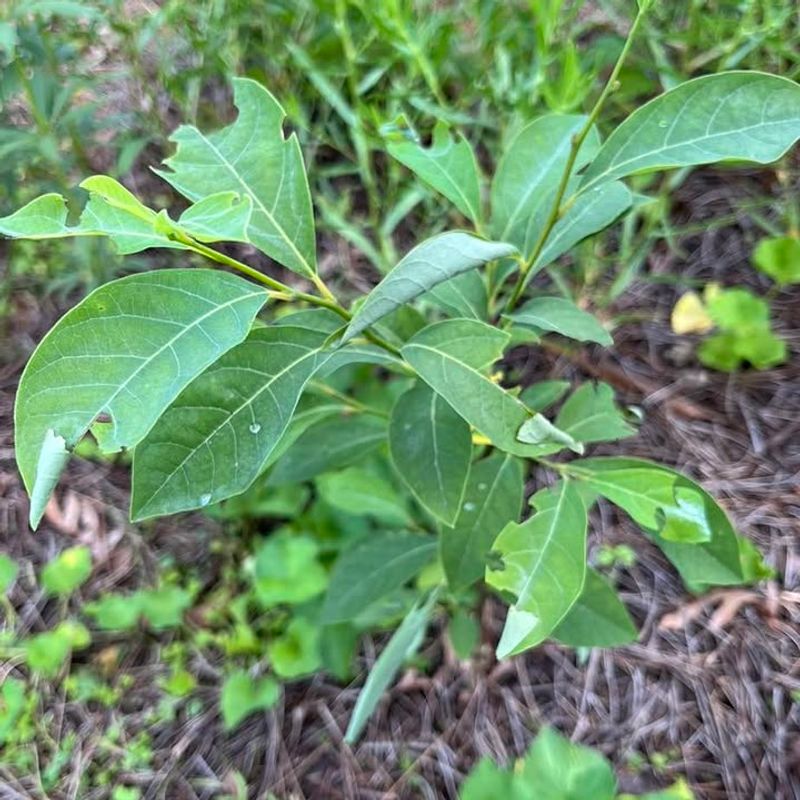
Spicebush becomes even more effective when you pair it thoughtfully with other native Michigan shrubs.
Layered plantings that combine different heights, textures, and bloom times create a richer habitat for pollinators while dramatically increasing the tick-deterring coverage across your yard.
Northern Bush Honeysuckle, Mapleleaf Viburnum, and Leatherwood are all excellent companions that thrive in similar soil and light conditions as spicebush.
Northern Bush Honeysuckle adds tubular yellow flowers in early summer that attract hummingbirds and native bees, filling the pollinator gap between spicebush’s spring bloom and fall berry season.
Mapleleaf Viburnum brings stunning pink and purple fall foliage along with berry clusters that feed birds, adding another layer of wildlife support to your planting.
Leatherwood, a delicate understory shrub, contributes soft yellow flowers in early spring and an airy texture that contrasts beautifully with spicebush’s denser form. Together, these shrubs create a planting that works on multiple levels at once.
The varied heights and densities eliminate the open ground patches and low humid zones that ticks prefer, while the diverse flowering times support pollinators across a much longer season.
From a design standpoint, layered native shrub borders look genuinely intentional and polished without requiring constant upkeep.
Once established, a well-planned native shrub combination practically manages itself, rewards you with beauty across every season, and keeps your outdoor spaces far more enjoyable for your family all summer long.