7 Georgia Plants To Propagate Now Before Summer Heat Makes It Harder
There is a window in the Georgia gardening calendar that many people miss entirely.
It opens in mid-April and closes somewhere around beginning of June. What happens inside that window can determine how much the garden costs you for the rest of the season.
Plants that would run fifteen or twenty dollars at a nursery can be multiplied from cuttings in just a few weeks.
Clumps that have been quietly crowding each other for several seasons can be divided and spread across the yard at no additional cost. Herbs, shrubs, perennials.
So, which plants in your garden are at their most cooperative for propagation?
That answer changes fast. The same plant that roots so easily in June becomes significantly harder to work with by July, when Georgia heat has toughened the stems and stressed the root zone.
The window does not announce itself. It just opens and then closes again before many gardeners realize it was there.
These plants are worth acting on before that happens.ne
1. Root Hydrangea Cuttings Before Heat Slows Progress
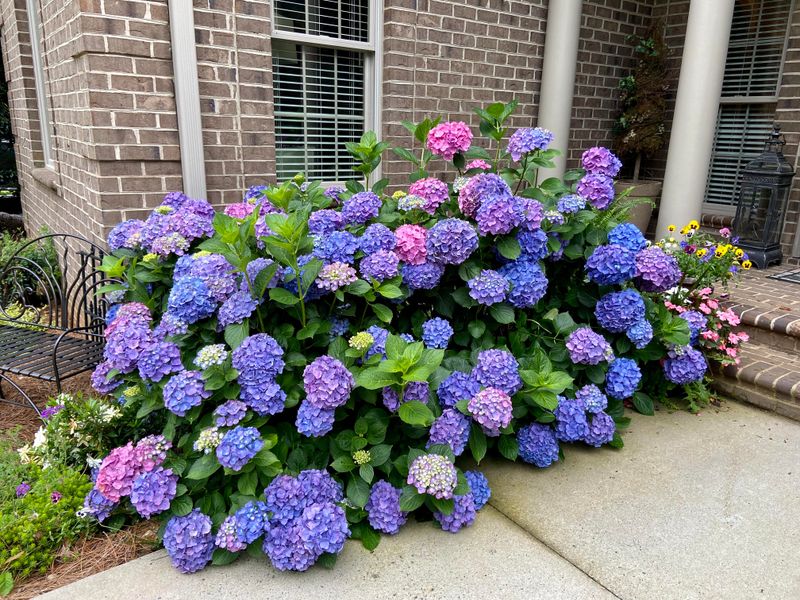
Late spring gives hydrangea cuttings something Georgia summers simply do not. Warm enough temperatures to encourage rooting, cool enough conditions to keep the cutting from collapsing under heat stress before roots form.
The target is softwood growth. Stems that bend without snapping and feel slightly flexible are exactly what you want. Once summer arrives and those stems turn woody, the cooperative window closes.
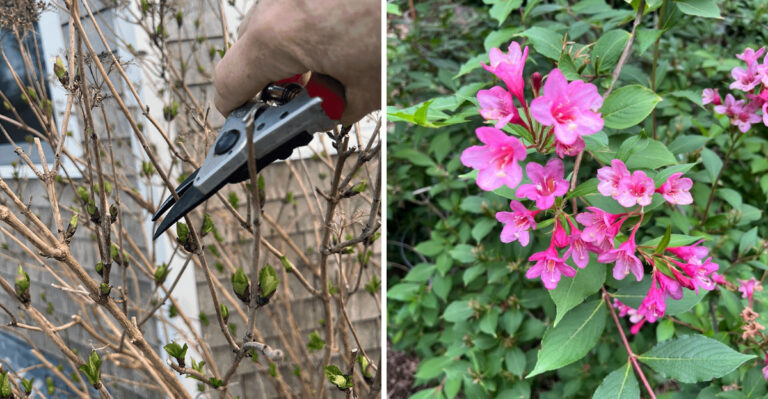
Cut a four to six inch stem just below a leaf node. Remove the lower leaves and dip the cut end in rooting hormone powder.
Place the cutting into a container filled with a mix of perlite and potting soil. Keep the medium consistently moist but never waterlogged, since too much moisture can cause stem rot before any roots develop.
Shade is essential during this phase. Bright, indirect light rather than direct afternoon sun keeps the cutting from losing moisture faster than it can be replaced.
A shaded porch or a position under a large tree works well. A loose plastic bag tented over the container holds humidity and slows moisture loss without trapping excessive heat.
Roots typically appear within three to five weeks under these conditions. A seedling heat mat underneath the container can accelerate the process if one is available.
Once roots reach an inch or more in length, move the young plant to a slightly sunnier position to begin hardening off gradually.
Planting into the garden in early fall gives the new hydrangea a full season of establishment before it faces its first Georgia winter.
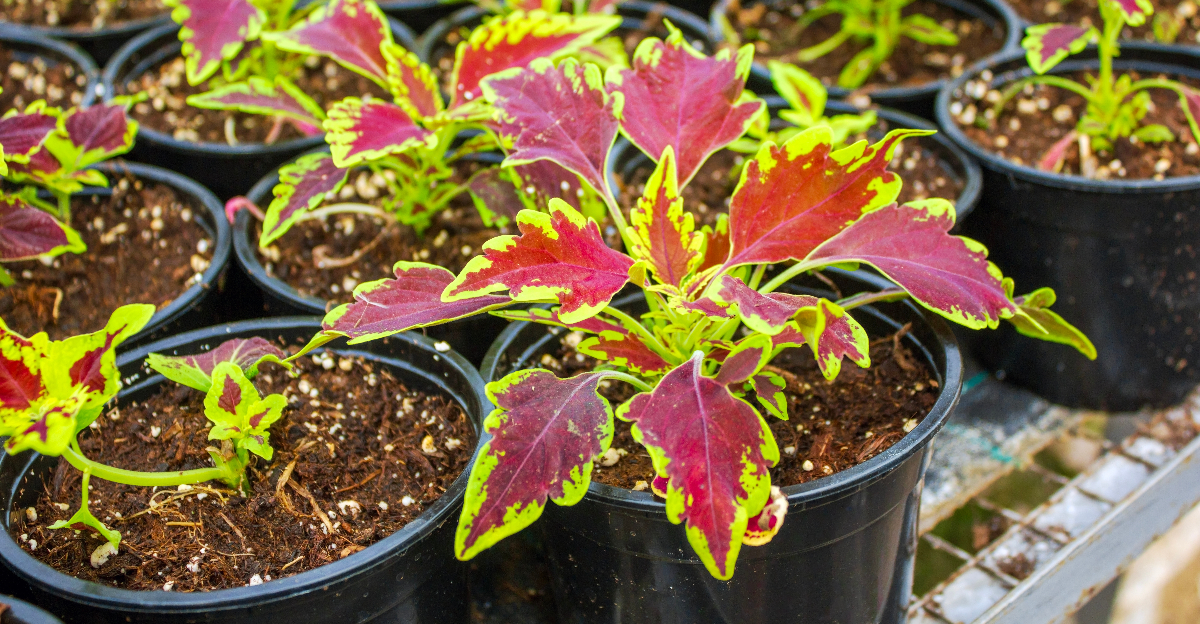
2. Start Coleus Cuttings While Stems Are Still Tender
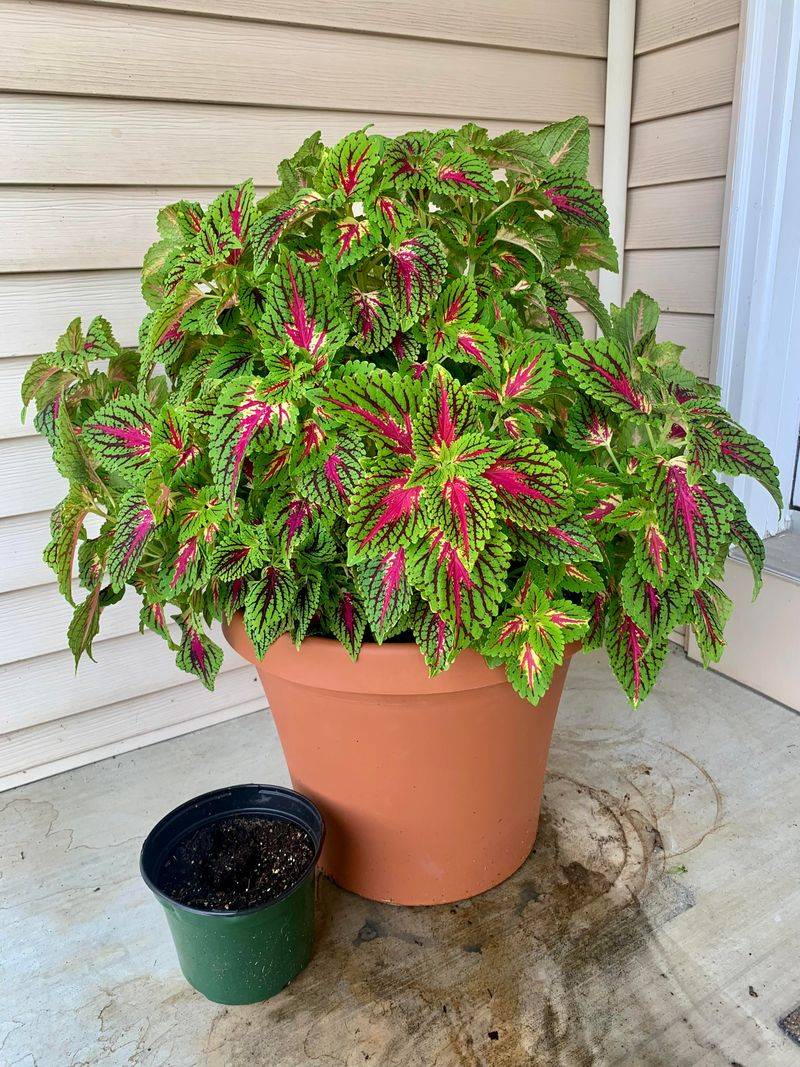
Coleus is one of the most forgiving plants available for propagation, and right now its stems are at their most cooperative.
Before Georgia heat pushes the plant into overdrive and thickens those stems, four to six inch tip cuttings take almost no effort to prepare. The stems are still soft, flexible, and eager to produce roots given the right conditions.
Water rooting is the simplest approach. Strip the lower leaves, place the stem in a clean jar with fresh water, and set it somewhere bright but away from harsh direct sun.
Your Georgia Garden Changes Every Week. Your Plan Should Too.
Gardening in Georgia changes quickly throughout the season. Every Friday you’ll receive a simple weekly plan showing exactly what to plant, prune, fertilize, harvest, and protect so you never miss the right timing.
Roots typically appear within seven to ten days, which is one of the more satisfying timelines in home propagation.
Once roots reach about an inch in length, pot the cutting into a well-draining mix and keep it in a shaded position while it adjusts.
For soil rooting, dip the cut end in rooting hormone and place it into moist perlite or a seed-starting mix.
A clear plastic bag placed loosely over the container holds humidity. Remove the bag for a few hours each day to prevent fungal buildup from developing inside.
Keep cuttings out of direct afternoon sun throughout the rooting phase. The tender leaves wilt quickly when exposed to harsh rays before roots are established to support the plant.
Coleus ultimately performs best in part shade to full shade across Georgia summers. Starting propagation in shaded conditions sets the new plant up for exactly where it will eventually live.
3. Take Basil Cuttings Before Plants Turn Woody
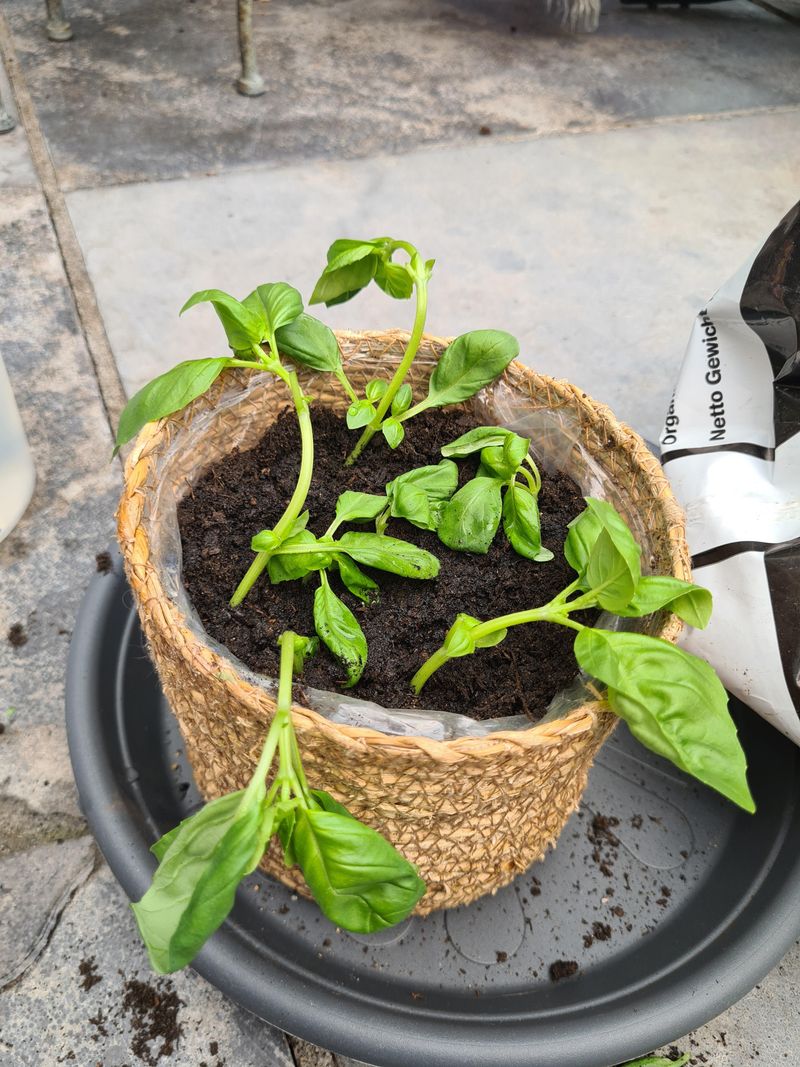
Basil has a narrow propagation window and it is open right now.
Once Georgia summer heat arrives fully and the plant shifts its energy toward flowering and seed production, stems toughen and rooting becomes considerably less reliable.
The soft, lush growth available in late spring is far more cooperative than anything the plant produces later in the season.
Select a healthy, non-flowering stem and cut just below a node, leaving about four to six inches of stem. Strip the lower leaves so no foliage sits submerged in water, then place the stem in a clean glass or jar.
Position it near a bright window but away from direct, intense sun. Excessive heat causes the cutting to wilt before roots can establish.
Change the water every two to three days to keep it fresh and prevent bacterial buildup around the cut end. Small white roots typically emerge from the nodes within one to two weeks.
Once roots reach about an inch in length, transfer the cutting into a small pot with well-draining potting mix. Water thoroughly and keep it in a bright but not intense position for the first several days while it adjusts to soil.
Pinching the top leaves after potting encourages branching rather than vertical growth, which keeps the plant compact and productive through the rest of the season.
Basil roots so easily in water that it almost feels like cheating. It absolutely is, and the kitchen sees the benefit immediately.
4. Propagate Rosemary Before Dry Heat Toughens Stems
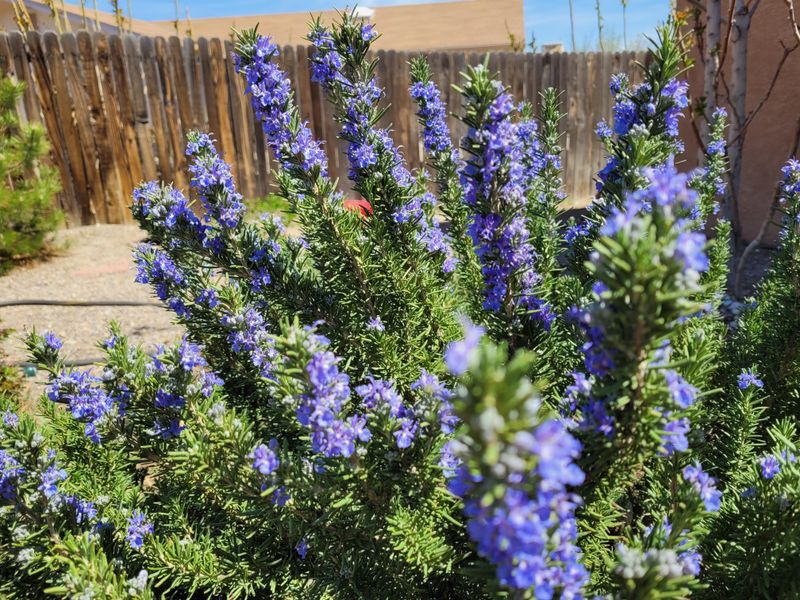
Rosemary is a reliable plant in the Georgia landscape, but propagating it successfully requires catching the stems at the right moment.
Right now, the new growth is what growers call semi-soft. Past the floppy softwood stage of early spring but not yet the fully hardened woody growth that develops through summer. That semi-soft stage is where cuttings root most consistently.
Select stems about three to four inches long with healthy green foliage at the tips. Strip the lower third of leaves to expose a clean section of stem and dip that section in rooting hormone powder.
Plant the cutting into a container filled with a very well-draining mix such as coarse sand combined with perlite.
Rosemary does not tolerate soggy conditions at the root level, and keeping the medium slightly on the drier side between waterings is central to success.
Position containers in bright indirect light with good airflow around the foliage. Unlike many cuttings, rosemary does not need to be enclosed in a plastic bag. Too much humidity around the foliage encourages fungal problems rather than helping.
Rooting takes four to eight weeks, which is longer than most gardeners expect from an herb. A gentle tug test after a month provides the answer. Resistance means roots have formed. No resistance means more waiting.
Once rooted, introduce the cutting to more direct light gradually before planting out in fall.
Rosemary takes its time rooting and then acts like it was never uncertain for a single moment.
5. Start Salvia Cuttings For More Summer Color
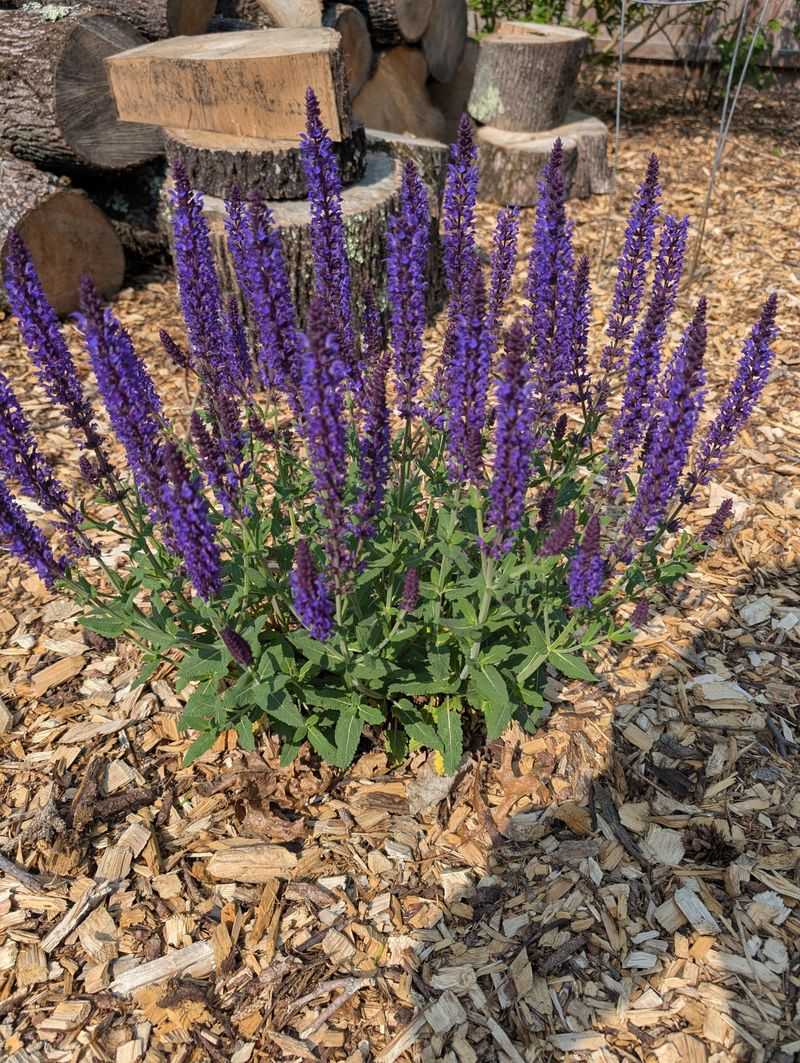
Salvia and Georgia summers are genuinely well-matched, and late spring is the moment to multiply whatever varieties are already working in the garden.
Cuttings taken now root quickly and produce flowering plants well within the current season. More plants mean more color, more hummingbird activity, and more pollinator traffic through the warmest months.
Choose stems four to six inches long carrying at least two to three sets of leaves. Remove all foliage from the lower half of the cutting to expose the nodes, since roots develop from those points.
A clean, sharp cut is worth taking time over. A ragged or crushed stem slows rooting and creates an entry point for disease.
Dip the bare stem in rooting hormone and insert it into a tray of moist perlite or seed-starting mix. Place the tray in bright but indirect light. Direct afternoon sun stresses the tender stems before roots can develop to support the plant.
Mist cuttings lightly each day and check medium moisture consistently. The goal is even moisture throughout without standing water collecting at the bottom of the tray.
Roots typically form within two to four weeks. New leaf growth at the tip is a reliable confirmation that rooting has occurred. Pot individually into well-draining mix and allow a week or two to settle before hardening off outdoors.
Planting into the garden in early summer gives the new salvias time to establish before peak heat builds.
One cutting becomes one plant becomes a lot more hummingbird visits. The math is favorable.
6. Root Lantana Tips While New Growth Is Active
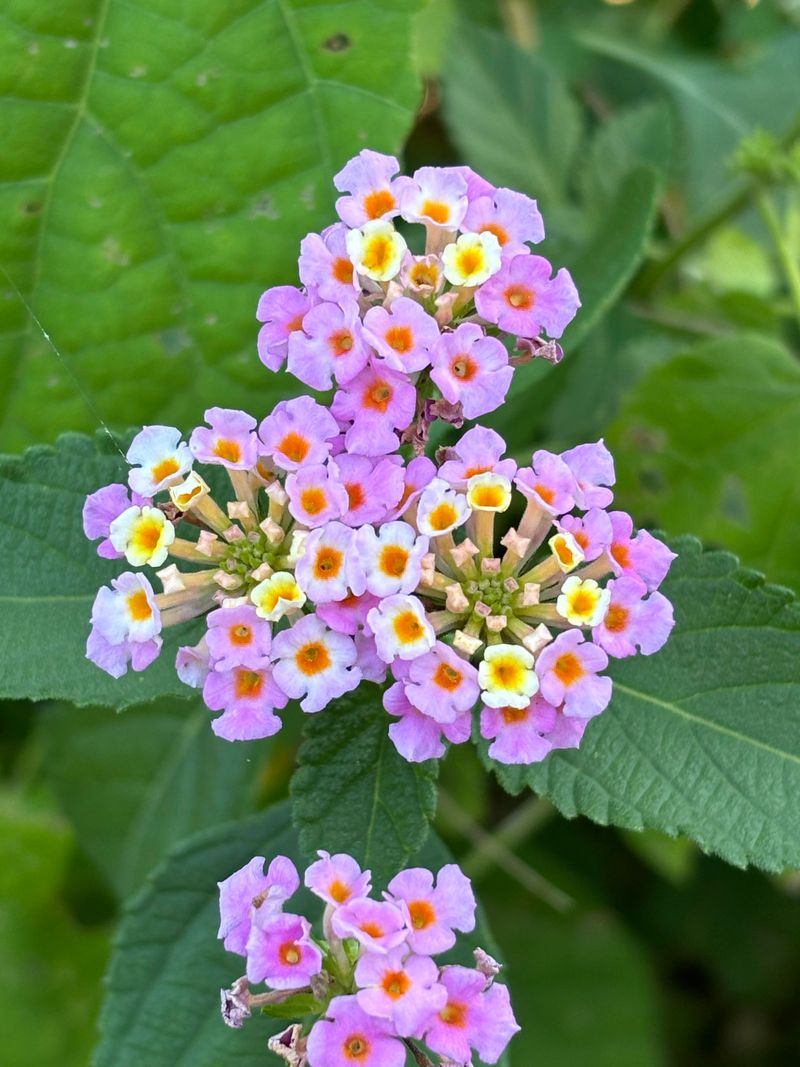
Lantana barely slows down once Georgia summer arrives, but right now the new growth tips are at their most cooperative for propagation.
The active spring flush produces stems that are green, flexible, and ready to root given the right conditions.
Taking tip cuttings during this window means new plants will be rooted and potted before the season’s most intense heat arrives.
Snip two to four inch tips from actively growing stems. Target growth that is pliable rather than older, woodier sections lower on the plant.
Remove the lower leaves and dip the cut end in rooting hormone before placing cuttings into a moist but well-draining propagation mix of perlite and a small amount of potting soil.
Warmth supports rooting in lantana. A position that stays between 70 and 80 degrees is the practical target.
Moisture management is the most important factor during this phase. Lantana does not perform well in consistently wet soil, and overwatering before roots form is the most common propagation mistake. Water when the top of the medium feels dry and make sure containers drain freely.
Roots typically form within three to four weeks under warm conditions. New leaf growth emerging from the tip confirms successful rooting.
Move the young plant to progressively more direct light, since lantana eventually performs best in full sun.
By midsummer, the new plants should be blooming alongside the parent plant as if they had been there the whole time.
Lantana rewards almost no effort with significant presence. The pollinators do not care how little it cost.
7. Multiply Fig Cuttings Before Stress Builds
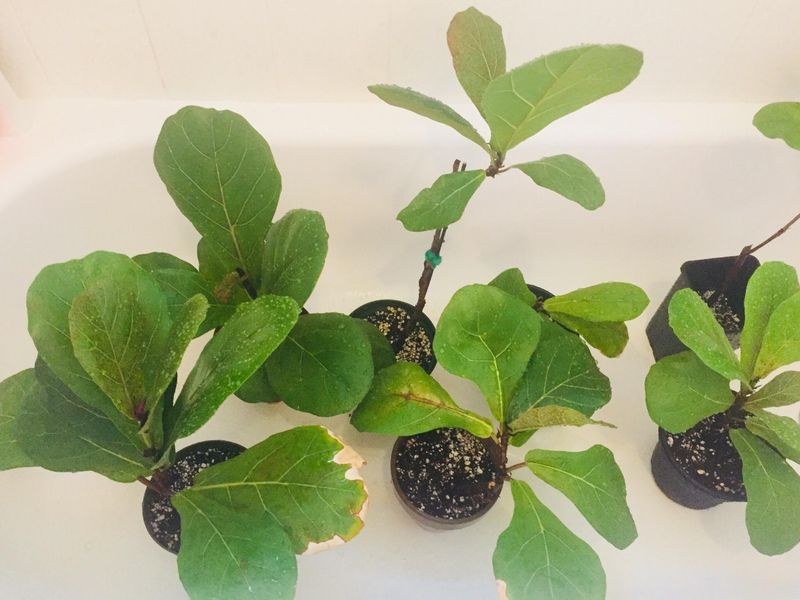
Figs suit the Georgia climate exceptionally well. However, the easiest propagation window usually comes earlier, with hardwood cuttings taken in late winter.
If you missed the late-winter hardwood cutting window, consider layering a low branch instead of relying on soft spring tip growth.
For figs, one-year-old hardwood generally roots more reliably than tender green tips or soft spring growth.
For the most reliable fig propagation, take hardwood cuttings in late winter from one-year-old wood, usually about eight to ten inches long. Remove all but the top two leaves to reduce moisture loss from the cutting before roots develop.
Dip the cut end in rooting hormone and plant into a container with a moist, well-draining mix of equal parts perlite and potting soil. Keep the container in a warm, partially shaded position.
Moisture management is the central challenge with fig cuttings. Consistent moisture encourages root development, but standing water creates conditions for rot.
Containers outperform in-ground rooting for figs because moisture and progress are far easier to monitor. Container rooting also protects the cutting from soil temperature extremes during establishment.
Softwood cuttings typically root within four to six weeks. A gentle tug test after a month confirms whether rooting has occurred.
Once rooted, keep the young fig in the container through summer to build root mass before transplanting into a permanent garden position in early fall.
Figs are generous plants at every stage. Propagation is no exception.