8 Flower Seeds To Plant In May For Continuous Summer Color In Georgia
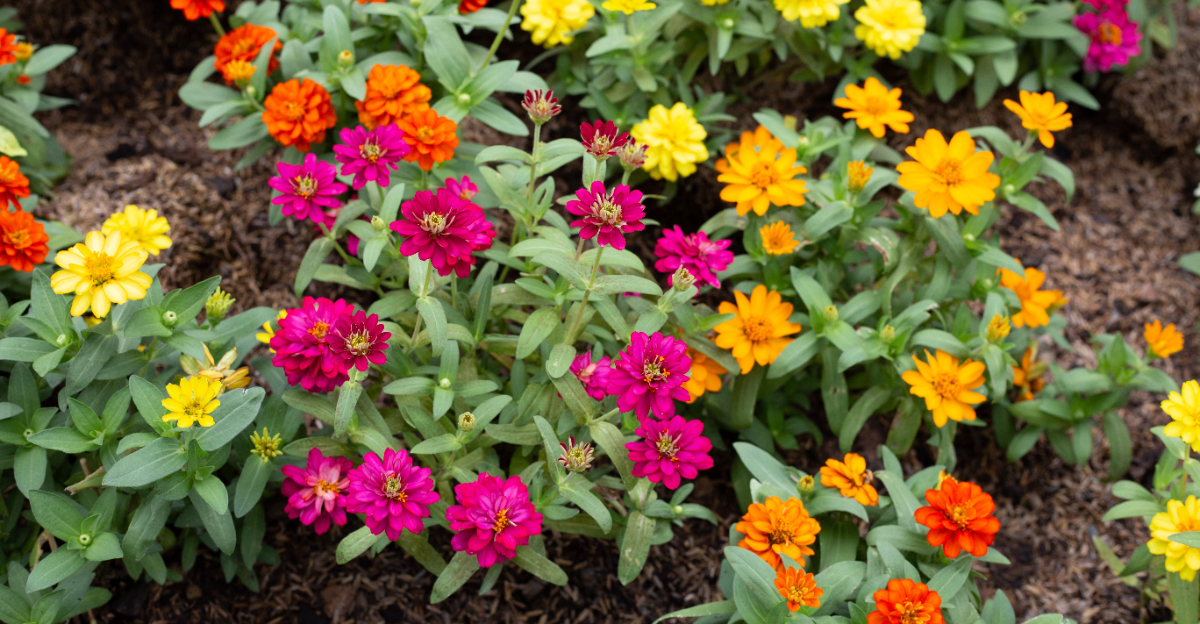
May can feel like a turning point in a Georgia yard, where spring color starts to fade and the heat slowly takes over. Beds that looked full just weeks ago can begin to lose their energy, leaving gaps that are hard to ignore.
Some gardeners try to fix it with more plants, but that often leads to short bursts of color that do not last through summer.
There is another way to handle that shift, and it starts with what goes into the soil right now. Seeds planted at the right time settle in quickly, adjust to rising temperatures, and keep showing up long after early blooms are gone.
Color becomes more steady instead of coming and going.
Choosing what to plant makes all the difference, especially with Georgia conditions in mind. A few well picked options can carry a garden through heat without constant replanting or extra work.
1. Zinnias Grow Fast And Bloom Through Summer Heat
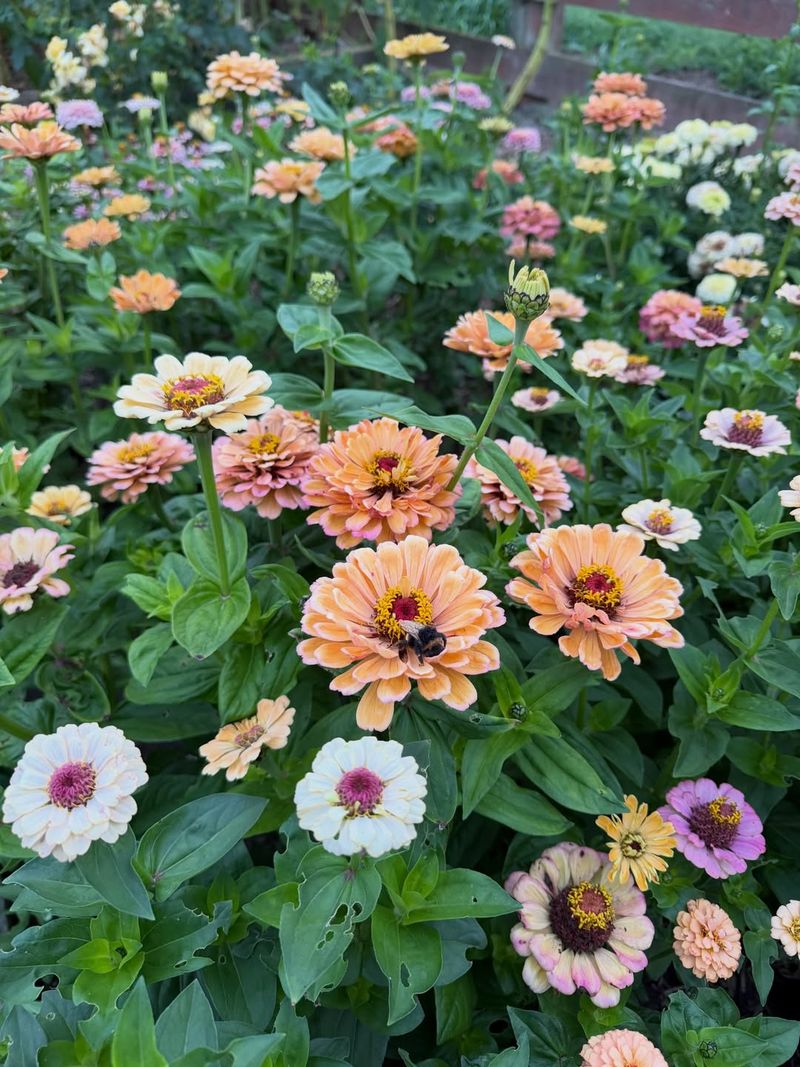
Few flowers are as satisfying to grow from seed as zinnias, especially in a Georgia summer. Drop seeds into warm soil in May and you can expect blooms in as little as six to eight weeks.
Once they start flowering, they rarely stop until the first frost rolls in.
Zinnias love heat, which makes them perfectly suited for the intense Georgia summer climate. They perform best in full sun and well-drained soil, and they actually struggle more in cool, wet conditions than in dry heat.
Watering at the base rather than overhead helps prevent powdery mildew, which can show up during humid spells.
One of the best things about zinnias is that cutting the blooms encourages even more flowers to form. Deadheading spent blooms regularly keeps the plant producing nonstop through August and September.
Varieties like Benary’s Giant and State Fair are especially vigorous and produce large, bold blooms that hold up well in the Georgia heat.
Sow seeds directly in the ground after soil temperatures reach at least 60 degrees Fahrenheit. Thin seedlings to about 12 inches apart to give each plant enough airflow.
With minimal care, zinnias deliver maximum color all summer long.
Space rows so air can move freely between plants, which helps keep foliage clean during humid stretches. For longer stems and fuller plants, pinch the tops when they reach about 8 to 10 inches tall.
2. Cosmos Produce Continuous Flowers In Warm Weather
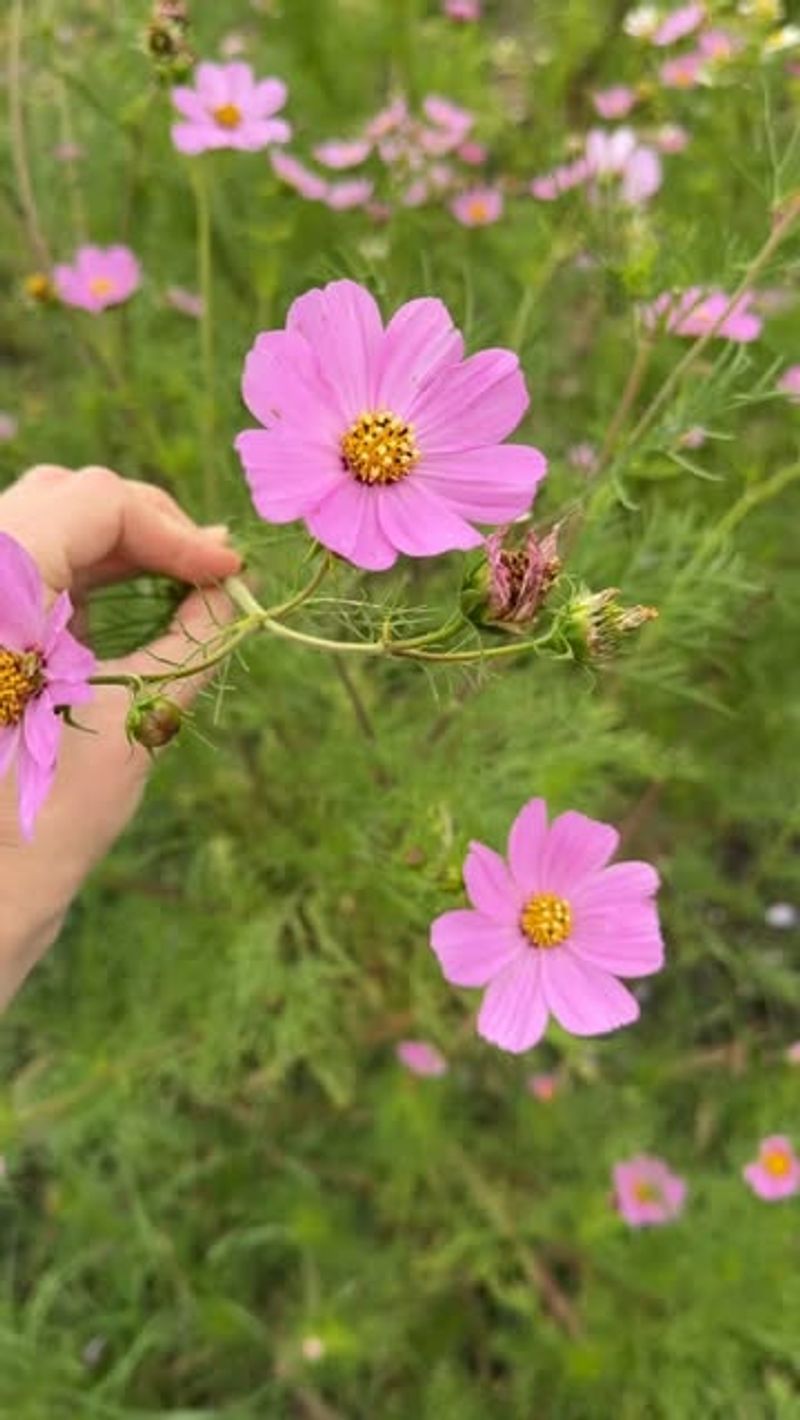
Cosmos are one of those flowers that seem almost too easy to grow, yet they deliver spectacular results season after season. Scatter seeds on bare soil in May, barely cover them, and within a few weeks you will have tall, airy plants loaded with daisy-like blooms in shades of pink, white, and magenta.
What makes cosmos especially valuable in Georgia gardens is their ability to thrive in poor soil. Rich, fertilized soil actually causes them to produce more leaves and fewer flowers.
Skip the heavy feeding and let them do their thing in average, well-drained ground.
Cosmos handle the warm Georgia climate well, but they appreciate some afternoon shade during peak summer heat in hotter inland areas. Near the coast, they tend to bloom freely in full sun without much trouble.
Your Georgia Garden Changes Every Week. Your Plan Should Too.
Gardening in Georgia changes quickly throughout the season. Every Friday you’ll receive a simple weekly plan showing exactly what to plant, prune, fertilize, harvest, and protect so you never miss the right timing.
Either way, consistent deadheading keeps the blooms coming from June straight through fall.
Taller varieties like Sensation Mix can reach four feet, making them excellent background plants for mixed borders. Shorter types like Sonata work beautifully in containers or front garden beds.
Cosmos also attract butterflies and beneficial insects, which adds another layer of life and activity to your summer garden without any extra effort on your part.
Thin seedlings early so each plant has space to branch out and stay upright without crowding.
Light staking helps taller types hold their shape through summer storms and keeps the blooms looking clean.
3. Sunflowers Grow Quickly And Keep Blooming All Season
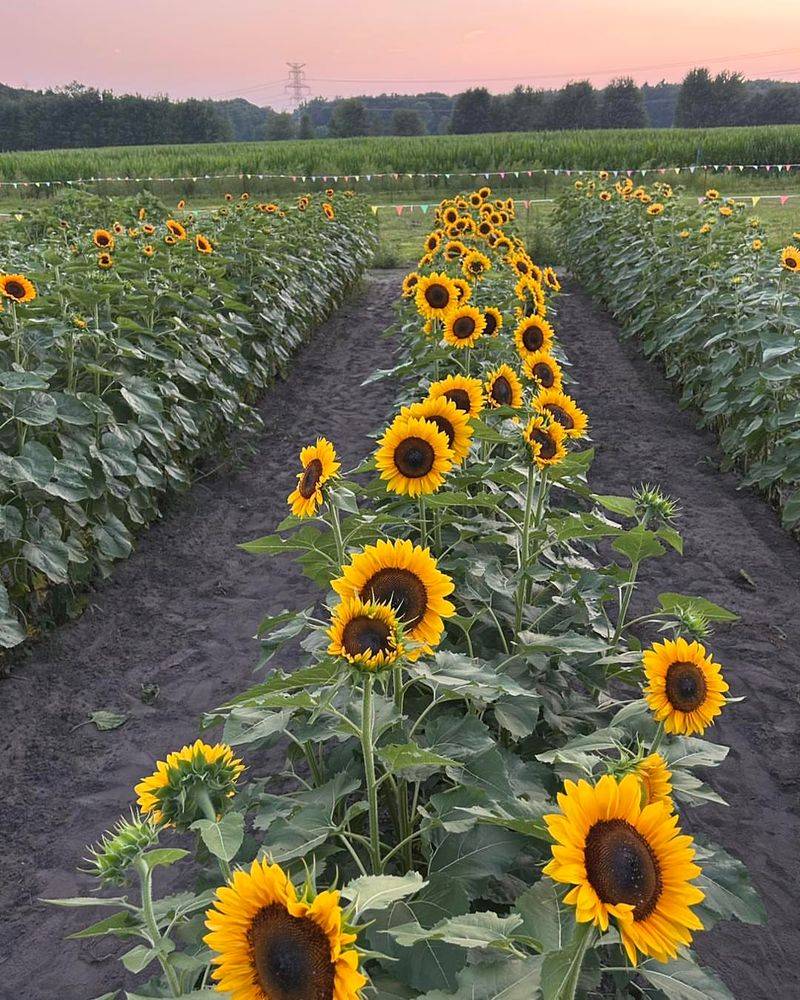
Planting sunflower seeds in May in Georgia sets you up for a long season of bold, cheerful blooms that show up fast and keep going longer than most people expect. Standard single-stem varieties produce one large bloom per plant, but branching types like Autumn Beauty or Lemon Queen keep pushing out new flowers week after week.
Sunflowers are serious sun lovers and need at least six to eight hours of direct light each day. They handle Georgia heat remarkably well once established, though they do appreciate regular watering during dry spells, especially when they are young.
Once roots are deep, they become fairly drought tolerant.
Plant seeds about one inch deep and six inches apart, then thin to about 12 to 18 inches once seedlings emerge. Staggering plantings every two to three weeks through May gives you a rolling wave of blooms rather than one big flush all at once.
Gardeners in north Georgia may get slightly longer bloom periods due to milder temperatures compared to the coast.
Sunflowers also bring birds to the garden once seeds mature, which is a bonus for anyone who enjoys wildlife. Leaving a few spent heads standing at the end of the season feeds goldfinches and other local birds through the early fall months.
For taller varieties, stake early or plant near a fence to keep stems upright when summer storms roll through.
4. Marigolds Handle Heat And Bloom Without Stopping
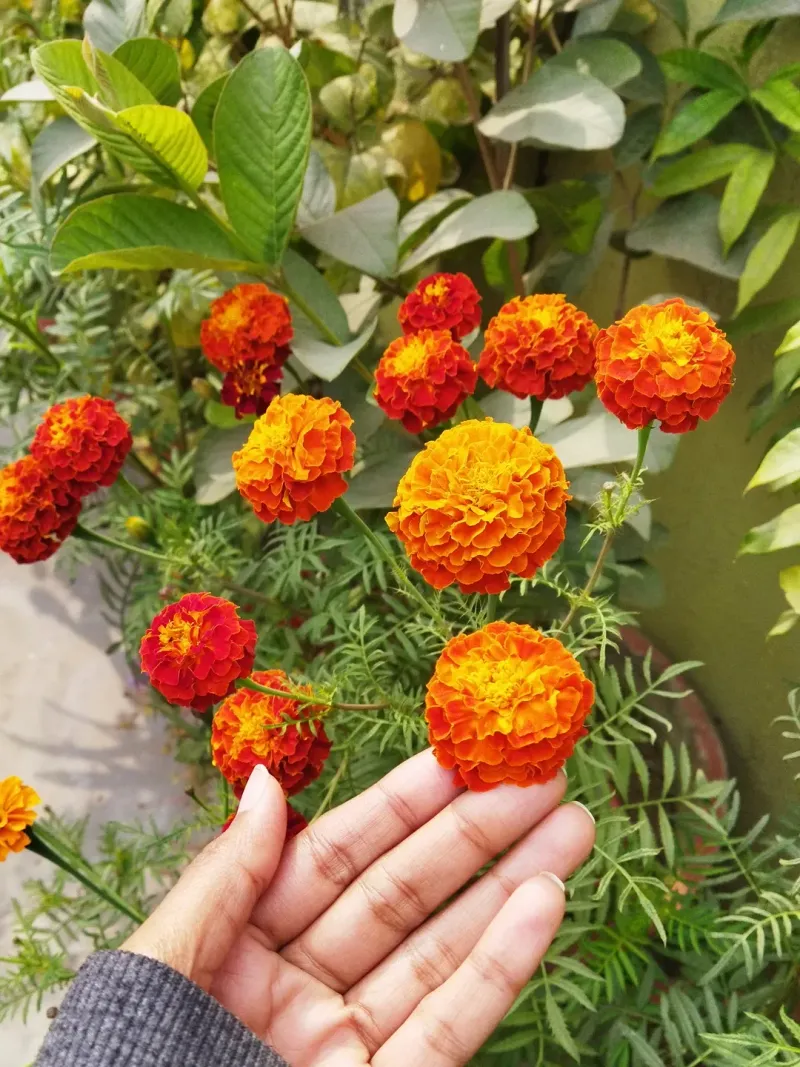
Marigolds are workhorses in the summer garden, and Georgia growers have relied on them for generations for good reason. Plant seeds in May after the last cool nights pass, and these tough little plants will reward you with non-stop blooms from early summer right up until frost.
African marigold varieties tend to produce the largest flowers and handle Georgia heat especially well. French marigolds stay more compact and are great choices for container gardens or edging along walkways.
Both types perform best in full sun and need very little fertilizer once established in decent soil.
One practical benefit of marigolds is that their strong scent can help deter certain garden pests. While they are not a foolproof pest solution, many Georgia gardeners plant them alongside vegetables and other flowers as a natural companion.
They also attract pollinators, which benefits everything growing nearby.
Water marigolds at the base and avoid wetting the foliage to reduce the chance of fungal problems during Georgia’s humid summer months. Deadheading spent blooms every week or two keeps plants looking tidy and encourages continuous flower production.
Varieties like Crackerjack and Bonanza are especially reliable performers in the Georgia heat and are worth seeking out at local seed suppliers or garden centers.
Pinch young plants once they reach a few inches tall to encourage bushier growth and more blooms through the season.
5. Gaillardia Thrives In Heat And Blooms Repeatedly
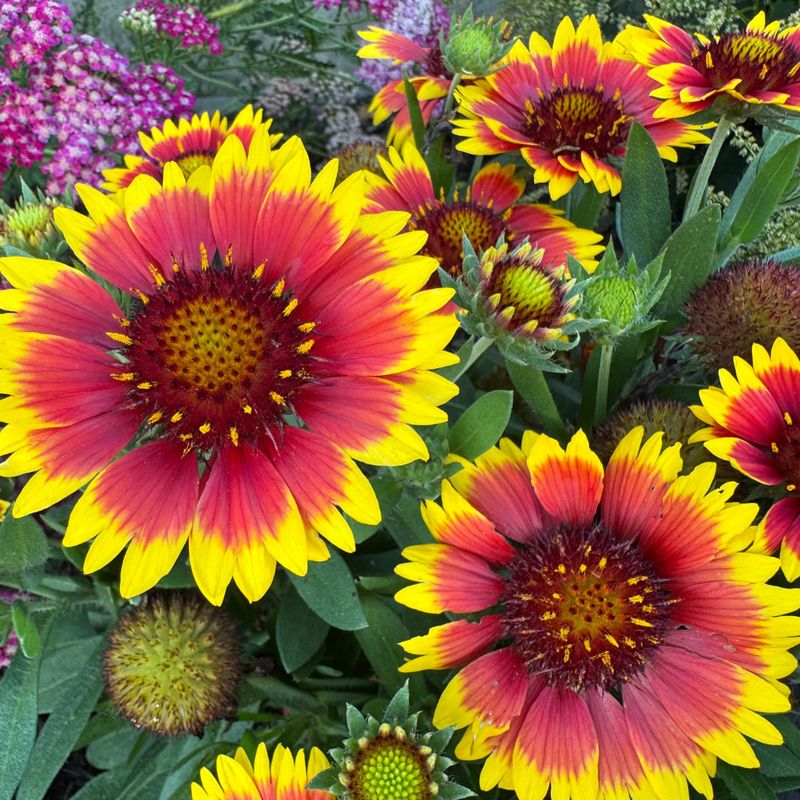
Gaillardia, often called blanket flower, looks like it was designed specifically for Georgia summers. Bold red and yellow blooms sit on top of wiry stems and hold up beautifully even when temperatures push past 90 degrees for days at a stretch.
Planted from seed in May, gaillardia typically begins flowering by midsummer and keeps going reliably through fall.
Sandy or loamy, well-drained soil suits gaillardia perfectly. Heavy clay soil holds too much moisture and can cause root problems, so amending with sand or compost before planting makes a real difference in performance.
Once established, these plants are surprisingly drought tolerant, which is a major advantage during dry Georgia summers.
Gaillardia grows best in full sun and rarely needs supplemental fertilizer. In fact, overly rich soil tends to produce floppy plants with fewer blooms.
Keeping things lean and sunny gives you the best results with this flower in Georgia’s climate.
Deadheading regularly encourages new bud formation and keeps the plant looking fresh throughout the season. Letting a few spent heads go to seed at the end of summer often results in volunteer seedlings the following spring, which means free plants for next year.
Gaillardia also attracts bees and butterflies consistently, making it a smart choice for pollinator-friendly garden designs across Georgia.
6. Cleome Grows Tall And Blooms Through Summer
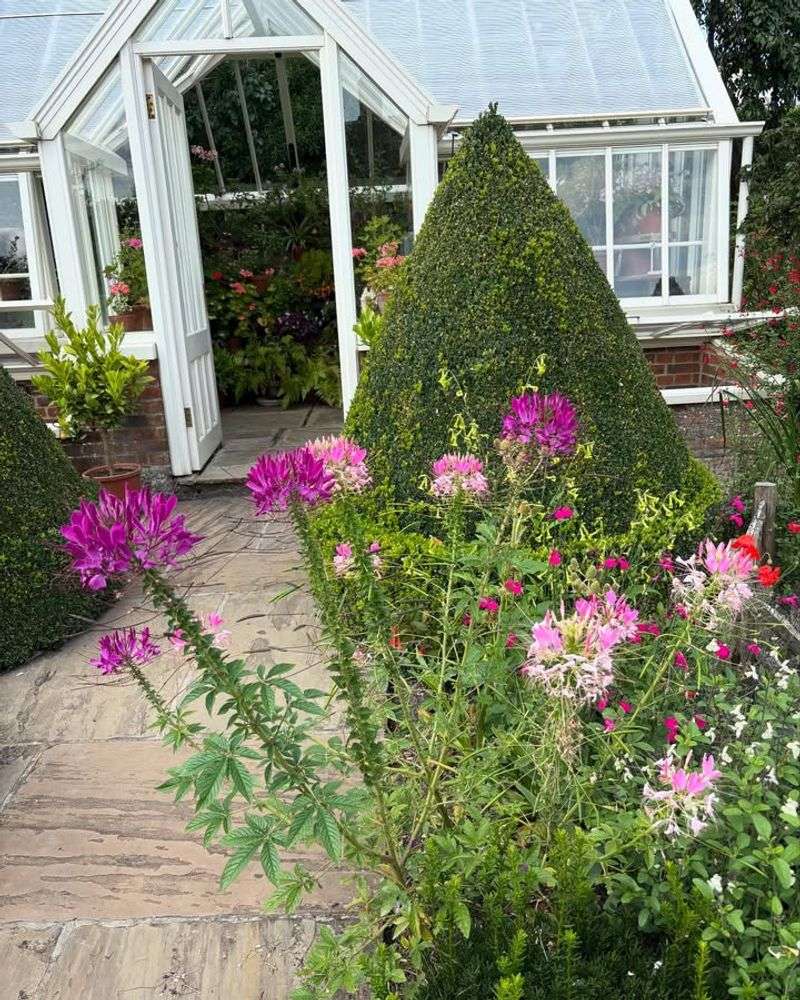
Cleome, also known as spider flower, brings serious height and drama to any Georgia garden. Plants can easily reach four to five feet tall by midsummer, topped with large, airy flower heads in shades of pink, purple, and white that bloom continuously from July through September.
Sow cleome seeds directly in the garden in May, pressing them lightly into the soil surface since they need some light to germinate well. Germination can be slow, sometimes taking two to three weeks, so patience pays off.
Once seedlings get going, they grow quickly and need very little attention beyond occasional watering during dry stretches.
Georgia’s warm, humid summers suit cleome well, though good airflow around plants helps prevent any fungal issues. Spacing plants about 18 to 24 inches apart gives each one room to branch out and produce maximum blooms.
Full sun is preferred, but cleome can tolerate partial shade and still put on a decent show.
One fun characteristic of cleome is that it self-seeds prolifically, meaning plants that go to seed in late summer often produce volunteers the following spring with no effort from you. Hummingbirds and butterflies are strongly attracted to cleome blooms, which adds lively movement to the garden.
Gardeners throughout Georgia, from the mountains to the coast, consistently report good results with cleome as a summer annual.
7. Tithonia Thrives In Heat And Keeps Flowering
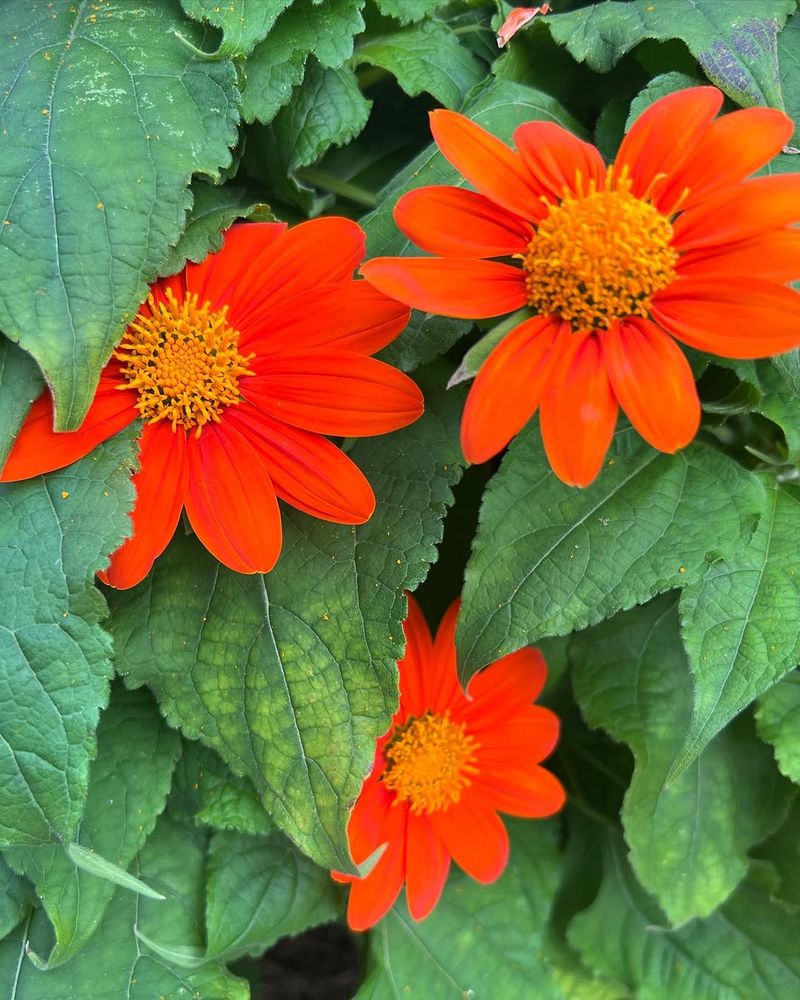
Tithonia, commonly called Mexican sunflower, is one of the most underrated summer seeds you can plant in Georgia. Blazing orange blooms the size of a fist appear on plants that can reach five or six feet tall, and they keep producing new flowers from midsummer straight through fall without much fuss.
May is the ideal time to start tithonia seeds directly in Georgia soil. Warm soil temperatures speed up germination, and the long growing season gives plants plenty of time to reach full size before heat peaks in July and August.
Tithonia actually performs better in hot conditions than in mild ones, making it a natural fit for the Georgia climate.
Full sun is non-negotiable for tithonia. Even a few hours of shade per day can cause leggy, weak growth that does not support the large flower heads well.
Plant in a spot that gets unobstructed sun from morning through late afternoon for the best results.
Tithonia is a magnet for monarch butterflies, swallowtails, and hummingbirds, which makes it a valuable addition to any pollinator garden in Georgia. Deadhead spent blooms to keep plants tidy and productive.
Soil does not need to be rich, average to poor ground works just fine, and overwatering is more of a concern than drought once plants are established and growing strong.
8. Gomphrena Handles Heat And Blooms Continuously
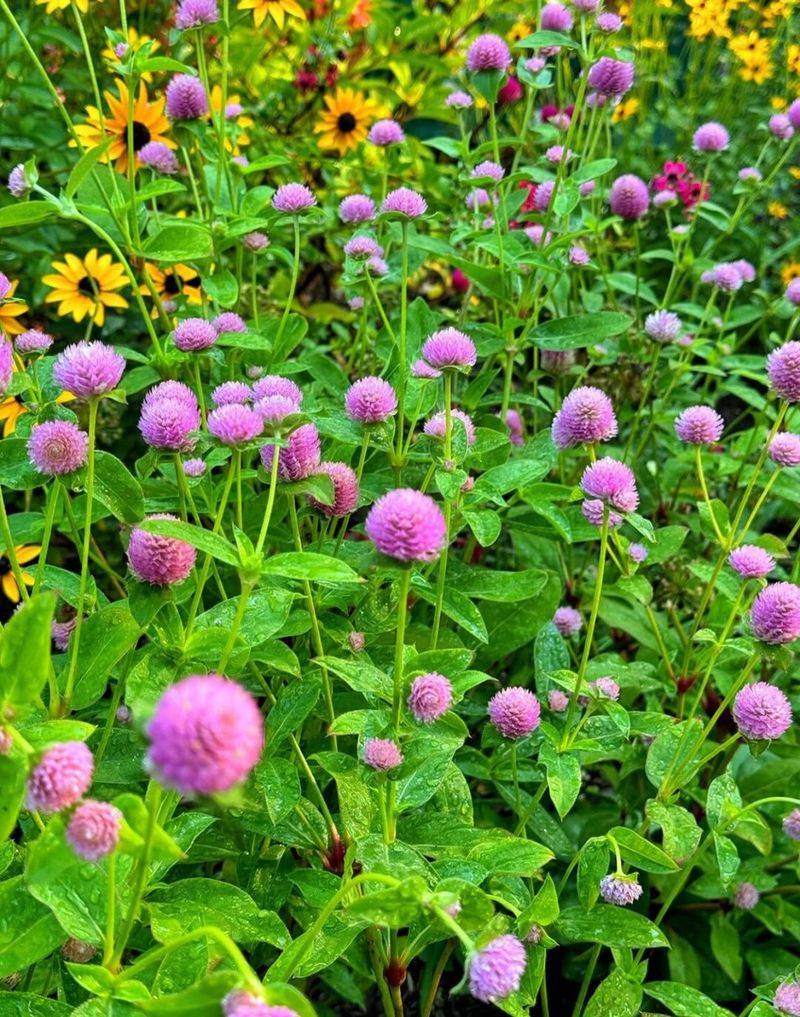
Gomphrena, or globe amaranth, looks like it was built to survive a Georgia summer. Round, clover-like blooms in shades of magenta, pink, purple, orange, and white stay vibrant even during the hottest and most humid stretches of the season.
Unlike many summer flowers that slow down in August heat, gomphrena just keeps going.
Seeds planted in May germinate reliably in warm Georgia soil, and plants begin blooming in about ten to twelve weeks. Gomphrena prefers full sun and well-drained soil, and it handles drought better than most annual flowers once it has had a few weeks to establish a decent root system.
Low maintenance is one of gomphrena’s strongest qualities. It rarely needs deadheading to keep blooming, which saves a lot of time during busy summer months.
Fertilizing lightly once or twice through the season is plenty; heavy feeding encourages leafy growth over flowers.
Compact varieties like Gnome and Buddy stay under 12 inches and work well in containers or along garden borders. Taller types like Strawberry Fields can reach two feet and make excellent cut flowers that also dry beautifully.
Across Georgia, from Columbus to Augusta, gomphrena has earned a reputation as one of the most reliable and low-effort summer annuals a gardener can grow from seed.
Space plants well at planting time so air can move freely, which helps them stay clean and upright through humid stretches.