The California Plants That Butterflies Depend On Most In June
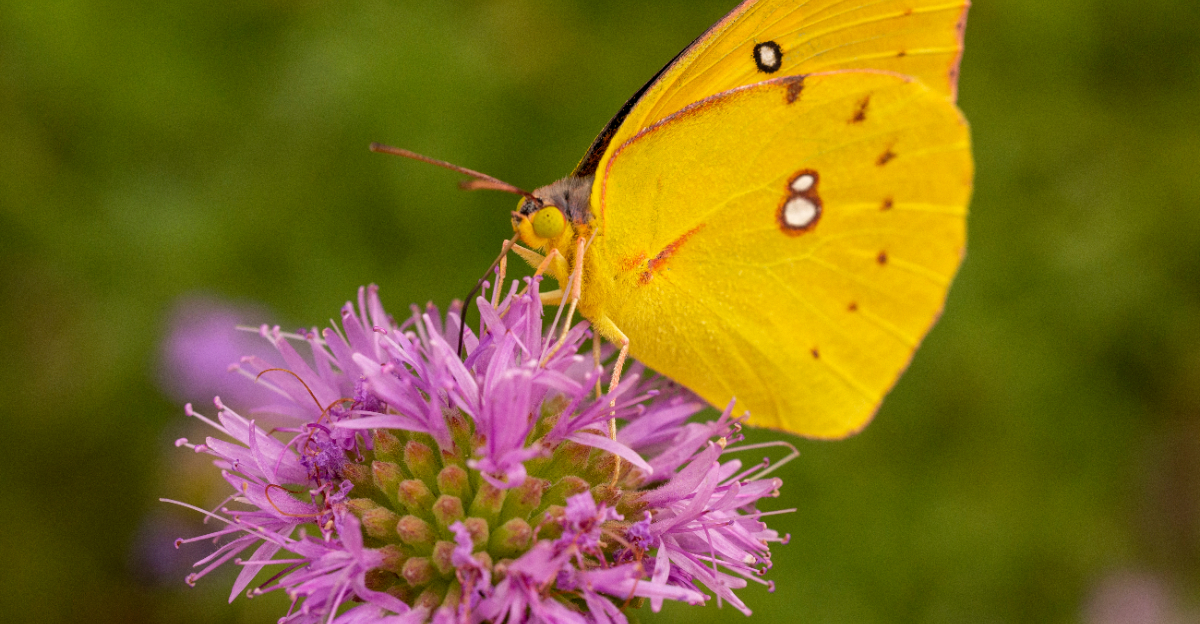
June can make a California garden feel busy in the best way. Butterflies start moving through sunny yards, looking for the plants that help them through the season.
Pretty flowers can catch their attention, but not every bloom gives them what they need. The most useful plants offer nectar at the right time.
Others support caterpillars before they become the winged visitors gardeners love to see. That is what makes plant choice so important.
A butterfly friendly garden is not just about color. It is about timing, shelter, and the right local plants.
When those pieces come together, even a small garden can feel more alive. Choose the plants butterflies depend on in June, and your yard may become one of their favorite stops.
1. Narrowleaf Milkweed
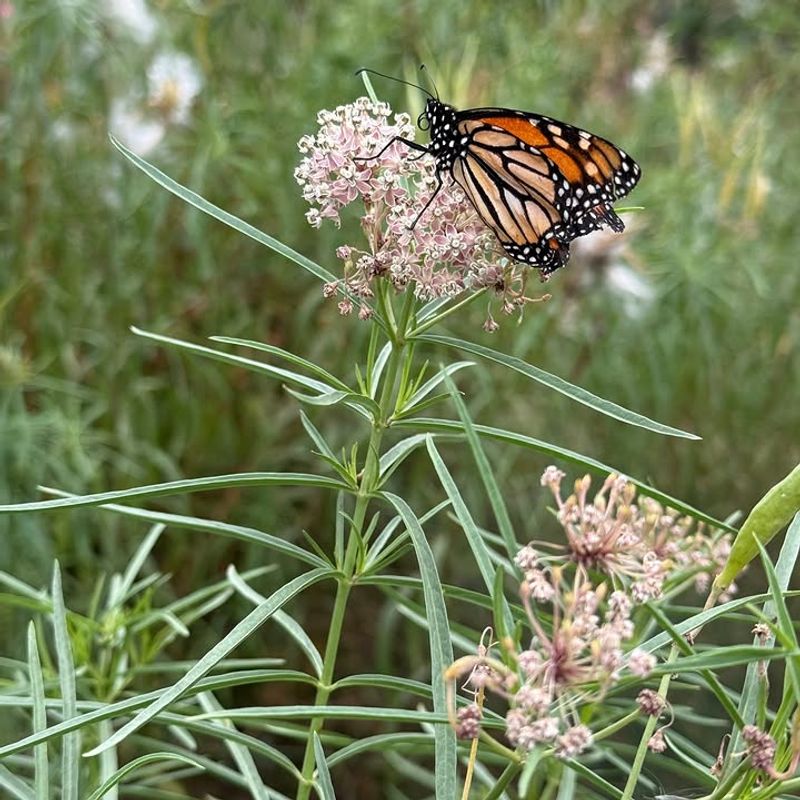
Few plants have a more powerful connection to the Monarch butterfly than narrowleaf milkweed.
Known scientifically as Asclepias fascicularis, this slender native plant is the go-to host plant for Monarch caterpillars across much of our state. Without it, Monarchs simply cannot reproduce successfully.
The plant produces clusters of tiny pinkish-white to lavender flowers that bloom beautifully in June.
Butterflies flock to these blooms for nectar, but the real magic happens when female Monarchs lay their eggs on the leaves.
The caterpillars that hatch feed exclusively on milkweed foliage.
Narrowleaf milkweed thrives in dry, sunny spots with well-drained soil. It does well in inland valleys, foothill regions, and even coastal areas with good sun exposure.
It spreads through underground rhizomes, so it can naturalize nicely in a garden bed over time.
One important thing to keep in mind: cut back non-native milkweed varieties in winter, but let narrowleaf milkweed follow its natural cycle.
It goes dormant on its own, which encourages Monarchs to migrate as they naturally should.
Planting it in groups of three or more gives butterflies a better chance of finding it. It pairs well with other native wildflowers to create a full butterfly habitat.
2. Showy Milkweed
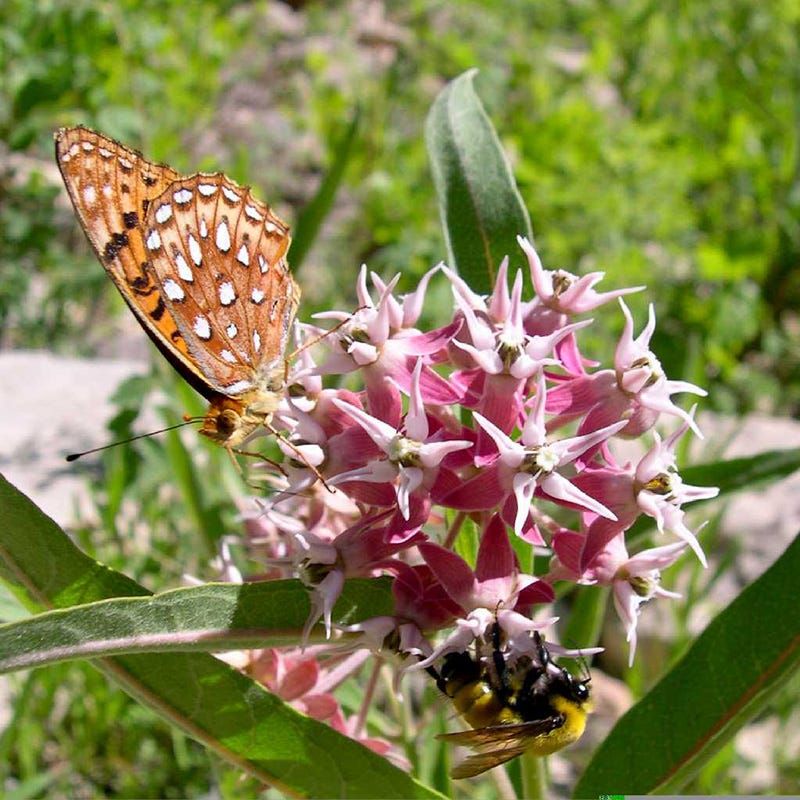
Bold, beautiful, and absolutely buzzing with butterfly activity in June, showy milkweed earns its name every single season.
Asclepias speciosa produces large, round clusters of pink, star-shaped flowers that are hard to miss.
They smell faintly sweet and attract a wide variety of pollinators, not just butterflies.
Monarchs are the most famous visitors, using showy milkweed as a critical host plant for their caterpillars.
But you will also spot painted ladies, checkerspots, and various skippers nectaring on these blooms throughout the month. The plant supports entire communities of insects at once.
Showy milkweed grows taller than narrowleaf milkweed, often reaching three to four feet in height. It prefers full sun and tolerates dry conditions once established.
You will find it growing naturally in meadows, roadsides, and open fields throughout northern and central regions of our state.
In a garden setting, give it plenty of room since it spreads readily through rhizomes. It works especially well along fences or as a back-of-border plant.
If you see orange and black caterpillars munching the leaves, that is a success story, not a problem. Those hungry caterpillars are future Monarchs.
Your California Garden Changes Every Week. Your Plan Should Too.
Gardening in California changes quickly throughout the season. Every Friday you’ll receive a simple weekly plan showing exactly what to plant, prune, fertilize, harvest, and protect so you never miss the right timing.
Let them eat. Showy milkweed is a cornerstone plant for any serious butterfly garden in our state during June.
3. Woollypod Milkweed
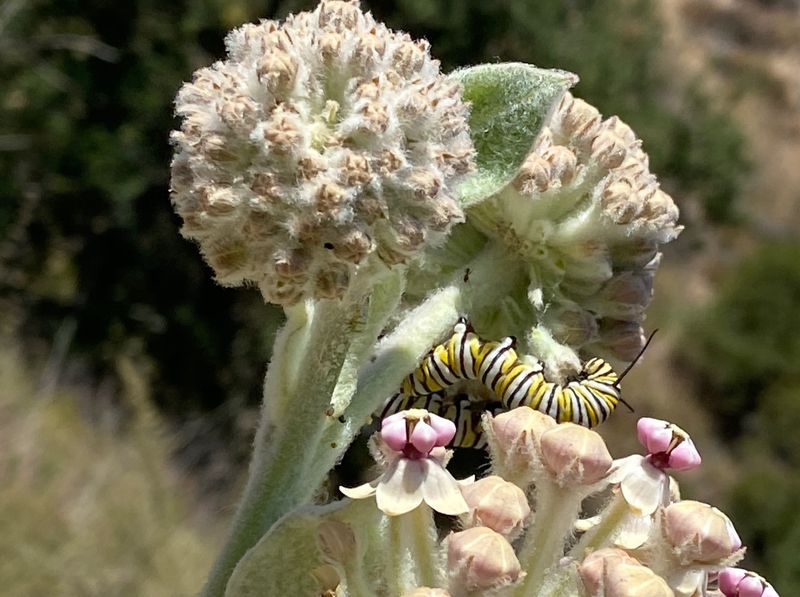
Not all milkweeds look the same, and woollypod milkweed proves that beautifully. Asclepias eriocarpa is named for its distinctive fuzzy seed pods, which are covered in soft, woolly hairs.
It is a tough, drought-tolerant native that thrives in some of the harshest conditions our state has to offer.
The flowers are creamy white with purple or lavender markings, and they bloom in clusters from late spring through summer. June is prime time to catch them in full bloom.
Monarchs use this species as a host plant just like other milkweeds, and many nectar-seeking butterflies stop by for a quick meal.
You will find woollypod milkweed growing naturally in dry foothill woodlands, chaparral edges, and open slopes throughout interior regions.
It handles heat and poor soil with ease, making it a great choice for gardeners in warmer, drier parts of the state. It grows two to four feet tall and spreads over time.
Because it is so well-adapted to dry summers, it needs very little irrigation once established.
Plant it with other drought-tolerant natives like buckwheat or sage for a low-water butterfly habitat.
It may be less flashy than showy milkweed, but its value to butterflies is just as high. Woollypod milkweed is a quiet powerhouse in any native plant landscape.
4. California Buckwheat
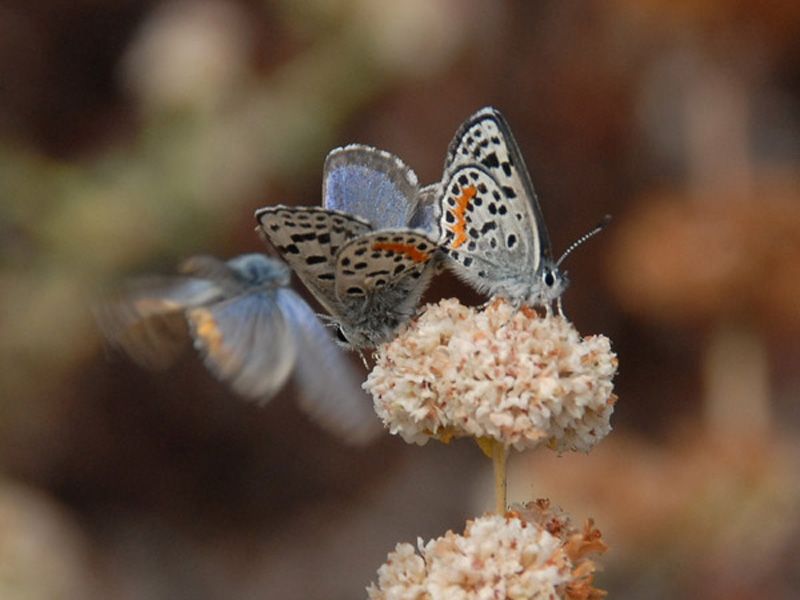
Walk through almost any sunny, dry hillside in our state during June and you will likely spot California buckwheat in bloom.
Eriogonum fasciculatum is one of the most important nectar plants for butterflies across the entire region.
Its flat-topped clusters of tiny white to pinkish flowers are a butterfly buffet.
Dozens of butterfly species visit this plant for nectar, including blues, hairstreaks, skippers, and checkerspots.
Some species, like the acmon blue and the Mormon metalmark, also use buckwheat as a host plant for their caterpillars.
That dual role makes it incredibly valuable in any habitat garden.
California buckwheat is a low-growing, woody shrub that usually stays under three feet tall. It is extremely drought-tolerant and thrives in sandy or rocky soils with excellent drainage.
Once established, it practically takes care of itself, needing little to no supplemental water during summer.
The flowers age from white to rust-red as the season progresses, giving the plant a beautiful two-toned look through summer and fall. Even dried flower heads provide seeds that birds enjoy.
Plant it in groups along slopes or at the edges of paths where butterflies can easily find it. It pairs wonderfully with coyote mint and sage.
Few plants offer this much wildlife value with this little maintenance, making it a must-have for June butterfly gardens.
5. California Aster
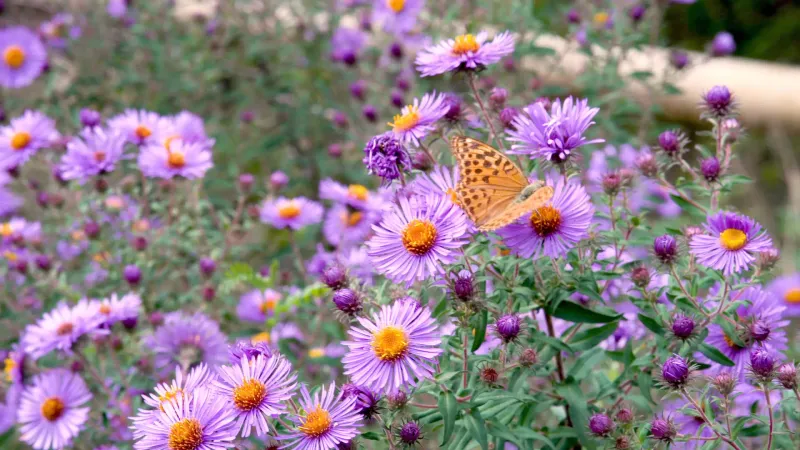
There is something cheerful about California aster that butterflies seem to agree with.
Symphyotrichum chilense, commonly called Pacific aster or California aster, produces masses of small, daisy-like flowers with lavender to purple petals and bright yellow centers.
They are simple, pretty, and wildly attractive to butterflies in June. Painted ladies, skippers, and checkerspot butterflies are frequent visitors.
The plant also serves as a larval host for the field crescent butterfly, which makes it doubly important in a habitat garden.
Supporting both caterpillars and adult butterflies from one plant is a real win.
California aster grows naturally in coastal areas, grasslands, and along stream banks throughout the state. It tolerates both moist and moderately dry soils, which makes it fairly adaptable.
In gardens, it does best with occasional summer water and full to partial sun.
The plant spreads by rhizomes and can form nice clumps over time. It usually grows one to three feet tall and pairs well with goldenrod and seaside daisy for a colorful late-spring to summer display.
Deadheading spent flowers can encourage more blooms. If you want to keep a tidy garden while still supporting butterflies, California aster is a smart choice.
It blends easily into both formal and naturalistic garden styles, and the butterflies will find it quickly once it starts flowering.
6. Coyote Mint
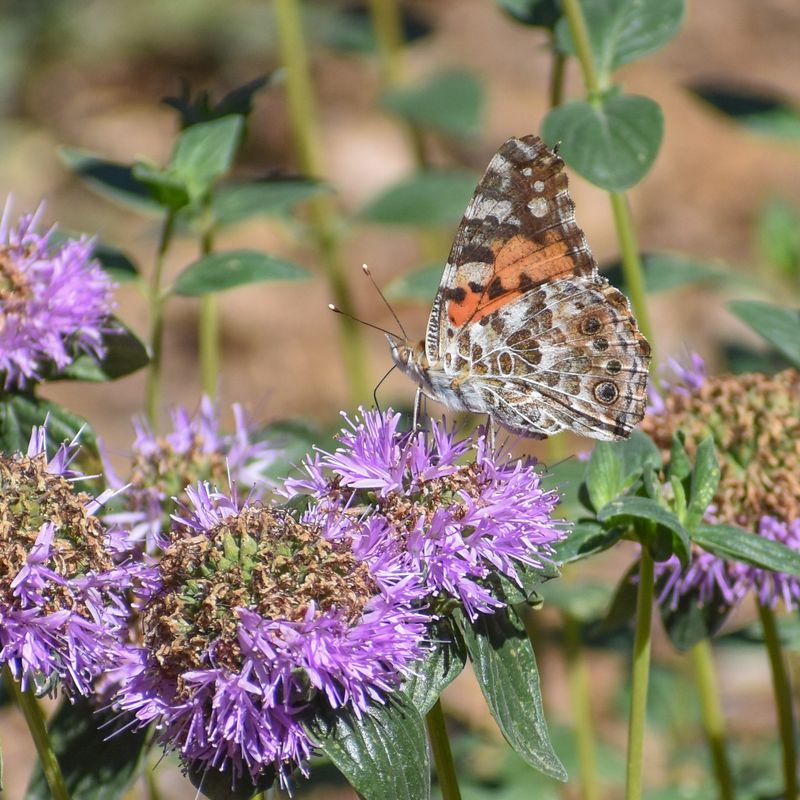
If you have ever brushed against coyote mint on a warm afternoon hike, you know that unmistakable minty scent.
Monardella villosa is a native perennial that bursts into bloom in June with rounded clusters of small lavender to purple flowers. The fragrance alone draws butterflies from surprising distances.
Skippers, blues, and painted ladies are especially fond of coyote mint. The dense flower heads make it easy for smaller butterflies to land and feed comfortably.
Because it blooms right at the peak of butterfly season, its timing could not be better for supporting local populations.
Coyote mint is a tough plant built for dry summers. It thrives in well-drained soils and full sun, making it perfect for slopes, rock gardens, and dry meadow plantings.
It grows about one to two feet tall and wide, forming a tidy, mounding shape that looks great in a garden.
Beyond its beauty, coyote mint has a long history of use by Indigenous peoples of our state for medicinal and culinary purposes. That rich cultural background adds another layer of meaning to growing it.
Very little water is needed once it is established. Pair it with California buckwheat and woollypod milkweed for a drought-tolerant butterfly triangle that will thrive all summer long.
It is a small plant with a big impact on the butterflies that call our state home.
7. Hummingbird Sage
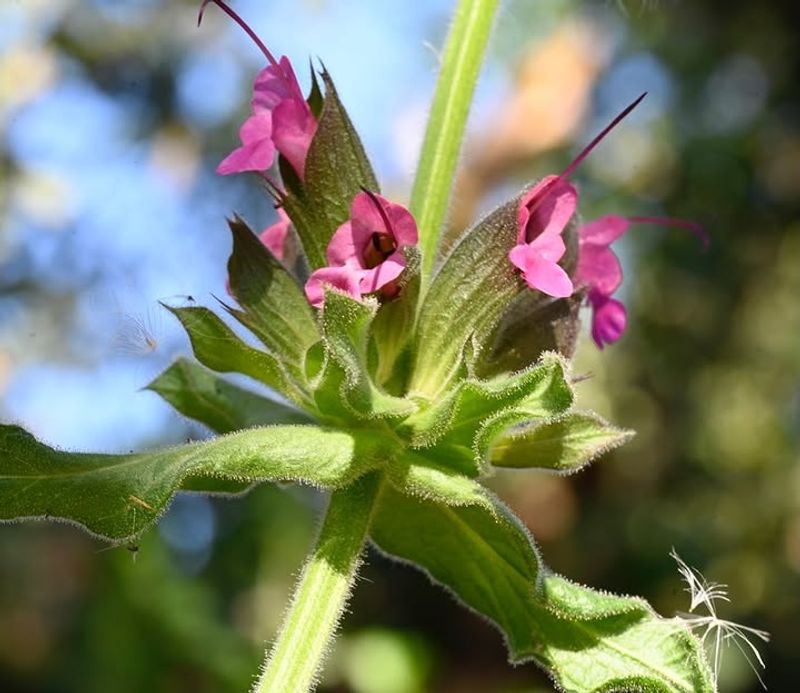
Bold magenta flower spikes rising from a low carpet of wrinkled, aromatic leaves make hummingbird sage one of the showiest natives you can grow.
Salvia spathacea is named for the hummingbirds that love it, but butterflies are equally enthusiastic visitors.
Swallowtails and painted ladies are drawn to those large, tubular blooms. What sets hummingbird sage apart from many other butterfly plants is its preference for shade.
Most native pollinator plants need full sun, but this sage thrives under oaks and in woodland edges.
That makes it incredibly useful for gardens with shaded spots that are otherwise hard to plant.
The plant spreads through underground runners and forms broad, fragrant ground cover over time. It blooms from spring into early summer, with June being a prime flowering month in many parts of our state.
Flowers can be deep pink, rose, or salmon-red depending on the individual plant.
Hummingbird sage is drought-tolerant once established and rarely needs fertilizer. It does best with well-drained soil and protection from intense afternoon sun.
It pairs beautifully with pipevine and California aster for a woodland butterfly habitat. The leaves stay attractive even after flowering ends, giving the garden structure through summer.
If you have a shady corner that feels lifeless, planting hummingbird sage could transform it into a thriving hub of butterfly and hummingbird activity all season long.
8. Seaside Daisy
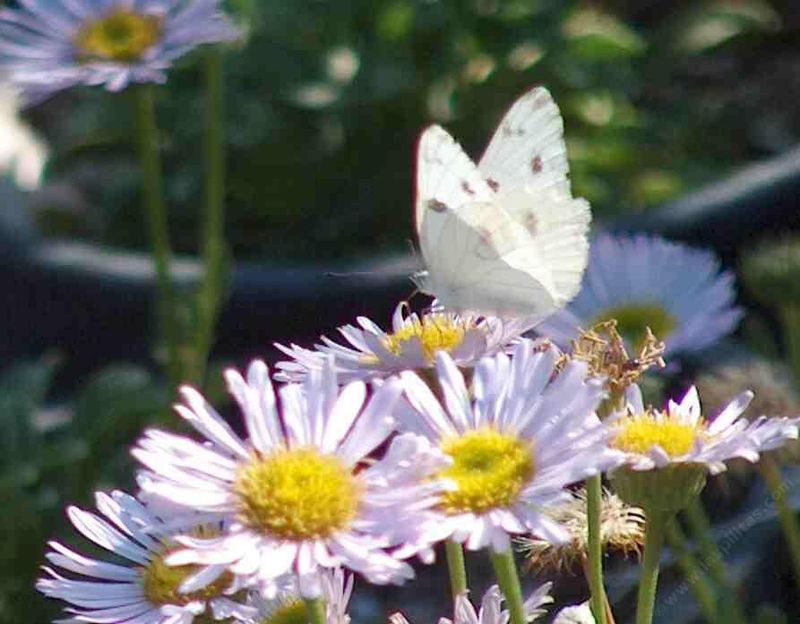
Cheerful and low-growing, seaside daisy is one of those plants that just makes a garden feel alive.
Erigeron glaucus is native to the coastal bluffs and rocky shores of our state, and it blooms generously from spring through summer.
June is one of its peak months, and butterflies take full advantage. The flowers look like small purple or lavender daisies with bright yellow centers, and they are magnets for skippers, blues, and small brushfoot butterflies.
Because the plant stays low and spreads outward, it creates a flat landing pad that smaller butterflies find very inviting. It is practically built for them.
Seaside daisy thrives in coastal gardens where salt air, fog, and sandy soils would challenge other plants.
Inland gardeners can grow it too, as long as they provide good drainage and some afternoon shade in hotter areas. It grows about six to twelve inches tall and spreads up to two feet wide.
Regular deadheading keeps the blooms coming strong all season. It works well as a border edging plant, a ground cover on slopes, or in containers near a sunny window or patio.
Pair it with California aster and goldenrod for a layered coastal butterfly garden. Seaside daisy is also deer-resistant, which is a bonus in many neighborhoods.
For coastal butterfly gardeners especially, this little plant punches well above its weight class in terms of wildlife value.
9. Pipevine
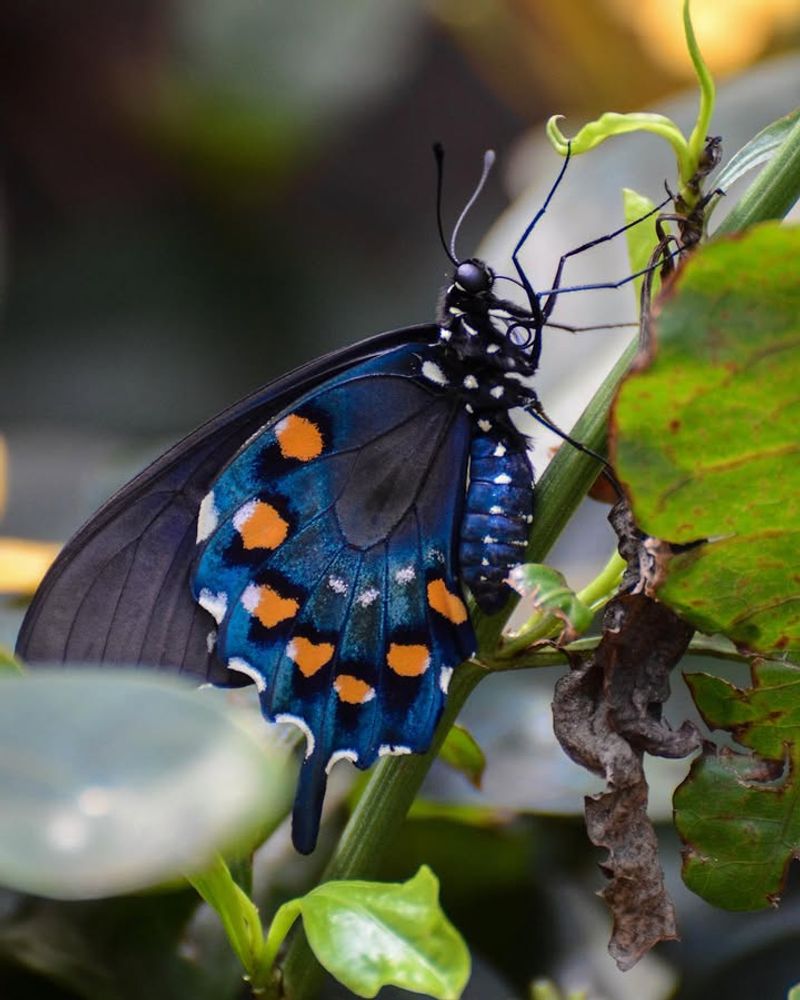
There is only one butterfly in our state that can truly call pipevine its home, and that is the pipevine swallowtail.
Aristolochia californica is the exclusive host plant for this gorgeous, iridescent blue-black butterfly.
Without pipevine, there would be no pipevine swallowtails. It is that simple.
The plant itself is a twining woody vine with unusual curved, pipe-shaped flowers that bloom in late winter and early spring.
By June, the large heart-shaped leaves are lush and full, providing the perfect food source for pipevine swallowtail caterpillars.
The caterpillars are striking in their own right, with orange spines and a reddish-brown body.
Pipevine grows naturally along stream banks and in shaded woodland areas throughout northern and coastal regions of our state.
In gardens, it does well on trellises, fences, or arbors in partial shade with regular moisture. It can grow quite vigorously once established.
Growing pipevine is one of the most direct and meaningful things you can do for butterfly conservation in our state.
The pipevine swallowtail has declined in many urban areas simply because its host plant has disappeared from the landscape.
Bringing it back is powerful. Plant one or two vines in a shaded garden corner and watch for the caterpillars each spring.
By June, you may have adult butterflies gliding through your garden. That kind of result is hard to beat.
10. Goldenrod
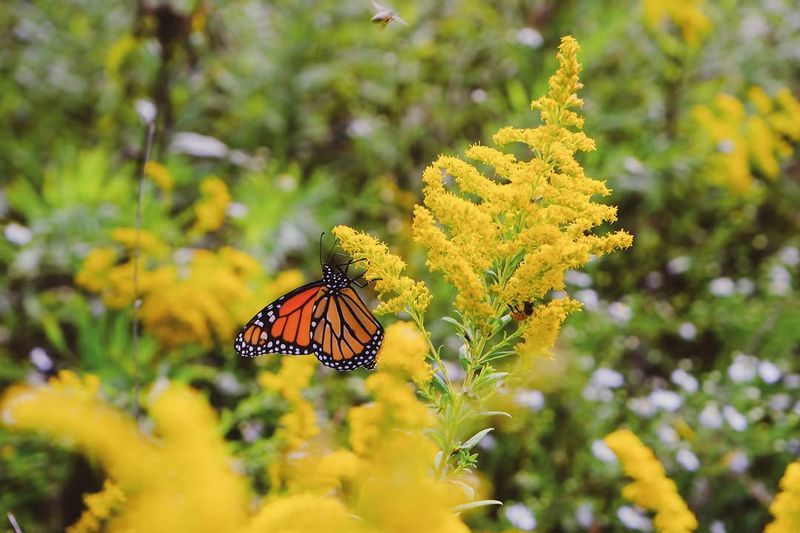
Bright golden plumes arching toward the summer sky make goldenrod one of the most visually striking plants in any June garden.
Solidago velutina ssp. californica, the native goldenrod of our state, is a powerhouse for pollinators.
Butterflies of all kinds swarm its tiny yellow flowers when they are in full bloom.
Monarchs, painted ladies, swallowtails, and dozens of skipper species all nectar on goldenrod during their summer flights.
It is also a larval host plant for several moth species, adding even more ecological value to this already impressive plant.
The sheer number of insects it supports on a single sunny afternoon is remarkable.
Native goldenrod is very different from the weedy non-native species that gardeners sometimes worry about.
Our state’s native variety is well-behaved, spreading slowly and staying in manageable clumps.
It grows two to four feet tall and thrives in full sun with well-drained soil.
Summer drought does not slow it down much once it is established. It pairs wonderfully with California aster, which blooms at a similar time, creating a yellow and purple color combo that butterflies cannot resist.
Plant goldenrod at the back of a border or in a meadow-style planting for the best effect. It also provides excellent late-season seeds for birds.
Few plants give as much back to the ecosystem as goldenrod, and June is when its gifts are on full display.