The One Thing You Must Do To Texas Peonies In June Or They Won’t Bloom Next Year
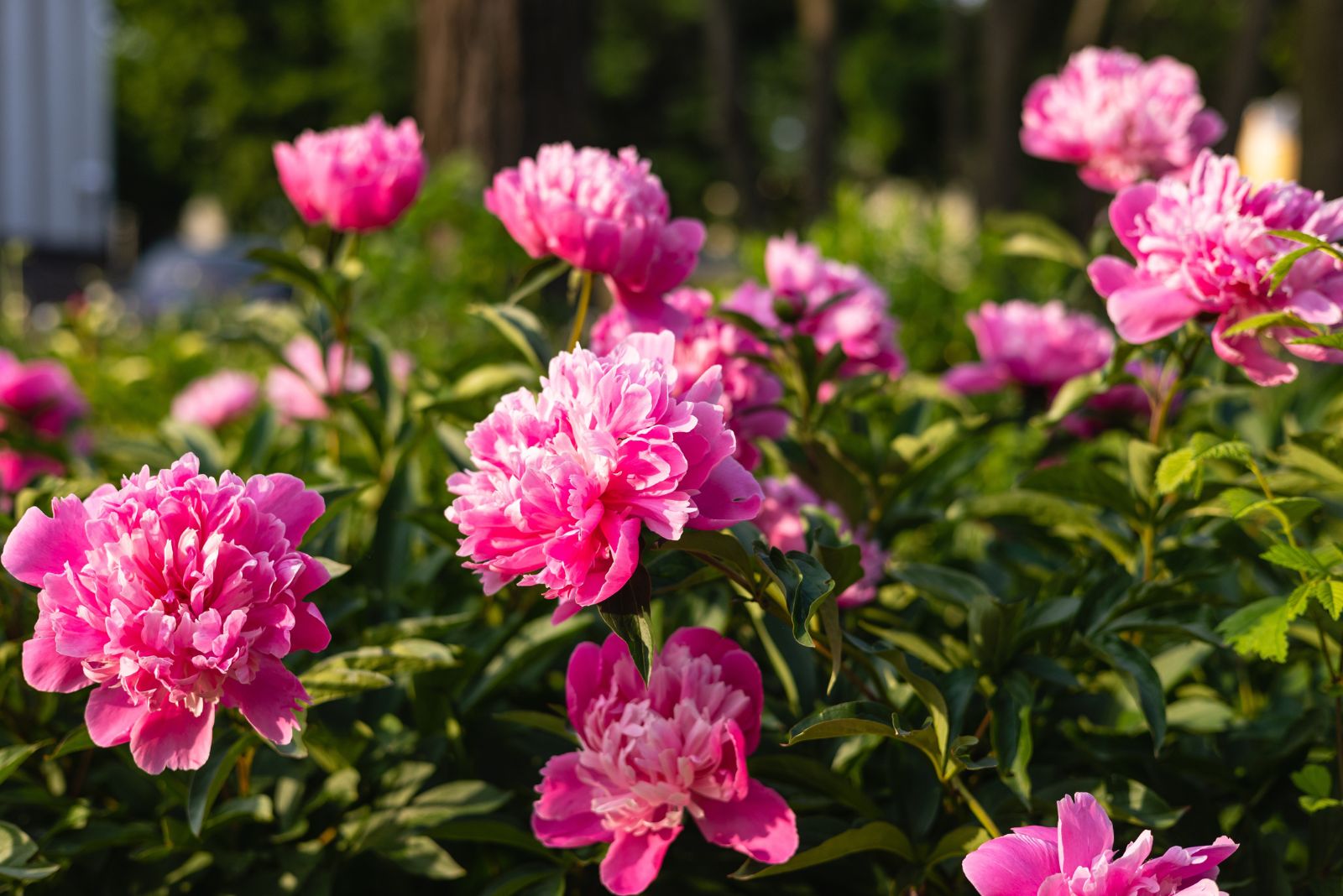
Peonies in Texas are already a commitment, requiring more attention to variety selection and placement than they do in cooler climates where they grow with far less consideration.
Getting them to rebloom year after year adds another layer to that commitment, and June turns out to be one of the most consequential months in the entire peony calendar for Texas gardeners.
What you do or fail to do right now has a direct and lasting effect on whether your peonies come back with strong blooms next season or barely show up at all.
The connection between June care and the following year’s performance is something a lot of Texas peony growers discover the hard way, noticing the decline in bloom quality without understanding why it happened until the timing finally clicks.
There is one specific task that stands above everything else this month, and skipping it is the most common reason healthy-looking Texas peonies quietly stop performing over time.
Cut Back The Dry Foliage
Most gardeners do not realize that what happens above the soil in June shapes everything that happens underground for the rest of the year.
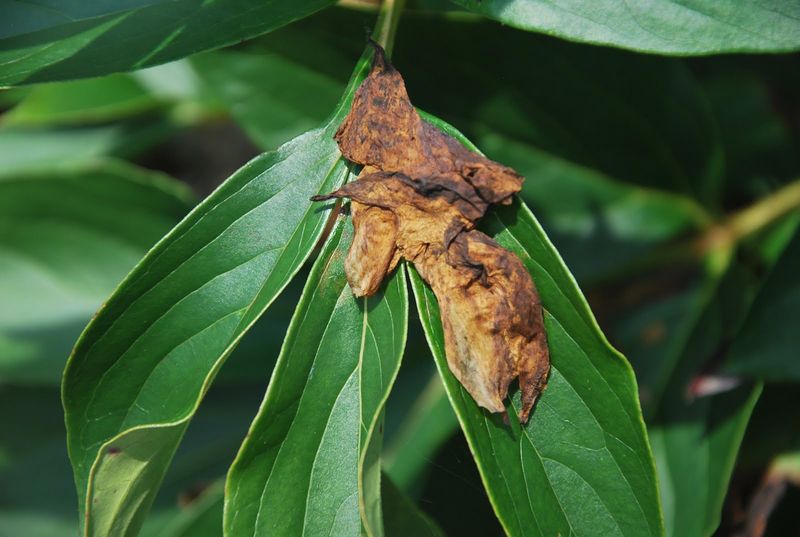
When peony leaves start turning yellow or brown in early summer, that is your signal to act fast. Leaving that old, tired foliage on the plant is one of the biggest mistakes you can make.
Yellowing leaves are no longer feeding the plant. Instead, they are just sitting there, soaking up space and inviting fungal disease to move in.
Botrytis blight, a common fungal problem in humid Texas summers, loves to hide in dry and decaying plant material. Cutting back the foliage removes that welcome mat entirely.
Use clean, sharp pruning shears to cut stems back to about two to three inches above the ground. Do not leave long stubs, because those can also attract pests and hold moisture against the crown.
Wipe your blades with rubbing alcohol before and after cutting to avoid spreading any disease from plant to plant.
Once you have cut everything back, do not toss the clippings into your compost pile. Diseased or insect-damaged foliage should go straight into a sealed trash bag and out to the curb.
Composting sick plant material just recycles the problem right back into your garden next season.
Removing the foliage also tells the plant to stop putting energy into leaves and start storing it in the roots instead. That stored energy is exactly what powers next spring’s blooms. Think of it as helping your peony save up for something really worth celebrating.
Check The Crown For Health
Right at the base of your peony, just where the stems meet the soil, is a spot called the crown. That little zone is basically the command center of the whole plant.
If something goes wrong there, the entire peony feels it, and next year’s blooms are the first thing to suffer.
After cutting back the foliage, get down close and really look at the crown. You are checking for soft, mushy spots, which are signs of crown rot.
Your Texas Garden Changes Every Week. Your Plan Should Too.
Gardening in Texas changes quickly throughout the season. Every Friday you’ll receive a simple weekly plan showing exactly what to plant, prune, fertilize, harvest, and protect so you never miss the right timing.
You are also looking for darkened or discolored tissue, unusual smells, or any signs of insect activity like tiny holes or sawdust-like frass left behind by borers.
Healthy crown tissue should feel firm and look cream-colored or pale pink on the inside. If you spot any soft or rotted sections, use a clean, sharp knife to carefully remove just the affected parts.
Let the cut surface dry out in open air for a few hours before covering it back up with soil. Inspect for common Texas garden pests too, including grubs or root-feeding insects that can hide right at the soil line.
These critters can quietly damage the crown without you ever knowing until blooms fail to appear the following spring.
Once you are satisfied the crown looks healthy, gently firm the soil back around it. Avoid pressing too hard, since compacted soil around the crown can restrict airflow and trap moisture.
A healthy crown means a healthy peony, and a healthy peony means a glorious show of flowers when spring rolls back around next year.
Fertilize Appropriately
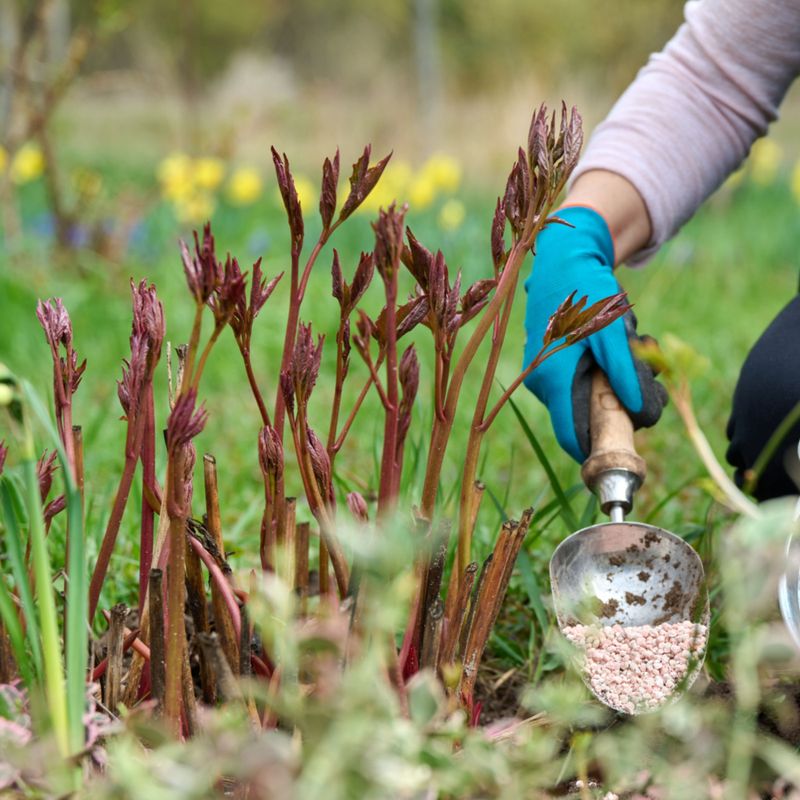
Feeding your peonies right after cutting them back is one of the smartest moves you can make in June. But here is the thing: not all fertilizers are created equal, and choosing the wrong one can actually work against you.
The type of fertilizer you use matters just as much as the timing. Nitrogen is the nutrient that pushes leafy, green growth. For most plants, that sounds great.
For peonies trying to build up energy for next year’s flower buds, too much nitrogen is a problem. A high-nitrogen fertilizer tells the plant to grow more leaves instead of investing in blooms.
You end up with a bushy, green plant that barely flowers, which is the opposite of what you want.
Look for a fertilizer labeled with a lower first number in the N-P-K ratio on the bag. Something like a 5-10-10 or a bloom-boosting formula works really well.
Phosphorus and potassium, the second and third numbers, support strong root development and flower bud formation. Those are the nutrients your peony actually craves right now.
Sprinkle the fertilizer lightly around the base of the plant, staying a few inches away from the crown itself. Then water it in well so the nutrients can move down into the root zone where they are needed most.
Avoid piling fertilizer directly on top of the crown, since that can cause irritation or even burn the tissue.
One application in June is usually plenty. Over-fertilizing is a real risk, and more is definitely not better when it comes to feeding peonies in the summer heat.
Mulch Lightly
Texas summers are brutal. Temperatures regularly climb past 95 degrees Fahrenheit, and the soil can dry out faster than you might expect.
That kind of heat puts serious stress on peony roots, which prefer cooler, more stable ground temperatures. A thin layer of mulch is one of the easiest and most effective ways to protect them.
Mulching around your peonies helps the soil hold onto moisture between waterings. It also acts like a little insulating blanket, keeping the root zone a few degrees cooler than the surrounding soil.
That temperature buffer can make a real difference during a Texas heat wave when the thermometer just keeps climbing.
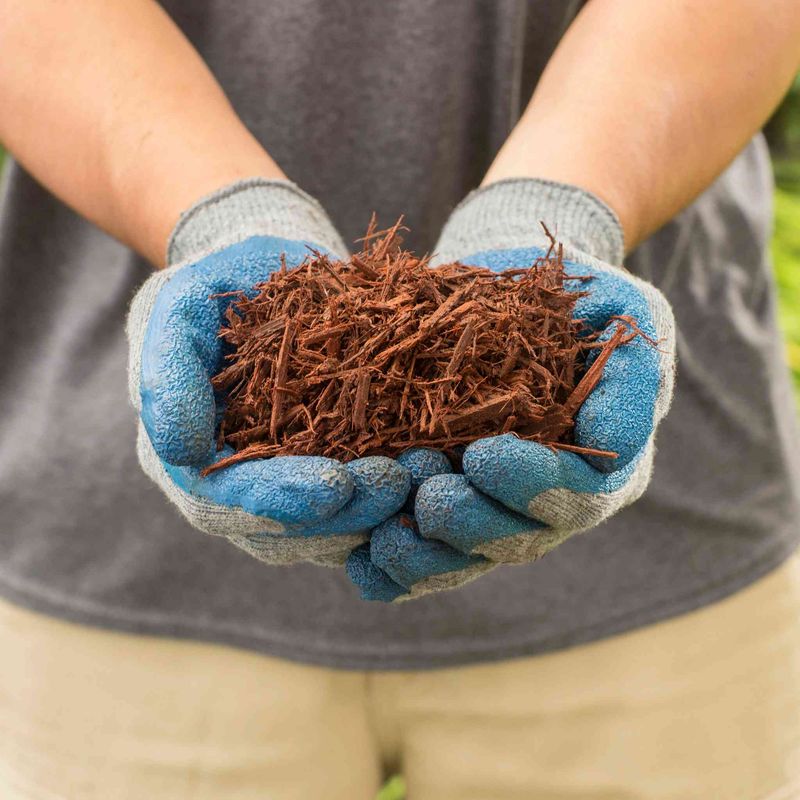
Use a light, organic mulch like pine straw, shredded bark, or wood chips. Spread it about two to three inches deep in a ring around the plant.
Keep the mulch at least three to four inches away from the crown itself, because covering the crown traps moisture right where you do not want it.
A wet, covered crown is basically an open invitation for rot to move in. Rot at the crown is one of the fastest ways to weaken a peony and wreck next year’s bloom potential. Keeping that zone open to airflow is a simple step that pays off in a big way.
Refresh the mulch layer if it breaks down or thins out over the summer. Organic mulch decomposes over time, which is actually good for the soil, but it means you may need to top it off once or twice before fall arrives. A little effort now keeps your peony roots happy all season long.
Monitor Watering
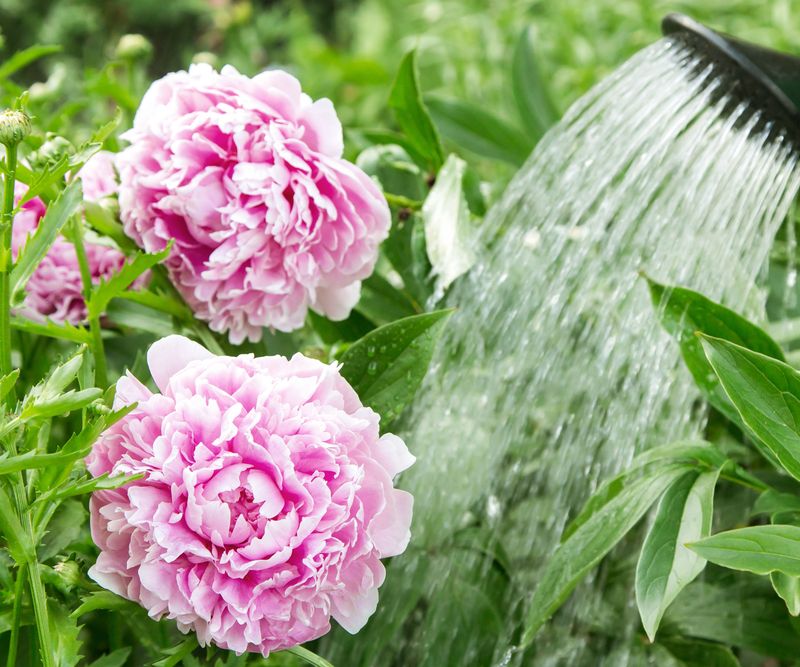
Water is everything in a Texas summer, but getting the balance right for peonies takes a little attention. These plants need consistent moisture, but they absolutely cannot tolerate sitting in soggy, waterlogged soil.
Finding that sweet spot between too dry and too wet is one of the keys to keeping your peony healthy through the summer months.
Check the soil moisture about once or twice a week by pushing your finger about two inches into the ground near the plant. If it feels dry at that depth, it is time to water.
If it still feels damp, hold off for another day or two. This simple test is much more reliable than just watering on a fixed schedule, since Texas weather can swing between rain and drought pretty quickly.
When you do water, water deeply and slowly rather than giving the plant a quick splash. Deep watering encourages the roots to grow downward into cooler soil, which makes the plant more resilient during heat waves.
Shallow, frequent watering does the opposite and keeps roots near the hot surface. Overwatering is actually a more common problem than underwatering for Texas peonies.
Too much water pushes out the oxygen in the soil, which stresses the roots and reduces their ability to store energy for next spring’s blooms. Good drainage is just as important as regular watering.
If your garden soil tends to hold water, consider mixing in some coarse sand or organic compost to improve drainage. Raised beds also work wonderfully for peonies in Texas because they naturally drain better and warm up faster after heavy rains.
Keep An Eye Out For Pests And Disease
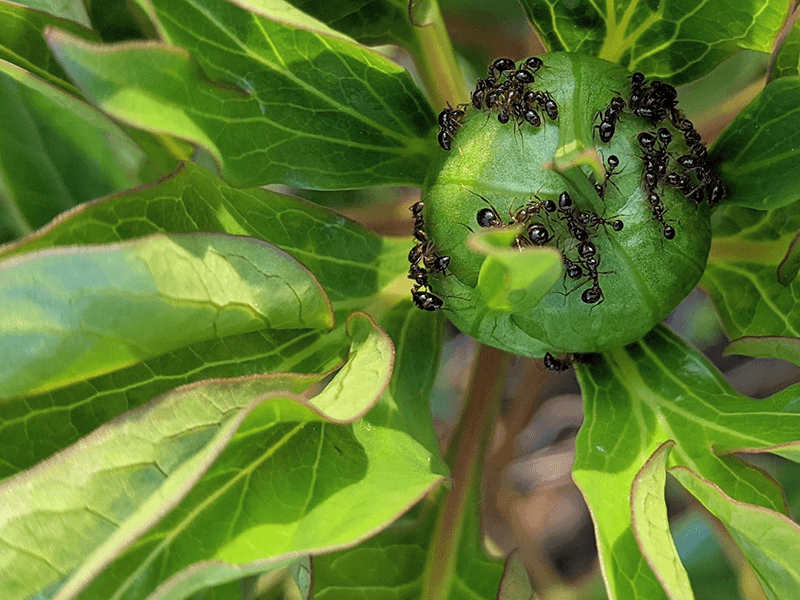
June in Texas is prime time for garden pests and fungal diseases to show up uninvited. Warm temperatures, high humidity, and fresh plant growth create ideal conditions for all kinds of unwanted visitors.
Catching problems early is everything, because a small issue can turn into a big one very quickly in the summer heat.
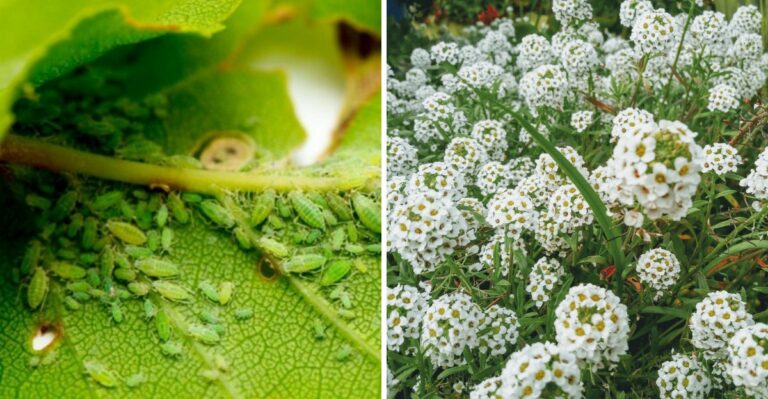
Aphids are one of the most common peony pests you will find in Texas gardens. These tiny, soft-bodied insects cluster on stems and the undersides of leaves, sucking out plant sap and weakening the plant over time.
A strong blast of water from your garden hose can knock most of them off. For heavier infestations, a gentle spray of insecticidal soap works really well without harming beneficial insects nearby.
Thrips are another pest to watch for. They are even smaller than aphids and tend to hide inside flower buds or along leaf edges.
Thrip damage shows up as streaky, silvery patches on leaves or distorted growth. Neem oil spray applied in the early morning or late evening is an effective and relatively gentle treatment option.
On the disease side, watch for powdery mildew or leaf spot, both of which love humid Texas summers. Powdery mildew looks like a white dusty coating on leaves.
Leaf spot shows up as dark or brown circles on the foliage. Remove affected leaves right away and treat with a fungicide labeled for ornamental plants if the problem spreads.
Staying on top of pest and disease checks every week in June gives your peony the best possible chance of storing strong energy for a beautiful bloom next spring.