What Charlotte Gardeners Should Be Planting In June That Can Still Produce Before First Frost
Here is something a lot of Charlotte gardeners do not realize: June is not the end of the planting season, it is actually the beginning of round two.
The soil is warm, the days are gloriously long, and a surprising number of fast growing crops have plenty of time to reach your table before the first fall freeze typically shows up in late October or early November across much of North Carolina.
And here is the really fun part: some vegetables and herbs actually perform better when planted into June heat than they ever did in spring. No cold soil, no late frost drama, just warm conditions and a clear runway to harvest.
The key is picking the right crops, keeping up with water, and staying on top of pest checks through the hottest weeks. June planting in Charlotte is seriously underrated.
1. Bush Snap Beans Grow Fast In June
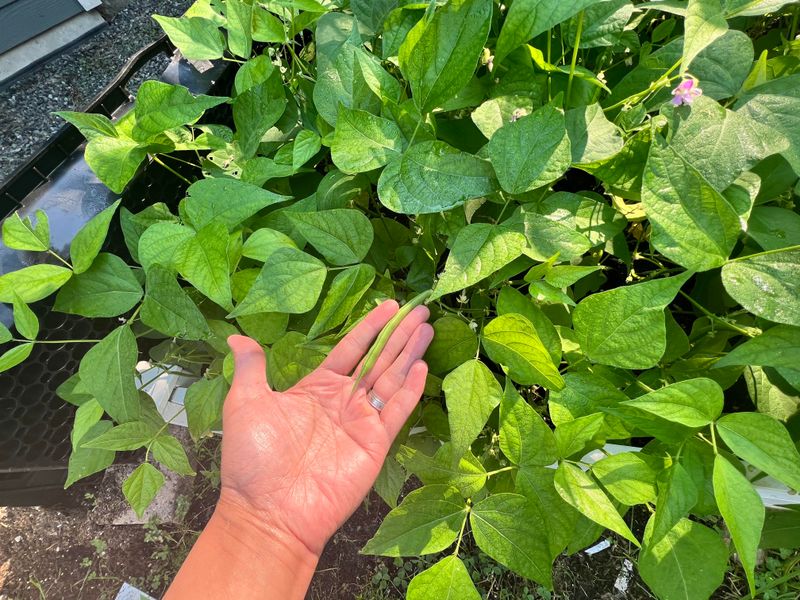
Warm soil is exactly what bush snap beans need to sprout quickly, and June in Charlotte delivers that in full.
These low-growing plants do not need stakes or trellises, which makes them a solid choice for raised beds, small backyard plots, and in-ground vegetable rows where space might be limited.
Most bush snap bean varieties reach harvest in around 50 to 60 days, which fits comfortably within the window before North Carolina’s average first fall freeze.
Planting in well-drained soil with consistent moisture gives the seeds a strong start. Watering at the base of the plants rather than overhead can help reduce fungal issues that sometimes show up during humid Charlotte summers.
Beans generally prefer not to sit in soggy ground, so raised beds with good drainage work especially well.
Pest scouting matters during summer plantings. Mexican bean beetles and aphids can move in quickly during warm months, so checking the undersides of leaves every few days helps catch problems early.
Bush snap beans tend to produce their harvest in a concentrated window, so planting a small second row a week or two later can stretch out the overall yield before the season wraps up.
2. Pole Snap Beans Keep Producing Longer
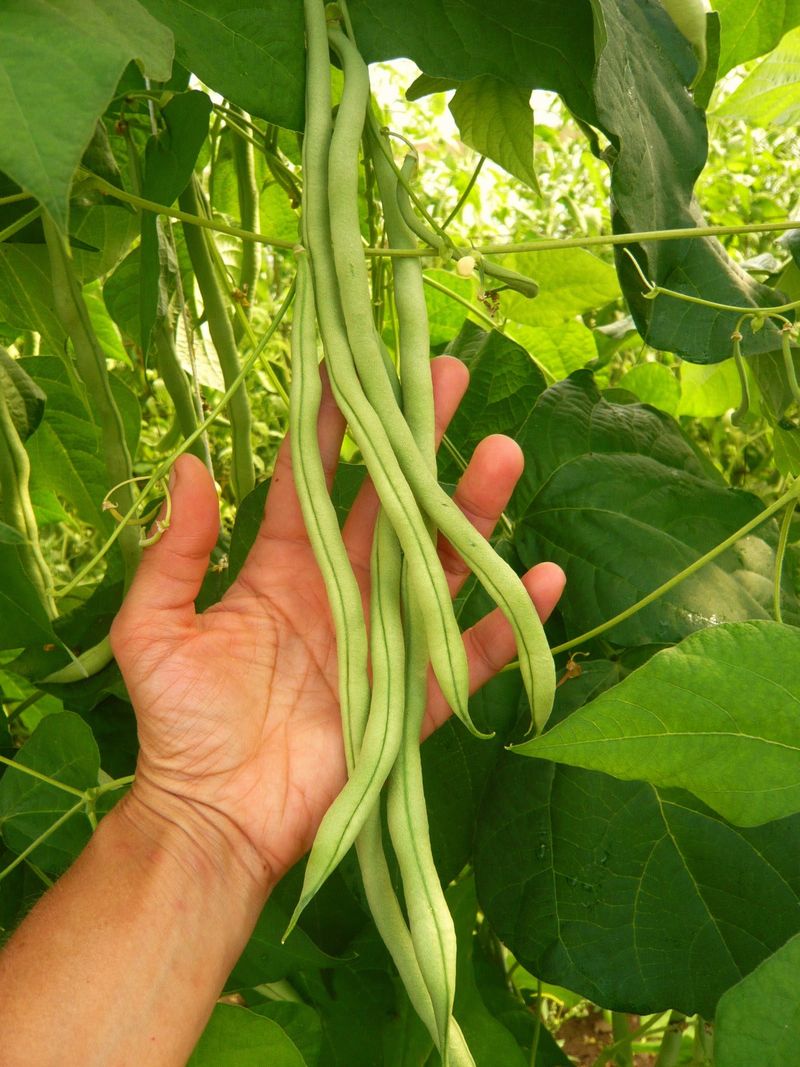
Anyone who has grown pole beans knows the satisfaction of picking fresh pods week after week from the same planting.
Unlike bush beans, which tend to produce most of their crop at once, pole snap beans continue flowering and setting new pods over a longer stretch of time.
That extended harvest window makes them worth considering for a June planting in Charlotte, where the growing season still has several productive months ahead.
Pole beans need a sturdy support structure. A simple wooden trellis, wire fence, or bamboo teepee works well in most backyard gardens.
Getting the support in place before planting saves time and avoids disturbing the roots later.
Most pole bean varieties take around 60 to 70 days to first harvest, so planting in early to mid-June gives a reasonable margin before North Carolina’s fall frost window.
Watering consistently through the hot summer weeks is important for good pod development. Uneven moisture can lead to tough, stringy beans that do not taste as good.
Your North Carolina Garden Changes Every Week. Your Plan Should Too.
Gardening in North Carolina changes quickly throughout the season. Every Friday you’ll receive a simple weekly plan showing exactly what to plant, prune, fertilize, harvest, and protect so you never miss the right timing.
Mulching around the base of the plants helps hold soil moisture and keeps the root zone a bit cooler on intense summer afternoons. Checking regularly for bean beetles and keeping up with harvesting encourages the plants to keep setting new pods.
3. Lima Beans Like Warm Soil
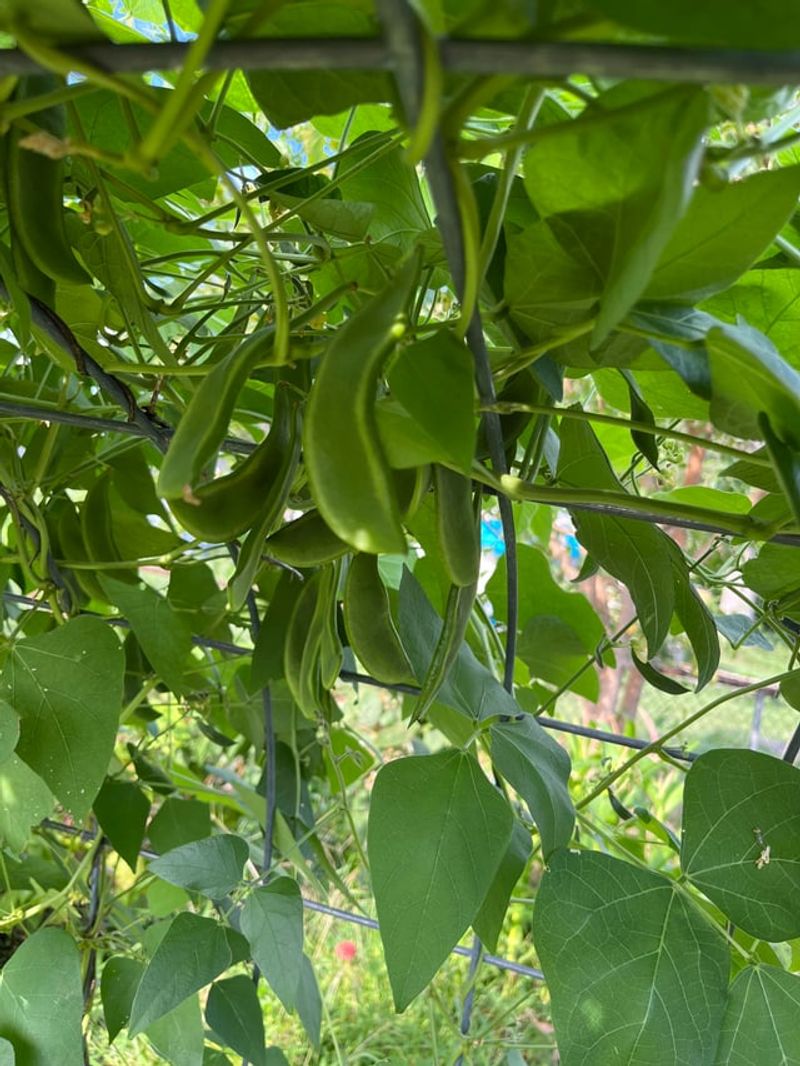
Lima beans have a reputation for being picky, but warm soil is actually one of their biggest requirements, and June in Charlotte offers exactly that.
These beans struggle to germinate in cool ground, so a June planting can actually outperform an early spring attempt when the soil was still too cold.
Baby lima varieties tend to mature faster than large-seeded types, which is worth keeping in mind when choosing what to plant this late in the season.
Most baby lima bean varieties reach maturity in roughly 60 to 75 days. Planting in early June in Charlotte gives these beans a reasonable path to harvest before fall temperatures start dropping.
Large-seeded varieties generally need more time, so sticking with faster-maturing selections reduces the risk of running out of season before the pods fill out.
Lima beans need steady moisture during flowering and pod development. Dry spells during those stages can cause flowers to drop before setting beans, which cuts into the overall harvest.
Consistent watering and a layer of mulch help manage soil moisture through the hottest stretches of the Charlotte summer.
These plants also appreciate full sun and do not perform as well in shaded spots, so choosing a location with at least six to eight hours of direct light daily helps the most.
4. Cucumbers Can Produce Quickly
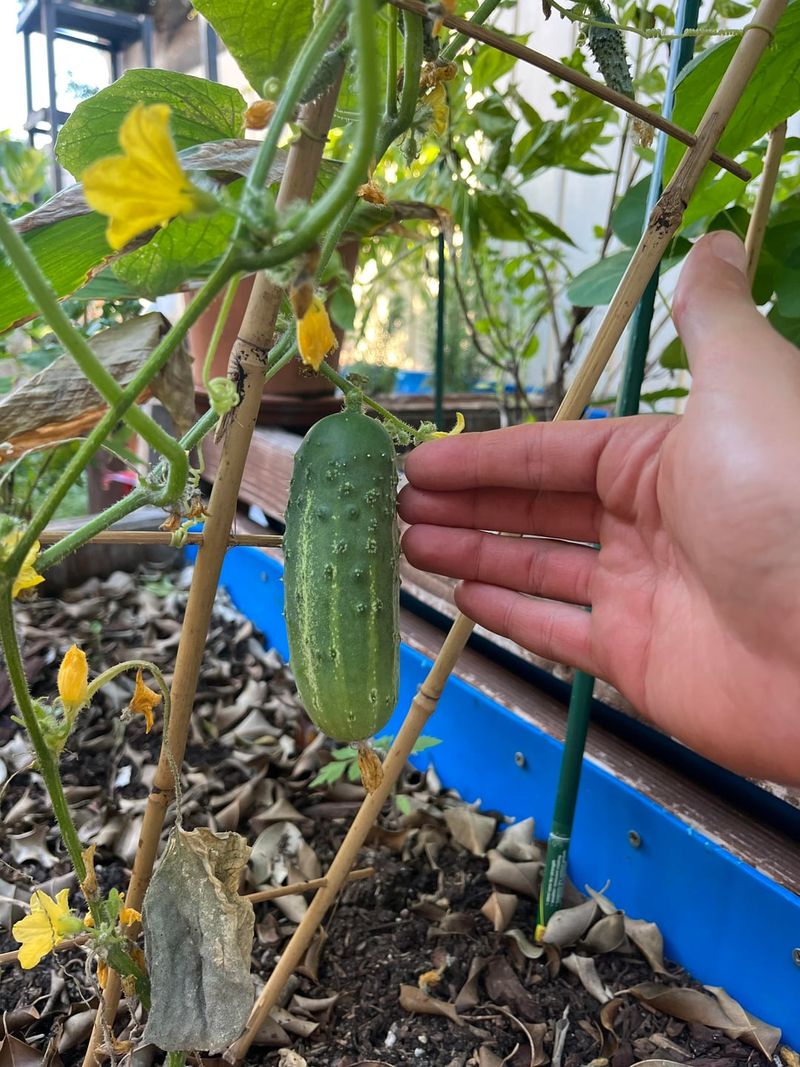
Few vegetables move from seed to table as quickly as cucumbers during the summer months. Many slicing and pickling varieties reach harvest in just 50 to 60 days, making them one of the more reliable choices for a June planting in Charlotte.
The warm soil and long summer days speed up germination and early vine growth, sometimes noticeably faster than spring plantings when temperatures were cooler.
Cucumbers do well on a trellis or fence, which keeps the fruit clean, improves air circulation, and makes harvesting much easier. Vertical growing also works nicely in smaller backyard gardens where ground space is limited.
Keeping up with harvesting is important since leaving overripe cucumbers on the vine signals the plant to slow down production.
Consistent watering is one of the most important factors for good cucumber quality. Irregular moisture can lead to bitter flavor or uneven fruit development.
Mulching around the base helps hold soil moisture and reduces how often the garden needs watering during hot Charlotte afternoons. Powdery mildew and cucumber beetles are two issues to watch for during summer plantings in North Carolina.
Choosing disease-resistant varieties and scouting the plants regularly can help manage these challenges before they affect the harvest significantly.
5. Summer Squash Grows Fast In Heat
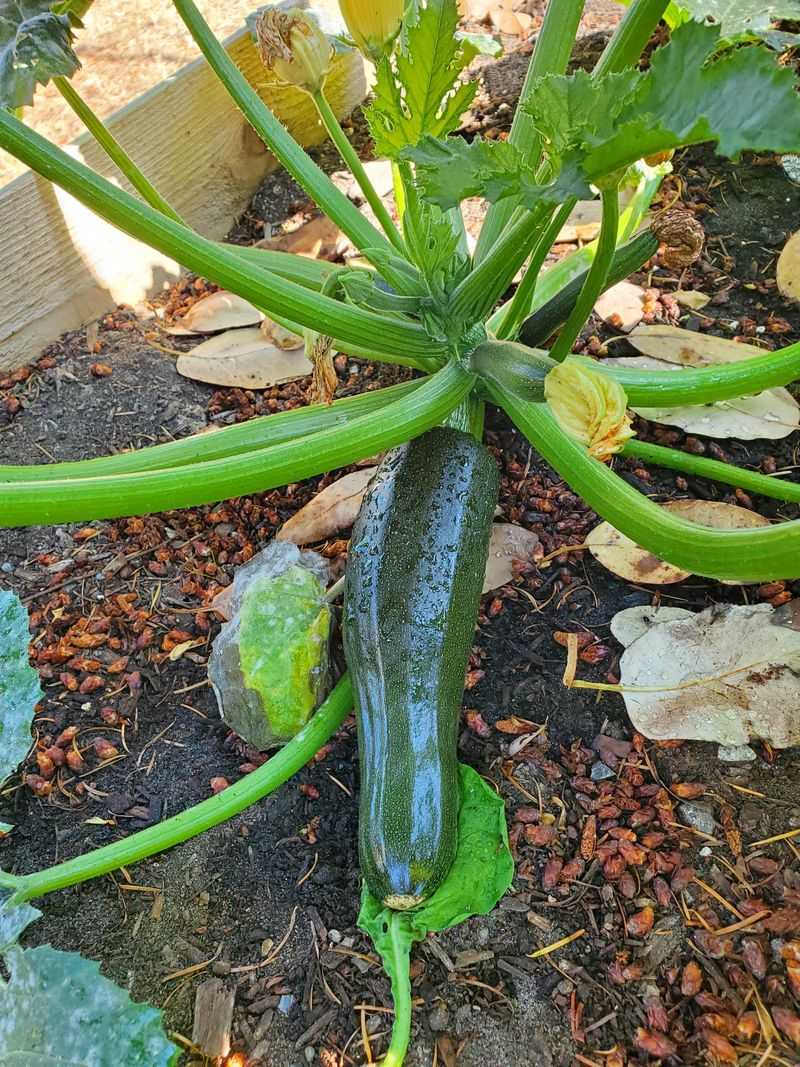
Summer squash is one of the fastest-growing vegetables a Charlotte gardener can put in the ground in June.
Zucchini and yellow squash varieties often reach harvest in as few as 45 to 55 days, which means a June planting can be producing fruit well before the end of summer.
The plants thrive in the heat, respond well to consistent watering, and tend to reward attentive gardeners with a generous harvest.
Squash vine borers are one of the bigger challenges for summer plantings in North Carolina. These pests tend to peak in early summer, so a June planting may actually face less pressure from them than squash planted in late April or May.
Checking the base of stems for entry holes and keeping the plants healthy with regular watering gives them the best chance of producing through the season.
Harvesting summer squash while the fruits are still small, generally six to eight inches for zucchini, keeps the plants producing steadily. Overgrown fruits left on the vine pull energy away from new flower development.
Raised beds with rich, well-drained soil tend to support strong squash growth during the Charlotte summer. Adding a balanced fertilizer partway through the season can help maintain production as the plants continue growing in the heat.
6. Winter Squash Needs Room And Time
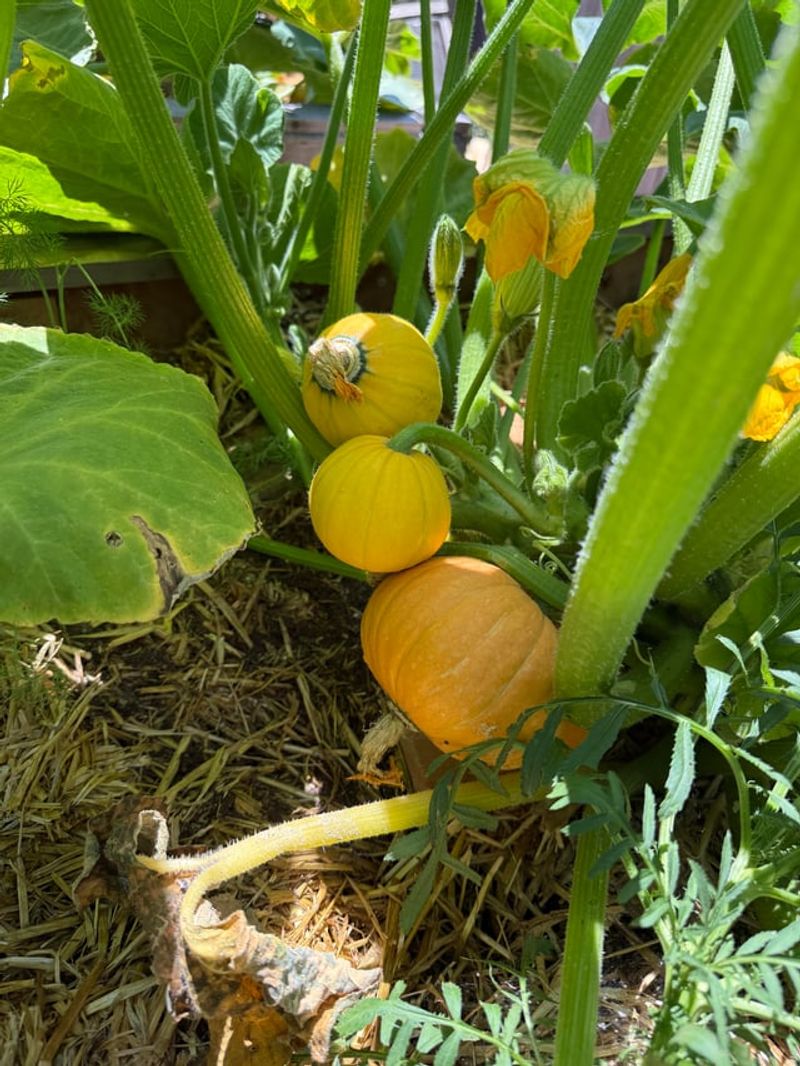
Growing winter squash from a June planting in Charlotte is possible, but it requires honest planning.
Most winter squash varieties need 80 to 110 days to reach maturity. With North Carolina’s average first fall freeze arriving in late October or early November in the Charlotte area, timing can get tight depending on the exact planting date and variety chosen.
Shorter-season varieties give the best odds of reaching harvest in time.
Space is another real consideration. Winter squash vines spread aggressively, often covering a large portion of the garden.
Smaller backyards may find the sprawl difficult to manage, though some compact bush-type varieties take up less room. Planning where the vines will travel before planting helps avoid crowding out neighboring crops.
Consistent moisture during the early weeks supports strong vine establishment, and once the plants are growing vigorously, they tend to handle summer heat reasonably well.
Pollinator activity plays a role in fruit set, so gardens with good bee activity tend to see better results.
Squash bugs and powdery mildew can both affect winter squash during the Charlotte summer, so regular scouting and good air circulation around the plants help manage these issues.
Choosing a variety with a days-to-maturity number that fits the remaining season is the most important decision a gardener can make with a late planting like this.
7. Okra Handles Charlotte Heat Well
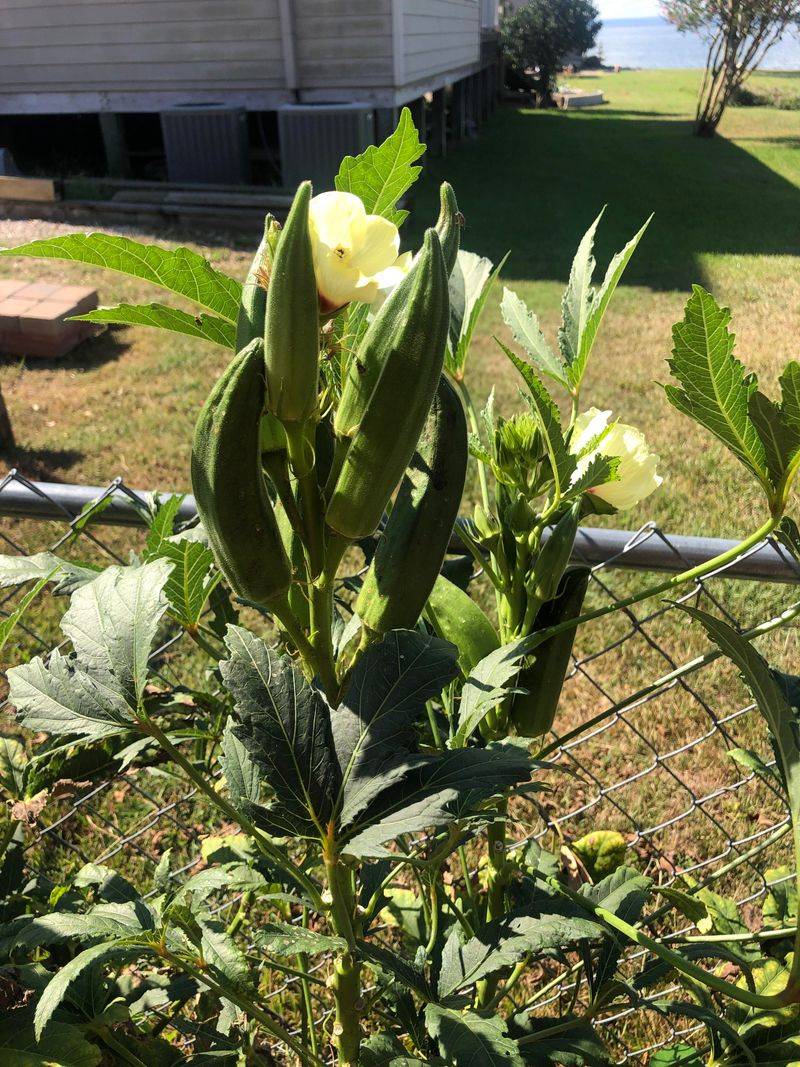
Hot afternoons that slow down other vegetables barely slow okra down at all. This crop is well-suited to Charlotte summers and performs reliably when planted in June, as long as the soil is warm and drainage is good.
Okra seeds germinate best when soil temperatures are above 65 degrees Fahrenheit, and June in Charlotte typically delivers that with no trouble at all. Most varieties reach first harvest in about 50 to 65 days.
Okra plants grow tall and benefit from full sun throughout the day. Spacing plants about 18 inches apart gives each one enough room to develop properly.
Regular harvesting is essential since pods that are allowed to grow too large become tough and fibrous. Picking pods when they are two to four inches long keeps the plant productive and the harvest tender.
Watering during dry stretches helps maintain steady production, though established okra plants are more tolerant of short dry periods than many other summer vegetables. Stinkbugs and aphids are worth watching for during the Charlotte growing season.
Okra is also a wonderful option for gardeners who enjoy watching pollinators visit the garden, since the large, showy flowers attract bees regularly.
A June planting in North Carolina can produce steadily from late summer well into fall before frost ends the season.
8. Southern Peas Thrive In Summer
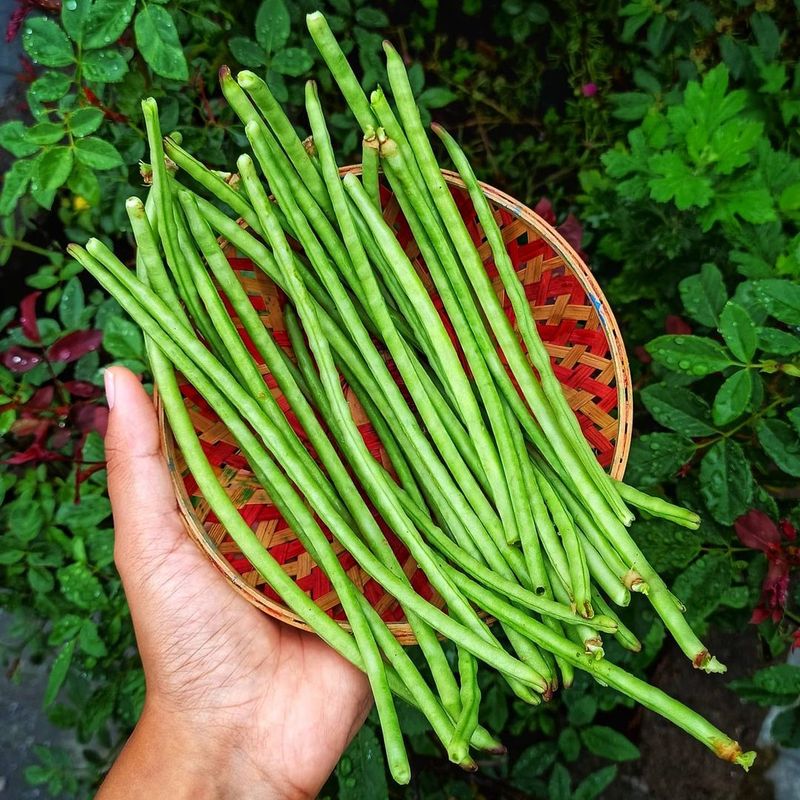
Southern peas, which include crowder peas, black-eyed peas, and cream peas, are one of the most heat-tolerant crops a Charlotte gardener can plant in June.
These legumes were practically made for the hot, humid summers of North Carolina and tend to outperform many other vegetables when temperatures climb into the upper 80s and 90s.
Most varieties mature in 60 to 90 days depending on type and growing conditions.
Planting in well-drained soil with full sun gives southern peas the conditions they need to establish quickly. These plants are also known for improving soil health by fixing nitrogen, which can benefit whatever is grown in that spot the following season.
They do not need heavy fertilization and can actually struggle if given too much nitrogen, which tends to push leafy growth at the expense of pod production.
Watering during dry spells, especially during flowering and pod fill, helps maximize the harvest.
Southern peas are generally more drought-tolerant than beans once established, but consistent moisture during key growth stages still makes a noticeable difference.
Cowpea curculio is a pest to watch for in North Carolina gardens during summer plantings. Harvesting green-shell peas at the right stage, before the pods dry completely, gives a sweet, fresh flavor that many Southern cooks prize highly.
9. Sweet Corn Still Has Time To Grow
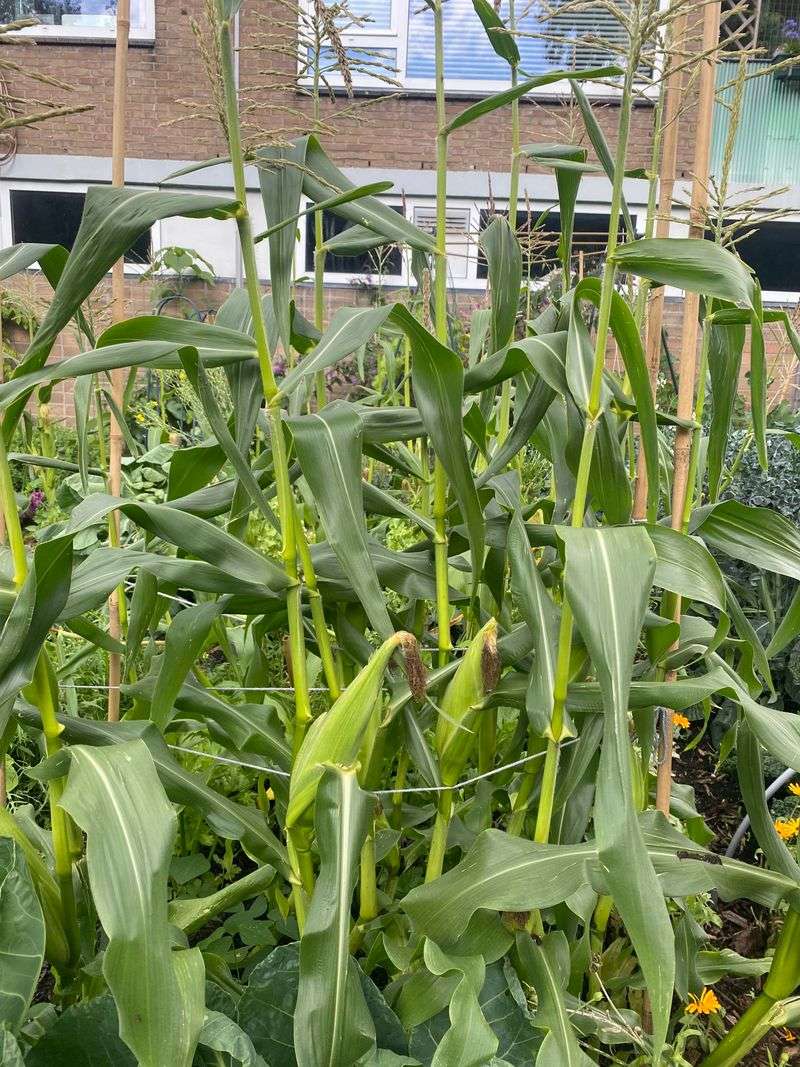
Fitting sweet corn into a June planting in Charlotte is doable with the right variety selection, though it requires attention to days-to-maturity numbers.
Early-maturing varieties that reach harvest in 65 to 75 days give the best chance of producing ears before North Carolina’s first fall freeze.
Longer-season varieties planted in June may not have enough time to fully develop before temperatures drop in late fall.
Corn needs space and benefits from being planted in blocks rather than single rows. Block planting, meaning multiple short rows planted close together, supports better pollination since corn relies on wind to transfer pollen from the tassels to the silks.
Poor pollination leads to ears with missing or underdeveloped kernels, which is one of the more common frustrations for home gardeners growing corn in small plots.
Consistent watering is especially important during tasseling and silking, when the plant is most sensitive to moisture stress. Corn earworms are a common pest in North Carolina during summer and fall, often entering through the silk at the tip of the ear.
Applying a small amount of mineral oil to the silk after it begins to dry can help reduce earworm damage.
Keeping the soil moist and monitoring plant health through the summer gives June-planted corn the best possible chance of reaching harvest before the season ends.
10. Basil Produces Quickly From Transplants
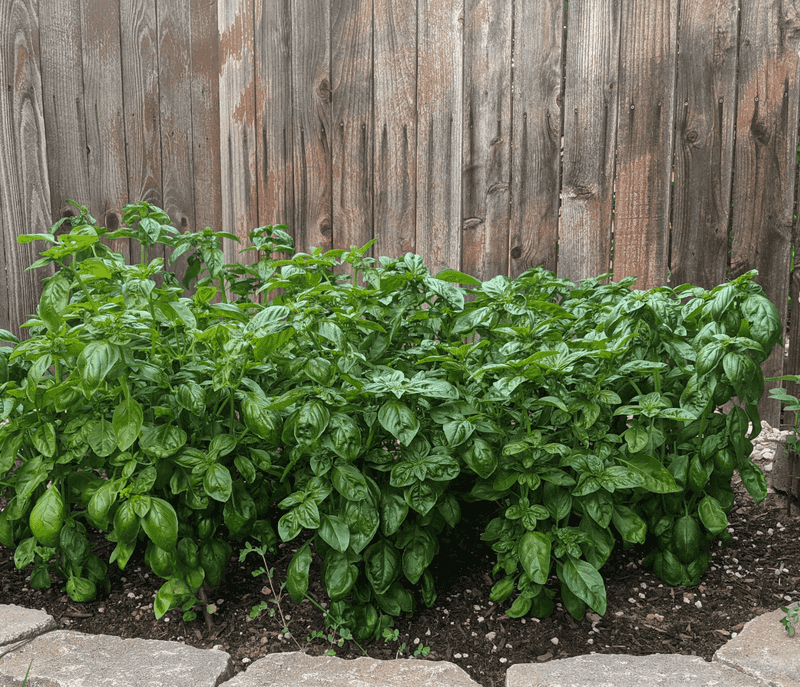
Starting basil from transplants rather than seed in June gives Charlotte gardeners a head start on one of summer’s most beloved herbs.
Transplants skip the slowest early stage of growth and move into active leaf production much faster, which matters when the goal is harvesting before the season winds down.
Basil thrives in the heat and genuinely seems to come alive during the long, sunny days of a Charlotte summer.
Pinching off flower buds as they form keeps the plant focused on producing leaves rather than going to seed. Once basil flowers, the leaves can take on a slightly bitter flavor, so regular pinching makes a real difference in quality.
Keeping up with this simple step every few days during peak summer growth helps the plant stay bushy and productive through the season.
Basil prefers warm soil, full sun, and consistent moisture without sitting in soggy conditions. Containers work well for basil and can be moved to a sheltered spot if an early frost threatens in fall.
Downy mildew has become a notable issue for basil in North Carolina in recent years, affecting sweet basil varieties more than some others.
Choosing resistant varieties or opting for Thai basil, lemon basil, or other types with better mildew tolerance can help gardeners get a full season of harvest from their June planting.