Why Raccoons Take Over Minnesota Yards After Dark (And How To Stop Them)
The trash can lid hit the pavement at 2 a.m., and the whole neighborhood held its breath.
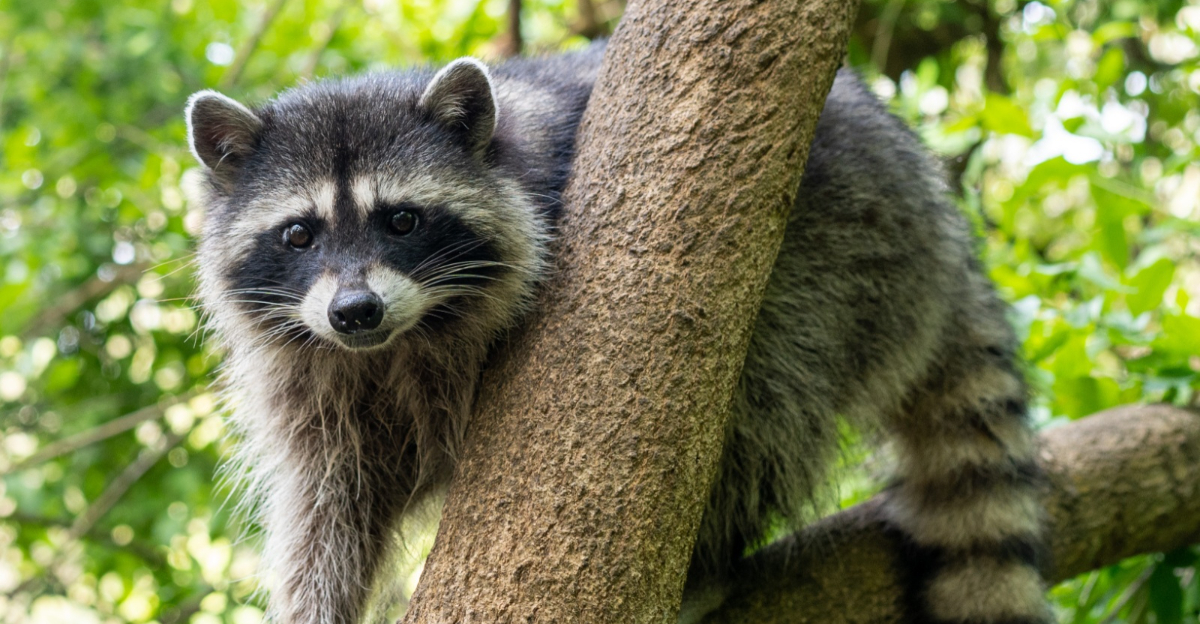
I grabbed a flashlight, stepped onto the porch, and swept the beam across the yard until it found a raccoon sitting in the grass, completely unbothered, like it had signed a lease.
It looked at me. I looked at it. Then it went back to business. That moment made one thing clear: my yard had become an open invitation I never meant to extend.
Why do Minnesota yards attract so many raccoons? The answer runs deeper than unsecured garbage.
Minnesota’s mix of woodlands, water, and suburban sprawl creates ideal conditions for these animals to thrive. Most homeowners never notice how many signals their yard quietly sends after dark.
Learning to read those signals is the first real step toward reclaiming your space. Knowledge is your best fence.
1. Your Garbage And Compost Bins Are Unsecured
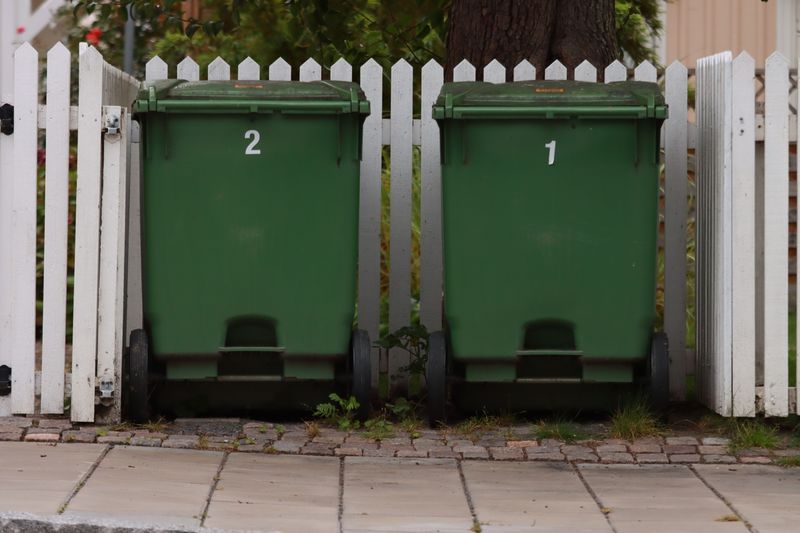
Raccoons can smell a loosely lidded trash can from remarkable distances down the street. That is not an exaggeration.
Their sense of smell is significantly more powerful than a human’s, which means your garbage bin is basically a glowing neon sign that says “free buffet” to every raccoon in the neighborhood.
Compost piles are even worse. Fresh vegetable scraps, fruit peels, and food waste release strong odors that travel far on cool Minnesota nights.
If your compost bin lacks a secure lid or has gaps, you are essentially running an open-air restaurant for wildlife after dark.
The fix is straightforward but requires consistency. Switch to bins with locking lids or use heavy-duty bungee cords strong enough to resist repeated pulling.
Store garbage inside your garage until the morning of pickup whenever possible. For compost, choose a sealed tumbler-style bin rather than an open pile.
These small changes remove one of the biggest reasons raccoons keep returning to your yard. Once the food signal disappears, so does their motivation to visit.
2. Pet Food Is Left Outside Overnight
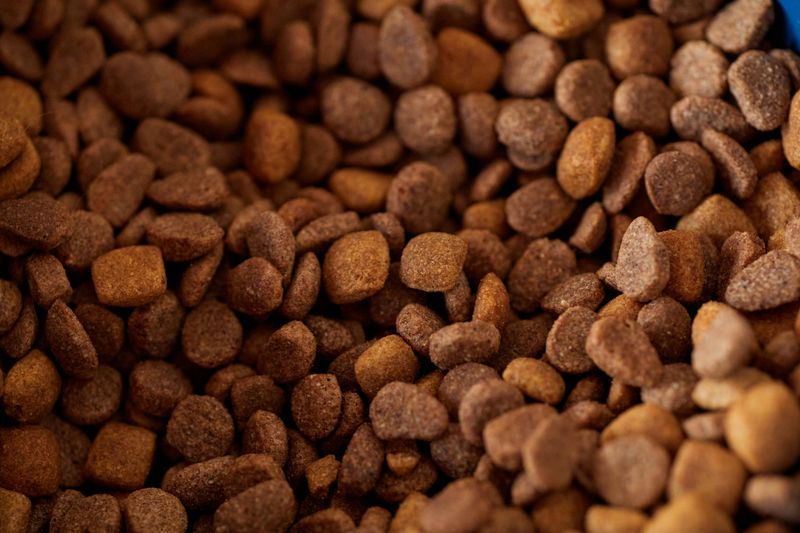
Leaving pet food outside overnight is one of the fastest ways to turn your yard into a raccoon hotspot. A full bowl of kibble sitting on your porch might as well have a welcome mat next to it.
Raccoons are opportunistic feeders, meaning they grab whatever requires the least effort, and an unattended bowl is as easy as it gets.
The problem compounds quickly. Once a raccoon finds a reliable food source, it returns every night at roughly the same time.
It also leaves scent trails that other raccoons follow. Before long, you have a small group making nightly rounds through your property. Solving this one is simple.
Bring all pet food inside before the sun sets and wash bowls thoroughly each evening to remove lingering scent.
If you have outdoor cats, consider a feeding station with a motion-sensor light to deter nighttime visitors. Remove the reward and you remove the reason they bother showing up at all.
3. Bird Feeders And Gardens Offer Easy Meals

Bird feeders are raccoon magnets. Sunflower seeds, suet cakes, and mixed seed blends are calorie-dense foods that raccoons absolutely love.
Your Minnesota Garden Changes Every Week. Your Plan Should Too.
Gardening in Minnesota changes quickly throughout the season. Every Friday you’ll receive a simple weekly plan showing exactly what to plant, prune, fertilize, harvest, and protect so you never miss the right timing.
They are agile climbers and can reach most standard feeder setups without breaking a sweat. Gardens add another layer of temptation.
Sweet corn, berries, melons, and tomatoes are among their favorites. A vegetable garden without protective barriers is essentially an all-you-can-eat salad bar that refreshes itself daily.
Raccoons also dig through garden beds searching for grubs and earthworms, leaving carefully tended plants in disarray.
Bring feeders inside at night or switch to raccoon-resistant designs mounted on baffled poles. For gardens, consider installing hardware cloth around raised beds or using row covers as a physical barrier.
Sprinkling cayenne pepper around garden edges may offer some deterrence, though it requires frequent reapplication, especially after rain, to have any noticeable effect.
Protecting these food sources cuts off a major attraction that draws raccoons into your yard throughout the season and beyond.
4. Raccoons Are Naturally Nocturnal Animals
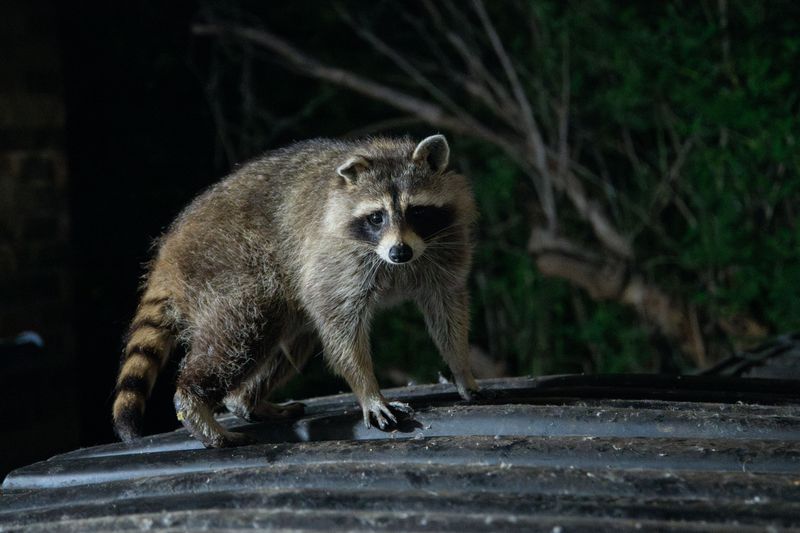
Raccoons are wired for the night. Sharp night vision, sensitive whiskers, and hand-like paws give them a serious after-dark advantage.
While you sleep, they are at peak activity, exploring every corner of your yard with focused curiosity. Minnesota’s long summer nights give raccoons extended windows to forage.
From late spring through early fall, they work hard to pack on fat reserves before winter. Suburban yards with reliable food sources become regular stops on their nightly routes.
Understanding this timing helps you take smarter action. Raccoons are most active between dusk and about two in the morning.
Setting motion-activated deterrents to operate during those hours maximizes their effectiveness. Securing food sources before sundown removes temptation during peak activity windows.
Knowing when they move also helps you spot patterns so you can adjust your prevention strategy accordingly.
5. Standing Water Sources Attract Them
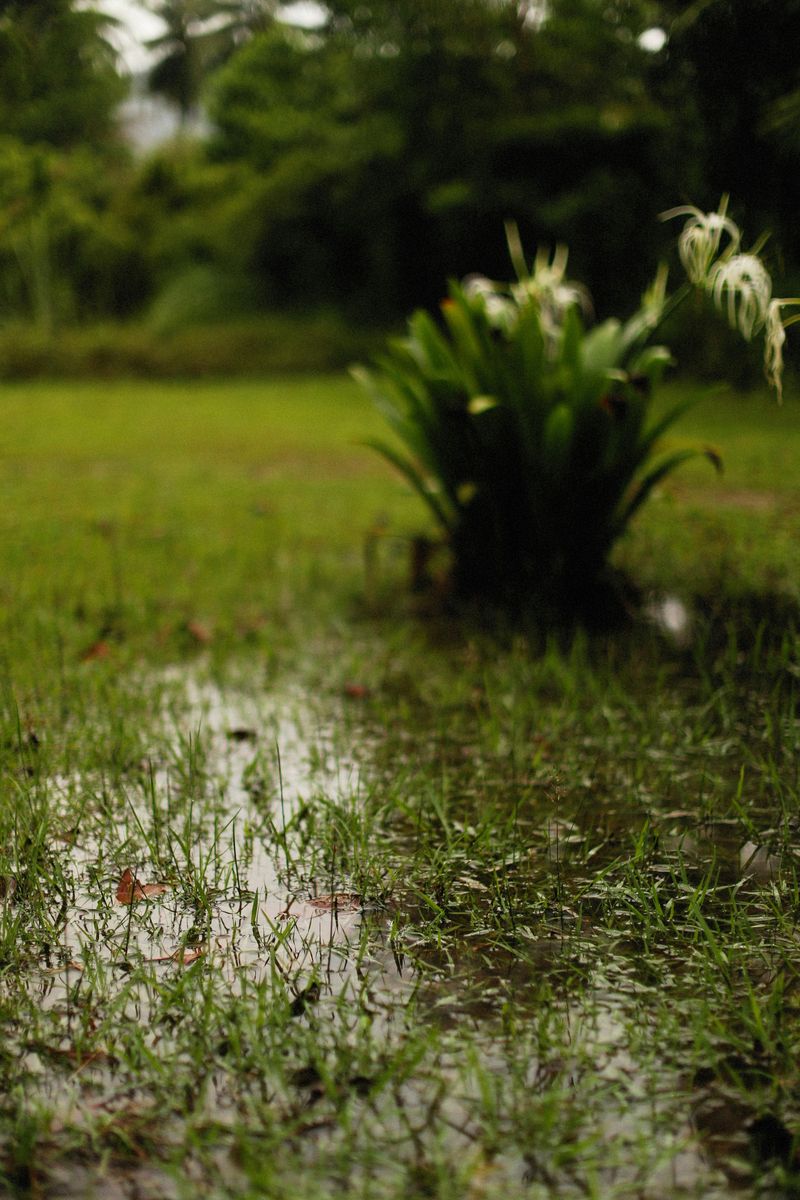
Water is just as attractive to raccoons as food. Raccoons have a well-known habit of dunking their food before eating.
One widely held explanation is that this behavior helps them soften food and heighten the sensitivity in their paws, though the exact reason remains debated.
Birdbaths, garden ponds, puddles, and even pet water bowls become irresistible gathering spots for this reason.
Standing water also serves as a drinking source during dry stretches of Minnesota summers. A goldfish pond is doubly appealing, offering both water access and an easy meal.
Raccoons are patient and skilled enough to scoop fish right out of shallow water features with ease.
Eliminating or managing water sources after dark makes a real difference. Bring in birdbaths or tip them over at night.
Cover garden ponds with mesh netting to block access and fix any areas where water pools after rain. Remove containers, buckets, or tarps that collect standing water.
These steps reduce one of the key resources that makes your yard appealing to raccoons on a nightly basis. A dry and unrewarding yard sends a clear message that better options exist elsewhere.
6. They Are Searching For Shelter And Denning Spots
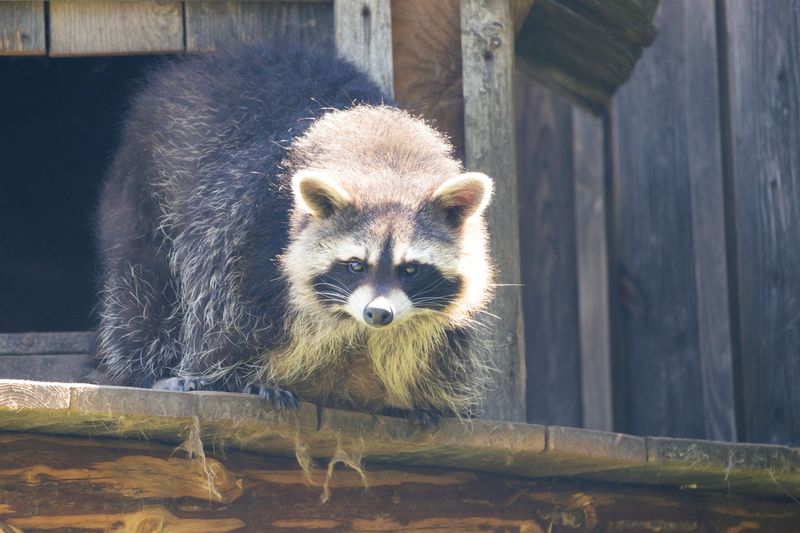
Raccoons do not just visit your yard for food. They are constantly scouting for safe, warm places to rest and raise their young.
Spaces under decks, inside sheds, beneath porches, and in attic crawl spaces are prime real estate from a raccoon’s perspective.
Female raccoons are especially motivated shelter-seekers in early spring when pregnant or nursing. A cozy gap under your deck becomes a nursery fast.
Once a family settles in, removing them becomes significantly more complicated and requires patience and professional help in many cases.
Prevention is far easier than eviction. Seal off gaps beneath decks and porches using heavy-gauge hardware cloth buried at least six inches into the ground to stop digging.
Check your shed foundation and roof edges for entry points and close them off before spring arrives. Overhanging branches act as highways straight to your roof, so keep them trimmed.
A yard with no accessible shelter becomes far less attractive as a long-term home base for these resourceful animals.
7. Lawn Grubs And Small Prey Are Easy To Find

Your lawn might be hiding a raccoon’s favorite meal just beneath the surface. Japanese beetle larvae, June bug grubs, and earthworms live in the top few inches of soil.
Raccoons detect them by sound and smell, then peel back sections of turf with their strong front paws to get at them.
The signs are hard to miss. Rolled-back grass, scattered soil, and shallow holes spread across your lawn overnight.
Many Minnesota homeowners mistake it for mole activity at first, but torn and folded turf is a classic raccoon signature. They also hunt frogs, crayfish, and small rodents along yard edges near water.
Treating your lawn for grubs directly reduces this type of foraging. Apply a grub control product in late spring or early summer before larvae mature.
Beneficial nematodes offer a natural approach that targets grubs without harsh chemicals. Keeping your lawn healthy and well-watered encourages deeper root growth, which makes grub access slightly harder.
A grub-free lawn removes one of the most compelling underground reasons raccoons tear up your turf night after night.
8. Urban Yards Offer Food With Fewer Predators
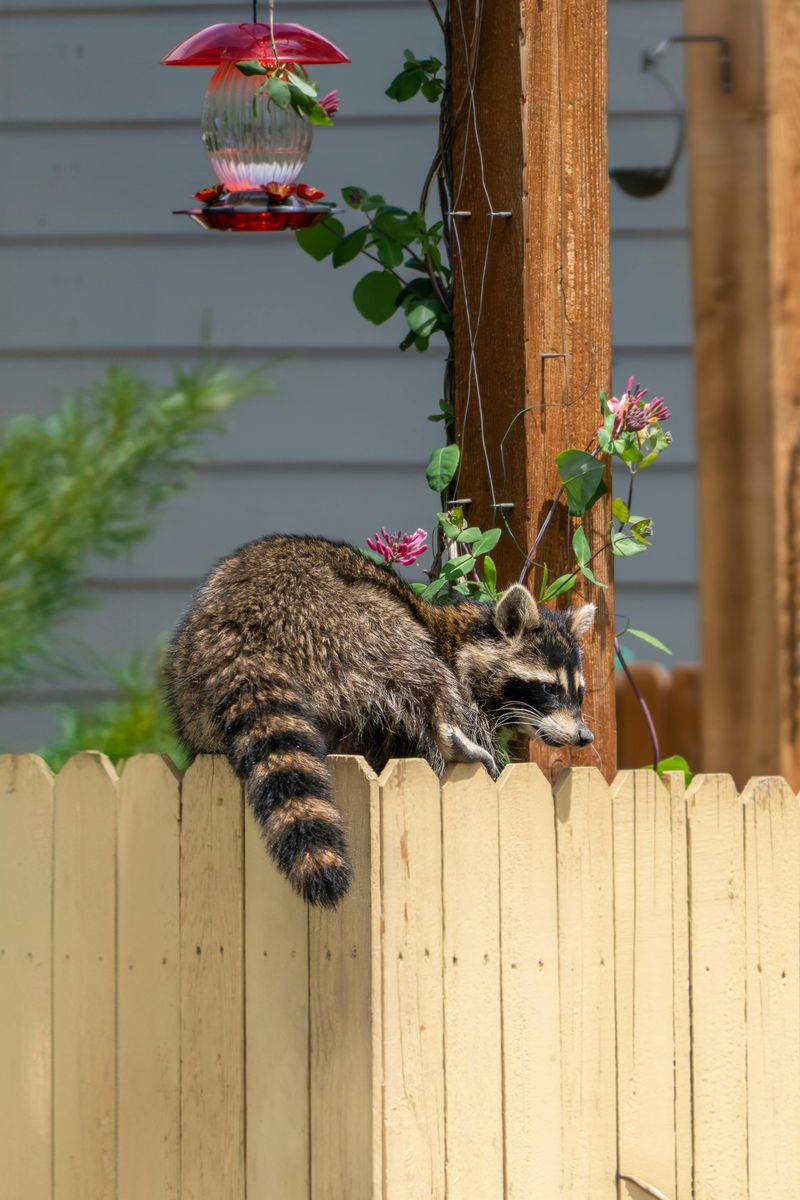
Suburbs are a raccoon’s paradise for one simple reason: the food is abundant and the danger is minimal. In rural areas, raccoons face coyotes, foxes, great horned owls, and bobcats.
In most Minnesota neighborhoods, those threats barely exist, which allows raccoons to move with far more confidence and boldness than their wild counterparts.
Urban food sources are also incredibly reliable. Garbage pickup schedules, outdoor dining, community gardens, and pet feeding habits create predictable, consistent food availability.
Raccoons are intelligent enough to learn schedules and return at the most rewarding times. Some have even figured out how to navigate specific garbage bin designs through repeated trial and error.
This comfort in suburban spaces is why raccoon populations in neighborhoods tend to be much denser than in forested areas.
A single city block in areas with abundant food can support several raccoon families. The lack of natural pressure means they have no reason to leave.
Making your yard specifically unappealing through deterrents and food removal forces them to redirect their energy toward easier targets.
You cannot control the whole neighborhood, but you absolutely can control what happens in your own outdoor space.
9. Lock Down And Secure All Food Sources

Securing every food source on your property is the single most impactful step you can take. Raccoons are persistent, but they are also practical.
If a yard consistently offers nothing edible, they cross it off their nightly route and move on. Start with your trash.
Minnesota raccoons are remarkably skilled at exploiting unsecured bins, so use containers with built-in locking mechanisms or secure lids with heavy-duty bungee cords strong enough to resist repeated pulling.
Store bins in a garage or shed until collection morning. For compost, switch to a sealed tumbler-style unit with a latching lid.
Never add meat, dairy, or cooked food scraps to outdoor compost bins since those smells travel farthest.
Move pet food bowls inside before dark every single evening without exception. Take down bird feeders at night or switch to enclosed feeders mounted on baffled poles.
Pick ripe fruit and vegetables from your garden promptly rather than letting them sit overnight. Clean your grill grates after every use and cover the grill when not in use.
Minnesota’s long foraging season means raccoons are actively searching for food sources well into late fall. Each of these habits stacks on top of the others to create a yard that raccoons find genuinely unrewarding.
Consistency is the key ingredient that makes all of these efforts work long-term. Minnesota homeowners who stay consistent with these steps typically see results within just a few weeks.
10. Eliminate Standing Water Sources At Night

Water is just as attractive to raccoons as food, and most homeowners overlook it completely. Covering or removing standing water nightly is a simple step that makes a real difference.
Tip birdbaths over or bring them inside after dark. Cover decorative ponds with taut hardware cloth or commercial pond netting secured at the edges.
Empty any containers, buckets, or trays that collect rainwater. Fix low-lying areas in your lawn where puddles form regularly after rain since those spots become reliable watering holes for nocturnal visitors.
If you have a water feature you love and do not want to cover, add a motion-activated sprinkler nearby. The sudden burst of water startles raccoons and conditions them to avoid that area.
Fountain pumps that keep water moving are also slightly less appealing to raccoons than still, calm sources.
Combining water management with food source control creates a layered defense that makes your yard noticeably less hospitable.
Raccoons always choose the path of least resistance, and a dry yard nudges them firmly toward someone else’s property.
11. Install Motion-Activated Lights And Sprinklers
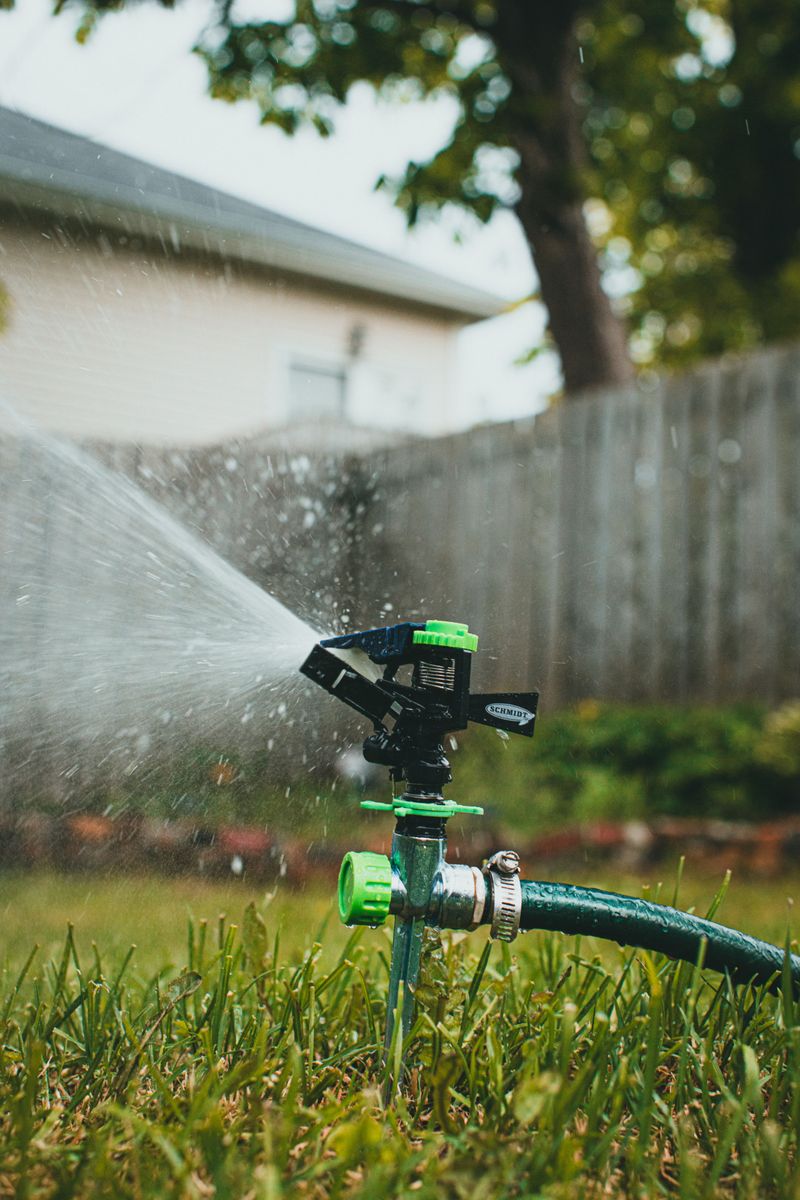
Sudden light and water are two things raccoons genuinely dislike. Motion-activated floodlights startle them mid-stride and strip away the cover of darkness they depend on.
Pair that with a motion-triggered sprinkler and you have a combination that conditions raccoons to associate your yard with an unpleasant experience.
Placement matters a lot. Focus lights and sprinklers on high-traffic areas like garbage bin locations, garden edges, and spaces under decks or along fence lines.
Overlapping coverage zones prevent raccoons from simply sidestepping the trigger area. Solar-powered motion lights are affordable, easy to install, and require no wiring.
Motion-activated sprinklers connect to a standard garden hose and release a sudden burst of water when movement is detected.
Coverage varies by model, placement, water pressure, and the size of the area you are trying to protect.
Over time, they learn that your space is unpredictable and uncomfortable. Paired with food and water control, these deterrents form a strong layered defense.
12. Build Proper Fencing With Buried Barriers
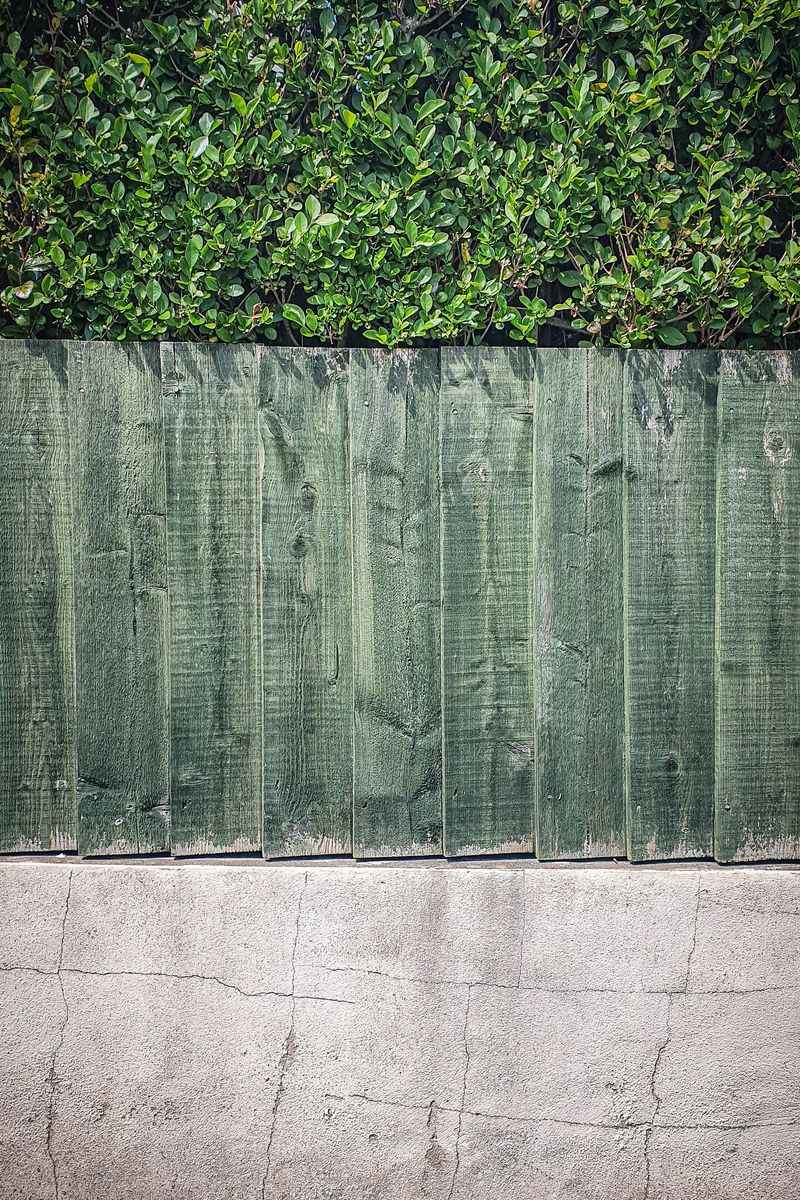
Raccoons are remarkable climbers, and a standard fence will not stop them. They scale wood, chain link, and vinyl fencing without much effort.
The key to a raccoon-resistant barrier is making the top and bottom of the fence as difficult as possible to navigate.
Use a fence topped with an electric wire or a floppy roller bar that spins when weight is applied. Rollers prevent raccoons from getting a grip and send them tumbling back down.
For garden beds, hardware cloth bent outward at the base and buried six to eight inches underground stops digging from below as well as climbing from above.
Electric fencing works especially well around gardens and compost areas. A low-voltage two-wire electric fence set at four and eight inches above ground is highly effective.
Bait the wire with a small amount of peanut butter so curious raccoons make contact and receive a low-voltage but memorable shock. After a few encounters, most raccoons avoid the area entirely.
Proper fencing combined with the other strategies in this guide creates a yard that raccoons consistently choose to avoid rather than challenge.
13. Treat Your Lawn To Control Grubs
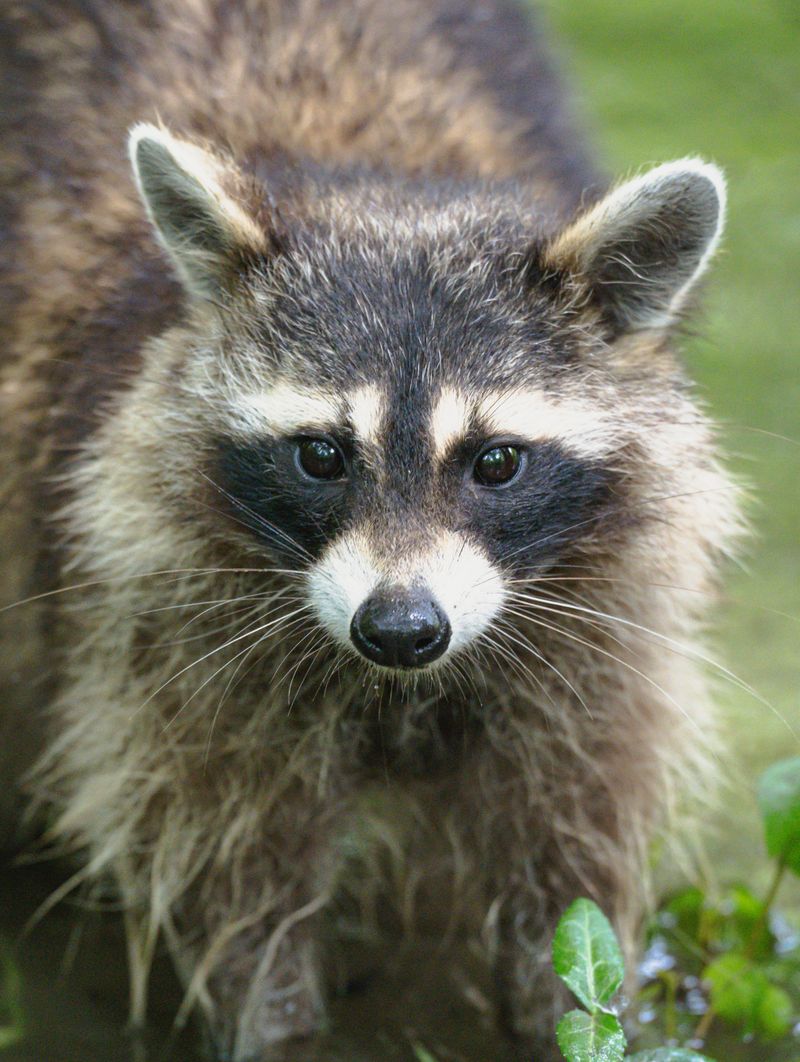
A grub-infested lawn is an underground buffet that raccoons can smell from across the yard. Reducing the grub population removes one of the biggest reasons raccoons dig up your turf night after night.
Apply a grub control product containing imidacloprid or chlorantraniliprole in late spring or early summer, before larvae hatch and grow large.
Water the product in well so it reaches the root zone where grubs live. Beneficial nematodes offer a chemical-free alternative that targets grubs without harming other wildlife.
Milky spore targets Japanese beetle grubs specifically, but it is not a dependable fix for every Minnesota lawn because grub species and climate conditions vary.
A healthy, well-aerated lawn also tends to support fewer grub populations naturally. Core aeration each fall improves drainage and reduces the compacted, moist soil conditions that grubs thrive in.
Treating grubs is one of the most overlooked steps in raccoon prevention, yet it tackles the problem right at the source.
A lawn with nothing worth digging for is a lawn that raccoons in your Minnesota neighborhood will simply pass right by.