9 Simple Backyard Swaps That Draw More Birds In Minnesota
Minnesota yards have more bird potential than most homeowners realize. A few targeted changes can flip a forgettable backyard into the kind of place chickadees, goldfinches, and red-breasted nuthatches actually stick around.
A sprawling garden is not required, and neither is an expensive overhaul. Birds are practical creatures. They show up where the food, water, and shelter are, and they skip everywhere else.
Minnesota summers give you a real window to make that happen. Native plants are hitting their stride, insects are peaking, and resident birds are actively scouting territory.
Get the right things in place now, and your yard becomes a regular stop on their daily route. These nine backyard swaps are simple, low-cost, and genuinely effective.
Make one change or make all nine. Either way, your yard is about to get a lot more interesting.
1. Add A Birdbath Or Water Feature
Water is the one thing birds cannot resist, no matter the season. A simple birdbath can attract more species than even the best feeder setup.
Birds need fresh water for drinking and bathing every single day. Stagnant or dirty water drives them away fast, so change it every two to three days.
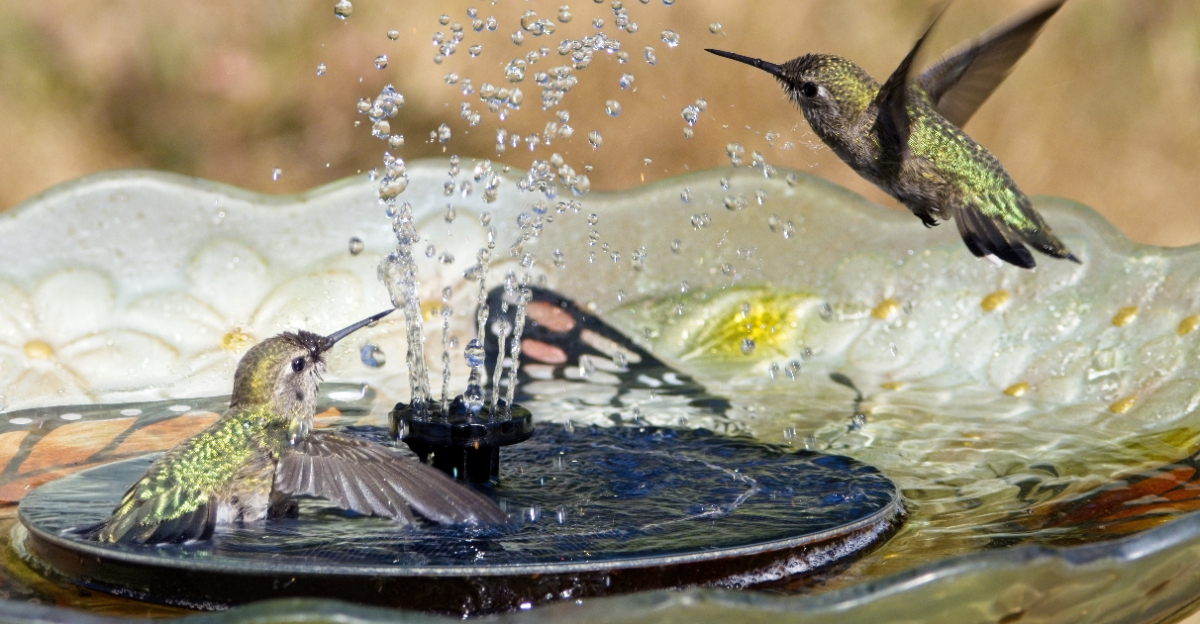
Adding a small solar-powered dripper or wiggler creates movement in the water. Moving water catches light and sound, which signals safety to passing birds from far away.
Minnesota summers can get surprisingly dry, and natural water sources shrink fast. Your birdbath may be the only reliable option birds find in your neighborhood.
Place your birdbath in a shaded spot near shrubs or trees. That gives birds a quick escape route if a hawk or cat shows up nearby.
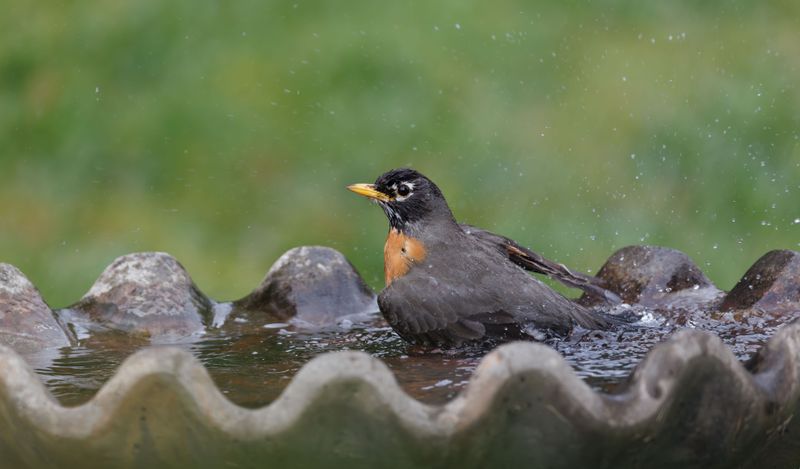
Ground-level baths attract different species than elevated ones. Robins and thrushes prefer low water sources, while finches favor raised birdbaths with a wide, shallow basin.
Depth matters more than most people think. Keep the water no deeper than two inches so smaller birds can wade in without any trouble.
In winter, a heated birdbath becomes a neighborhood magnet. Ice-free water is incredibly rare outdoors, so birds will travel far to find your warm, open source.
Even a simple dish on a stump counts as a water feature. Start small, keep it clean, and watch your yard transform into a busy bird destination.
2. Plant Native Flowers For Seeds And Insects
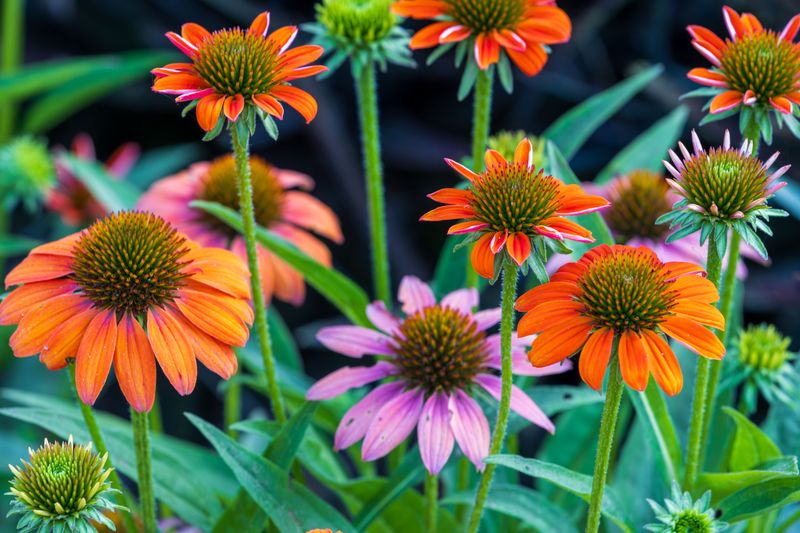
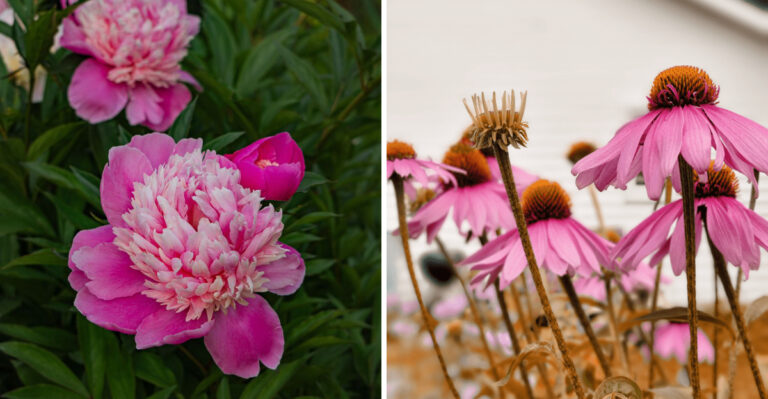
Coneflowers and black-eyed Susans do double duty in any yard. They bloom beautifully all summer, then drop seeds that goldfinches go absolutely wild for in fall.
Native flowers evolved alongside local birds over thousands of years. That long history means native plants produce exactly the seeds and insects that Minnesota birds need most.
Non-native ornamental flowers often look stunning but deliver almost nothing nutritionally. Swap even a few of them out for native species and you will notice more bird activity within weeks.
Native blooms also support caterpillars and beetles that birds feed their chicks. Insects are the real protein source for baby birds, not seeds or suet.
Your Minnesota Garden Changes Every Week. Your Plan Should Too.
Gardening in Minnesota changes quickly throughout the season. Every Friday you’ll receive a simple weekly plan showing exactly what to plant, prune, fertilize, harvest, and protect so you never miss the right timing.
Minnesota is home to over 1,800 native plant species, and birds have built their entire lives around them. Choosing even a handful of those plants sends a clear signal that your yard is worth visiting.
Purple coneflower, wild bergamot, and compass plant are all excellent starter choices. They are tough, low-maintenance, and absolutely beloved by birds and pollinators alike.
Plant in clusters rather than single stems scattered around the yard. Grouped plantings create larger feeding zones that are easier for birds to locate and defend.
You do not need a full garden overhaul to make a difference. Replacing just one non-native flower bed with natives is a powerful first step toward a bird-friendly yard.
3. Switch To Native Shrubs And Berries
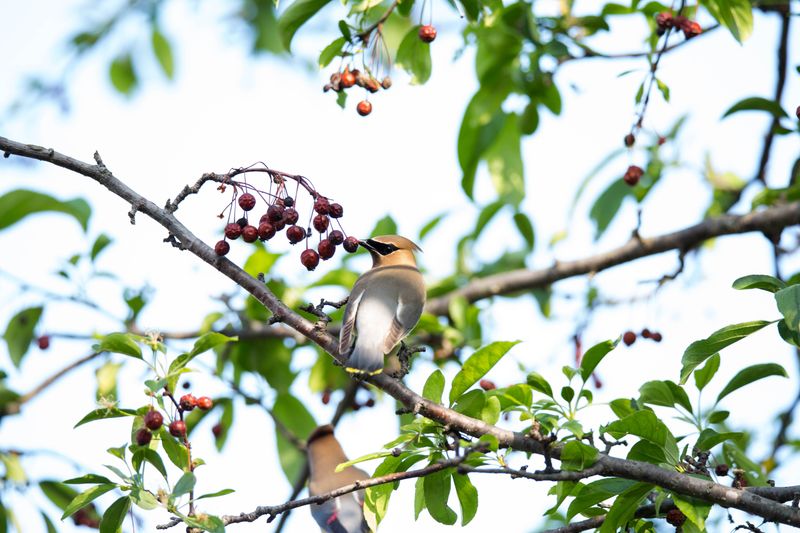
Cedar waxwings descend on a berry-covered shrub like a feathered flash mob. One well-placed serviceberry bush can attract dozens of birds in a single afternoon.
Native shrubs produce berries timed perfectly with bird migration cycles. That is not a coincidence, it is thousands of years of co-evolution working in your favor.
Elderberry, chokecherry, and highbush cranberry are top performers across the state. Each one feeds multiple species throughout different seasons, from summer through deep winter.
Non-native shrubs like burning bush and Japanese barberry look nice but offer little. Many are also invasive, crowding out the native plants that birds truly depend on.
Swapping even one ornamental shrub for a native berry producer makes a real impact. Birds that were passing through your neighborhood may start stopping in your yard specifically.
Serviceberry is one of the earliest fruiting shrubs in Minnesota, producing berries right when migrating birds need fuel most. Plant one near a window and you will have a front-row seat every spring.
Native shrubs also provide nesting cover and wind protection. A dense shrub is not just a food source, it is a safe neighborhood for birds to raise families.
Check your local nursery for shrubs grown from regional seed stock. Locally sourced plants are better adapted to your soil and climate, making them easier to grow successfully.
4. Put Up A Nesting Box
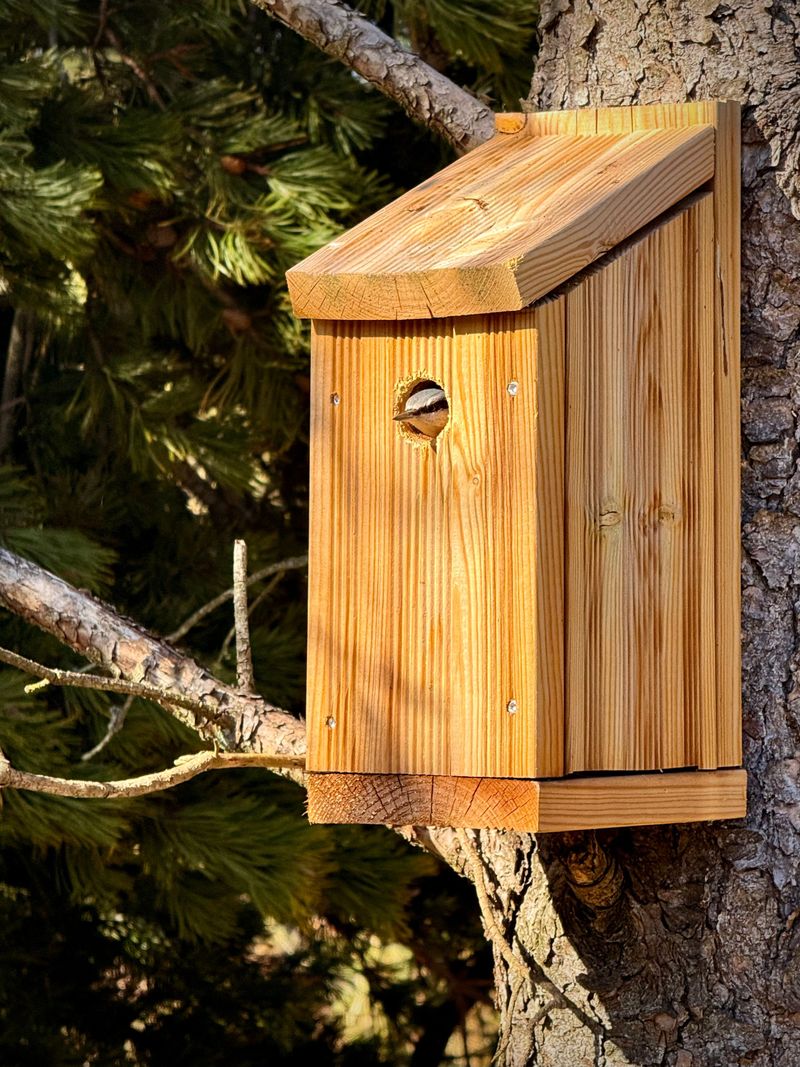
Bluebirds are one of the most stunning birds you can attract to a Minnesota yard. All they need is the right nesting box mounted in the right spot.
Natural tree cavities are disappearing fast as old trees get removed from neighborhoods. Nest boxes fill that gap and give cavity-nesting birds a fighting chance to breed successfully.
Different species need different hole sizes and box dimensions. A bluebird box has a 1.5-inch entrance, while a chickadee prefers a slightly smaller 1.25-inch opening.
Placement matters just as much as box design. Mount boxes on metal poles with baffles to keep raccoons and squirrels from raiding eggs and chicks inside.
Face the entrance hole away from prevailing winds, which typically blow from the northwest in this region. That small detail keeps chicks warmer and dramatically improves nesting success rates.
Clean out old nests each fall after the breeding season ends. A clean box is far more likely to attract a new tenant the following spring season.
You can buy ready-made boxes or build your own with untreated wood. Either way, putting one up is one of the most rewarding swaps you can make for local birds.
5. Set Up The Right Bird Feeders
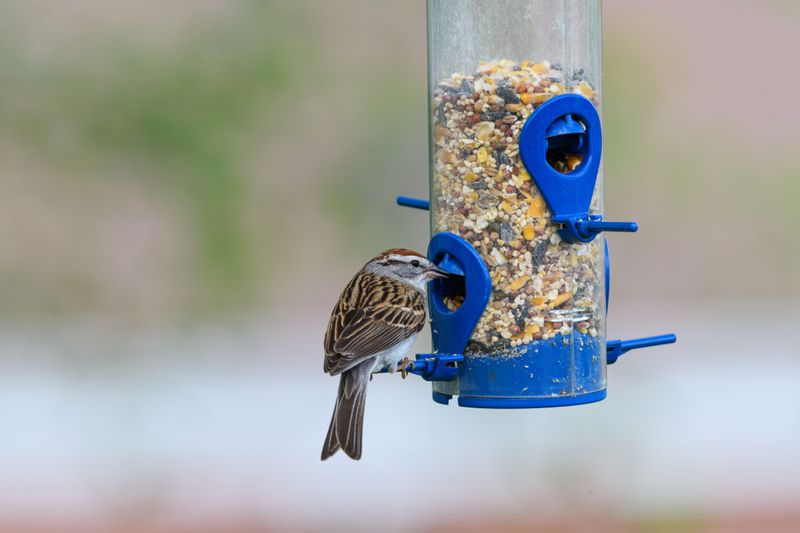
Not all feeders are created equal, and the wrong one wastes both seed and time. Matching your feeder style to your target species makes a surprisingly big difference.
Black-oil sunflower seeds attract the widest variety of birds in this region. Chickadees, nuthatches, cardinals, and finches all flock to a well-stocked sunflower feeder without hesitation.
Nyjer seed in a tube feeder is the goldfinch gold standard. Those tiny seeds require a specialized feeder with small ports that keep larger, unwanted birds out.
Platform feeders work beautifully for ground-feeding species like juncos and sparrows. Scatter a little millet or cracked corn on the tray and watch the action pick up fast.
Avoid cheap mixed seed bags loaded with milo and red millet. Most songbirds toss those fillers aside, creating a mess and attracting pest species like starlings instead.
Placement affects how safe birds feel while feeding. Position feeders within ten feet of shrubs so birds can dart to cover if a predator appears suddenly.
Keep feeders clean and dry to prevent mold and bacteria growth. A quick scrub every week or two keeps your feeding station healthy and reliably busy all season long.
6. Build A Brush Pile For Ground Birds
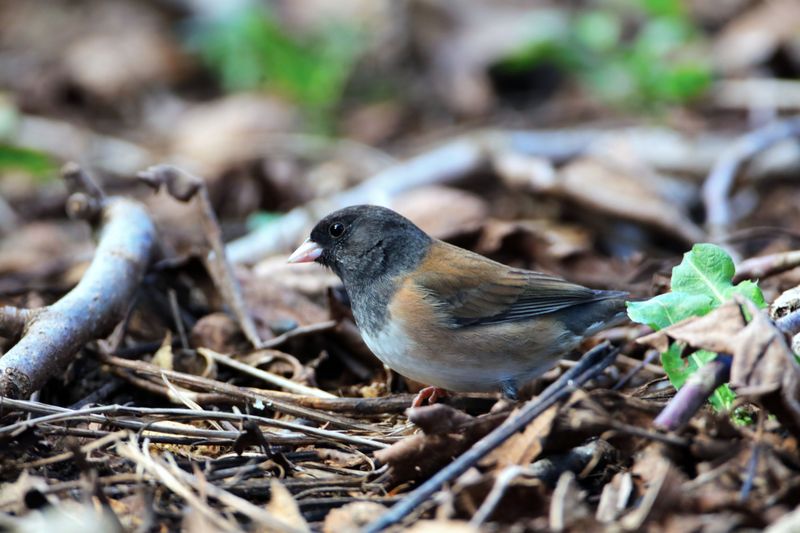
A brush pile sounds messy, but it is basically a five-star hotel for ground-dwelling birds. Sparrows, juncos, and towhees absolutely love a good pile of sticks and leaves.
Ground birds need cover to feel safe while they forage. A brush pile gives them a place to dash into the moment a threat appears overhead or nearby.
Building one is almost embarrassingly easy. Stack fallen branches in a loose crisscross pattern, add leaves and garden trimmings, and let nature take over from there.
The pile also creates a microhabitat for insects, worms, and other invertebrates. Those hidden critters become a reliable food source that keeps birds returning to your yard regularly.
Aim for a pile about four feet tall and six feet wide. That size gives enough interior space for birds to move around and feel genuinely sheltered inside.
Place it in a back corner away from heavy foot traffic and pet activity. Birds need to trust that the area is calm before they will use the pile consistently.
Brush piles are especially valuable during fall migration and harsh winters. When food is scarce and temperatures drop, that humble pile of sticks becomes a genuine lifesaver for local birds.
7. Stop Using Pesticides In Your Yard
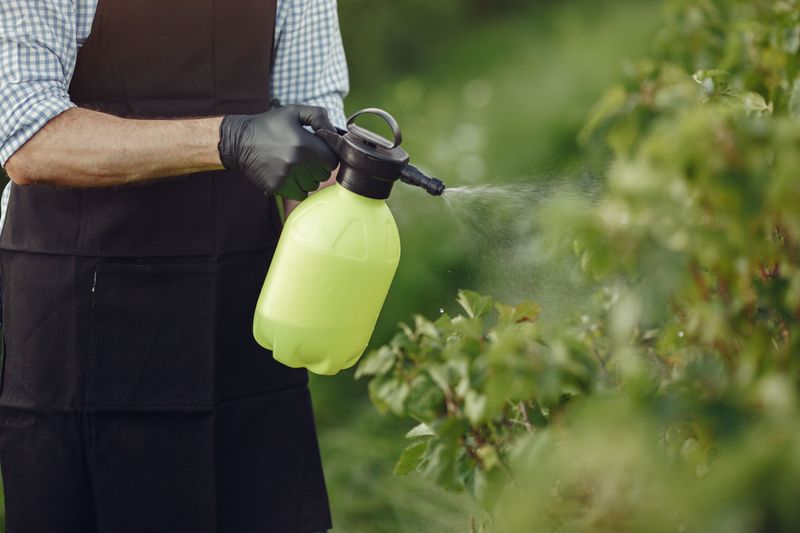
Pesticides do not just knock out pests, they wipe out the entire food chain birds depend on. Robins, wrens, and warblers need insects to survive, and chemicals eliminate that supply fast.
Studies show that widespread insecticide use has contributed to insect population declines of up to 45 percent over the past few decades. That is a staggering loss for birds raising chicks nearby.
Switching to organic pest management is easier than most people expect. Companion planting, hand-picking, and encouraging natural predators handle most common garden problems without any spray at all.
Ladybugs, lacewings, and ground beetles are natural pest controllers that thrive in chemical-free yards. Welcoming them means fewer aphids and caterpillars without any harm to the birds you love.
Herbicides also cause collateral damage by eliminating plants that support insect life. A dandelion-free lawn sounds tidy, but it is actually a food desert for birds and pollinators.
Start by eliminating pesticide use in one garden bed and observe the results. You will likely notice more bird activity within a single growing season without doing anything else.
A yard that feeds insects feeds birds. That simple shift in perspective changes everything about how you manage your outdoor space going forward.
8. Leave Seed Heads Standing Through Summer
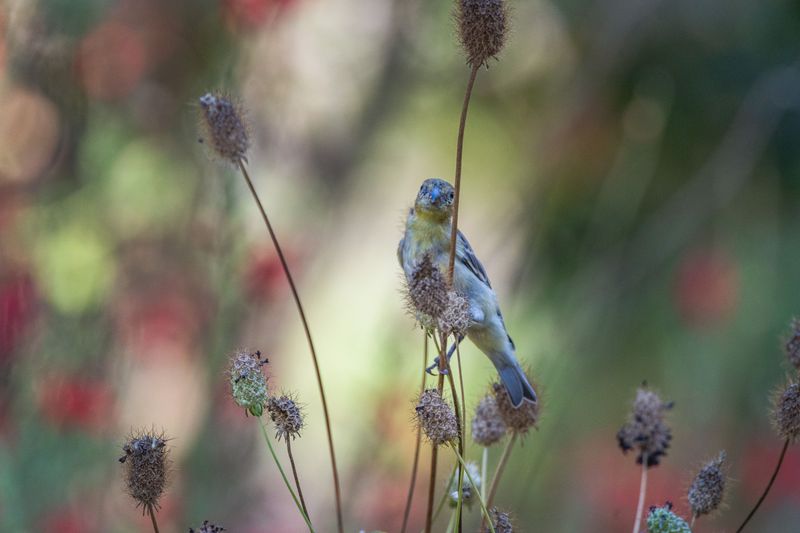
Cutting back your garden in fall feels tidy, but it actually removes a critical food source. Seed heads left standing become a buffet for finches, sparrows, and chickadees all winter long.
Goldfinches are especially drawn to coneflower and rudbeckia seed heads. Watch them cling and twist on those dried stalks with the kind of acrobatic skill that never gets old.
Hollow stems also provide overwintering habitat for native bees and small insects. Those insects become early spring food for birds returning after a long migration north.
Leaving plants standing is not laziness, it is smart habitat management. Many experienced gardeners now call it the ecological approach to seasonal cleanup and landscape care.
If aesthetics are a concern, leave the back beds standing and tidy the front. That compromise gives birds what they need while keeping your curb appeal intact through the colder months.
Ornamental grasses are another excellent option to leave up through winter. Their seed heads feed sparrows and juncos, while the dense clumps provide insulating shelter during brutal cold snaps.
One season of leaving plants standing will show you exactly what you have been missing. The birds that show up will make you rethink the whole idea of a tidy winter garden.
9. Add Dense Shrubs For Cover And Shelter
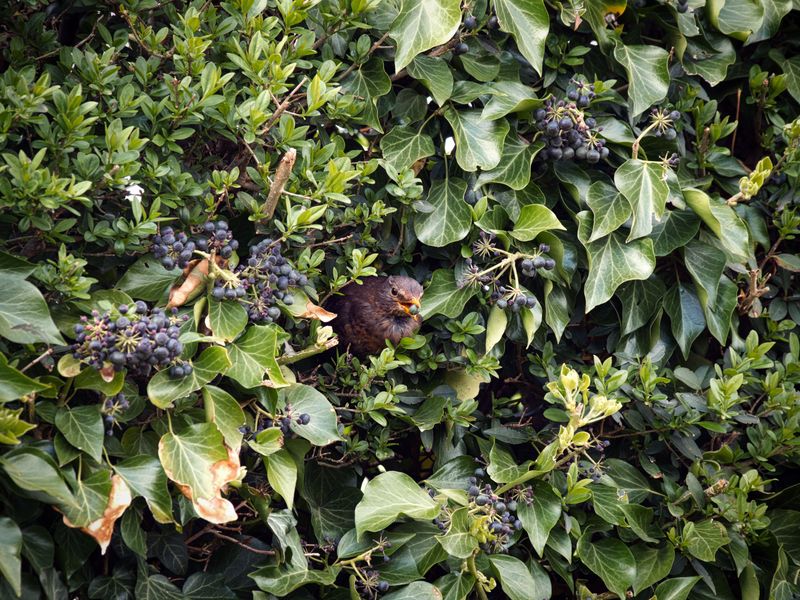
Birds do not just need food, they need a safe place to hide, rest, and ride out bad weather. Dense shrubs provide that critical layer of protection that most yards completely lack.
Gray dogwood, hazelnut, and viburnum are workhorses for cover in this climate. They grow quickly, tolerate cold winters, and create the thick tangles that birds genuinely prefer for shelter.
A yard with open lawn and isolated trees gives birds nowhere to retreat. Adding a dense shrub border along a fence line changes the entire safety profile of your outdoor space.
Shrubs also serve as staging areas near feeders and birdbaths. Birds perch in nearby branches, scan for danger, then dart out to feed before returning quickly to cover.
Layering shrubs of different heights creates what birders call a habitat edge. That transition zone between open space and dense cover is one of the most productive bird-watching spots you can create.
Evergreen shrubs like arborvitae or native juniper offer year-round shelter. In brutal January cold, a thick evergreen hedge can mean the difference between a bird surviving the night or not.
Simple backyard swaps that draw more birds in Minnesota always come back to one core idea. Give birds what they need to feel safe, and they will reward you with their presence all year long.