The One Thing You Must Do To Pennsylvania Peonies In June Or They Won’t Bloom Next Year
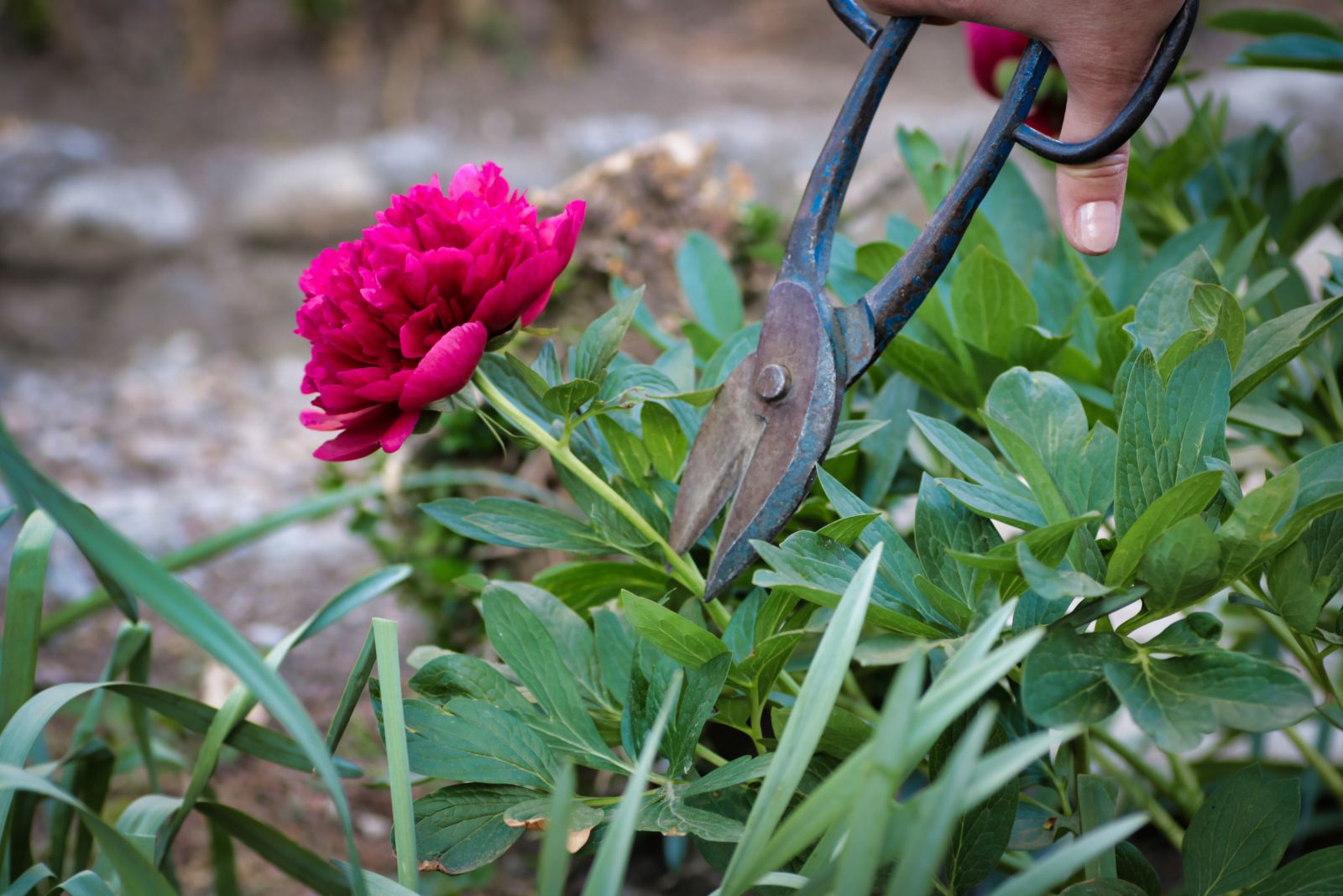
Did you know that what you do with your Pennsylvania peonies in June has more influence over next year’s bloom than almost anything else you will do with them for the rest of the growing season?
Peonies have a reputation for being long-lived and forgiving, and in many ways that reputation is deserved.
But forgiving does not mean they respond the same way to good care as they do to neglect, and June is the month where that difference gets locked in for the following year.
The blooms you are enjoying right now or have just finished cutting are already setting the stage for what happens twelve months from now, and there is one specific task that determines whether that stage is set well or not.
Pennsylvania gardeners who skip it often notice declining bloom quality over time without ever connecting it to what was or was not done during this particular window. That connection is worth understanding clearly before June is over.
Cutting Back Dry Foliage
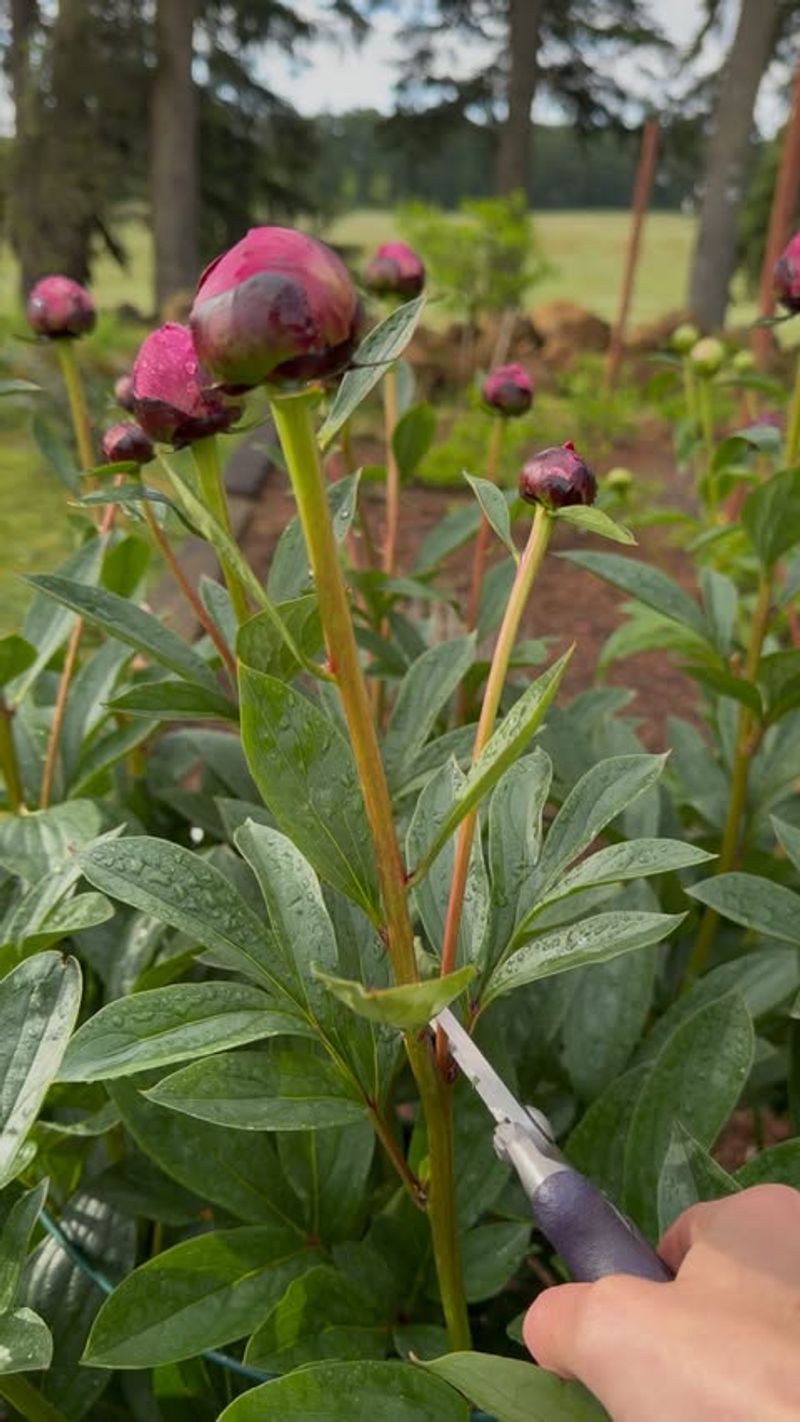
Most gardeners are surprised to learn that what you do after peony blooms fade matters just as much as what you do before they open. Once the flowers drop and the leaves start to yellow in June, it is time to get your pruning shears ready.
Removing that fading foliage is one of the smartest moves you can make for your plant’s long-term health.
When leaves start to yellow or brown, the plant is no longer putting energy into them. But if you leave them on the plant, they can become a breeding ground for fungal diseases like botrytis blight.
That disease can spread quickly in Pennsylvania’s humid summer air and attack the crown of your plant, which is where next year’s buds are forming right now.
Cut the stems back to about two to three inches above the soil line. Use clean, sharp pruning shears to make smooth cuts.
Dull blades can crush stems and leave ragged edges that are more likely to get infected. Always wipe your blades with rubbing alcohol before and after cutting to avoid spreading any disease between plants.
Do not toss the clippings into your compost pile. Diseased foliage can survive composting and reinfect your garden later.
Instead, bag the clippings and put them in the trash or burn them if local ordinances allow. Keeping the area around your peonies clean and tidy after cutting will give those underground buds the best possible start heading into fall and winter.
Inspecting The Crown For Health
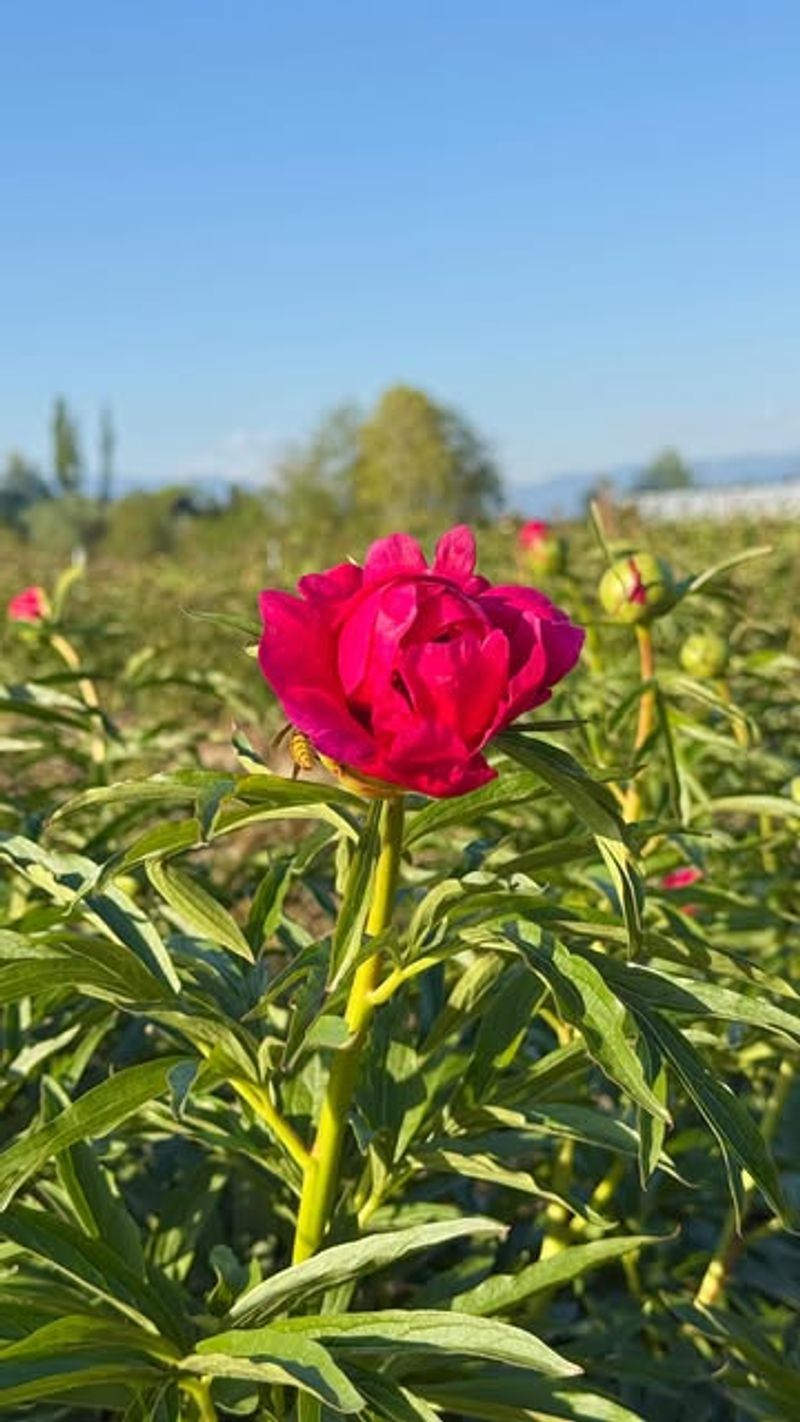
Think of the crown as the command center of your peony plant. It sits just below the soil surface and holds all the energy buds your plant needs to produce flowers next spring.
If the crown is struggling, your blooms will be too. June is the perfect time to get down close and really look at what is happening at the base of your plant.
Gently brush away any loose soil or mulch from around the crown. You are looking for soft, mushy spots, dark discoloration, or any areas that smell off.
Your Pennsylvania Garden Changes Every Week. Your Plan Should Too.
Gardening in Pennsylvania changes quickly throughout the season. Every Friday you’ll receive a simple weekly plan showing exactly what to plant, prune, fertilize, harvest, and protect so you never miss the right timing.
These are signs of crown rot, which is a serious fungal problem that thrives in wet, poorly drained soil. Pennsylvania gets plenty of rain in late spring, so crown rot is not uncommon here.
If you find soft or damaged sections, use a clean knife to carefully remove them. Cut away any tissue that looks brown or feels spongy.
After removing damaged material, dust the area lightly with powdered sulfur or a garden fungicide to help prevent further spread. Let the exposed area air out for a day before adding any mulch back around the plant.
Also check for signs of insect activity, like small holes in stems or sticky residue on leaves. Ants are commonly spotted on peonies but are mostly harmless.
However, if you see clusters of tiny bugs or chewed foliage, that is worth addressing right away. A healthy crown means a strong plant, and a strong plant means a gorgeous bloom display next May or June.
Fertilizing Appropriately
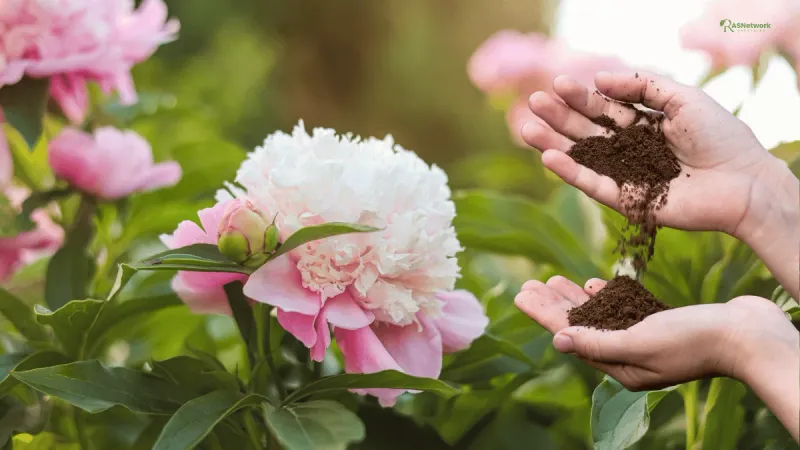
Feeding your peonies after they bloom might feel counterintuitive, but it is actually one of the best things you can do for next year’s flowers. Right after you cut back the foliage in June, the plant shifts its focus underground.
It starts storing energy in its roots and setting tiny buds that will become next spring’s blooms. Giving it the right nutrients now supports that process in a big way.
The key word here is low-nitrogen. Nitrogen is the nutrient that pushes plants to grow lots of leafy, green growth.
That sounds good, but for peonies, too much leaf growth means less energy going toward flower bud development. You want a fertilizer that is higher in phosphorus and potassium, which support root strength and bloom production.
Look for a formula labeled something like 5-10-10 or a product made specifically for flowering perennials.
Sprinkle the granular fertilizer lightly around the base of the plant, keeping it a few inches away from the crown itself. Water it in gently after applying so the nutrients can start moving into the soil.
Avoid piling fertilizer directly on top of the crown or stems, as concentrated fertilizer can cause chemical burn on tender plant tissue.
One application in June is usually enough for the whole season. Peonies are not heavy feeders, and over-fertilizing can actually do more harm than good.
If your soil is already rich, you might even skip the fertilizer and just top-dress with a bit of compost instead. Either way, the goal is to feed the roots, not just the leaves.
Mulching Lightly
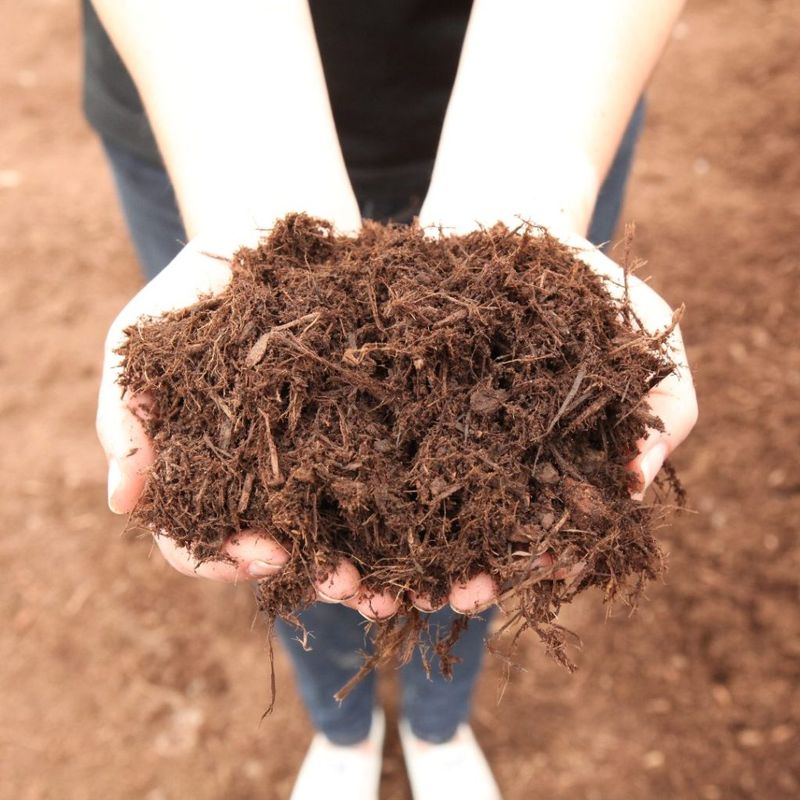
Pennsylvania summers can get hot and dry in a hurry, and that kind of heat stress is not friendly to peony roots. After you have cut back the foliage and checked the crown, adding a light layer of mulch around your plant is a simple step that pays off in a big way.
Mulch acts like a blanket for the soil, helping it hold onto moisture and stay a little cooler even on the hottest July days.
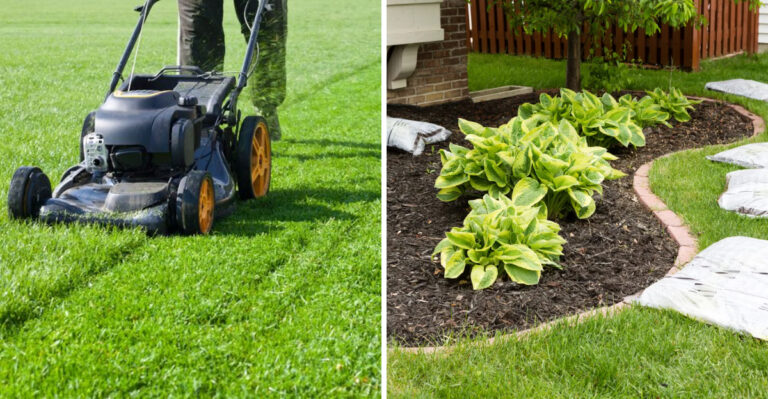
Use shredded bark, wood chips, or straw for best results. Spread about one to two inches of mulch in a wide circle around the plant, reaching out to roughly the same width as the plant itself.
That wider coverage helps protect the root zone, which extends farther than most people expect. A thin, even layer is all you need.
Here is the most important rule: keep the mulch away from the crown. Piling mulch directly on top of the crown traps moisture against the plant and creates the perfect conditions for rot to set in.
Aim to leave at least two to three inches of clear space between the mulch and the base of the stems. Think of it like a donut shape, with the center open around the crown.
Refresh the mulch layer if it breaks down or thins out over summer. Organic mulches decompose over time, which is actually a bonus because they add nutrients back into the soil as they break down.
Just check it every few weeks and add a little more if needed to keep that protective layer consistent through the hottest part of the season.
Monitoring Watering
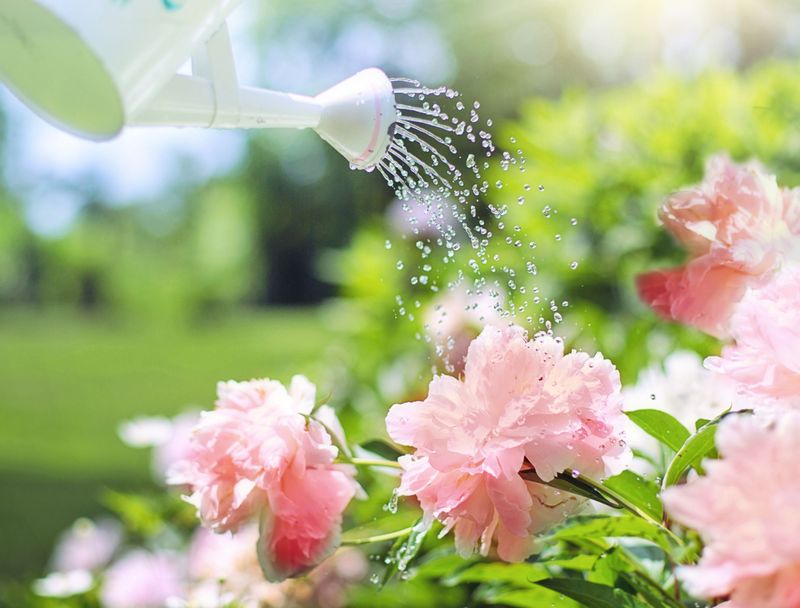
Water is one of those things that peonies need just right. Too little and the roots get stressed, which can reduce next year’s bloom count.
Too much and you risk root problems and fungal disease. June in Pennsylvania can bring both dry spells and heavy rain, so paying attention to your watering routine during this month is genuinely worth your time.
Peonies prefer soil that stays evenly moist but never soggy. A good rule of thumb is to water deeply once or twice a week during dry stretches, giving the soil a thorough soaking rather than a quick sprinkle.
Deep watering encourages roots to grow downward, making the plant more drought-tolerant over time. Shallow, frequent watering does the opposite and keeps roots near the surface where they are more vulnerable.
Always water at the base of the plant rather than overhead. Wet foliage invites fungal problems, especially in humid Pennsylvania summers.
A soaker hose or drip irrigation system works beautifully for peonies because it delivers water right to the root zone without splashing the leaves or stems at all.
Check the soil moisture before you water by sticking your finger about two inches into the ground near the plant. If it feels damp, hold off for another day or two.
If it feels dry, go ahead and water. After a heavy rain, skip your regular watering schedule and let the soil drain naturally.
Good drainage is just as important as consistent moisture, so if your peony bed tends to stay soggy after rain, consider adding organic matter to improve the soil structure over time.
Watching For Pests And Diseases
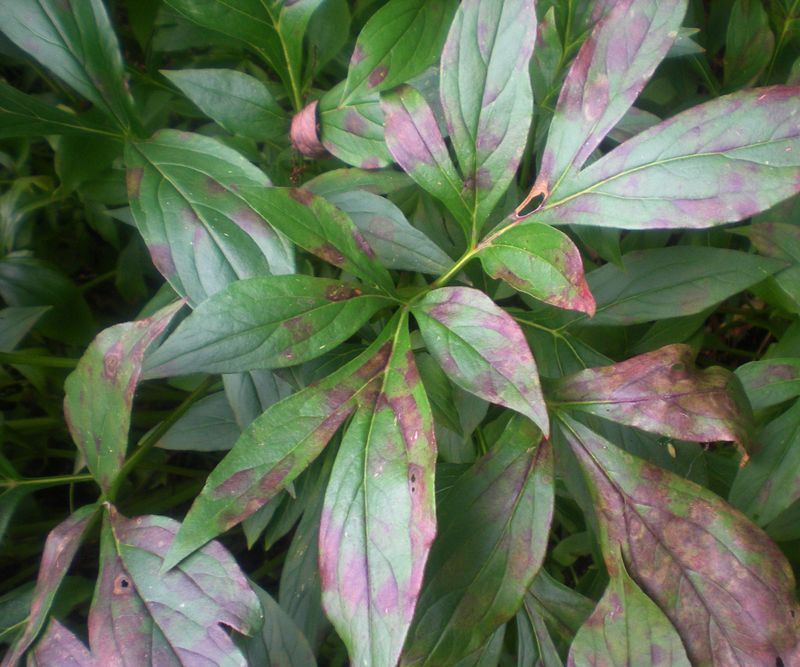
June is prime time for garden pests and diseases to make their move, and peonies are not immune. The good news is that catching problems early makes them much easier to handle.
Spending just a few minutes each week looking over your plants can save you a lot of frustration and protect those precious flower buds forming underground right now.
Aphids are one of the most common peony pests. These tiny, soft-bodied insects cluster on new growth and the undersides of leaves, sucking out plant sap and weakening the plant over time.
A strong blast of water from the hose can knock them off, or you can use an insecticidal soap spray for more stubborn infestations. Thrips are another pest to watch for.
They are very small and hard to see, but they leave behind silvery streaking on leaves as a telltale sign.
Fungal diseases are also common in Pennsylvania’s humid climate. Botrytis blight shows up as grayish mold on stems and leaves.
Powdery mildew looks like a white, dusty coating on leaf surfaces. Both spread quickly if left alone.
Remove affected plant parts right away and treat with a copper-based fungicide or neem oil spray to slow the spread.
Check the undersides of leaves, the base of stems, and any areas where moisture tends to collect. Early detection is everything when it comes to keeping your peonies healthy through summer.
A plant that stays strong and disease-free from June through fall will reward you with an incredible bloom display the following spring, making all that attention completely worth it.