10 Tips For Watering Petunias In New York And Keeping Them Blooming All Summer Long
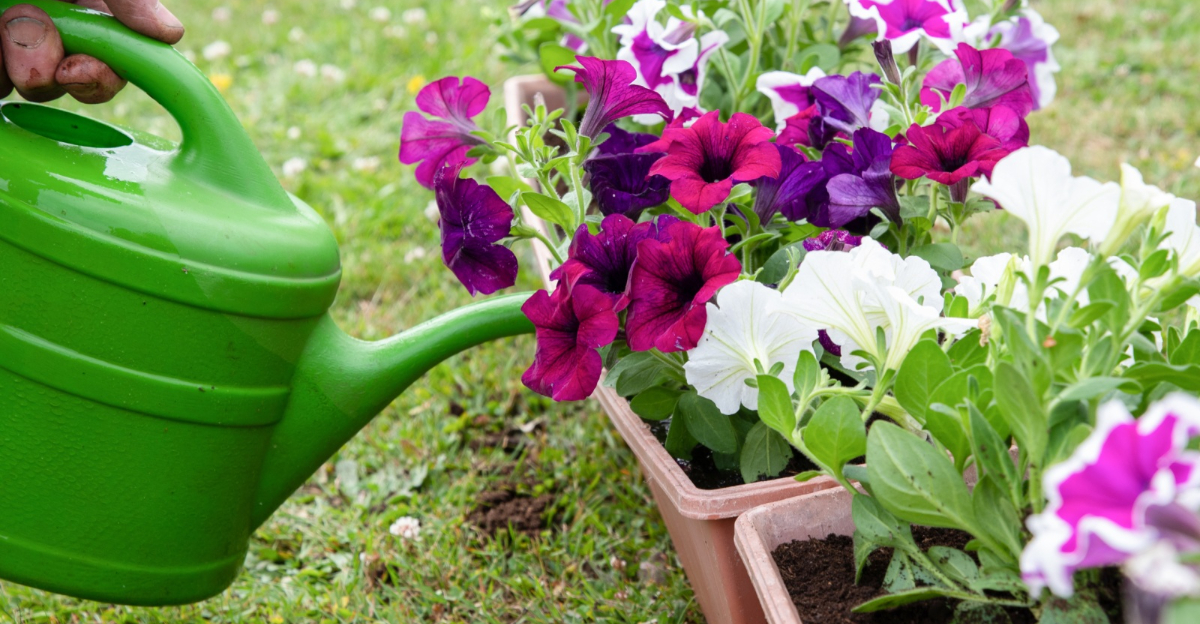
Some flowers just refuse to quit, and petunias are exactly that kind of plant. On a humid July afternoon in a Queens backyard, a single neglected basket can surprise you completely.
It pushes out fresh blooms despite the heat, the drought, and the forgotten watering schedule. New York gardens demand a certain toughness from their flowers.
Petunias deliver it willingly. But here is what gardeners quietly discover too late: watering correctly matters far more than watering often.
The difference shows up fast. New York summers hit hard. Heatwaves stack on top of one another. Container soil turns to dust between rainfalls.
Get the watering rhythm right, and petunias respond with an almost reckless generosity of color and bloom. The gap between struggling plants and spectacular ones is razor thin.
Water smarter, and watch what happens. How different would your garden feel if those blooms kept pouring out color all season long?
1. Keep Soil Moist, But Never Soggy
Too much water is just as punishing as too little. Petunias crave consistent moisture, but standing water triggers rot fast.
The goal is soil that feels like a wrung-out sponge: damp throughout but never waterlogged. Stick your finger about an inch into the soil before you water.
If it feels dry at that depth, it is time to water. If it still feels cool and moist, give it another day.
This simple test takes five seconds and can save your plants from one of the most common mistakes in petunia care.
Good drainage is just as important as how often you water. Amend heavy clay soil with compost or perlite to help water move through more freely.
Raised beds and containers should always have drainage holes at the bottom. Mulching around the base of your plants also helps the soil retain just enough moisture without becoming waterlogged.
Finding that sweet spot between too wet and too dry is the foundation of keeping petunias healthy and blooming all summer long.
2. Water Deeply At The Base, Never Overhead
Wet petals are an open invitation for fungal disease. In New York’s humid summers, that invitation gets accepted fast.
Watering from overhead soaks the leaves and flowers, which encourages powdery mildew and botrytis blight to move in and take over.
The fix is simple: always direct water to the base of the plant, right at soil level. A watering can with a long, narrow spout gives you the most control.
Soaker hoses are another excellent option for in-ground beds because they deliver water slowly and directly to the root zone.
Drip irrigation systems take it one step further and are worth the setup time if you have a large planting area.
Deep watering is the real key here. Shallow, quick splashes encourage roots to stay near the surface, which makes plants more vulnerable to heat stress.
When you water deeply, roots follow the moisture downward and anchor the plant more securely. Aim for water to penetrate at least six to eight inches into the soil.
Your New York Garden Changes Every Week. Your Plan Should Too.
Gardening in New York changes quickly throughout the season. Every Friday you’ll receive a simple weekly plan showing exactly what to plant, prune, fertilize, harvest, and protect so you never miss the right timing.
This approach builds stronger, more resilient petunias that can handle the inevitable hot spells rolling through the region every July and August.
3. Water Containers More Often Than Ground Plants
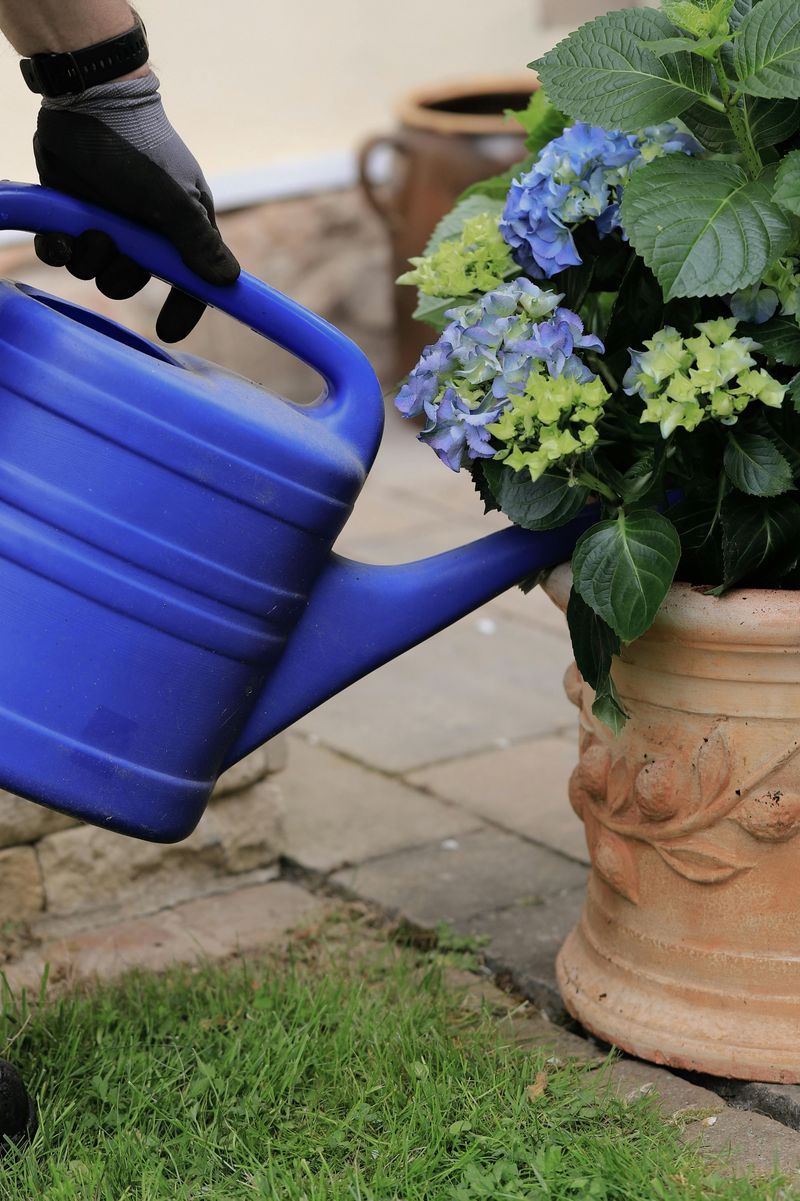
Container petunias are thirsty plants with a short memory for moisture. Unlike in-ground plants that can pull water from deeper soil layers, potted petunias rely entirely on what you give them.
During a hot New York summer, a hanging basket or terra cotta pot can dry out completely within twenty-four hours.
Check your containers every single morning during summer. If the top inch of soil feels dry, water until it flows freely from the drainage holes at the bottom.
That runoff tells you the entire root zone got a proper drink. Skipping this step even for a day or two during a heat wave can send container petunias into stress that takes a week to recover from.
Larger containers hold moisture longer than small ones. If you are constantly fighting dry soil, consider upsizing your pots.
Adding water-retaining crystals to the potting mix helps stretch the time between waterings. Self-watering planters are a game-changer for busy gardeners with unpredictable schedules.
Keeping up with container watering is more demanding than in-ground care, but the payoff is window boxes and balconies brimming with color.
4. Water More In Summer Heat
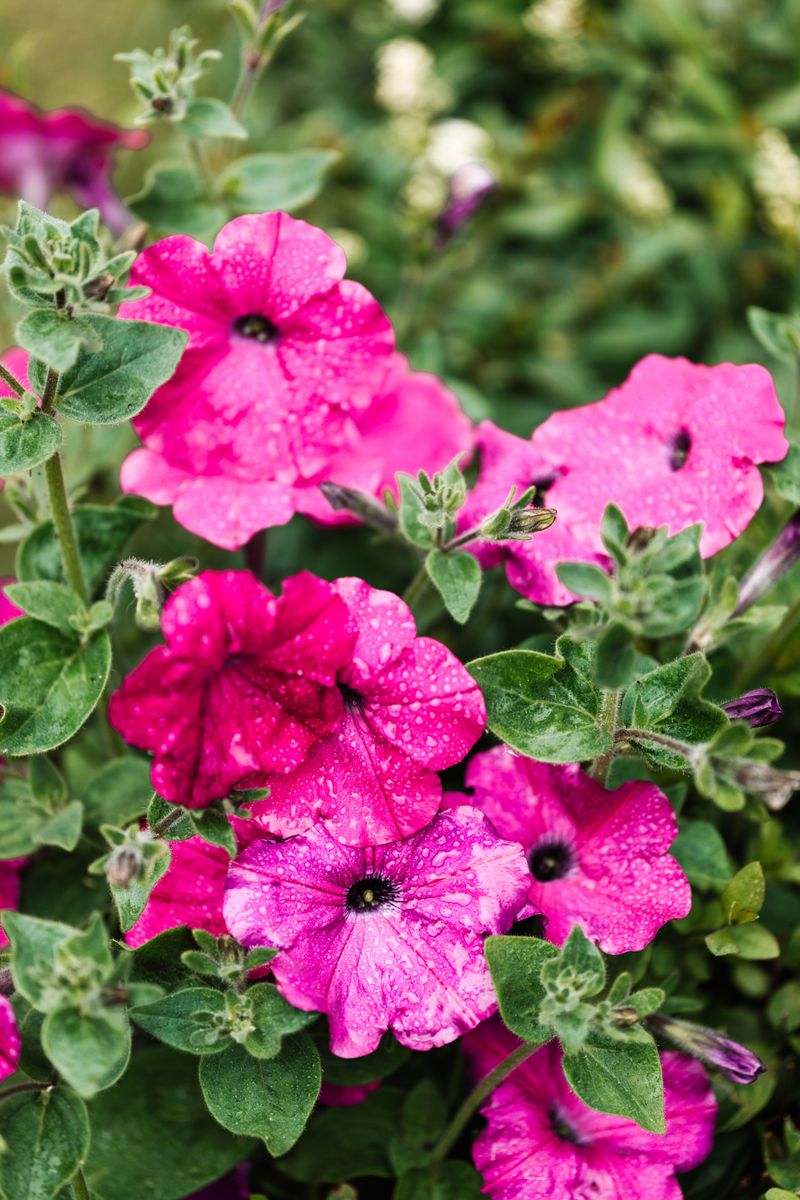
Above 85 degrees, petunias feel every degree. Heat pulls moisture from soil and plant alike, and your usual watering schedule can not keep up..
Adjusting how often you water during heat waves is one of the most important things you can do to keep blooms coming.
During a stretch of hot days, you may need to water containers twice daily: once in the morning and once in the late afternoon.
In-ground plants in full sun may need watering every other day instead of every two to three days. Watch the plants themselves for clues.
Wilting in the early morning, before the sun gets strong, is a clear sign they are not getting enough water. Midday wilting is often just the plant reacting to intense sun and heat, and it usually bounces back by evening.
The real concern is when leaves are still drooping after sunset. That is a signal to water immediately and reassess your routine.
Adding a layer of mulch around in-ground petunias during summer can dramatically slow moisture loss and keep roots cooler on the hottest days of the season.
5. Water In The Morning
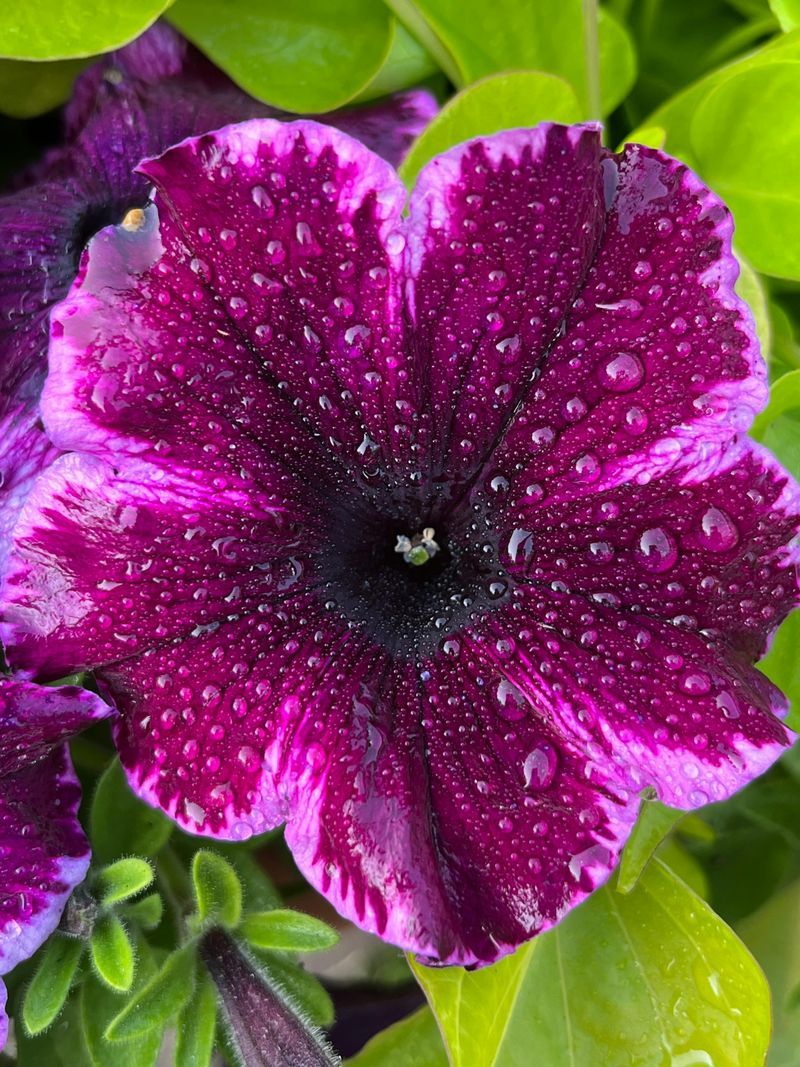
Morning watering is one of those small habits that makes a surprisingly big difference. When you water early, moisture soaks into the soil before the heat of the day causes rapid evaporation.
Any water that accidentally lands on leaves or petals has time to dry before evening, which significantly lowers the risk of fungal problems.
Evening watering is a common mistake with real consequences. When leaves stay wet overnight, fungal spores have ideal conditions to germinate and spread.
In humid New York summers, that can turn into a serious problem within just a few days. Morning watering sidesteps this issue and fuels plants through the hottest part of the day.
Try to make morning watering a non-negotiable part of your routine, the same way you make your morning coffee.
If your schedule makes early watering impossible, midday is acceptable as long as you aim water at the base and avoid the foliage.
Consistency matters more than perfection. Petunias watered at the same time each day develop stronger root systems and produce more blooms than those watered on an unpredictable schedule.
6. Fertilize Regularly
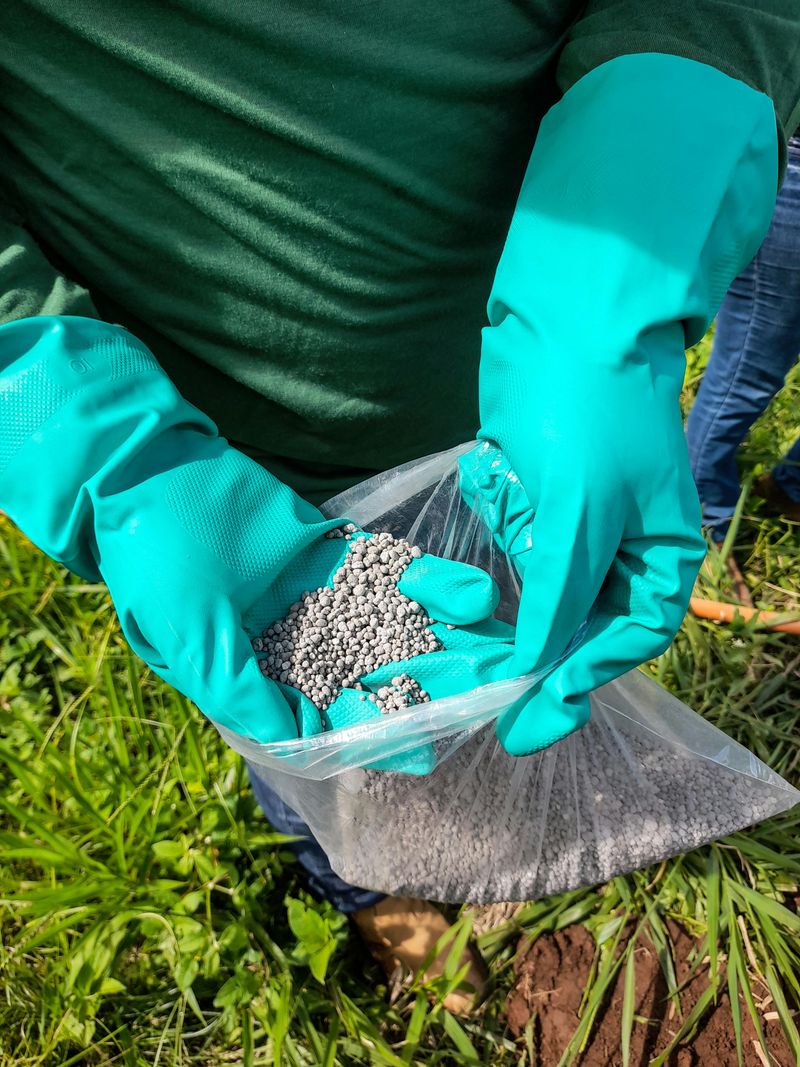
Petunias are relentless bloomers that burn through nutrients fast. Skip the fertilizer, and even perfect watering will not save them.
They burn through nutrients quickly, especially when producing flowers nonstop from June through September.
Think of fertilizer as the fuel that keeps the engine running at full speed all summer. A balanced liquid fertilizer applied every seven to ten days works beautifully for most petunia setups.
For container plants, which lose nutrients faster due to frequent watering, feed every five to seven days during peak summer.
Granular slow-release fertilizers can be mixed into potting soil at the start of the season for a low-maintenance base layer of nutrition.
Signs that your petunias are hungry include pale yellow leaves, reduced flowering, and stems that look thin and stretched.
Do not wait until the plant looks stressed to start a feeding routine. Building fertilization into your weekly schedule from the moment you plant them sets the stage for a season full of dense, colorful blooms.
Well-fed petunias paired with smart watering habits will outperform neglected plants in every way imaginable. Your garden becomes the most colorful spot on the block.
7. Remove Spent Flowers
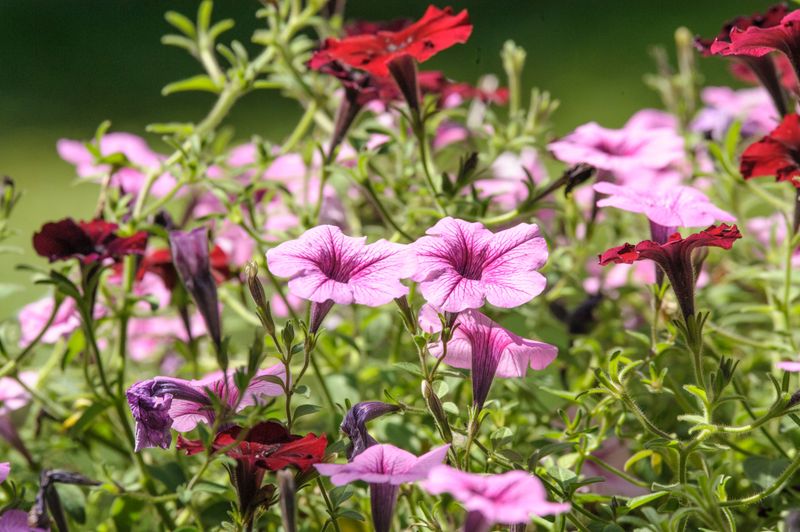
Leaving old blooms on a petunia is like asking a runner to carry extra weight during a race. Once a flower fades, the plant shifts its energy toward producing seeds instead of new blooms.
Removing spent flowers regularly redirects that energy back into creating the gorgeous, colorful blossoms you planted them for.
Cutting petunias takes about five minutes and makes a dramatic difference in how long and how abundantly they flower.
Pinch off faded blooms right at the base of the flower stem, not just the petals. If you leave the stem and swelling seed pod behind, the plant still thinks it has done its job and slows down flower production.
Make removing part of your morning garden walk, right after you check soil moisture and water if needed.
Combining these two habits into one quick routine keeps everything moving in the right direction.
You will notice within a week that freshly removed plants push out new buds faster and look tidier overall.
A petunia that gets regular attention like this can bloom continuously from late spring all the way through the first hard frost without ever looking worn out.
8. Cut Back Leggy Plants
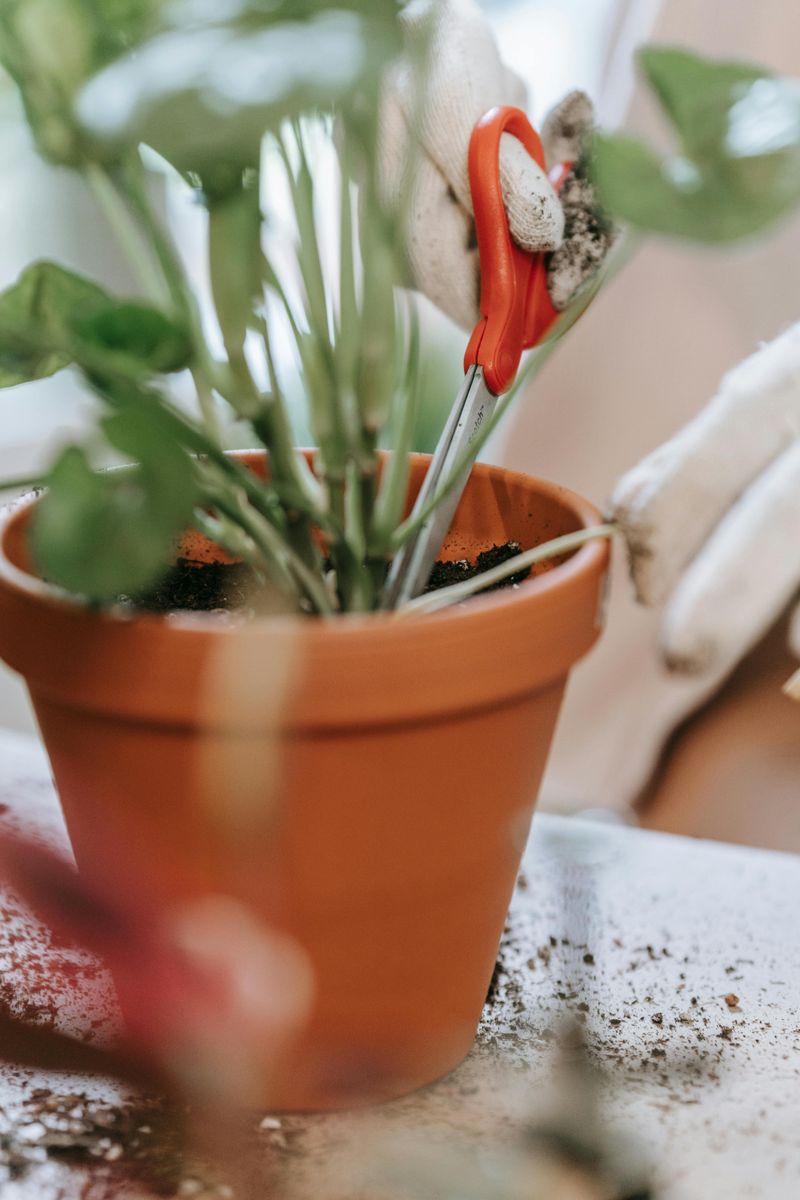
By midsummer, petunias can start looking like they forgot what they were supposed to be doing. Long, bare stems with just a few flowers at the tips signal that the plant has gone leggy and a trim is overdue.
Cutting back leggy growth is one of the most powerful moves you can make to revive a struggling plant mid-season.
Use clean garden scissors or pruning shears to cut stems back by about one-third to one-half of their length. Target the longest, most stretched-out stems first.
Always cut just above a leaf node, the spot where leaves attach to the stem, because that is where new growth will sprout from.
After a hard cutback, keep the soil consistently moist and continue your regular feeding schedule. Within ten to fourteen days, you will see fresh, compact growth pushing out from the cut stems.
New buds follow shortly after, and the plant comes back looking fuller and more floriferous than before the trim.
This technique is especially useful in late July and early August when many New York gardens hit a summer slump, and it can buy you another six to eight weeks of spectacular blooms.
9. Ensure 6+ Hours Of Sunlight Daily
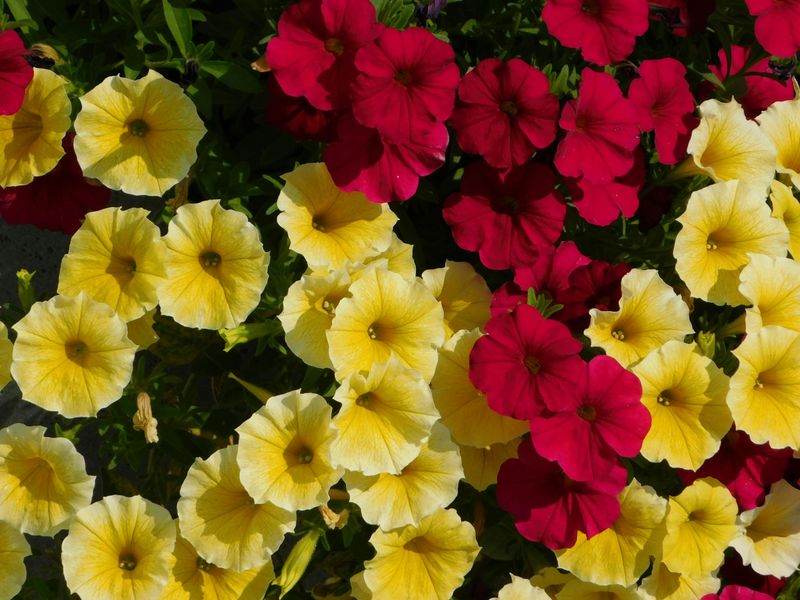
Sunlight is the engine behind every bloom a petunia produces. Without at least six hours of direct sun daily, petunias stretch toward the light, bloom less, and turn pale and leggy.
Choosing the right spot in your garden shapes the entire season. South-facing and west-facing spots in most New York yards get the strongest, longest light exposure.
If you are growing petunias in containers, you have the advantage of mobility. Move pots to follow the sun as the season changes and shadows shift.
Petunias that get eight or more hours of sun each day tend to be more compact, more floriferous, and more resistant to pest pressure.
More sun also means faster soil drying, so pair a sunny location with a more attentive watering routine to keep moisture levels balanced.
If your garden has limited sun, look for petunia varieties labeled as shade-tolerant, though even those perform best with at least four to five hours of direct light. Sun is simply non-negotiable for petunias that bloom boldly all season.
10. Use Balanced Or Phosphorus-Rich Fertilizer
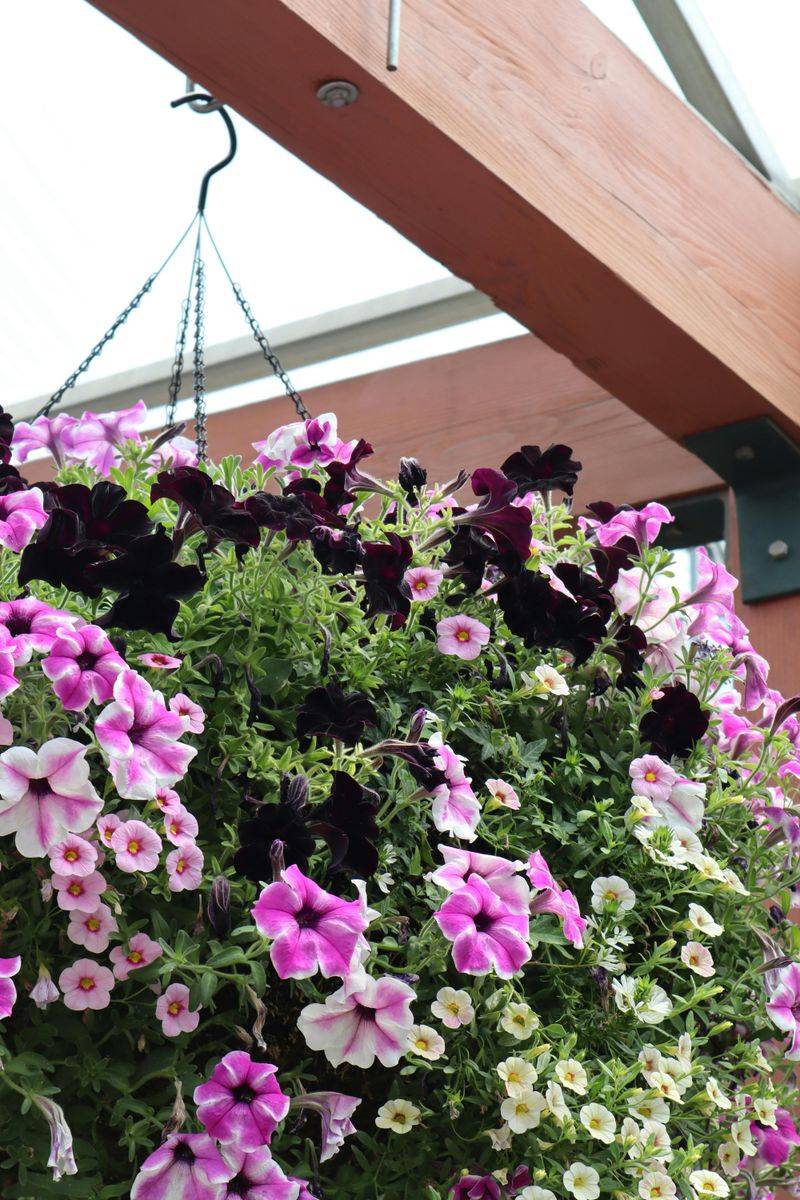
Not all fertilizers are created equal, and petunias have specific nutritional needs that shift depending on what you want them to do.
A balanced fertilizer with equal parts nitrogen, phosphorus, and potassium supports overall plant health and steady growth.
But if your main goal is maximum blooms, a phosphorus-rich formula is your best friend. Phosphorus is the nutrient most directly linked to flower production.
Fertilizers with a higher middle number, such as 10-30-10 or 15-30-15, deliver more phosphorus to the root zone and signal the plant to put its energy into blooming.
Liquid formulas are absorbed quickly and work well for container plants that need fast nutrition. Start the season with a balanced fertilizer to encourage strong root and stem development.
Switch to a phosphorus-rich formula once your petunias are established and actively budding, usually about three to four weeks after planting.
Always follow the label instructions for dilution rates because over-fertilizing can scorch roots and reduce flowering.
Combining the right fertilizer, consistent watering, and regular removing creates a powerhouse growing system.
Your blooms will stay vivid, plentiful, and eye-catching from the first warm day of summer straight through to the final weeks of fall.