The Trees That Will Thrive In New York’s Heat Dome, And The Ones Falling Behind
Heat doesn’t wait for your permission before it changes a city street. Your neighborhood trees are quietly under stress you may not notice.
New York summers used to feel manageable, almost gentle. Now pavement radiates like a stovetop long after sunset.
Scientists watching your region flag a stubborn upward climb in temperatures. Certain trees tolerate the stress well.
Others quietly weaken, crack, and fade from the inside out. You might already own a struggling specimen.
Choosing wisely now protects shade and property value. Roots that fail during drought cost real money to remove.
Bark that splits under sun exposure invites disease and decline. Homeowners across New York are quietly replacing weak trees before winter.
Species resilience isn’t guesswork anymore, science confirms the pattern. Today’s choices decide whether your block stays cool tomorrow.
You’re about to learn exactly which trees deserve your yard, and which never should.
Oaks Withstand Extended Heat Well
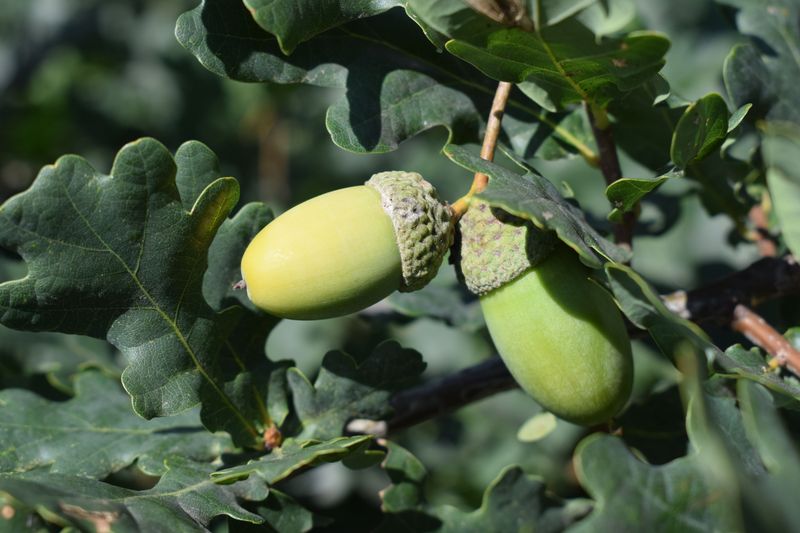
Few trees earn their place in a city like the oak does. These giants have been rooted in North American soil for millions of years, and that deep evolutionary history shows when the heat turns up.
Oaks have a root system that goes wide and deep. That means they pull water from layers of soil that shallower-rooted trees simply cannot reach during a drought.
Their thick, waxy leaves also lose moisture slowly. That adaptation keeps them functioning even when temperatures push past 95 degrees for days at a stretch.
In New York’s urban heat dome, oaks are among the most reliable performers, with species like the pin oak and red oak commonly seen across the five boroughs.
Urban foresters point to their deep root systems and slow-transpiring leaves as the reason why.
If you are choosing a tree for a sunny, exposed yard or a street median, a native oak is one of the smartest bets you can make. Their dense canopy creates cooling shade that rivals any other species.
The trees that will thrive in New York’s heat dome tend to share a common thread: efficient water use, whether through deep roots, slow-transpiring leaves, or reduced leaf surface area.
Honey Locusts Tolerate Drought Easily
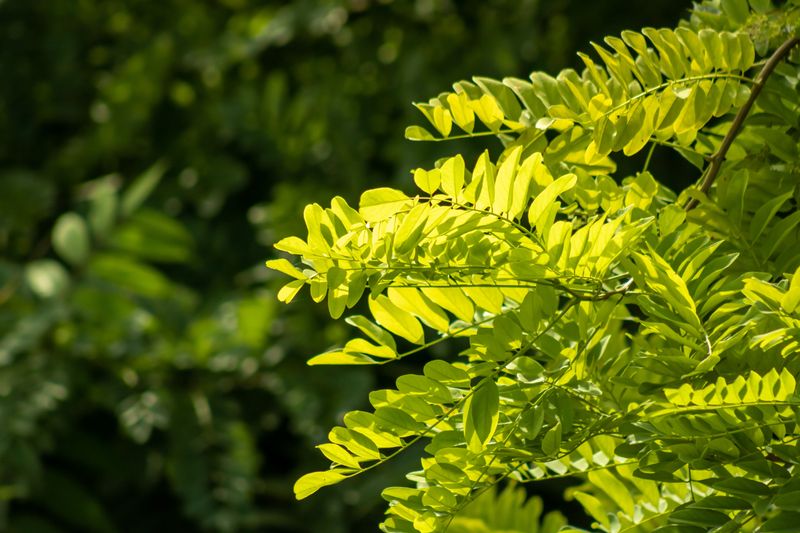
Walk down almost any Manhattan street and you will spot a honey locust. These slender, graceful trees have become the unofficial tree of New York’s sidewalks, and for good reason.
Honey locusts are remarkably tough. They shrug off drought, salt spray from winter roads, soil compaction, and air pollution without missing a beat.
Their small, compound leaves are a clever design trick. Less leaf surface means less water lost to evaporation, which is a huge advantage during a hot summer.
When rain is scarce and temperatures are high, honey locusts stay green and leafy while neighboring species start to droop.
That resilience is not accidental. It is the result of a species forged in tough Midwestern prairies and floodplains.
City planners love them for their narrow profile, which fits neatly between sidewalks and buildings. Residents love them for the light, airy shade they cast without blocking every bit of sunlight from ground-floor windows.
Your New York Garden Changes Every Week. Your Plan Should Too.
Gardening in New York changes quickly throughout the season. Every Friday you’ll receive a simple weekly plan showing exactly what to plant, prune, fertilize, harvest, and protect so you never miss the right timing.
The thornless varieties most commonly planted in urban areas are also low-maintenance. They rarely need extra watering once established, and they bounce back quickly after a hot, dry spell.
If your yard gets full sun and you struggle to keep anything alive through August, a honey locust might be your answer.
Among the trees that will thrive in New York’s heat dome, this one practically thrives on neglect. That is a rare and wonderful quality in any plant.
Bald Cypress Handles Heat Stress
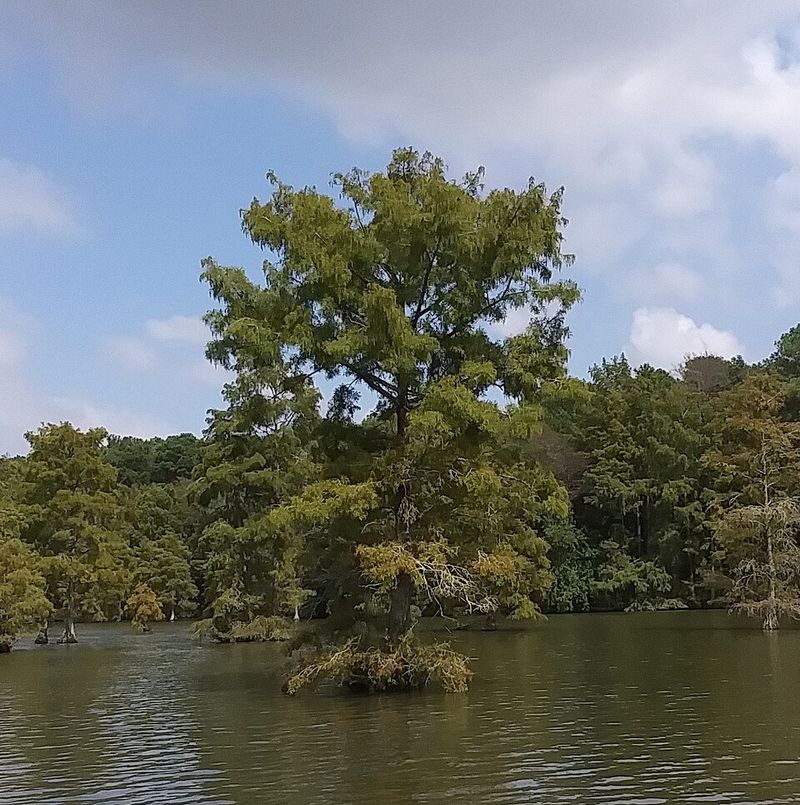
Bald cypress sounds like a tree that belongs in the Deep South, and it does. But here is the surprise: it also thrives in New York, even through intense heat waves.
Native to swampy lowlands from Delaware to Texas, the bald cypress evolved to handle flooding, drought, and extreme temperature swings. That adaptability makes it a standout performer in urban heat conditions.
Its feathery, soft needles give it a graceful, almost tropical look. Yet underneath that elegant exterior is a seriously tough tree built for stress.
Heat stress in trees usually shows up as leaf scorch, early leaf drop, or wilting. Bald cypress tends to avoid all three, even after extended periods of high temperatures without significant rainfall.
The tree also handles poor urban soils surprisingly well. Compacted clay, shallow topsoil, and nutrient-poor ground do not stop a bald cypress from establishing strong roots and steady growth.
Mature bald cypress trees can be found in botanic gardens and parks around the city, offering a visible example of the species thriving in an urban setting.
Homeowners with low-lying or occasionally wet areas in their yard will find bald cypress especially useful. It tolerates both standing water and summer drought, covering two common New York landscape challenges at once.
Among the trees that will thrive in New York’s heat dome, few offer this kind of two-in-one toughness.
Ginkgos Endure Urban Heat And Dryness
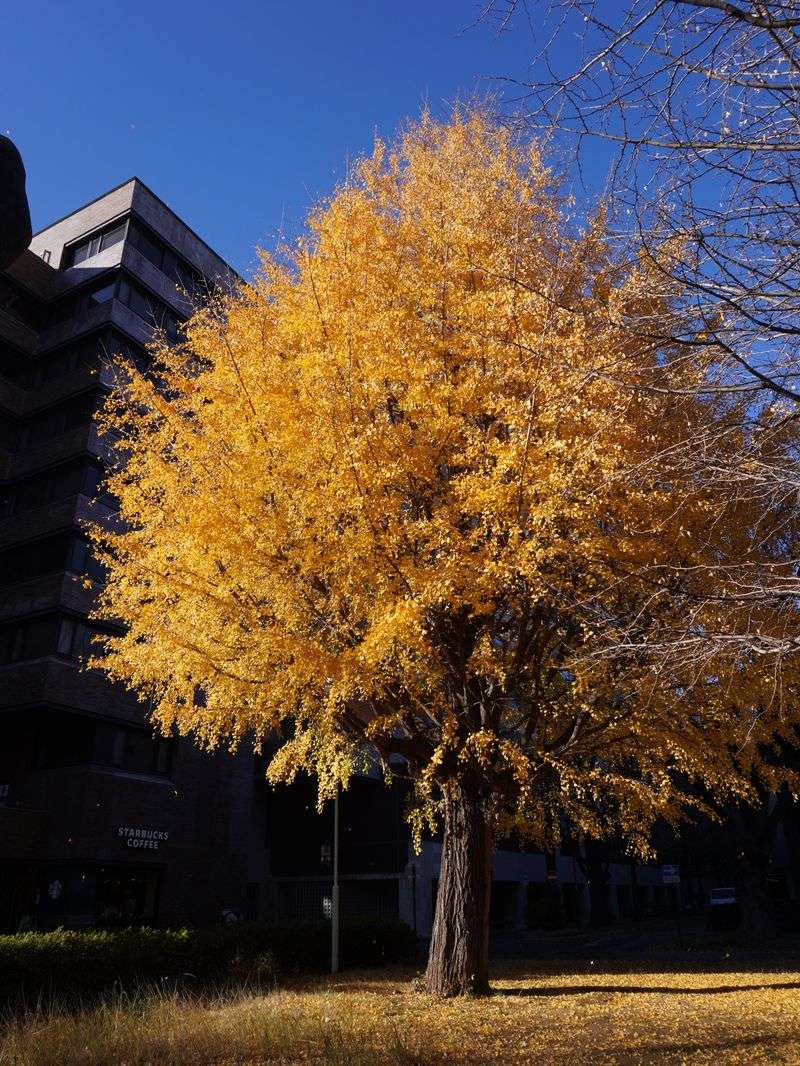
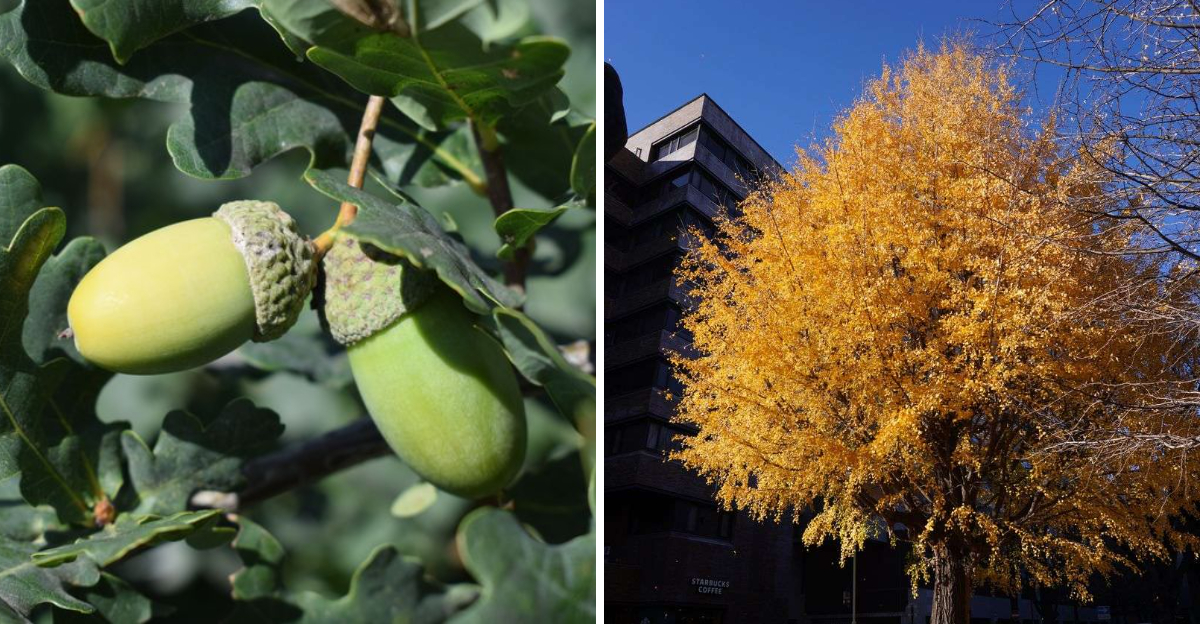
The ginkgo is a living fossil. Literally. This species has been around for over 200 million years, and it has survived conditions that wiped out countless other plants.
That ancient toughness translates directly to modern urban survival. Ginkgos handle heat, pollution, compacted soil, and drought in ways that newer, softer species simply cannot match.
Their fan-shaped leaves are immediately recognizable and genuinely beautiful. But the real magic is what those leaves do: they stay green and healthy when the summer heat dome presses down hard on the city.
Ginkgos are also remarkably resistant to pests and diseases. Most insects and fungi that damage other urban trees leave ginkgos completely alone, which reduces maintenance costs and stress for city foresters.
The trees planted most often are male ginkgos, chosen specifically because female trees produce seeds with a notoriously unpleasant smell. Male trees give all the benefits without the odor complaint.
In terms of longevity, ginkgos are in a league of their own. Some specimens in Asia are over a thousand years old.
A ginkgo planted in your yard today could still be standing in the next century. For homeowners who want a low-drama, high-reward tree that performs well in a heat dome, the ginkgo is a top pick.
The trees that will thrive in New York’s heat dome often have deep evolutionary roots. The ginkgo has the deepest roots of all. That kind of staying power is hard to argue with.
Sugar Maples Struggle Under Prolonged Heat
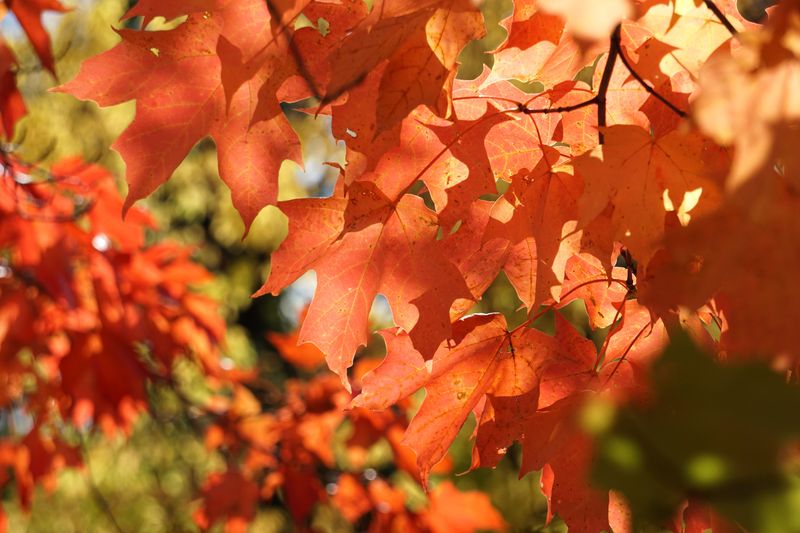
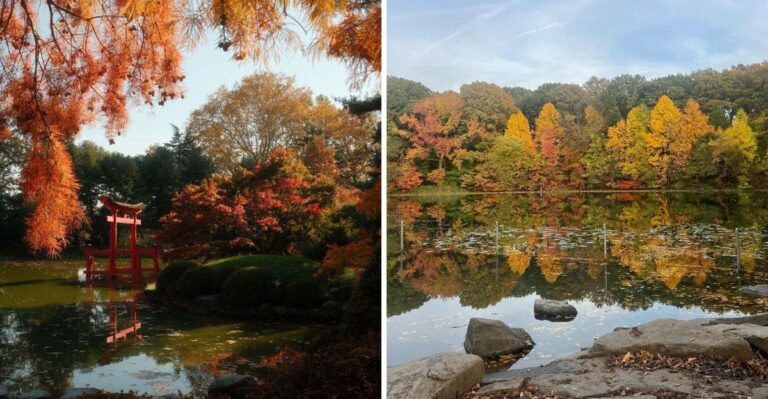
Sugar maples are the poster tree of New England autumns. Their blazing orange and red foliage has graced postcards and paintings for generations.
But that gorgeous legacy is now under serious threat. These trees evolved in cool, moist climates. They prefer cold winters, mild summers, and steady rainfall. New York’s recent summers have delivered the opposite of all three.
When temperatures stay high for extended stretches, sugar maples begin to show stress quickly. Leaves curl at the edges, turn brown prematurely, and sometimes drop weeks before normal fall timing.
Their root systems are shallow compared to oaks or bald cypress. That means they are among the first trees to show stress when surface soil dries out during a prolonged heat dome event.
Arborists across the Northeast increasingly report signs of sugar maple stress, a pattern many link to hotter summers, reduced snowpack, and earlier spring warmth. That shift is pushing these trees out of their comfort zone.
Homeowners who cherish a sugar maple in their yard can help by deep-watering during dry spells and adding thick mulch around the base. These steps reduce soil temperature and retain moisture longer.
Sugar maples are struggling to hold their place in urban and suburban New York landscapes.
If you are planting new trees today, selecting a heat-tolerant species makes more sense for the long term. The beautiful sugar maple deserves our care, but it needs a cooler world to truly flourish.
Paper Birches Decline In Extreme Heat
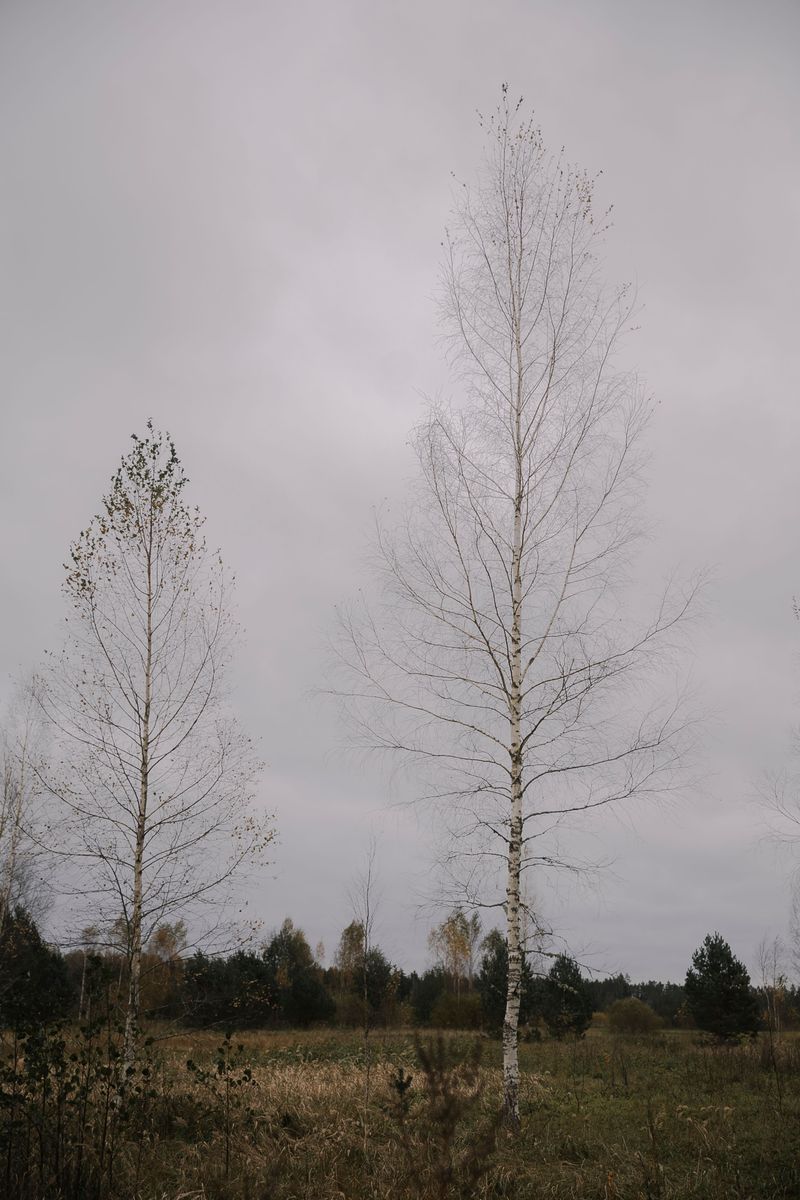
Paper birches are stunning. That white, peeling bark against a green summer canopy is one of the most striking sights in any northeastern yard. But stunning does not mean tough.
These trees are cool-climate specialists. They thrive in the northern forests of Canada and the upper Midwest, where summer temperatures rarely stay extreme for long.
In New York’s current climate, paper birches are struggling in ways that are hard to ignore. Heat and drought weaken their defenses, opening the door to bronze birch borers, a damaging insect pest.
Bronze birch borers target stressed trees almost exclusively. Once they move in, they tunnel through the wood beneath the bark, cutting off the tree’s ability to transport water and nutrients effectively.
Infested paper birches often show a tell-tale pattern: the top of the canopy declines first, then the decline moves downward over one to three seasons. By the time most homeowners notice the problem, significant damage has already occurred.
Planting paper birches in full sun locations in New York is now widely discouraged by urban forestry experts. Partial shade and consistently moist soil can extend their lifespan, but those conditions are increasingly hard to guarantee.
If you already have a paper birch and want to keep it alive longer, water deeply during heat waves and inspect the bark regularly for borer activity. Protecting these trees takes consistent care, and it grows harder with every record-breaking summer.
Norway Spruces Struggle Under Sustained Heat
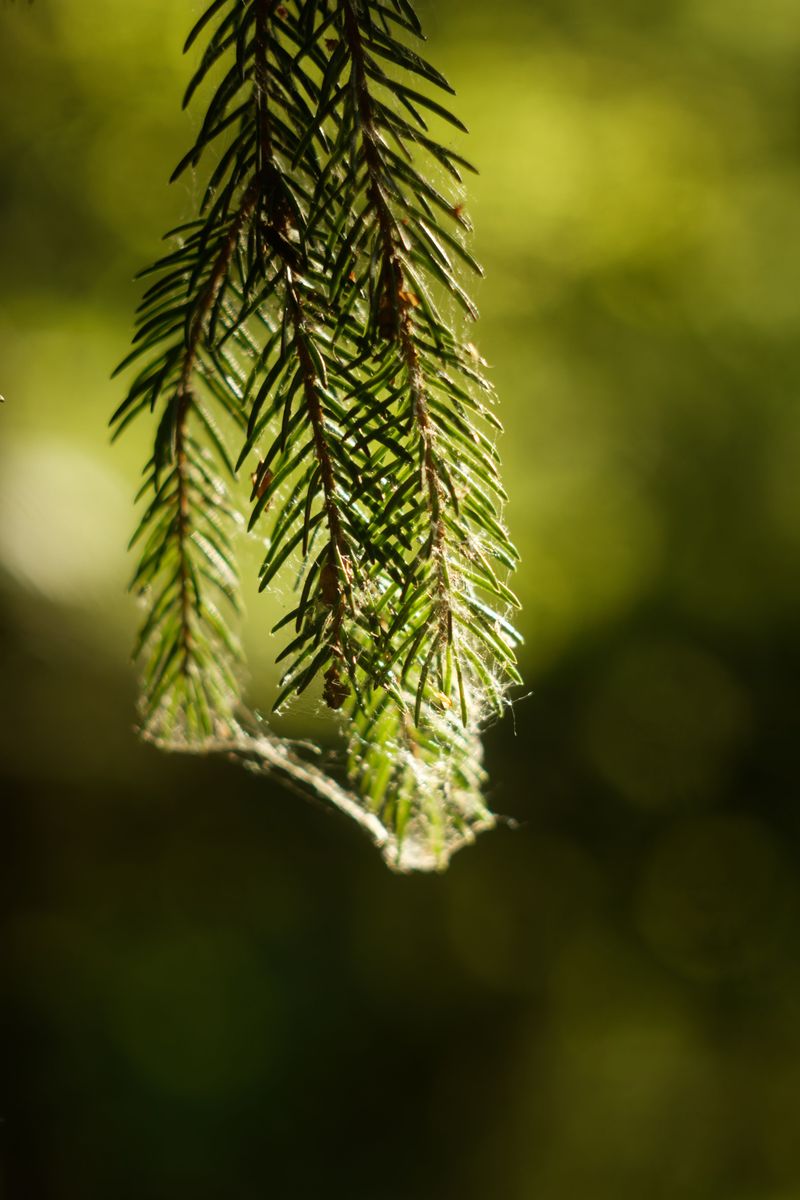
Norway spruces were once considered a nearly foolproof choice for New York landscapes. Their tall, pyramidal shape and dense, dark green needles made them a popular pick for windbreaks and privacy screens.
That reputation is fading fast. Sustained summer heat is exposing a serious weakness in this species that decades of mild weather had kept hidden.
Needle browning is the first sign of trouble. When temperatures stay high and rainfall is scarce, Norway spruces begin shedding interior needles at an accelerated rate. The tree starts to look thin and ragged.
Cytospora canker, a fungal disease that targets heat-stressed conifers, is a growing concern for Norway spruces in the region. It causes resin-soaked, discolored patches on branches and spreads quickly when a tree is already weakened.
Unlike deciduous trees that can regrow leaves after a bad season, spruces cannot replace lost needles on the same branch. Once a branch browns out, it stays brown.
That makes each heat wave a permanent setback for the tree’s appearance and health. Homeowners who planted Norway spruces as privacy screens are sometimes shocked to find large gaps forming in what used to be a solid green wall.
The loss is both aesthetic and functional. Replacing stressed Norway spruces with more heat-adapted evergreens like Eastern red cedar or American holly is a practical move.
Holding onto a struggling spruce in today’s climate often means an uphill effort, and a heat-adapted evergreen may be the more practical long-term choice.
Dogwoods Weaken Without Consistent Moisture
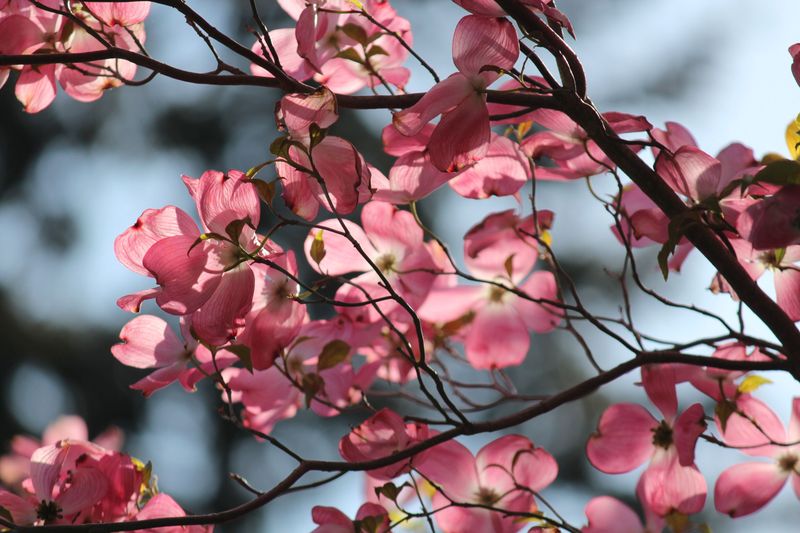
Flowering dogwoods are beloved across the Northeast for their spectacular spring blooms. Those white and pink flower clusters feel like a promise that warmer days are coming. But summer tells a different story.
Dogwoods are understory trees by nature. In the wild, they grow beneath a canopy of taller trees that shields them from intense direct sun and helps retain soil moisture around their roots.
In typical suburban yards, dogwoods often get planted in open, exposed locations. That setup was manageable in cooler decades, but today’s heat domes push these trees well past their comfort threshold.
Without consistent moisture, dogwood leaves scorch badly. The edges turn brown and crispy, and the tree can look severely stressed by August even if it was perfectly healthy in May. It is a noticeable sign of stress.
Dogwood anthracnose, a fungal disease, also spreads more aggressively in trees that are heat and drought stressed. The combination of physical stress and disease pressure can send a dogwood into a steep decline within just a few seasons.
Deep mulching and regular summer watering can help dogwoods survive, but they require genuine commitment. A two-inch layer of mulch over the root zone keeps soil cooler and retains moisture far longer than bare ground.
The trees that will thrive in New York’s heat dome are built to handle stress. Dogwoods, as beautiful as they are, need a helping hand to survive the new normal. Give them that care, and they will still reward you every spring.