This Stunning Low-Maintenance Shrub Is Becoming A Popular Boxwood Alternative In Michigan
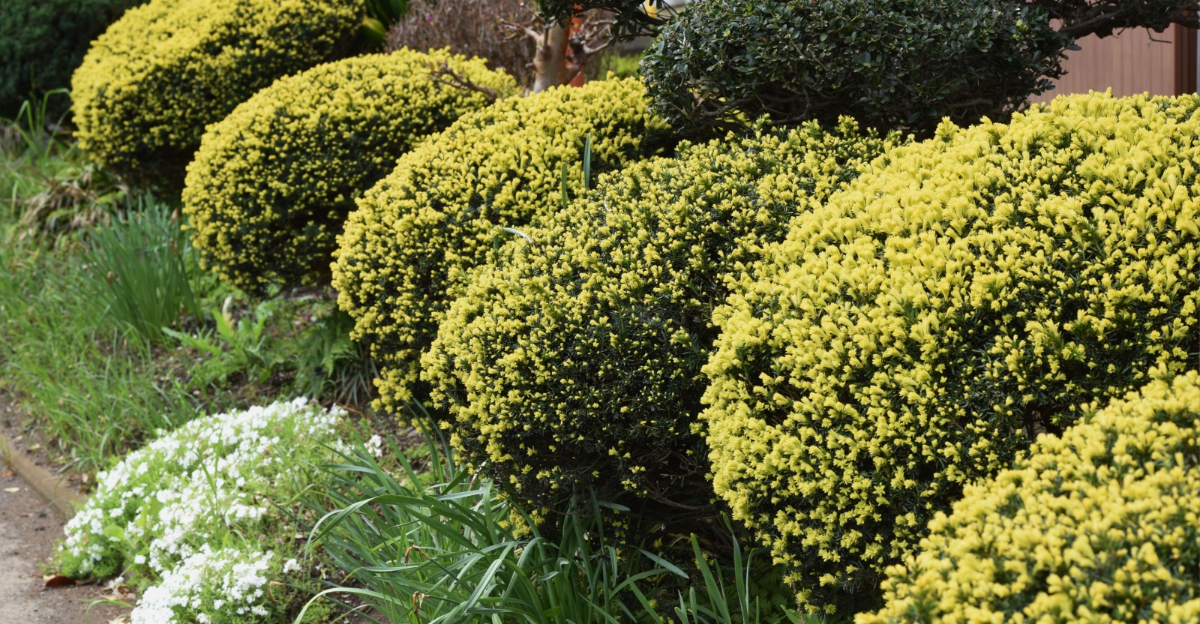
There was a time when planting boxwood along a Michigan foundation bed felt like a safe, sensible decision. It looked sharp, stayed green all year, and clipped into neat shapes without much argument.
Then blight arrived. Deer figured out that boxwood was on the menu.
Harsh winters left entire sections bronze and patchy. What used to be the easy choice started feeling like a gamble.
Taxus has been quietly waiting in the wings through all of this, and a growing number of gardeners are finally giving it the attention it deserves.
Same clean evergreen look, same shapeable habit, same year-round structure, but with the kind of cold hardiness and adaptability that Michigan landscapes genuinely need from a shrub expected to perform season after season.
1. A Boxwood-Like Shape Makes Taxus Easy To Use
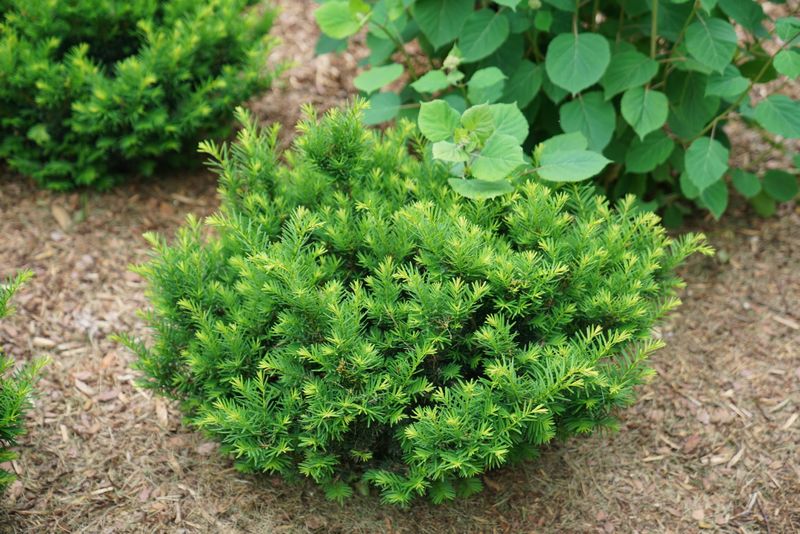
Clipped into rounded mounds or low hedges, Taxus has a structured, tailored look that fits right into the same spots where boxwood typically grows. Many Michigan homeowners notice immediately that yew can hold a clean shape without requiring constant attention.
That reliable form is a big part of why it has earned a reputation as a practical boxwood alternative in foundation beds and entry gardens across the state.
Unlike some shrubs that look scraggly when pruned hard, Taxus generally responds well to shaping and can be maintained at a range of sizes depending on the cultivar chosen.
Compact varieties like Taxus x media ‘Densiformis’ stay low and spreading, making them useful for border plantings where a consistent height matters.
Taller upright forms work well as privacy screens or corner anchors in mixed shrub beds.
The key difference between Taxus and boxwood is the foliage texture. Yew has soft, flat needles rather than small rounded leaves, which gives it a slightly different visual character up close.
From a distance, though, the dense evergreen mass reads similarly in the landscape.
For gardeners who want formal structure without the vulnerability that boxwood has shown to blight and harsh winters, Taxus offers a credible and visually satisfying option worth considering.
2. Evergreen Needles Keep Winter Beds Looking Full
Walking past a bare winter garden in Michigan can feel a little bleak, especially when deciduous shrubs have dropped every last leaf by November.
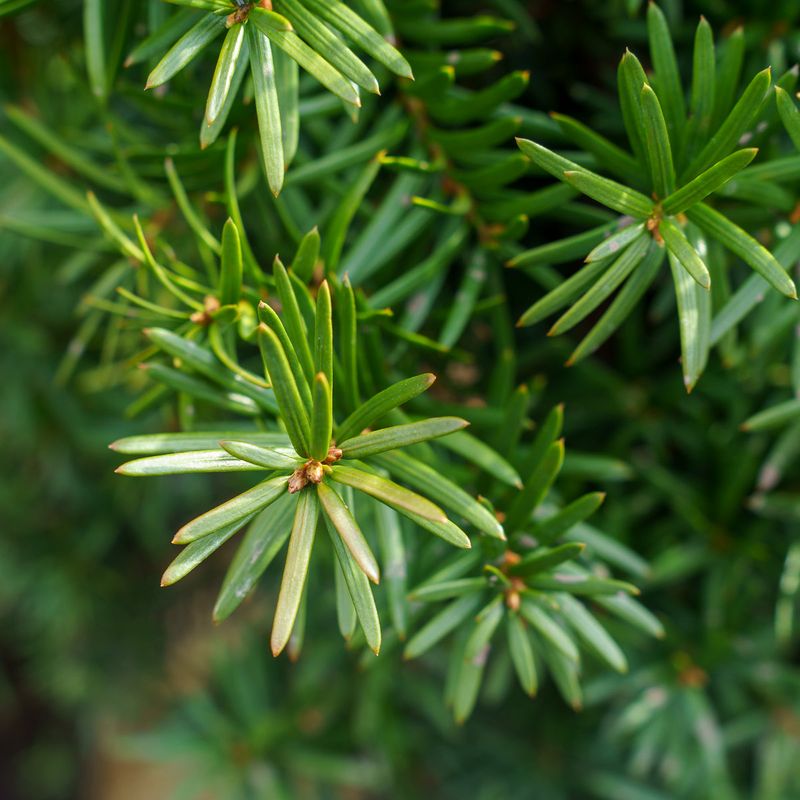
Taxus holds its dark green needles straight through the coldest months, giving foundation beds and entry gardens a sense of life even when everything else looks dormant.
That winter presence is one of the most practical reasons gardeners have started reaching for yew when replacing struggling boxwood.
The needles on most Taxus cultivars stay a rich, deep green throughout the season rather than turning bronze or yellow the way some other broadleaf evergreens can in cold exposure.
That consistent color helps the landscape look intentional and cared for even during the gray stretch between late fall and early spring.
In Michigan, where winters can drag on well past what anyone hopes, that visual anchor in the garden matters more than people often realize before they experience it.
Your Michigan Garden Changes Every Week. Your Plan Should Too.
Gardening in Michigan changes quickly throughout the season. Every Friday you’ll receive a simple weekly plan showing exactly what to plant, prune, fertilize, harvest, and protect so you never miss the right timing.
Placement does play a role in how well Taxus holds its color. Shrubs planted in spots with good air circulation and some protection from harsh desiccating winds tend to look their best through winter.
A spot on the north or east side of a home, sheltered by the structure itself, can work well for yew in many yards. Checking the specific cold hardiness of a chosen cultivar before planting is always a smart first step.
3. Clean Pruning Helps Create Neat Borders
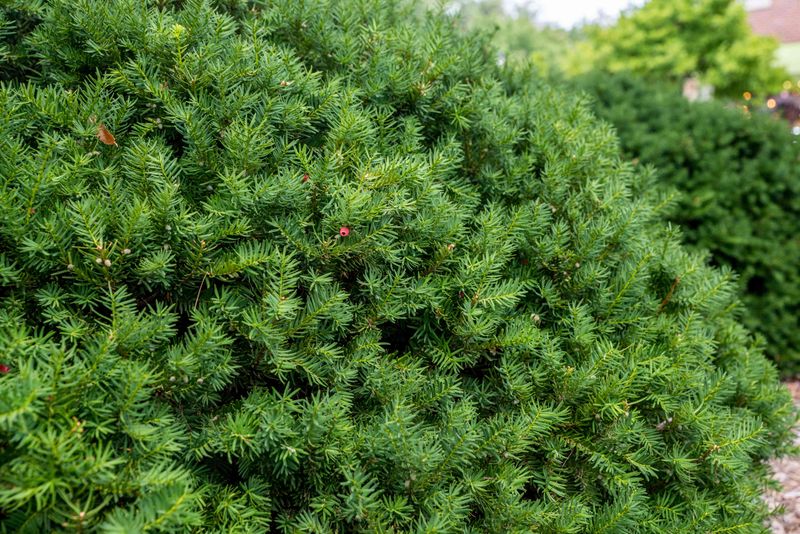
Few things make a home landscape look more polished than a crisp, well-maintained shrub border, and Taxus takes pruning remarkably well compared to many other evergreens.
The dense branching structure of most yew cultivars allows gardeners to clip them into clean geometric shapes or softer organic forms depending on the style of the yard.
That flexibility is part of what makes Taxus such a useful plant in Michigan home landscapes.
Timing matters when it comes to keeping yew looking tidy. Most gardeners find that pruning in late spring after the new growth has flushed out, and again lightly in midsummer, keeps the shrubs compact and well-shaped through the rest of the season.
Avoiding heavy pruning in late summer or early fall gives the plant time to harden off before Michigan winters arrive. Light shaping is generally easier to manage than waiting until the shrub has grown significantly out of bounds.
One thing to keep in mind is that pruning needs can vary quite a bit depending on which cultivar is planted.
Some compact selections stay naturally tidy with minimal intervention, while larger-growing forms may need more regular attention to stay in bounds near a foundation or walkway.
Matching the right cultivar to the available space from the start reduces how much pruning is needed over time, which is good news for anyone who prefers a lower-maintenance approach to keeping borders neat and structured.
4. Partial Shade Makes This Shrub More Flexible
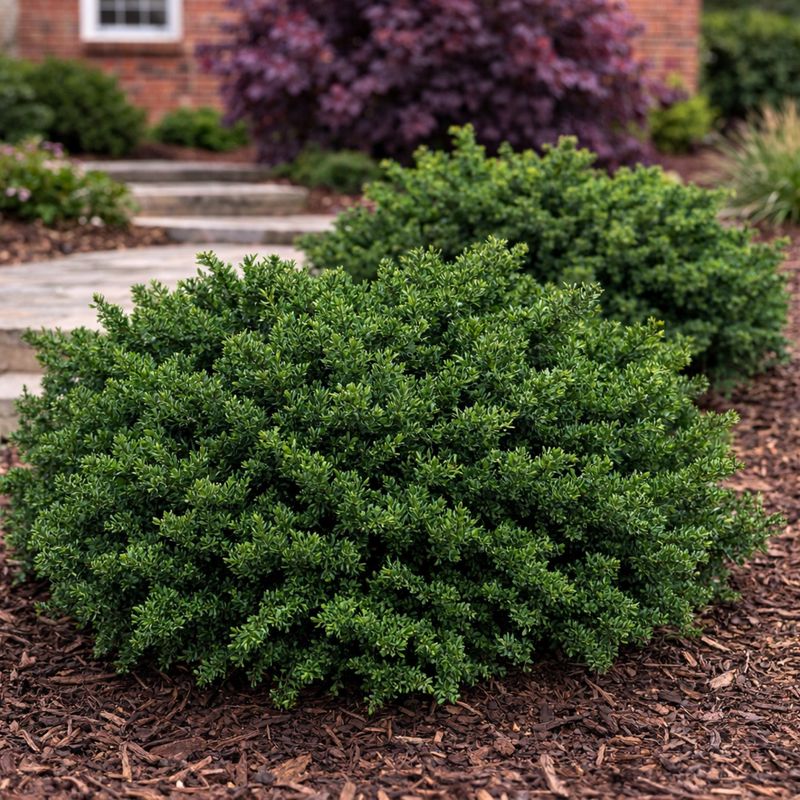
Many foundation beds in Michigan sit on the north or east side of a house where full sun never quite reaches, and that shaded reality rules out a surprising number of popular shrubs.
Taxus handles partial shade with ease, which opens up planting possibilities that many sun-loving alternatives simply cannot match.
That shade tolerance is one of the most practical advantages yew brings to typical Michigan home landscapes.
In spots where boxwood might struggle with uneven light or where other evergreens stretch and thin out reaching for sun, Taxus tends to hold its form and density reasonably well.
The shrub does not require full shade and generally performs best with some filtered or indirect light during the day.
Deeply shaded spots directly under dense tree canopies may result in thinner growth, so some ambient light is still helpful for keeping the plant looking full and healthy over time.
For homeowners dealing with mature trees near the house or a shaded front entry, Taxus can be a genuinely useful solution that checks multiple boxes at once.
It stays evergreen, takes shaping well, and does not demand the kind of bright exposure that limits where other structured shrubs can be planted.
Pairing Taxus with shade-tolerant perennials or groundcovers in these mixed beds can create a layered, polished look that feels intentional and holds visual interest across multiple seasons throughout the year.
5. Foundation Beds Gain Structure Without A Stiff Look
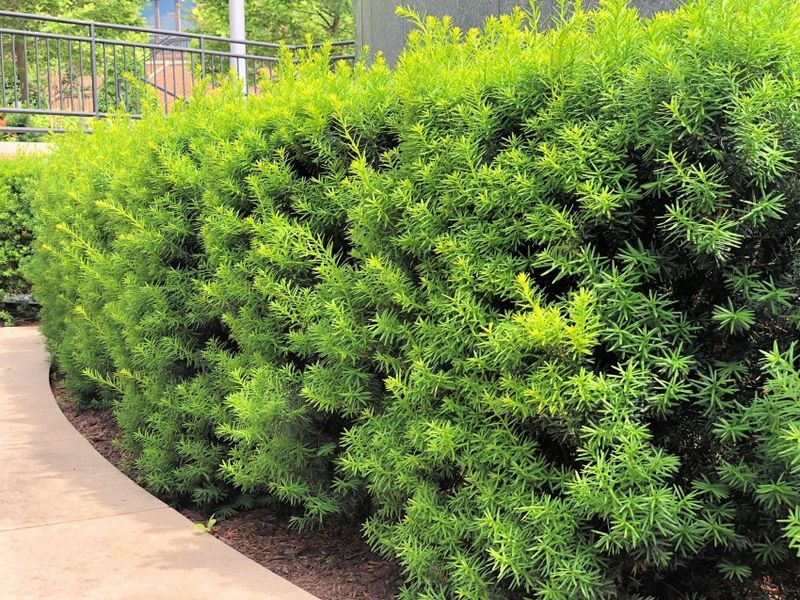
Foundation plantings set the tone for how a home reads from the street, and getting that balance between structure and softness right can be tricky. Taxus brings enough visual weight to anchor a bed without making the whole planting feel rigid or overly formal.
That quality has made it a go-to option for homeowners who want their front yard to look intentional but not uptight.
When planted in groupings of two or three shrubs with slightly varied spacing, yew creates a natural rhythm along a foundation that feels more relaxed than a perfectly uniform hedge.
Mixing compact rounded cultivars near corners with slightly taller forms near entry points adds depth and visual movement to the bed.
That layered approach works especially well in Michigan ranch-style homes where the foundation line is long and a single repeated plant can start to look monotonous.
Taxus also pairs well with other plants in mixed foundation beds. Low ornamental grasses, shade-tolerant perennials, and broadleaf evergreens can all complement the dark needle texture of yew without competing with it visually.
The key is choosing companions that share similar site preferences, particularly when it comes to soil drainage and light levels.
A well-planned foundation bed with Taxus as the structural backbone can look polished through every season and hold up through Michigan winters without needing significant replanting or replacement over the years.
6. Well-Drained Soil Helps Taxus Stay Healthy
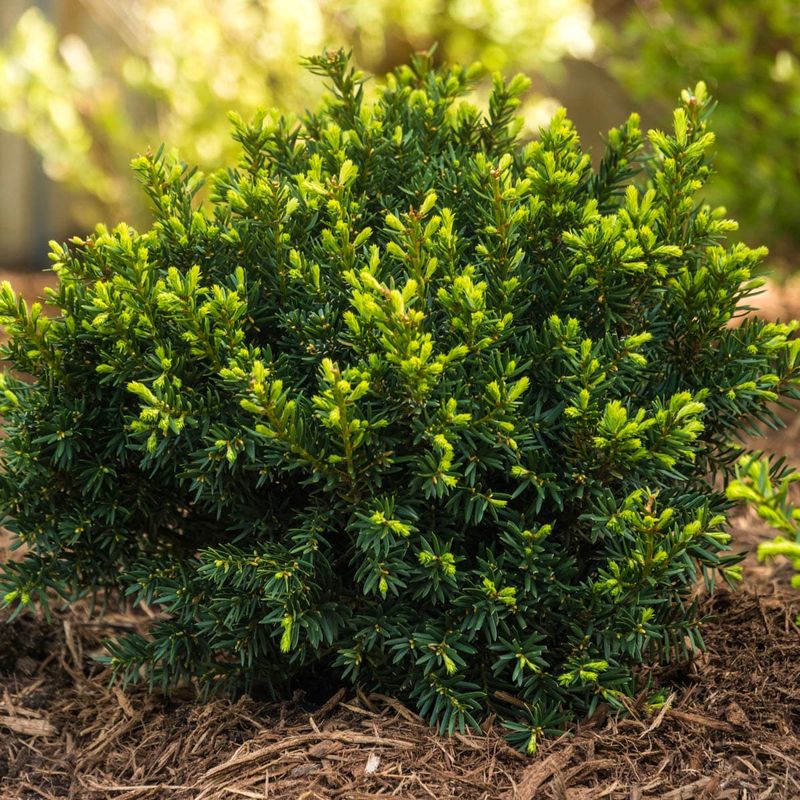
Soil drainage is one of the most important factors to get right before planting Taxus, and it is also one of the most commonly overlooked.
Yew does not tolerate standing water or consistently soggy soil, and planting it in a low spot that collects moisture after rain or snowmelt can lead to root stress over time.
In Michigan, where spring thaw can leave soils saturated for weeks, checking drainage before choosing a planting site is genuinely important.
Most Michigan soils can support Taxus well when they drain adequately, but heavy clay soils common in parts of the Lower Peninsula may need some amendment or raised planting to improve drainage around the root zone.
Incorporating organic matter like compost into the planting area helps loosen heavy soils and improves both drainage and root development.
Raised beds or slightly mounded planting areas can also help in spots where drainage is questionable but the location is otherwise ideal.
Sandy soils found in parts of northern Michigan and along the lakeshore tend to drain quickly and generally suit Taxus well, though they may dry out faster in summer heat.
Mulching around the base of the shrub helps retain moisture, moderate soil temperature, and reduce competition from weeds.
Keeping mulch pulled back slightly from the main stem helps avoid excess moisture buildup near the crown, which can cause problems for yew in any Michigan climate zone.
7. Heavy Deer Browsing Can Be A Real Concern
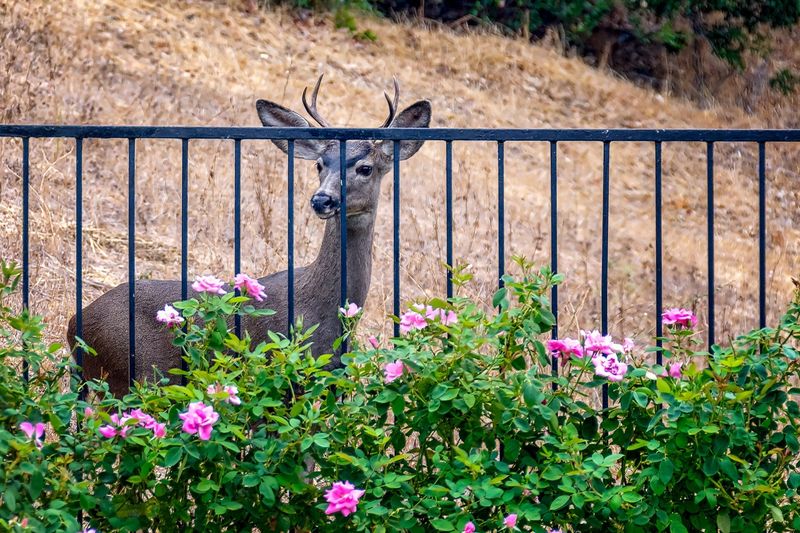
Deer pressure is a real and ongoing challenge for Michigan gardeners, particularly in suburban neighborhoods near wooded areas, parks, or agricultural land.
Taxus is unfortunately quite attractive to deer, and in areas with heavy browsing, yew can be significantly damaged during fall and winter when other food sources become scarce.
Anyone considering Taxus as a boxwood alternative in Michigan should honestly assess the deer situation in their specific neighborhood before committing to a large planting.
In lower-pressure areas or yards with natural deterrents like dogs, fencing, or nearby human activity, Taxus often performs well without much intervention.
Deer-resistant companion plants or physical barriers like temporary deer netting can offer some protection during the most vulnerable months.
Some gardeners have had success with repellent sprays applied consistently through fall and early winter, though results can vary depending on deer population density and how hungry local herds become.
The contrast with boxwood is worth noting here. Deer generally tend to avoid boxwood due to its scent and taste, which is one reason some gardeners have preferred it for exposed front yards or unfenced properties.
Taxus does not share that advantage.
If deer browsing is a consistent problem in a Michigan yard, exploring other boxwood alternatives that carry some natural deer resistance may be worth the extra research before settling on yew as the primary foundation or border shrub.
8. Taxus Gives Michigan Landscapes A Classic Evergreen Feel
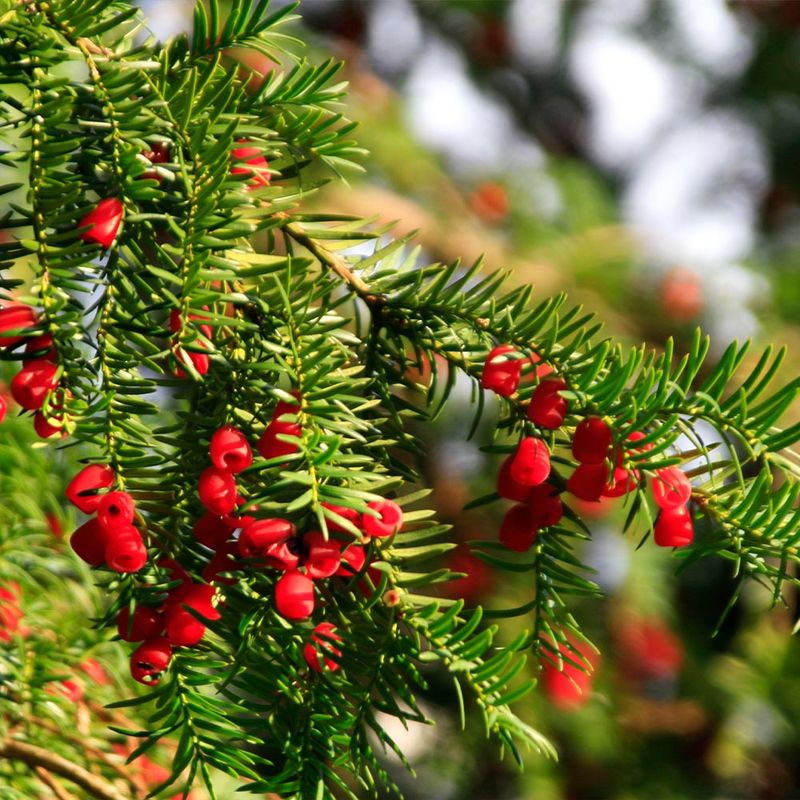
There is something timeless about a well-placed evergreen shrub that holds its color and shape through every season, and Taxus delivers that quality with a quiet confidence that fits Michigan landscapes beautifully.
The deep green needles, the dense branching habit, and the ability to be shaped or left to grow naturally all contribute to a look that feels both classic and grounded.
For homeowners replacing struggling boxwood, that familiar structure can make the transition feel seamless rather than like a compromise.
Mature Taxus shrubs also develop a presence in the landscape that younger plants take time to build. Once established, yew fills in generously and creates the kind of substantial evergreen mass that anchors a bed or defines a garden edge with real visual weight.
In Michigan yards where winters strip away most of the seasonal color, that established evergreen backbone becomes one of the most valued elements of the whole landscape design.
Red berries that appear on female Taxus plants in late summer and fall add a seasonal accent that boxwood simply does not offer, giving the shrub a bit of extra character as the garden transitions into cooler months.
Those berries are toxic if consumed, so placement near areas frequented by young children or pets warrants thoughtful consideration.
With the right site, reasonable deer management, and well-drained soil, Taxus can be a genuinely rewarding long-term addition to a Michigan home landscape.