The Oregon Native Plant That Outperforms English Lavender Across The State
English lavender gets plenty of love, but it is not always the easiest fit for every Oregon garden. Damp winters can make it fussier than expected.
Heavy soil may cause problems too, especially in spots that stay wet. A native plant that already understands the region can be a smarter choice.
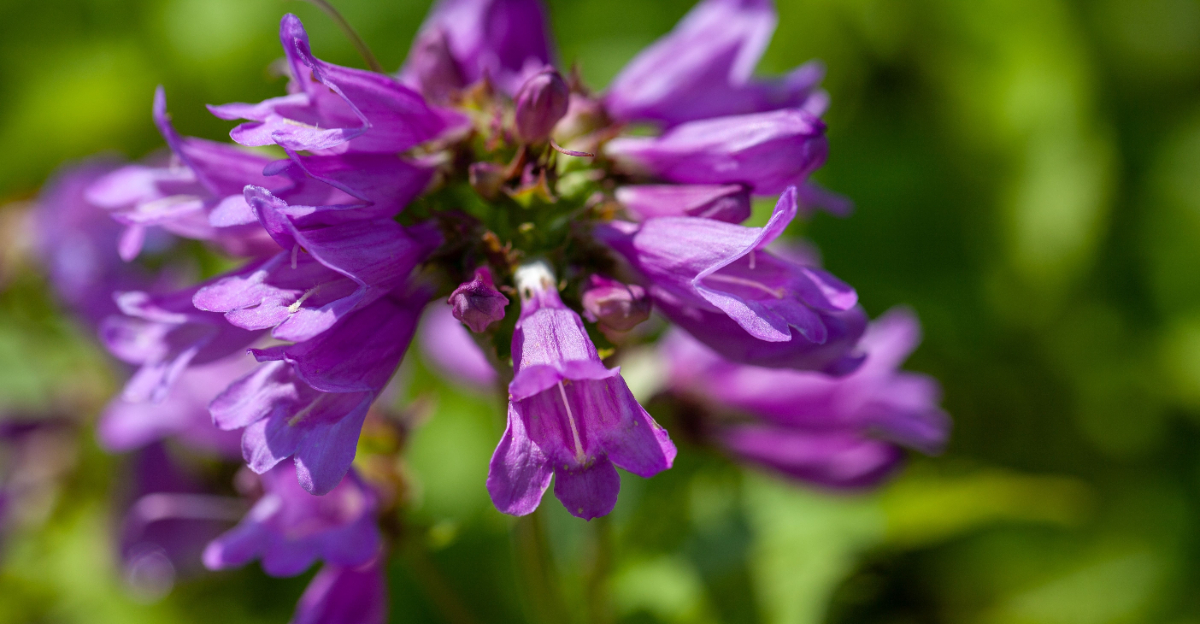
Cascade penstemon brings color, charm, and a more natural fit for many Oregon yards. Its tubular blooms can draw attention without making the garden feel overdone. It also works well in local plantings where lavender may need extra help to stay happy.
For gardeners who want beauty without forcing the wrong plant into the wrong place, this native deserves attention.
English lavender may be famous, but cascade penstemon has home field advantage.
1. Cascade Penstemon Gives Lavender-Like Color
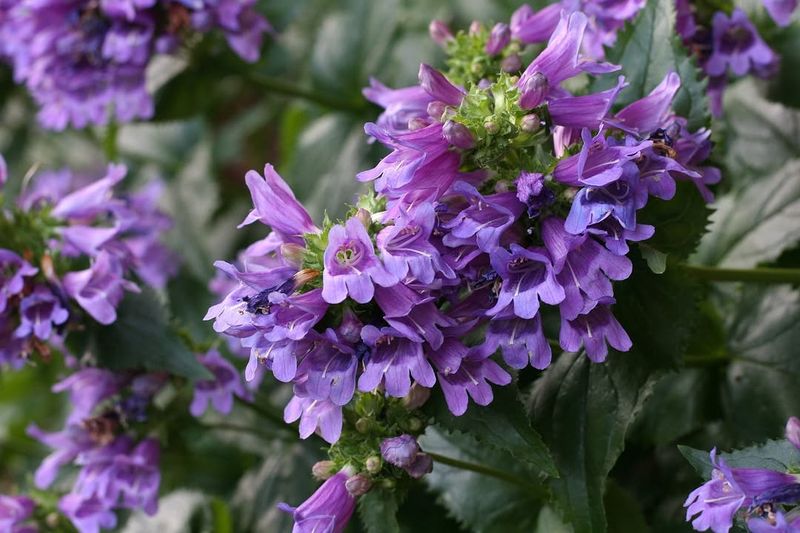
Picture a plant that blooms in the same rich purple-blue range as English lavender but actually belongs here. Cascade Penstemon does exactly that.
Its flowers open in clusters along upright stems, creating a bold splash of color that stops people in their tracks.
The color range runs from deep violet to soft blue-purple, depending on the individual plant and growing conditions.
Some plants lean toward a bright royal purple, while others show a softer lavender-blue that glows in afternoon light.
Either way, the visual effect is stunning and very similar to what lavender fans love.
English lavender gets a lot of credit for its color, but it often fades or fails to bloom well in our heavier soils. Cascade Penstemon holds its color longer and blooms reliably even in less-than-perfect conditions.
The upright flower spikes can reach two feet tall, making them visible from across the yard.
Oregon gardeners who want that lavender look without the lavender headaches will find this native plant to be a satisfying replacement. It pairs well with ornamental grasses, yarrow, and other sun-loving perennials.
The color also photographs beautifully, making it a favorite for garden bloggers and Instagram-savvy plant lovers. Plant it in groups of three or more for the biggest visual punch.
2. Purple Flowers Open Through Summer
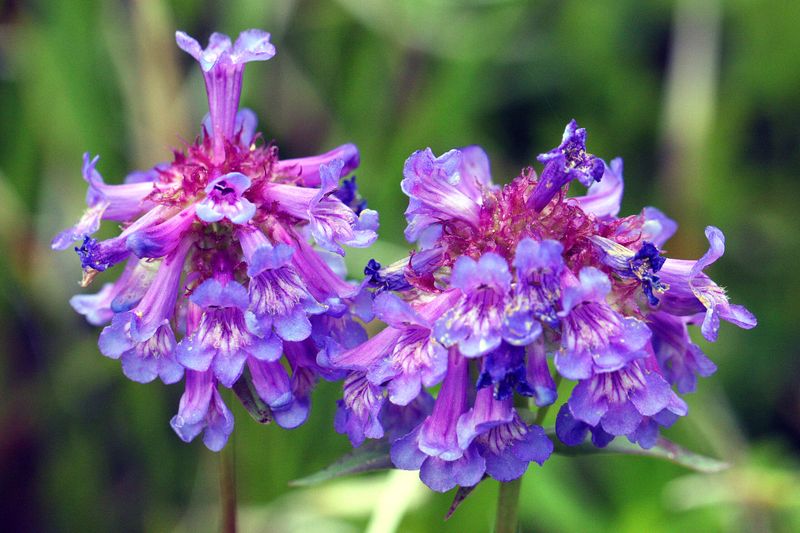
One of the biggest selling points of this native plant is how long it blooms. Starting in late spring, the flower spikes begin to open, and the show keeps going well into summer.
That is a longer bloom window than many popular garden perennials can offer.
English lavender typically peaks for a few weeks and then fades. Cascade Penstemon spreads its bloom time out more generously.
New flowers open progressively up the stem, so the display feels fresh for weeks rather than days. Gardeners who want continuous color appreciate this quality more than almost anything else.
Hot spells can slow the bloom slightly, but cooler stretches bring fresh flowers right back. In the coastal valleys of this state, where summers stay mild, the bloom season can stretch from May through August.
That kind of performance is hard to beat with any non-native flowering perennial.
Planting Cascade Penstemon alongside early bloomers like camas and later bloomers like goldenrod creates a relay of color that carries the garden from spring to fall. Each wave of flowers hands off to the next without a gap.
Your Oregon Garden Changes Every Week. Your Plan Should Too.
Gardening in Oregon changes quickly throughout the season. Every Friday you’ll receive a simple weekly plan showing exactly what to plant, prune, fertilize, harvest, and protect so you never miss the right timing.
If you want a garden that feels alive all season long, building around this native plant is a smart and rewarding strategy worth trying.
3. Native Bees Find It Fast
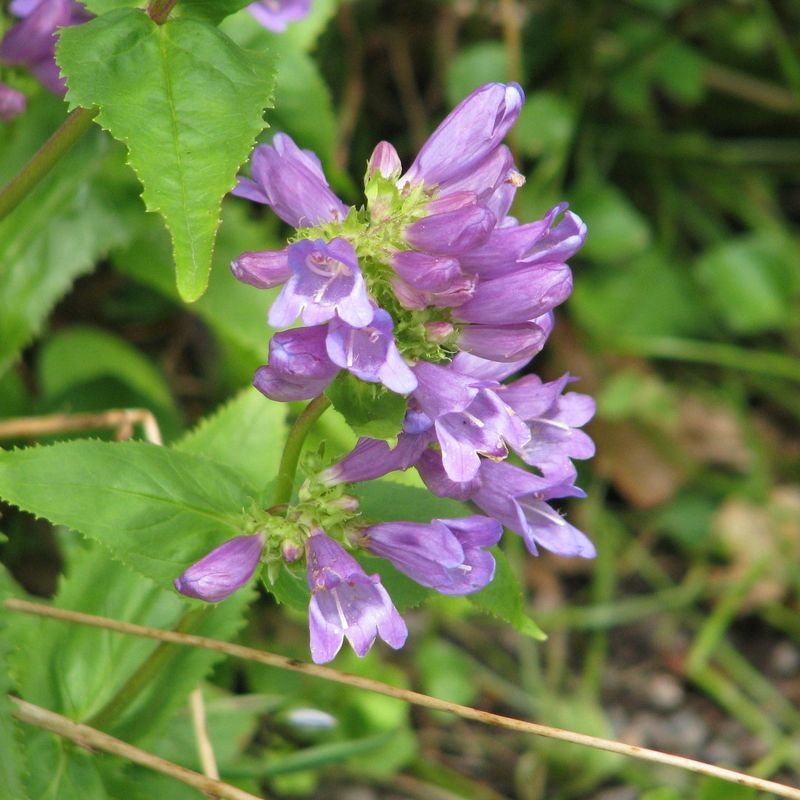
Bumblebees seem to have a radar for Cascade Penstemon. Within days of the first flowers opening, native bees show up and get to work.
The tubular shape of the flowers is perfectly sized for bumblebees, which are strong enough to push inside and reach the nectar.
Honey bees visit too, but it is the native species that really benefit. Mason bees, sweat bees, and several specialist bee species have been spotted on Cascade Penstemon in garden surveys across this region.
Supporting these pollinators matters because many native bee populations have declined sharply in recent decades.
English lavender does attract pollinators, but it tends to draw mostly honey bees. Cascade Penstemon brings in a wider variety of native bee species, making it a more valuable plant for local ecosystems.
That diversity of visitors strengthens the pollinator web that supports fruit trees, vegetable gardens, and wildflowers nearby.
Planting Cascade Penstemon near your vegetable garden can actually improve crop yields by increasing pollinator activity in the area.
Gardeners who have done this report better fruit set on tomatoes, squash, and berry bushes.
Even a small patch of three to five plants can make a noticeable difference. For anyone trying to garden with nature rather than against it, this plant is one of the easiest and most effective tools available.
4. Hummingbirds Visit The Tubular Blooms
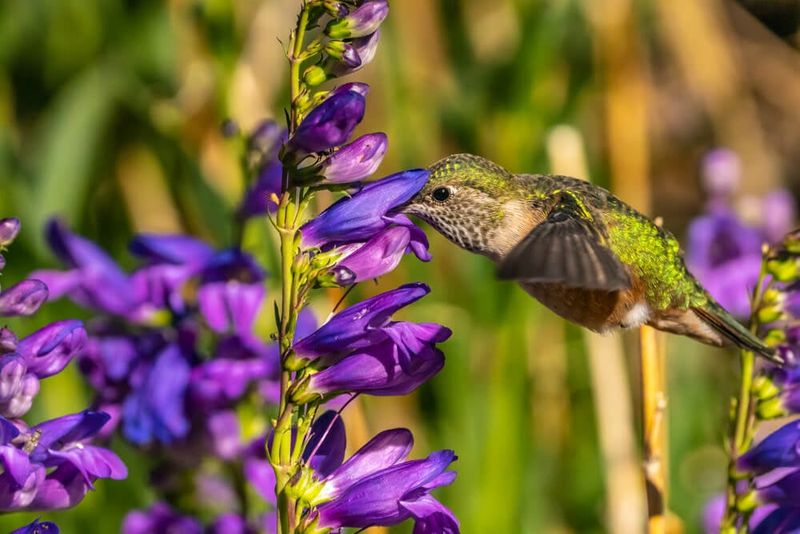
Few garden moments are more exciting than watching a hummingbird hover in front of your flowers. Cascade Penstemon makes that happen regularly.
The tubular blooms are shaped almost perfectly for hummingbird feeding, and the birds seem to know it instinctively.
Rufous hummingbirds are the most common visitors in this state during migration, and they hit Cascade Penstemon hard before heading north.
Anna’s hummingbirds, which now overwinter in the western parts of this state, also visit throughout the bloom season.
Having a plant that supports both species is a genuine bonus for wildlife gardeners.
The red and pink penstemons get more attention as hummingbird plants, but purple-flowered species like Cascade Penstemon are visited just as often. Hummingbirds are not as color-restricted as people think.
What matters more is the flower shape and nectar volume, and this plant delivers well on both counts.
Placing Cascade Penstemon near a window or patio lets you enjoy the hummingbird show up close. The birds are bold and curious, often hovering just a few feet from people.
Watching them work through a cluster of flower spikes is genuinely entertaining. If you already have a hummingbird feeder in your yard, adding this plant nearby creates a natural feeding station that birds will return to season after season.
5. It Handles Sun Without Constant Fuss
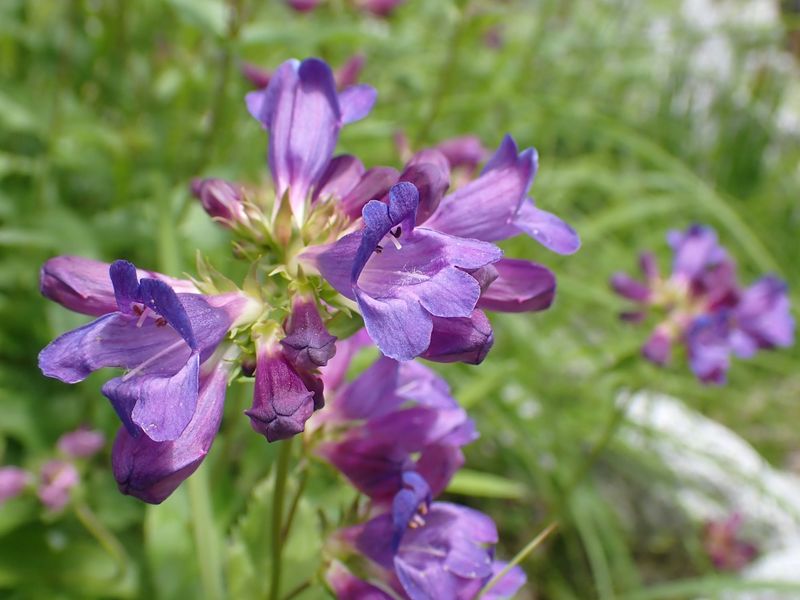
Some plants need constant attention the moment temperatures climb. Cascade Penstemon is not one of them.
Once established, it handles full sun with calm confidence and keeps blooming without needing extra water or special care during warm stretches.
English lavender needs excellent drainage and full sun to perform well, but it still sulks in hot, humid spells.
Cascade Penstemon shrugs off summer heat more readily, especially in the drier valleys east of the Cascades.
In those areas, it often outperforms lavender by a significant margin once roots are settled.
The leaves of Cascade Penstemon have a slightly waxy surface that helps reduce moisture loss during hot days.
This adaptation comes from thousands of years of growing in sun-baked mountain meadows and rocky slopes across this region.
That built-in toughness translates directly into lower maintenance for home gardeners.
During the first growing season, some supplemental watering helps the roots establish deeply.
After that, most established plants can handle summer dry spells without intervention. In areas with summer rainfall, no extra watering is needed at all.
Gardeners who travel frequently or simply prefer a hands-off approach will find Cascade Penstemon to be one of the most forgiving and rewarding perennials they have ever grown in a sunny border.
6. Moist Soil Keeps It Looking Better
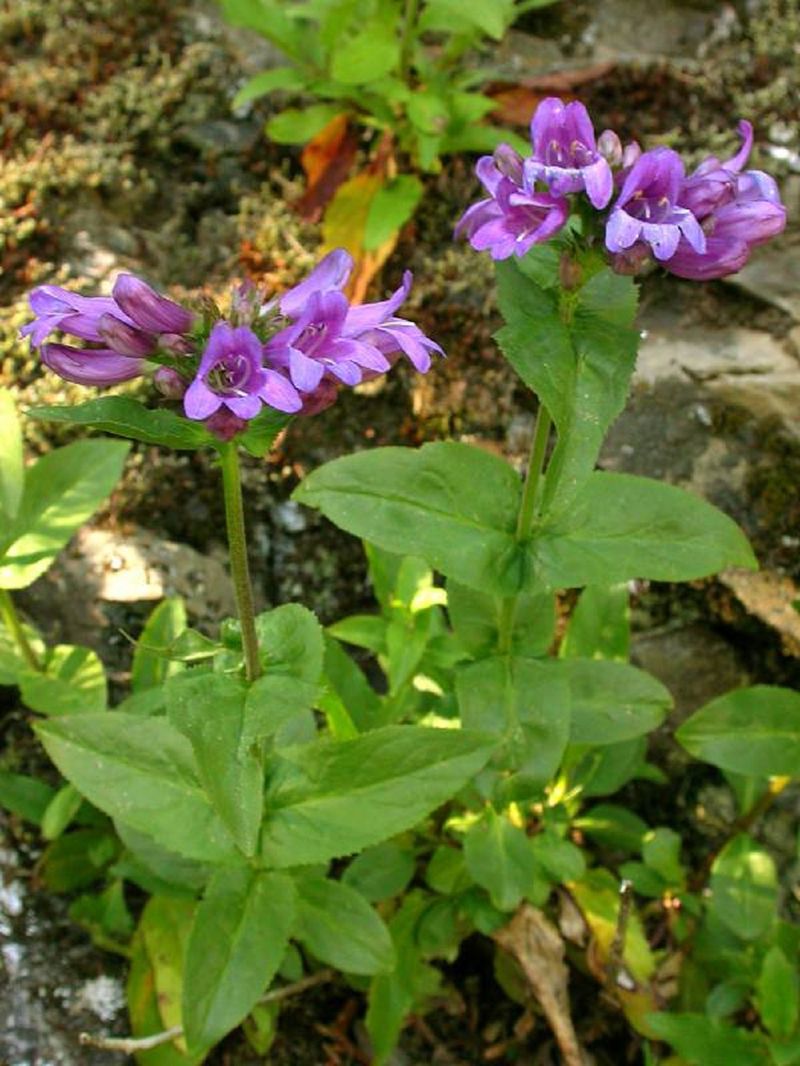
Here is something that surprises many gardeners: Cascade Penstemon actually prefers more moisture than English lavender can tolerate.
That makes it a much better fit for the wet, clay-heavy soils found across the western valleys of this state. Lavender would rot in those conditions, but this native plant thrives.
In its natural habitat, Cascade Penstemon often grows along stream banks, in moist meadows, and on shaded slopes where the soil stays consistently damp. It evolved alongside our rainy winters and cool, wet springs.
That evolutionary history makes it naturally suited to the conditions most gardeners here are working with.
Gardeners in the Willamette Valley, where winters are wet and soils stay soggy for months, often struggle to find flowering perennials that survive without raised beds or amended soil.
Cascade Penstemon sidesteps that problem entirely. Plant it in your average garden bed and let the rain do the work.
Even in summer, if your garden gets occasional irrigation or sits in a slightly low spot, this plant responds with lusher foliage and more vigorous blooming.
It is not a bog plant and does not want standing water, but it appreciates consistent moisture far more than most sun-loving perennials.
For gardeners tired of fighting their soil, choosing plants that match local conditions is always the smarter and more sustainable path forward.
7. Westside Gardens Are Its Sweet Spot
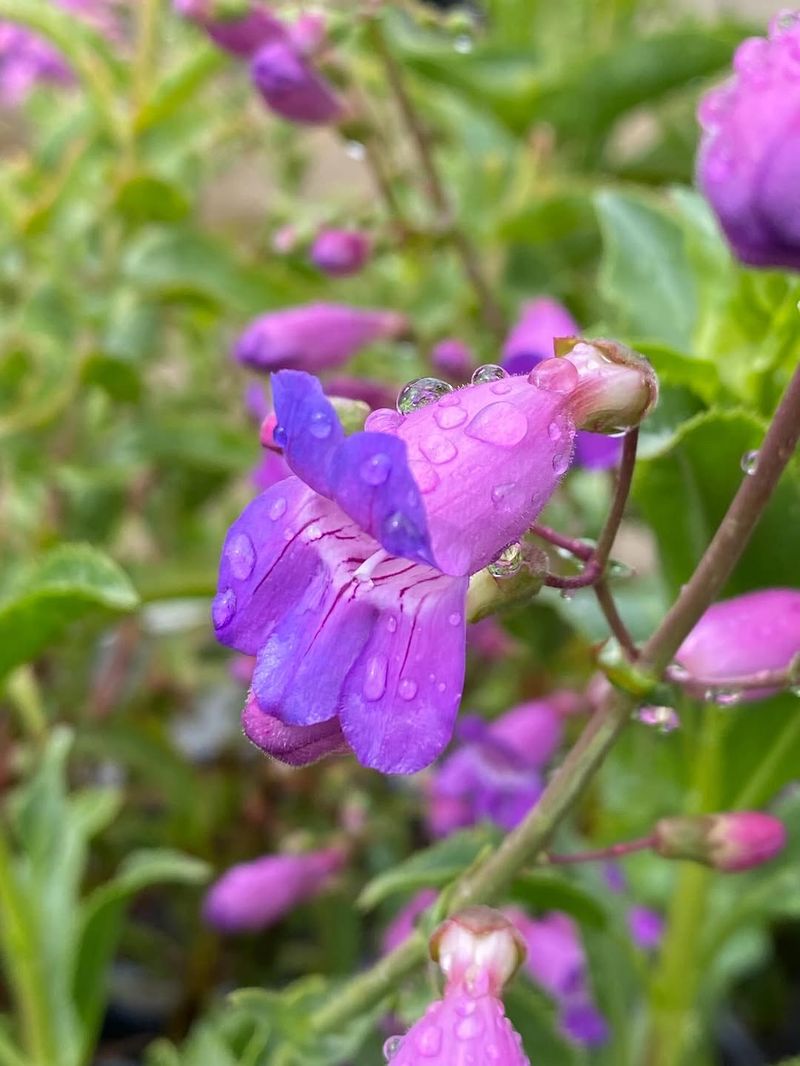
The western side of this state has a climate that many plants find challenging. Wet winters, mild summers, and heavy soils create conditions that knock out plenty of popular garden perennials.
Cascade Penstemon, however, was practically made for this environment.
From the Oregon coast range foothills to the valley floors of the Willamette, this plant grows with ease. It tolerates the gray, rainy months of winter without rotting at the crown.
It pushes out fresh growth in spring right on schedule and blooms reliably by late May in most westside locations.
English lavender, by contrast, is a Mediterranean plant that craves sharp drainage and dry summers. Growing it well on the westside often requires raised beds, gravel mulch, and careful siting.
Even then, a wet winter can take it out. Cascade Penstemon needs none of those accommodations and performs better to boot.
Coastal gardeners in Lincoln City, Astoria, and Coos Bay have reported great success with this plant even in foggy, high-humidity conditions.
The plant handles salt air better than most flowering perennials too, which makes it a practical choice for gardens near the ocean.
If you garden anywhere west of the Cascades and have struggled to find reliable, beautiful perennials that do not demand constant babysitting, Cascade Penstemon deserves a serious look this planting season.
8. Deadheading Keeps The Plant Tidier
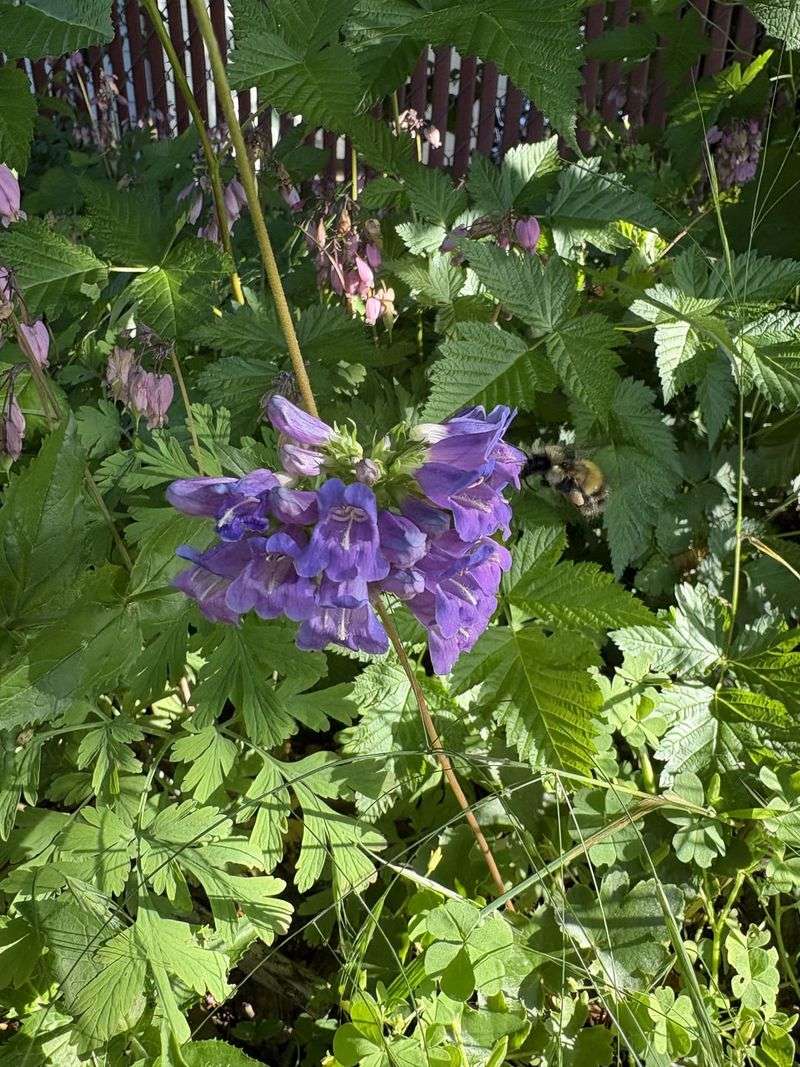
After the first big flush of bloom, some flower spikes start to look a little ragged. Snipping those spent stems off near the base encourages the plant to push out a fresh round of growth and sometimes triggers a second wave of blooms later in the season.
Deadheading is not strictly required with Cascade Penstemon, but it does make the plant look cleaner and more polished through midsummer.
For gardeners who like a tidy border, spending ten minutes every couple of weeks with a pair of scissors keeps things looking sharp without a lot of effort.
The technique is simple. Cut the spent flower spike down to where a healthy leaf or side shoot is growing.
New growth will appear quickly, especially if the plant gets a little water after cutting. In cooler summers, a second bloom flush is common and very welcome.
Oregon gardeners who prefer a more naturalistic look can skip deadheading entirely and let the plant do its own thing.
The spent stems have a quiet architectural quality, and the seedheads that follow are attractive in their own right.
Both approaches work well, so the choice really comes down to personal style and how much time you want to spend in the garden.
Either way, the plant holds up beautifully through the growing season with minimal intervention needed.