Arizona Flowering Vines That Cover Structures And Attract Hummingbirds
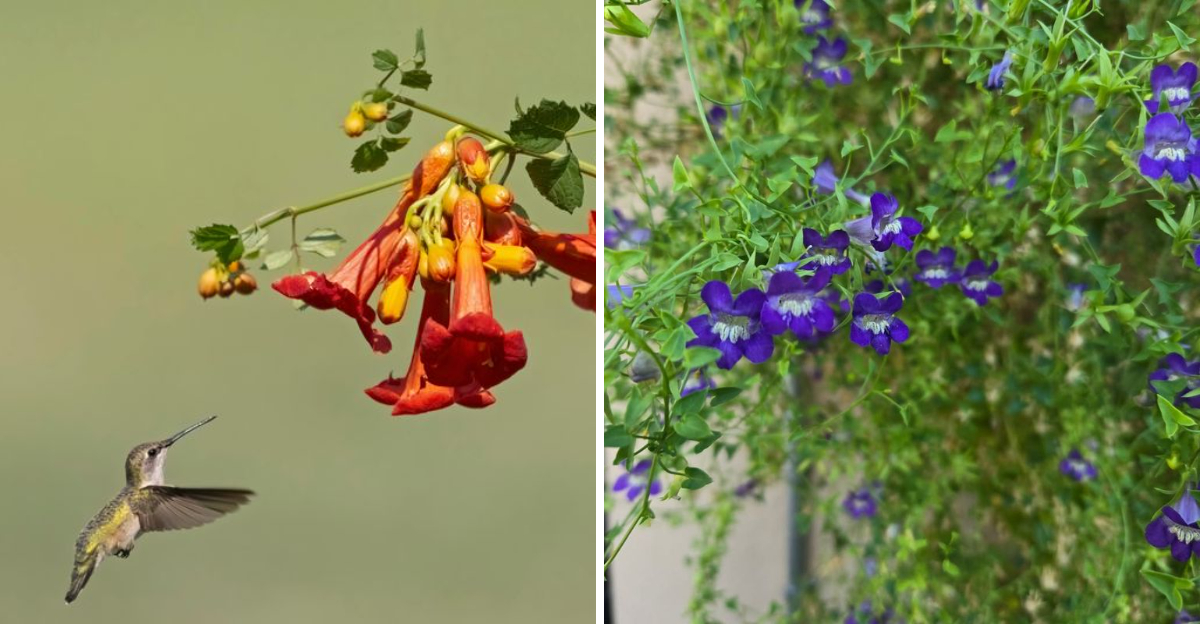
Hummingbirds rarely stay still long enough for anyone to get a good look at them. One moment there is a flash of movement near a flower, and the next it is gone.
That is part of what makes every sighting feel special. Even people who are not especially interested in birds tend to stop and watch when one appears.
Many gardeners spend years trying to create more of those moments.
Colorful flowers help, but the most memorable yards often offer something more than a few blooms. They create a feeling of abundance.
Plants spill over fences, soften structures, and fill empty spaces with growth that draws attention from both people and wildlife.
Arizona gardens can be especially rewarding when that happens. A plain wall, arbor, or fence can become one of the most active parts of the landscape.
Sometimes the difference between an ordinary view and a remarkable one comes from looking up instead of looking down.
The right vine can transform a vertical surface into a living feature that stays interesting for months. When flowers, foliage, and wildlife all come together in one place, the entire garden feels more vibrant and alive.
1. Coral Honeysuckle Provides Nectar-Rich Blooms
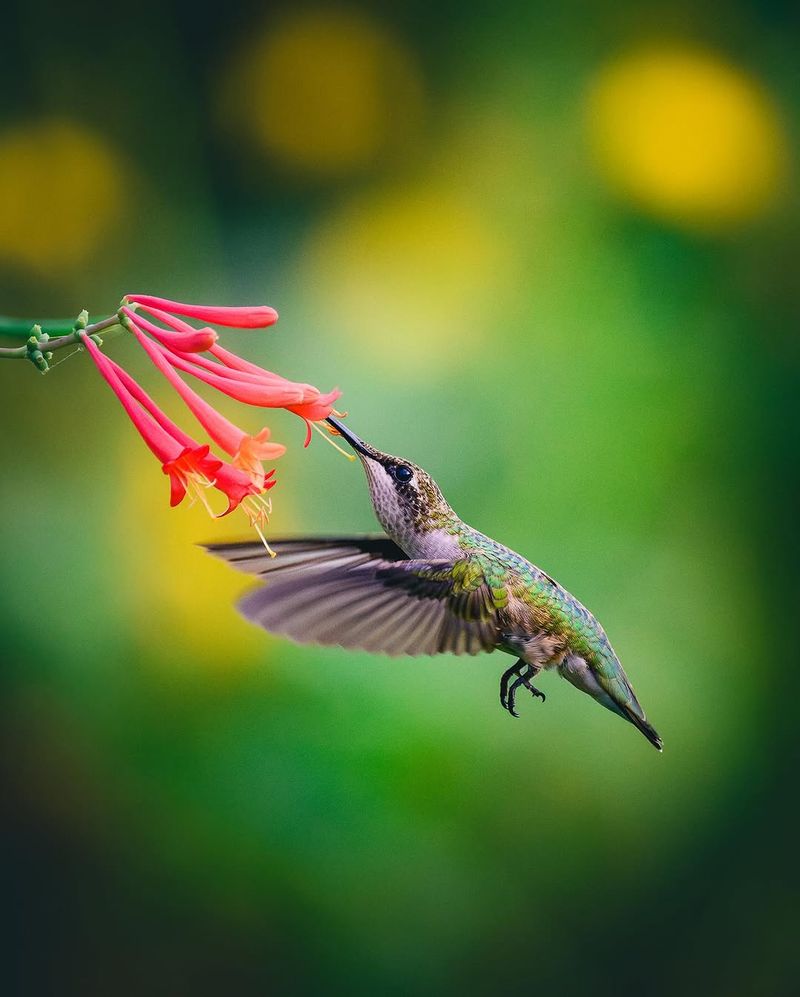
Few vines pull hummingbirds in faster than coral honeysuckle. Those long, tubular red and orange flowers are practically built for a hummingbird’s beak.
Native to the eastern and southern United States, it adapts well to desert garden conditions with proper watering.
Bloom time runs from spring through fall in warm climates. That extended season means hummingbirds keep returning long after other plants have stopped flowering.
Expect steady visitor traffic once the vine gets established.
Coral honeysuckle grows best on trellises, fences, or arbors where it can climb and sprawl naturally. It prefers well-draining soil and at least six hours of sun daily.
Water regularly during the first season, then cut back once roots are established.
Unlike the invasive Japanese honeysuckle, coral honeysuckle behaves well in the garden. It will not overtake neighboring plants or spread aggressively.
That makes it a smart, low-drama choice for smaller garden spaces.
Hummingbirds are not the only fans. Butterflies also visit the blooms regularly.
Songbirds sometimes eat the small red berries that follow the flowers. Planting coral honeysuckle near a window or patio gives you a front-row view of all that activity without much effort on your part.
A layer of mulch around the base can help conserve soil moisture and support stronger growth during the hottest part of summer.
A mature vine can easily reach 15 to 20 feet in length, providing excellent coverage for structures while creating a reliable nectar source throughout the growing season.
Coral honeysuckle is also relatively low-maintenance once established, requiring only occasional pruning to keep growth tidy and manageable.
2. Cape Honeysuckle Draws Frequent Hummingbird Visits
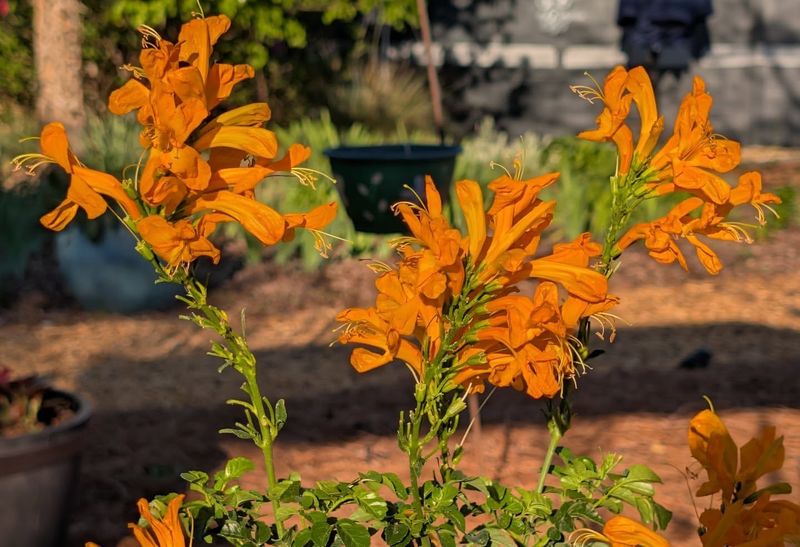
Cape honeysuckle stops people in their tracks. Clusters of vivid orange tubular flowers blanket the plant from late fall through early spring, which is exactly when most other garden plants go quiet.
Hummingbirds notice this and show up reliably.
Your Arizona Garden Changes Every Week. Your Plan Should Too.
Gardening in Arizona changes quickly throughout the season. Every Friday you’ll receive a simple weekly plan showing exactly what to plant, prune, fertilize, harvest, and protect so you never miss the right timing.
Originally from southern Africa, cape honeysuckle has settled comfortably into warm desert landscapes. It handles heat well and bounces back quickly after a cold snap.
In frost-free areas, it stays semi-evergreen through the winter months.
This vine grows fast and covers large structures with minimal fuss. Block walls, chain-link fences, and wooden pergolas all work well as supports.
Give it room to spread, because it can reach 10 feet or more in a single growing season under good conditions.
Pruning keeps cape honeysuckle from getting too woody and tangled. Cut it back hard in late winter before new growth starts.
That encourages fresh, flower-producing stems and keeps the plant looking full rather than scraggly.
Watering needs are moderate once established. Deep, infrequent watering works better than frequent shallow watering in desert soils.
Avoid planting in spots with poor drainage, since soggy roots cause problems. Full sun is non-negotiable for the best bloom performance.
Partial shade produces fewer flowers and a leggier plant overall, so choose the sunniest spot available in your yard.
Cape honeysuckle also responds well to occasional fertilizing during the growing season, which can encourage stronger growth and heavier flowering.
Established plants can also be shaped into a large shrub, giving gardeners flexibility when a climbing support is not available.
3. Crossvine Fills Spring With Tubular Flowers
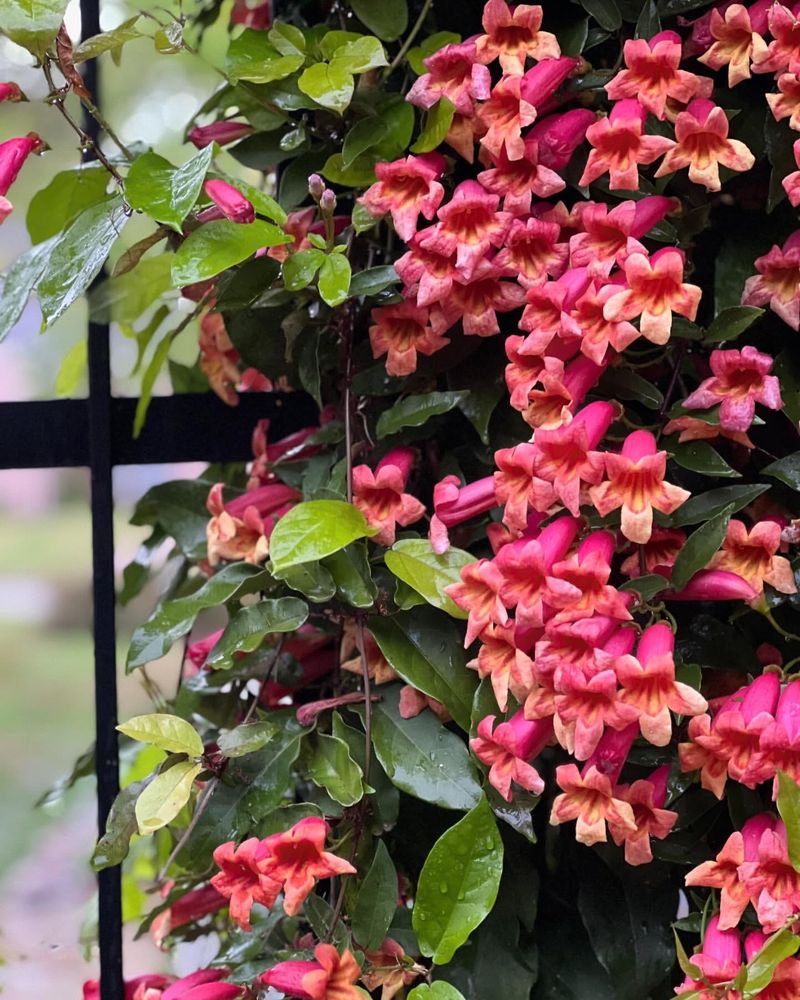
Spring arrives early when crossvine is growing in your garden. Clusters of orange and yellow tubular flowers cover the plant heavily in early spring, creating a wall of color that hummingbirds cannot ignore.
It is one of the most visually dramatic native vines available for warm-climate gardens.
Crossvine climbs using adhesive pads, similar to Virginia creeper. It grips wood, masonry, and metal surfaces without needing additional ties or training.
That makes it genuinely low-maintenance once it finds its footing.
Bloom time peaks in late winter through early spring in warmer zones. A lighter flush of flowers sometimes returns in fall.
The spring bloom is the main event, though, and it is impressive enough to make the vine worth growing on its own merits.
Semi-evergreen in mild winters, crossvine holds its leaves well into the cool season. Leaves turn reddish-purple in cold weather, adding off-season interest.
Established plants are surprisingly cold-tolerant for a vine with such tropical-looking flowers.
Full sun brings out the best bloom production. Partial shade is tolerated but reduces flowering noticeably.
Soil quality matters less than drainage. Crossvine dislikes sitting in waterlogged soil for extended periods.
Once established, it is fairly drought-tolerant. Regular deep watering during the first two growing seasons sets the plant up for long-term success in hot, dry garden conditions.
Mature plants can easily cover a fence, arbor, or large trellis, making crossvine a strong choice when quick vertical coverage is needed.
Its dense growth also provides useful shelter for small birds.
4. Baja Passion Vine Climbs Trellises And Arbors
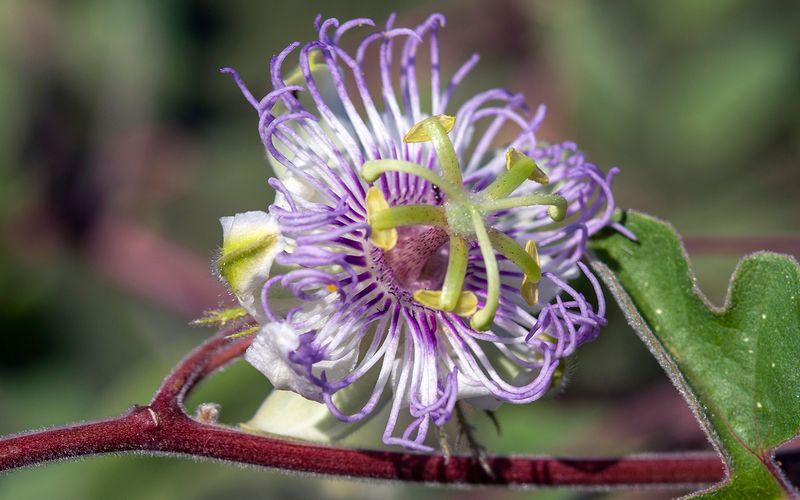
Exotic-looking flowers on a heat-tolerant vine sounds almost too good to be true, but Baja passion vine delivers exactly that. Its intricate purple and white blooms look like something from a tropical rainforest, yet the plant handles desert heat with ease.
Native to the Baja California peninsula and parts of the Sonoran Desert, this vine is built for hot, dry conditions. It needs minimal water once established and thrives in rocky or sandy soils with good drainage.
Overwatering is a more common problem than underwatering with this species.
Hummingbirds visit the flowers regularly, drawn in by the structure and nectar content of the blooms. Butterflies also stop by, making this vine a genuine pollinator magnet.
Planting it near a seating area gives you excellent wildlife-watching opportunities.
Growth is moderate rather than explosive. That makes Baja passion vine easier to manage on smaller trellises and arbors without constant pruning.
Train it early and it follows the structure well. Metal or wood supports both work fine as long as they are sturdy enough to hold the plant’s weight at maturity.
Frost sensitivity is a real factor. Plants may experience cold damage below 28 degrees Fahrenheit.
In lower desert areas, established plants typically recover from brief cold snaps. In higher elevations, protecting the root zone during winter improves survival odds considerably.
New growth emerges reliably once temperatures warm back up in spring.
Full sun encourages the strongest flowering, though light afternoon shade can help reduce stress during periods of extreme summer heat.
5. Snapdragon Vine Adds Long-Lasting Color
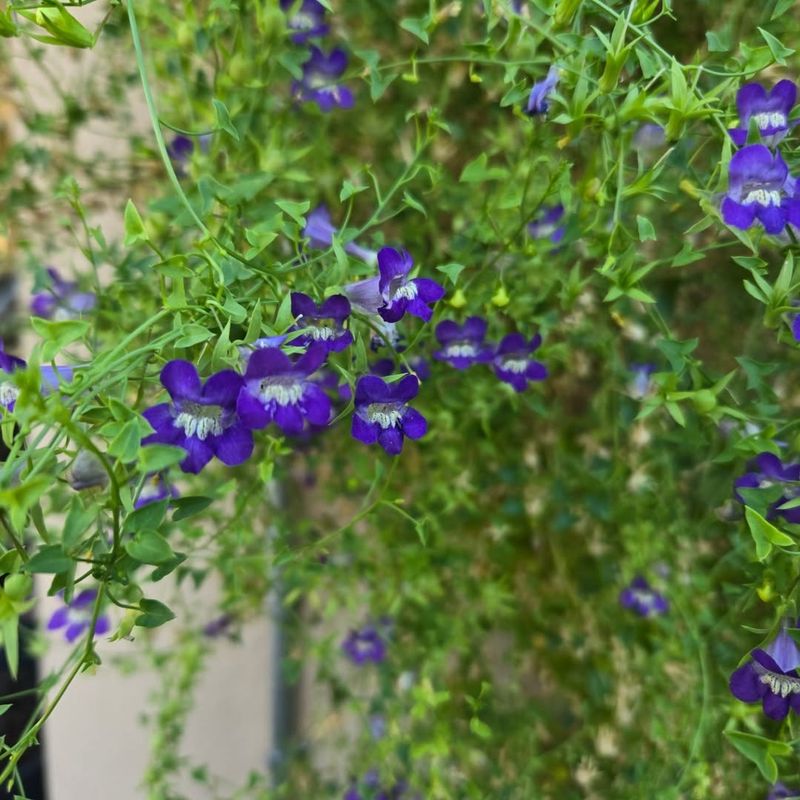
Snapdragon vine surprises most people who see it for the first time. Small but bright yellow and orange flowers cover the plant in dense clusters, creating a cheerful display that lasts for months in warm climates.
It is not as widely planted as it deserves to be.
Also called Maurandella antirrhiniflora, this is a delicate-looking vine with wiry stems that weave through fences and wire supports easily. Despite its fine texture, it is tougher than it looks in hot, dry garden conditions.
Established plants handle heat and drought reasonably well.
Hummingbirds investigate the small tubular flowers regularly. The blooms are sized differently from larger trumpet-shaped flowers, but hummingbirds are adaptable feeders and return to reliable nectar sources.
Plant snapdragon vine where you can observe the activity up close.
Bloom time stretches from late winter through spring and again in fall when temperatures cool. Summer heat slows flowering but rarely stops it entirely in shaded or east-facing spots.
That long season makes it one of the more practical choices for sustained color in a desert garden setting.
Snapdragon vine reseeds modestly in favorable conditions. Seedlings can be transplanted or left to fill gaps in a planting bed.
It is not invasive, but self-seeding means you may end up with more plants than you started with, which is rarely a complaint from gardeners who appreciate the color it brings.
Providing a light trellis or wire support helps the vine display its flowers more effectively and keeps the growth looking neat throughout the season.
6. Trumpet Vine Quickly Spreads Across Large Structures
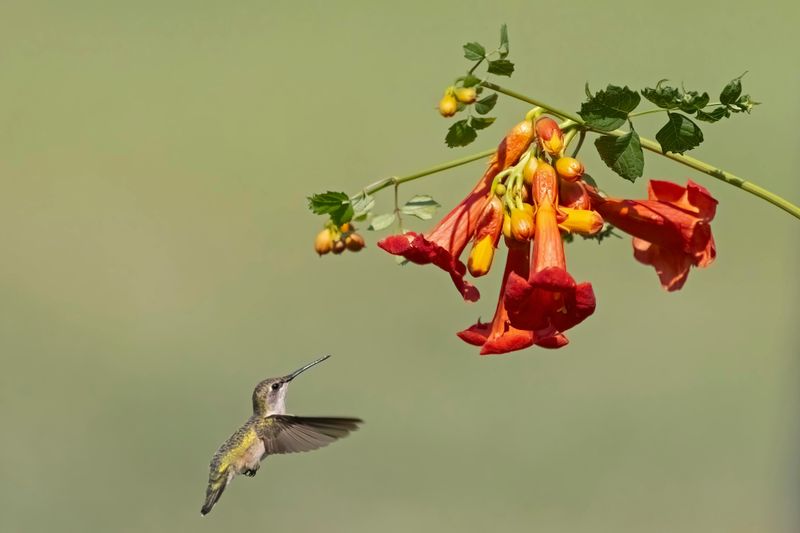
Trumpet vine is not shy. It covers fences, pergolas, and even entire shed walls with bold clusters of orange to red tubular flowers.
Hummingbirds visit constantly during peak bloom, which runs through summer in hot desert climates.
Growth is genuinely fast. Under good conditions, trumpet vine can extend several feet in a single season.
Plan for that growth rate before planting. A sturdy structure is necessary because a mature vine carries significant weight.
Established plants are extremely drought-tolerant. They need little supplemental water once roots are well established.
That quality makes trumpet vine practical in low-water landscapes where other flowering vines would need more consistent irrigation.
Aggressive spreading is the main consideration with this vine. It sends up suckers from the roots and can spread beyond its intended space.
Regular monitoring and removal of unwanted shoots keeps it contained without much difficulty. Avoid planting near foundation walls or pavement where root spread could cause issues over time.
Full sun produces the strongest bloom. Plants in partial shade grow vigorously but flower less.
Trumpet vine tolerates a range of soil types, including rocky desert soils that challenge many other plants. Pruning in late winter removes damaged wood and encourages fresh flowering stems.
Hard pruning every few years prevents the vine from becoming too woody at the base and keeps it producing flowers closer to eye level.
The large flowers also attract butterflies and other pollinators, adding even more wildlife activity to the garden throughout the blooming season.
7. Pink Trumpet Vine Brightens Fences With Showy Flowers
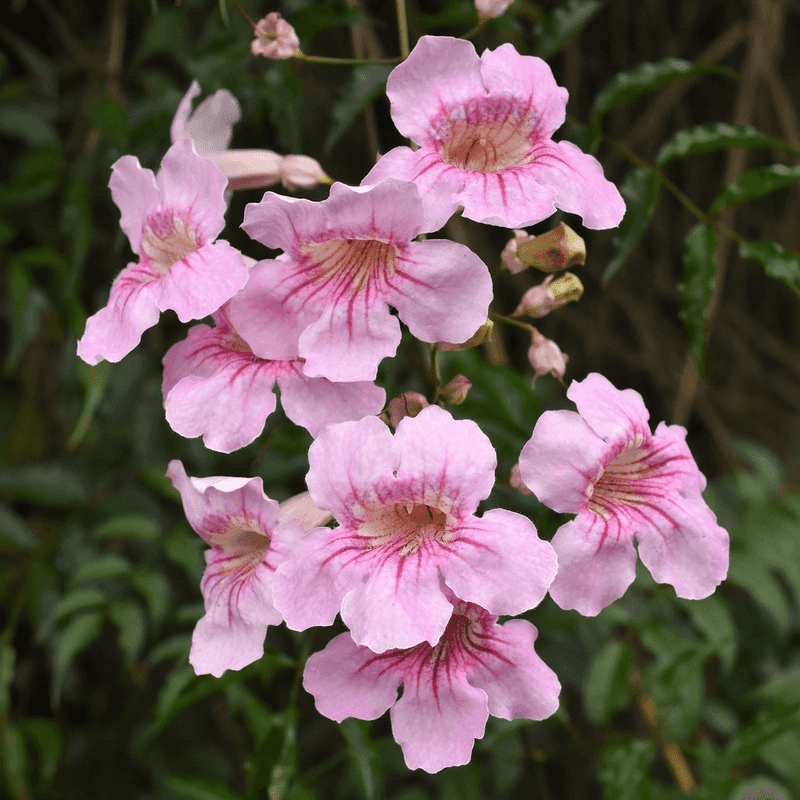
Rosy pink flowers on a fast-growing vine are hard to overlook. Pink trumpet vine, known botanically as Podranea ricasoliana, produces large clusters of soft pink blooms with darker pink veining through summer and into fall.
It is one of the showiest vines available for warm-climate fences and walls.
Growth rate is strong once established. Expect the vine to cover a standard fence section within one to two growing seasons.
Provide a sturdy support structure early, because mature plants become heavy and need something solid to hold onto as they expand.
Hummingbirds visit the flowers, though pink trumpet vine attracts a wider range of pollinators than strictly hummingbird-focused plants. Bees and butterflies are frequent visitors too.
That broad pollinator appeal makes it a productive addition to any wildlife-friendly garden space.
Water needs are moderate. Deep watering every week or two during the growing season keeps plants healthy and blooming consistently.
Reduce watering in winter when growth slows. Avoid overwatering, especially in heavy clay soils where drainage is limited.
Cold sensitivity is the main limitation in higher desert elevations. Plants may experience frost damage in hard freezes but typically recover from the roots when temperatures warm.
In the lower desert, pink trumpet vine often behaves as a reliable perennial with minimal winter intervention needed. Mulching the root zone before cold snaps gives the plant extra protection and improves recovery speed when spring arrives.
Pink trumpet vine also tolerates reflected heat from walls and fences, making it a useful option for challenging planting locations where many flowering vines struggle.