These Texas Yard Mistakes Are Making Your Mosquito Problem Worse No Matter What You Spray
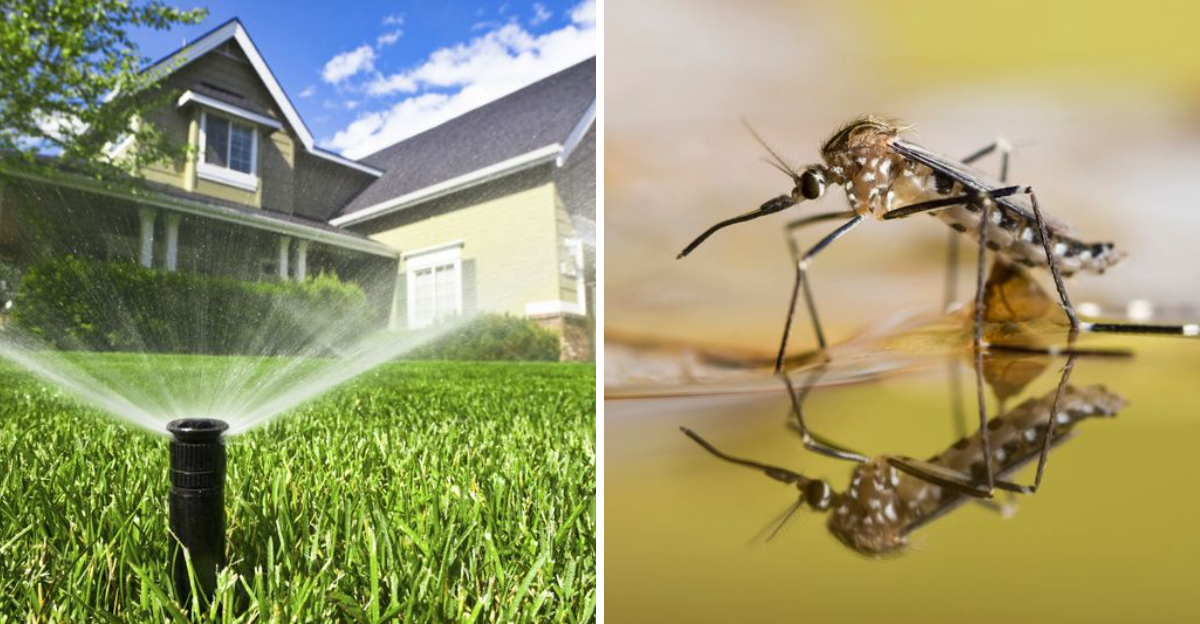
Spraying for mosquitoes in Texas feels productive right up until you realize the problem keeps coming back at the same intensity no matter how consistently you treat.
Sprays and foggers knock down the population temporarily, but if the yard conditions that support mosquito breeding remain unchanged, the relief is always short-lived.
Mosquitoes do not need much to establish themselves, just the right combination of standing water, shelter, and the kind of yard conditions that allow larvae to develop undisturbed.
Many of the most common Texas yard habits create exactly those conditions without homeowners realizing the connection.
Some of them are obvious once pointed out, others are surprising, and a few involve things that people are actively doing in the belief that they are helping.
Understanding what your yard is doing to sustain the mosquito population is the most practical step toward making the spray actually work, because treating the symptom without addressing the cause is a cycle that never ends.
1. Leaving Any Standing Water Around Your Yard
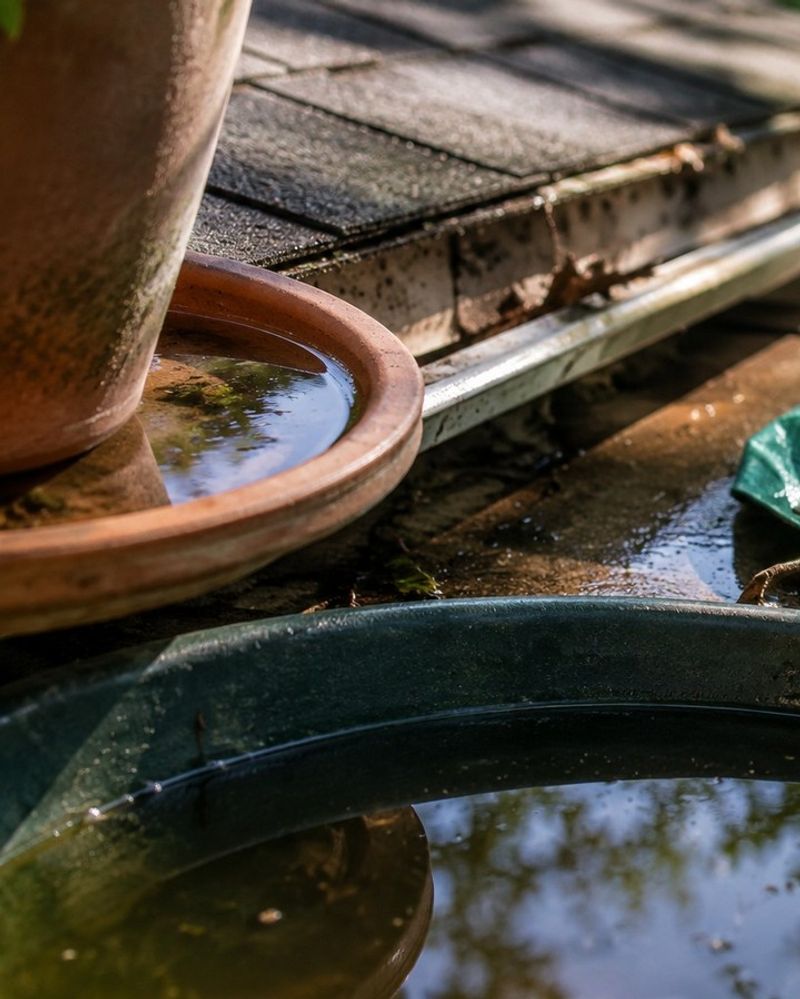
Most people think mosquitoes need a pond or a swamp to breed. The truth is, they need barely any water at all.
A bottle cap full of water is enough for hundreds of mosquito larvae to grow. That is a shocking fact that changes how you should look at your yard.
Plant saucers, pet water bowls, old tires, and even a folded tarp can collect enough water to become a mosquito nursery. These tiny water sources are easy to miss during a quick walkthrough.
But mosquitoes find them fast, especially after a summer rain shower in Texas. Spraying your yard with insecticide only gets rid of adult mosquitoes flying around. It does absolutely nothing to the larvae sitting in that little puddle by your back door.
That means new mosquitoes keep hatching every few days, no matter how much product you use.
The fix is simpler than most people think. Walk your yard after every rain and dump out any water you find.
Flip over buckets, empty saucers, and change pet water dishes every couple of days. Even small habits like these can make a huge difference fast.
Standing water is the root of almost every mosquito problem in Texas yards. Without it, mosquitoes cannot complete their life cycle and populations drop quickly. Sprays help, but removing water is the real solution that actually sticks long-term.
2. Ignoring Clogged Gutters And Downspouts
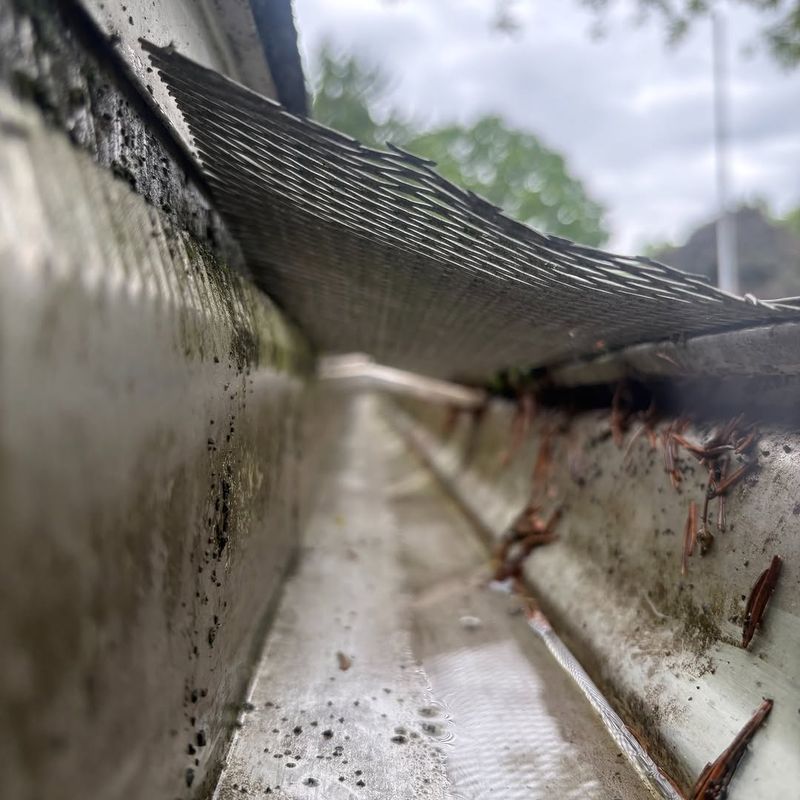
Gutters are one of the most overlooked mosquito breeding spots in any Texas yard. When leaves, twigs, and dirt pile up inside them, water stops draining properly.
That trapped water just sits there, warm and still, which is exactly what mosquitoes are looking for.
What makes this problem sneaky is that gutters are up high and out of sight. Most homeowners never think to check them until there is a bigger issue.
Meanwhile, a clogged gutter can hold water for days or even weeks after a rainstorm, giving mosquitoes plenty of time to lay eggs and hatch.
Spraying insecticide around your yard does not reach the inside of your gutters. Even if you spray every week, those larvae in the gutter water are completely protected.
Your Texas Garden Changes Every Week. Your Plan Should Too.
Gardening in Texas changes quickly throughout the season. Every Friday you’ll receive a simple weekly plan showing exactly what to plant, prune, fertilize, harvest, and protect so you never miss the right timing.
New adult mosquitoes keep emerging from right above your roofline and dropping right into your outdoor space.
Cleaning your gutters at least twice a year is a must in Texas, especially before and after storm season. If trees hang over your roof, you may need to clean them more often. Installing gutter guards can also help keep debris out and water flowing freely.
Downspouts matter too. If a downspout is blocked or drains into a low spot that holds water, that area becomes another breeding ground.
Make sure water flows away from your home and does not pool near the foundation. Fixing your gutters is one of the fastest ways to cut down on mosquito numbers without spraying a single drop of anything.
3. Overwatering Lawns And Gardens
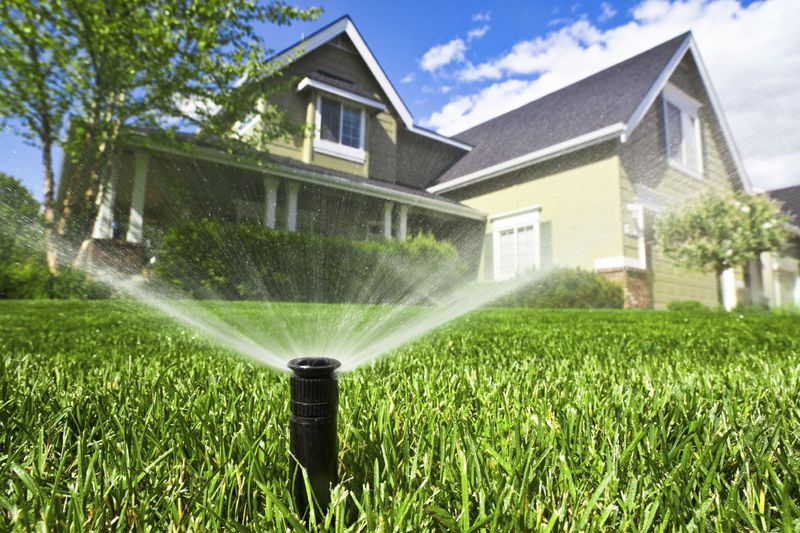
Overwatering is one of those yard mistakes that feels responsible but actually causes a lot of problems. In Texas summers, many homeowners crank up their sprinkler systems trying to keep grass and plants alive.
But soaking your yard too often creates damp, cool soil that mosquitoes absolutely love. Mosquitoes do not just breed in open water. They also rest and hide in moist, shaded soil near plant beds and lawns.
Constantly wet ground gives them a comfortable place to hang out during the hottest parts of the day. Your garden could be sheltering hundreds of resting mosquitoes without you even knowing it.
When you overwater, puddles form in low spots around your yard too. These shallow puddles warm up quickly in the Texas sun and become perfect breeding pools.
Even if they dry out within a day or two, that can be enough time for eggs to be laid and begin developing.
A smarter watering schedule makes a real difference. Water deeply but less frequently, and do it in the early morning so the ground has time to dry out during the day.
Letting the top layer of soil dry between waterings reduces mosquito-friendly conditions significantly.
Also check your garden beds for areas that stay wet longer than others. Adding better drainage or adjusting your sprinkler heads can help a lot.
Healthy plants do not need soggy roots, and a drier yard means fewer places for mosquitoes to hide and breed. Cutting back on water actually helps both your lawn and your mosquito situation at the same time.
4. Letting Grass And Shrubs Get Too Tall Or Dense
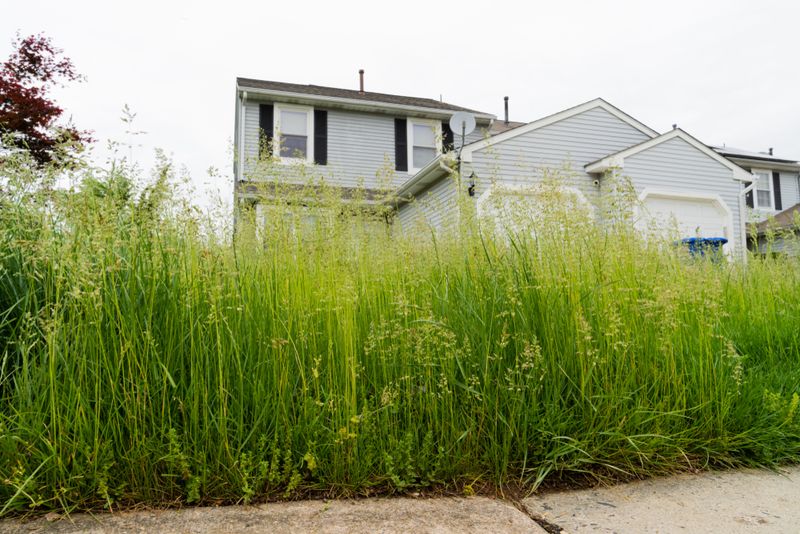
Here is something a lot of people do not connect: mosquitoes spend most of their day hiding, not flying. During the scorching Texas heat, they tuck themselves into cool, shaded spots and wait for evening.
Tall grass, thick shrubs, and dense groundcover are basically a five-star resting spot for them.
When your lawn gets shaggy or your bushes grow thick and heavy, you are creating a giant mosquito hotel right in your own backyard.
Sprays can reach the outer layer of vegetation, but they rarely penetrate deep into dense shrubs or tall grass clumps. Mosquitoes hiding inside those spots survive and come right back out at dusk.
Regular mowing is one of the easiest and most effective ways to reduce mosquito resting habitat. Keep your grass trimmed short, especially along fences, walls, and garden borders where shade tends to collect.
These edges are prime resting zones that often get missed during a quick mow.Shrubs and ornamental grasses should also be trimmed regularly and kept open and airy.
Dense plantings hold moisture, block airflow, and stay cooler longer, which is everything a mosquito wants.
Thinning out heavy shrubs lets sunlight and air move through, making those spots far less attractive to resting mosquitoes.
Groundcover plants like ivy or mondo grass can also harbor mosquitoes, especially when they get thick and matted. Keeping them thinned out and well-maintained helps a lot.
A well-trimmed yard not only looks better but also removes the shady, humid hiding spots that let mosquito populations survive and grow between spray treatments.
5. Leaving Tarps, Buckets, Toys, And Containers Outside
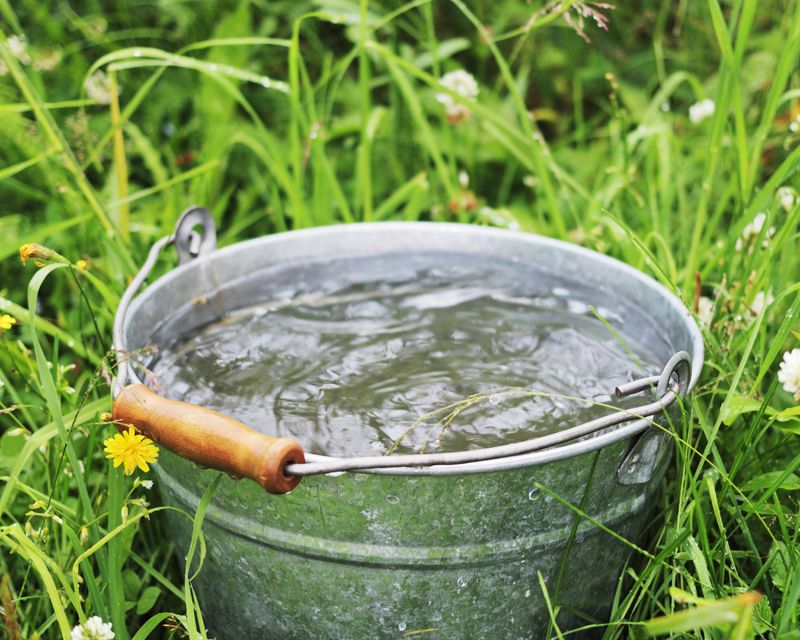
Walk through any Texas backyard after a summer rainstorm and you will likely find water sitting in places you never expected.
A folded tarp, a forgotten bucket, a plastic toy left on the grass, or an old flowerpot can all collect enough water to become a mosquito breeding site within hours.
These items are so easy to overlook because they seem harmless. A child’s sandbox toy or a stacked set of plastic cups does not look like a threat.
But mosquitoes are incredibly efficient. A female mosquito only needs a small amount of still water and she can lay up to 200 eggs at a time.
The frustrating part is that insecticide sprays do not help here at all. Sprays target adult mosquitoes in the air or on vegetation.
They do not reach the water sitting inside a bucket or under a tarp. So even after a professional spray treatment, these containers keep producing fresh mosquitoes every few days.
Making it a habit to store or flip items after rain is one of the best things you can do. Keep buckets stored upside down or inside a garage or shed.
Roll up tarps tightly and store them off the ground. Bring toys inside or store them in a covered bin when they are not being used.
It also helps to do a quick yard scan every few days, especially during rainy stretches. Look under decks, along fences, and near garden sheds where forgotten containers tend to pile up.
Removing these secret water collectors is a fast, free, and highly effective way to shrink your mosquito population without spraying anything.
6. Having Unmaintained Pools, Spas, Or Birdbaths
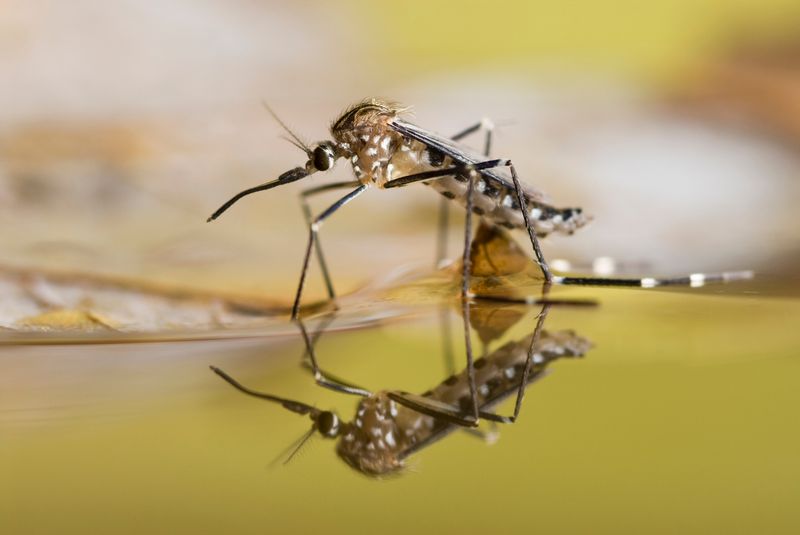
A backyard pool or spa sounds like a luxury, but a neglected one becomes one of the worst mosquito breeding grounds imaginable.
Still, warm water with organic debris floating in it is almost perfect for mosquito larvae to grow and develop. Texas heat speeds that process up even faster than in cooler states.
Pools that are not properly circulated lose their chemical balance quickly. Without moving water and proper chlorine levels, algae and bacteria build up fast.
That murky, stagnant water is far more attractive to mosquitoes than a clean, well-maintained pool. Even a pool cover that collects rainwater on top becomes a breeding zone if not drained regularly.
Birdbaths are another big culprit that homeowners rarely think about. They are beautiful additions to any yard, but the water inside them needs to be changed every two to three days.
Mosquito eggs hatch within 24 to 48 hours in warm water, so a birdbath that sits untouched for a week is practically a mosquito nursery.
Decorative water features like fountains and garden ponds can also become problem areas if the pump stops working or debris clogs the flow.
Moving water is much harder for mosquitoes to breed in, so keeping your water features running properly makes a real difference.
Sprays only affect adult mosquitoes and have zero impact on larvae developing in water. No matter how often you spray, if your pool, spa, or birdbath is not properly maintained, mosquitoes will keep emerging from your own yard.
Staying on top of water feature maintenance is just as important as any spray treatment you choose to use.