Why This One Weekend Chore Could Be Costing Your Georgia Shrubs Their Best Blooms
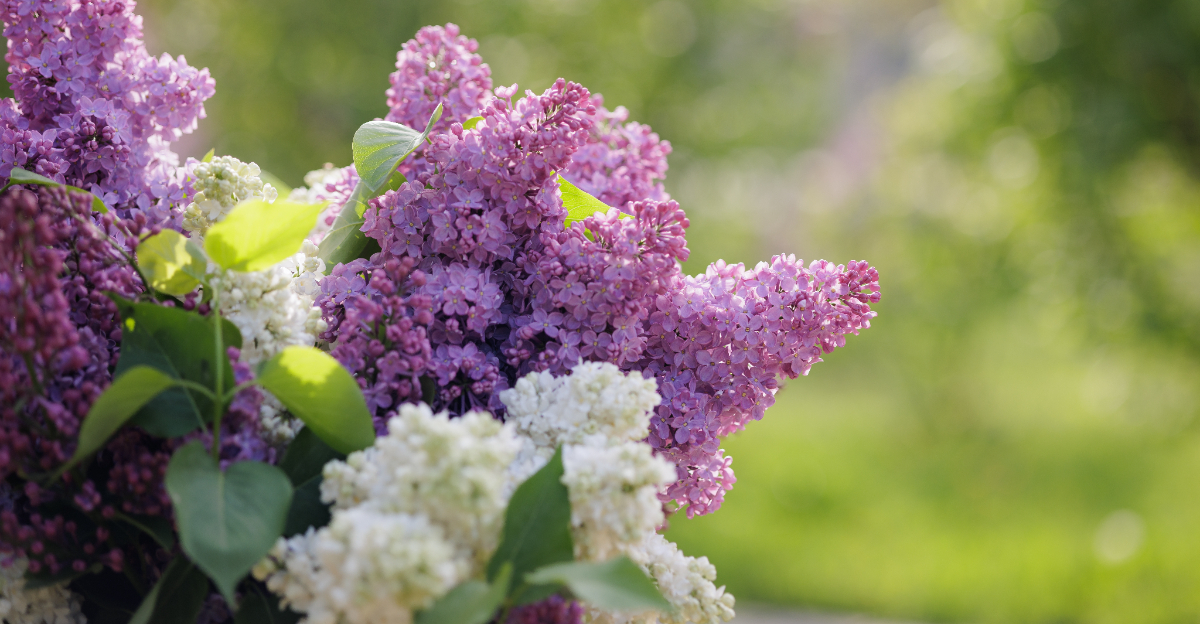
The azaleas looked perfectly healthy going into fall. Green, full, no signs of stress. A quick trim to tidy things up before winter, and the yard looked exactly the way it should.
Spring arrived and the bloom season was disappointing. A few scattered flowers. Mostly green. Nothing close to what the shrub produced the year before.
Nothing changed about the watering. Nothing changed about the soil. The plant was not struggling in any obvious way.
The problem happened in October with a pair of hedge trimmers and about twenty minutes of good intentions.
Have you ever looked at a flowering shrub in spring and felt certain something was wrong, only to find nothing visibly wrong at all?
Some pruning mistakes do not show up right away. The damage is invisible for months. The consequence arrives at the exact moment you were expecting a reward, which is what makes it so easy to misread.
Georgia shrubs follow a bloom timeline that many homeowners never learn. One detail about that timeline changes everything about when the shears should come out.
1. Azaleas Build Next Spring’s Buds In Midsummer, And A Fall Trim Removes Them
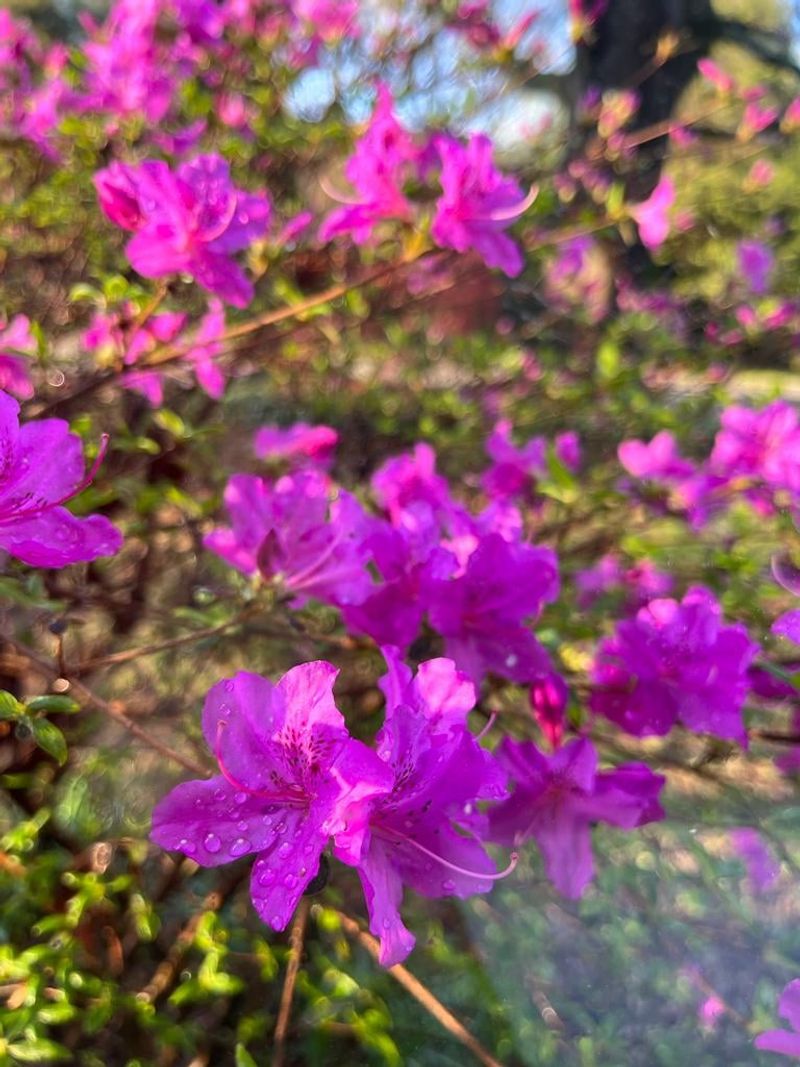
Azaleas are the shrubs that generate the most pruning-related regret in Georgia landscapes. The bloom cycle is the reason.
By midsummer, azaleas have already started forming the buds that will open the following April and May. A trim in August or September feels like routine maintenance. From the plant’s perspective, it is the removal of months of finished work.
When those developing buds come off with the clippings, the shrub looks neat immediately afterward. Spring arrives and the display is thin. A few scattered flowers across a wall of green leaves where there should be an explosion of color.
Georgia gardeners often treat azaleas like evergreen hedges, shearing them whenever the shape starts looking irregular. That approach works well for boxwood but consistently robs azaleas of their best blooms season after season.
The correct window is immediately after flowering in spring. Pruning in late April or May gives the plant the entire growing season to rebuild its bud structure before the following spring. That full growing season is not a luxury for azaleas. It is a requirement.
Even a small shift in timing produces a visible difference in bloom density the following year. Waiting a few extra weeks after the flowers fade changes what happens nine months later more than most gardeners expect.
Azaleas reward the patient pruner with color that stops traffic. They handle the impatient one a bit differently.
2. Georgia Shrub Buds Form Months Earlier Than Most Pruning Schedules Respect
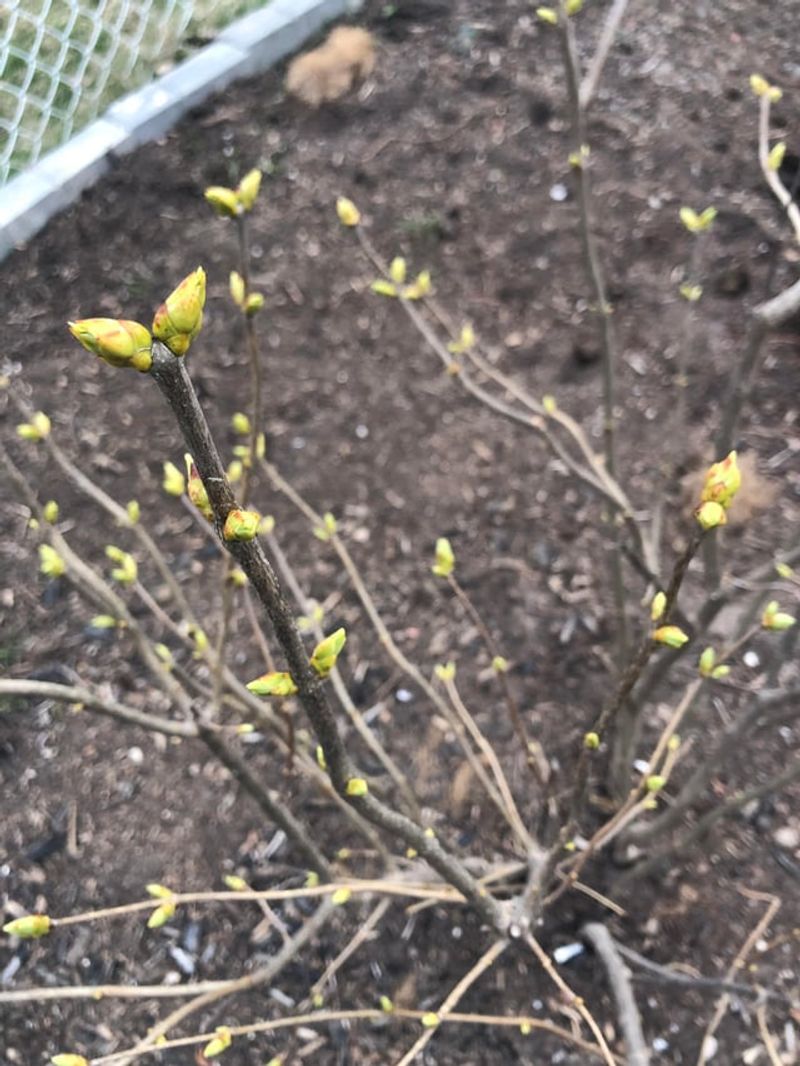
Many gardeners picture flower buds forming in late winter, just ahead of the blooms that follow. For spring-blooming shrubs in Georgia, that mental image is off by several months.
Buds on plants like azaleas, forsythia, and flowering quince begin forming in early to midsummer. The shrub uses the long warm days to build energy reserves and pack those reserves into flower buds along the branch tips.
Your Georgia Garden Changes Every Week. Your Plan Should Too.
Gardening in Georgia changes quickly throughout the season. Every Friday you’ll receive a simple weekly plan showing exactly what to plant, prune, fertilize, harvest, and protect so you never miss the right timing.
By September, those buds are fully formed and simply waiting through winter until warmth signals them to open.
Georgia’s long, hot growing season speeds this process up considerably compared to more northern climates. ‘
A shrub that looks like it is still filling out its summer foliage in July may already be building next spring’s flowers deep within the branch structure.
This timeline is the reason pruning timing matters so much. Late summer trimming feels like yard maintenance. To the plant, it is the removal of flower buds that took the entire summer to develop.
The shrub does not distinguish between a thoughtful cut and an accidental one. Buds removed in September are simply gone regardless of the intention behind the shears.
Understanding that bud set happens in summer, not winter, reframes how the entire pruning calendar looks. The plant is working on next year’s flowers long before anyone is thinking about next year’s flowers.
That is the detail most pruning guides skip entirely. It is also the one that explains most disappointing spring bloom seasons in Georgia.
3. Fall Yard Cleanup Quietly Eliminates The Following Spring’s Bloom Season
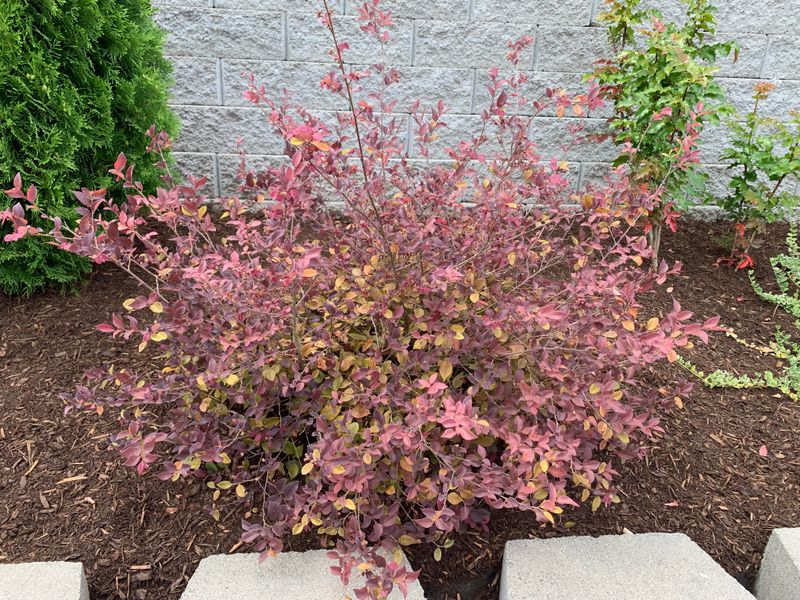
Fall in Georgia brings a particular kind of yard pressure. Leaves accumulating, beds looking untidy, shrubs that filled out all summer suddenly appearing overgrown against bare trees. The hedge trimmers come out and everything gets brought back into shape before winter.
That fall pruning session quietly eliminates next spring’s flower show on a significant portion of Georgia landscapes every single year.
Trimming shrubs like loropetalum, spirea, or forsythia in October or November removes buds that have been developing since July.
The yard looks polished heading into winter. The plants look healthy. Nothing alarming happens at the time of the cut.
The consequence does not appear until five or six months later when bloom season arrives and the display is noticeably sparse.
By then, the fall cleanup session is long forgotten. Many gardeners attribute the thin bloom to drought, disease, or poor soil rather than to something they did with a pair of trimmers in October.
This delayed feedback loop is exactly what keeps the mistake repeating. The cause and the consequence are separated by an entire season, which makes the connection nearly invisible without specific knowledge of how bloom cycles work.
Recognizing that fall is the wrong season for trimming most flowering shrubs changes the entire approach to end-of-season yard work.
The yard can wait. The buds cannot grow back once they are gone.
4. Old Wood Bloomers Follow A Different Pruning Timeline
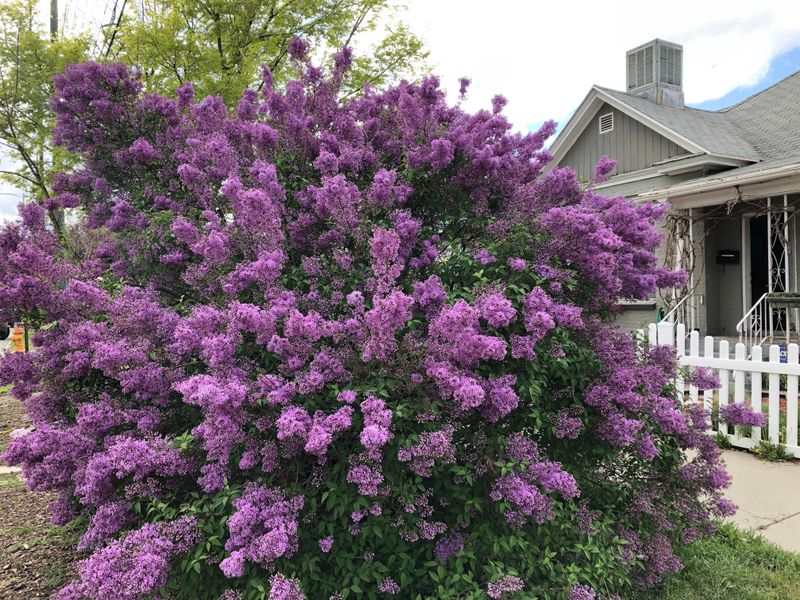
Not every flowering shrub follows the same rules, and that is where most well-intentioned pruning schedules go wrong.
Shrubs fall into two categories based on where they produce flowers. Old wood bloomers set buds on stems that grew during the previous season.
Azaleas, forsythia, lilac, and weigela belong to this group. Removing those older stems in fall or winter removes the flower buds already attached to them.
New wood bloomers, including crape myrtles and roses of Sharon, set buds on stems that grow during the current season. Late winter pruning on these plants encourages more bloom rather than less.
Georgia landscapes commonly contain both types planted within feet of each other. A single pruning schedule applied uniformly across the yard almost guarantees that some shrubs get cut at exactly the wrong moment.
The practical fix requires knowing which category each shrub belongs to before any cuts are made. That knowledge shifts the pruning calendar significantly.
Old wood bloomers get shaped immediately after spring flowering. New wood bloomers get cut back in late winter or very early spring.
The mix-up is understandable. The two categories look identical for most of the year. Nothing about the physical appearance of the shrub signals which timeline applies.
Knowing the difference between these two groups is the single piece of information that prevents the most common pruning mistake in Georgia gardens. One category rewards fall pruning. The other one remembers it.
5. Each Shrub’s Bloom Time Reveals Exactly When The Shears Should Stay Put
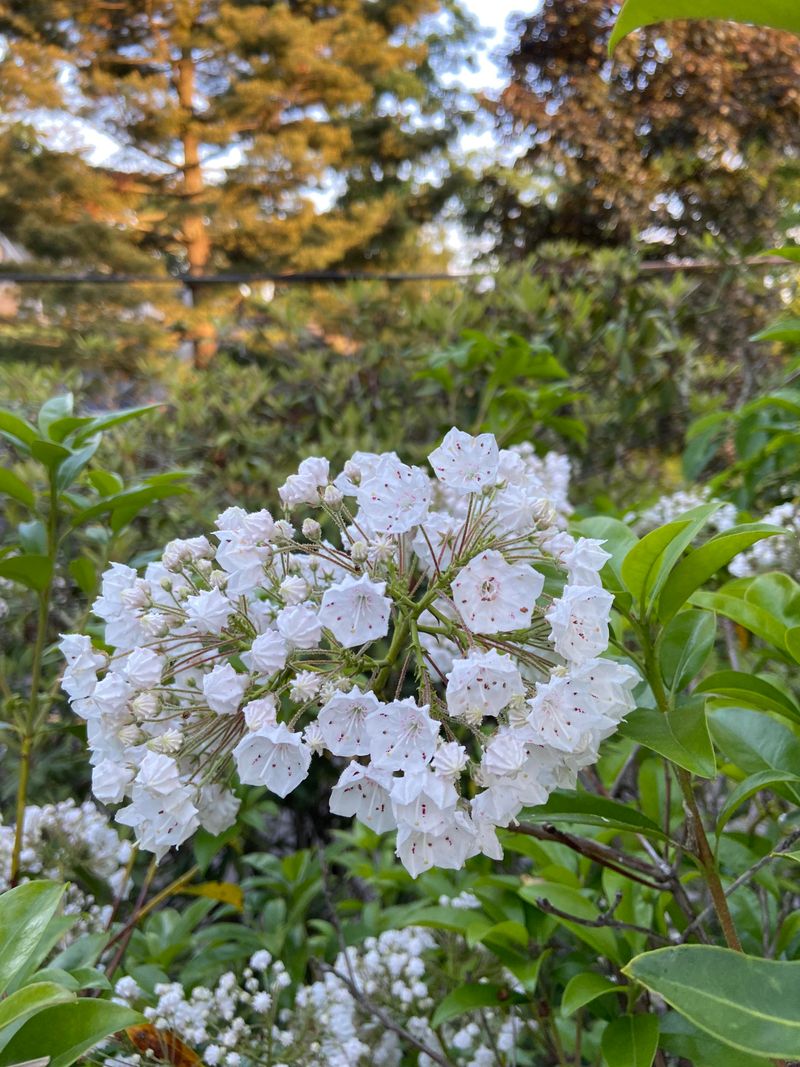
Standing in a yard full of different shrubs and trying to sort out which ones need spring pruning versus fall pruning sounds more complicated than it actually is.
The most reliable method requires only one observation. Watch when the shrub blooms.
A shrub that flowers before June almost certainly blooms on old wood. Pruning should happen immediately after those flowers fade.
Azaleas, forsythia, spirea, and mountain laurel all follow this pattern. A shrub that blooms in summer or fall likely blooms on new wood. Late winter or very early spring pruning is appropriate for those plants and will not cost any flowers.
For shrubs that are difficult to identify by bloom time, looking at the branch tips in late summer provides a useful clue.
On old wood bloomers, tiny swollen buds are visible along stems that grew the previous season. Those buds are next spring’s flowers sitting in plain sight. Recognizing them for what they are changes how the pruning shears feel in the hand.
For unidentified shrubs, a photo sent to a local county extension office or native plant resource can confirm the species and the correct pruning window without any guesswork.
The method is genuinely simple once the underlying logic is clear. Watch when it blooms. Prune after that window closes. Leave it alone the rest of the year.
The shrub has been announcing its schedule every spring. It just needed someone paying attention.
6. The Post-Bloom Window Is The One Pruning Opportunity That Costs Nothing
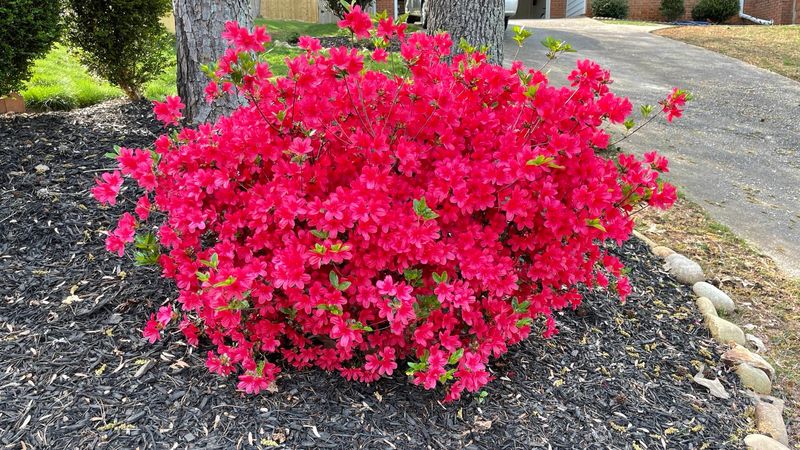
The single most effective adjustment a Georgia gardener can make for a better bloom season next year costs nothing and requires no special tools. It requires only a shift in when the pruning happens.
Cutting spring-blooming shrubs immediately after their flowers fade gives the plant the maximum available growing season for rebuilding bud structure.
For azaleas across most of Georgia, that window runs from late April through early June depending on variety and location in the state.
That stretch of warm growing season following the cut is not simply recovery time. It is the period during which the plant grows new stems, matures those stems, and begins packing flower buds into the branch tips that will deliver next spring’s display.
The longer that window, the more buds the plant can produce.
Pushing past the post-bloom pruning window by even a few weeks starts eating into that bud development period.
Waiting until midsummer to prune a forsythia or azalea leaves the plant less time to complete its bloom preparation before cold weather arrives.
Treating the fading of the spring flowers as a direct pruning reminder, rather than just a seasonal shift, turns timing from guesswork into a reliable annual habit.
A note on a phone calendar when the last flower drops takes about five seconds. What it protects is five months of bud development and one entire bloom season.
Is that worth five seconds? The azalea thinks so.
7. No System Means The Same Bloom-Costing Mistake Repeats
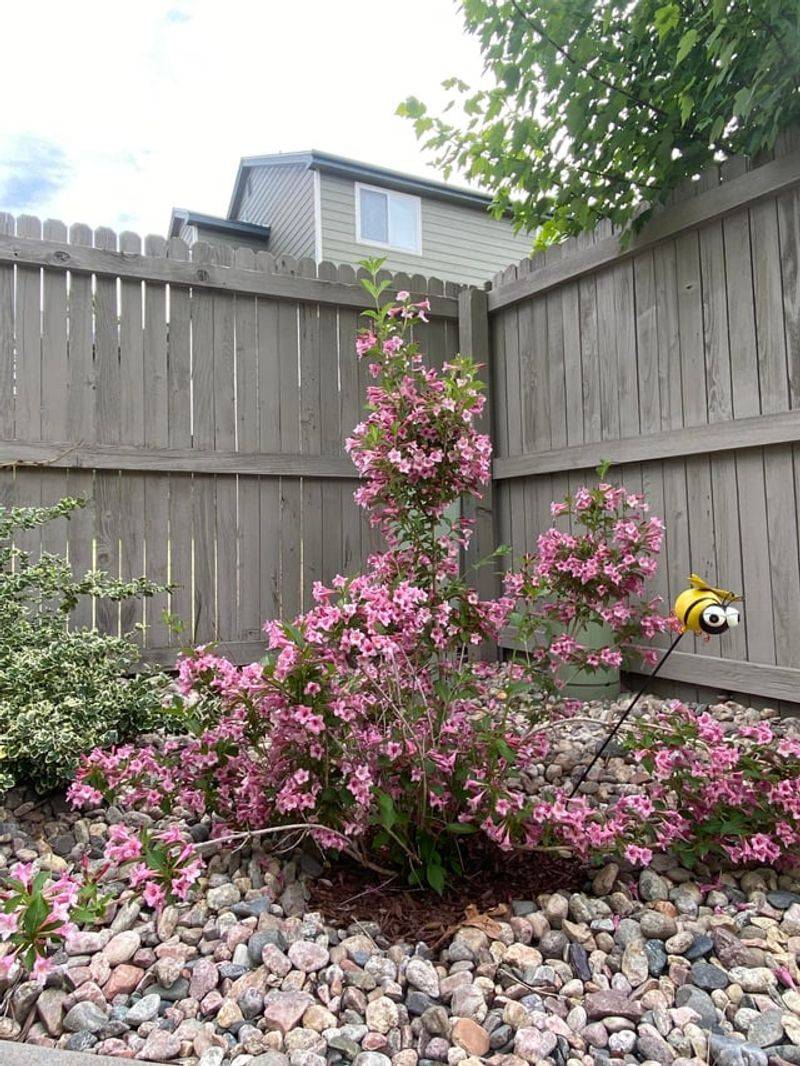
Spring arrives, the neighbor’s azaleas are loaded with color from the ground up, and yours are producing a scattered handful of blooms across a wall of green leaves.
That contrast is one of the clearest signals that flower buds were removed during a pruning session several months earlier.
Uneven blooming across a single shrub gives an even more specific clue. An azalea with full color along the bottom half and almost nothing on top was almost certainly trimmed above a certain point after buds had already formed.
The upper stems lost their buds to the shears. The lower, untouched stems bloomed normally. The shrub tells the story of exactly where the pruning happened.
Forsythia provides particularly clear evidence. Branches cut in fall produce no flowers in spring while unpruned lower branches bloom freely along the same plant.
Weigela shows the same pattern. The contrast between pruned and unpruned sections is visible and distinctive.
Recognizing these signs in spring is genuinely useful because it identifies which specific shrubs need timing corrections going forward.
The plants themselves are healthy and will recover their full bloom potential within one growing season of correctly timed pruning.
No permanent damage has been done. The shrub is not holding a grudge. It is ready to produce a full display the moment the pruning calendar gets corrected.
This spring’s sparse bloom does not predict next spring’s. It just explains last fall’s pruning session.
8. Constant Shearing Trains Georgia Shrubs To Grow More Foliage And Fewer Flowers
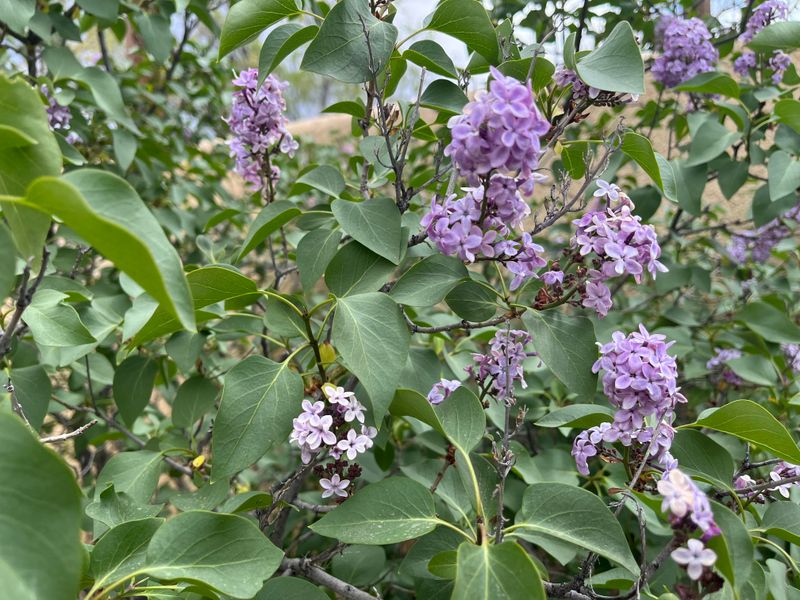
Most flowering shrubs in Georgia landscapes do not need aggressive pruning every year. That is not an opinion held by a small number of cautious gardeners.
It is a consistent observation supported by how shrubs actually build their flower bud structure over time.
Constant shearing trains a shrub to direct its energy toward producing dense, twiggy outer growth rather than the mature, bud-bearing stems that deliver the best bloom seasons.
The more frequently a shrub gets sheared, the more it focuses on replacement foliage rather than flower development.
Pulling back on both frequency and volume often produces more blooms, not fewer.
Selective pruning, which targets specific crossing branches, structurally problematic stems, or growth heading in genuinely unwanted directions, preserves far more bud-bearing wood than whole-plant shearing does.
This approach requires more attention per cut but significantly fewer total cuts. Experienced Georgia gardeners who switch to selective pruning often find that major reshaping is necessary only every two or three seasons rather than annually.
Azaleas demonstrate this principle clearly. Their natural growth form is loose and layered, and that form supports abundant bloom production.
Shearing them into tight geometric shapes forces constant regrowth that never matures fully into flowering wood.
Restraint, applied at the right time of year, is the pruning principle that changes how much color a Georgia shrub produces each spring.
Less really is more. The shrubs have been trying to make that argument for years.