How To Keep Holiday Cyclamen Blooming Indoors In Georgia This Winter
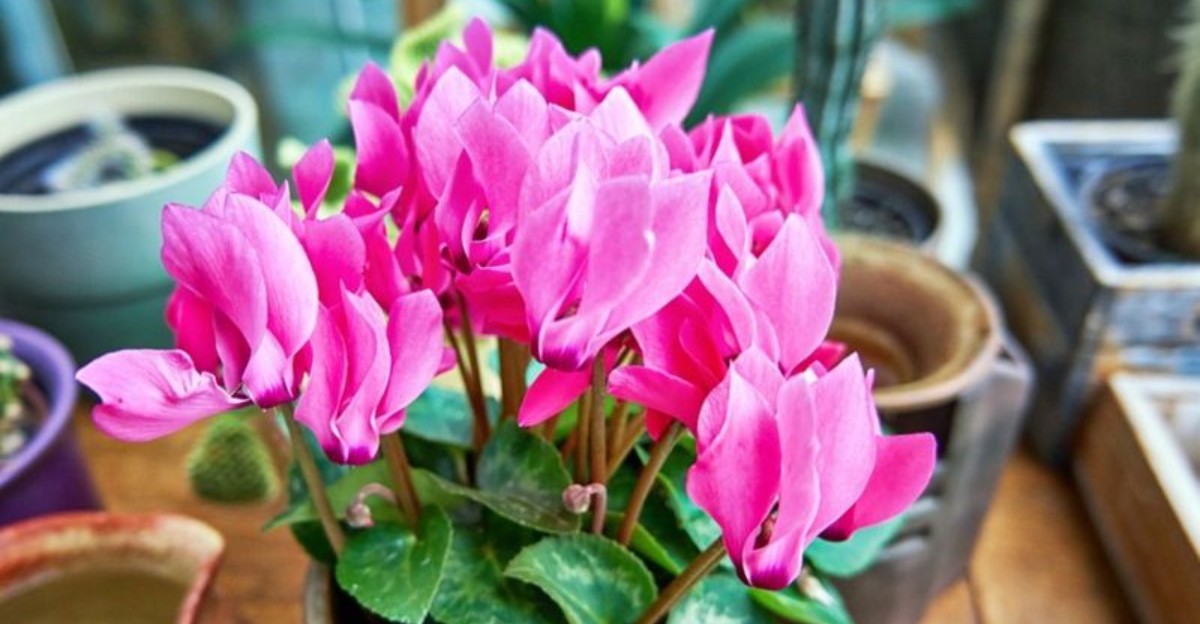
Wild ancestors of a popular holiday flower bloom in winter on rocky Mediterranean hillsides, then sleep through the summer heat. That backward schedule still lives inside every potted one sold at the grocery store.
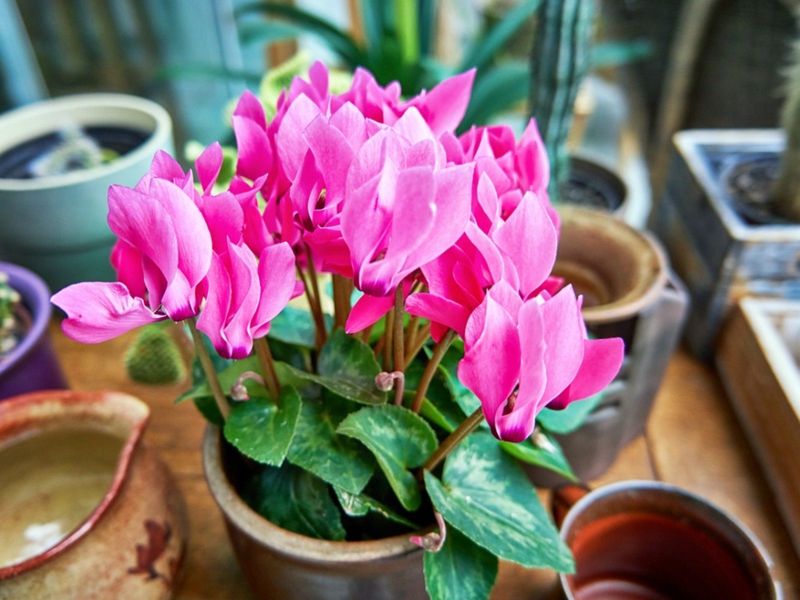
I love that a plant this fancy-looking prefers chilly rooms. Its swept-back petals look like tiny butterflies or shooting stars caught in midair.
Most of us carry one home in December, set it in the coziest spot, and watch it slump by January. In Georgia, our heated houses and dry winter air can feel like a desert to this cool-weather beauty.
I treated mine like a short-lived bouquet for years. Then I learned a few simple habits that kept the flowers coming into spring.
Could your plant be asking for less pampering and more fresh, cool air?
1. Those Cyclamen Flowers Are Secretly Craving A Chilly Room
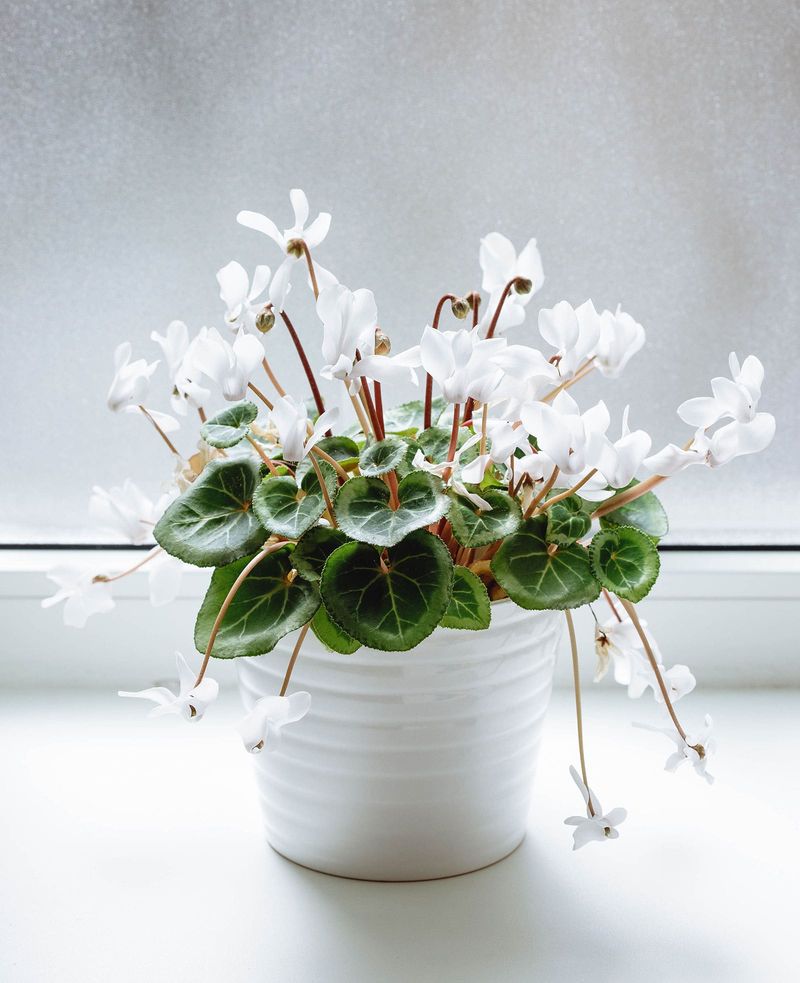
Cool rooms are the real secret behind long-lasting cyclamen blooms. Most houseplants come from warm tropical places, but this one evolved in the mild winters of the Mediterranean.
Extension experts suggest daytime temperatures around 60 to 65 degrees and nighttime lows near 50 degrees. Your plant will happily accept a bit warmer, but a room above 70 degrees often makes flowers fade fast and leaves turn yellow.
Warmth tricks the plant into thinking summer is coming. When that happens, it starts shutting down for its natural rest period, even though it is only January.
I found my best spot in a chilly guest bedroom with a bright window. A cool entry hall, a mudroom, or a sunroom that stays above 40 degrees can work beautifully too.
At night, you can even move the pot to the coolest room in the house. Many Georgia homes run the heat around 70 degrees, so this small habit helps a lot.
Keep the pot away from heating vents, fireplaces, and the top of the refrigerator. Warm, blowing air dries the leaves and shortens the bloom show.
Find that cool, bright corner first, and every other tip in this guide will work much better.
2. Water From Below To Protect The Cyclamen Tuber
Underneath all those leaves sits a round, potato-like tuber. It stores energy for the plant, but it also rots quickly when water pools on top of it.
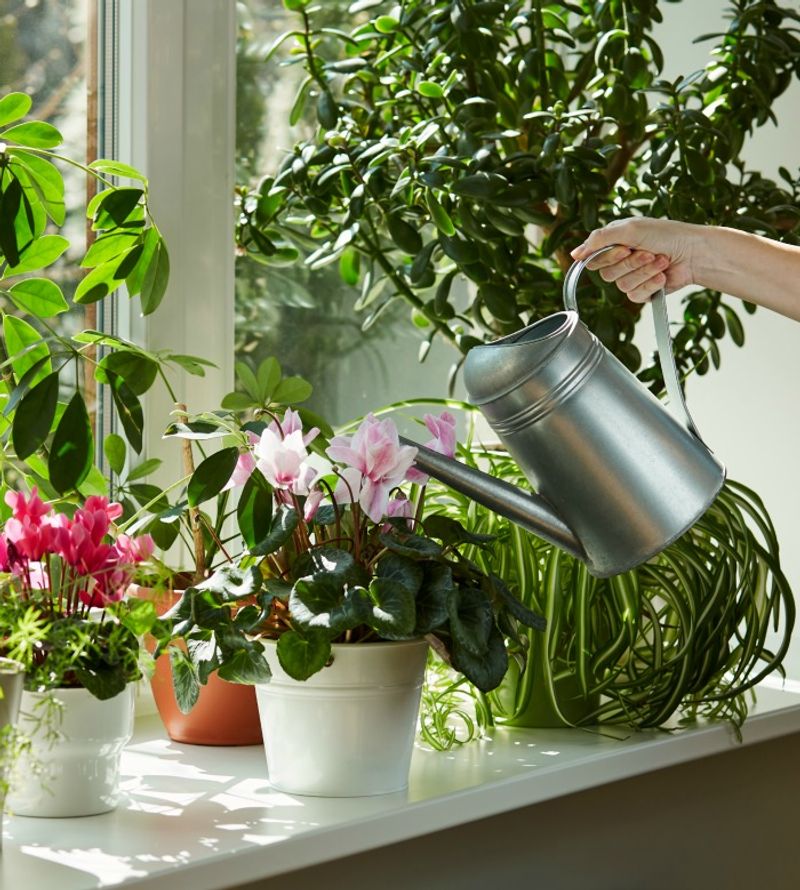
Bottom watering is the easiest fix. Set the pot in a shallow dish of room-temperature water for about 15 to 20 minutes, then let it drain well.
The soil soaks up moisture through the drainage holes. Meanwhile, the crown and leaf stems stay dry, which lowers the risk of rot and fungal trouble.
Check the soil before each watering. Push a finger about an inch down, and water only when it feels dry at that depth.
Cyclamen dislike swinging between bone dry and soggy. A light, steady routine works far better than big floods followed by long droughts.
If you water from the top, aim carefully at the edge of the pot. Keep water off the center of the plant where new buds form.
Remove any decorative foil wrapper or empty the cachepot after watering. Those shiny wrappers from the store look festive, but they trap water and leave roots sitting in a puddle.
Gentle, careful sips keep the tuber firm and the blooms coming.
3. A Bright East Window Keeps Cyclamen Buds Opening
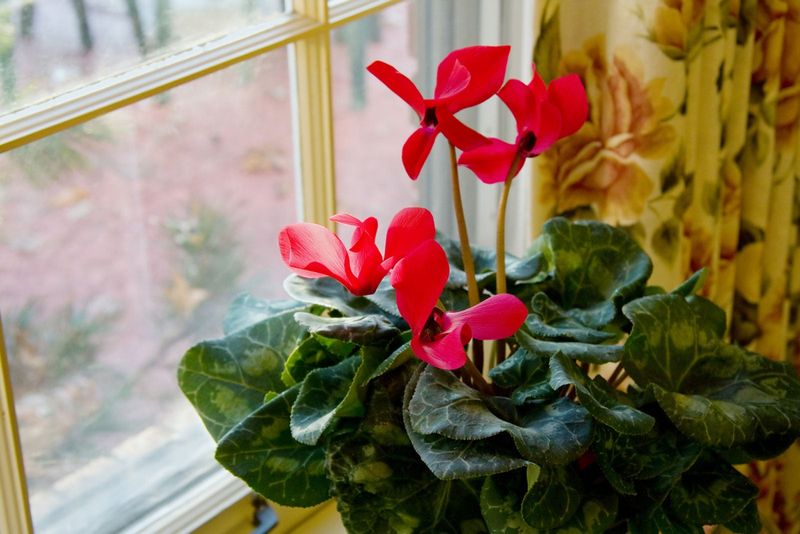
Light is the fuel behind every new bud. Without enough of it, stems stretch, leaves get floppy, and fresh flowers stall before they open.
Bright, indirect light suits cyclamen best.
An east-facing window is a favorite spot because the morning sun is gentle and the room often stays cooler.
South and west windows can work too. Just set the plant a few feet back or behind a sheer curtain so harsh afternoon rays do not scorch the leaves.
Winter days in Georgia are shorter, and many of us keep blinds half closed. Opening them during the day makes a noticeable difference for a plant this hungry for brightness.
Give the pot a quarter turn every few days. Leaves and flowers lean toward the light, and turning them keeps the whole plant full and even.
Watch how the leaves behave. Pale, stretched stems usually mean the plant wants more light, while crispy brown patches suggest too much direct sun.
I like to pair a bright window with a cool room for the best results. That combination mimics the soft winter sunshine of rocky Mediterranean hillsides, which feels like home to this charming bloomer.
4. Twist Off Faded Cyclamen Blooms At The Base
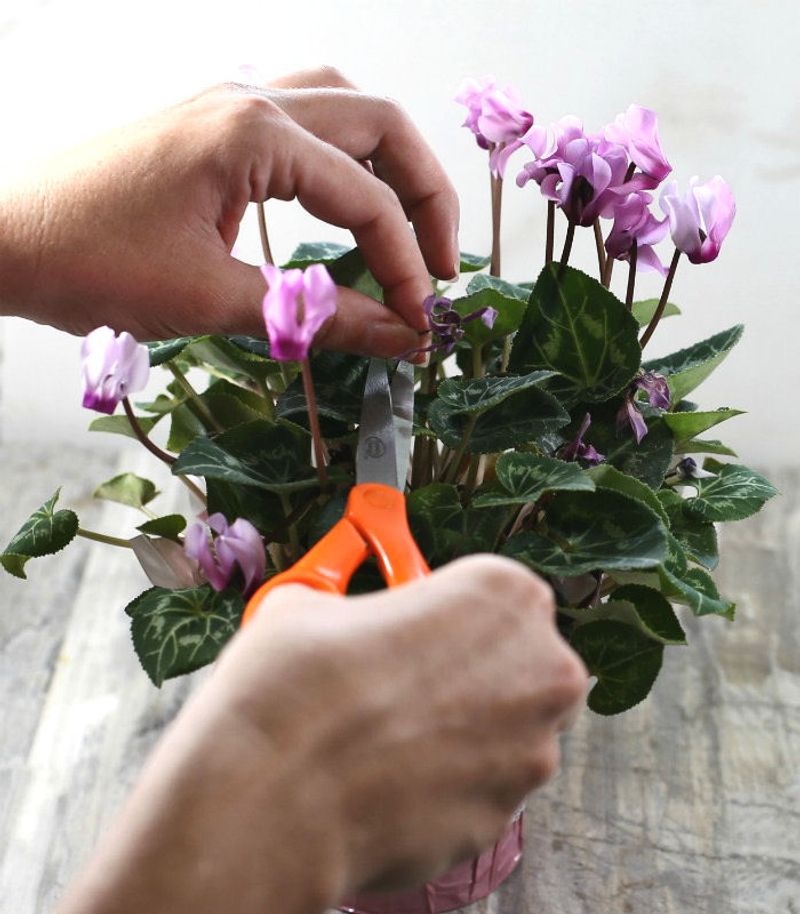
Faded flowers are more than an eyesore. Left in place, they can start forming seed pods, and the plant spends energy there instead of on fresh blooms.
Deadheading cyclamen is a little different from snipping other flowers. Follow the faded stem all the way down to the tuber.
Grip it gently, give it a quick twist, and tug. The stem usually pops free cleanly, leaving no stub behind to rot.
Cutting with scissors halfway down leaves a short piece that can turn mushy.
Mushy stubs invite gray mold, a common fungus called botrytis that loves cool, damp conditions.
Use the same twist method on yellow leaves. Clearing them out improves airflow around the crown and keeps the plant looking tidy.
I make deadheading part of my morning coffee routine. It takes about a minute, and I often spot new buds tucked under the leaves while I work.
Those hidden buds are your reward. A healthy, well-kept plant can keep pushing up fresh flowers for weeks, sometimes well into early spring.
Be gentle near the center of the plant. Tiny new stems are fragile, and a careless tug can snap off future flowers.
5. A Little Fertilizer And Humidity Go A Long Way For Cyclamen
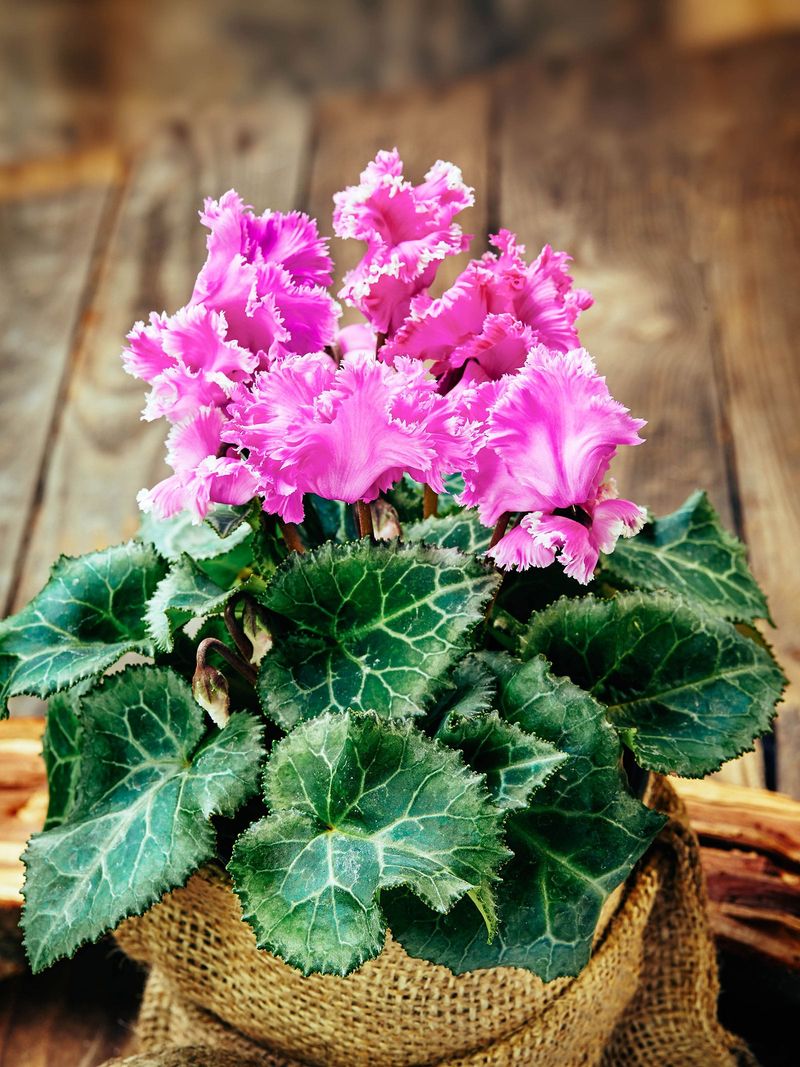
Feeding matters, but cyclamen are light eaters. Too much fertilizer can push lots of leaves and fewer flowers.
While the plant is actively blooming, use a balanced liquid houseplant fertilizer mixed at half strength. Every two to four weeks is plenty.
Water the soil first, then feed.
Fertilizer on dry roots can burn them, and that damage shows up as brown leaf edges.
Store-bought plants often come in fresh potting mix with some fertilizer already in it. If yours was purchased recently, you can wait a few weeks before starting.
Humidity is the other quiet helper. Heating systems dry indoor air, and cyclamen appreciate a little moisture around their leaves.
A pebble tray works nicely. Fill a shallow tray with pebbles and water, then set the pot on top so the base stays above the waterline.
Grouping plants together also raises humidity a bit. Skip misting the leaves, though, because wet foliage in a cool room can encourage gray mold.
I think of these steps as small extras rather than must-dos. Cool temperatures, smart watering, and good light do most of the work, while food and humidity add the finishing polish.
6. Yellow Or Drooping Cyclamen Leaves Are Sending A Message
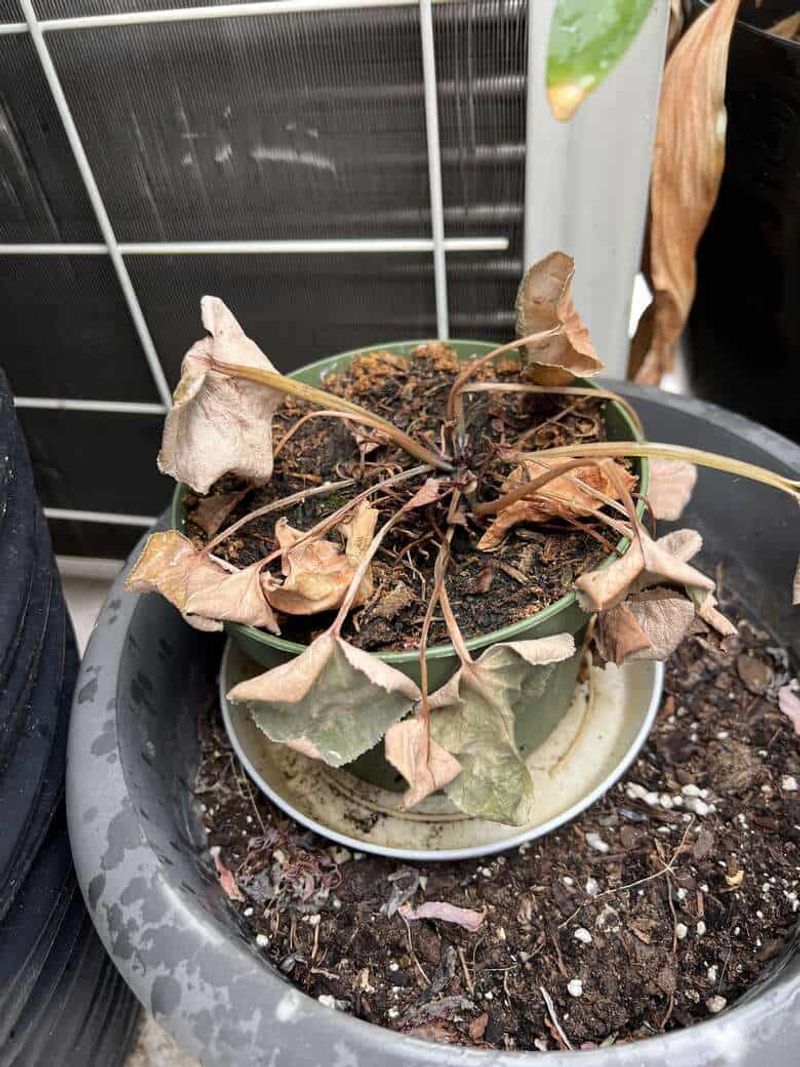
Your cyclamen talks through its leaves. Learning the signals helps you fix problems before the flowers fade.
Yellow leaves during winter usually point to warmth or watering trouble. Check the room temperature first, then feel the soil.
Sudden drooping often means thirst.
A dry plant can flop dramatically and then perk back up within a few hours after a good soak from below.
Drooping with wet soil is a different story. Soft, mushy stems and a squishy tuber suggest rot from too much water, and that plant may not recover.
Few or no flowers usually means the plant is too warm or not getting enough light. Move it to a cooler, brighter spot and give it a week or two.
Fuzzy gray patches on flowers or stems signal botrytis. Remove the affected parts, improve airflow, and keep water off the crown.
Watch for cyclamen mites too. They are too tiny to see, but they cause twisted, stunted leaves and distorted buds, and badly affected plants are best discarded.
Spotting these clues early gives you time to adjust. Most problems trace back to heat or water, so start there first.
7. Fading Cyclamen Leaves In Spring Mean Naptime, Not Goodbye
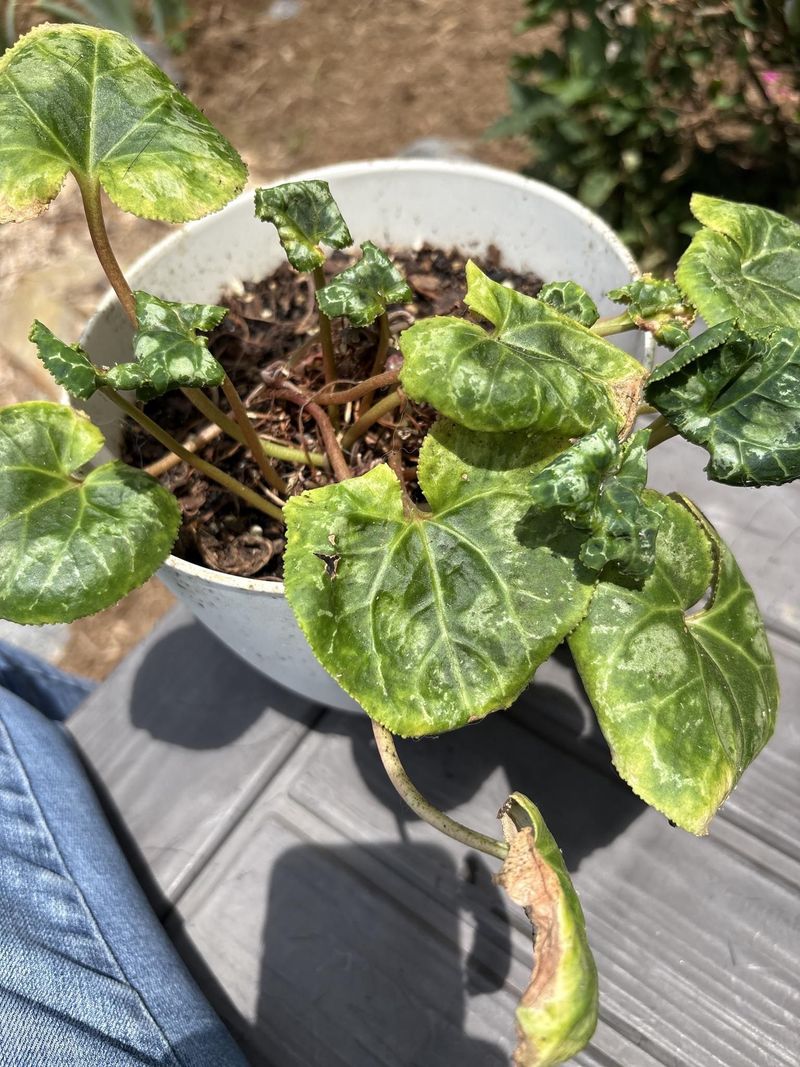
Late spring often brings a scare. Leaves yellow, flowers stop, and many people toss the plant in the trash.
Hold on before you do. Cyclamen naturally go dormant in summer, the same way their wild relatives rest through hot, dry Mediterranean months.
As days warm up, let the foliage fade on its own. Slowly reduce watering and stop fertilizing completely during this rest.
Once the leaves are gone, move the pot to a cool, shaded, dry spot. In Georgia, a cool closet or an air-conditioned room usually works better than a hot porch.
Keep the soil mostly dry.
Some growers give a tiny sip every few weeks so the tuber does not shrivel, but soggy soil during dormancy leads to rot.
Honestly, this stage tests your patience more than your skill. The pot looks empty, but the tuber is quietly resting and storing energy.
Not every holiday cyclamen comes back strong. Florist types are bred for one big show, so results vary from plant to plant.
Still, I love the gamble. Watching a sleeping tuber wake up feels like a small gardening victory worth trying.
8. New Cyclamen Leaves In Fall Signal Your Next Bloom Season
Late summer or early fall brings a happy surprise. Tiny heart-shaped leaves start poking up from the tuber.
That fresh growth is your cue to start caring for the plant again. Begin watering lightly and move it back into bright, indirect light.
Repotting is a smart step now if the mix looks tired. Choose a pot only slightly larger, with drainage holes, and use fresh, well-draining potting soil.
Set the tuber so its top sits just above the soil line. Burying it too deep invites rot around the crown.
Once leaves fill out, return to half-strength feeding every few weeks. Cool fall nights in Georgia actually help, since lower temperatures encourage buds to form.
Hardy outdoor cyclamen species are a separate group and do well in shady garden beds. Holiday cyclamen, though, cannot handle a hard freeze, so bring pots inside well before frost.
Write a quick note on your calendar for each stage. Cool rooms in winter, rest in summer, and a fresh start in fall make an easy rhythm to follow.
Follow that cycle, and your holiday plant can greet you with fresh color for several winters.