A Ringwood Botanical Garden Is Riding A Native Plant Buying Rush At Its Fall Plant Sale
You catch the shift instantly, a pull toward Ringwood before sunrise breaks. Something has changed in how New Jersey gardeners shop this season. Lists guide each purchase, not casual wandering through the aisles.
Questions fly that would have puzzled clerks not long ago. Perennials sell out fastest, followed swiftly by native shrubs and grasses. Tables empty fast as volunteers race to restock them.
Trays sell out quickly throughout the morning. Volunteers haul more stock out, keeping the momentum moving forward. This rush is not random, and it is not fleeting.
Demand keeps climbing, driven by curiosity, not simple habit. Prices stay steady, yet the crowd keeps building anyway. Momentum builds early, and it does not slow by noon.
Locals swap tips, trading names you will not forget. New Jersey nurseries rarely see mornings move this quickly. Now you need to see exactly what they are buying.
Skylands Itself Sets The Stage
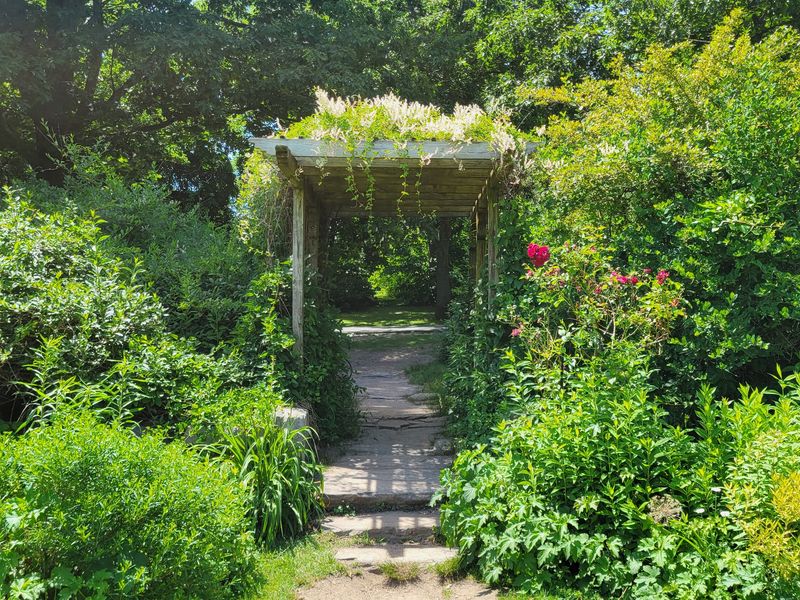
Tucked inside Ringwood State Park, the New Jersey State Botanical Garden sits on roughly 96 acres of designed gardens surrounded by close to a thousand acres of parkland. Locals simply call it Skylands.
The property was shaped in the 1920s by Clarence Lewis, a stockbroker with a serious plant habit. He hired Vitale and Geiffert to lay out formal terraces and imported specimens from around the world.
New Jersey bought the land in 1966, and in 1984 Governor Kean named it the official state botanical garden. That title still surprises visitors who wander up expecting a small park.
Walk the grounds in September and you pass the Annual Garden, the Perennial Border, the Crab Apple Vista, and a stretch of bog and swan pools. The Tudor-style manor house anchors it all with gray granite quarried nearby.
Because the setting shows plants in real garden conditions, shoppers get more than a sales table. They see how a switchgrass looks against stone, or how asters fill a border once the summer show fades.
That context matters. A plant in a black nursery pot looks like a twig, but the same plant thriving twenty feet away tells a convincing story.
Admission to the garden is free, though seasonal parking fees may apply; check current rates before visiting. The Skylands Association, a volunteer nonprofit, runs the plant sales and puts proceeds back into the grounds.
So the sale doubles as a fundraiser and a teaching tool. Buyers leave with plants and a rough picture of where those plants belong.
Why Native Plants Are In High Demand
Ask a volunteer what changed and you will hear the same answer several ways. People want gardens that feed something.
Word spread through books, talks, and neighbors comparing notes. Research from entomologist Doug Tallamy popularized a simple idea: many caterpillars can only eat the plants they evolved alongside, and baby birds need those caterpillars.
A single chickadee brood can require several thousand caterpillars before the young leave the nest, according to entomologist Doug Tallamy’s research. Once gardeners hear that number, a row of imported shrubs starts to feel a little empty.
New Jersey has also pushed the idea along. Interest in native plantings has also grown through local gardening programs and community initiatives across New Jersey.
Deer pressure plays a role too, a common concern across much of northern New Jersey. Certain natives like mountain mint, ferns, and bluestar tend to get browsed less, which appeals to anyone tired of replanting hostas.
Water bills factor in as well. Established natives suited to local soil generally need less irrigation once roots settle, which saves effort during a dry August.
The practical upshot at Skylands is limited stock and fast turnover. Volunteers propagate and source what they can, but a tray of forty asters can sell out within an hour.
Arriving in the first ninety minutes gives you the widest choice. Bring a wagon, a rough sketch of your sunny and shady spots, and a willingness to ask questions.
Curiosity here gets rewarded. The people staffing the tables usually grow these plants at home.
Fall Planting Beats Spring More Often Than You Think
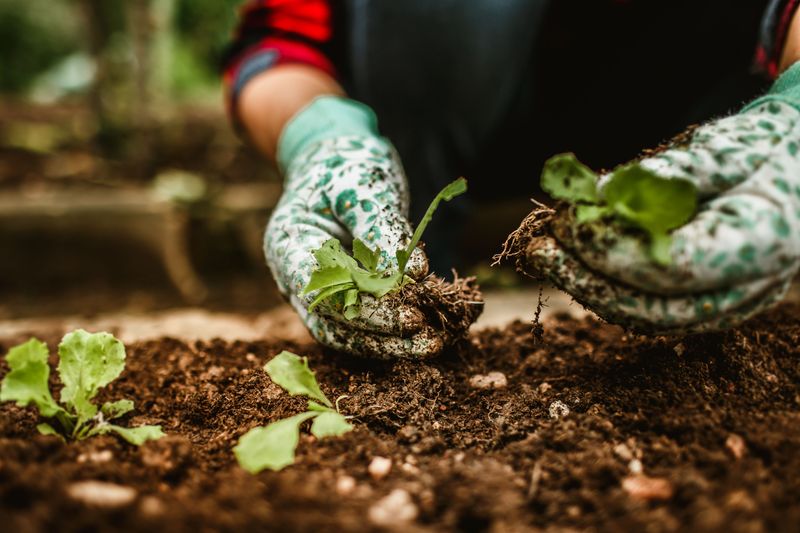
Spring gets the glory, but autumn quietly does the better work. Soil in September still holds summer warmth while the air turns cool and forgiving.
Roots respond to that combination. They keep growing underground for weeks after the top of the plant slows down, which builds a foundation before winter arrives.
Rainfall usually helps too. September and October in northern New Jersey tend to deliver steadier moisture than the hot, unpredictable stretches of July.
Transplant stress drops sharply in cool weather. A perennial set out in October rarely wilts the way the same plant would in a June heat wave.
Timing still matters. Aim to get woody plants and perennials in the ground about six weeks before hard freezes settle in, which for Ringwood generally means finishing by mid to late October.
A few habits improve your odds. Dig a hole roughly twice as wide as the pot, loosen the sides, and set the crown level with the surrounding soil rather than sinking it.
Skip heavy fertilizer now, since it can encourage tender growth that’s vulnerable to frost. A two-inch layer of shredded leaf mulch, kept off the stems, does more good.
Water deeply once a week until the ground freezes, even if the plant looks dormant. Roots keep sipping longer than the leaves suggest.
Horticulturists note that fall-planted perennials often establish stronger roots, which can support better flowering the following June. The plant spent the winter settling in rather than scrambling to catch up.
Asters And Goldenrod Lead The Shopping Carts
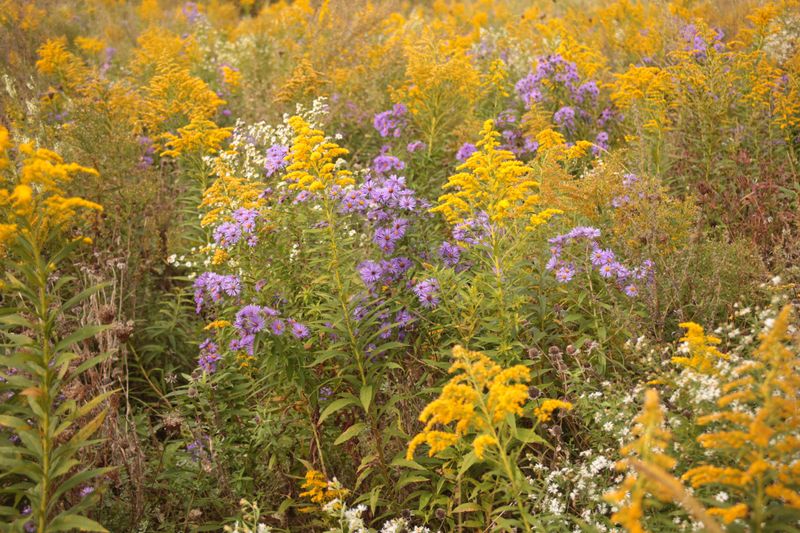
Late-season bloomers move fastest, and there is a reason. When most gardens look tired, these two are throwing a party.
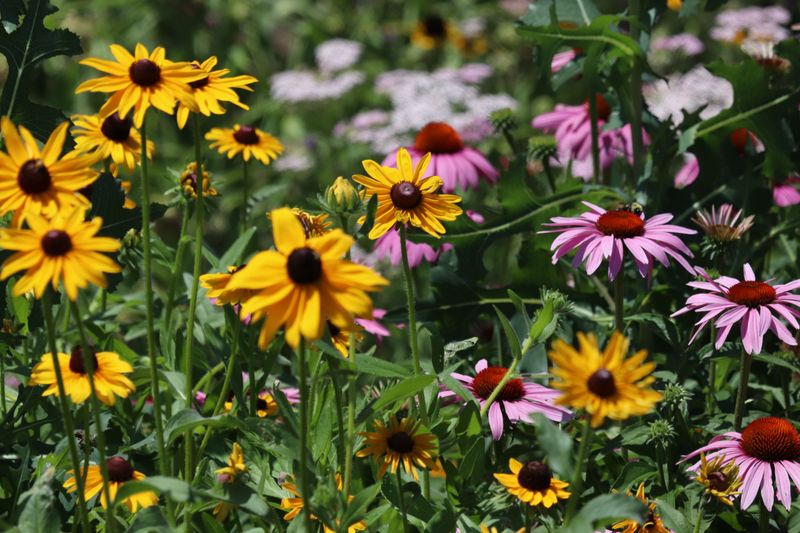
New England aster brings violet-purple ray flowers with gold centers, often reaching three to five feet. Aromatic aster stays shorter and bushier, handy for front-of-border spots.
Goldenrod carries an old misunderstanding. It gets blamed for hay fever, but its pollen is heavy and sticky, carried by insects rather than wind. Ragweed, blooming at the same time, is the actual culprit.
Wreath goldenrod handles part shade, while showy goldenrod keeps a tidy upright shape in full sun. Neither has to sprawl if you choose the right species.
Pollinators treat both as a fuel stop. Migrating monarchs, late bumblebees, and dozens of small native bees rely on these flowers to stock up before the cold arrives.
A trick worth borrowing from Skylands beds: plant asters and goldenrod together. Purple and yellow sit opposite each other on the color wheel, so the pairing looks intentional rather than weedy.
For bushier plants with more flowers, pinch stems back by about a third in early June. Gardeners call it the Chelsea chop, and asters take to it well.
Leave the stems standing through winter instead of cutting them down. Seed heads feed goldfinches, and hollow stalks shelter small insects until spring.
Both spread, some species enthusiastically. Give them room, or plan to divide clumps every few years and share the extras.
Shrubs And Small Trees Are The Quiet Bargains
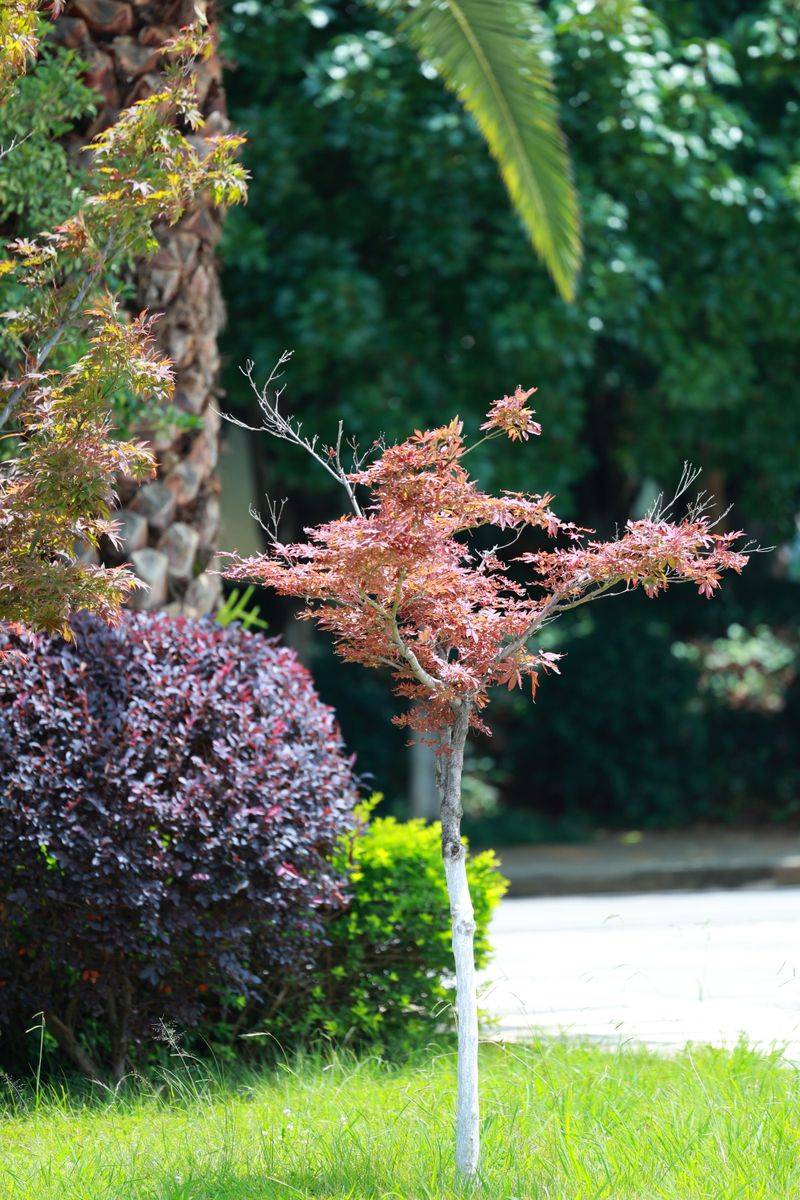
Perennials get grabbed first, which leaves an opening. The woody plants often sit a little longer, and they deliver the biggest payoff per dollar.
Serviceberry earns its fans honestly. White flowers in April, edible June berries that taste faintly of almond and blueberry, then orange-red fall color on a plant that fits a small yard.
Winterberry holly turns heads in December. Female plants load up with scarlet fruit, though they need a male nearby to set berries, so buy two and check the labels.
Spicebush hosts the spicebush swallowtail caterpillar, which curls a leaf around itself and stares out with fake eyespots. Crush a leaf and you get a citrus-clove scent.
For shade, try American hazelnut or maple-leaf viburnum. Both tolerate the rocky, root-filled soil common along the Ramapo slopes.
Oaks deserve a mention even in small quantities. They support more caterpillar species than any other tree genus in the region, and a young whip planted now grows faster than you expect.
Give woody plants a generous planting hole and skip the amendments. Backfill with the native soil so roots learn to spread outward instead of circling in a cozy pocket.
Deer will test new shrubs through winter. A simple wire cage or a few stakes with mesh protects the bark until stems thicken.
Five years from now, that modestly priced shrub will be doing work no perennial can match. Shade, fruit, nesting cover, structure.
How To Shop The Sale Like A Regular
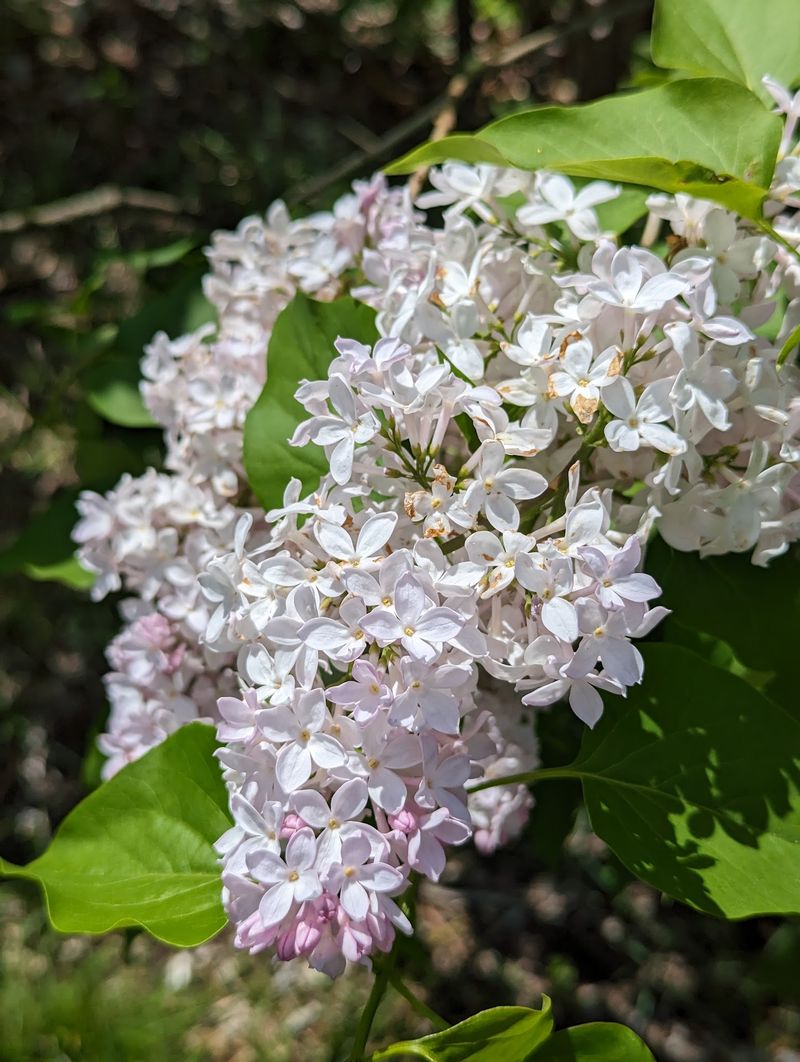
Regulars show up with a plan and a wagon. Newcomers often arrive without a plan and end up improvising.
Start by measuring your space at home. Note how many hours of direct sun each bed gets, whether water sits after storms, and how much room a mature plant can claim.
Bring that information written down. Volunteers can steer you toward the right species in about thirty seconds if you can describe the site.
Check the Skylands Association website or the garden’s social pages for sale dates, hours, and payment options before you drive up. Details shift from year to year, and some sales open early for members.
Membership often pays for itself. Early access plus a discount usually beats the cost of joining if you plan to buy more than a few pots. Pack a cardboard box or two, a tarp for the car, and gloves. Potting soil finds its way everywhere.
Buy in odd-numbered groups of three or five rather than singles. Clusters read as a designed planting and give pollinators a target they can actually find.
Resist the urge to buy one of everything. Three well-chosen species repeated across a bed look far better than twelve lonely specimens.
Plant the same weekend if you can. Pots left on the driveway dry out fast in a September breeze. Then walk the garden before you leave. The best ideas are growing right there, free of charge.