Why Spotted Lanternflies Could Show Up In Your Wisconsin Yard This Summer
Have you checked your yard lately? In a backyard vineyard outside Milwaukee, clusters of Marquette grapes were turning slowly in the afternoon light.
Their leaves were chewed into delicate, lacy patterns. At first glance, it looked almost artistic.
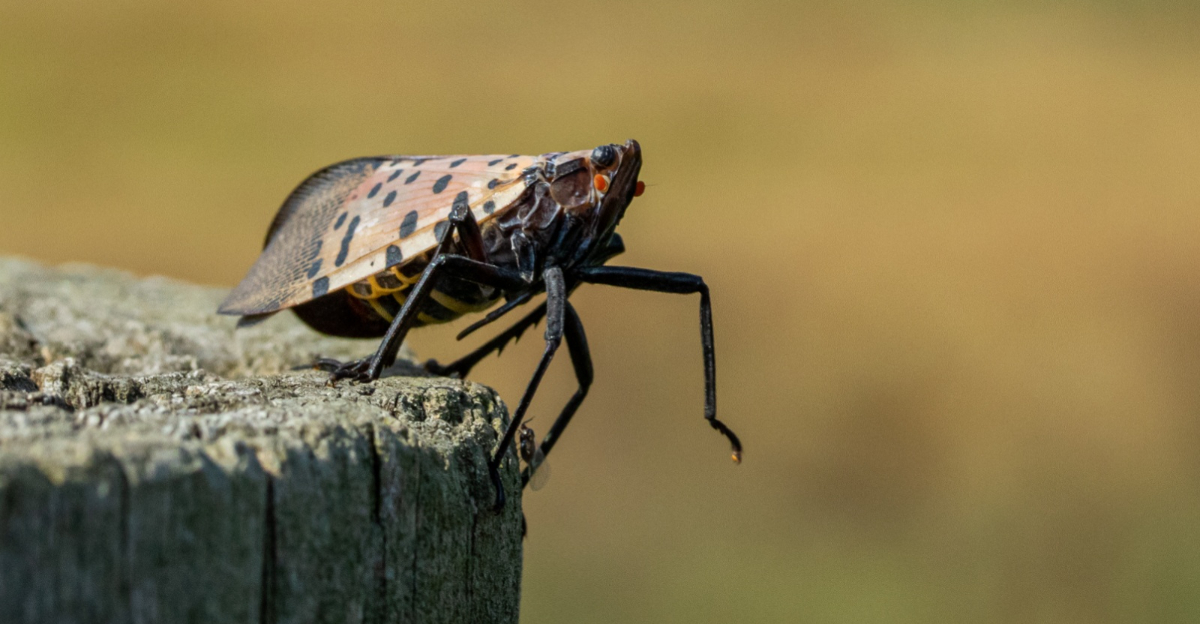
Then the culprit appeared. A creature blazing with red wings and polka-dotted like a carnival costume, clinging boldly to the vine trunk.
Those grapes were perfect until they weren’t. This invasive pest has been advancing quietly across Wisconsin.
It threads through orchards, grapevines, and gardens with unsettling efficiency. Originally from Asia, it hitches rides on vehicles, nursery plants, and outdoor furniture.
It covers new ground faster than most people expect. The 2025 barge interception near Milwaukee confirms what researchers have been tracking.
Their concern is sharpening. Your yard may feel untouched right now. This insect does not wait for an invitation. It simply arrives.
Established In Neighboring Illinois, Indiana, Ohio, And Michigan
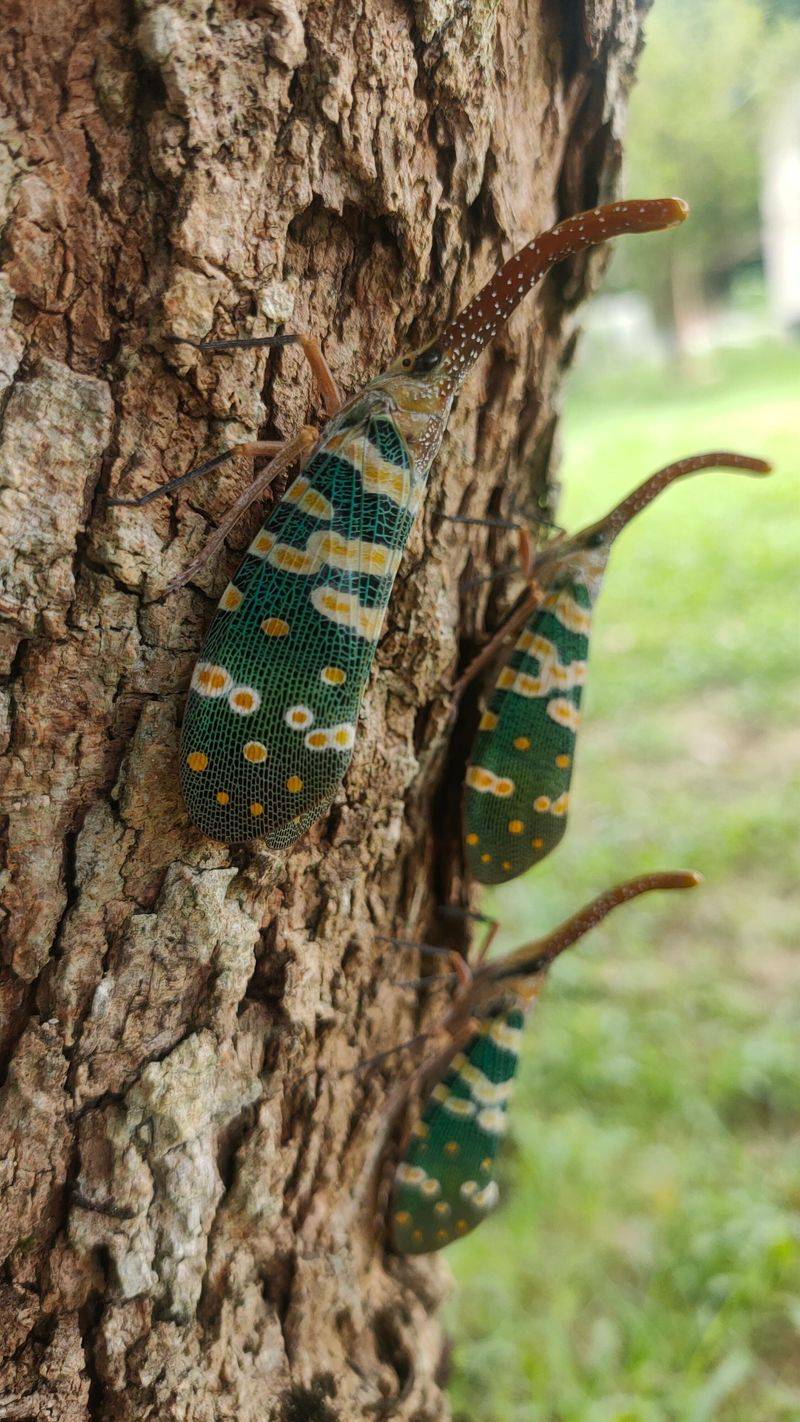
Your closest neighbors already have a serious bug problem. Spotted lanternflies are now fully established in Illinois, Indiana, Ohio, and Michigan, forming a tight ring around Wisconsin.
These states confirmed breeding populations years ago. Researchers have tracked the pest expanding outward from Pennsylvania since its first U.S. detection in 2014.
Illinois saw its first confirmed spotted lanternfly in September 2023, in Cook County. By 2024 and 2025, sightings had grown across Cook County and into surrounding suburbs, raising concern among agricultural officials.
Indiana and Ohio followed similar patterns. Once a small population takes hold, it spreads faster than most people expect.
Indiana first confirmed the pest in 2021, and populations have since spread across multiple counties.
Ohio first detected it in 2020 and now has established populations in 18 counties. Michigan, sharing a long border with Wisconsin, confirmed multiple established sites near major shipping corridors.
That proximity matters enormously for Wisconsin homeowners. Spotted lanternflies do not need forests to survive.
They thrive in suburban yards, parks, vineyards, and along roadsides wherever their favorite host plants grow.
The pest has a strong preference for tree of heaven, a weedy invasive tree that grows abundantly across all four neighboring states.
Wisconsin has plenty of tree of heaven too, making the state a natural next target. Entomologists at the University of Wisconsin have already warned residents to expect sightings soon.
The insect’s established presence in surrounding states makes a Wisconsin arrival feel less like a question of if and more like a matter of when.
Chicago Sightings Increased Significantly In 2025
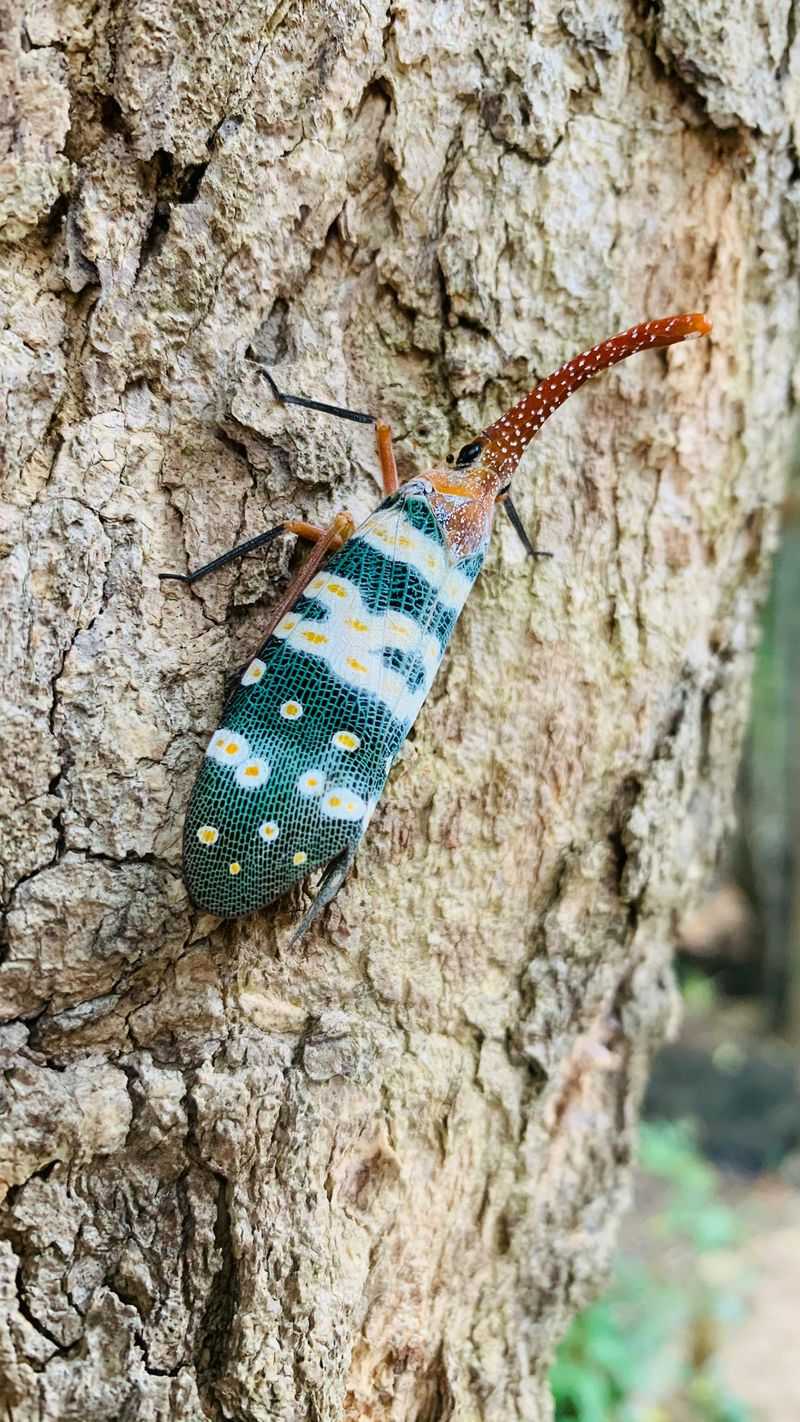
Chicago is basically Wisconsin’s backyard, and the news from there is not reassuring. Spotted lanternfly sightings in the Chicago metro area jumped sharply in 2025, alarming pest experts across the region.
The Illinois Department of Agriculture confirmed a surge of new reports from Cook County, with September 2025 alone producing more sightings than all of 2024 combined. Several sightings occurred near major transportation hubs and freight yards.
Urban areas create ideal spreading conditions. High foot traffic, constant vehicle movement, and dense vegetation all help the pest hitch rides to new locations.
Your Wisconsin Garden Changes Every Week. Your Plan Should Too.
Gardening in Wisconsin changes quickly throughout the season. Every Friday you’ll receive a simple weekly plan showing exactly what to plant, prune, fertilize, harvest, and protect so you never miss the right timing.
Chicago sits less than 90 miles from the Wisconsin border. At the pace sightings are increasing, crossing that line is not a dramatic leap.
Spotted lanternflies were found on shipping pallets, outdoor furniture, and even parked cars near O’Hare International Airport. Travelers unknowingly carry egg masses without ever realizing it.
Wisconsin residents who commute to Chicago or visit regularly are now considered a meaningful pathway for accidental introduction. Pest managers specifically flagged this corridor as high-risk.
Illinois officials launched a public awareness campaign in early 2025 urging residents near the state line to check vehicles carefully. That campaign flagged border states, including Wisconsin, as among the next regions to watch.
The spike in Chicago sightings is not just a local story. For Wisconsin, it signals that the spotted lanternfly invasion is no longer sitting safely on the other side of the map.
Spread Mainly By Human Transport

Spotted lanternflies are poor fliers but exceptional hitchhikers. They rely almost entirely on human activity to reach new territories, which makes every road trip a potential delivery service.
Unlike many insects that migrate naturally through the air, this pest spreads primarily by latching onto vehicles, outdoor gear, and shipped goods. People unknowingly become the moving trucks.
A single car parked near an infested tree can pick up egg masses on the underside of the bumper. Those eggs survive highway speeds and long distances without any trouble.
Camping equipment is another major culprit. Tents, chairs, and firewood stored outdoors can carry egg masses from one campsite to another across state lines.
Online shopping and freight shipping add another layer of risk. Egg masses have been found on stone, wood, metal, and plastic surfaces packed inside boxes.
Wisconsin hosts thousands of outdoor events, farmers markets, and festivals during summer months. Each event draws visitors from neighboring infested states, creating numerous introduction opportunities.
State agriculture officials have urged residents to inspect anything that has been near infested areas before bringing it home. A quick visual check takes about 60 seconds and can stop a population from starting.
The spotted lanternfly’s dependence on human transport means that awareness and simple habits are genuinely powerful tools. Your choices about what you bring into your yard could protect the entire neighborhood.
Egg Masses Hitchhike On Vehicles And Cargo
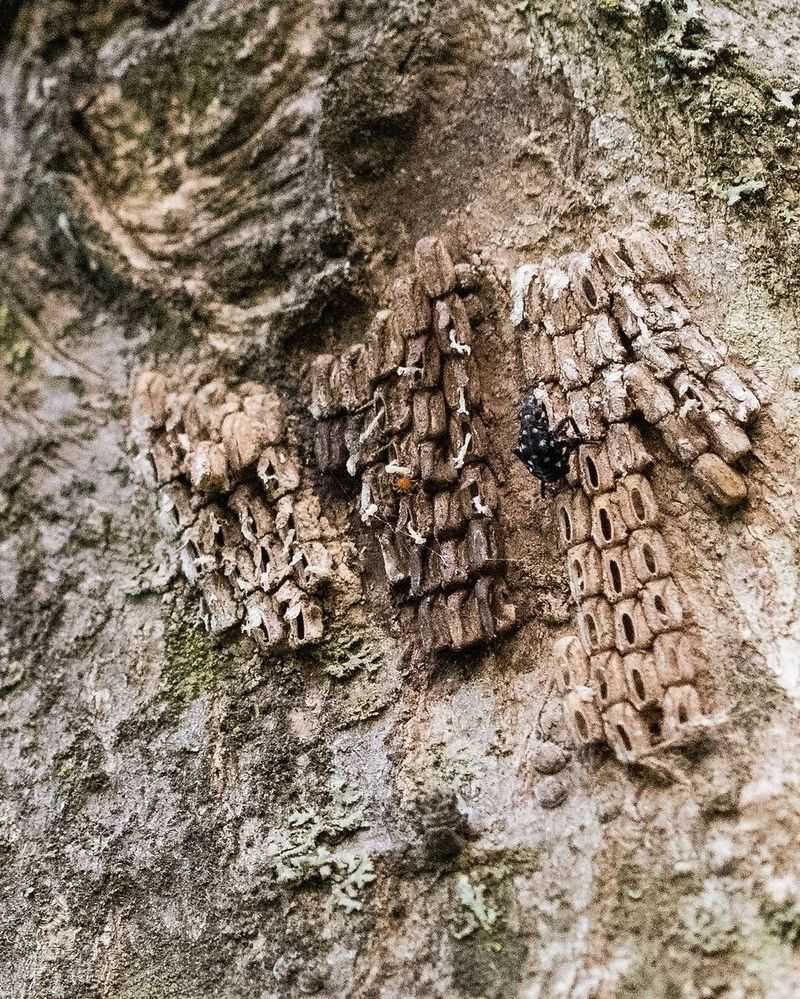
Spotted lanternfly eggs are sneaky stowaways. Each egg mass looks like a smear of dried gray mud, making it almost invisible on most surfaces.
A single female can lay one to two or more egg masses per season. Each mass contains between 30 and 50 eggs neatly arranged in rows beneath a waxy gray coating.
These masses stick firmly to almost any flat surface. Stone walls, fence posts, lawn furniture, plastic bins, and vehicle undercarriages are all fair game.
Because the eggs overwinter from late fall through early spring, they are present on surfaces long before anyone thinks to look for insects. By the time warm weather arrives, hatching has already begun.
Cargo shipments are a documented pathway. The USDA has intercepted egg masses on stone products, lumber, and outdoor equipment shipped from infested regions across the country.
Freight coming into Wisconsin from Illinois, Indiana, or Ohio passes through the state regularly. Each load is a potential carrier if inspections are skipped or incomplete.
Homeowners receiving deliveries of patio furniture, landscaping stone, or firewood should inspect packages carefully before unpacking. Running a credit card along the surface can scrape off egg masses before they hatch.
Knowing what egg masses look like gives Wisconsin residents real power. A gray, mud-like patch about an inch long on any outdoor surface deserves a second look this spring and summer.
Live SLF Intercepted On A Milwaukee-Bound Barge In 2025
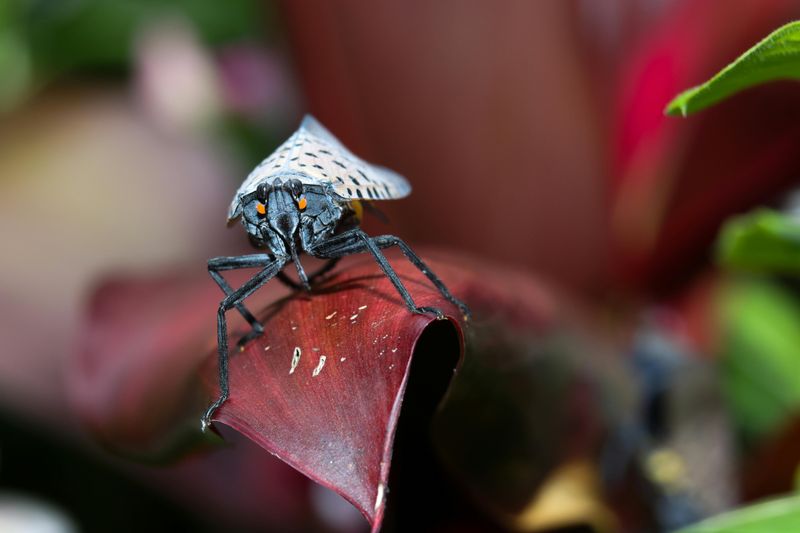
This one is hard to ignore. In 2025, inspectors intercepted live spotted lanternflies aboard a barge heading directly toward Milwaukee.
The discovery prompted Wisconsin agriculture officials to expand port inspection protocols and increase dock worker training. The bug was not just near the border anymore.
Barge traffic along the Great Lakes and connecting waterways moves enormous volumes of cargo every season. Spotted lanternflies can survive on vessels for extended periods, especially when outdoor surfaces offer shelter.
The Milwaukee interception was significant because it showed the pest using water-based transportation routes. Most early spread predictions focused on road and rail corridors.
Inspectors caught the insects before the barge completed its journey, which prevented an immediate introduction. That outcome required active monitoring and a well-trained inspection crew.
Not every shipment receives that level of scrutiny. Commercial traffic volume in Great Lakes ports makes 100 percent inspection rates nearly impossible without major resource increases.
Wisconsin Department of Agriculture officials responded by expanding port inspection protocols following the 2025 incident. Additional training for dock workers and freight handlers was also announced.
The Milwaukee interception serves as both a warning and a small victory. It proved that spotted lanternflies are actively attempting to reach Wisconsin and that early detection can stop them.
Their Preferred Host Plant Is Widespread In Wisconsin

Tree of heaven sounds lovely, but it is actually a fast-growing invasive weed tree from China. It is also the spotted lanternfly’s absolute favorite place to feed and breed.
Ailanthus altissima, the tree’s scientific name, has spread across Wisconsin for decades. It grows in vacant lots, along highways, in parks, and even in residential backyards.
The tree thrives in disturbed soil and grows aggressively in urban and suburban environments. Wherever humans have altered the landscape, tree of heaven tends to show up.
Spotted lanternflies can feed on over 70 plant species, including grapes, apples, hops, and maples. However, they congregate most heavily on tree of heaven when it is available.
Wisconsin’s wine and hop industries are already watching this situation closely. Both crops are among the pest’s preferred feeding targets after tree of heaven.
Having an abundant host plant already in place essentially rolls out a welcome mat. A newly arrived spotted lanternfly population would not need to search long before finding ideal conditions.
Removing tree of heaven from your property is one of the most proactive steps a Wisconsin homeowner can take right now. Fewer host plants mean fewer reasons for the pest to stick around.
The widespread presence of this invasive tree across the state is one of the strongest reasons experts believe spotted lanternflies could establish quickly once they arrive in Wisconsin yards.
No Natural Midwest Predators And High Egg Output Compounds Populations Rapidly
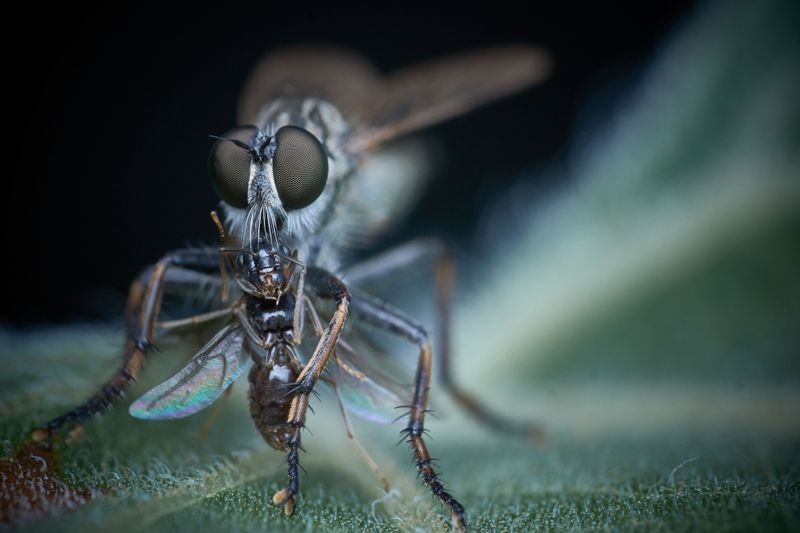
Back in Asia, spotted lanternflies have natural enemies that keep their numbers in check. Parasitic wasps, certain fungi, and specialized predators all play a role in their home range.
The Midwest has none of those natural controls. When spotted lanternflies arrive somewhere new, local birds and insects largely ignore them or find them unpalatable.
Without predators keeping populations trimmed, numbers can grow significantly within just a few seasons. A small founding group can become a full infestation surprisingly fast.
The math behind their reproduction makes this even more concerning. One female produces up to 50 eggs per mass and can lay one to two or more masses before the season ends.
A single pair of spotted lanternflies could theoretically produce hundreds of offspring in one year. Multiply that across even a modest founding population and the numbers grow steeply.
Early detection is critical precisely because of this reproductive potential. A small group caught in year one is manageable, but a population left unchecked through year two looks completely different.
Researchers are studying biological control options, including Asian parasitic wasps that target spotted lanternfly eggs. No approved biocontrol agent exists yet. Regulatory review is ongoing.
Under the right conditions, spotted lanternflies could grow from a single sighting to a neighborhood-wide concern within a season or two. Staying alert this season genuinely matters.