What Draws Raccoons To Wisconsin Backyards At Night And How To Actually Stop Them

Something is raiding your trash at 2 a.m., and it has tiny hands, a masked face, and absolutely no shame about it. Raccoons are one of Wisconsin’s most adaptable and persistent backyard visitors.
They are not random. They are not lost. They showed up because your yard is, from their perspective, basically a five-star hotel with a free buffet attached.
They are also creatures of habit, and habits can be broken. Once you understand what keeps pulling them back night after night, you stop guessing and start actually solving the problem.
Forget expensive gadgets and trapping drama. A clearer picture of how raccoons think is all it takes to make them move on to someone else’s yard instead of yours.
Wisconsin Backyards Give Raccoons Everything They Need

Your backyard is basically a raccoon resort. These masked foragers see a yard full of food, water, and cozy hiding spots as the perfect neighborhood to move into.
Wisconsin neighborhoods offer raccoons a mix of natural and human-made resources that wild areas sometimes cannot match. Mature trees, dense shrubs, compost piles, and unsecured structures all send out a welcome signal.
Raccoons are highly adaptable animals. They thrive wherever humans live because people unintentionally create ideal conditions for them to feed and nest without much effort.
Suburban sprawl has actually increased raccoon populations across the Midwest. More homes mean more food waste, more shelter options, and fewer natural predators to keep numbers in check.
The average raccoon does not wander far from a reliable food source. Once one discovers your yard, it will return every night until something changes or the food runs out.
Think of your backyard as a puzzle raccoons are constantly trying to solve. Every loose lid, open compost bin, or accessible pet bowl is one piece they figure out faster than you expect.
Making your yard less welcoming starts with understanding exactly what draws raccoons in the first place. The answers are simpler than you think, and that is exactly what you are about to find out.
Food Is Why Raccoons Keep Coming Back Night After Night
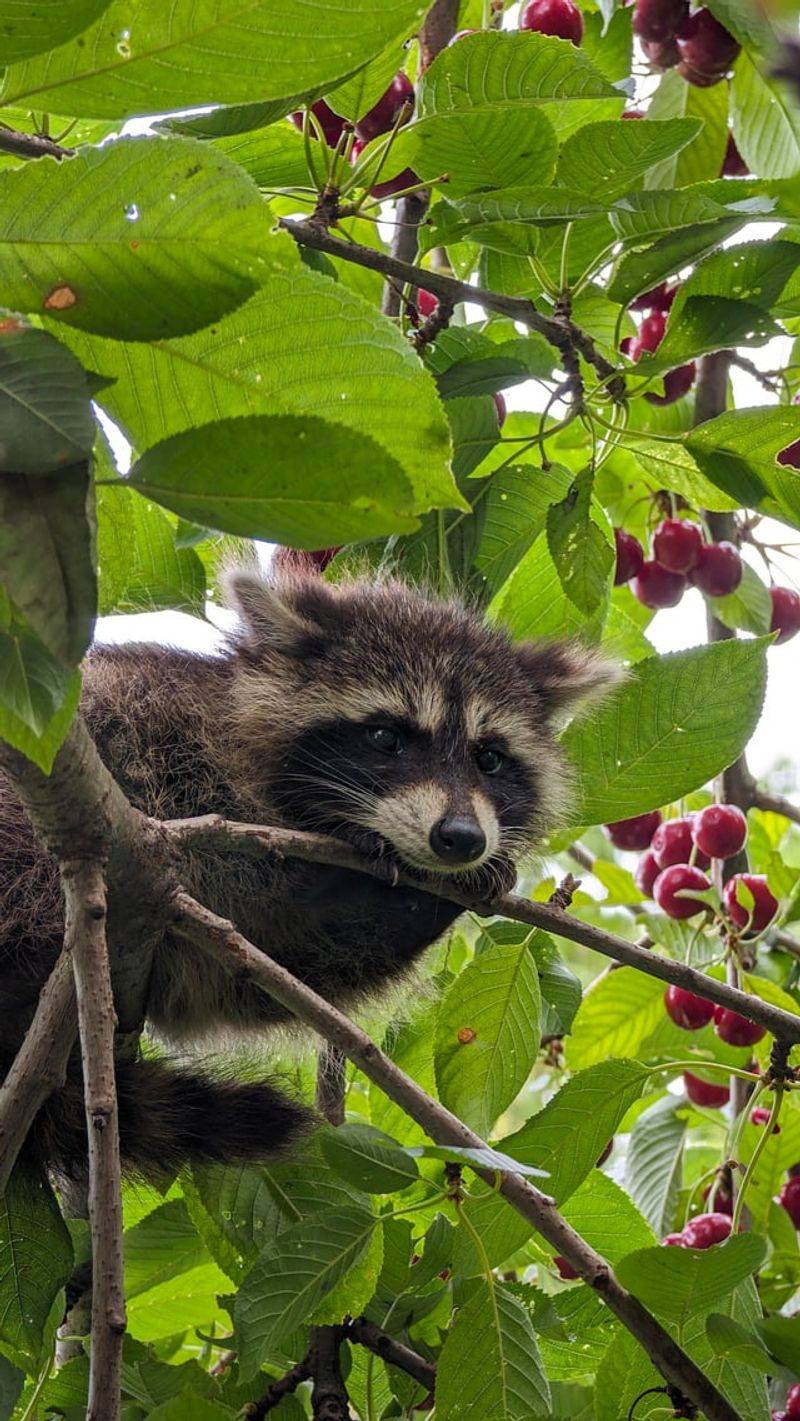
Hunger drives everything a raccoon does after dark. These animals are opportunistic omnivores, meaning they eat almost anything they can find, smell, or pry open with their nimble paws.
Unsecured garbage cans are the number one attractant in residential areas. Raccoons are known for their strong sense of smell and can detect food through containers, and a loose lid is no challenge at all.
Pet food left outside overnight is equally irresistible. A full bowl of dry kibble left on a back porch is an open invitation raccoons rarely pass up.
Garden produce draws them in too. Ripe tomatoes, sweet corn, berries, and melons are all fair game once a raccoon locates your vegetable patch and realizes it is unprotected.
Bird feeders are a less obvious but very real problem. Spilled seeds and suet attract raccoons just as reliably as they attract songbirds, especially during warmer months.
Your Wisconsin Garden Changes Every Week. Your Plan Should Too.
Gardening in Wisconsin changes quickly throughout the season. Every Friday you’ll receive a simple weekly plan showing exactly what to plant, prune, fertilize, harvest, and protect so you never miss the right timing.
Raccoons are also surprisingly good at remembering where a meal came from. If your yard fed them once, they will be back tomorrow, and they will return with the same determination, often more comfortable in the space than before.
Fallen fruit from backyard trees creates another easy meal. Apples, pears, and cherries that drop to the ground overnight become a natural snack station raccoons will revisit regularly.
Eliminating or securing every food source in your yard is the single most effective step you can take. Cut off the food supply and you cut off the main reason raccoons keep showing up night after night.
Water And Shelter Make Your Yard Even More Attractive
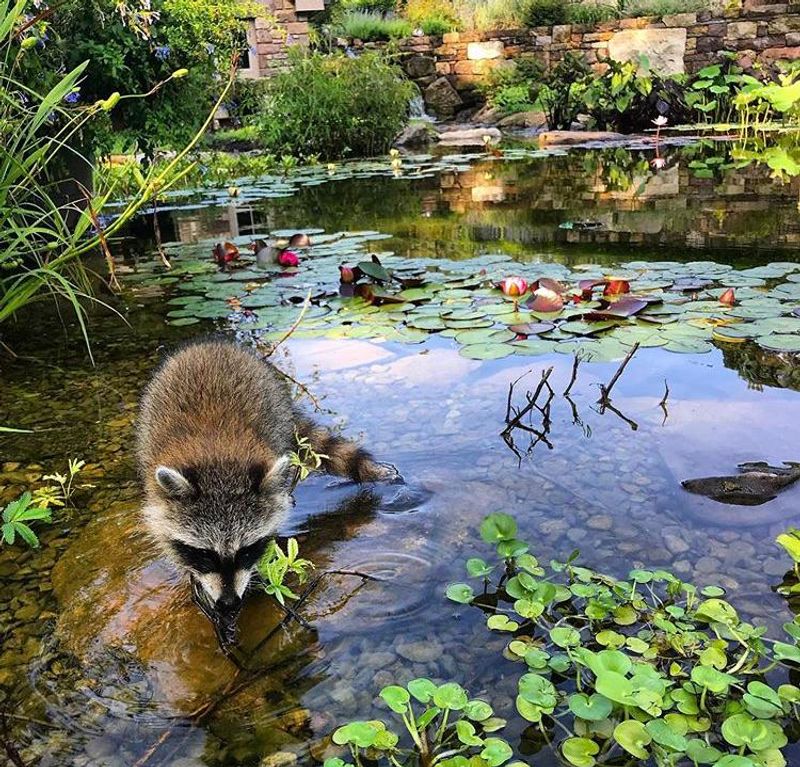
Food is not the only thing raccoons are after when they wander into your yard. Fresh water and a safe place to rest are just as important to these resourceful animals.
Birdbaths, decorative ponds, and puddles left by sprinklers all serve as convenient water stations. Raccoons need to drink regularly, and a yard with easy water access becomes a nightly destination.
Shelter is equally appealing. Decks, sheds, wood piles, and dense brush create perfect hiding spots where raccoons feel protected from threats while they rest or raise young.
A female raccoon looking for a den site will scout for dry, enclosed spaces that feel protected and out of reach. The crawl space under your deck or the gap behind your shed could look ideal to her.
Once a raccoon establishes a den nearby, removal becomes much harder. Families of raccoons can be difficult to relocate and often require professional help once they settle in.
Reducing water sources means emptying birdbaths at night or switching to motion-activated fountains that shut off after dark. Even small changes in your routine can make your yard less convenient.
Sealing gaps under structures and clearing out brush piles removes shelter options raccoons count on. A yard with fewer hiding spots feels riskier to them, and that alone can push them to move on.
Understanding Raccoon Behavior Helps You Outsmart Them

Raccoons are not just scavengers. They are genuinely intelligent animals with impressive problem-solving skills, which is why basic deterrents often fail after a short time.
They have excellent memory and can remember how to open a latch or tip a container for months after first learning the trick. Outsmarting them requires staying one step ahead.
Raccoons are most active between dusk and dawn. They follow predictable routes called travel corridors, often along fences, tree lines, or drainage areas that connect their resting spots to food sources.
They also communicate through scent markings. A raccoon that has visited your yard will leave chemical signals that attract other raccoons to the same area over time.
Young raccoons dispersing from their mothers in late spring and summer are especially bold. They have not yet learned to fear humans as much as older animals do, making them harder to discourage.
Understanding that raccoons learn and adapt means your deterrents need to rotate or escalate. A method that works for two weeks may stop working as the animal figures out the pattern.
Knowing their habits and instincts gives you a genuine edge. When you think like a raccoon, even for a moment, the solutions you choose become far more targeted and effective against them.
Here Is What Actually Stops Raccoons From Returning
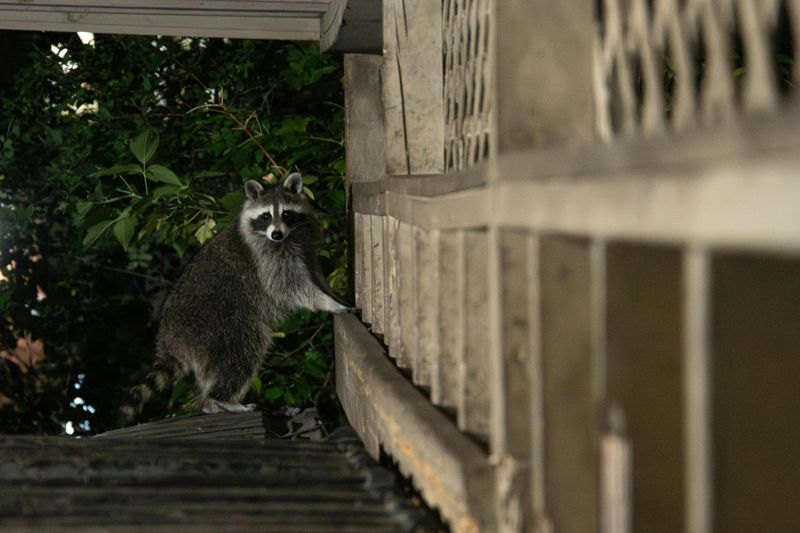
Motion-activated sprinklers are among the most effective and humane deterrents available. A sudden burst of cold water at 1 a.m. is deeply unpleasant for a raccoon and easy to set up.
These devices connect to a standard garden hose and use infrared sensors to detect movement. When an animal crosses the sensor zone, it gets a short, sharp spray that sends it running.
Unlike passive deterrents, sprinklers deliver an immediate consequence that raccoons associate directly with your yard. That connection between location and discomfort is what actually changes their behavior over time.
Place sprinklers near garden beds, compost areas, and along fence lines where raccoons typically enter. Covering multiple zones creates a perimeter effect that feels risky to cross from the animal’s perspective.
Move the sprinkler positions every week or two to prevent the animals from learning to avoid the sensor zones. Unpredictability is the key ingredient in any effective long-term deterrent strategy.
Sprinklers also protect gardens from deer, stray cats, and other unwanted visitors at the same time. One device does multiple jobs without chemicals, traps, or anything that could harm the animal.
Pairing a motion sprinkler with secured food sources is a combination that works. Take away the reward and add a consequence, and most raccoons decide your yard simply is not worth the trouble anymore.
Long Term Habits That Keep Your Yard Less Inviting
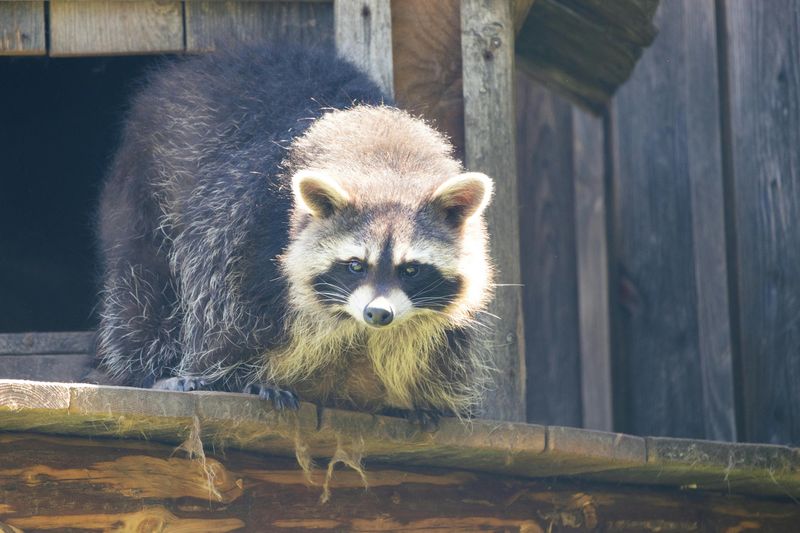
Short-term fixes fade fast without consistent habits behind them. Keeping raccoons away long term requires small but regular actions that reduce your yard’s appeal over the entire year.
Bring pet food and water bowls inside every evening before dark. This one habit alone eliminates one of the most common reasons raccoons return to residential yards night after night.
Pick up fallen fruit from trees promptly. Check your yard in the evening and clear any dropped produce before nightfall so there is nothing for a foraging animal to discover after you go to bed.
Clean your grill after every use and keep the lid closed. Grease and food residue left on grates can attract raccoons, especially on warm nights when smells travel more easily through the air.
Trim tree branches that hang over your roof or fence. Overhanging limbs act as bridges that give raccoons easy access to elevated areas and reduce the effectiveness of fencing below.
None of these steps are complicated, but skipping them is exactly what raccoons are counting on.
Inspect the exterior of your home and outbuildings each spring for new gaps, loose boards, or damaged vents. Sealing these openings prevents raccoons from establishing dens inside your structures.
Consistency is the real secret to a raccoon-resistant yard. Every night you secure your yard is another night raccoons have one less reason to come back.