These Texas Yard Mistakes Are Making Your Aphid Problem Worse No Matter What You Spray On Your Plants
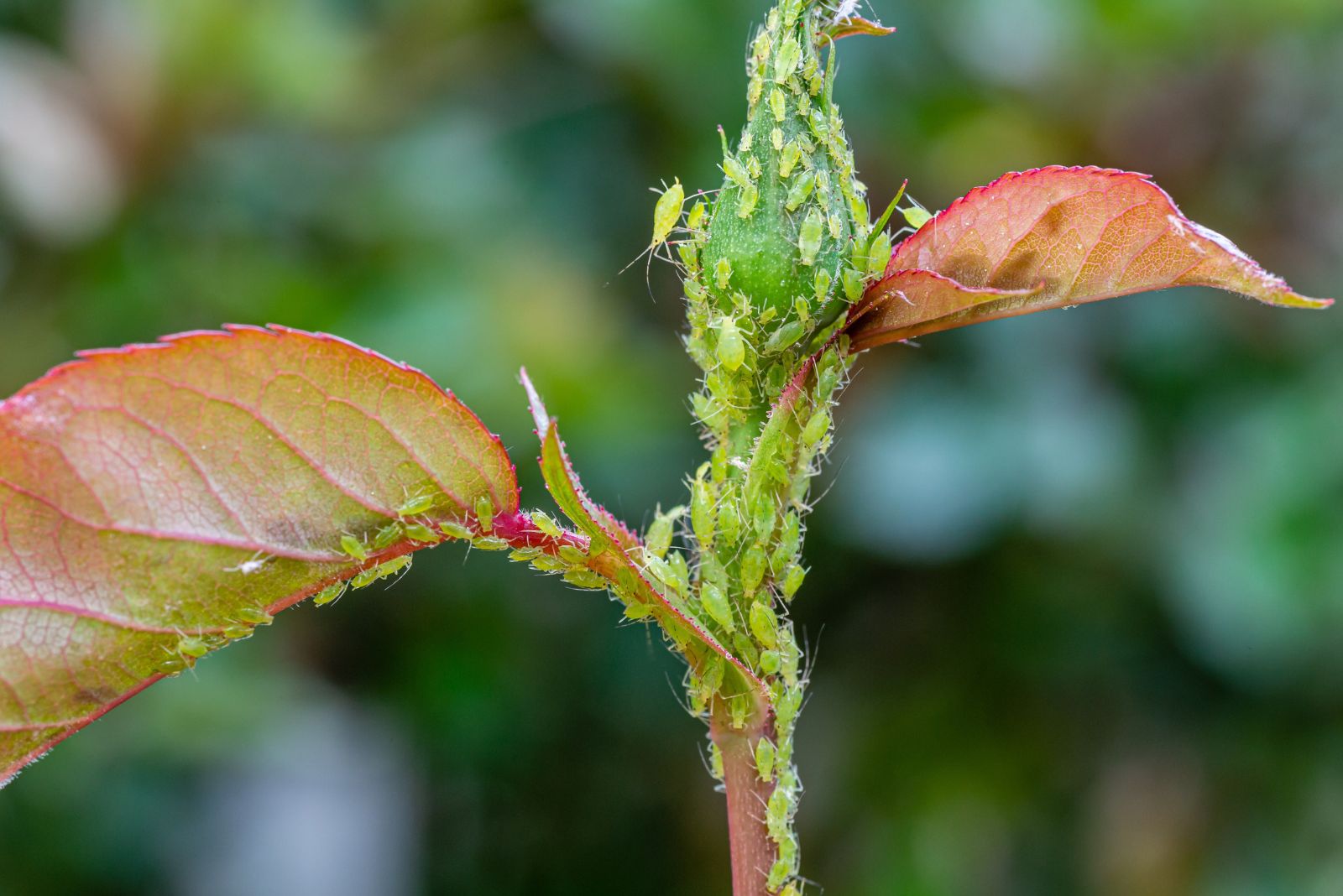
Aphids are one of the most frustrating recurring problems in a Texas garden, and the spraying cycle that most gardeners fall into rarely provides more than temporary relief.
A few days after treatment the population seems to rebuild, and the whole process starts over with the same result.
The reason that cycle keeps repeating is almost never about the spray itself. It is about the yard conditions that are actively supporting aphid populations regardless of what gets applied to the plants.
Certain common Texas yard habits create ideal environments for aphids to establish, reproduce rapidly, and keep returning in force after every treatment. Some of these habits involve how plants are fed and watered.
Others come down to what is growing nearby and whether the natural predators that control aphid populations are present or have been driven away.
Understanding what your yard is doing to sustain the problem is the most direct path toward breaking that spray cycle for good.
1. Overfertilizing With Nitrogen
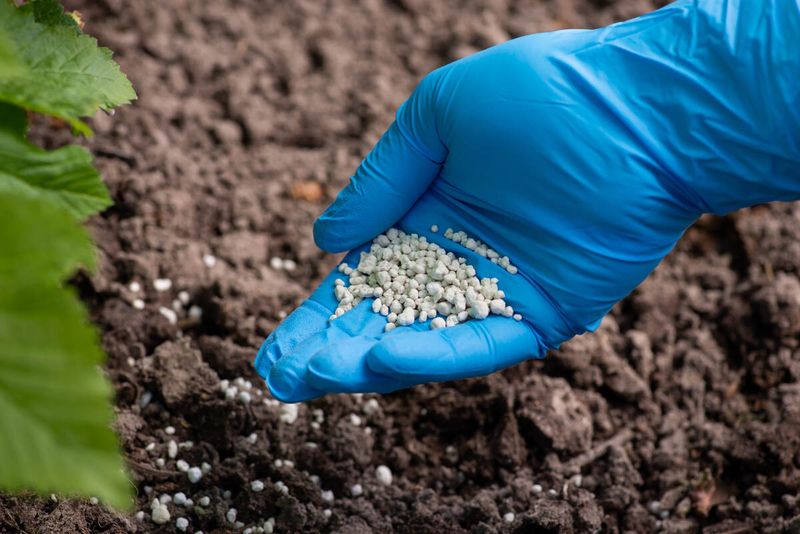
Picture this: you add extra fertilizer because you want big, beautiful plants, but instead you end up with a yard full of aphids. That is exactly what happens when you use too much nitrogen fertilizer.
Nitrogen pushes plants to grow fast and produce a lot of soft, tender new growth. Aphids absolutely love that kind of growth because it is easy to pierce and full of sap.
When plants get flooded with nitrogen, they look incredibly lush and green on the outside. But on the inside, that soft tissue is like a buffet sign for aphids.
The new shoots are weak, watery, and packed with the sugary plant juices that aphids feed on. Your plant looks healthy, but it is actually more attractive to pests than ever before.
In Texas, the heat already stresses plants enough. Adding excess nitrogen on top of that creates the perfect storm.
Aphid colonies can double in size very quickly when they have access to that kind of soft, nitrogen-rich growth. One small cluster can turn into a massive infestation in just a few days.
The fix is simpler than you might think. Switch to a balanced, slow-release fertilizer instead of one that is heavy on nitrogen.
Follow the label instructions carefully and do not assume that more fertilizer means better results. Testing your soil before fertilizing is also a smart move.
When your plants grow at a steady, healthy pace instead of a sudden burst, they become much tougher and far less inviting to hungry aphid colonies looking for an easy meal.
2. Planting In Dense, Poorly Air-Circulated Beds
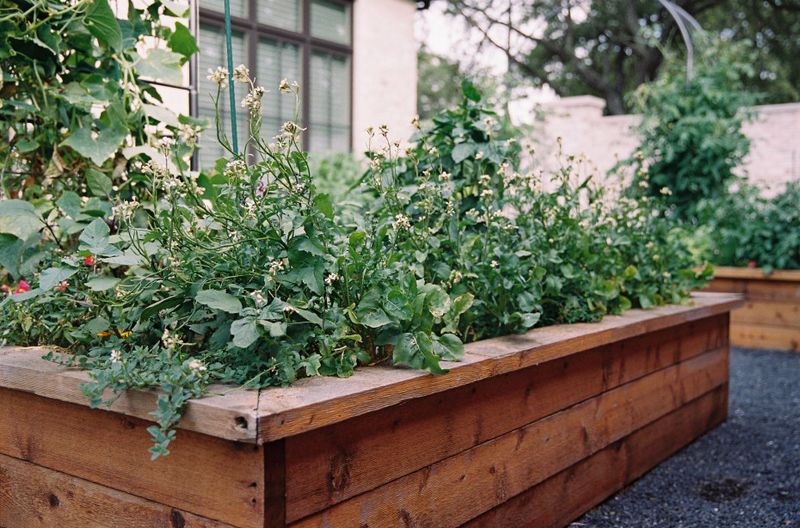
Walk up to a garden bed that is packed so tightly you can barely see the soil, and you are looking at an aphid paradise. Crowded plants trap heat and moisture between them, creating a warm, humid little world that aphids love to settle into.
In Texas, where summers are already brutal, that trapped humidity makes things even worse.
Good airflow is one of the most underrated tools in pest control. When air moves freely through your garden, it keeps the environment drier and less comfortable for soft-bodied insects like aphids.
Your Texas Garden Changes Every Week. Your Plan Should Too.
Gardening in Texas changes quickly throughout the season. Every Friday you’ll receive a simple weekly plan showing exactly what to plant, prune, fertilize, harvest, and protect so you never miss the right timing.
But when plants are jammed together, that airflow disappears. The microclimate between those crowded stems becomes the perfect hiding spot for aphid colonies to grow without being disturbed.
There is another problem with dense planting that most people do not think about. Natural predators like ladybugs and lacewings need to be able to physically reach the aphids to eat them.
When plants are too crowded, those helpful insects cannot easily navigate through the tangle of stems and leaves. That means the aphids get to feed and multiply without much interference from nature’s own pest control team.
Spacing your plants properly according to their mature size is one of the best things you can do for a healthier garden. Yes, it might look a little sparse at first, but the plants will fill in over time.
Thinning out overcrowded beds, trimming back overgrown foliage, and keeping pathways open between rows all help air move through your garden.
Better airflow means fewer hiding spots for aphids and more access for the beneficial bugs that help keep your yard balanced and pest-resistant naturally.
3. Ignoring Companion Planting
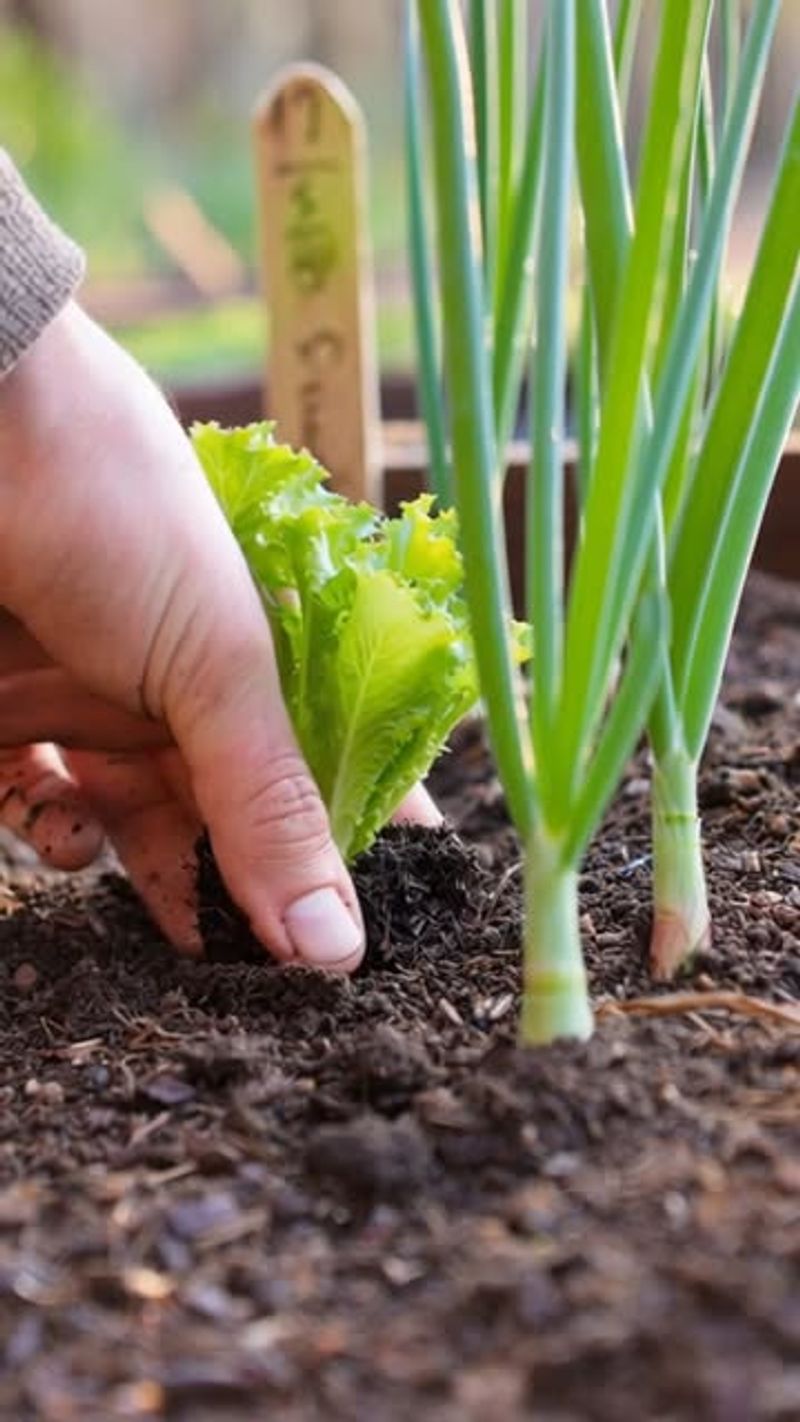
Some plants are basically bodyguards for your garden, and skipping them is a mistake you will regret come summer. Companion planting is the practice of growing certain plants near each other because they benefit one another.
When it comes to aphids, some plants are incredibly good at keeping them away or attracting the insects that eat them. Leaving those plants out of your garden removes a layer of protection that costs very little to set up.
Garlic and chives, for example, give off strong scents that aphids find deeply unpleasant. Planting them near roses, peppers, or tomatoes can make those plants far less appealing to aphids looking for a place to land and feed.
Marigolds are another powerhouse. They not only repel certain pests but also attract beneficial insects that prey on aphids. Dill and fennel bring in parasitic wasps, which are tiny but highly effective aphid hunters.
Here is something cool that many gardeners do not know: aphids actually communicate with each other using chemical signals.
When a plant nearby smells strongly of garlic or marigold, it can confuse those signals and make it harder for aphids to find their preferred host plants. It is like putting up a smokescreen around your most vulnerable plants.
You do not need to redesign your entire yard to make companion planting work. Even tucking a few marigold plants along the border of a garden bed or dropping some chive clumps near your roses can make a noticeable difference.
Start small, observe what works in your specific Texas yard, and build from there. The results can genuinely surprise you over just one growing season.
4. Overwatering Or Water Stagnation
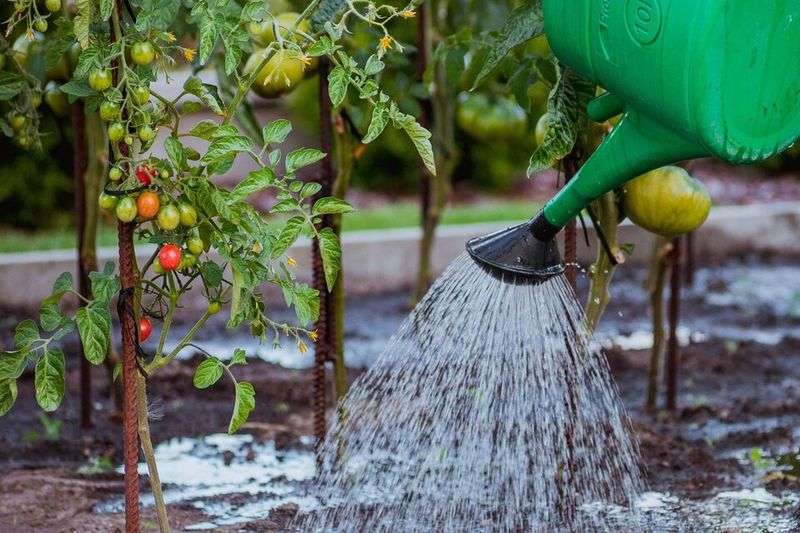
Most people think that giving their plants plenty of water is always a good thing. But overwatering is one of the sneakiest ways to make your aphid problem spiral out of control.
When soil stays constantly wet, plant roots cannot breathe properly. That leads to root stress, and a stressed plant sends out chemical signals that actually attract certain insects, including aphids.
Aphids are drawn to soft, weakened plant tissue. An overwatered plant produces exactly that.
The cells become waterlogged and mushy, making stems and leaves easier for aphids to pierce with their tiny mouths. The plant also has less energy to fight back because its roots are struggling.
So not only are you attracting more aphids, you are also giving the plant fewer resources to resist them.
Water stagnation is a related issue that shows up a lot in Texas clay-heavy soils. When water pools around the base of plants for hours after a rain or irrigation session, the roots sit in standing water.
That weakens the plant fast. And because the soil surface stays damp, it creates a humid environment at ground level that encourages soft-bodied insects to hang around longer.
The solution starts with understanding how much water your specific plants actually need. Most established Texas garden plants need deep, infrequent watering rather than a little water every single day.
Let the top inch or two of soil dry out between waterings. Improve your soil drainage by adding compost or raised bed mix if you have heavy clay.
Using drip irrigation instead of overhead sprinklers also helps keep foliage dry, which makes your plants far less attractive to aphids and other moisture-loving pests.
5. Removing Beneficial Insects
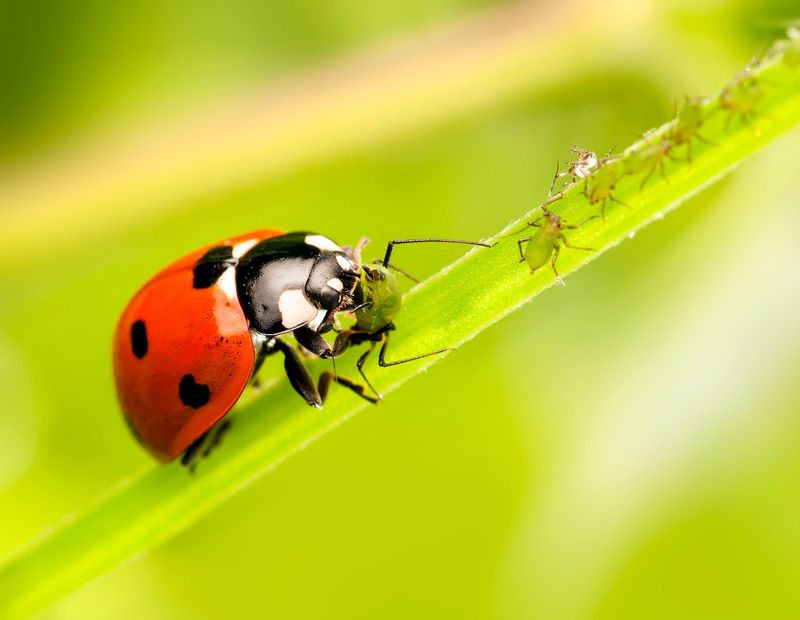
Grab a can of broad-spectrum insecticide and spray your whole yard, and you might feel like you are solving the problem. But here is the twist: you are probably making it worse.
Broad-spectrum sprays do not just target aphids. They wipe out ladybugs, lacewings, hoverflies, and parasitic wasps too.
Those are the insects that naturally keep aphid populations in check, and once they are gone, aphids have free rein to multiply without anything stopping them.
Ladybugs are famous aphid predators for good reason. A single adult ladybug can eat dozens of aphids in one day.
Lacewing larvae are even more aggressive, earning the nickname “aphid lions” among gardeners.
Parasitic wasps lay their eggs inside aphids, which stops the aphids from reproducing. Lose all of these helpful insects and your garden loses its built-in defense system overnight.
Some gardeners also make the mistake of handpicking every insect they see, assuming all bugs are bad. Unless you can identify what you are looking at, it is easy to accidentally remove the very insects that are protecting your plants.
Not every bug crawling on your tomatoes is an enemy. Many are working for you without you even knowing it.
Switching to targeted, aphid-specific treatments like insecticidal soap or neem oil is a much smarter approach. These products work on soft-bodied insects like aphids but are far less harmful to larger beneficial insects when used correctly.
You can also attract more beneficial insects to your yard by planting nectar-rich flowers like alyssum or yarrow. Building a yard that supports a balanced insect population is one of the most powerful long-term strategies for keeping aphids under control in Texas.
6. Ignoring Early Signs Of Infestation
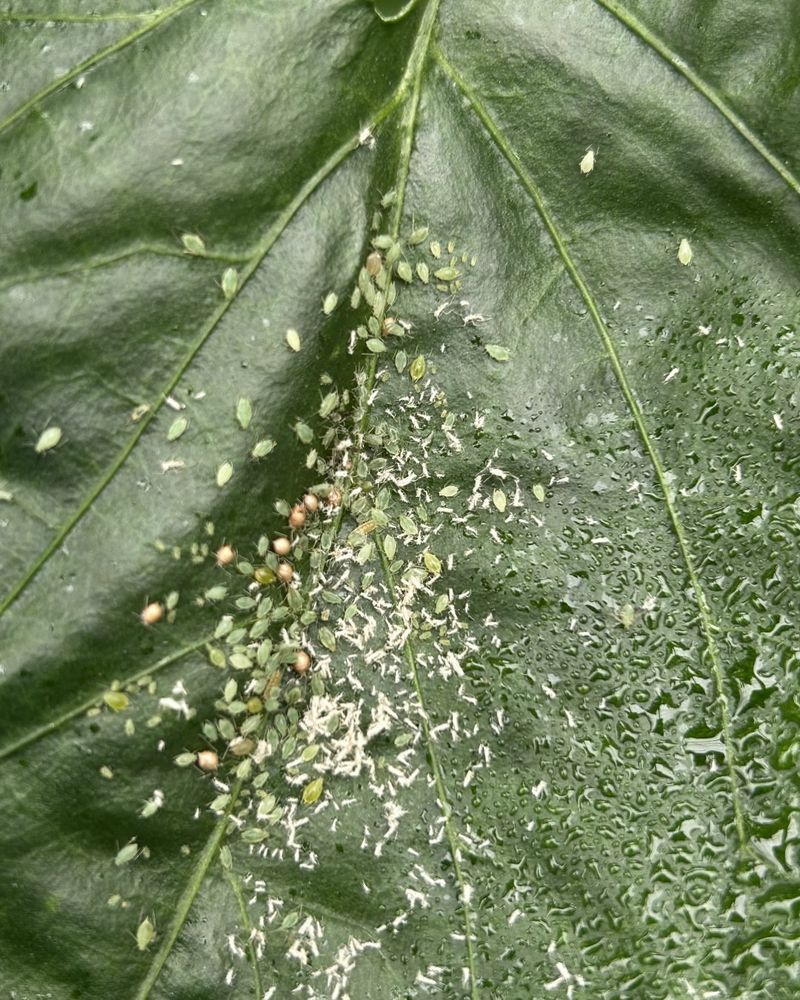
Aphids are sneaky. They start small, hide on the undersides of leaves, and multiply so fast that by the time most gardeners notice them, there are already hundreds crawling around.
Waiting until the damage is obvious is one of the biggest mistakes you can make. At that point, you are playing catch-up, and no matter how much you spray, it feels like the problem never fully goes away.
Early warning signs are easy to spot once you know what to look for. Sticky, shiny patches on leaves or on surfaces below your plants are a sign of honeydew, a sugary waste product that aphids leave behind.
Curled or cupped leaves, especially on new growth, often mean aphids are feeding underneath. Tiny clusters of pale green, yellow, or black dots on stems and buds are the aphids themselves.
Catching any of these signs early gives you a massive advantage. Here is a practical habit worth building into your routine: do a quick walk-through of your garden two or three times a week during peak growing season. Flip over a few leaves.
Check the tips of new stems. Look for ants traveling up and down your plant stalks, because ants often protect aphid colonies in exchange for their honeydew. Ants on your plants are a red flag worth investigating right away.
When you catch an aphid problem early, your options are much simpler and more effective. A strong blast of water from the hose can knock small colonies off plants before they establish.
A light application of insecticidal soap handles early-stage infestations without harming beneficial insects much. Early action means less damage, less product, and far less frustration over the entire growing season in your Texas yard.