The Native Texas Ground Cover That Feeds Pollinators For Months And Asks Nothing In Return
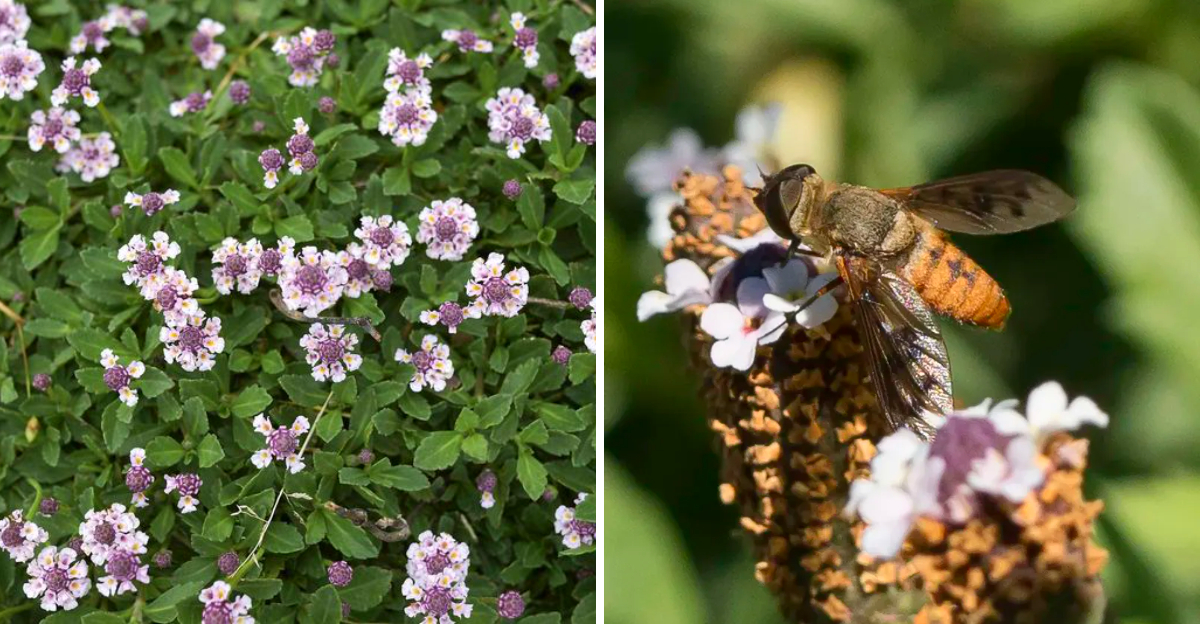
If you’ve been staring at a bare, uninviting patch of yard wondering what on earth to do with it, allow us to introduce you to your new favorite plant. Frogfruit might not have the flashiest name in the garden world, but don’t let that fool you for a second.
This low-growing native ground cover is quietly one of the hardest working plants you can put in a sunny spot across the state.
It spreads naturally across the soil, pumps out tiny white flowers for months on end, and attracts butterflies, bees, and small pollinators like it’s running some kind of exclusive neighborhood hangout.
Texas heat? Not a problem.
Full sun or partial shade? It handles both.
Once it gets established it barely needs you, and honestly, it seems pretty okay with that arrangement.
1. Tiny Blooms Feed Pollinators For Months
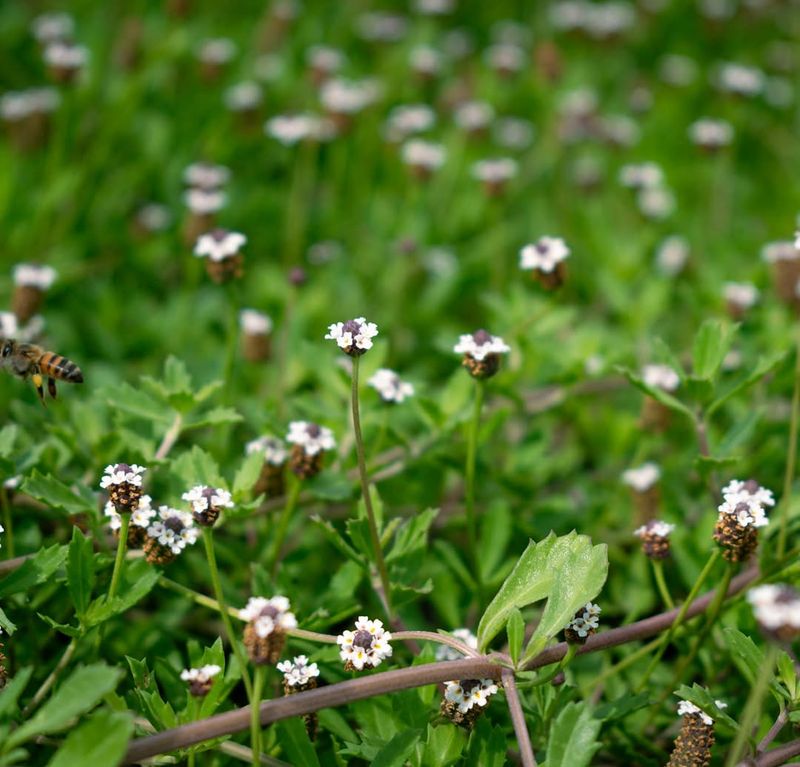
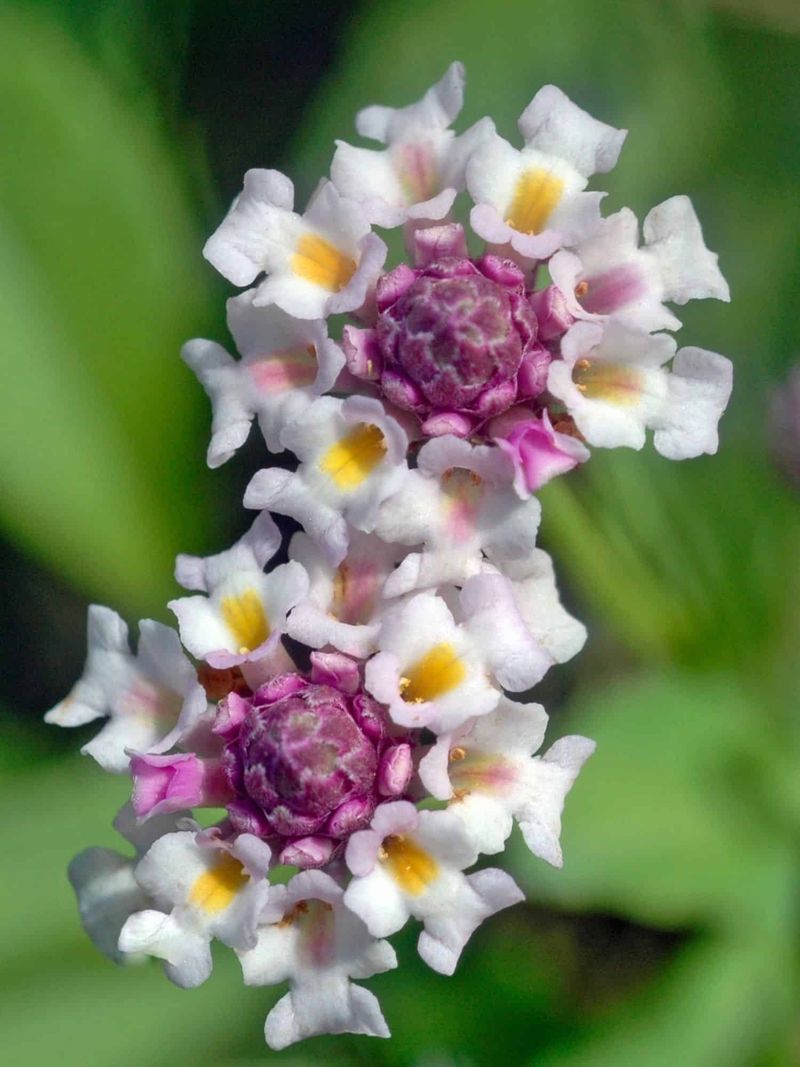
Low to the ground and easy to overlook at first glance, Texas Frogfruit produces small clusters of white flowers that bloom from spring well into fall across most of Texas.
That extended bloom window is one of the reasons native plant gardeners appreciate it so much.
While individual flowers are tiny, they appear consistently and in large numbers across a spreading mat of foliage.
The nectar in those small flowers is accessible to a wide range of pollinators, especially ones with shorter tongues that cannot reach deep into larger blooms.
Small native bees, skippers, and other compact insects visit the flowers regularly throughout the warm season.
In a yard where large flowering plants may come and go, having something that blooms steadily at ground level adds real value to the pollinator garden.
Gardeners who have planted Texas Frogfruit often notice pollinator activity picking up noticeably once the plant begins flowering in earnest. The flowers are not showy in a traditional sense, but their abundance makes up for their small size.
Planting it in a sunny or lightly shaded bed where it can spread freely gives it the best chance to produce consistent blooms throughout the season. A patch that fills in well can keep pollinators active and fed across a surprisingly long stretch of the growing season.
2. Butterflies And Bees Visit The Low Flowers
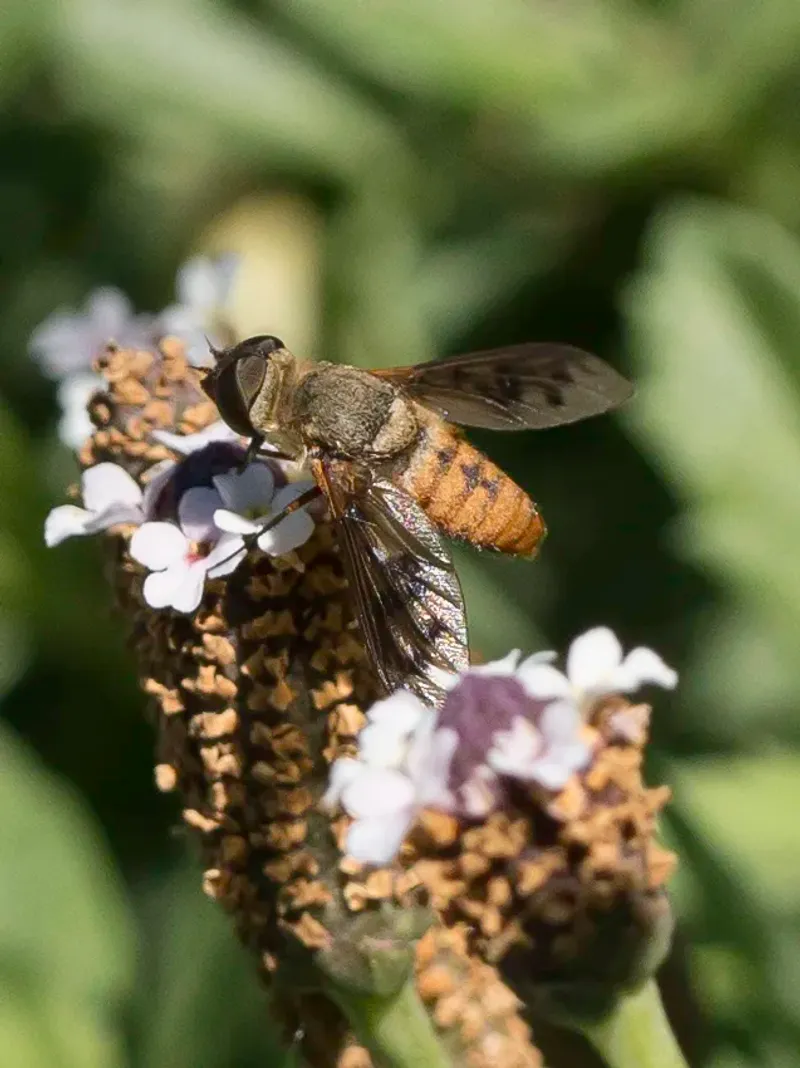
Watching butterflies land on flowers growing just inches above the soil is one of the more charming surprises Texas Frogfruit offers.
Several native butterfly species use it as a host plant, meaning female butterflies lay eggs on the foliage and the caterpillars feed on the leaves.
Buckeye butterflies and bordered patch butterflies are among those known to use Texas Frogfruit in this way.
Beyond its role as a host plant, the flowers also attract adult butterflies looking for nectar. Small bees, including native ground-nesting species, visit the blooms as well.
Because the flowers grow so close to the ground, pollinators that prefer low foraging spots find it particularly useful. In a pollinator garden, mixing Texas Frogfruit with taller flowering natives creates a layered habitat that serves a broader range of insects.
Your Texas Garden Changes Every Week. Your Plan Should Too.
Gardening in Texas changes quickly throughout the season. Every Friday you’ll receive a simple weekly plan showing exactly what to plant, prune, fertilize, harvest, and protect so you never miss the right timing.
It is worth noting that Texas Frogfruit will not draw every pollinator in your yard, and activity levels depend on what else is growing nearby, the season, and local insect populations. Still, in yards where native plantings are a priority, it earns its place.
Gardeners who have added it to cottage-style beds or naturalized borders often report seeing more butterfly activity at ground level than they expected.
That quiet, close-to-the-ground pollinator traffic is part of what makes this native plant genuinely rewarding to grow in Texas landscapes.
3. Full Sun To Part Shade Keeps It Flexible
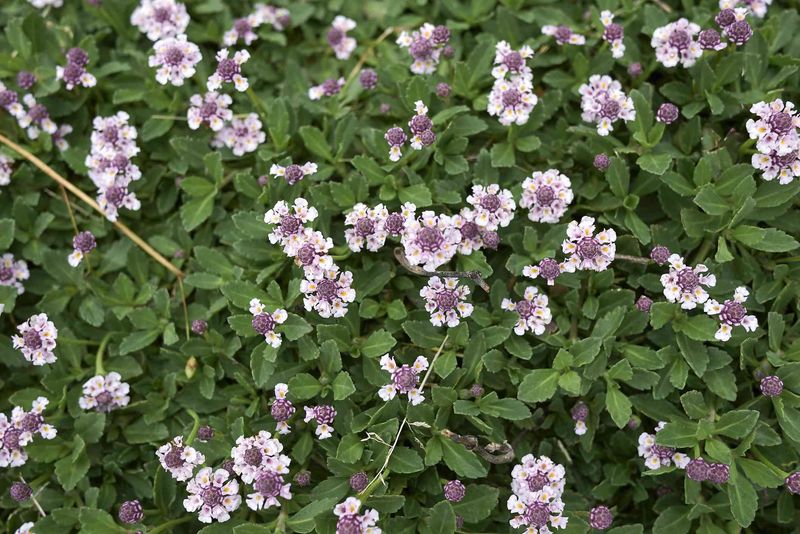
One of the more practical things about Texas Frogfruit is that it does not demand a single type of light exposure.
It can grow in full sun and in spots that receive several hours of afternoon shade, which gives gardeners some real flexibility when deciding where to plant it.
That adaptability matters in yards where tree canopy, fences, or structures create a mix of sunny and shaded zones.
In full sun, Texas Frogfruit tends to grow more compactly and may flower more heavily during the warm season. In part shade, growth can be a bit lusher and the foliage may stay greener during the hottest stretches of a Texas summer.
Neither condition is strictly better than the other. The right choice depends on the specific spot in your yard and what you are hoping to achieve with the planting.
Gardeners who have tried it along paths that receive morning sun and afternoon shade often find it performs well without much fuss.
It also works in open beds that get full sun most of the day, as long as the soil drains reasonably well and the plant gets enough moisture during its first season.
The light flexibility makes it easier to use in a wider range of yard conditions compared to ground covers that only thrive in one type of exposure. That versatility is genuinely useful in a state where growing conditions vary so much from yard to yard.
4. Moist Well-Drained Soil Helps It Settle In
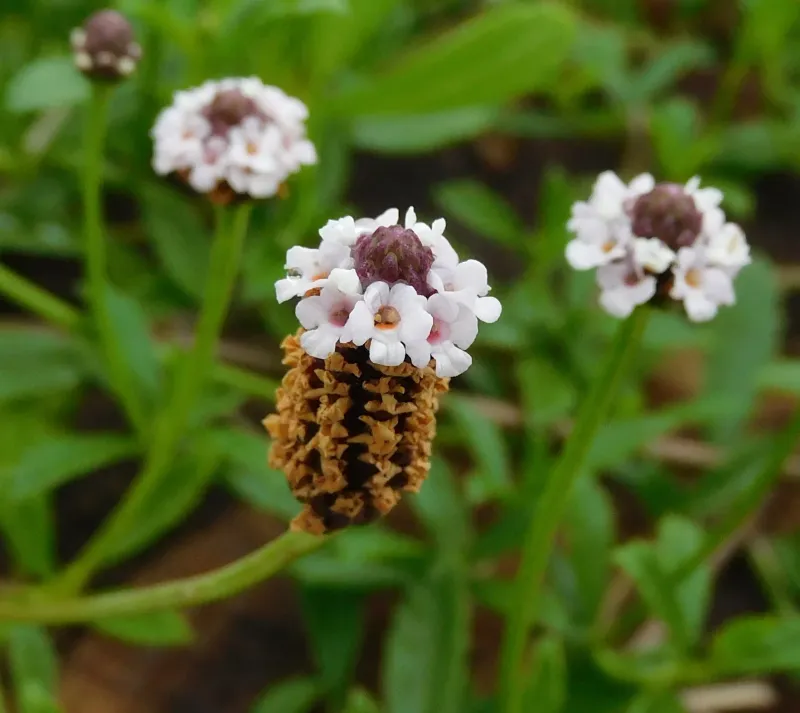
Soil conditions play a bigger role in how well Texas Frogfruit establishes than many gardeners expect. It tends to do best in moist, well-drained soil rather than heavy clay that stays waterlogged or sandy soil that dries out almost immediately.
Getting the drainage right before planting gives the roots a much better chance of spreading and anchoring properly during that first critical season.
In many yards, native soil ranges from dense clay to sandy loam, and neither extreme is ideal without some preparation. Working in a bit of compost can improve drainage in clay-heavy beds while helping sandy soils hold a little more moisture.
You do not need to overhaul the entire bed, but loosening the soil and improving its texture in the planting area makes a noticeable difference in how quickly young plants take hold.
Once the roots get established, Texas Frogfruit can handle a wider range of soil conditions than it can during those early weeks. Spots near seasonal drainage areas or low points in the yard where moisture lingers a bit longer often suit it well.
Raised beds and sloped areas with good runoff can also work if watering is consistent early on.
Paying attention to where water naturally pools or drains in your yard before choosing a planting spot can save a lot of frustration and help your Texas Frogfruit get off to a strong, healthy start.
5. Established Plants Can Handle Dry Stretches
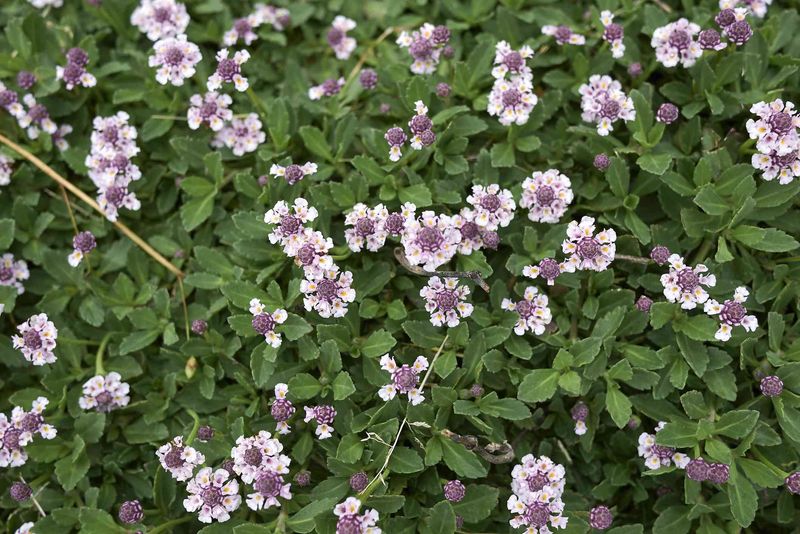
After a full growing season in the ground, Texas Frogfruit develops enough of a root system to get through dry stretches without regular supplemental watering in many conditions.
That drought tolerance is one of the reasons it appears on low-water and Texas SmartScape-style plant lists for native landscapes.
However, the level of drought tolerance varies depending on soil type, sun exposure, and how hot the summer gets in your specific area.
In sandy, well-drained soil under full sun, established plants may need occasional deep watering during extended dry spells, especially in central and west Texas where summers can be intensely hot and dry.
In heavier soils or partly shaded spots, established plants often manage longer between waterings.
Observing how your specific planting responds during its second summer gives you a clearer picture of how much supplemental water it actually needs in your yard.
It is also worth knowing that drought stress can cause Texas Frogfruit to look less full and vibrant, and in severe dry conditions the foliage may thin out noticeably. That does not mean the plant is gone for good.
In many cases, plants that look stressed during a brutal summer bounce back once temperatures drop and rainfall returns in fall.
Managing expectations during the first couple of dry seasons helps gardeners stay patient and give the planting the time it needs to fully settle into the landscape.
6. Light Foot Traffic Can Work In The Right Spot
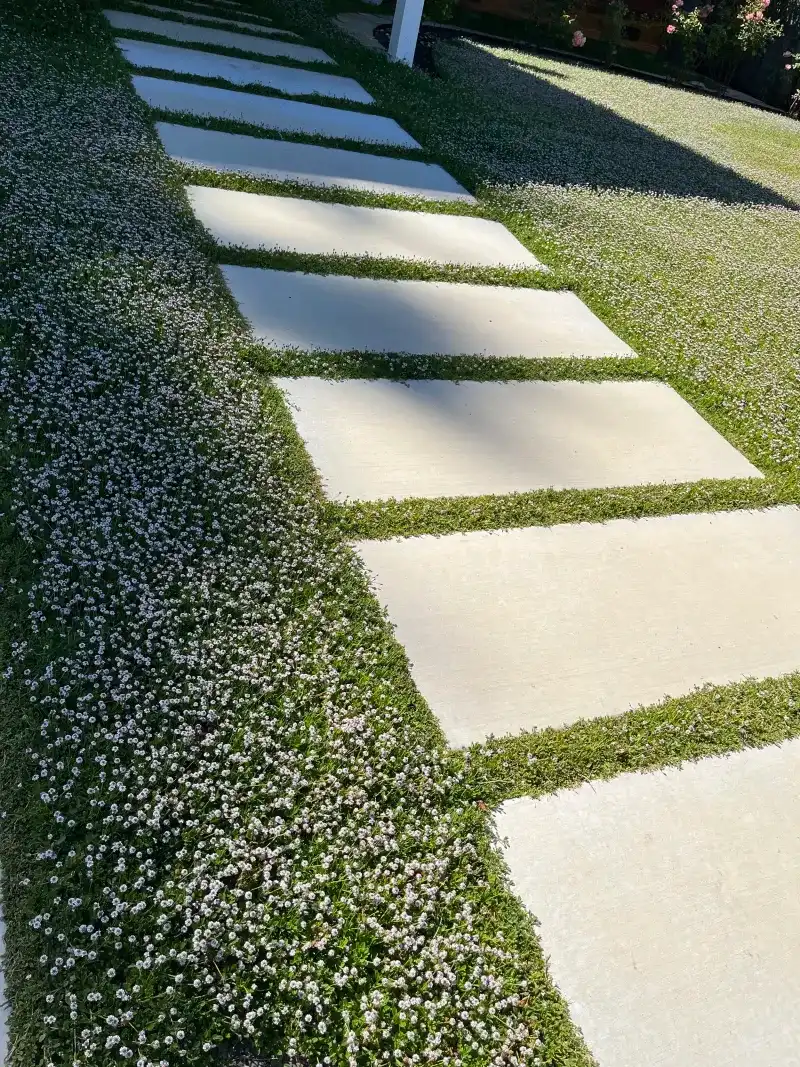
Few ground covers can handle foot traffic well, and Texas Frogfruit is not a lawn substitute for busy areas. That said, in spots where foot traffic is light and occasional, it can recover reasonably well from being stepped on now and then.
Gardeners who use it between stepping stones or along low-use garden paths sometimes find that it fills in those gaps nicely without falling apart under minimal pressure.
The key word here is light. Planting Texas Frogfruit in a spot where people or pets cross regularly is likely to result in a patchy, worn-looking mat that never gets a chance to fill in properly.
Choosing spots where foot traffic is more of an exception than a routine is a smarter approach.
Low-traffic paths along the side of a house, narrow beds between garden features, or naturalized areas where people rarely walk are all reasonable candidates.
In yards where traditional lawn grass struggles in shaded or dry spots, Texas Frogfruit can serve as a softer living alternative that adds some greenery and flower interest without demanding the same maintenance as turf.
Just keep in mind that it is not going to bounce back the way a tough turf grass might after heavy use.
Setting it up in a spot that matches its actual tolerance level is the most honest way to get good results and avoid disappointment down the road.
7. Occasional Mowing Can Keep Growth Lower
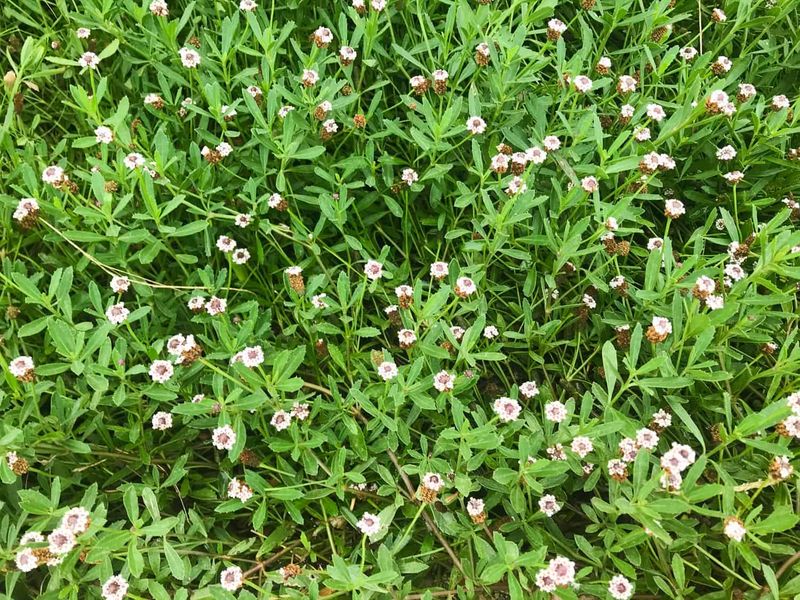
Texas Frogfruit naturally stays fairly low to the ground, but in spots where it gets plenty of moisture and good growing conditions, it can spread enthusiastically and mound up a bit more than some gardeners prefer.
Occasional mowing at a higher blade setting can help keep the growth tidy and encourage a denser, more even mat rather than a lumpy or uneven one.
Mowing is not required on any strict schedule, and many gardeners skip it entirely without any real problems.
But if the planting starts to look a little ragged or builds up more than you like, a light pass with the mower set at around three to four inches can refresh the appearance and stimulate new low growth.
Mowing too low or too frequently can stress the plants, so erring on the side of less is a reasonable approach.
In yards where Texas Frogfruit is being used as a lawn alternative or a naturalized ground cover in open beds, the occasional mow also helps manage any weedy competition that might be creeping in.
Keeping the canopy level and consistent makes it easier to spot and address unwanted plants before they get established.
Mowing once or twice during the growing season, when the planting looks like it needs a reset, is usually enough to keep things looking intentional and well cared for without putting unnecessary stress on the ground cover.
8. Young Plants Still Need Establishment Care
The phrase “asks nothing in return” is appealing, but it applies more accurately to established Texas Frogfruit than to brand-new transplants.
Young plants going into the ground for the first time need consistent moisture during their first few weeks, especially if they are planted during the warmer months when heat can stress roots that have not yet spread beyond the original root ball.
Watering young plants every two to three days during dry stretches in the first four to six weeks gives them the best chance of rooting in successfully.
Once you start to see new growth spreading outward, that is usually a sign that the roots are settling in and the plant is beginning to establish.
At that point, you can begin stretching the time between waterings gradually to encourage deeper rooting.
Mulching around young plants, but not directly on top of them, can help retain soil moisture and moderate soil temperature during that vulnerable early period. A thin layer of native mulch or shredded leaves works well.
Planting in fall or early spring, when temperatures are milder, gives young plants a gentler start compared to planting in the middle of summer.
Taking that extra care during the establishment phase is the most important investment you can make to ensure your Texas Frogfruit eventually becomes the low-maintenance, pollinator-friendly ground cover you are hoping for.