Why Pennsylvania Gardeners Are Ripping Out Their Boxwood And What They’re Planting Instead
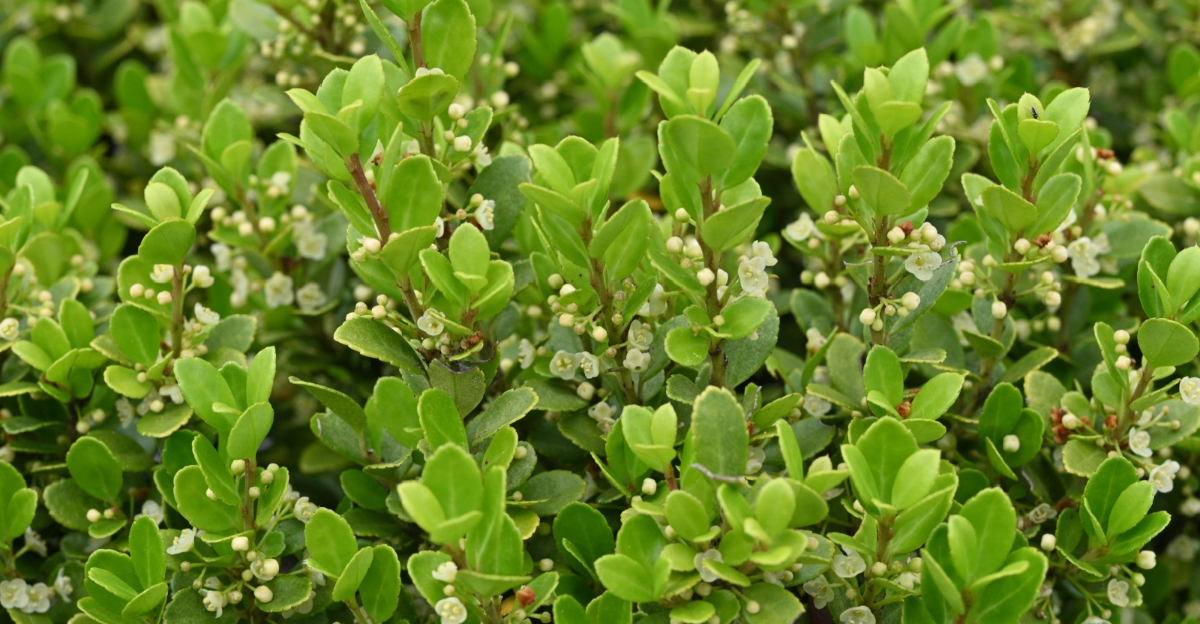
Boxwood has had an incredibly long run in Pennsylvania landscapes, and for a while it really did seem like the answer to everything. Foundation beds, formal hedges, entry gardens, you name it.
Neat, structured, reliable. The problem is that boxwood has developed a complicated reputation over the past several years, and a lot of Pennsylvania gardeners are starting to feel it.
Boxwood blight is a genuine concern, leafminer damage is frustratingly common, and keeping these shrubs looking sharp takes more consistent effort than most people signed up for.
When a shrub starts looking thin, patchy, and just generally worn out, it is a reasonable moment to ask whether something better might be available.
Spoiler: there is quite a bit better available. Native and low-maintenance alternatives can bring the same structure and year-round greenery without nearly as much stress.
1. Boxwood Blight Leaves Shrubs Thin And Patchy
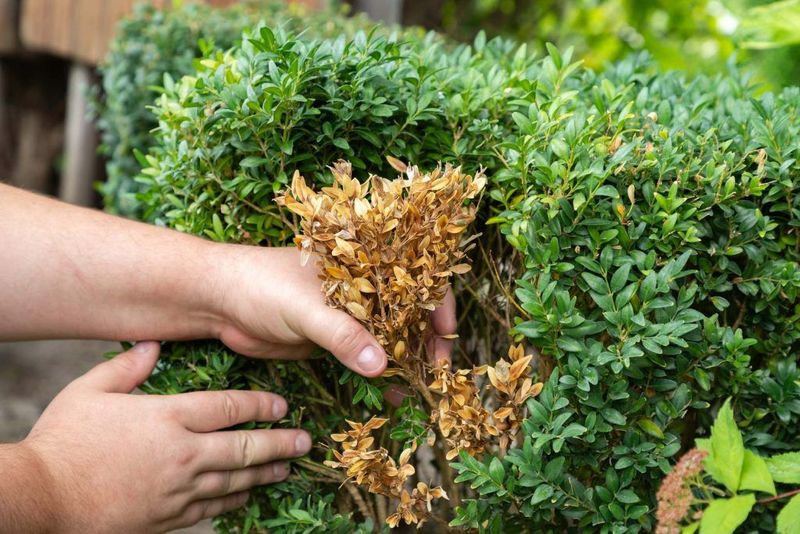
Formal foundation beds in Pennsylvania can go from tidy to troubled surprisingly fast when boxwood blight moves in.
The disease, caused by the fungal pathogen Calonectria pseudonaviculata, produces brown leaf spots, dark stem lesions, and rapid leaf drop that leaves plants looking sparse and uneven.
Once the foliage starts falling, the shrubs can take on a skeletal appearance that no amount of pruning seems to fix.
Pennsylvania’s warm, humid summers create conditions where the pathogen spreads easily, especially when plants are crowded close together or get wet foliage that stays damp for long stretches.
Spores can move through water splash, contaminated tools, or infected plant material brought into the garden.
Gardeners who notice brown patches spreading quickly through a hedge should take the problem seriously before it reaches neighboring plants.
Removing infected material, improving airflow around remaining shrubs, and sanitizing pruning tools are all steps that may help slow the spread.
However, once a planting is heavily affected, many Pennsylvania gardeners find that replacing the shrubs with a more resilient option makes more sense than continuing to manage a struggling hedge.
Choosing a replacement that does not share the same disease vulnerabilities can reduce future stress considerably and help the garden look fuller and healthier over time.
2. Leafminer Damage Makes Foliage Look Rough
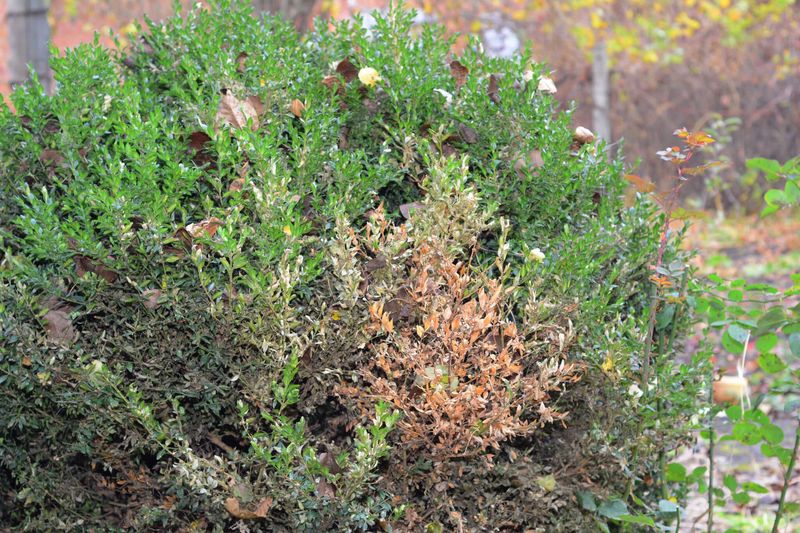
Tired evergreen hedges in Pennsylvania sometimes owe their rough, blistered appearance not to disease but to a small insect working from the inside out.
Boxwood leafminer, Monarthropalpus flavus, is one of the most common boxwood pests in the region, and its feeding activity can leave foliage looking discolored, puckered, and generally unappealing even on shrubs that are otherwise well-maintained.
The larvae feed between the upper and lower layers of the leaf, creating blister-like pockets that show up as yellow or tan patches on the surface.
Heavy infestations make the entire shrub look worn out, and the damage tends to build up year after year if the pest population goes unchecked.
In Pennsylvania, adult flies typically emerge in spring and lay eggs in new growth, starting the cycle again.
Gardeners dealing with repeated leafminer problems often find themselves applying treatments seasonally without ever fully resolving the issue.
Your Pennsylvania Garden Changes Every Week. Your Plan Should Too.
Gardening in Pennsylvania changes quickly throughout the season. Every Friday you’ll receive a simple weekly plan showing exactly what to plant, prune, fertilize, harvest, and protect so you never miss the right timing.
At some point, the effort and cost start to outweigh the reward, especially if the shrubs never fully recover their clean, even appearance.
For those who want low-maintenance evergreen structure without the ongoing leafminer battle, switching to a plant that leafminers do not target can be a genuinely refreshing change for both the gardener and the overall look of the landscape.
3. Crowded Hedges Can Hold Too Much Moisture
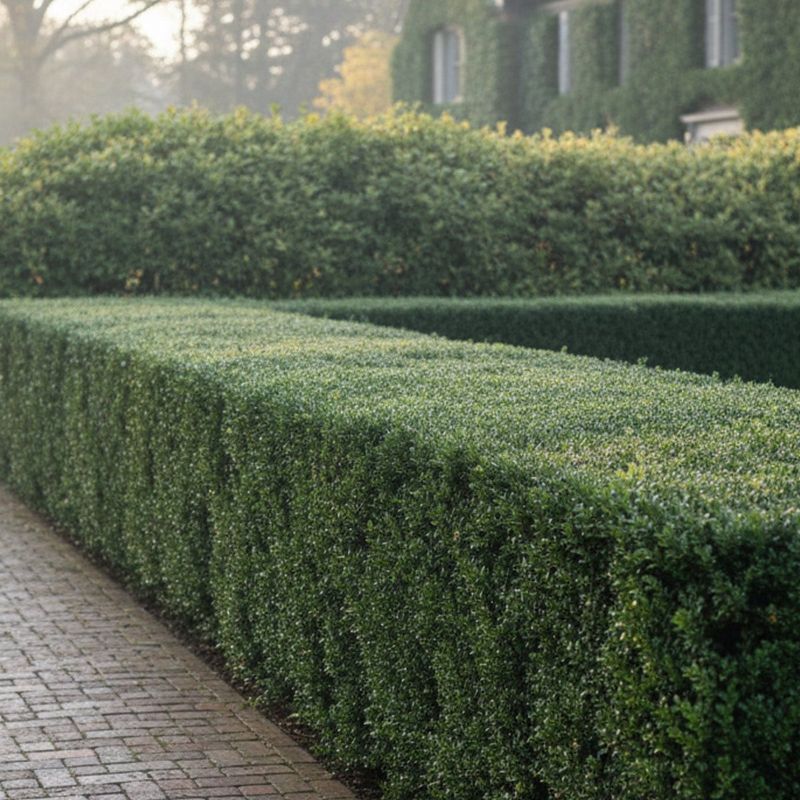
Pennsylvania summers bring plenty of humidity, and when boxwood shrubs are planted too close together or allowed to grow into a thick, dense mass, that moisture has nowhere to go.
The interior of an overgrown boxwood hedge can stay damp for hours after rain, creating conditions that encourage fungal problems and make it harder for the plant to stay healthy through the season.
Poor airflow inside a dense planting is one of those issues that tends to compound over time.
Gardeners who planted boxwood years ago at a smaller size sometimes find that the shrubs have grown together into a solid wall that looks impressive from the outside but is struggling on the inside.
Thinning the planting can help, but when shrubs have become deeply intertwined, it is not always easy to improve airflow without disrupting the entire hedge.
Moisture held inside crowded plantings can also contribute to root issues, especially in spots where drainage is already less than ideal. Pennsylvania gardens with clay-heavy soil or low-lying areas near the house are particularly prone to this kind of buildup.
Choosing replacement shrubs with a more open, airy growth habit can help break this cycle. Plants that allow air to move through them more freely tend to stay drier after rain and may face fewer moisture-related challenges over the long term.
4. High-Maintenance Shrubs Push Gardeners Toward Alternatives
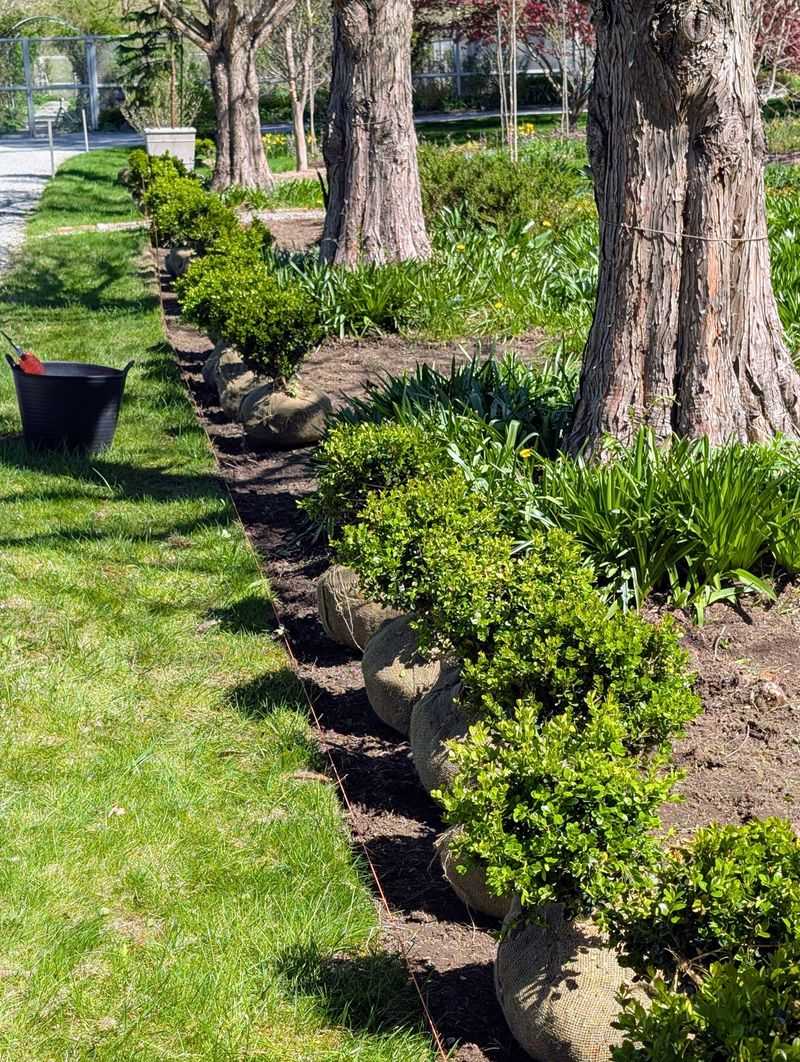
Keeping boxwood looking sharp takes consistent effort, and for many Pennsylvania homeowners, that effort has started to feel like more than the results are worth.
Regular shearing to maintain a clean shape, monitoring for pests and disease, treating problems when they arise, and replacing sections that have thinned out can add up to a significant investment of both time and money over the years.
Some gardeners are fine with that trade-off, especially when boxwood fits the formal style they are going for. But others reach a point where they would rather spend their weekends enjoying the garden instead of managing it.
When a shrub requires multiple treatments per season and still does not look its best, the appeal of a lower-maintenance alternative becomes hard to ignore.
The shift toward easier-care plants has been building in Pennsylvania landscapes for a while now, driven partly by a growing interest in native plants and partly by a practical desire to simplify yard work.
Replacement shrubs that need less frequent pruning, hold up better in Pennsylvania’s variable weather, and do not require seasonal pest treatments offer a genuinely different gardening experience.
The goal is not to abandon structure or evergreen interest but to find plants that provide those qualities with fewer demands on the gardener’s time and attention throughout the growing season.
5. Inkberry Holly Gives A Native Evergreen Look
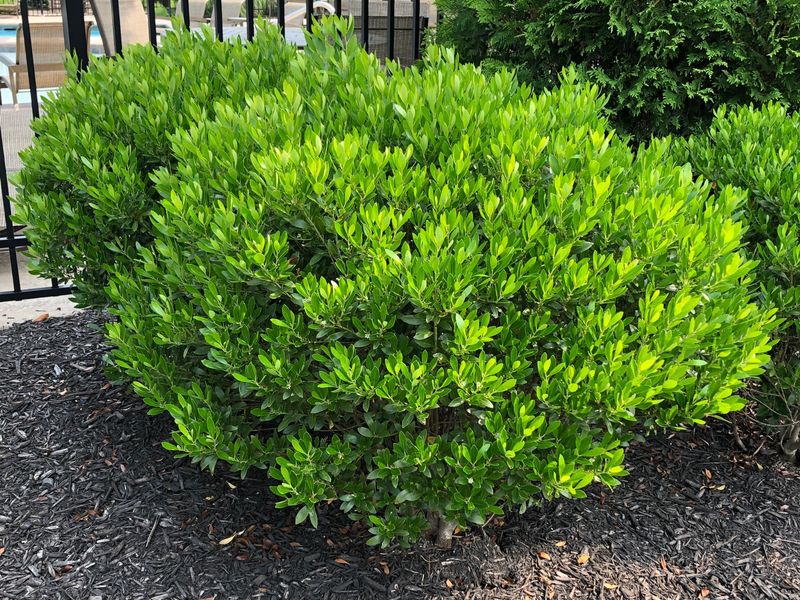
Among the native evergreen options gaining ground in Pennsylvania gardens, inkberry holly stands out for its clean, dark green foliage and its ability to fit into spots where boxwood once struggled.
Ilex glabra is native to the eastern United States, including parts of Pennsylvania, and it brings a naturally tidy look that works well in foundation beds, hedges, and mixed shrub borders without the disease pressures that follow boxwood around.
Inkberry tends to do best in moist to average soil and can handle part shade to full sun, making it adaptable to a range of common Pennsylvania planting situations.
Compact cultivars are available that stay smaller and denser than the straight species, which can spread more freely by suckering.
Choosing a named cultivar helps gardeners manage the size and shape more easily over time.
One of the more appealing qualities of inkberry is its value to wildlife. The small black berries that develop in late summer and fall are eaten by birds, adding an ecological benefit that boxwood simply does not offer.
The foliage stays evergreen through Pennsylvania winters, providing year-round structure in the landscape.
For gardeners looking for a native plant that delivers reliable evergreen presence without the upkeep demands of boxwood, inkberry holly is a practical and regionally appropriate choice worth considering.
6. Japanese Holly Offers A Boxwood-Like Shape
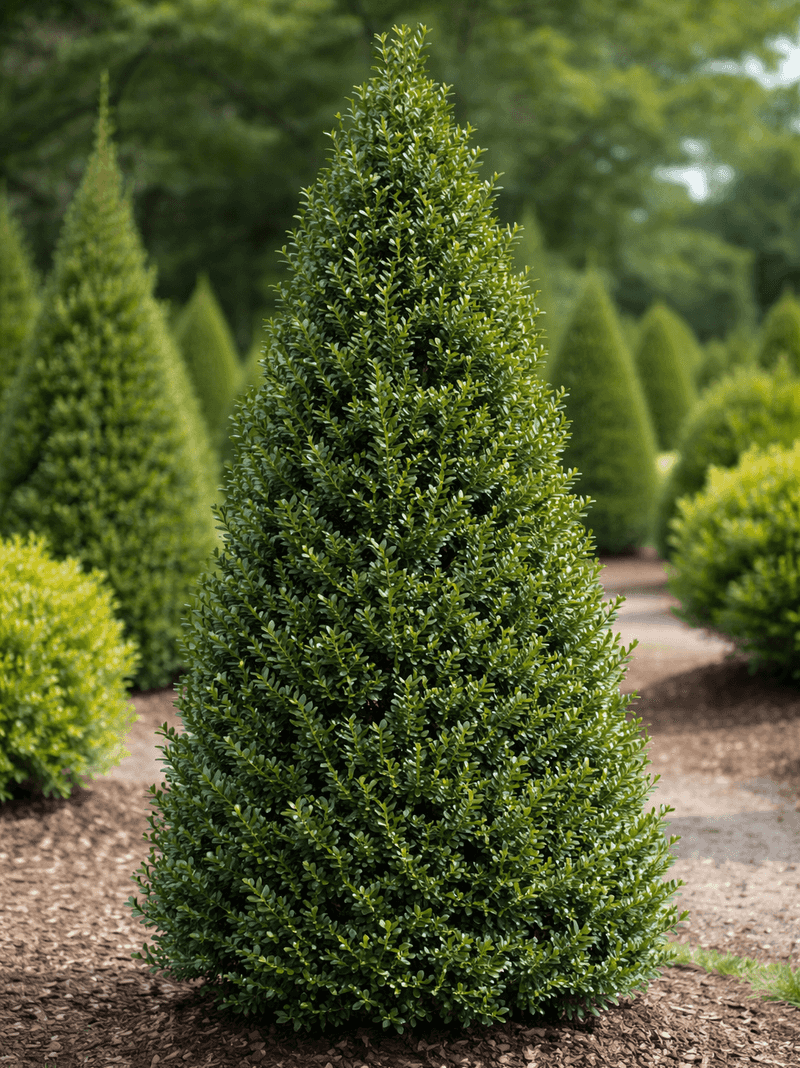
Gardeners who love the look of boxwood but want to step away from its disease and pest challenges often find Japanese holly to be a satisfying alternative.
Ilex crenata has small, dense, dark green leaves that create a very similar visual effect to boxwood when sheared, making it an easy fit in formal foundation beds, low hedges, and entry garden designs that rely on clean, structured lines.
Japanese holly generally shows stronger resistance to boxwood blight and is not a target for boxwood leafminer, which are two of the main reasons Pennsylvania gardeners have been adding it to their landscapes.
It grows well in full sun to part shade and prefers well-drained, slightly acidic soil, which is common across many Pennsylvania properties.
Compact varieties are widely available and stay at manageable sizes without requiring constant heavy pruning.
One thing worth knowing is that Japanese holly, while not native to North America, does not have the same invasive tendencies as some other introduced ornamentals. It tends to stay where it is planted and behaves predictably in the landscape.
The berries are small and black, similar to inkberry, though they are not considered a significant wildlife food source.
For Pennsylvania gardeners who want to preserve a formal, boxwood-inspired aesthetic without the maintenance headaches, Japanese holly is a reliable option that delivers consistent results across seasons.
7. Yew Brings Formal Structure In Shaded Spots
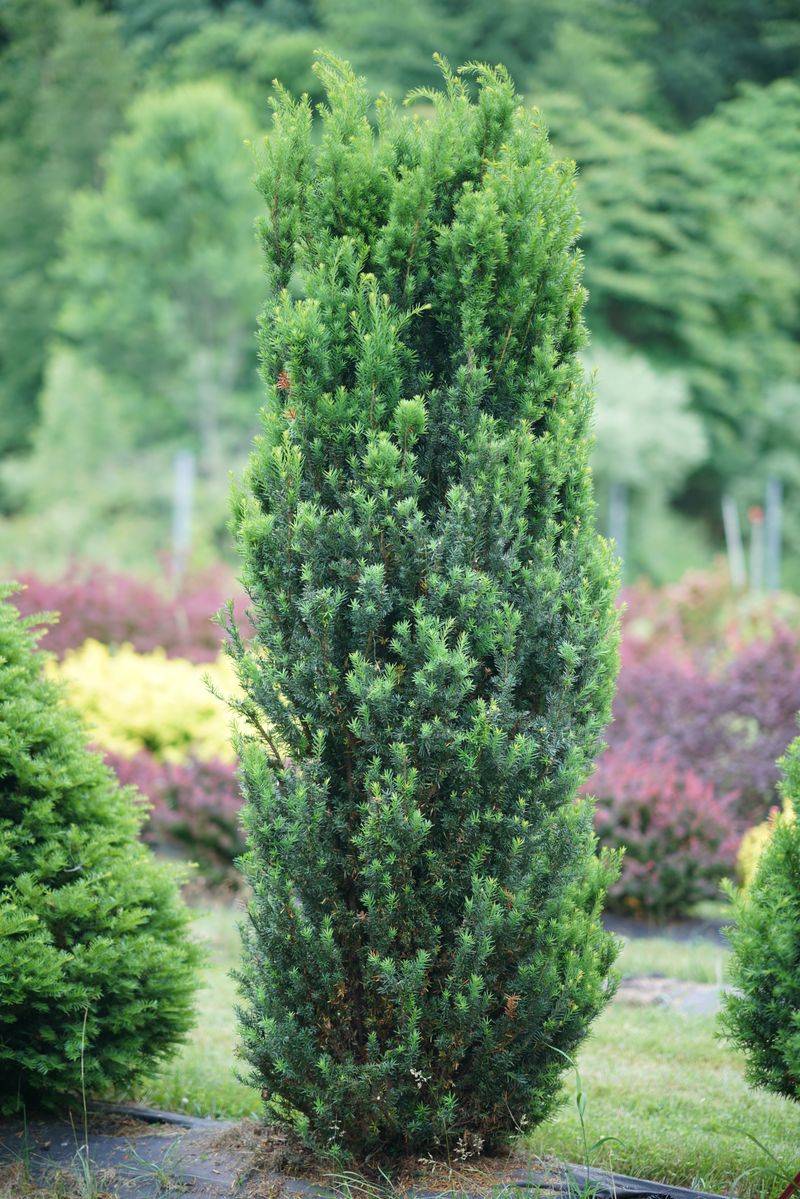
Shaded foundation beds and north-facing borders in Pennsylvania can be tricky spots to fill with evergreen structure, and yew has long been one of the more dependable options for exactly those conditions.
Taxus species, particularly Taxus x media cultivars, handle shade better than many other broadleaf or needled evergreens, and they respond well to shearing into formal shapes that echo the structured look of a boxwood hedge.
Yew foliage is a rich, deep green that stays consistent through Pennsylvania winters without bronzing or fading the way some evergreens do in cold, exposed spots.
The plants are slow to moderate growers depending on the cultivar, which means less frequent pruning to maintain a tidy shape.
Spreading types like Taxus x media ‘Densiformis’ work well as low hedges or foundation plantings where a compact form is preferred.
It is worth noting that all parts of yew are toxic to people and animals, so placement near areas where children or pets spend time should be considered carefully.
Yew has been a trusted landscape plant in Pennsylvania for generations, and its adaptability to shade, clean appearance, and ability to hold a clipped shape make it a genuinely practical alternative for formal evergreen structure.
It is particularly worth considering for lower-light areas of the yard where many other evergreen options struggle to perform consistently.
Matching the right cultivar to the available space helps avoid overcrowding down the road.
8. Northern Bayberry Adds A Looser Native Option
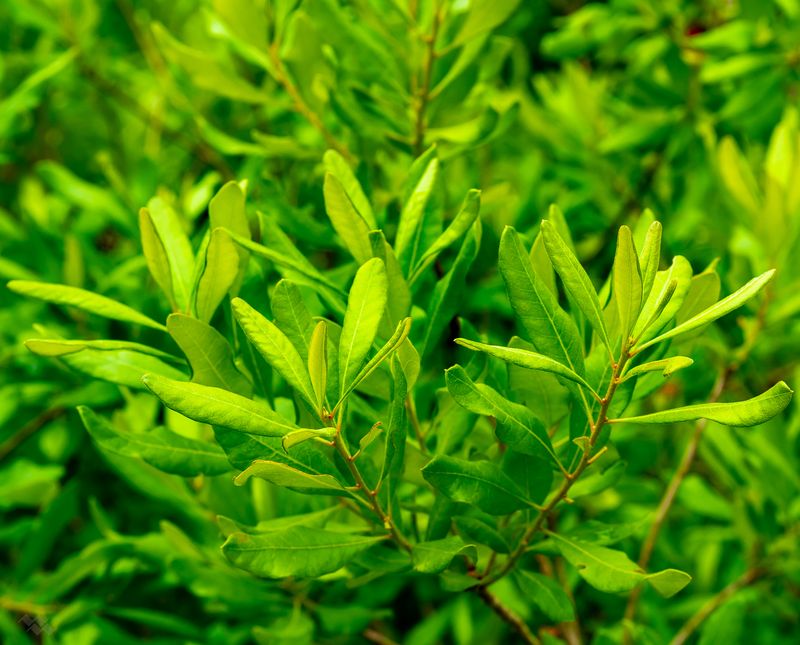
Not every Pennsylvania gardener wants a tightly clipped hedge, and for those who prefer a more relaxed, naturalistic look, northern bayberry offers something genuinely different from the structured alternatives.
Morella caroliniensis, sometimes listed as Myrica pensylvanica, is native to the eastern United States and has a long history in Pennsylvania landscapes, valued for its aromatic foliage, tolerance of tough conditions, and the waxy gray berries that develop on female plants.
Bayberry is notably adaptable. It handles dry, sandy, or poor soils that would challenge many other shrubs, and it also tolerates salt spray, making it useful in roadside plantings or areas near treated driveways and walkways.
It can grow in full sun to part shade and spreads slowly by suckering, which allows it to fill in a naturalistic border over time without becoming aggressive in most situations.
The berries on female plants are a food source for birds and have historically been used to make bayberry candles, which gives this shrub a small piece of American cultural history worth appreciating.
The foliage is semi-evergreen to deciduous depending on the winter, so it may not hold its leaves in the coldest parts of Pennsylvania.
For gardeners stepping away from the rigid demands of boxwood and looking for a native shrub with character, seasonal interest, and regional authenticity, northern bayberry brings a softer, more grounded presence to the landscape.