Pennsylvania Native Perennials To Divide Carefully In Late July Before Fall
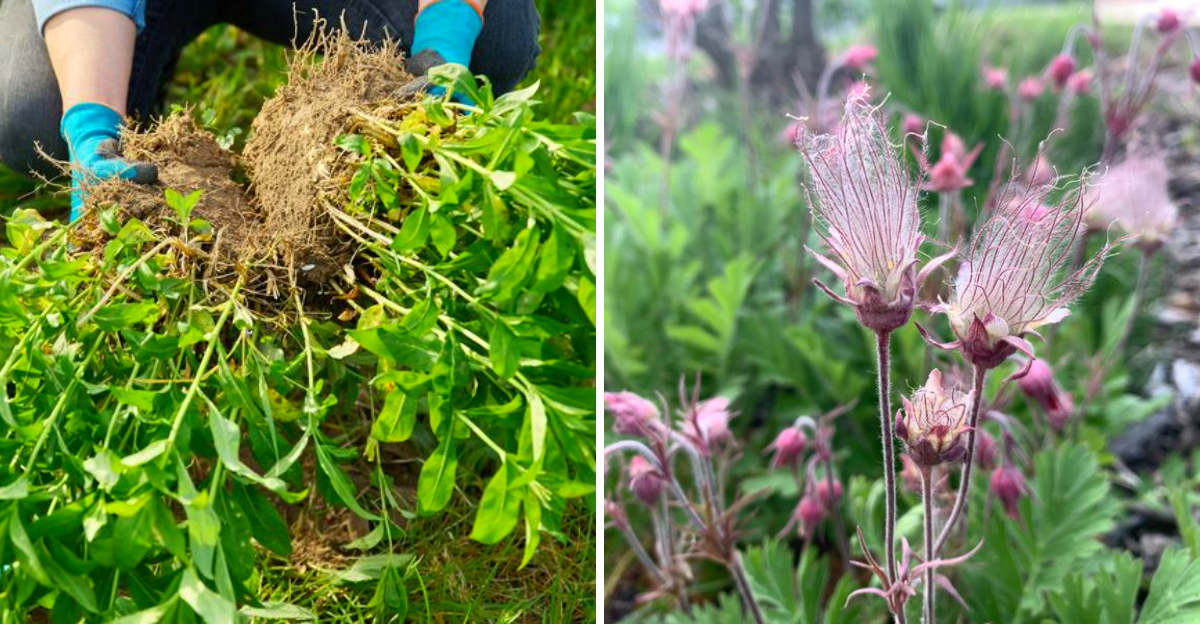
Late July is not exactly the moment most Pennsylvania gardeners look at their perennial beds and think, great time to start digging things up.
The heat is real, the humidity is doing its thing, and the occasional dry stretch rolling through summer does not exactly make transplanting feel like a smart idea.
For most perennials, that instinct to leave things alone is actually correct. But a small handful of native perennials can handle a careful division during this window, and knowing which ones fall into that category can open up some useful flexibility in the garden.
Timing matters, watering afterward matters even more, and understanding which plants need a cooler stretch before being moved can save a lot of unnecessary stress on both sides of the shovel.
Not all July divisions are a bad idea. Just most of them.
1. Garden Phlox Can Be Divided After Blooming
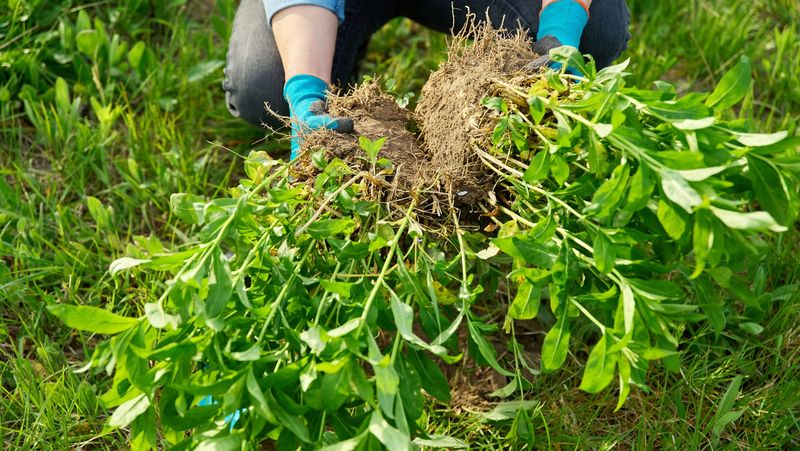
Garden phlox is one of the Pennsylvania native perennials worth considering for division once its main bloom period has passed. In many home gardens, the clump will tell you when it is getting crowded.
Stems may be packed tightly, the center may look thinner, or nearby plants may start losing space. Late July is still warm in much of Pennsylvania, so this is not a plant I would lift during a dry, hot stretch.
Wait for a cooler, cloudy spell if possible, and water the clump well the day before. A sharp spade or garden fork makes the job easier because mature phlox roots can be dense.
Keep each division generous, with several healthy shoots and a good root section, then replant quickly at the same depth. Trim off tired flower heads or overly floppy stems before replanting so the division can focus more energy on settling into the soil.
If powdery mildew has been an issue, use division as a chance to improve spacing and airflow around the clump.
Garden phlox often grows in sunny perennial beds, pollinator borders, and cottage-style plantings where summer soil can dry faster than expected.
After division, steady watering matters more than extra fertilizer. A light mulch layer can help the soil stay more even while the new sections settle.
If the plant is still blooming strongly and has plenty of room, it may be better to enjoy the flowers now and save division for a cooler window.
2. Wild Geranium Handles Late-Season Division
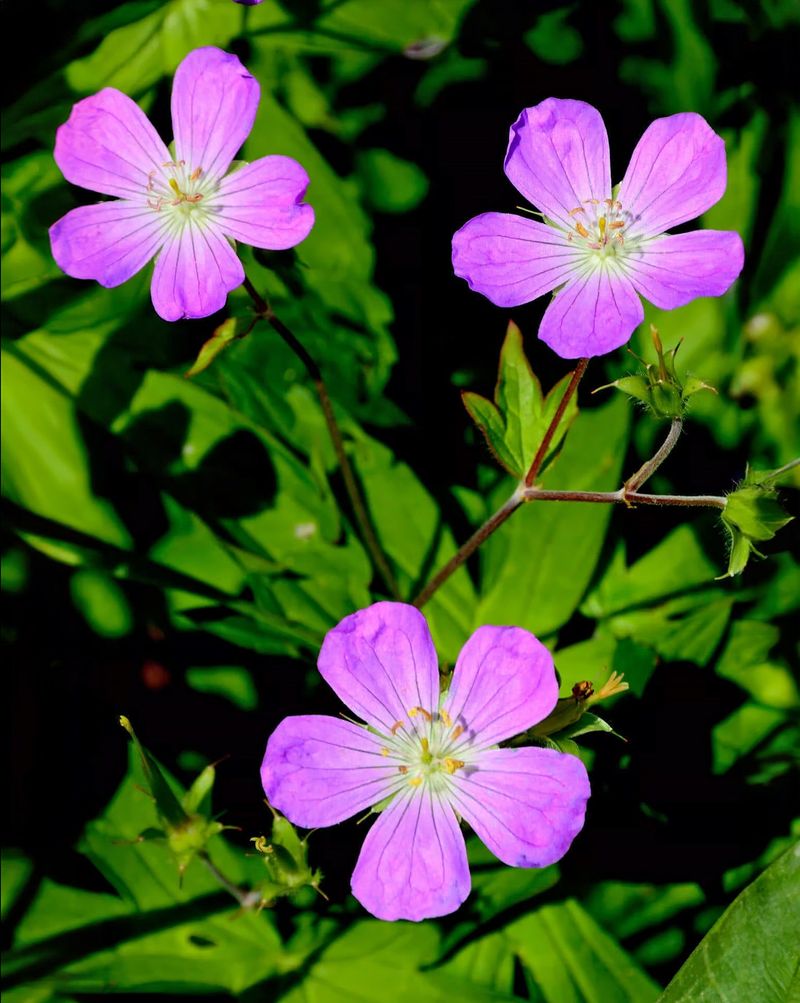
Wild geranium is a good native perennial for Pennsylvania shade gardens, woodland edges, and soft, natural-looking borders. By late July, its spring flowers are usually finished, which makes it easier to look at the clump and decide whether division is worth doing.
This plant does not need constant attention, so I would divide it only when it has spread beyond its space, when you want to move a piece to another shaded bed, or when an older clump looks less full in the middle.
The best late-July divisions happen when the soil is moist and the weather is not harsh.
Lift the plant gently, keeping a decent amount of root attached to each piece. Small, weak scraps are slower to settle than sturdy divisions with several crowns.
Your Pennsylvania Garden Changes Every Week. Your Plan Should Too.
Gardening in Pennsylvania changes quickly throughout the season. Every Friday you’ll receive a simple weekly plan showing exactly what to plant, prune, fertilize, harvest, and protect so you never miss the right timing.
If the foliage looks tired, you can trim it lightly after division so the plant is easier to handle and loses less moisture. A thin layer of leaf mold or shredded leaves can help the new divisions feel more at home in a woodland-style bed.
Replant them at the same depth, water well, and protect the area from drying out while roots adjust.
In Pennsylvania gardens with trees overhead, wild geranium often benefits from leaf litter, filtered light, and soil that does not swing wildly between wet and dry.
If the planting is under heavy root competition from mature trees, follow-up watering becomes especially important. A modest division can refresh a patch without making the garden look bare.
3. Goldenrod Clumps Can Be Thinned Before Fall
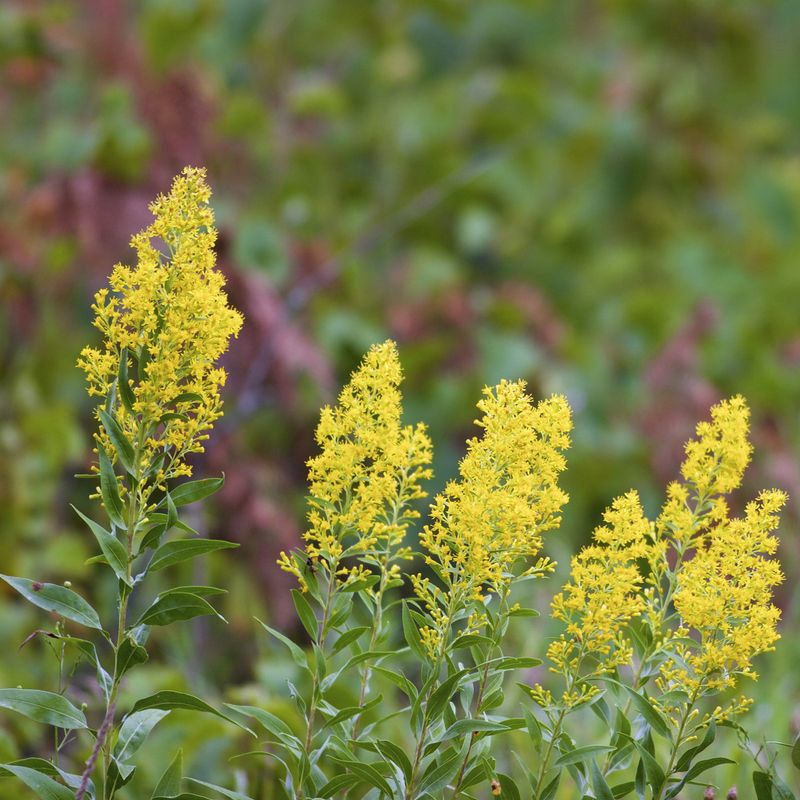
Goldenrod is worth dividing when it has become too wide for its spot, but late July calls for a light hand.
Many Pennsylvania native goldenrods are preparing for late-summer and fall bloom by this point, so lifting an entire clump can interrupt the show that pollinators rely on later in the season.
If a clump is pressing into a path, crowding smaller perennials, or spreading beyond the plan for the bed, remove only what you need. A careful edge division is often better than digging the whole plant.
Water first, choose a cooler day, and replant divisions where they have enough sun and room to grow. If the stems are already tall, shorten the moved piece slightly so it is easier to handle and less likely to lean after planting.
Give the remaining clump a clean edge so it still looks intentional instead of ragged along the border. Goldenrod can be especially useful in Pennsylvania pollinator gardens because it brings late color when many earlier flowers have faded.
That value is one reason not to treat it as just a plant to control. The goal is balance.
Keep the patch sized for the garden, but leave enough growth to provide fall texture and nectar. After replanting, water at the soil level and mulch lightly if the bed dries quickly.
If the weather is hot or the plant is already forming buds, marking the clump now and dividing later may be the smarter move.
4. Sneezeweed Division Needs Cooler Weather
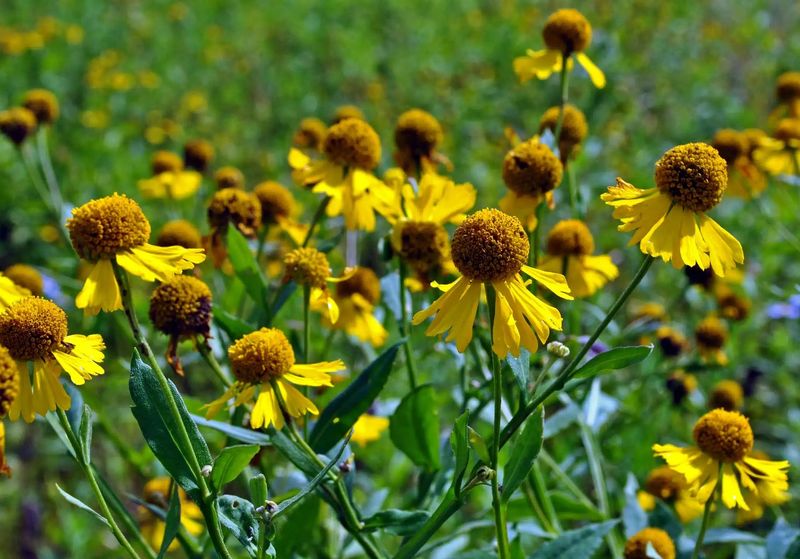
Sneezeweed is a Pennsylvania native perennial that needs thoughtful timing because its main bloom season is close to late summer. In many gardens, late July is when the plant is sizing up, setting buds, or getting ready to bring bright color to moist sunny borders.
That makes division possible only under the right conditions, not something to rush. If the clump is too large, leaning into nearby plants, or sitting in a spot that no longer works, late July can be a time to evaluate it.
I would wait for cooler weather and moist soil before lifting any portion. Sneezeweed often prefers consistently moist ground, so dry, exposed soil can make division harder on the plant.
Take a generous piece with healthy roots, replant it quickly, and water deeply. Avoid slicing the clump into tiny sections just to make more plants.
In Pennsylvania yards, sneezeweed can be especially useful near rain garden edges, damp borders, and sunny spots that do not dry out too sharply. If the plant is about to bloom, consider waiting until the flowers have passed.
Sometimes the best late-July action is not digging right away, but making a note of which clumps need attention when the weather is gentler.
5. Spiderwort Can Be Split After Flowering
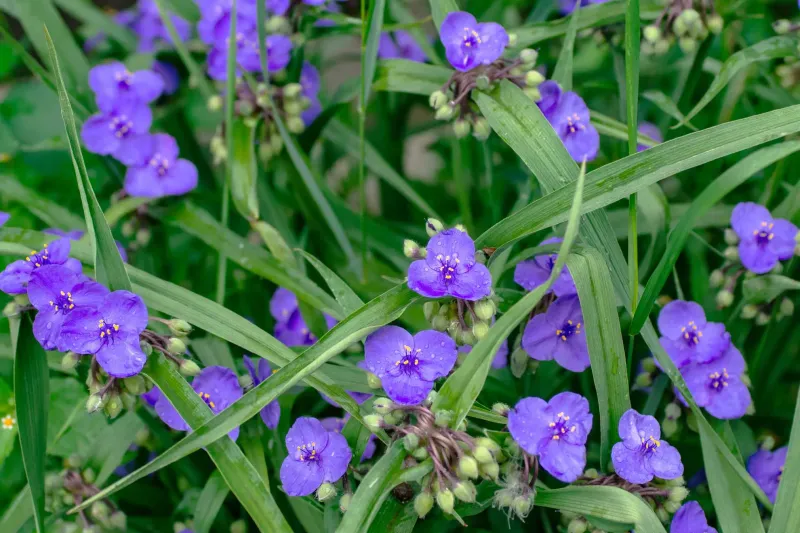
Spiderwort can look a little loose by late July, which is one reason gardeners start thinking about dividing it. After its earlier flowers have finished, the foliage may lean, soften, or lose the fresh shape it had in spring.
That does not mean the plant has lost its value. In Pennsylvania native beds, spiderwort still works well as a casual, easygoing perennial for sunny to lightly shaded borders.
Division makes sense when a clump has spread too far, when it is crowding neighboring plants, or when you want to move part of it to another area. Water the clump first so the roots are easier to lift, then cut back any floppy top growth if it gets in the way.
Keep divisions large enough to replant as sturdy pieces, not tiny fragments. If the clump has mixed fresh shoots and older floppy growth, save the strongest pieces and compost the weakest sections.
This is also a good time to move spiderwort away from plants that need a tidier, more formal look. A spot with morning sun and some relief from the hottest afternoon exposure can help new divisions settle during late summer.
Spiderwort fits best in informal plantings where a relaxed shape is welcome, so division should improve the bed without forcing the plant into a rigid look. After replanting, keep the soil lightly moist while roots settle.
If the garden is dry or the weather is intense, wait for a better window.
6. Swamp Rose Mallow Needs Careful Timing
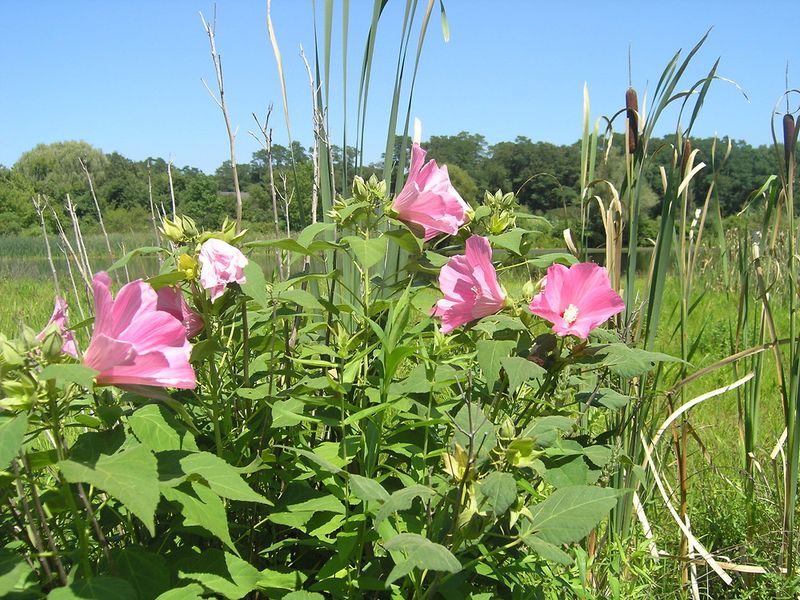
Swamp rose mallow is a bold Pennsylvania native perennial, but it is not one to divide casually in late July. This plant often grows large, with strong stems and showy summer flowers, and it usually performs best when it has space, moisture, and time to develop.
In Pennsylvania gardens, it fits moist sunny borders, rain garden edges, pond margins, and low spots that hold more moisture than a typical flower bed.
If the clump has become too large or needs to move because the site no longer works, late July is better used for planning unless the weather is mild and the soil is reliably moist.
When division is truly needed, keep the pieces generous and replant them quickly. Do not let the roots sit exposed in the sun while you adjust the bed.
This is a plant that rewards patience more than frequent dividing. If it is blooming well and has room, leaving it alone is usually the better choice.
For Pennsylvania gardeners, the most important question is not “Can I divide it?” but “Does it need division right now?” A mature swamp rose mallow can be a major feature in the garden, so any division should be done carefully and with follow-up watering.
7. Prairie Smoke Works Best In The Right Site
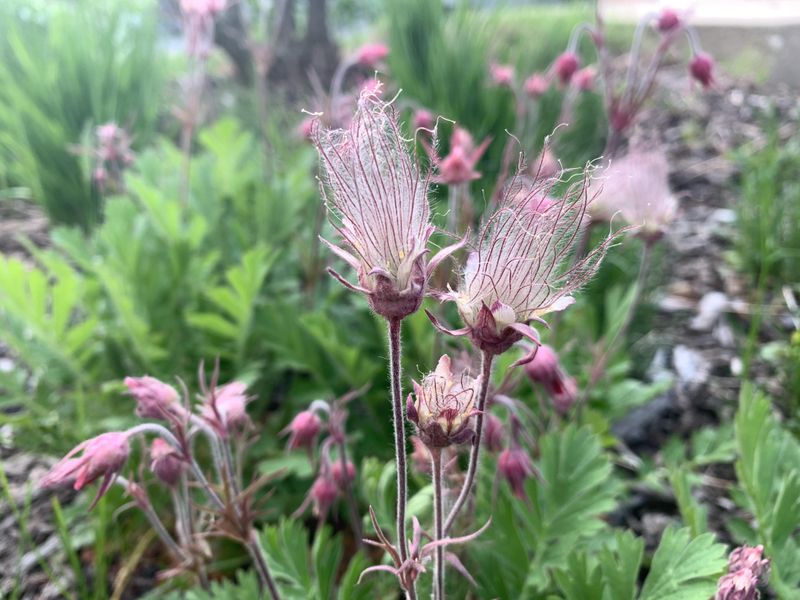
Prairie smoke needs a careful note in a Pennsylvania-focused article because it is more of a specialty dry-site perennial than a standard backyard native for every region of the state.
Gardeners may grow it successfully in lean, sunny, well-drained beds, rock gardens, or meadow-style plantings, but it is not the right fit for damp shade, rich wet soil, or crowded borders.
If prairie smoke is already established in a Pennsylvania garden and has formed a healthy clump, late July can be a time to consider whether it needs space or renewal.
The plant’s airy seed heads and low growth habit make it easy to overlook once taller summer perennials take over, so check that neighboring plants are not shading it too heavily.
If division is needed, lift carefully and keep the crown intact. Replant at the same depth in a sunny, open spot with sharp drainage.
This is not a plant to divide into many tiny pieces, especially during hot weather. If the clump is small, newly planted, or struggling with competition, it is better to leave it in place and improve the site around it.
In Pennsylvania yards, prairie smoke works best for gardeners who can offer the dry, open conditions it prefers.
8. Native Grasses Are Usually Safer In Spring
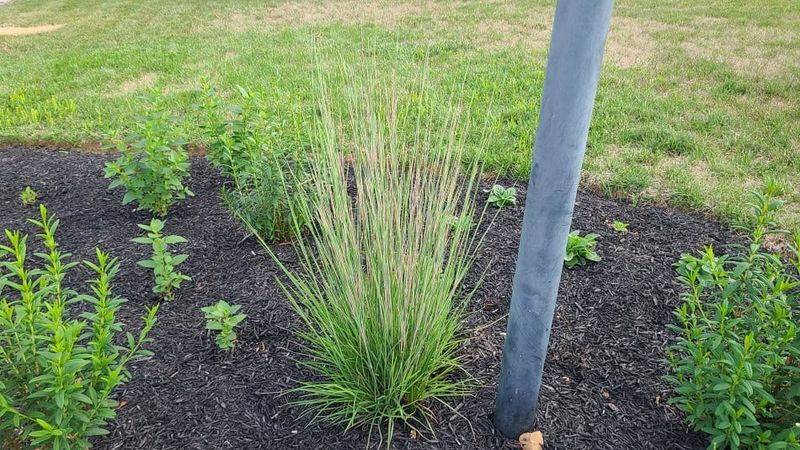
Native ornamental grasses are often worth waiting on, even when they look large by late July. In Pennsylvania gardens, grasses such as little bluestem, switchgrass, and other native meadow-style grasses are usually building their best structure during late summer.
Their upright form, movement, and seed heads can carry a planting into fall, so cutting into the clump too early can take away some of their seasonal value.
Division may be needed when the center becomes thin, when the plant has outgrown its space, or when a clump is leaning into a path or neighboring bed.
Still, late July is often better for marking the problem than fixing it immediately. A simple garden marker or photo can help you remember which clumps need attention once the timing improves.
This also lets you enjoy the grasses through their late-season color and texture before making changes. If a division truly cannot wait, choose a cooler stretch, water deeply beforehand, and keep each division large.
Dense grass roots can be tough, so use a sharp spade and work carefully. Replant quickly, firm the soil around the roots, and keep the area evenly moist while the division settles.
For most Pennsylvania home gardeners, spring is often the easier time to divide warm-season native grasses. Late July is best used to observe which clumps need attention and plan the move for a more forgiving window.