What It Really Means When Fireflies Stop Appearing In Your Pennsylvania Yard
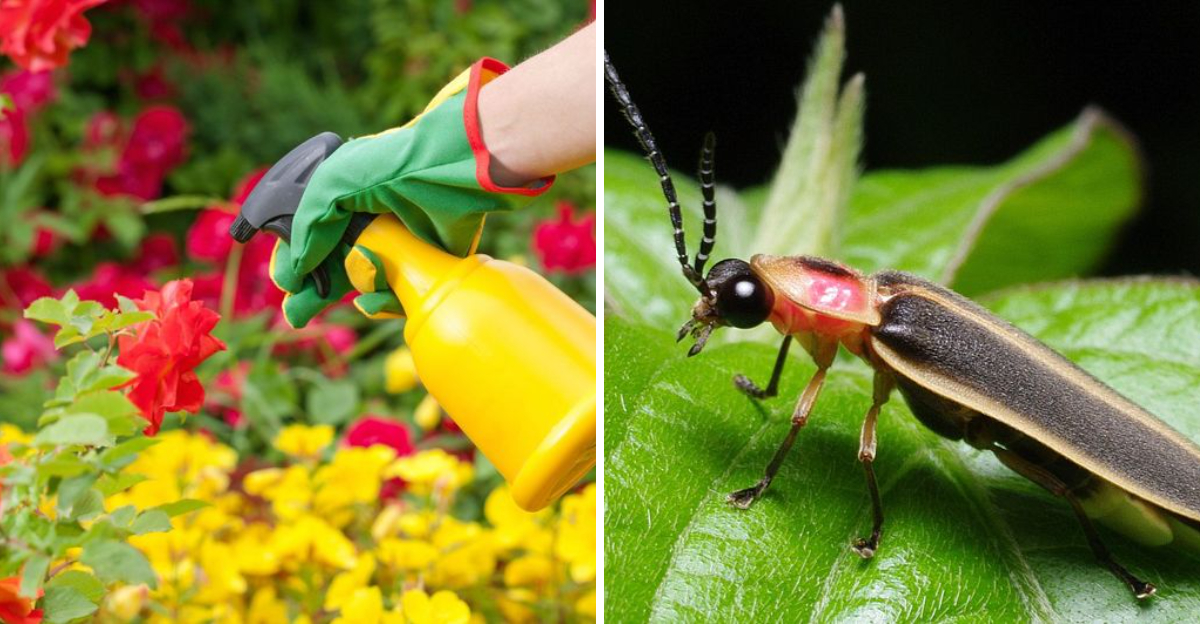
Fireflies disappearing from a Pennsylvania yard is the kind of change that happens gradually enough that most people do not notice right away.
One summer there seem to be fewer than the year before, and then a few summers later the yard is almost entirely dark after dusk where it used to flicker consistently.
By the time it registers as an actual absence, the shift has usually been building for a while. Fireflies are sensitive indicators of the health and habitat quality of an outdoor space, and when they stop showing up, the yard is typically sending a signal that something in the environment has changed.
Understanding what that signal means requires looking at the yard in a way most homeowners never think to, as a habitat with specific conditions that either support firefly populations or quietly work against them.
What their disappearance is telling you is almost always specific, and in most cases it points toward changes that are genuinely within a homeowner’s ability to reverse.
1. Loss Of Moisture And Damp Habitat
Picture this: you are watering your lawn less because of a dry summer, or you have been over-mulching your garden beds to keep weeds away. Sounds harmless, right?
But for fireflies, that shift in moisture can quietly wipe out an entire generation before it ever gets a chance to glow.
Firefly larvae live underground and under decaying logs and wet leaf litter. They spend most of their lives in these moist, dark spaces, sometimes for one to two full years before becoming the blinking adults we love to watch.
Without damp soil, their underground home becomes uninhabitable, and the larvae simply cannot survive long enough to emerge.
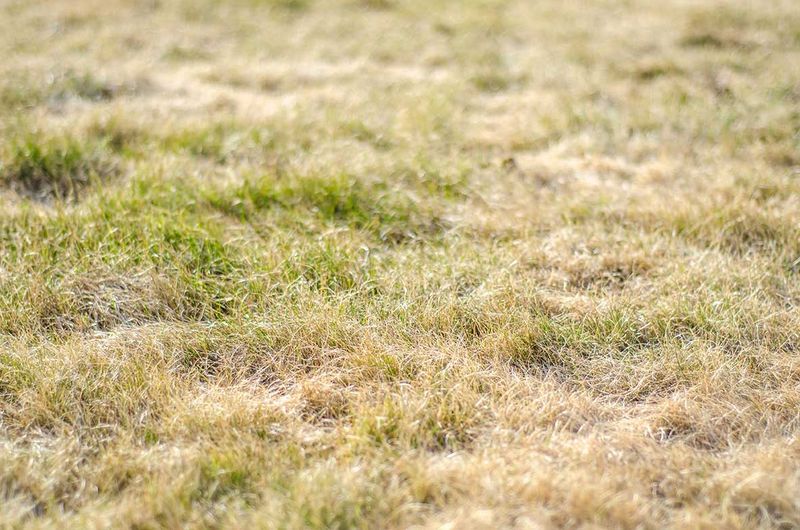
Pennsylvania summers can bring real dry spells, and that is when yards suffer the most. Poor irrigation habits, compacted soil that does not hold water well, and the removal of natural ground cover all reduce moisture levels faster than most people realize.
Even a yard that looks green on the surface can be bone dry just a few inches down. Want to help? Start by leaving some areas of your yard a little wild.
Let leaf litter build up in corners and along fence lines. If you can, add a small water feature like a shallow dish or a garden pond.
Reduce your mulch depth so it does not dry out the soil beneath it. These small changes create the moist, shaded microhabitats that firefly larvae absolutely need to thrive and grow into the glowing adults you miss seeing on summer nights.
2. Too Much Lawn And Too Little Natural Groundcover

A thick, perfectly trimmed lawn might look great for a backyard barbecue, but to a firefly, it looks like a desert. Fireflies are woodland-edge creatures.
They love the messy, layered spaces where tall grass meets wildflowers, where logs are left to rot, and where nature is allowed to just be itself for a while.
When a yard is nothing but short-cut turf, fireflies have nowhere to rest during the day. They need tall grasses and dense plants to cling to while they wait for dusk.
Your Pennsylvania Garden Changes Every Week. Your Plan Should Too.
Gardening in Pennsylvania changes quickly throughout the season. Every Friday you’ll receive a simple weekly plan showing exactly what to plant, prune, fertilize, harvest, and protect so you never miss the right timing.
Without that cover, they are exposed to predators, heat, and stress. Adult fireflies also need natural debris on the ground for resting and laying eggs, and a sterile lawn gives them absolutely nothing to work with.
Studies have shown that firefly populations are much higher along the edges of meadows, woodlands, and naturalized garden areas compared to manicured suburban lawns.
Pennsylvania has plenty of beautiful wild edges, but when yards are stripped of that character, local firefly populations shrink fast.
The fix is easier than you might think. Try letting a section of your yard grow a little taller between mowings.
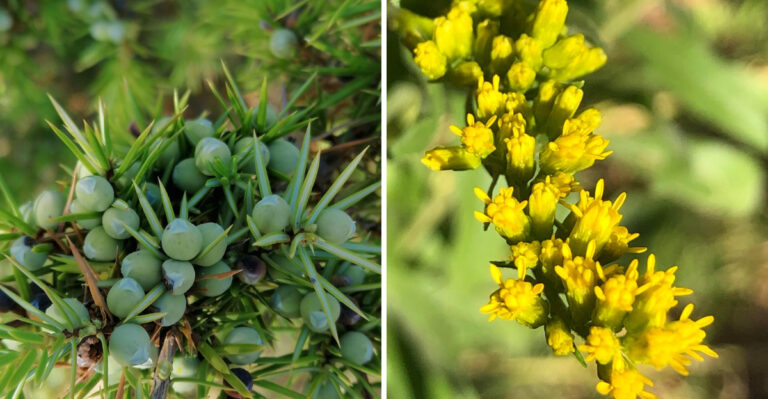
Plant native wildflowers like black-eyed Susans or goldenrod along borders. Leave a small brush pile in a back corner.
Add a garden bed with layers of plants at different heights. You do not have to turn your whole yard into a forest, but giving fireflies even one small wild zone can make a real difference in how many you see blinking on those warm July evenings.
3. Artificial Light Pollution

Fireflies are basically nature’s tiny Morse code machines. Each species has its own unique flash pattern, and males and females use those signals to find each other in the dark.
It is one of the most fascinating communication systems in the insect world. But all of that breaks down when too much artificial light floods the night.
Bright yard lights, LED landscape fixtures, floodlights, and even nearby streetlights can overwhelm the natural darkness that fireflies depend on. When the background is too bright, a firefly’s flash simply gets lost in the noise.
Males cannot find females, mating does not happen, and the next generation never gets started. The fireflies may still be in your area, but you would never know it because their signals are invisible against the glare.
Light pollution is one of the fastest-growing threats to firefly populations across the United States, and Pennsylvania suburbs are no exception. More homes, more lights, and brighter outdoor fixtures all add up over time.
Even a single bright motion-sensor light aimed at your garden can create enough interference to disrupt firefly behavior nearby.
Fortunately, this is one of the easier problems to fix. Switch outdoor lights to warm amber bulbs instead of cool white LEDs, since amber light is less disruptive to insects.
Use motion-sensor settings so lights are only on when needed. Turn off decorative landscape lighting during peak firefly season, which in Pennsylvania typically runs from late May through July.
Even small reductions in nighttime brightness can give fireflies the dark canvas they need to flash, find mates, and thrive in your yard again.
4. Heavy Pesticide Or Insecticide Use

Most people reach for the pesticide sprayer without a second thought when mosquitoes start buzzing or grubs show up in the lawn. It makes total sense.
Nobody wants itchy bites or a patchy yard. But those chemicals rarely stay where you aim them, and fireflies often end up as unintended victims of treatments meant for other bugs.
Firefly larvae live in the soil and hunt small invertebrates like snails and earthworms. When broad-spectrum insecticides soak into the ground, they do not just target the pest species.
They spread through the soil and can reach larvae that are quietly developing underground. Granular lawn treatments, liquid insecticides, and especially aerial mosquito sprays can all reduce firefly larval populations without anyone ever realizing it happened.
Mosquito control services are especially worth thinking about carefully. Many spray programs use pyrethroids, which are highly effective against flying insects but also toxic to a wide range of beneficial bugs, including fireflies.
If your neighborhood has regular mosquito treatments and your firefly numbers have dropped, there may be a connection worth exploring.
Cutting back on pesticide use does not mean letting your yard get overrun. Start by using targeted treatments instead of broad sprays.
Try biological controls like Bt (Bacillus thuringiensis) for specific pests. Avoid spraying at dusk when fireflies are most active.
Create pesticide-free buffer zones near garden edges and wooded areas where fireflies tend to live. Ask your mosquito control provider about firefly-friendly options.
Small changes in how and when you spray can go a long way toward protecting the firefly population that calls your yard home.
5. Decline In Prey And Soil Invertebrates
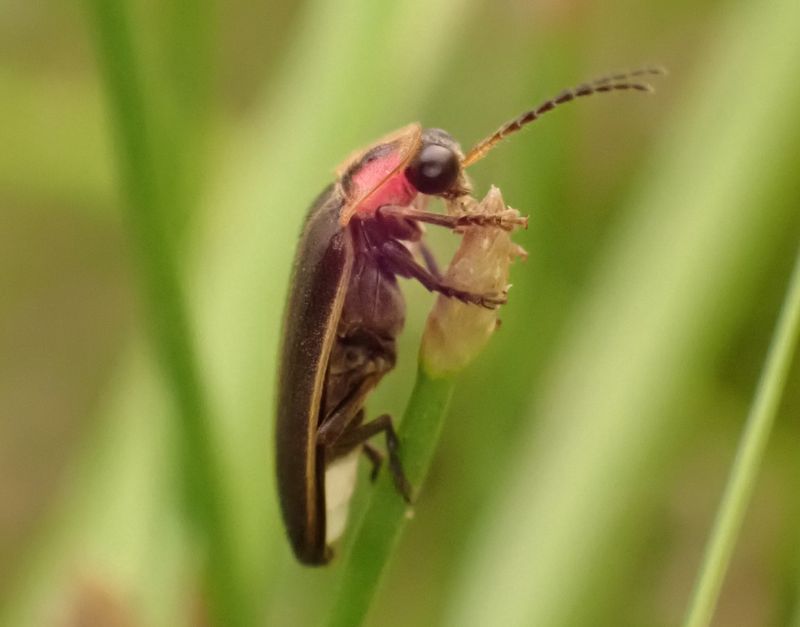
Here is something most people never think about: firefly larvae are actually predators. Long before they ever glow in your backyard, they spend their early lives underground, hunting down earthworms, snails, slugs, and other small soil creatures.
Without that food source, larvae cannot grow strong enough to reach adulthood. Healthy soil is full of life. Earthworms tunnel through it, beetles move through leaf litter, and tiny invertebrates break down organic material.
All of that underground activity creates a thriving food web that firefly larvae tap into. But when soil health declines, that entire web starts to collapse.
Compacted soil, low organic matter, heavy chemical use, and frequent tilling all reduce the number and variety of soil creatures available as prey.
Pennsylvania soils can vary a lot depending on land use. Yards that have been heavily fertilized, sprayed, or compacted by foot traffic and machinery often have far fewer soil invertebrates than yards with rich, undisturbed earth.
It is not always obvious from the surface, but the difference underground can be dramatic. Building better soil is one of the best long-term investments you can make for fireflies. Add compost regularly to improve organic matter.
Avoid synthetic fertilizers that can disrupt soil biology. Reduce tilling so you do not disturb the underground ecosystem.
Plant deep-rooted native plants that loosen soil naturally over time. Let fallen leaves decompose where they land instead of bagging them up.
Healthy soil means more worms, more snails, more slugs, and ultimately more firefly larvae that can survive long enough to light up your summer nights.
6. Habitat Fragmentation And Development
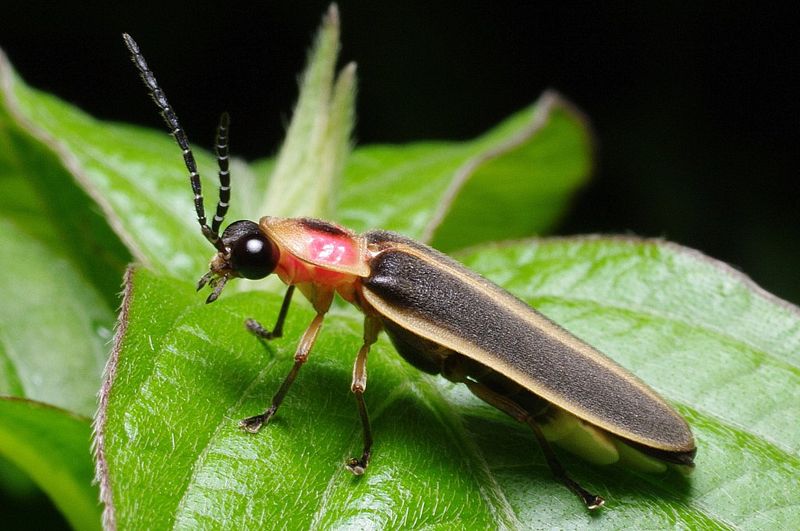
Fireflies are picky about where they set up their lives. They thrive in the layered, connected spaces where woodlands meet open meadows, where there is both shade and open sky, both wet soil and dry edges.
When development removes those transition zones, fireflies lose the specific mix of conditions they need, and they do not easily move into heavily altered suburban spaces.
Pennsylvania has seen a lot of growth over the past few decades. Forests have been cleared, wetlands filled in, and natural edges replaced with concrete driveways, gravel paths, and synthetic turf.
Each of those changes chips away at the patchwork of habitats that fireflies depend on. Unlike some insects that adapt quickly to human environments, fireflies are slow to colonize new areas and tend to stick close to where they were born.
Habitat fragmentation also isolates firefly populations from each other. When a patch of woods is cut off from another patch by roads, parking lots, or miles of manicured lawn, fireflies in one area cannot recolonize another if their local numbers drop.
Over time, small isolated populations can simply fade away without anyone noticing until the lights are already gone.
You can make a difference right in your own yard. Plant native trees and shrubs along property edges to recreate woodland borders.
Replace gravel or concrete in low-use areas with native ground cover plants. Connect your yard to neighbors’ yards by coordinating naturalized garden zones.
Support local land preservation efforts that protect remaining woodland-meadow edges in your community. Every yard that looks a little more like nature and a little less like a parking lot is a yard that gives fireflies a fighting chance.