Signs Your North Carolina Pepper Plants Are Heat-Stressed And How To Save The Harvest
Peppers have a reputation for loving hot weather, and they do, up to a point.
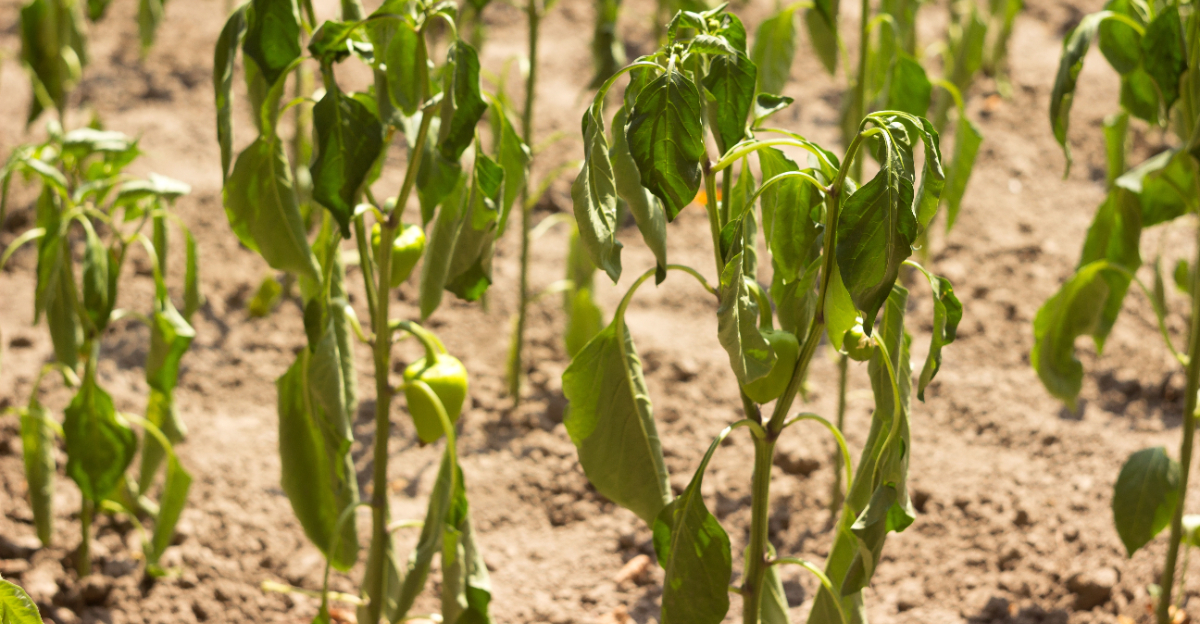
North Carolina summers regularly push past that point, and when they do, pepper plants start sending out signals that are easy to misread or miss entirely until real damage has already set in.
Flower drop, pale or curling foliage, and fruits that stop sizing up properly are all signs that the plant is struggling with heat rather than thriving in it.
The good news is that heat stress in peppers is very manageable when you catch it at the right stage and respond with the right adjustments.
A few targeted changes to your watering, shading, and feeding routine can bring stressed plants back around and protect the rest of the harvest season.
1. Wilting Leaves During Midday Heat
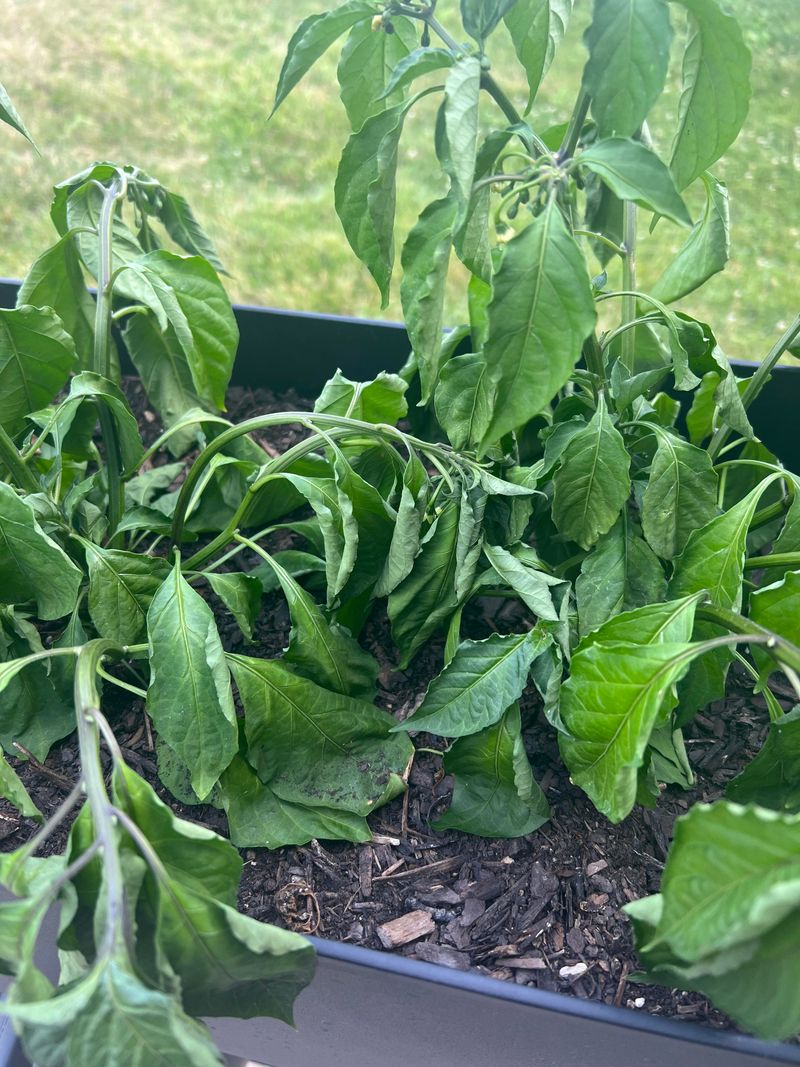
Picture this: you walk outside around 2 p.m. on a July afternoon, and your pepper plants look completely defeated. Leaves are hanging down, stems seem soft, and the whole plant looks like it just gave up.
This is classic midday wilting, and it is one of the first signs that your peppers are struggling with heat stress.
Pepper plants naturally lose moisture through their leaves faster than their roots can replace it during peak afternoon heat. When temperatures hit the 90s, this process speeds up dramatically.
The good news is that plants often recover on their own once evening temperatures drop, but repeated wilting causes real long-term damage to fruit production.
The most effective fix is creating partial shade during the hottest hours. A shade cloth rated at 30 to 40 percent works well and can be draped over a simple frame above your plants.
Consistent deep watering in the early morning also makes a huge difference, giving roots a full reservoir to pull from throughout the day.
Mulching around the base of each plant with two to three inches of straw or wood chips keeps soil temperatures significantly cooler and holds moisture in longer.
Combine shade, deep watering, and mulch together and you will notice your plants bouncing back much more quickly even during the hottest North Carolina afternoons.
2. Yellowing Or Scorched Leaf Tips
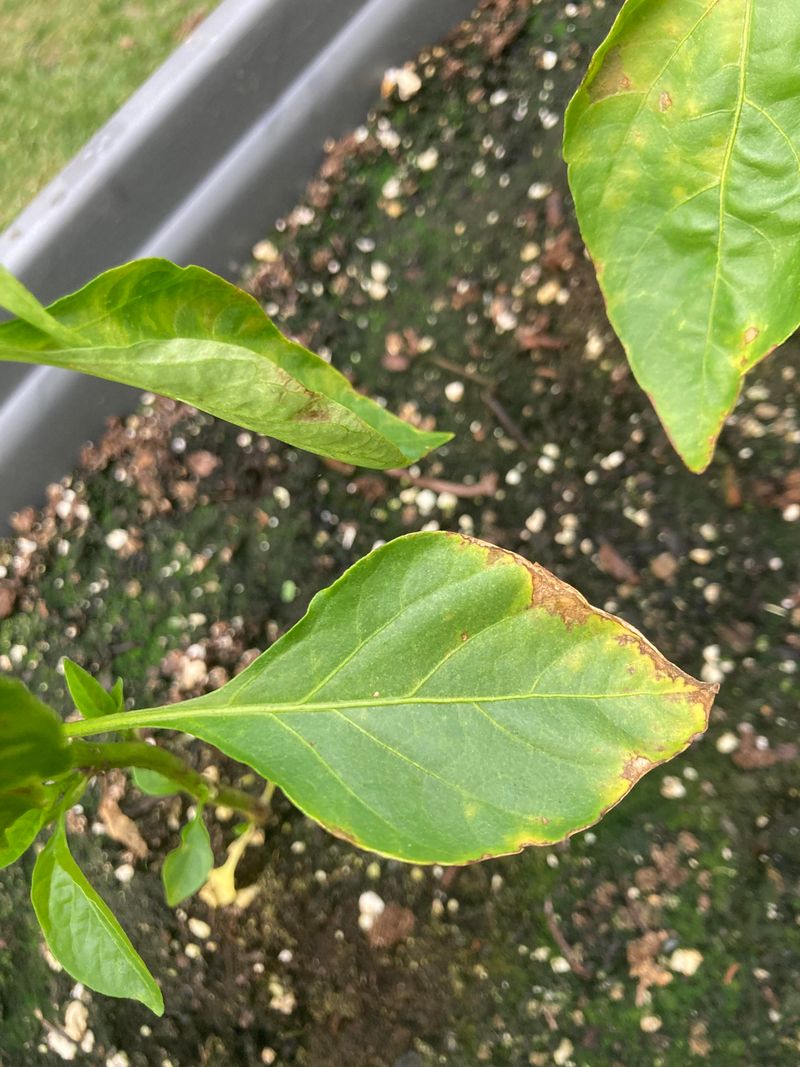
Yellowing or brown leaf tips on pepper plants are easy to miss at first glance, but they are sending you a clear message.
High summer temperatures in North Carolina can cause sunburn on foliage, especially on leaves that get direct afternoon exposure without any protection.
That crispy brown edge or fading yellow color is the plant telling you something needs to change.
Heat-related leaf tip damage often gets confused with nutrient deficiency, and honestly, both can happen at the same time.
When soil temperatures rise sharply, roots have a harder time absorbing calcium and magnesium even when those nutrients are present.
A foliar spray of diluted liquid fertilizer applied in the early morning can help get nutrients directly to the leaves while you work on the bigger temperature problem.
Providing afternoon shade using a lightweight shade cloth makes a noticeable difference within a week. Consistent watering is equally important because dry soil during a heat wave pushes plants into stress faster.
Your North Carolina Garden Changes Every Week. Your Plan Should Too.
Gardening in North Carolina changes quickly throughout the season. Every Friday you’ll receive a simple weekly plan showing exactly what to plant, prune, fertilize, harvest, and protect so you never miss the right timing.
Water deeply at the base every morning rather than sprinkling lightly, since shallow watering encourages roots to stay near the hot soil surface.
Avoid fertilizing heavily with nitrogen during a heat wave since too much nitrogen pushes soft new growth that scorches even faster.
Once cooler weather returns, a balanced slow-release fertilizer will help the plant recover and push out healthy new foliage before the season ends.
3. Flowers Dropping Prematurely
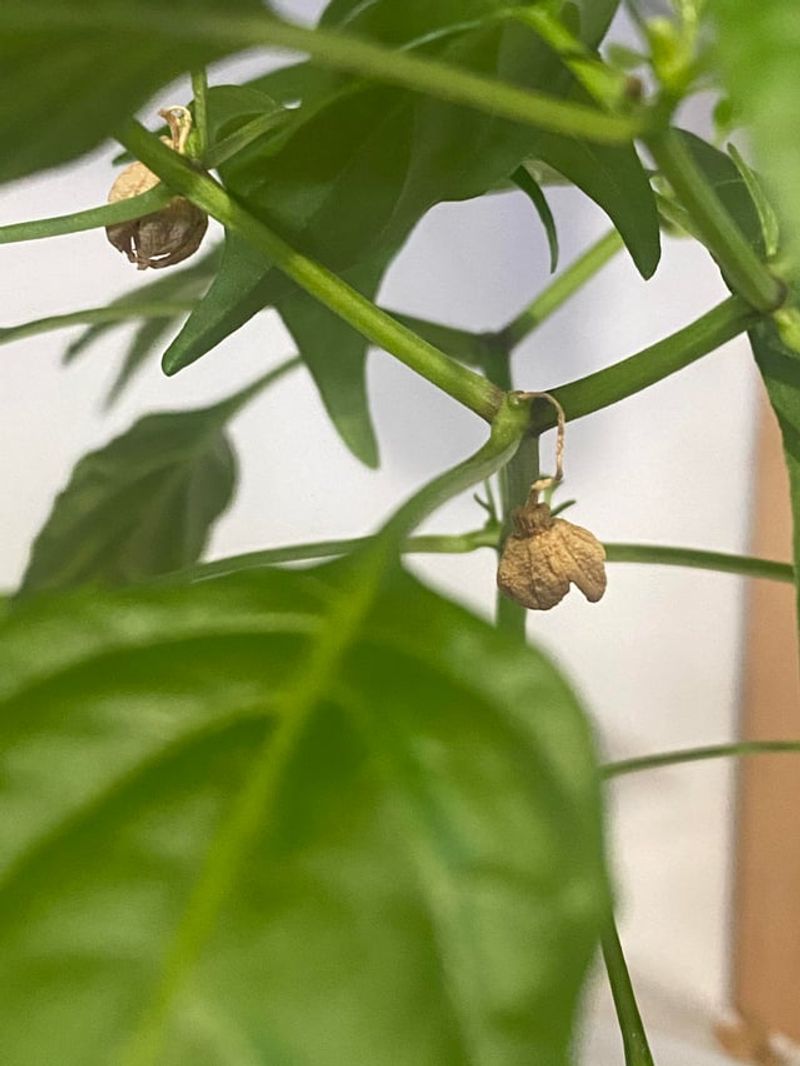
Nothing is more frustrating than watching your pepper plant bloom beautifully only to see those flowers fall off before a single fruit forms.
Flower drop is one of the most common and heartbreaking effects of heat stress on peppers, and it happens a lot across North Carolina during July and August.
When nighttime temperatures stay above 75 degrees or daytime temps push past 95, pollen becomes non-viable and flowers simply fall.
Pepper pollen loses its ability to fertilize at high temperatures, so even if bees are visiting your flowers, no fruit sets because the pollen cannot do its job. This is a physiological response, not a sign that your plant is unhealthy overall.
The flowers drop as the plant conserves energy during extreme conditions.
Keeping soil moisture consistent is one of the best things you can do right now. Stress from drought combined with heat makes flower drop much worse.
Water deeply every morning and use mulch generously to keep the root zone cool and moist throughout the day.
Partial shade during peak afternoon hours helps lower canopy temperatures enough to keep some pollen viable. Also avoid heavy nitrogen fertilizer at this stage since it pushes leafy growth instead of flower retention.
Once temperatures ease into the mid-80s, your plants will bloom again and set fruit successfully, so keeping them healthy through the heat wave is the real goal here.
4. Stunted Fruit Development
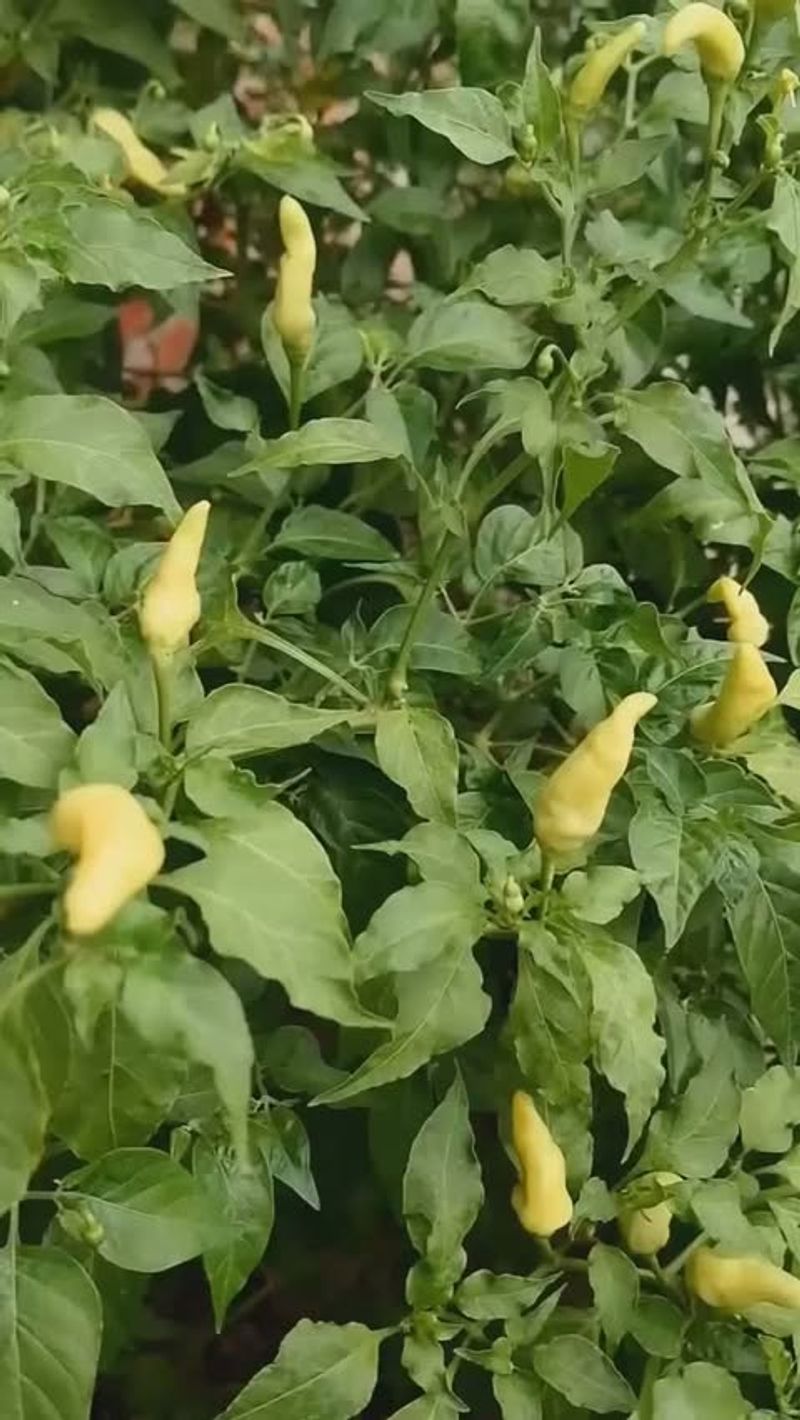
You planted those peppers expecting big, beautiful fruits, but instead you are staring at tiny, misshapen peppers that just refuse to grow.
Stunted fruit development is a very real consequence of prolonged heat stress, and it happens more often than most North Carolina gardeners expect during a hot summer.
When plants are fighting to survive the heat, energy gets redirected away from fruit growth and toward basic survival functions.
Extreme heat disrupts the plant’s ability to move sugars and nutrients efficiently from leaves into developing fruits. The result is peppers that stay small, sometimes develop unevenly, and take far longer to ripen than they should.
Fruits that set during the worst heat often end up soft or pale instead of firm and vibrant.
Timely mulching with three inches of organic material around each plant helps stabilize soil temperature, which directly supports root function and nutrient uptake.
Watering at the base rather than overhead keeps moisture where it matters most and avoids creating humid conditions that invite disease.
Maintaining consistent soil fertility during the growing season also matters a great deal. A balanced fertilizer with equal parts nitrogen, phosphorus, and potassium applied every three to four weeks supports steady fruit development.
Thinning a few fruits during extreme heat can actually help remaining peppers grow larger since the plant has less to support. Patience combined with good care practices will get your harvest back on track once temperatures moderate.
5. Leaf Curl Or Deformation
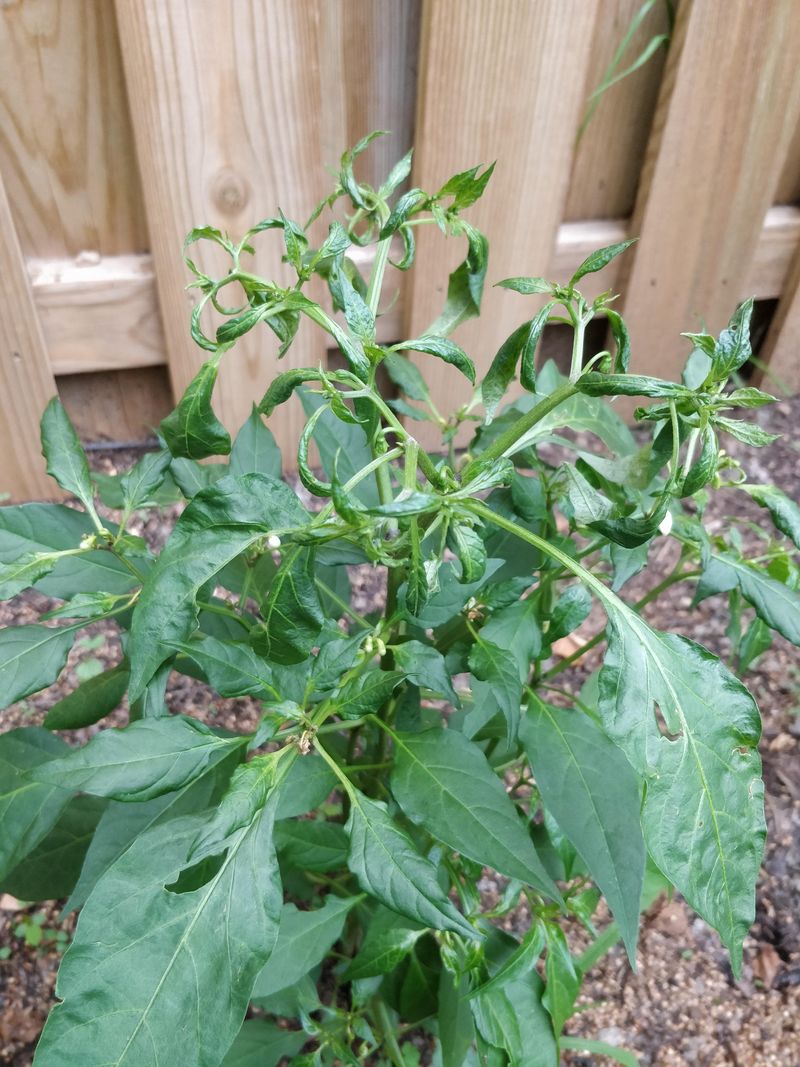
Curled, cupped, or twisted leaves on a pepper plant are not just an odd quirk. They are a distress signal worth paying close attention to, especially during a North Carolina summer.
Leaf curl typically happens when high temperatures combine with inconsistent watering, creating a cycle of stress that the plant tries to manage by reducing its leaf surface area to conserve moisture.
When leaves curl inward along their edges, the plant is physically protecting itself from losing too much water through transpiration.
It is a survival response, but it also slows photosynthesis, which means less energy for fruit production.
Leaves that stay curled for extended periods can become permanently deformed, affecting the plant’s overall productivity for the rest of the season.
Uniform irrigation is the most important fix here. Inconsistent watering, like soaking the plant one day and skipping two days in a row, causes the stress spikes that trigger curling.
Switching to a drip irrigation system or soaker hose on a timer ensures roots get steady moisture every single day without any guesswork.
A generous layer of mulch around each plant works alongside irrigation by slowing soil moisture evaporation between watering sessions. Organic mulches like straw or shredded leaves work especially well in North Carolina’s clay-heavy soils.
Once your watering becomes consistent and soil temperatures stabilize, new growth should emerge straight and healthy within a couple of weeks.
6. Pale Or Dull Fruit Color
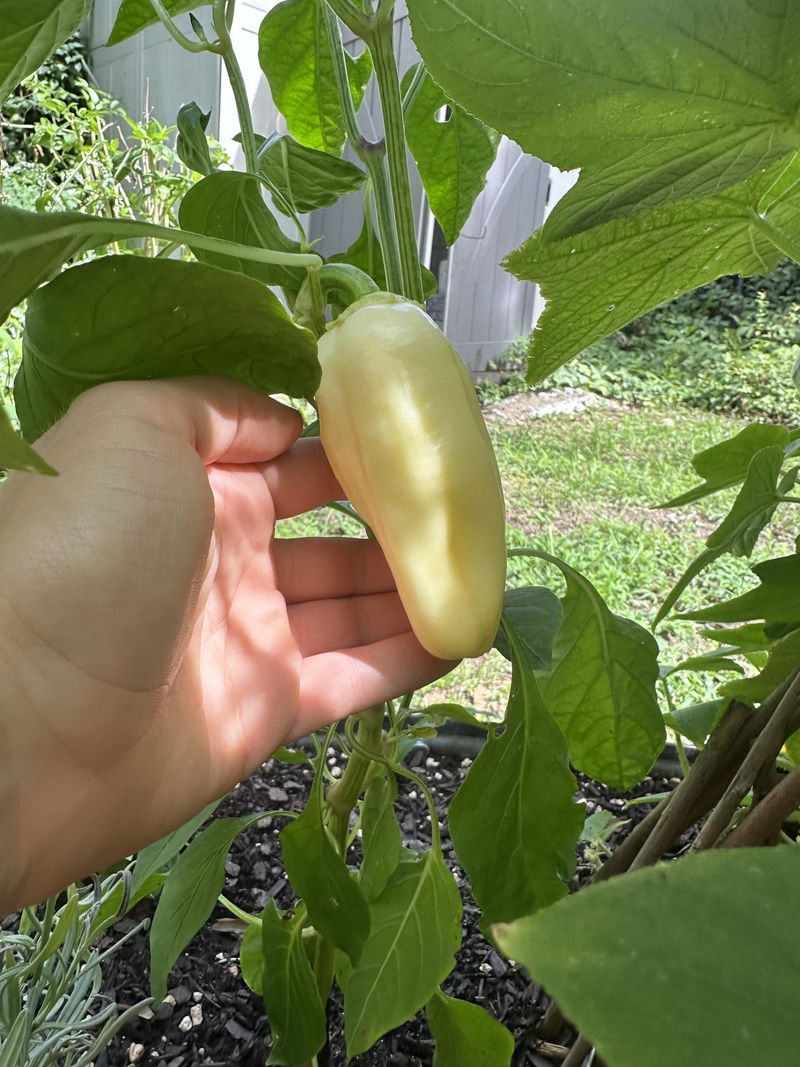
A pepper that should be bright red, deep orange, or vivid yellow but instead looks washed out and pale is a sure sign that heat stress has interfered with the ripening process.
Color development in peppers depends on the production of pigments called carotenoids, and extreme heat disrupts this process significantly.
Fruits that ripen during heat waves often end up with uneven color or a dull, muted appearance that does not reflect the variety’s true potential.
High temperatures above 95 degrees Fahrenheit can actually break down the pigments already forming inside the fruit, causing color to fade even in peppers that started ripening normally.
This is frustrating because the fruit may look ripe from a distance but lacks the deep color and full flavor you were expecting from your harvest.
Providing partial shade during peak afternoon hours is the most direct solution. A 30 percent shade cloth placed above the plants reduces surface temperature enough to allow pigment development to continue more normally.
Improving air circulation by pruning some of the inner foliage also helps the plant manage heat more efficiently.
Balancing nutrients is another important step. Potassium plays a key role in fruit ripening and color development, so a potassium-rich fertilizer applied during the fruiting stage can make a visible difference.
Keep watering consistent, maintain that mulch layer, and give your plants a bit of shade, and you will start seeing much richer color in your next round of ripening peppers.
7. Slow Growth Or Weak Stems
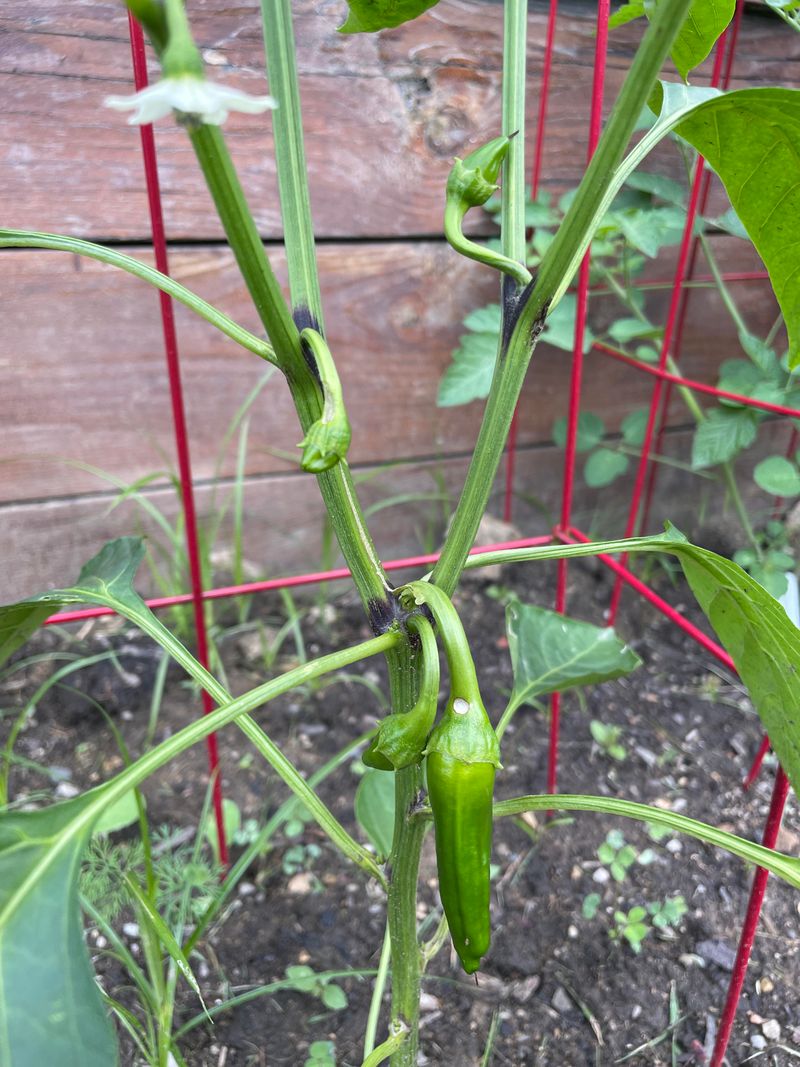
Strong, upright stems are a sign of a thriving pepper plant, so when you notice your plants looking spindly, floppy, or just plain stuck in place, heat stress is often the reason.
High temperatures above 90 degrees slow down the metabolic processes that fuel vegetative growth, meaning stems do not thicken up the way they should and new leaf production slows to a crawl.
North Carolina gardeners often see this plateau happen right in the middle of the growing season.
Weak stems struggle to support heavy fruit loads, which becomes a serious problem later in the season when peppers start sizing up.
A plant that grew slowly through a heat wave may not have the structural strength to hold clusters of mature fruits without leaning or snapping. Getting ahead of this early saves you a lot of trouble down the road.
Staking each plant with a sturdy bamboo stake or tomato cage gives immediate support while the plant rebuilds strength. Tie stems loosely with soft garden twine so you do not restrict growth or damage the plant.
This simple step protects your investment while you work on the underlying heat problem.
Moderate fertilization with a balanced formula helps fuel recovery without pushing weak, overly soft growth. Avoid heavy nitrogen applications during peak heat since that encourages lush but fragile stems.
Mulching, consistent watering, and afternoon shade work together to bring temperatures down enough for steady, healthy growth to resume as summer progresses.
8. Excessive Transpiration
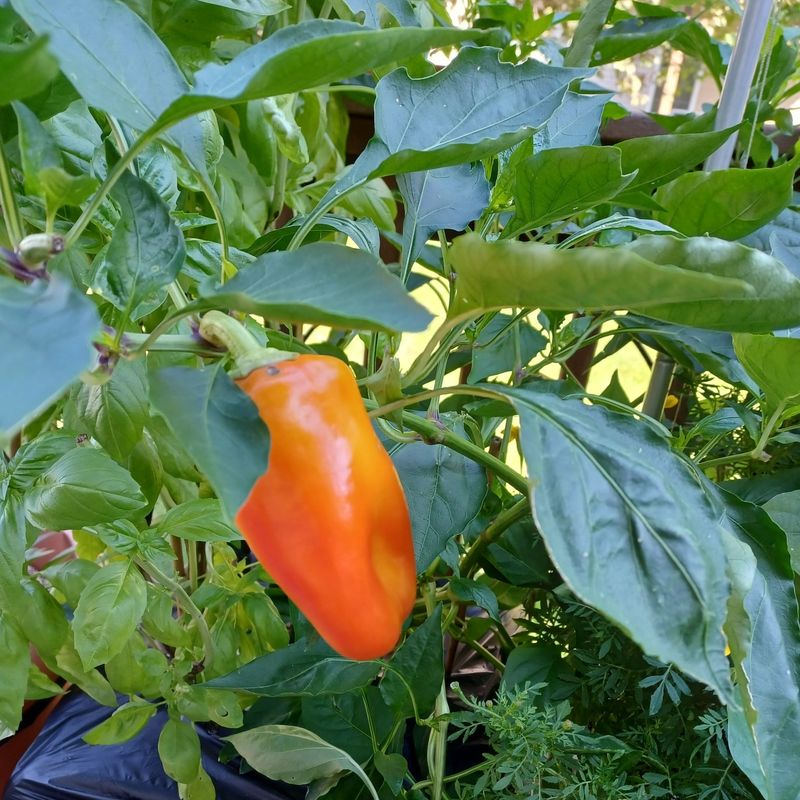
Most gardeners can spot a wilting plant, but fewer realize that the process happening behind the scenes is just as concerning.
Excessive transpiration is the rapid loss of water through a plant’s leaves, and during a North Carolina summer heat wave, pepper plants can lose moisture faster than their roots can possibly replace it.
This creates a deficit that compounds quickly, stressing every part of the plant from roots to fruit.
On a hot, breezy day with low humidity, a mature pepper plant can lose several cups of water through transpiration alone.
When this happens repeatedly without adequate replenishment, the plant starts shutting down non-essential functions to protect itself.
Fruit development slows, flowers stop forming, and leaves begin to curl or droop as the plant rations its remaining moisture.
Watering schedules matter more than most people think. Watering deeply in the early morning, before temperatures rise, allows moisture to penetrate 6 to 8 inches into the soil where roots can access it throughout the day.
Shallow watering evaporates quickly and does not reach the deeper root zone where it is needed most.
Monitoring soil moisture with a simple probe or even your finger two inches below the surface helps you water at the right time rather than on a fixed schedule that may not match actual conditions.
Mulch is your best ally here, cutting surface evaporation dramatically. Combine smart watering with mulch, and your plants will stay much more hydrated even through the hottest stretches of summer.
9. Increased Susceptibility To Pests
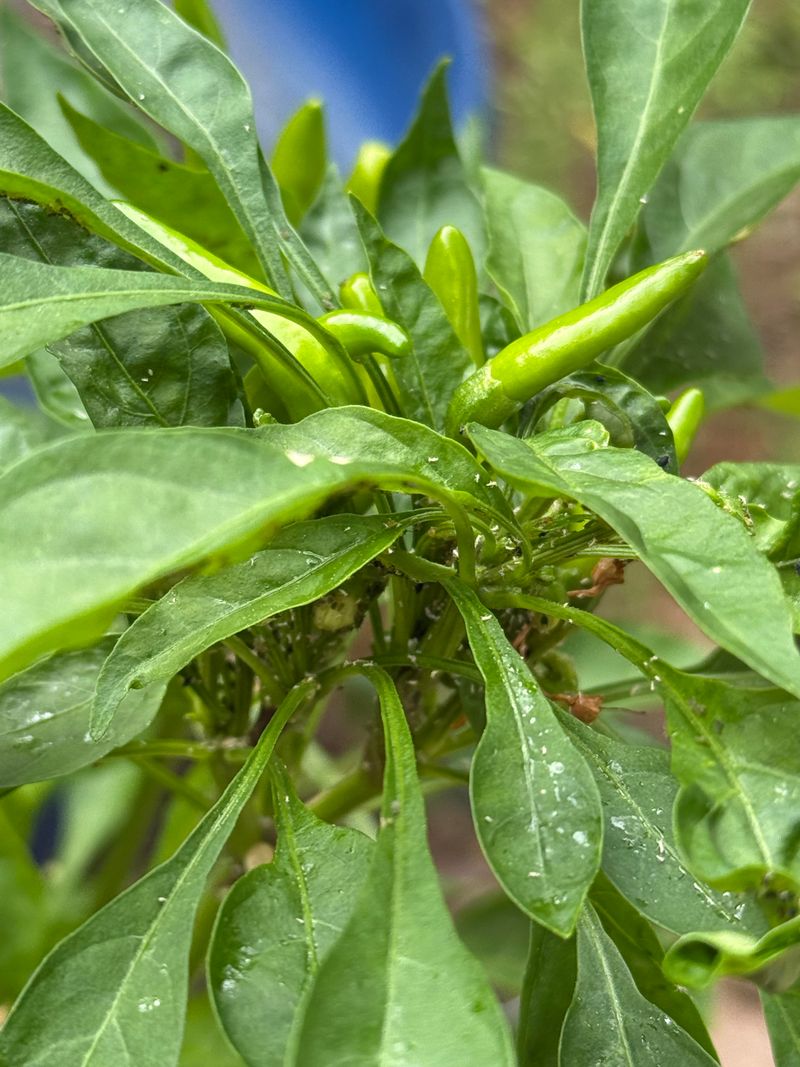
Here is something a lot of gardeners do not connect right away: a heat-stressed pepper plant is basically an open invitation for pests.
Aphids, spider mites, and whiteflies are all drawn to plants that are already weakened because stressed plants produce fewer of the natural defense compounds that normally deter insects.
If you are seeing pest damage alongside other heat stress signs, the two problems are almost certainly connected.
Spider mites in particular thrive in hot, dry conditions, which describes a North Carolina summer perfectly. They reproduce rapidly in the heat and can cover an entire plant in fine webbing within days if left unchecked.
Aphids cluster on new growth and undersides of leaves, sucking sap and further weakening plants that are already struggling to keep up with the demands of the season. Integrated pest management is the smartest approach here.
Start with a strong spray of water to physically remove insects from leaves, then follow up with insecticidal soap or neem oil applied in the early morning or evening when temperatures are cooler.
Avoid spraying during peak heat since products can burn already-stressed foliage.
Encouraging beneficial insects like ladybugs and lacewings by planting companion flowers nearby adds natural pest control to your garden. Keeping plants well-watered and mulched reduces overall stress, which in turn improves their natural defenses over time.
Healthy, hydrated plants genuinely resist pests better, so every step you take to manage heat stress also helps protect your harvest from insects.