Why Okra Loves The Brutal Heat Of A North Carolina Summer
Every summer, gardeners in North Carolina see their tomatoes struggle, their lettuce go to seed, and their squash give up. The heat wins. It always wins. Except when you grow okra.
This plant may do something that very few vegetables can in July. It could face up to 95 degrees and choose to flourish!
While your neighbors are trying to revive their plants, okra is producing pods as if the intense heat is a blessing. And honestly? For okra, it really is.
The science behind this is really interesting. Once you grasp why okra is made for a Southern summer, you’ll never view your garden the same way again.
We’re talking about quicker growth and fewer pest problems than almost any other summer crop you might pick. Your hottest months just turned into your most fruitful ones!
1. Warm Soil Sends Okra Into Action
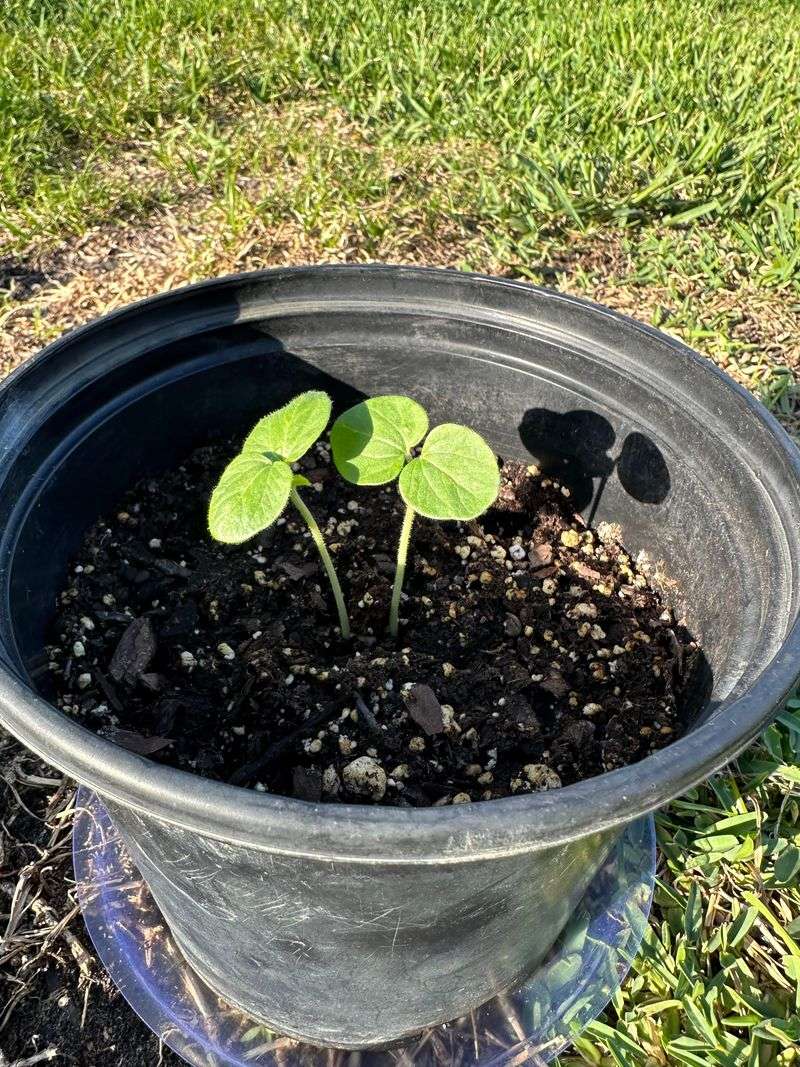
Stick your hand into garden soil on a cool spring morning. That chill you feel? Okra feels it too, and it refuses to work in those conditions.
Cold soil is like kryptonite for okra. It’s one of the most temperature-sensitive crops you can cultivate, and planting too early can cost you weeks.
According to NC State Extension, okra should be planted after the last frost, once the soil has warmed up adequately. If you plant too soon, your seeds might just sit there doing nothing.
So, what does warm soil actually do? It activates the biological processes that allow germination to happen.
Cold soil can rot seeds before they even get a chance to grow. Warm soil gets okra moving quickly and establishes a strong foundation that pays off throughout the season.
The transition from spring to summer in North Carolina is like a welcome sign for okra. The soil heats up, and suddenly you have seedlings that are ready to thrive. Being patient before planting isn’t a delay. It’s the entire game plan.
Provide okra with soil that’s worth growing in, and it will reward you with a harvest that you can proudly show off.
2. Summer Temperatures Match Its Natural Rhythm
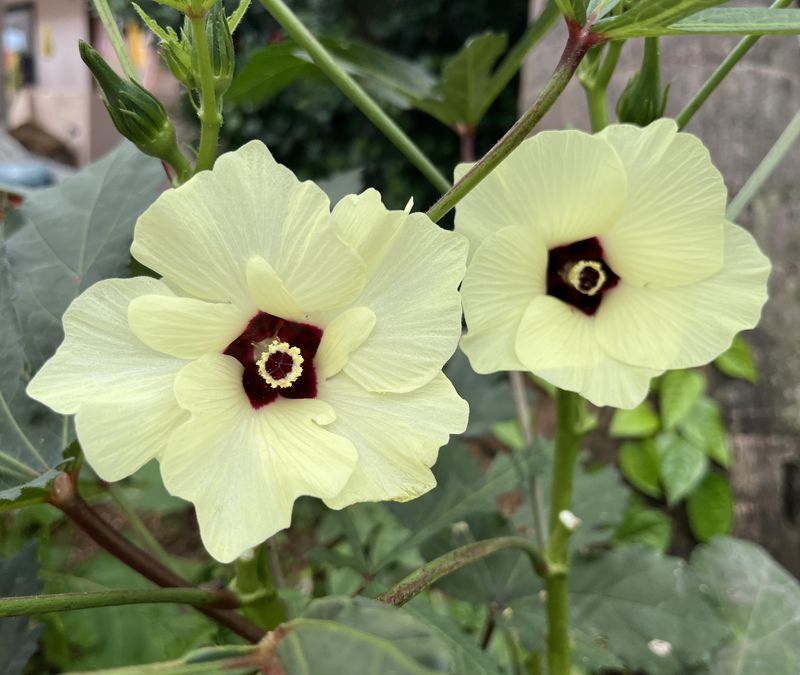
Broccoli gives up in July. Spinach bolts before you can even get a good harvest. Cool-season crops and Carolina summers just don’t mix. Your garden will surely remind you of that every year.
But okra? Okra is made for this. Its roots go back to the hot, humid areas of Africa and South Asia. Every part of this plant was designed for heat.
The University of Georgia Extension backs up what Carolina gardeners already know from their own experience. Once the true summer heat sets in, okra kicks into a whole new level. Growth speeds up. Pod production increases.
The plant flourishes just when everything else in your garden starts to struggle. Most gardeners spend their summers battling the season. They shade their plants, water them constantly, and watch as cool-season crops barely make it to the end.
Okra changes that whole situation. When you plant it, you’re not fighting the heat anymore; you’re taking advantage of it. That’s a totally different gardening experience, and once you have it, you won’t want to go back.
Your North Carolina Garden Changes Every Week. Your Plan Should Too.
Gardening in North Carolina changes quickly throughout the season. Every Friday you’ll receive a simple weekly plan showing exactly what to plant, prune, fertilize, harvest, and protect so you never miss the right timing.
3. Long Hot Days Fuel Fast Growth
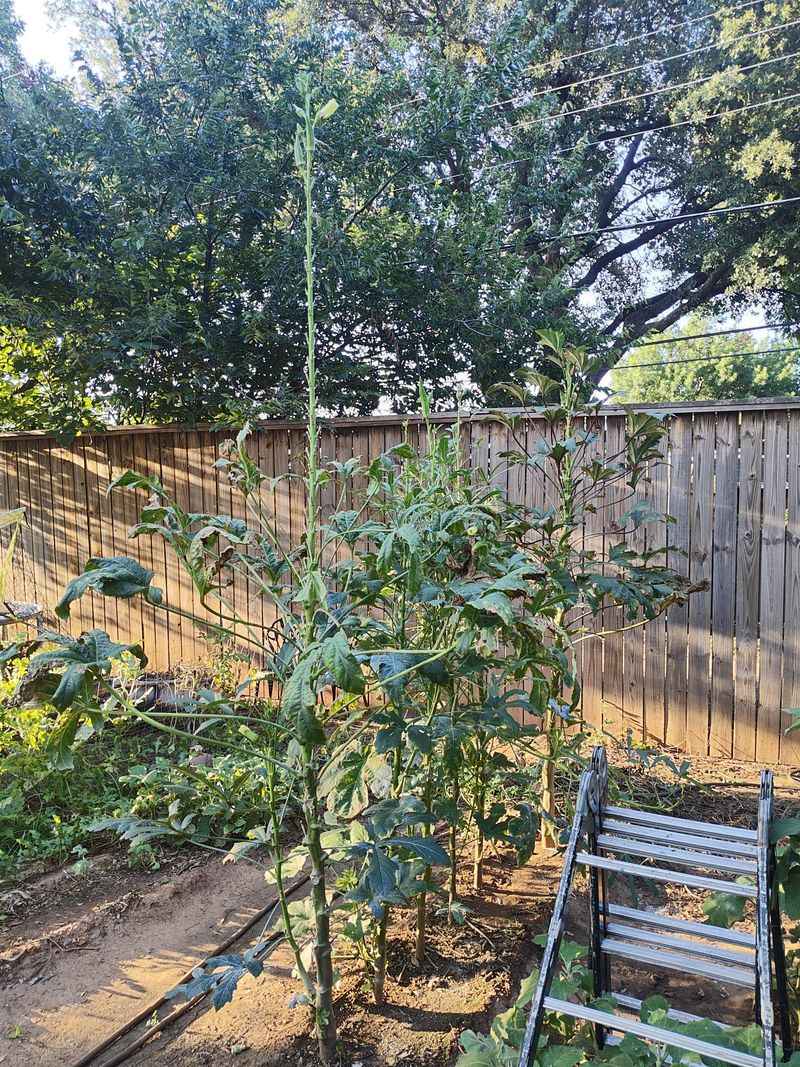
New okra gardeners panic around week two. The plants just sit there while everything else in the garden is growing. It feels like something is off. But nothing is wrong.
Okra is simply taking its time. At the beginning of the season, the plant is focused on its real work beneath the surface.
It’s developing a root system that’s strong enough to support what’s coming next. Then July arrives, and everything changes.
The long summer days provide the plant with plenty of direct sunlight, and okra makes the most of it. It flourishes in the summer heat, and once the temperatures consistently warm up, the plant really takes off. However, spring can be unpredictable.
Temperatures fluctuate, and okra isn’t a fan of that. It needs consistency to start thriving. Plants that seemed small in May can end up towering over you by August. Have faith in the slow start.
It indicates that your okra isn’t wasting energy above ground until its foundation is ready. Once that foundation is established and the heat comes, you won’t have any doubts. You’ll just be busy harvesting.
4. Heat Keeps The Pods Coming Quickly
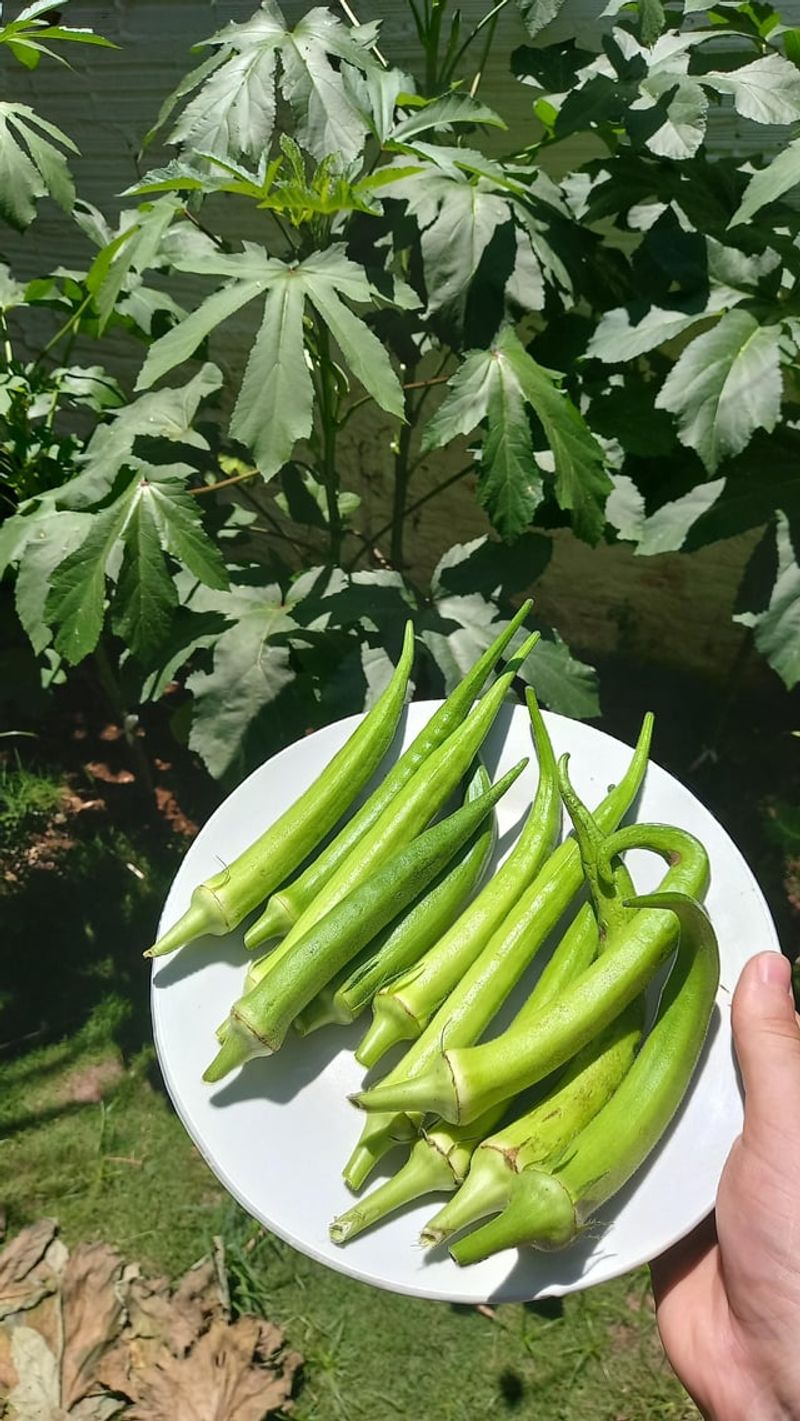
A pod can seem perfect on Tuesday. By Thursday, it can grow to the size of a small club. During the hottest parts of a Carolina summer, pods can change from tender to woody in just two days. If you miss that timing, you’re not just losing one pod.
You’re also losing quality and telling the plant that its job is finished. Harvest young. Harvest tender. That’s the main rule.
Checking your plants daily isn’t too much during the peak summer heat. In fact, it’s what okra requires from you.
Young and tender is the only stage worth picking. If pods stay too long, their texture can quickly become unpleasant.
The good news is that this rapid growth isn’t a problem. It’s actually a sign that your plants are healthy and thriving.
High temperatures push okra through its cycle quickly, leading to almost daily supply of harvest-ready pods.
Get into the groove. Bring a basket every time you head out to the garden. During the peak of a North Carolina summer, you’ll hardly ever come back empty-handed.
5. Warm Nights Help Growth Continue
Everyone often mentions how harsh the summers in Carolina can be during the day. However, for okra, the nights are equally crucial.
Many crops can slow down significantly when the sun sets. When the temperatures drop, growth comes to a near halt until the morning.
This nightly pause affects productivity, and it accumulates over the entire season. But North Carolina summers are different.
The humidity keeps both soil and air temperatures high even after dark. So, okra doesn’t completely switch to rest mode. Growth keeps going. Flowering keeps going.
Pod development keeps going. The plant operates continuously during the hottest summer weeks.
Consistent warmth is a major factor in steady okra production. A Carolina summer provides that consistency not just during the day but also throughout the night, week after week.
Gardeners in cooler areas can grow okra too, but they seldom achieve the same success. Warm days followed by cool nights disrupt the plant’s progress every single evening.
That muggy, sticky sensation at ten o’clock on a July night? Your okra thrives in it. Pods are forming in the dark, preparing for another great harvest by morning.
The Southeast’s notorious summer heat never really takes a break. Luckily for okra farmers, neither does the crop.
6. Full Sun Helps Okra Build Strong Stalks
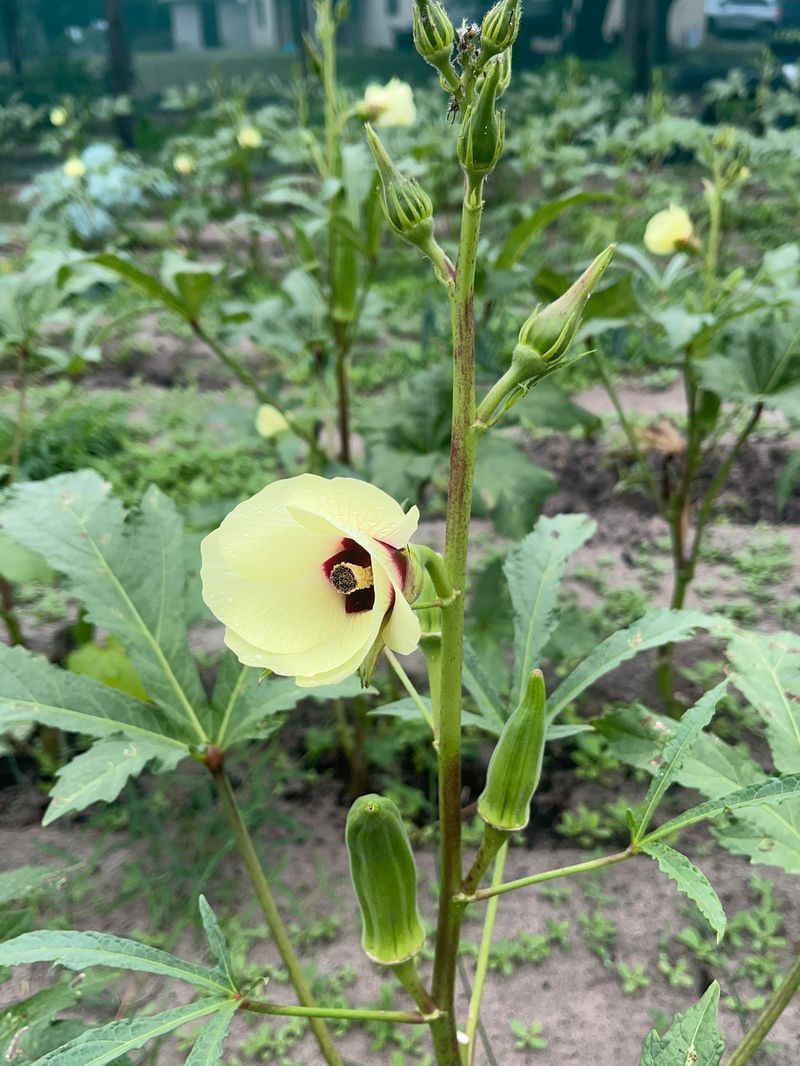
Shade is where okra can really let you down. The stalks become thin and weak. The flowers become fewer and pod production decreases quickly.
If you place this plant in an unsuitable location, it will clearly show its dissatisfaction. In reality, more sunlight is always preferable.
Strong sunlight leads to the development of thick, sturdy stalks that can support heavy pods without bending. It keeps the plant growing vigorously from midsummer right through to fall.
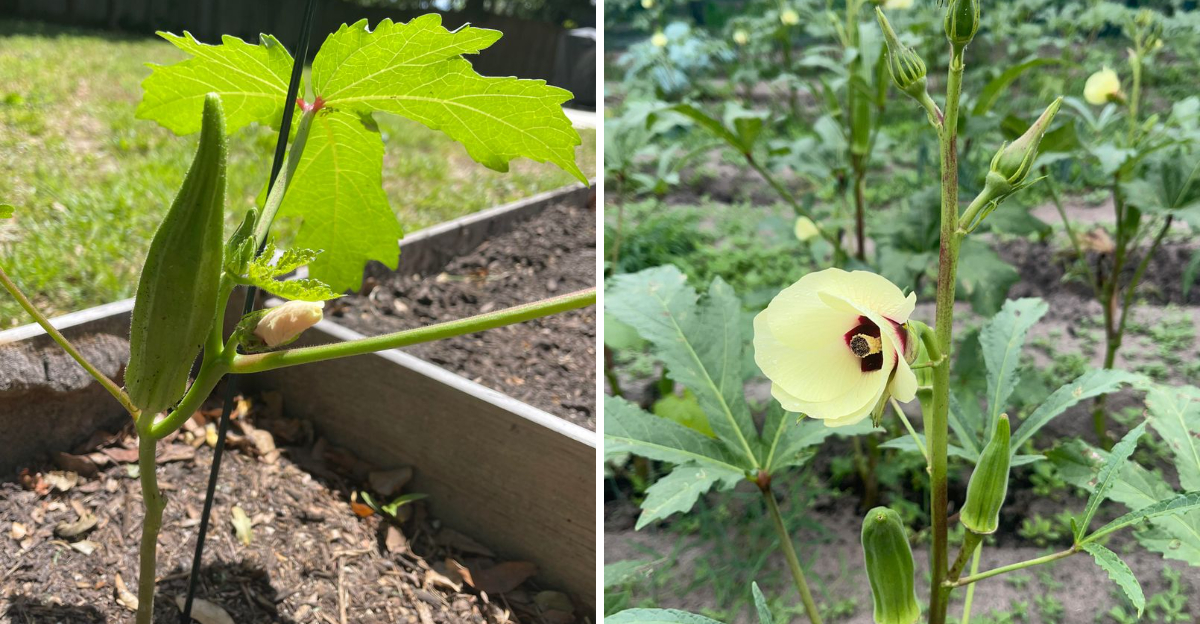
When you get the sunlight right, okra grows tall. Depending on the type, a well-placed plant can reach heights of six feet or more.
Where you place your okra is more important than many gardeners think. The south or west side of your garden, away from fences and buildings is the ideal spot for okra.
Making a smart choice at the beginning of the season leads to stronger stalks, healthier flowers, and more pods. The sun does all the hard work. Your role is simply to ensure okra is positioned where it can soak it all in.
7. Tall Plants Make The Most Of Summer Light
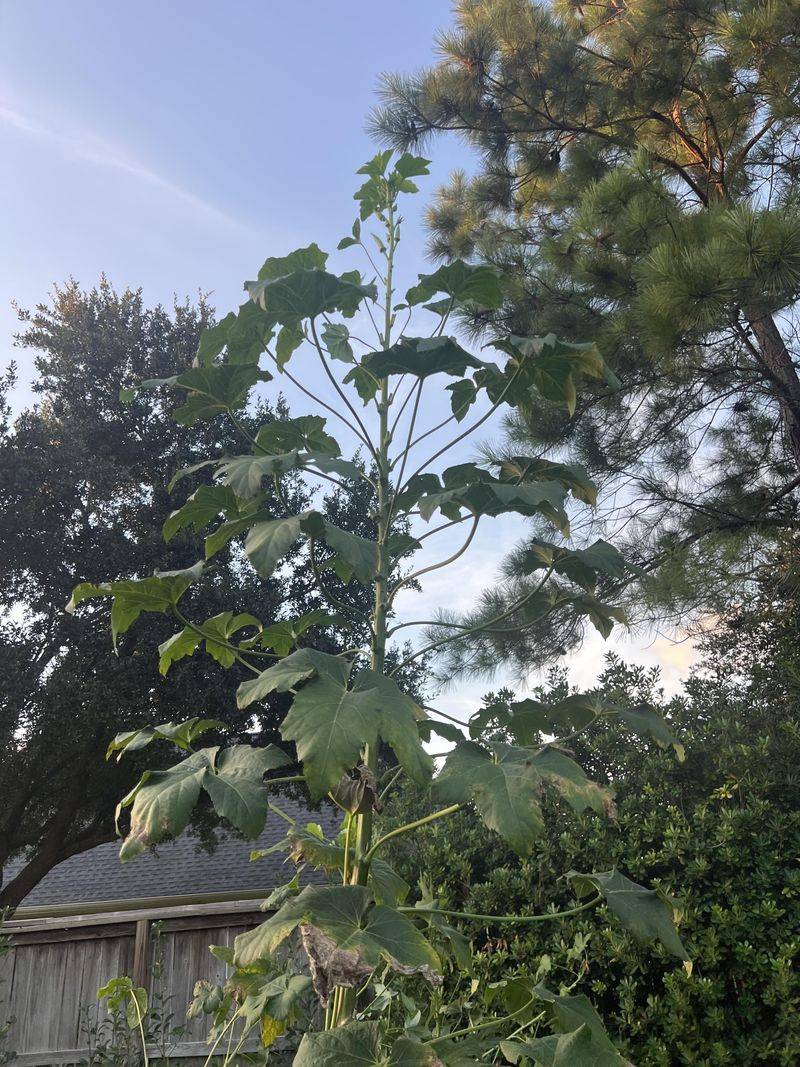
Depending on the type, a fully grown okra plant can reach heights anywhere from five to seven feet by midsummer. This impressive height isn’t just for looks.
Tall plants gather sunlight from the top down, allowing leaves at every level to receive direct light all day long. The entire plant is functional, not just the top.
Smart positioning makes this height beneficial for everything around it as well. Placing okra at the back of a raised bed or on the north side of your garden allows it to absorb full sunlight.
Another advantage of okra is its space efficiency. A row planted along a fence or garden border can yield a significant harvest without overcrowding other plants.
For gardeners with limited space, a crop that grows upwards instead of outwards is truly beneficial. Harvesting these tall plants is also easier than many people think. Pods grow at reachable heights along the stalk, rather than being hidden at ground level.
With good visibility, easy access, and a simple snap off the stem, the daily picking process becomes quick and easy. Okra truly deserves every bit of the space it occupies, both vertically and otherwise.
8. Few Pest Problems Help Okra Stay Productive
Take a stroll through a summer garden, and you’ll notice a pest in nearly every row. Tomatoes are battling hornworms and stink bugs. Squash is struggling against vine borers.
Cucumbers are facing issues with beetles and the mosaic virus. Each crop has its own fight, making gardening feel like a constant pest control job. However, okra remains mostly unaffected.
While okra isn’t completely immune, it certainly holds up better than many other summer crops. Its natural resilience makes it one of the easiest options to care for in a hot garden.
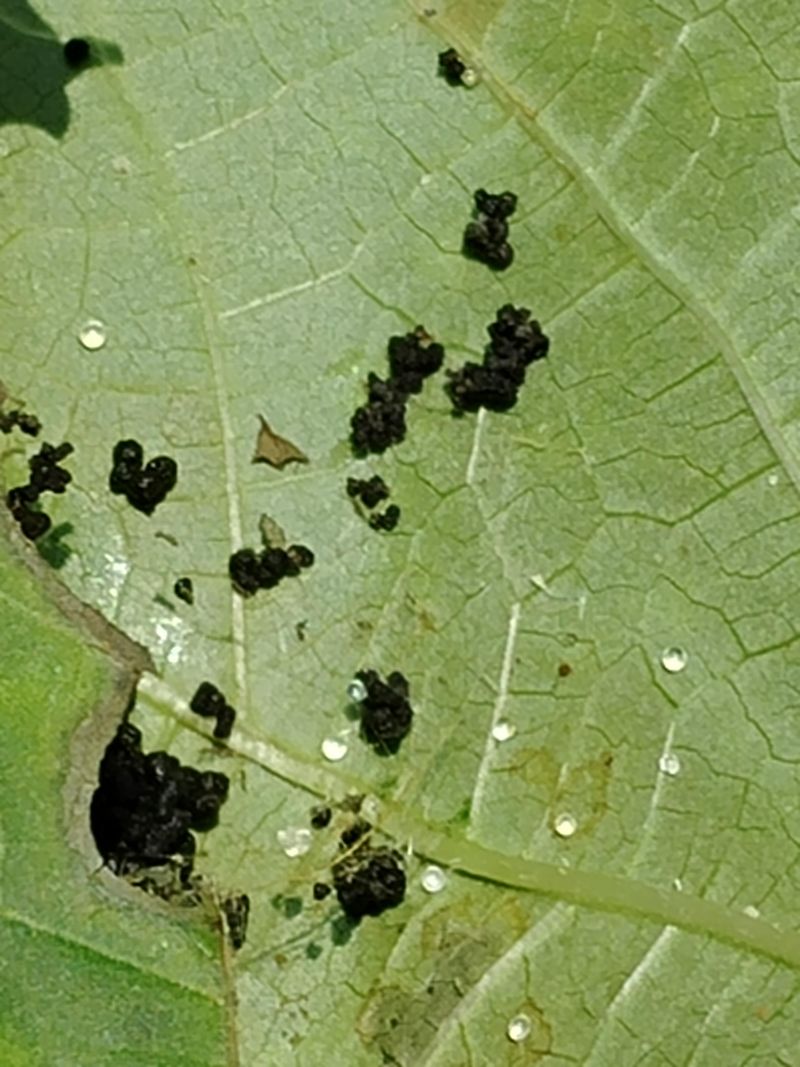
However, pests do appear from time to time. Stink bugs, leaffooted bugs, aphids, and Japanese beetles are the common culprits.
They usually don’t cause the same level of damage as they do to more sensitive crops, but it’s always better to catch issues early rather than late.
The practical method doesn’t add much to your workload. Since you’re already out there daily picking pods, just include a quick check in your routine.
Lift a few leaves and inspect the undersides where aphids tend to gather. Look along the stems and pods where stink bugs and leaffooted bugs like to hide. Spending just two extra minutes during your harvest is all it takes.
Most gardeners in Carolina get through an entire okra season with only minor pest issues. The harvest is plentiful, the need for intervention is low, and okra turns out to be the least stressful crop in the entire garden.
9. Dry Spells Between Rains Keep Okra From Rotting
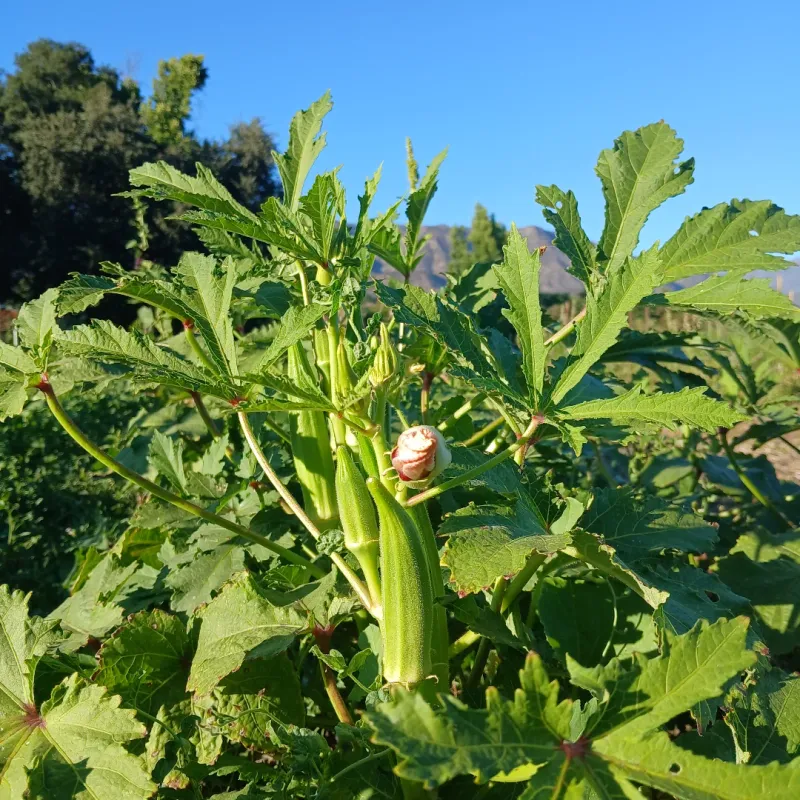
Okra and soggy soil don’t mix well. When moisture sits around the roots, it can lead to rot and fungal issues that can ruin a crop.
Unlike tomatoes or peppers that can handle short periods of being wet, okra is strict about drainage. If it stays too wet for too long, the damage becomes apparent quickly.
North Carolina summers bring a lot of rain to your garden. Intense afternoon storms can deliver a lot of moisture in a short time. However, this is where the harsh heat actually plays a crucial role.
Between storms, the strong sun acts like a reset button. It quickly draws out excess moisture from the ground, drying things up before rot can take hold. The heat not only helps grow okra but also protects it from one of its main weaknesses.
Local farmers say it simply: the heat is just as important as the rain. The balance between heavy summer rains and blazing sun creates a natural cycle that keeps the roots healthy without needing any help from the gardener.
Good drainage is also important. Planting okra in raised beds or slightly higher rows allows excess water to drain away.
Most gardeners are concerned about summer rain causing problems. But with okra, the sun takes care of the cleanup. Your only job is to ensure the soil allows water to escape when necessary.