Plant Asparagus Once And Enjoy Harvests For 20+ Years In North Carolina
Asparagus demands something most vegetable gardeners are not used to giving.
It asks for patience before it gives anything back, and that first season of planting without harvesting tests the resolve of even experienced North Carolina growers.
What waits on the other side of that patience is a perennial food crop that returns every spring for two decades or more, producing tender spears during the brief and genuinely exciting window when almost nothing else in the spring garden is ready to eat.
North Carolina’s climate suits asparagus well once the right variety goes into properly prepared ground.
Getting the establishment right one time is all it takes to set up one of the most rewarding long-term investments any food gardener can make.
1. Asparagus Is A Long-Lived Perennial Vegetable
Most vegetables in a North Carolina garden need to be replanted every single year, but asparagus plays by completely different rules.
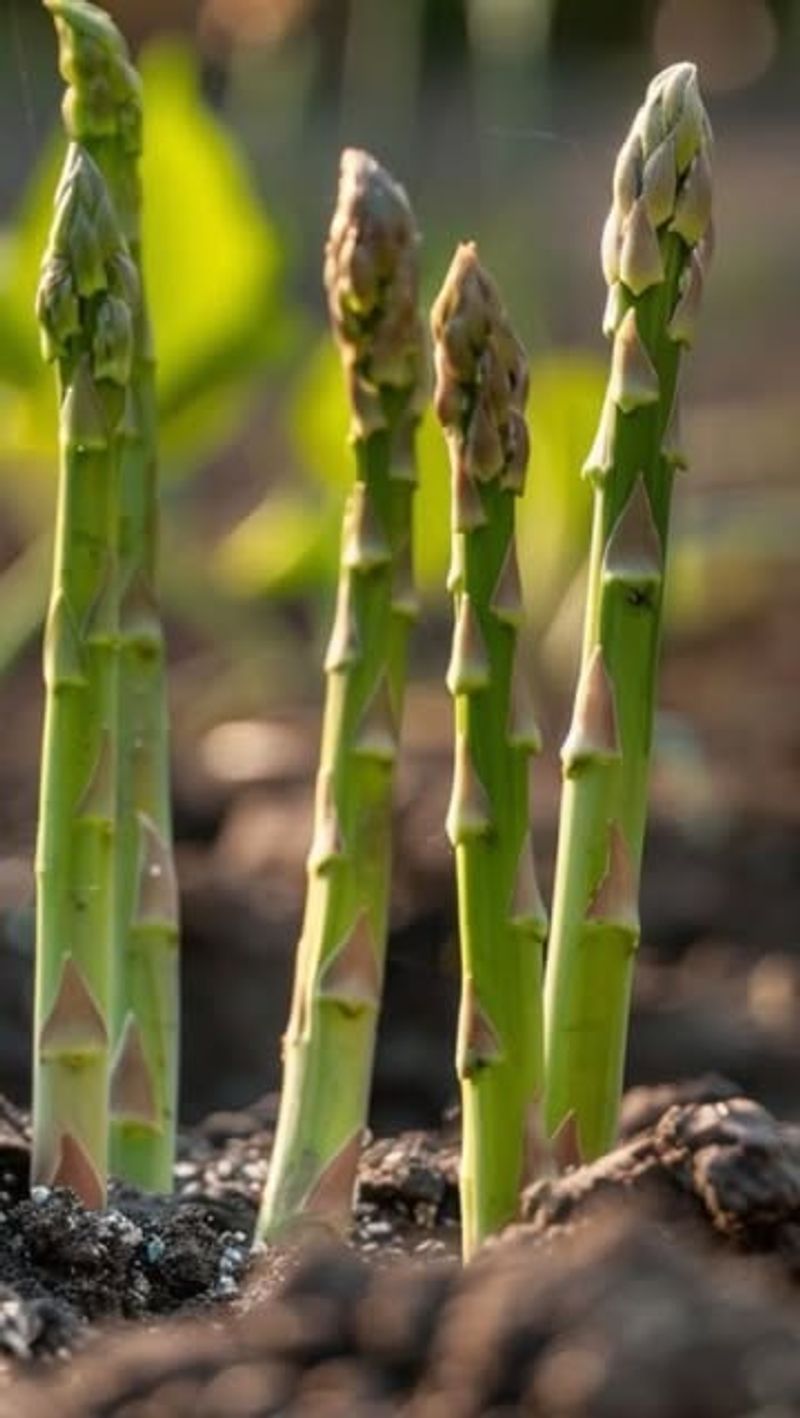
It is a true perennial, meaning the root system stays alive underground through every season and sends up fresh spears each spring without any help from you.
That kind of reliability is rare in the vegetable garden, and it is a big reason why so many experienced gardeners treasure a good asparagus bed.
The underground structure that makes this possible is called the crown.
Each crown is a cluster of roots and buds that stores energy throughout the growing season, then uses that stored energy to push up new spears when spring arrives.
A healthy crown keeps growing larger and stronger with each passing year, which is why older beds often produce more abundantly than newer ones.
Research from university extension programs strongly supports a productive lifespan of 15 years or more for a well-managed asparagus planting.
On an excellent site with good soil, good drainage, and consistent care, 20-plus years is genuinely achievable.
North Carolina gardeners who choose the right location and stay on top of basic maintenance give their asparagus the best possible chance at that kind of impressive longevity.
Think about what that means for your garden. One planting effort, one bed to maintain, and decades of fresh spring harvests waiting for you every year.
Asparagus truly earns its reputation as one of the most satisfying long-term commitments a home gardener can make.
2. The Bed Must Be Chosen Carefully
Picking a random open spot in your yard and dropping asparagus crowns in the ground is a recipe for disappointment.
Because asparagus stays in the same location for 15 to 20 years or longer, the site you choose matters more than almost any other decision you will make.
Getting this right from the start sets the foundation for every harvest you will enjoy for decades to come. Full sun is the top priority.
Asparagus needs at least eight hours of direct sunlight each day to produce strong, thick spears consistently.
Shaded beds tend to produce weak, spindly growth, and the crowns struggle to store enough energy to support reliable harvests year after year.
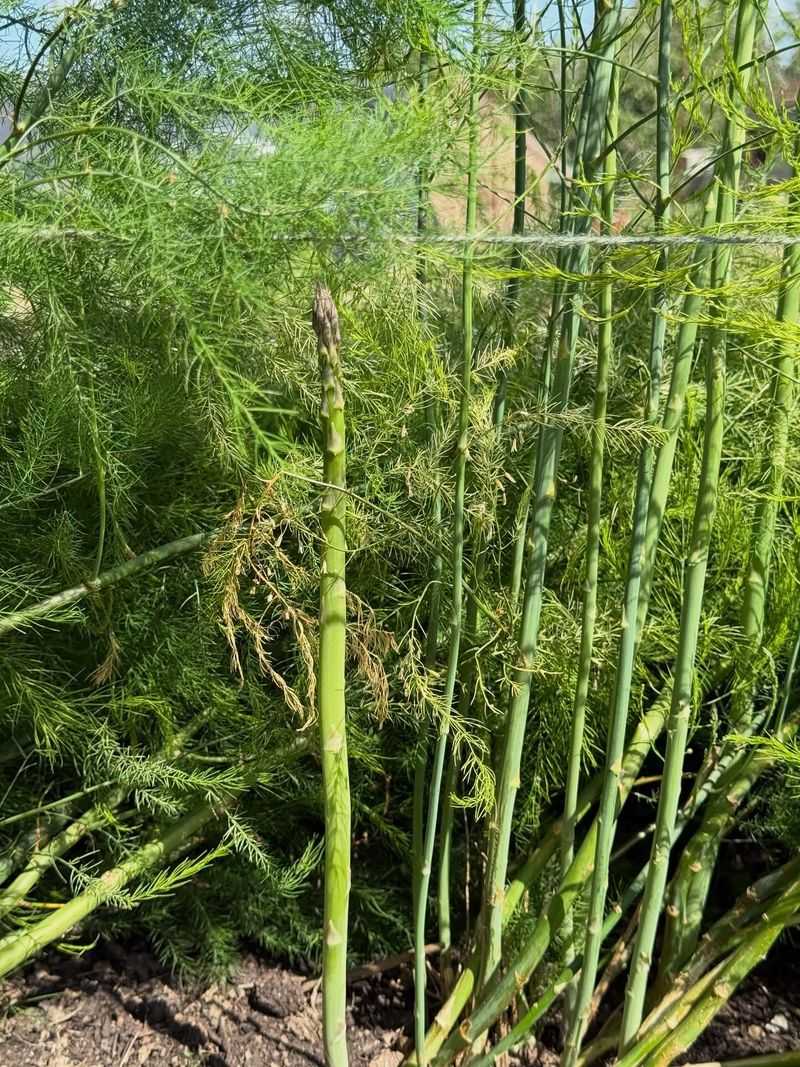
Even partial shade from a nearby tree or fence can noticeably reduce your yields over time. Good drainage is equally critical, and so is space. Once asparagus moves into its summer fern phase, the plants can grow five to six feet tall.
Your North Carolina Garden Changes Every Week. Your Plan Should Too.
Gardening in North Carolina changes quickly throughout the season. Every Friday you’ll receive a simple weekly plan showing exactly what to plant, prune, fertilize, harvest, and protect so you never miss the right timing.
Placing your bed near smaller crops like lettuce or herbs means that tall fern growth could block their sunlight and crowd them out.
Giving asparagus its own dedicated corner of the garden prevents that problem entirely. Soil quality also plays a big role in site selection.
Sandy loam or well-amended garden soil gives crowns the loose, deep environment they need to spread their roots and thrive.
Choosing a great site is not just a starting step, it is the single decision that connects most directly to how long and how well your asparagus bed will produce.
3. Drainage Is Non-Negotiable In North Carolina
North Carolina gets a good amount of rainfall throughout the year, and while that is wonderful for many crops, it can create a serious challenge for asparagus. Asparagus roots simply do not tolerate soggy conditions for extended periods.
Wet soil around the crown weakens the root system over time and can lead to rot that shortens the productive life of your bed significantly. The good news is that asparagus absolutely loves deep, rich, well-drained soil.
When you amend your planting area generously with compost before putting crowns in the ground, you improve both the nutrient content and the drainage of the soil at the same time.
Loose, crumbly soil lets water move through quickly while still holding enough moisture to keep the roots healthy between rain events.
Clay soil is common across many parts of North Carolina, and it holds water far longer than asparagus prefers.
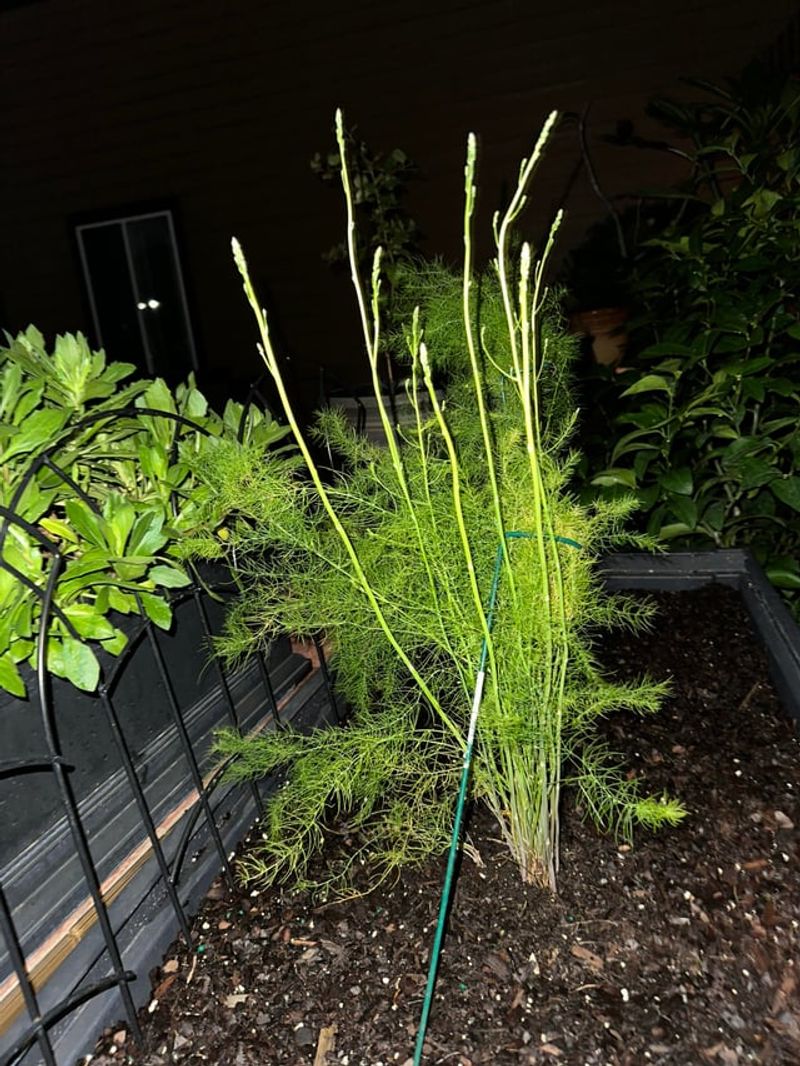
If your garden sits on heavy clay, or if you have a low spot where water pools after a hard rain, a raised bed is your best solution.
Building the bed up by eight to twelve inches with a quality amended soil mix puts the crowns above the drainage problem entirely.
Even gardeners with decent native soil can benefit from raised beds simply because of the extra control they provide.
You decide exactly what goes into the growing environment, and that level of control pays off every spring when thick, healthy spears push up right on schedule.
Good drainage is not optional for asparagus. It is the foundation of a long and productive planting.
4. Dormant Crowns Get The Bed Started
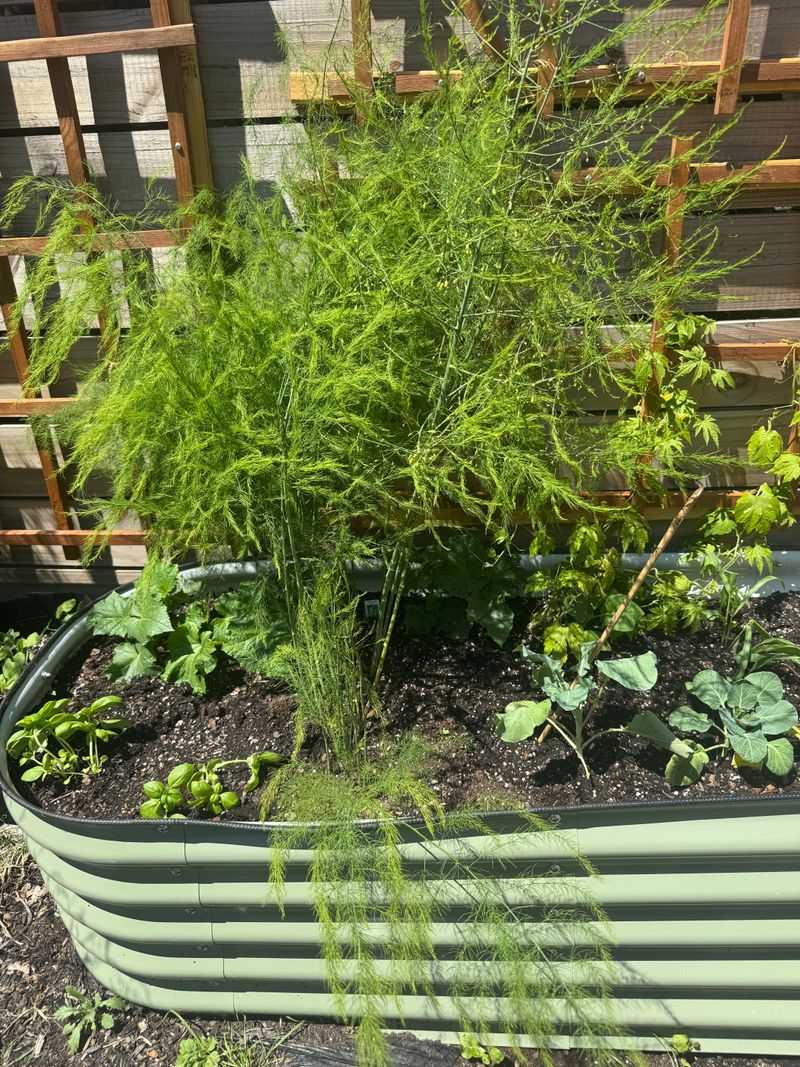
Starting asparagus from seed is possible, but most North Carolina gardeners skip that route and go straight to planting dormant crowns instead.
Crowns are one-year-old root systems that have already spent a full growing season building energy.
Planting them gives you a meaningful head start compared to starting from seed, which can add an extra year or more before your first harvest.
Crowns are planted while they are still dormant, typically during late winter to early spring in North Carolina, depending on your specific region and how quickly the soil warms up.
The timing matters because crowns planted before they break dormancy tend to establish better.
They settle into the soil, spread their roots, and start building strength before the heat of summer arrives.
The planting process itself involves digging a trench about six to eight inches deep, spreading the crown roots out like a fan in the bottom of the trench, and then covering them with a few inches of soil.
As the spears emerge and grow through the season, you gradually fill in the trench. This technique encourages deep, strong root development from the very beginning.
The most important mindset to bring to crown planting is patience. The goal of the first season is not to get spears on your dinner plate.
The goal is to let those crowns develop a strong, well-established root system that will power your harvests for the next two decades.
Giving them the time and space to do that without interruption is the smartest move you can make early on.
5. The First Years Require Patience
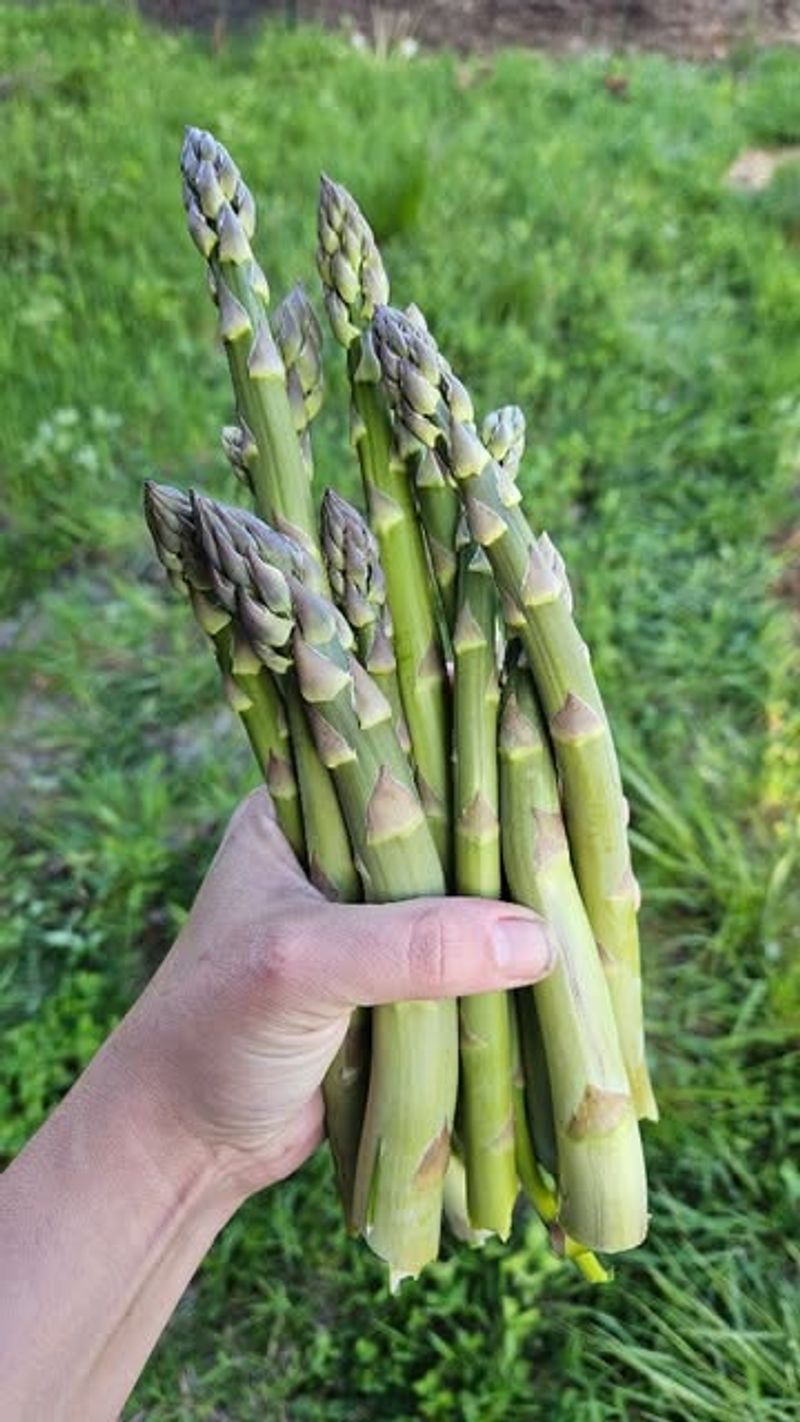
Waiting is genuinely hard when you can see asparagus spears poking up out of the ground in your garden.
The natural instinct is to snap them off and enjoy them, but harvesting too heavily in the first couple of years is one of the most common mistakes new asparagus growers make.
Those early spears are not really a crop yet. They are the plant’s way of building the crown strength that will support your harvests for years to come.
During the first full growing season after planting, most experienced gardeners recommend harvesting nothing at all.
Every spear that grows into a full fern is capturing sunlight and sending energy back down into the crown.
The bigger and healthier the crown gets, the more productive your bed will be once it reaches full maturity. Skipping that first harvest is an investment, not a sacrifice.
By the second or third year, you can begin a light harvest, picking spears for just one to two weeks and then letting the rest fern out.
This gives you a small taste of what is coming while still allowing the crown to keep growing stronger.
Each year you follow this approach, the harvest window gets a little longer and the spears get a little thicker.
Full harvests, where you pick spears consistently over four to six weeks or more, generally come once the bed is better established, often around year three or four.
Gardeners who push too hard too soon often end up with a weak, thin-producing bed by year five. Patience in the early years pays back every single spring for the life of the planting.
6. Mature Beds Give A Longer Spring Harvest
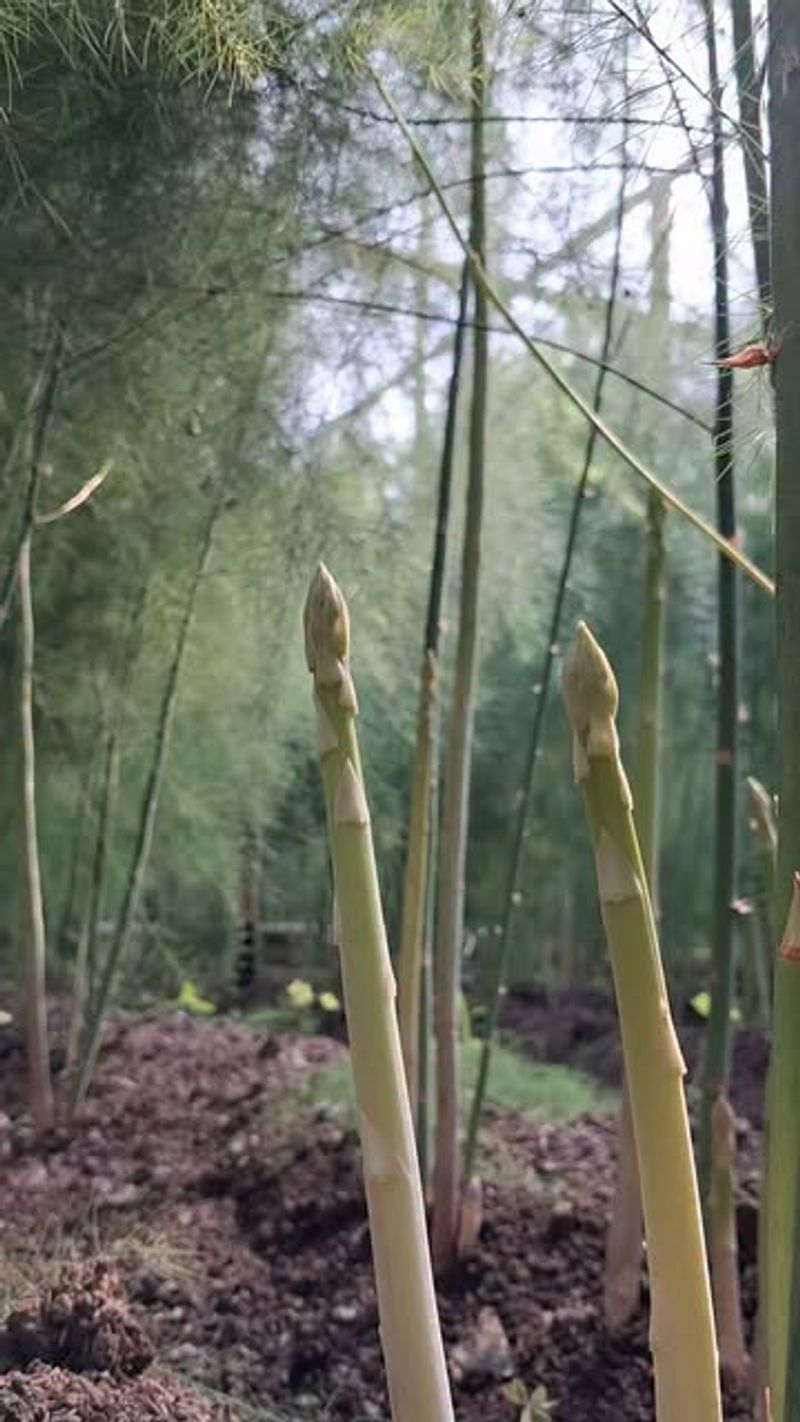
There is something genuinely exciting about walking out to a mature asparagus bed on a warm spring morning and finding a fresh flush of thick, tender spears ready to pick.
Once a bed reaches full maturity, usually around year three or four and beyond, the harvest window stretches out in a way that younger beds simply cannot match.
A well-established planting can give you four to six weeks of consistent spring picking, sometimes even longer. Knowing when to harvest is just as important as having a mature bed to harvest from.
The ideal time to pick asparagus spears is when they reach about six to eight inches tall, before the tips begin to loosen and open up into a feathery top.
Spears at that stage are tender, flavorful, and snap cleanly right at or just below the soil surface.
Checking your bed every day or two during peak season is a smart habit because asparagus grows fast, especially when temperatures are warm.
A spear that is perfect today can become too tall and tough by tomorrow if the weather is right.
Staying on top of the harvest keeps the bed producing steadily and gives you the best quality spears throughout the season.
Thicker spears are actually a sign of a healthy, well-fed crown, not a sign that the spear is too old.
Many gardeners are surprised to learn that pencil-thin spears often indicate a crown that needs more nutrition or is still too young.
A mature, well-nourished bed rewards you with the kind of thick, restaurant-quality asparagus that makes all those patient early years completely worth it.
7. Fern Growth Feeds Future Harvests
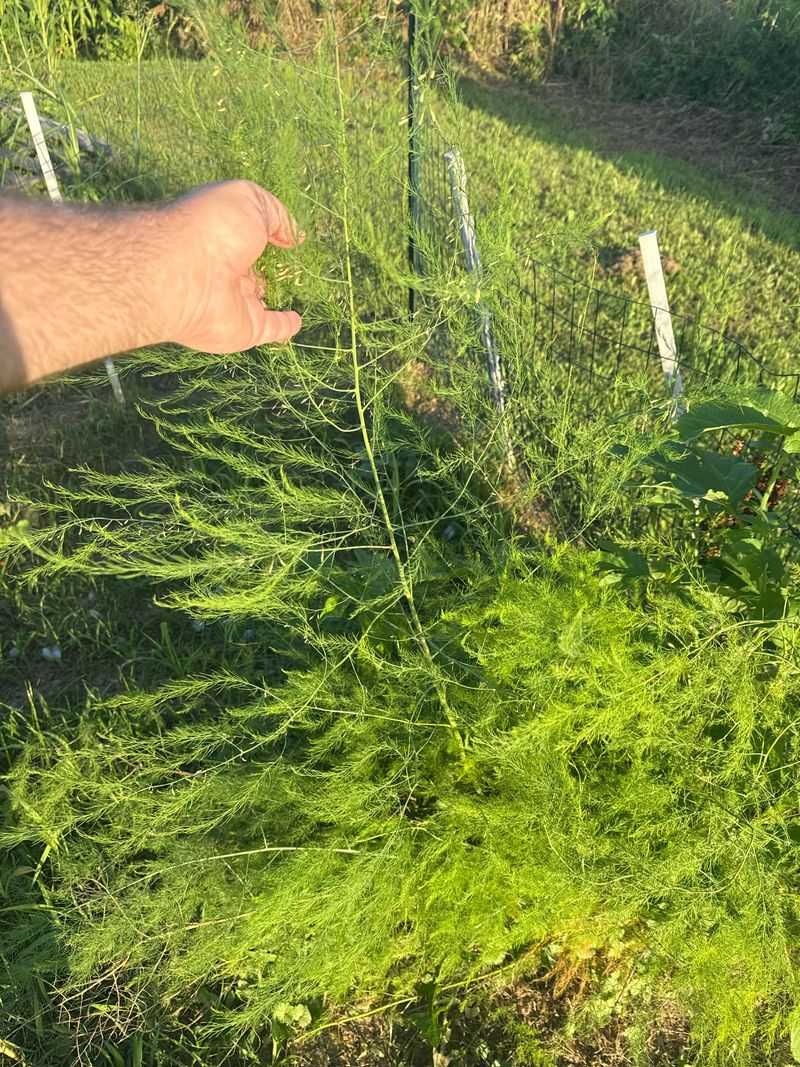
Once you stop picking spears for the season, something almost magical happens in the asparagus bed.
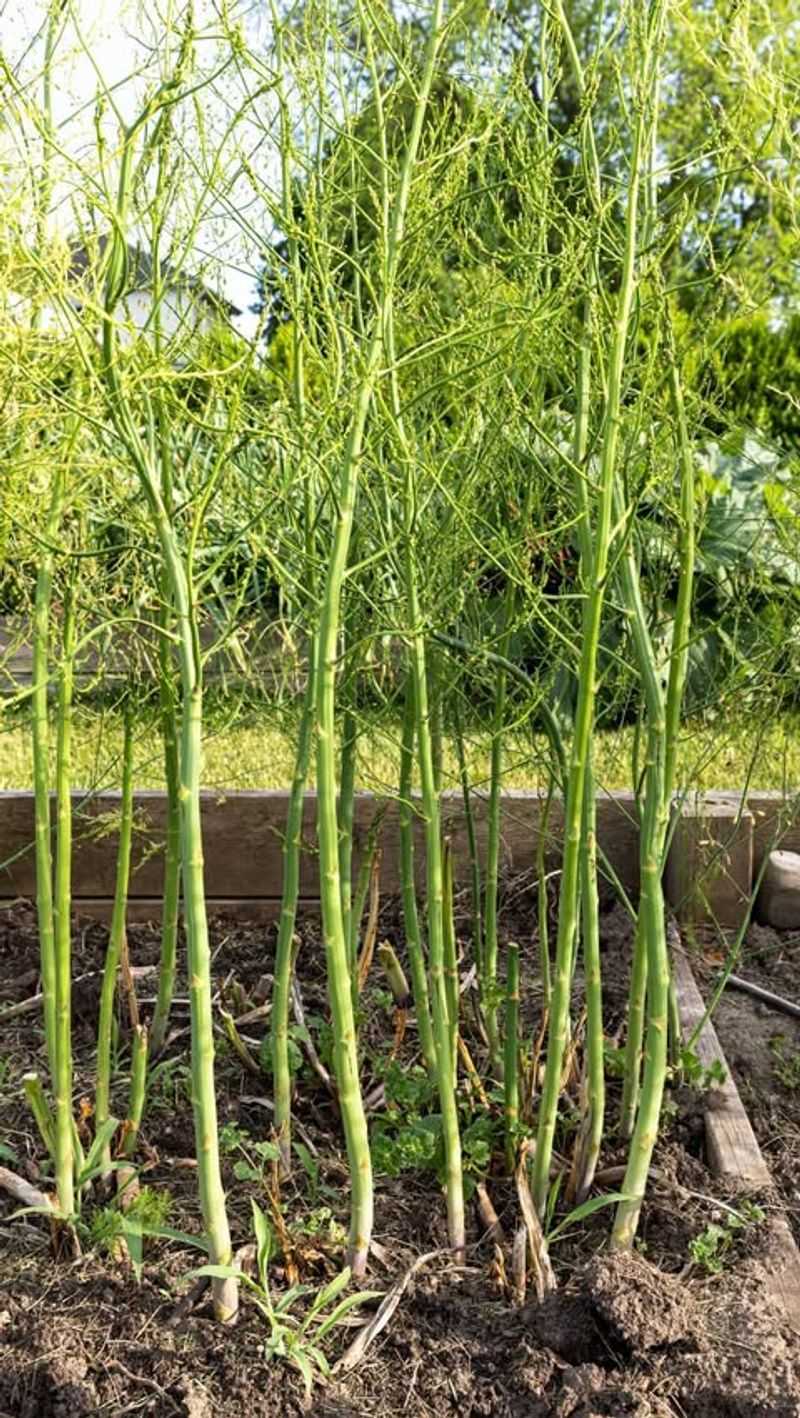
Those same crowns that produced your spring harvest start sending up tall, feathery fern growth that can reach five or six feet by midsummer.
To some gardeners it looks like the bed is just sitting there doing nothing useful, but the opposite is true.
That fern growth is the hardest working part of the entire growing cycle. Photosynthesis is the key process happening in those tall ferns all summer long.
The fronds capture sunlight and convert it into carbohydrates that travel back down into the crown, where they are stored as energy for next spring’s spears.
The more healthy fern growth the plant produces, the more energy gets packed into the crown, and the stronger and more productive next year’s harvest will be.
Cutting the ferns too early, whether because they look messy or you want to tidy up the garden, interrupts that energy transfer before it is complete.
Gardeners who harvest spears too late into the season face the same problem, because every spear that gets picked is a fern that never grew.
Extending your harvest window past its natural end point can weaken the crown over time and reduce your yields in future years.
The ferns should be left standing until they turn brown and dry in late fall or early winter. At that point, cutting them back to the ground is perfectly fine and actually helps with pest management.
Respecting the fern phase is not optional, it is the biological engine that keeps your asparagus bed producing season after season for many years ahead.
8. Long-Term Care Keeps The Bed Productive
Getting asparagus in the ground is just the beginning of the relationship.
Once the bed is established, a little consistent attention each year is what keeps it healthy, productive, and performing at its best season after season.
The good news is that asparagus is not a high-maintenance crop once it settles in, but it does reward gardeners who show up for it regularly. Weed control is one of the most important ongoing tasks.
Weeds compete directly with asparagus roots for water, nutrients, and space, and because asparagus has shallow feeder roots near the soil surface, aggressive weeds can cause real harm if left unchecked.
A thick layer of straw or wood chip mulch between rows suppresses weeds naturally while also retaining soil moisture and moderating soil temperature through North Carolina’s warm summers.
Fertility matters too, and the best way to manage it is through regular soil testing.
North Carolina’s Cooperative Extension Service offers affordable soil testing that tells you exactly what your bed needs, whether that is lime to adjust pH, phosphorus for root strength, or potassium for overall plant health.
Adding compost each spring before spears emerge is a simple habit that improves soil structure and feeds the crowns steadily over time.
Full sun and good drainage remain non-negotiable throughout the life of the bed. As nearby trees or shrubs grow over the years, check periodically that your asparagus still gets the light it needs.
One well-placed, well-tended asparagus bed can become a true spring tradition in your North Carolina garden, producing fresh spears for your family for 20 years or more with nothing more than steady, thoughtful care.