Natural Ways To Control Mosquitoes In Your Arizona Backyard This Summer
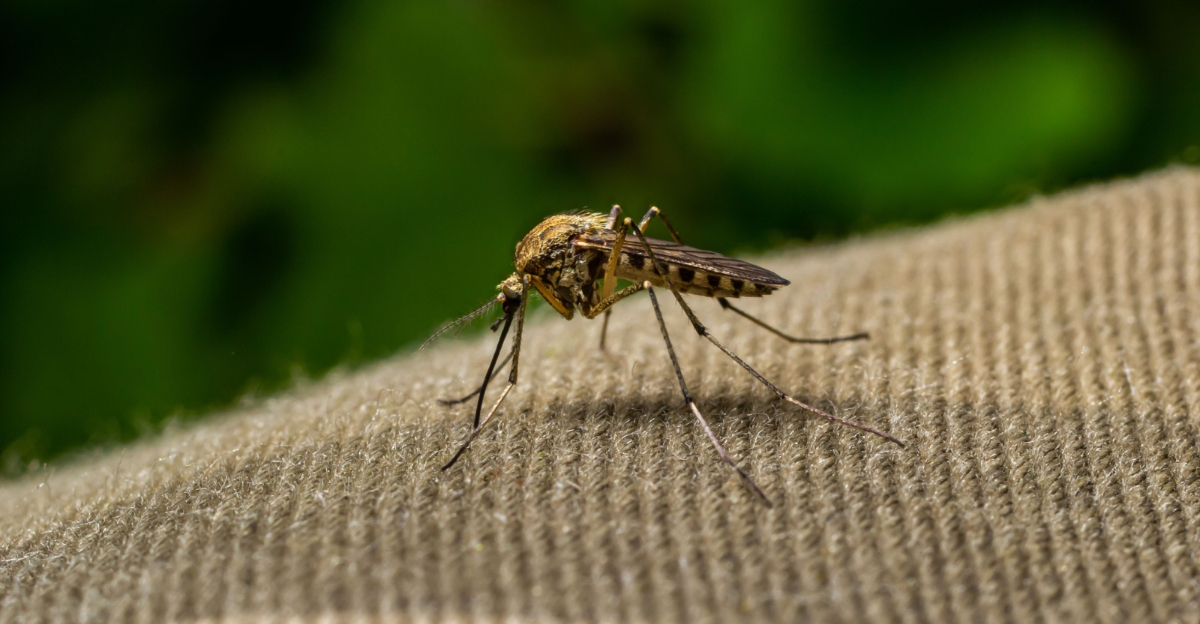
Arizona summer evenings are genuinely magical. Warm air, blooming gardens, the smell of rain rolling in ahead of a monsoon storm, a cold drink on the patio.
It’s the whole reason people put up with the brutal daytime heat, honestly. And then the mosquitoes show up and suddenly everyone is back inside.
Here’s the frustrating part: most Arizona backyards are creating mosquito-friendly conditions without homeowners even realizing it.
A container holding a little rainwater here, an irrigation puddle sitting in a shaded corner there, a neglected pot saucer that nobody noticed for two weeks.
That’s genuinely all it takes. Mosquitoes are not complicated.
They just need a little standing water and some time. The good news is that reducing mosquito pressure around your yard doesn’t require heavy chemical treatments.
It mostly just requires knowing where to look.
1. Dump Standing Water After Rain Or Irrigation
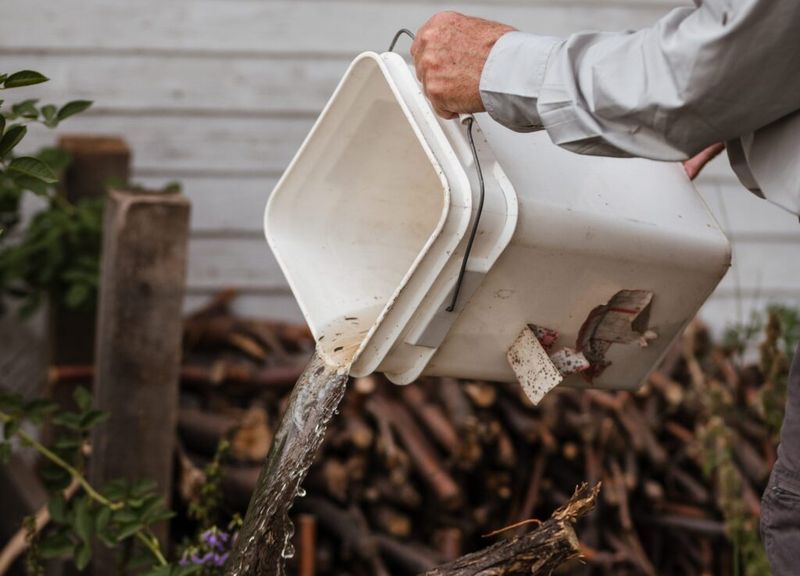
Monsoon season in Arizona can drop a surprising amount of rain in a short time, and water collects fast in places you might not expect.
Buckets, plant saucers, tarps, low spots in the lawn, and even folded outdoor furniture covers can hold enough water for mosquito larvae to develop.
Removing that water quickly is one of the most reliable ways to reduce mosquitoes near your home.
Mosquito larvae need standing water to develop before they become flying adults. In warm Arizona summer temperatures, that process can move faster than many homeowners realize.
Checking your yard within a day or two after rain or irrigation can make a real difference in how many mosquitoes end up hovering around your patio by evening.
Walk the yard after each rain or irrigation cycle and tip out anything holding water. Flip containers upside down when not in use, and check low-lying areas where runoff tends to settle.
Shaded spots along fences or under trees stay damp longer, so those areas deserve extra attention.
Staying consistent with this simple habit throughout Arizona’s summer season is one of the most straightforward ways to reduce breeding opportunities close to your home.
2. Check Small Containers Before Mosquitoes Settle In
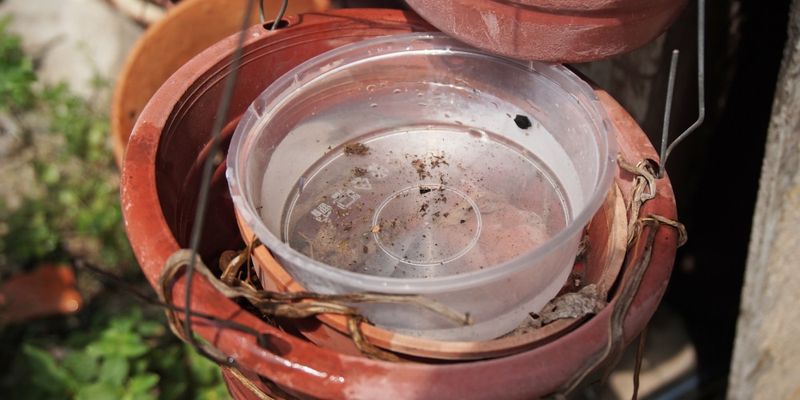
Flower pots, watering cans, bottle caps, and birdbaths might seem harmless sitting on a sunny Arizona patio, but even a small amount of water left sitting for a few days can become a productive mosquito breeding spot.
Small containers are easy to overlook, especially when there are several scattered around a garden or patio area.
A quick scan every few days can catch these spots before they become a problem.
Pay close attention to items that collect water in hidden or shaded locations, like containers tucked under a bench, behind raised beds, or along a fence line.
Water in the shade stays cooler and evaporates more slowly, which can make these spots particularly attractive for egg-laying.
Even a bottle cap or a small toy left outside can hold enough water to matter.
Try to store containers upside down or inside when they are not being used. For decorative pots or birdbaths you want to keep filled, change the water every few days so larvae do not have time to develop.
Your Arizona Garden Changes Every Week. Your Plan Should Too.
Gardening in Arizona changes quickly throughout the season. Every Friday you’ll receive a simple weekly plan showing exactly what to plant, prune, fertilize, harvest, and protect so you never miss the right timing.
Keeping patio surfaces clear of clutter also helps reduce the number of small hiding spots where water can collect unnoticed around your Arizona yard during summer.
3. Keep Fountains Moving Or Drain Them
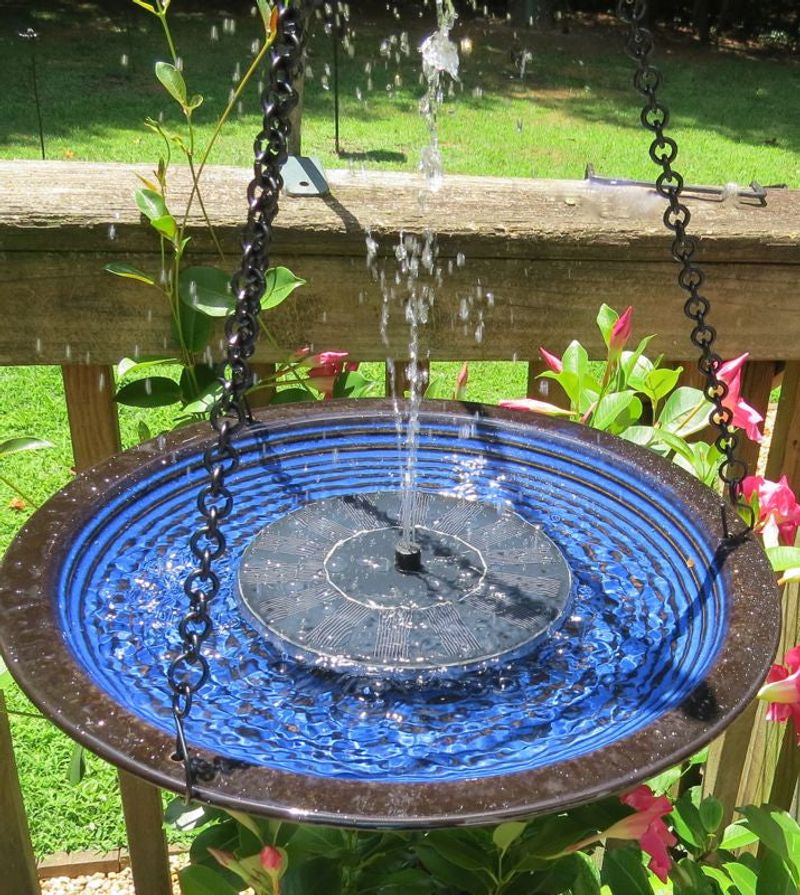
Water features can add a relaxing element to an Arizona backyard, but a fountain that stops circulating becomes a still-water spot that mosquitoes may find appealing.
Moving water makes it harder for mosquito larvae to survive and develop, so keeping pumps running consistently during the summer months is a practical part of backyard mosquito management.
If the pump stops working, the water quickly becomes as attractive as any other standing pool.
Check fountain pumps regularly throughout the summer to make sure water is actually moving and not just sitting still in the basin. Debris like leaves and algae can slow or clog a pump, reducing flow and creating calmer patches of water near the edges.
Cleaning the basin and pump filter every couple of weeks helps maintain consistent water movement and keeps the feature looking its best.
If you plan to be away from home for an extended period during Arizona’s monsoon season, consider draining decorative fountains and small water features rather than leaving them unattended.
A stagnant fountain can quickly develop larvae without regular maintenance.
For larger water features that are harder to drain, a battery-powered or solar fountain pump can keep water moving even when the main power source is off.
4. Cover Rain Barrels With Mesh Or Screen
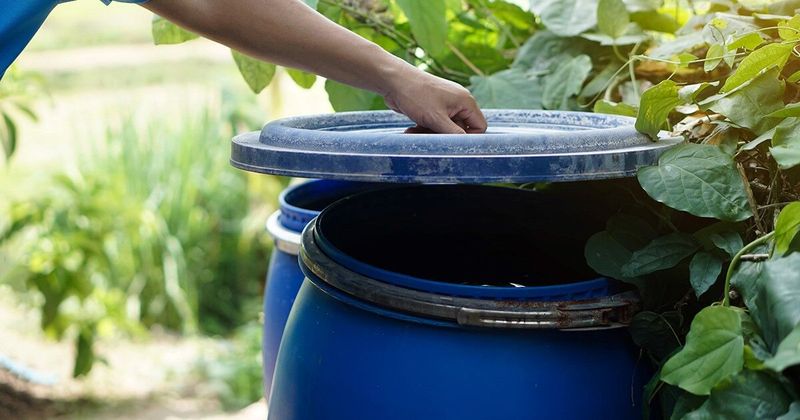
Collecting rainwater in Arizona is a smart way to conserve water during dry stretches, but an uncovered rain barrel can become a prime mosquito breeding site during monsoon season.
The dark, still water inside a barrel stays warm and sheltered, which can make it an appealing spot for mosquitoes to lay eggs.
A properly fitted mesh or screen cover blocks access while still allowing rainwater to flow in from the downspout.
Look for fine-mesh screen material with openings small enough to keep adult mosquitoes out. Hardware cloth or standard window screen can work well, but the fit matters just as much as the material.
Gaps around the edges or an ill-fitting lid can leave enough space for mosquitoes to enter and exit freely, reducing the effectiveness of the cover.
Check the cover regularly for tears, sagging, or debris buildup that might create a pooling spot on top of the screen itself. Standing water on top of a mesh cover can also attract egg-laying if the screen sags enough to hold water.
Arizona homeowners who maintain rain barrels throughout the summer will find that a well-fitted cover is one of the simplest and most reliable ways to keep those collection systems from contributing to backyard mosquito pressure.
5. Use Bti Dunks Where Water Must Stay
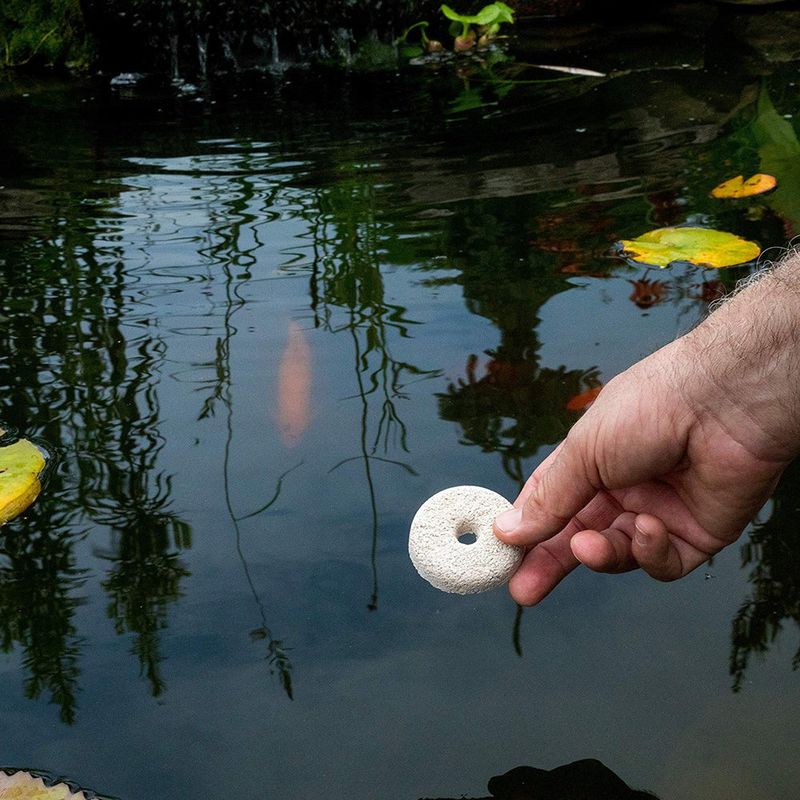
Some water features simply cannot be drained or kept moving, and that is where Bti dunks can be a practical lower-impact option. Bti stands for Bacillus thuringiensis israelensis, a naturally occurring soil bacterium that targets mosquito larvae specifically.
Dunks are small, donut-shaped products that slowly release Bti into standing water, where larvae ingest it as they feed. They are widely available at garden centers and hardware stores.
Bti dunks are commonly used in ornamental ponds, rain barrels, water troughs, clogged gutters, and other spots where standing water is unavoidable.
They are considered lower-impact compared to broad-spectrum treatments because they target mosquito larvae rather than a wide range of insects.
Follow the product label directions for correct usage rates and replacement schedules, since dunks break down over time and need to be replaced periodically.
Keep in mind that Bti works on larvae already in the water and does not repel adult mosquitoes from laying eggs. Combining dunks with good source reduction habits gives you a more complete approach.
For Arizona backyards dealing with persistent standing water during monsoon season, dunks can be a useful part of a broader water-management strategy rather than a standalone fix.
6. Fix Irrigation Leaks That Create Damp Spots
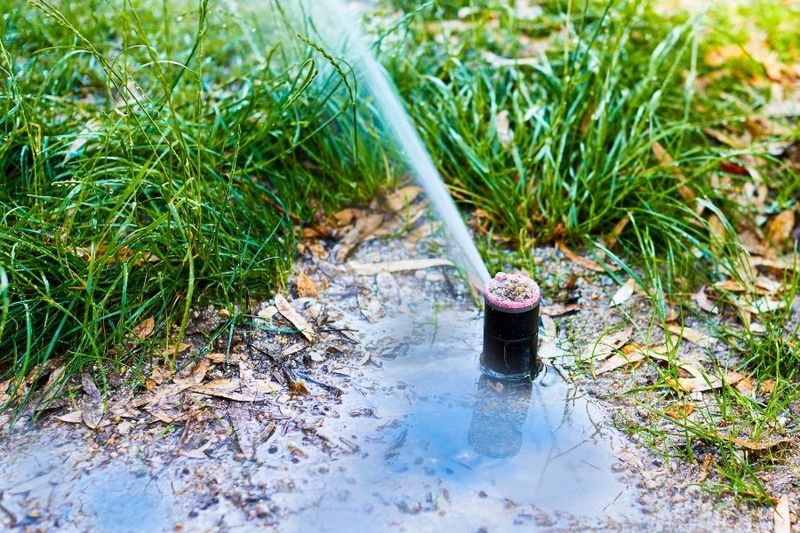
Drip irrigation is a common and water-efficient choice across Arizona, but a leaking emitter or cracked line can create a persistently damp patch of soil that stays moist long after watering ends.
That kind of slow, hidden moisture is easy to overlook because it does not create a visible pool, yet the damp ground can still support conditions that attract mosquitoes looking for nearby shelter and breeding opportunities in low spots or debris.
Walk your irrigation lines periodically and look for soft, soggy ground, unusually lush patches of vegetation, or emitters that are dripping between scheduled watering cycles.
A slow leak near a shaded fence, raised bed, or shrub border can stay damp for days in the summer heat if the soil is compacted or mulched heavily enough to retain moisture.
Finding and fixing these leaks reduces both water waste and unintended damp habitat near your home.
Irrigation systems in Arizona often run frequently during summer to keep landscaping healthy through the heat. That regular watering schedule makes it even more useful to check for leaks and runoff pooling.
Adjusting run times, fixing broken emitters promptly, and grading soil away from structures can all help prevent the kind of persistent dampness that makes certain corners of a yard more hospitable than you might want.
7. Clean Gutters And Drains That Hold Water
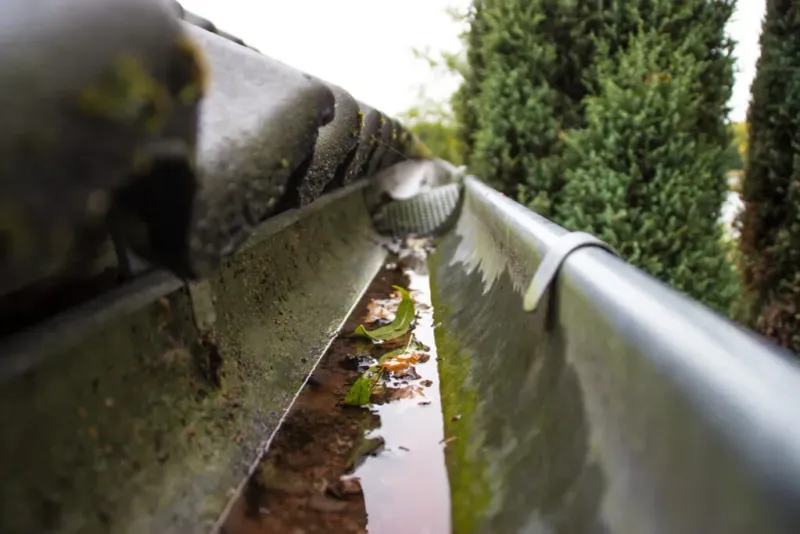
Clogged gutters are one of the more overlooked mosquito breeding spots around Arizona homes, partly because they are out of sight and easy to forget about until a heavy monsoon rain causes overflow.
When leaves, seedpods, and debris pack into a gutter channel, rainwater backs up and sits in shallow pools along the entire length of the gutter.
That warm, sheltered water can become a productive breeding area tucked just above the roofline.
Cleaning gutters at least once before monsoon season begins, and again partway through, helps keep water moving freely toward downspouts instead of pooling in place.
Check downspout extensions too, since water that drains out near the foundation can pool if the extension is clogged or aimed toward a low spot.
Splash blocks and extenders that direct water away from the house can reduce standing water near the foundation.
Flat roof drainage areas, covered patios with slight sags in the roofing material, and decorative drain covers on patio surfaces can also trap water after rain.
Arizona monsoon storms can be brief but intense, leaving water in unexpected places around the yard and home exterior.
Running your hand along gutters or using a hose to check flow after cleaning gives you a clearer picture of where water might still be sitting after a storm.
8. Repair Window And Door Screens Before Summer Bites

Keeping mosquitoes out of your home is just as useful as reducing them in the yard, and screen integrity matters more than many people realize until they notice the problem from inside the living room.
Even a small tear or gap in a window or door screen can let in enough mosquitoes to make evenings uncomfortable, especially in Arizona during the months when outdoor temperatures stay warm well into the night and windows stay open for airflow.
Check every screen before summer arrives and look for tears, holes, bent frames, or corners that have pulled away from the frame. Screen doors that do not close fully or have gaps at the bottom are common entry points.
Replacing damaged screen material is a relatively inexpensive repair that can be done with patch kits for small tears or full re-screening kits available at most hardware stores.
Do not overlook screens on vents, attic openings, or pet doors, since mosquitoes can use any small opening to move indoors.
In Arizona, where summer evenings often bring people onto patios or near open doors, a well-maintained screen barrier makes a noticeable difference in how many mosquitoes find their way inside.
Checking screens once at the start of summer and again mid-season keeps the barrier working consistently.
9. Use Outdoor Fans Around Patios And Seating Areas
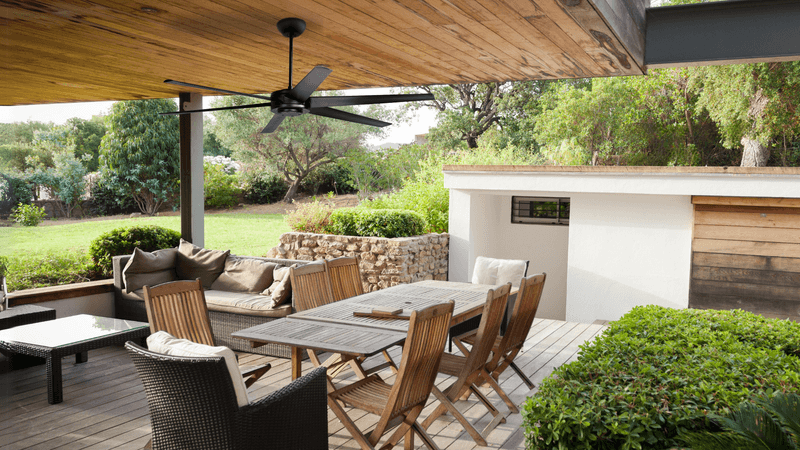
Summer evenings on an Arizona patio can be genuinely enjoyable once the temperature starts to drop, but mosquitoes often become more active right around that same comfortable window of time.
Running outdoor fans in covered patio or seating areas creates airflow that makes it harder for mosquitoes to fly and maneuver near people.
Mosquitoes are relatively weak fliers, and even a moderate breeze can disrupt their ability to land and feed comfortably.
Ceiling fans mounted under a covered patio work well for larger seating areas and can make a noticeable difference during calm evenings when mosquitoes tend to be most active. Portable oscillating fans can cover smaller spaces or be repositioned as needed.
Pointing fans downward and outward helps push air across the area where people are sitting rather than just circulating air overhead.
Fans do not reduce the number of mosquitoes in your yard, but they do make outdoor seating areas less comfortable for mosquitoes and more pleasant for the people using them.
Combined with source reduction habits like removing standing water and maintaining screens, a well-placed outdoor fan rounds out a practical approach to enjoying Arizona backyard evenings without relying on sprays or treatments for every outing.