The Rat-Repelling Shrubs Florida Gardeners Are Planting Around Their Homes
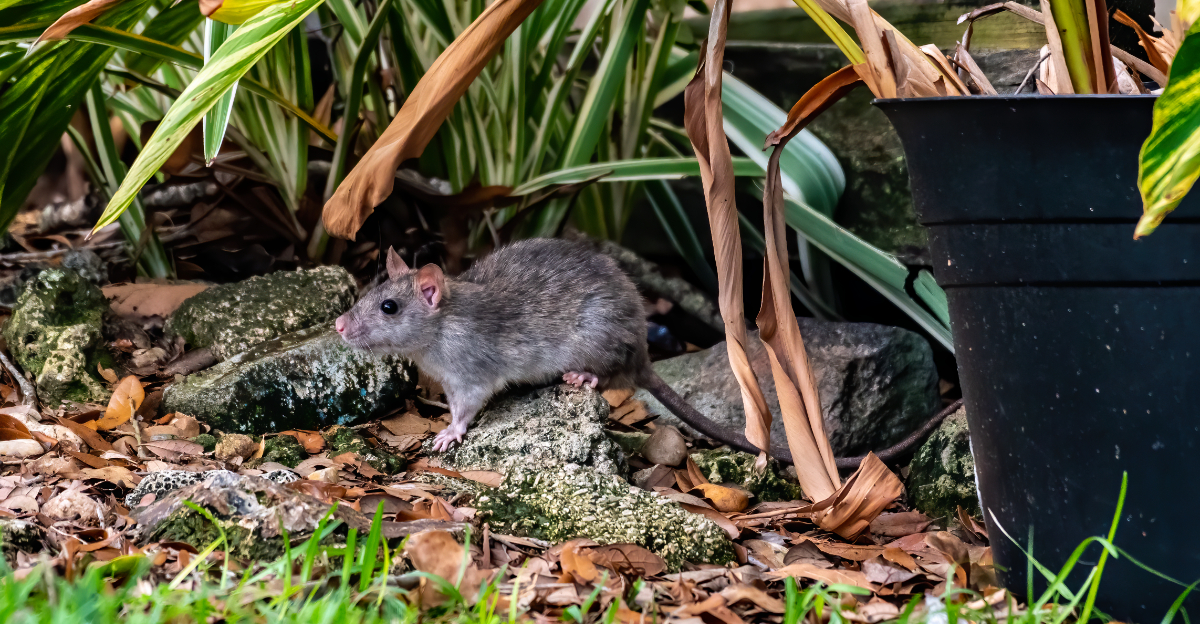
Rats in Florida are not a maybe. They are a when.
The climate keeps them bold year round, and neighborhoods give them plenty to work with. Once they find a comfortable spot around your home, convincing them to leave is a project nobody wants on their hands.
Most homeowners go straight for traps and poison. Both have their place, but neither one addresses why rats felt comfortable getting close to your home in the first place.
That is where smart landscaping starts to make a real difference. Certain shrubs have properties that rats actively avoid, including strong scents, dense textures, and specific growth habits.
Those traits work against the kind of cover rats look for when they scout a new territory. Florida has no shortage of beautiful options that pull double duty here.
Your yard can look good and make rats think twice about the whole idea.
1. Wax Myrtle Adds Scent Without Creating A Rat Hideout
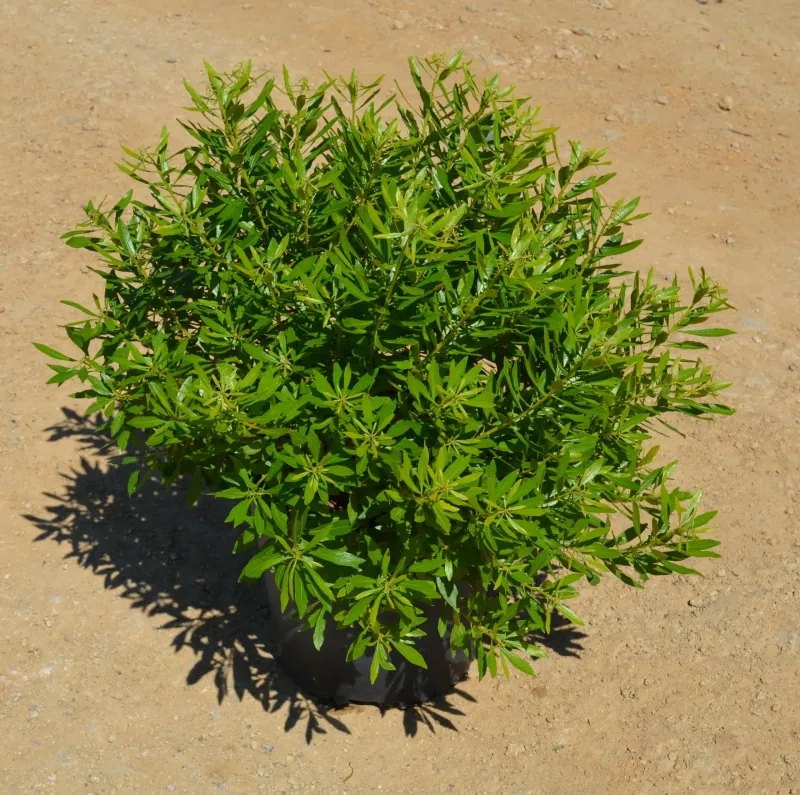
A lot of gardeners reach for fast-growing screens without thinking about what happens once those shrubs get thick and tangled near the house. Wax myrtle (Morella cerifera) is a native shrub worth reconsidering for those spots.
Its fragrance does not chase rats away, but it can be managed into a clean, open screen that does not create heavy shelter at ground level.
Native to this state and much of the Southeast, wax myrtle produces aromatic foliage that smells pleasantly spicy when brushed or pruned. Wildlife, including birds, appreciate its small waxy berries.
It grows quickly, handles sandy soil and wet conditions, and tolerates coastal salt spray better than many ornamentals.
The catch is that an unpruned wax myrtle becomes a dense thicket fast. Rats and other small animals can easily shelter inside neglected growth, especially near walls or fences.
Keeping the base lifted, thinning interior branches, and planting it a few feet away from the house makes a real difference.
According to UF/IFAS, wax myrtle responds well to pruning and can be shaped into a small multi-trunk tree or a managed hedge. Used that way, it offers privacy and fragrance without the messy, low-hanging tangle that gives rodents cover.
Placement and pruning matter far more than scent alone.
2. Rosemary Keeps Sunny Borders Sharp And Aromatic
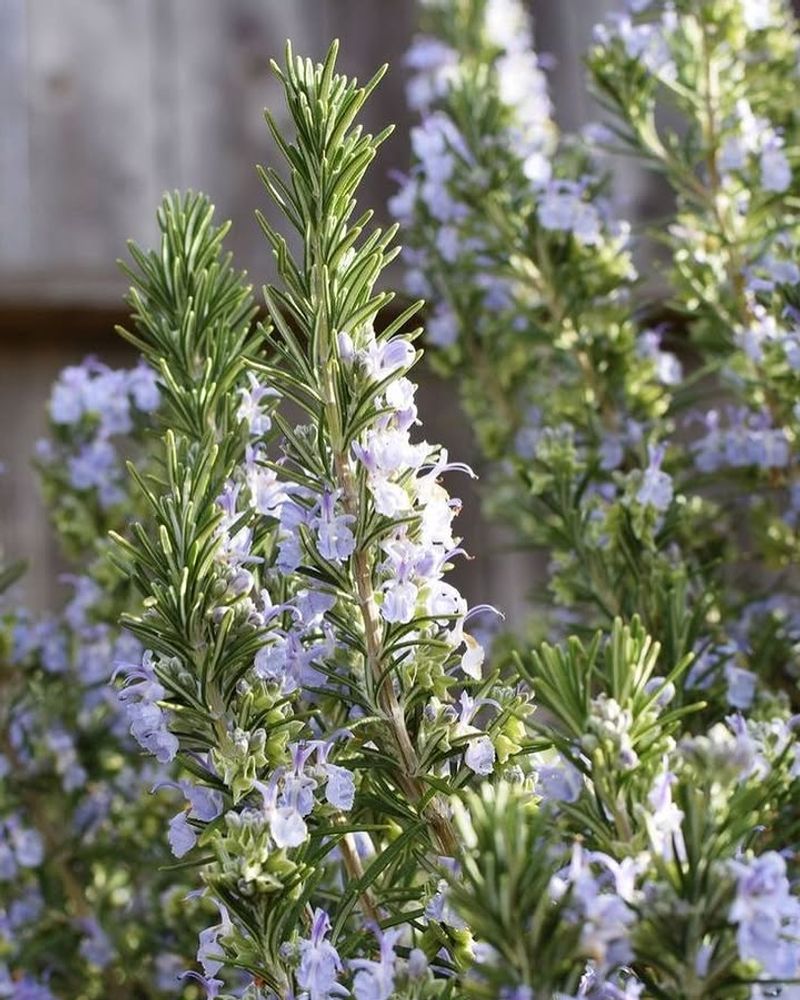
Walk past a well-kept rosemary border on a warm afternoon and the scent hits you immediately, sharp, herbal, and unmistakable. Rosemary (Salvia rosmarinus) is a classic choice for sunny borders, patios, and pathways.
It earns its place through structure and fragrance rather than any proven ability to block rodents.
Rosemary grows as a woody, upright or spreading shrub depending on the cultivar. It handles drought, poor sandy soil, and reflected heat from driveways and walls.
That makes it well-suited for the dry, sunny spots near entries, paths, and south-facing foundation beds where other plants struggle.
No credible source supports the idea that rosemary forms a rat-proof barrier. What it does offer is a tidy, low-debris structure that stays manageable with light trimming a few times a year.
Your Florida Garden Changes Every Week. Your Plan Should Too.
Gardening in Florida changes quickly throughout the season. Every Friday you’ll receive a simple weekly plan showing exactly what to plant, prune, fertilize, harvest, and protect so you never miss the right timing.
Fallen food scraps, open compost, and gaps in walls near any shrub matter far more than the plant’s scent when it comes to rodent pressure.
UF/IFAS notes that rosemary performs best in well-drained soil with full sun and good air circulation. Those conditions discourage the kind of damp, cluttered areas that attract pests.
Upright varieties like ‘Tuscan Blue’ work well as small accent shrubs. Prostrate types spread nicely along borders without building up the heavy interior debris that can turn a planting into shelter.
3. Simpson’s Stopper Builds A Cleaner Native Screen
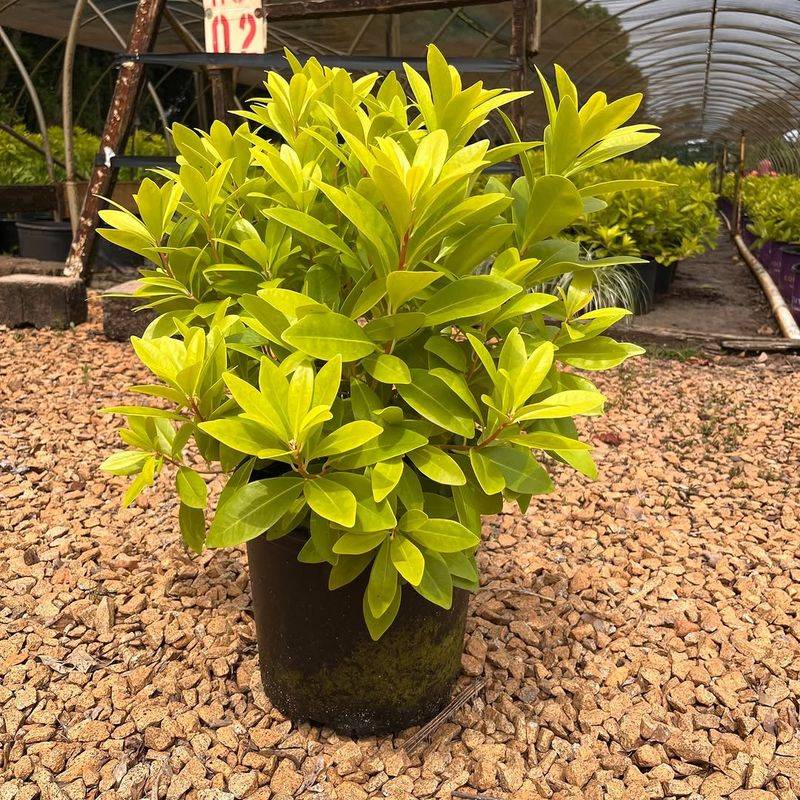
Fragrant flowers, glossy leaves, and a compact growth habit make Simpson’s stopper (Myrcianthes fragrans) one of this state’s most underused native shrubs. It rarely gets the spotlight it deserves, possibly because it grows at a moderate pace.
But that steady, manageable growth is exactly what makes it a smarter choice near a home than faster, messier alternatives.
Native to peninsular Florida and the Keys, Simpson’s stopper works as a privacy screen, a hedge, or a specimen plant in full sun to partial shade. The foliage has a pleasant spicy fragrance, and the white flowers attract pollinators.
Small orange-red berries follow, which birds enjoy.
Calling it a rat repellent would be inaccurate. What it offers is a structured, attractive screen that is far easier to keep tidy than many sprawling tropical shrubs.
A well-maintained hedge with clean spacing at the base and no piles of dropped material nearby is simply a less appealing habitat than a neglected, overgrown planting.
Because it does produce fruit, gardeners should monitor and clean up fallen berries near entries, patios, and outdoor eating areas. Dropped fruit near the house can attract rodents regardless of what shrub it comes from.
UF/IFAS recommends Simpson’s stopper for native plantings, butterfly gardens, and screens in frost-sensitive areas. That is especially true in central and southern regions where it thrives year-round.
4. Florida Anise Brings Strong Fragrance To Shady Corners
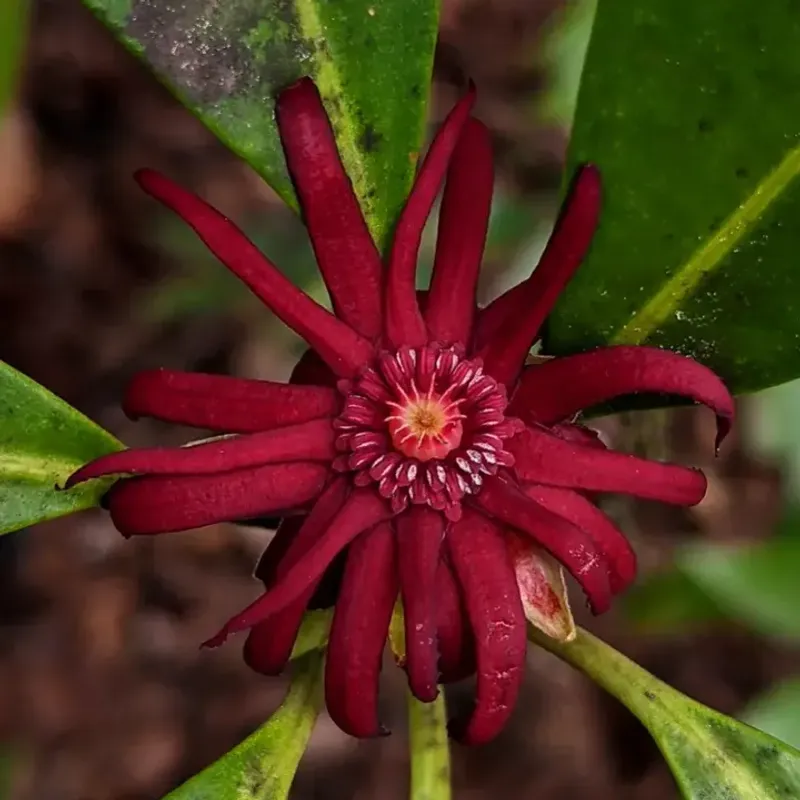
Shady corners near a home’s foundation are tricky spots. They stay damp, they often collect leaf litter, and they are easy to neglect.
Florida anise (Illicium floridanum) is one of the few native shrubs that genuinely thrives in those conditions. It offers bold fragrance and dense structure without needing full sun.
Every part of Florida anise is strongly aromatic, including the leaves, bark, and roots. The scent is distinctive and intense when the foliage is crushed or disturbed.
It produces unusual burgundy-red flowers that add interest in spring. The large, dark green leaves give it a lush, tropical look suited to moist, partially shaded areas.
No published research supports the claim that Florida anise fragrance alone keeps rats away. The real value here is using a clean, structured shrub in a spot that might otherwise collect debris and clutter.
Pruning it to maintain open spacing at the base and keeping fallen leaves raked both help reduce rodent-friendly conditions. Avoiding piles of organic material nearby also makes any corner less attractive to rodents.
According to UF/IFAS, Florida anise grows well in wet to moist soils and handles deep shade. That makes it useful under large trees or along the shaded north side of a home.
Spacing plants properly keeps the planting tidy. Trimming back any growth that presses against walls also makes it less likely to become unintentional shelter for unwanted visitors.
5. Coontie Stays Tidy Where Rats Want Cover
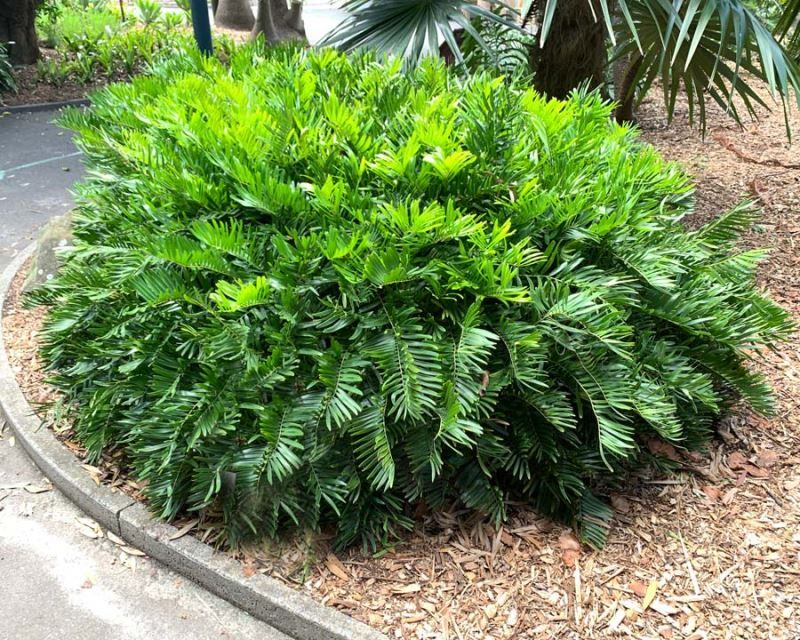
Most foundation shrubs eventually get out of hand. They grow dense, collect debris underneath, and press against walls in ways that create exactly the kind of sheltered, hidden space that small animals seek out.
Coontie (Zamia integrifolia) takes a different approach entirely.
This native cycad stays low and compact, with stiff, glossy dark green fronds that arch outward in a tidy rosette. It produces little litter compared with most flowering shrubs, and its slow, predictable growth means it rarely needs heavy pruning to stay in bounds.
That combination makes it genuinely useful in foundation beds and sunny to partly shaded spots where a clean, structured look is the goal.
Coontie does not repel rats. What it avoids is becoming the kind of overgrown tangle that gives rodents cover.
Its open, low form lets light and air reach the soil, which is far less appealing to nesting animals than a dense, shaded thicket at ground level.
One important note: all parts of coontie are toxic if eaten. Gardeners with pets or young children should place it thoughtfully, away from areas where curious hands or paws might reach.
UUF/IFAS recognizes coontie as a valuable native plant and the host for the atala butterfly. It also brings meaningful ecological value to the yard beyond its tidy good looks.
6. Dwarf Yaupon Holly Makes Foundation Beds Less Messy
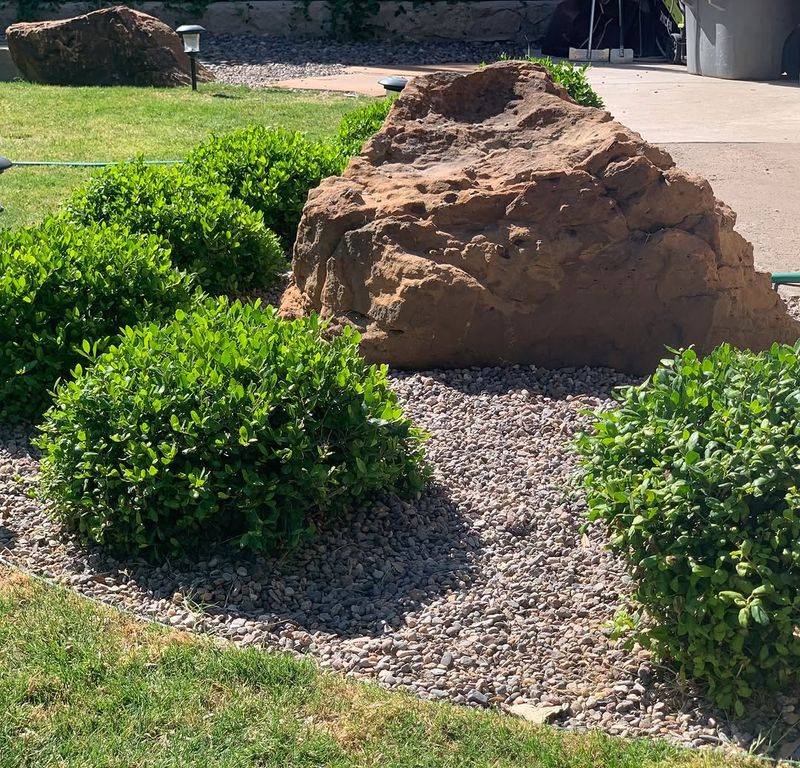
Overgrown foundation shrubs are one of the most common landscaping mistakes near homes. Shrubs that were planted small quickly become wide, dense masses that press against siding, block vents, and create dark, sheltered tunnels at ground level.
Dwarf yaupon holly (Ilex vomitoria dwarf cultivars) offers a cleaner alternative that stays manageable without constant heavy pruning.
Compact cultivars like ‘Nana’ and ‘Schillings Dwarf’ grow slowly into low, rounded forms with tiny evergreen leaves and a naturally dense but tidy habit.
They handle heat, drought, and poor soil well, making them reliable performers in sandy yards with full sun to light shade.
Birds appreciate the plant, and it fits neatly into formal or informal foundation designs.
No claim should be made that yaupon holly repels rats. Its value is in replacing messier, faster-growing shrubs that accumulate debris and create ground-level cover.
A well-spaced, pruned foundation bed with visible soil at the base is simply less inviting than a wall of tangled greenery.
Female plants produce small red or yellow berries depending on the cultivar, so cleanup near entries and patios may occasionally be needed.
UF/IFAS recommends dwarf yaupon holly for low-maintenance foundation plantings and notes its strong tolerance for challenging summer conditions.
Keeping it trimmed back from walls and spaced off the ground keeps the bed looking sharp and open.
7. Pineland Lantana Adds Color Without Heavy Debris
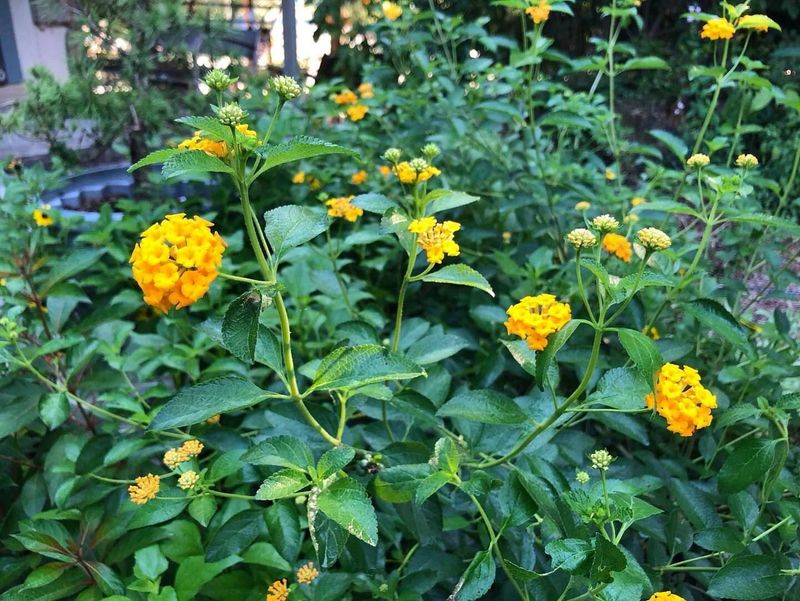
Bright color, pollinator traffic, and almost no fuss make pineland lantana (Lantana depressa) a standout for sunny spots in the landscape. Before buying, though, gardeners need to verify what they are getting.
Non-native lantana varieties are considered invasive in this state and can spread aggressively beyond the yard. Native pineland lantana is a different plant entirely, with a compact, low-growing form and a more restrained habit.
Found naturally in pine flatwoods and rocky pinelands of southern regions, this native species stays low and open rather than building into a large, sprawling mound.
It thrives in full sun and well-drained to dry soils, making it a good fit for the sandy, sunny beds common in coastal and inland yards.
Pineland lantana does not repel rats. Its advantage on this list comes from its structure.
The open, airy growth habit creates far less dense cover than bulkier shrubs, and it produces minimal debris buildup when planted away from walls in appropriate spots.
Placing it in open beds rather than directly against the house keeps it working as an attractive, pollinators-friendly border plant.
According to the Florida Wildflower Foundation, native lantana species provide important nectar for butterflies and other pollinators. Always confirm the species with a reputable native nursery before purchasing.
Mislabeling is common in the retail market, and the invasive non-native varieties cause real ecological harm in this state.
8. Saw Palmetto Works Only With Careful Placement
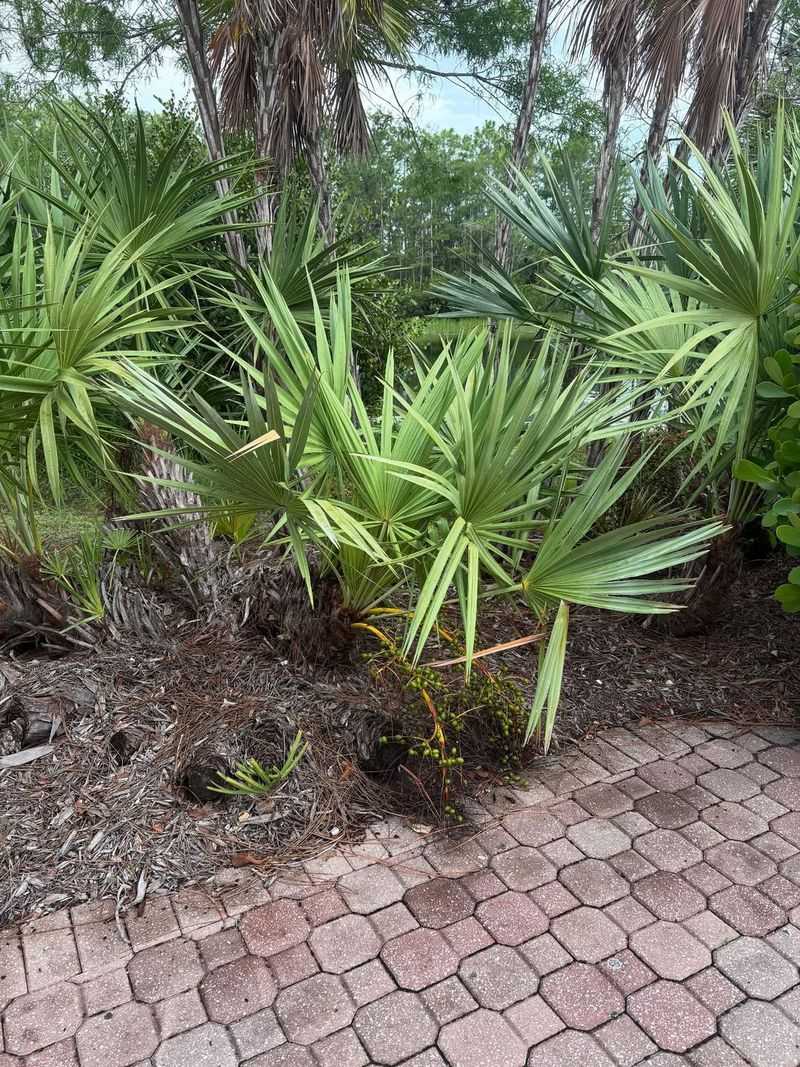
Tough, native, and undeniably Floridian, saw palmetto (Serenoa repens) belongs in a lot of landscapes, but not necessarily right up against the house. This is a plant that earns its place when used in the right location.
It causes real problems when planted too close to walls, foundations, or dense corners without enough space to breathe.
Saw palmetto forms a spreading, low clump of fan-shaped fronds with sharp-toothed stems that give it its name. It handles drought, salt, sandy soil, and full sun with ease.
In naturalized areas, native plantings, and larger beds away from structures, it provides excellent wildlife habitat. It also offers low-maintenance ground cover with deep ecological value.
Near the home, the story changes. Dense saw palmetto growth creates exactly the kind of low, sheltered canopy that gives rodents and other small animals cover and nesting space.
Planted too close to a wall or fence line, an unmanaged clump becomes difficult to inspect and nearly impossible to keep open at the base.
UF/IFAS recommends saw palmetto for naturalized settings and larger native landscapes rather than tight foundation beds.
If it is already established near the house, regular removal of withered fronds and maintaining clear sightlines around the base reduces its appeal as shelter.
Spacing, visibility, and avoiding dense cover near walls are the key rules for using this native plant responsibly near a home.