Showstopper Shrubs Arizona Homeowners Are Choosing Instead Of Red Bird Of Paradise
There is always that one house people slow down to look at. Not because the yard is huge or expensive, but because something about it stands out.
A colorful shrub catches your eye from the street, and suddenly the whole landscape feels more interesting.
Most people do not think much about shrubs until they start planning changes in their own yard. Then they realize how many landscapes seem to rely on the same few plants.
What once felt fresh can start feeling predictable after seeing it over and over again.
That is one reason more homeowners are looking for alternatives that offer just as much impact while bringing something different to the landscape.
In Arizona, Red Bird Of Paradise has been a longtime favorite, but it is no longer the only shrub getting attention.
Some newer favorites are earning compliments for their color, shape, and overall presence. If you are ready for something that feels a little less expected, these shrubs are worth a closer look.
1. Texas Ranger Brings Color With Less Cleanup
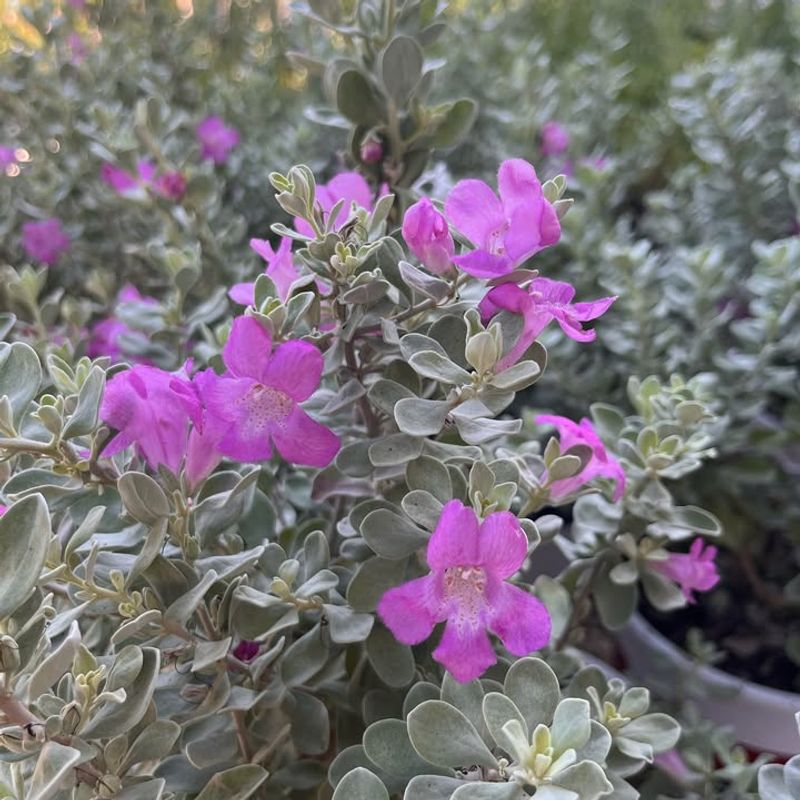
Purple flowers showing up right after a monsoon rain is one of the most satisfying sights in a desert yard. Texas Ranger pulls that off reliably every single season.
It earns its nickname, Barometer Bush, because it tends to burst into bloom just as humidity rises before a storm.
Mature plants reach six to eight feet tall and wide, so give them room. Once established, they need almost no supplemental water.
A little deep watering during extreme dry spells keeps them looking sharp, but they handle neglect better than most shrubs.
The silvery-gray foliage looks clean all year, even when flowers are not present. Leaf litter is minimal, which means less time raking.
That alone makes it popular with homeowners who want low-effort beauty.
Full sun is where this plant truly shines. Partial shade causes weak growth and fewer blooms.
Plant it near a south or west-facing wall for best results.
Pruning once a year after the main bloom cycle keeps the shape tidy. Avoid heavy shearing, which removes the natural form that makes this shrub so attractive.
Light trimming along the edges is all it really needs to stay presentable.
Bees and other pollinators are often drawn to the blooms of Texas Ranger Bush, especially right after rainfall when the flowers open up most heavily.
2. Baja Fairy Duster Keeps Hummingbirds Coming Back
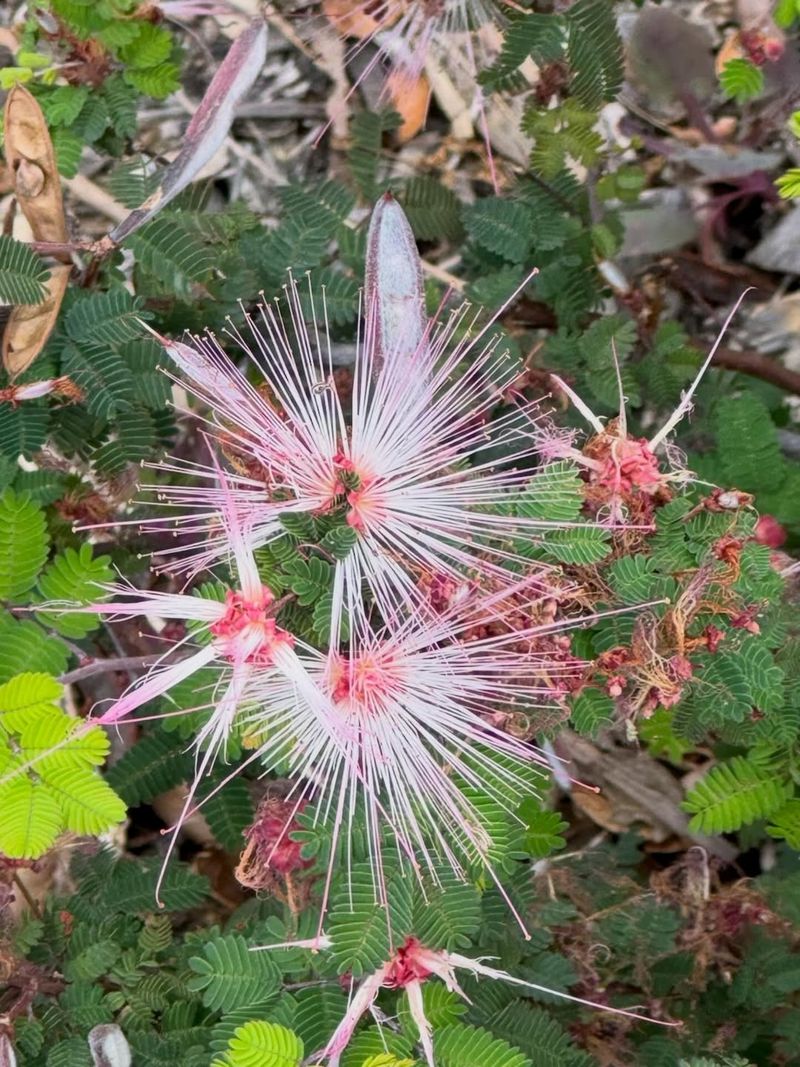
Watch a hummingbird hover over a Baja Fairy Duster for the first time and you will understand why this plant is spreading fast across desert landscapes. Those wispy red blooms are practically a feeding station for pollinators.
Butterflies and bees show up regularly too.
Unlike its close relative, the common Fairy Duster, the Baja variety blooms almost year-round in warm climates. That extended bloom season is a big deal when most other shrubs only perform for a few weeks at a time.
Growth stays compact, usually between three and five feet. It works beautifully as a border plant or tucked into a rocky slope.
Your Arizona Garden Changes Every Week. Your Plan Should Too.
Gardening in Arizona changes quickly throughout the season. Every Friday you’ll receive a simple weekly plan showing exactly what to plant, prune, fertilize, harvest, and protect so you never miss the right timing.
The fine-textured foliage stays green and soft-looking even through dry stretches.
Established plants need very little water once roots are settled. Deep watering every couple of weeks during summer keeps blooms coming strong.
Skip the fertilizer since rich soil actually reduces flowering.
Cold hardiness is moderate, so plants in frost-prone areas may lose some foliage in winter. Recovery is quick once temperatures climb back up.
Placing it near a south-facing wall adds a little extra warmth that helps it push through cooler nights without issue.
Overall, Baja Fairy Duster rewards minimal effort with maximum visual payoff, and the wildlife activity it brings adds real life to any yard.
The flowers are shaped in a way that makes them easy for hummingbirds to access, which is why visits are frequent during peak bloom periods.
3. Valentine Bush Stands Out During Cooler Months
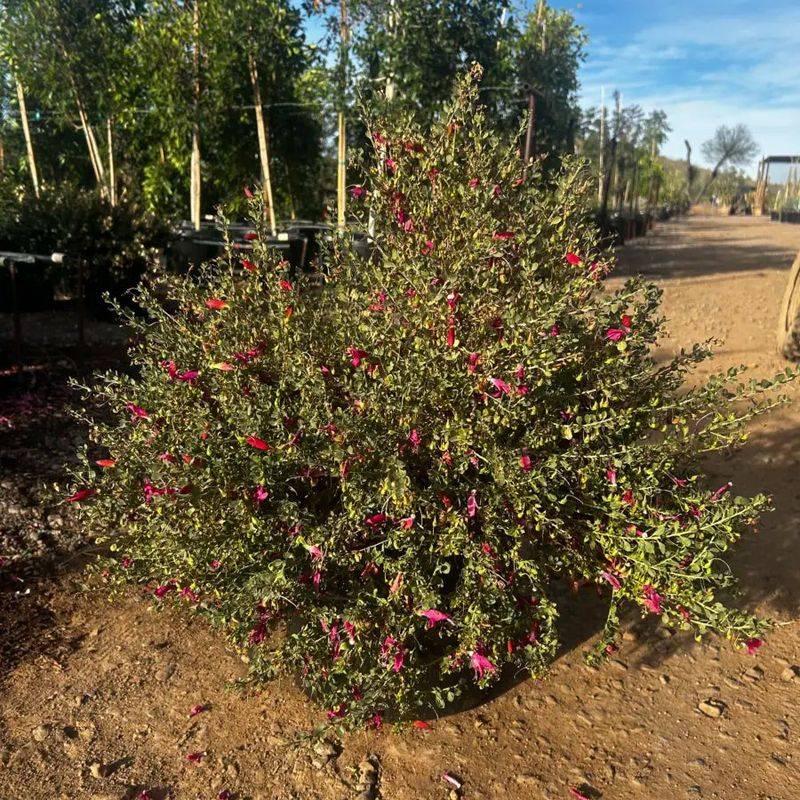
Most desert shrubs go quiet in winter, but Valentine Bush does the opposite. It saves its boldest performance for the cooler months, typically peaking around February, which is exactly when most yards look their dullest.
Deep magenta-red tubular flowers cover the plant densely during bloom season. Hummingbirds that overwinter in warmer desert regions depend on it as a reliable nectar source when little else is available.
Planting it helps support local wildlife during an otherwise lean season.
Plants grow slowly to about four feet tall and wide. The compact size makes it easy to place near entryways, patios, or along walkways without worrying about overcrowding.
It fits naturally in both formal and casual desert garden designs.
Water requirements are modest. Once established, Valentine Bush handles dry spells without much intervention.
Supplemental watering during extended dry winters keeps the blooms looking their best, but it is not strictly necessary for survival.
Full sun is ideal, though it tolerates light afternoon shade in hotter inland valleys. Soil drainage matters more than soil richness, so avoid amending with heavy organic material.
Pruning lightly after the main bloom cycle encourages fresh growth and a neater shape. Heavy cutting is not recommended since it can delay blooming the following season.
Minimal care goes a long way with this reliable cool-season performer.
4. Yellow Bells Offer Long Seasons Of Bloom
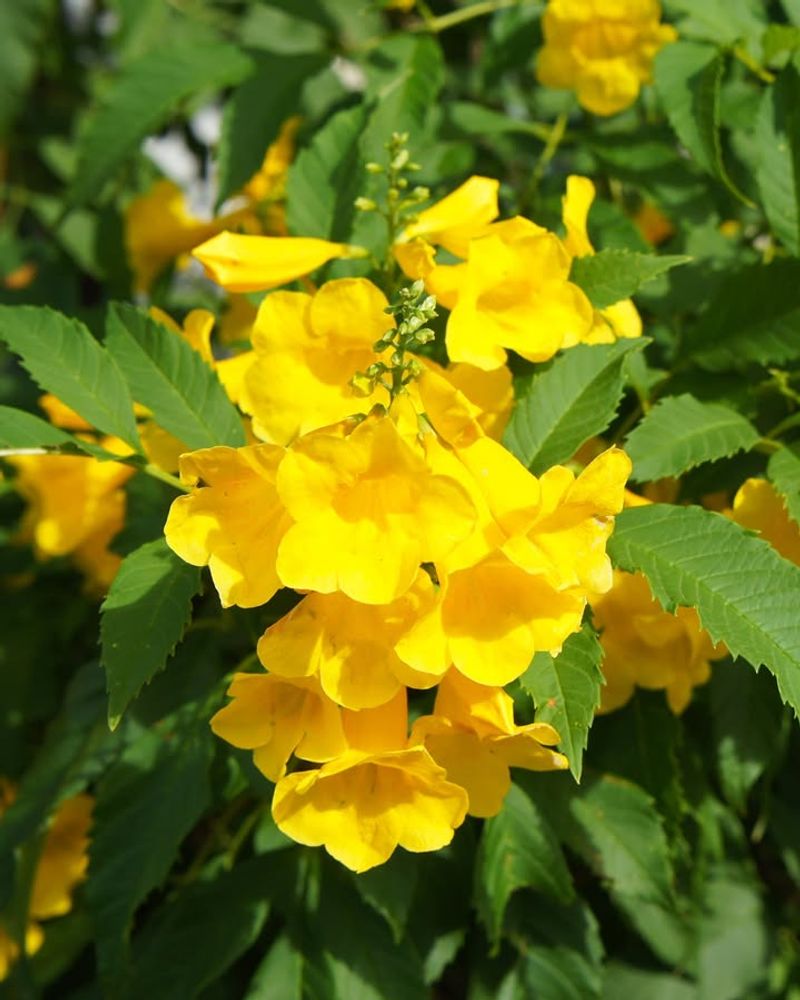
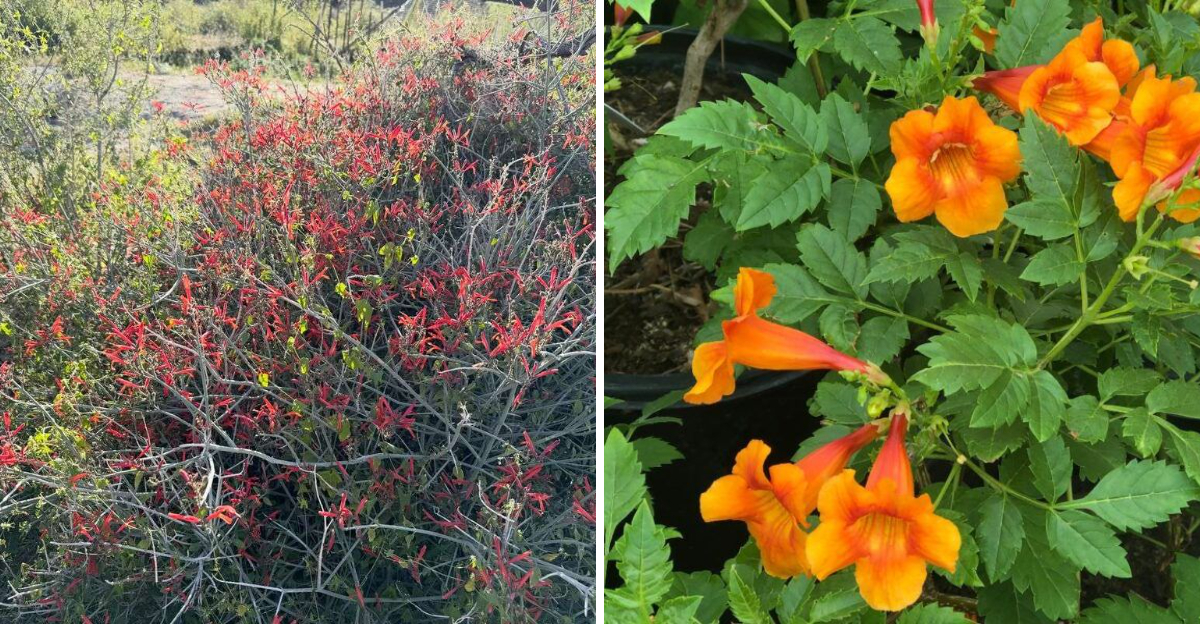
Yellow Bells earns its place in desert gardens by blooming longer than almost anything else you can plant. From late spring through the first frost, those cheerful yellow trumpets keep opening on fresh growth without a break.
Very few shrubs match that kind of endurance.
Tecoma stans, its botanical name, grows naturally from the desert Southwest through Central America. It knows heat.
Triple-digit temperatures do not slow it down, which is a serious advantage in low desert areas where summers stretch long and brutal.
Size depends on how much you prune. Left alone, plants can reach ten feet or more.
Regular trimming keeps them at a manageable four to six feet and actually promotes denser, more floriferous growth. Shaping once or twice per season is all it takes.
Watering once established is straightforward. Deep soaks every one to two weeks during summer work well.
Reducing frequency in winter prevents root problems during cooler, slower growth periods.
Hummingbirds and sphinx moths visit the flowers regularly. Seed pods follow the blooms and can be left on the plant for birds or removed to keep things tidy.
Yellow Bells tolerates a range of soil types as long as drainage is reasonable. It is not picky about soil richness, making it a flexible choice for yards with typical desert soil conditions across the region.
5. Hop Bush Adds Colorful Foliage And Privacy
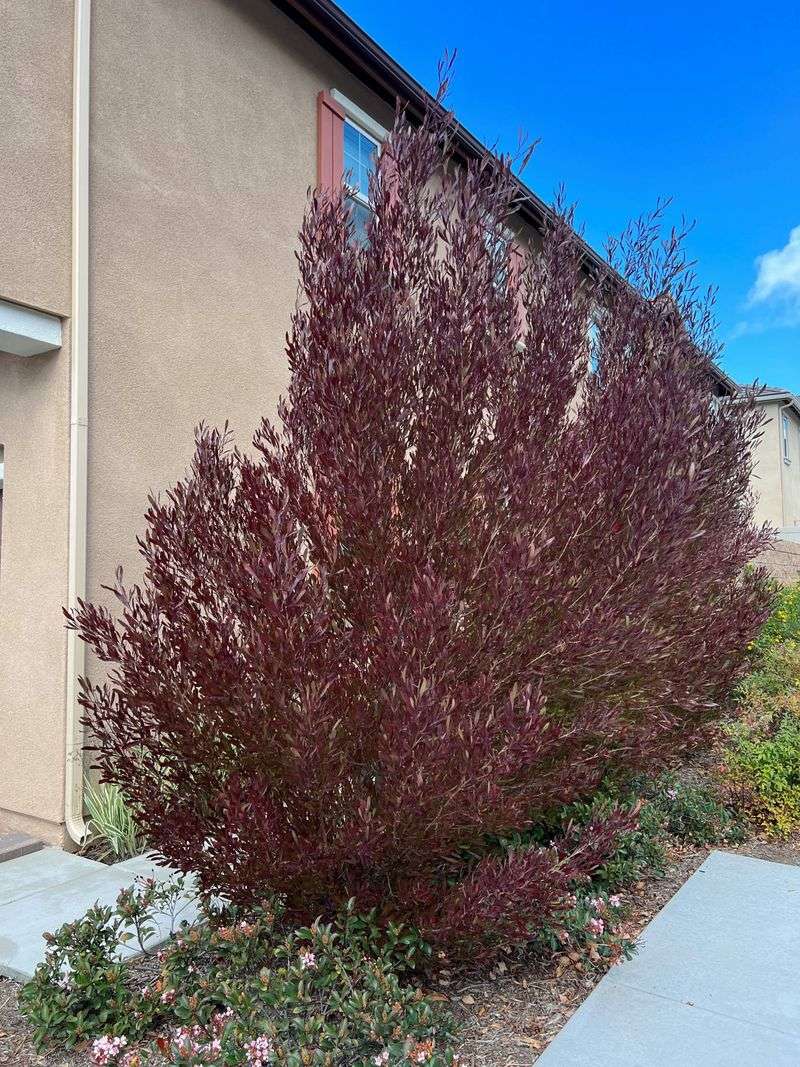
Not every showstopper relies on flowers. Hop Bush makes its statement through foliage and seed pods, offering a color show that lasts far longer than any bloom cycle.
Those papery, rose-colored pods flutter in the breeze and catch the eye from a distance.
Dodonaea viscosa, the species behind most cultivated varieties, grows fast and dense. It is one of the better options for creating a natural privacy screen without waiting years for results.
Plants can reach ten to fifteen feet tall if not pruned, but most homeowners keep them trimmed to six or eight feet for a cleaner hedge look.
The purple-leafed variety called Purpurea is especially popular in desert landscaping. Foliage color intensifies in full sun and during cooler months.
In shade, the leaves fade toward green and the plant loses some of its visual punch.
Water needs are low once established. Hop Bush handles drought conditions well and rarely needs supplemental irrigation after the first year or two.
Overwatering causes root problems faster than drought does.
Wind tolerance is another strong point. Exposed corners and open yards that challenge other plants rarely bother Hop Bush.
It actually thrives in windy spots where more delicate shrubs struggle.
Pruning once a year after the seed pod display keeps the shape tidy without removing too much new growth. Light shaping throughout the season maintains a clean, structured appearance.
6. Orange Jubilee Fills Empty Spaces Quickly
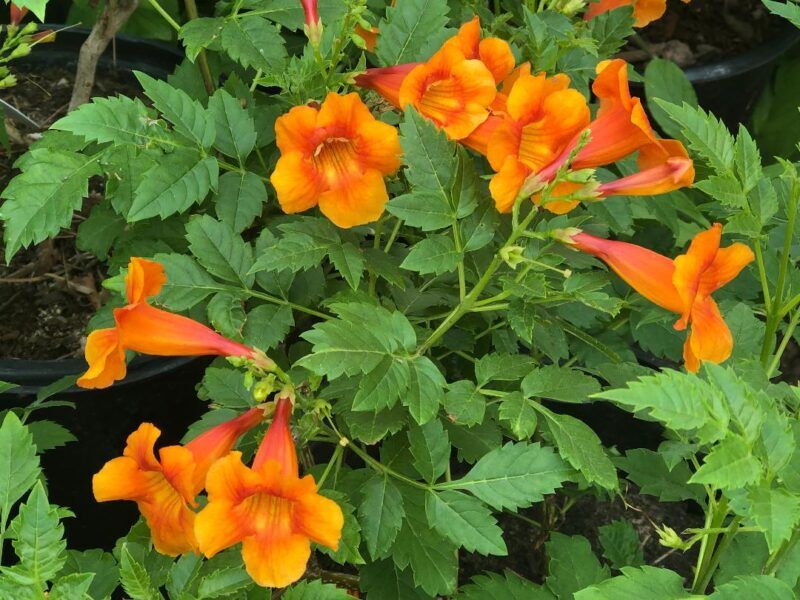
Got a bare stretch of fence or an empty corner that needs filling fast? Orange Jubilee grows aggressively enough to cover large spaces in a single season under good conditions.
Those bright orange trumpet flowers are hard to miss from across the street.
Technically a hybrid of Orange Bells, this shrub pushes out blooms from spring through fall with very little encouragement. The flower clusters appear at the tips of new growth, so more growth means more color.
Regular light trimming actually stimulates more blooming rather than reducing it.
Plants can reach eight to ten feet tall if left unpruned. In smaller yards, keeping them trimmed to five or six feet is easy and keeps things proportional.
They respond well to shaping without losing their flowering habit.
Full sun is essential. Shade causes stretched, weak growth and significantly fewer flowers.
Plant it where it gets at least six hours of direct sun per day.
Water needs are moderate compared to other desert shrubs. Deep watering once or twice a week during summer keeps growth strong.
Cutting back to once every two weeks in cooler months is usually sufficient.
Frost sensitivity is the main limitation. Plants may suffer damage below about 28 degrees Fahrenheit.
In colder desert areas, planting near a south-facing wall provides enough protection to carry them through most winters without significant setback.
7. Desert Ruellia Produces Color Through The Heat
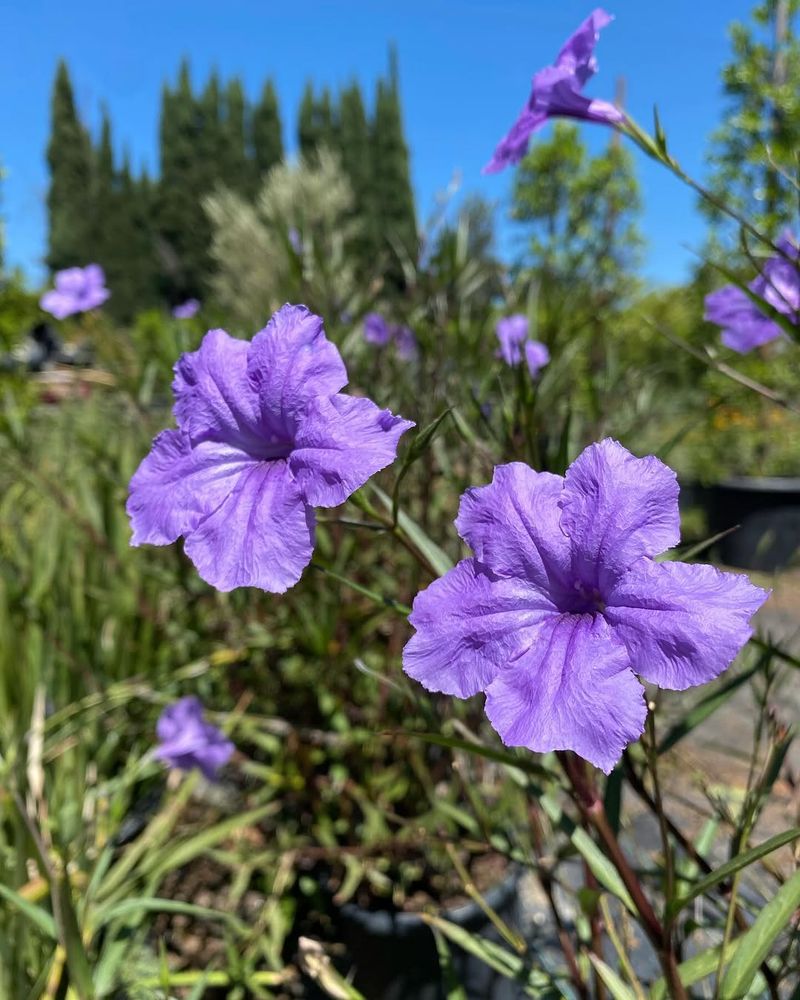
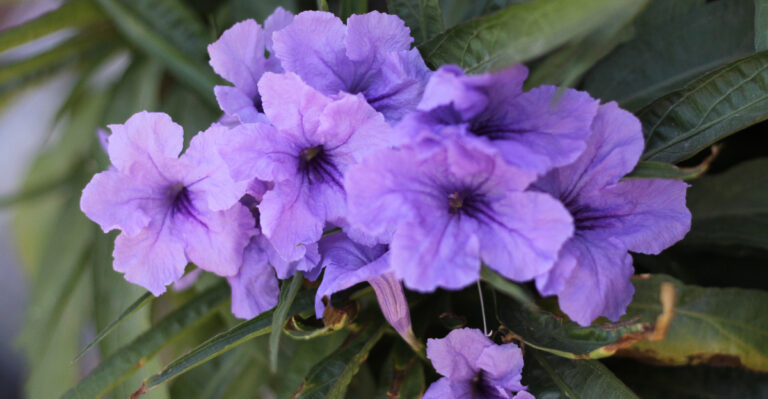
Purple flowers pumping out color straight through the hottest weeks of summer is not something most desert shrubs manage. Desert Ruellia does it without complaint.
Ruellia peninsularis is built for this climate in a way that feels almost unfair compared to plants that struggle just to survive.
Plants grow to about three feet tall and spread a similar width. That moderate size makes them useful in a lot of spots where larger shrubs would crowd things out.
They work well as a low border, a mass planting, or a filler around taller plants.
Blooms appear from spring through fall and sometimes push into early winter during mild years. Each flower only lasts a day, but new ones open constantly so the display feels continuous.
Hummingbirds and bees stop by regularly.
Water needs are low to moderate. Deep watering once a week during peak summer is usually enough.
Cutting back to every two weeks in shoulder seasons keeps plants healthy without overwatering.
Cold hardiness varies. Plants may drop foliage after a hard frost but typically recover from the roots once temperatures warm back up.
Cutting back frost-damaged stems in late winter encourages fresh, clean regrowth.
Full sun produces the most flowers. Light shade is tolerated but reduces bloom density noticeably.
For yards in the low desert where sun is never in short supply, Desert Ruellia rarely disappoints through the season.
8. Chuparosa Handles Heat Without Missing A Beat
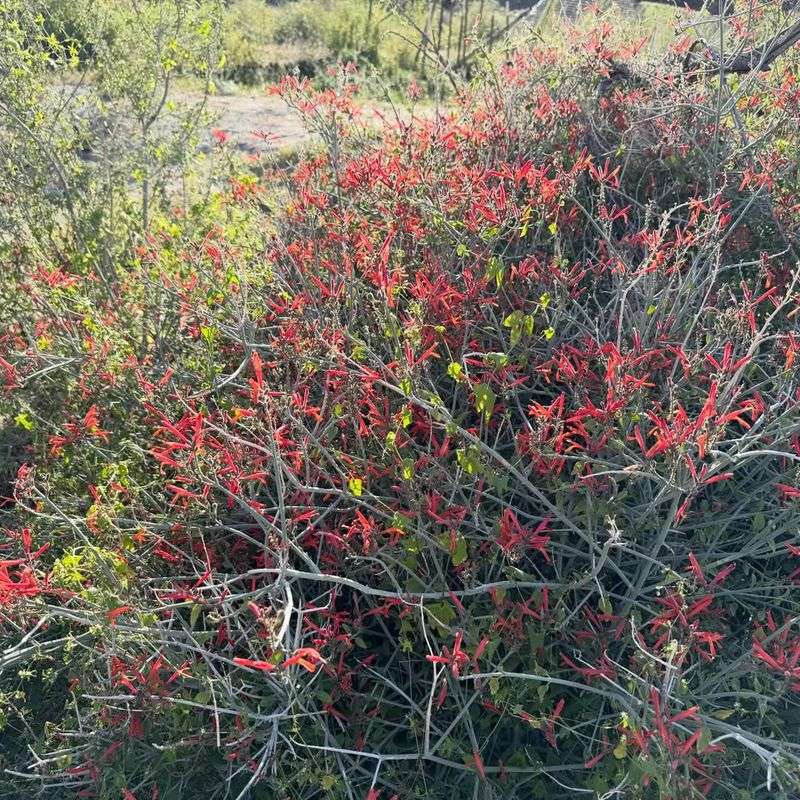
Few plants look as comfortable in brutal summer heat as Chuparosa does. While other shrubs wilt or stall, this one keeps pushing out tubular red flowers without skipping a beat.
Hummingbirds flock to it so reliably that the name itself translates to hummingbird in Spanish.
Chuparosa grows naturally along desert washes and rocky slopes, which tells you exactly what kind of drainage it prefers. Sandy or gravelly soil works best.
Heavy clay soil slows it down and causes problems over time.
Expect plants to reach four to six feet tall with an open, arching form. The stems stay green year-round, which gives the plant a lively look even when blooms are not at their peak.
Foliage drops during dry periods but returns quickly with moisture.
Watering needs are extremely low once established. A deep soak every few weeks during the hottest months is usually enough.
Overwatering is a more common problem than underwatering with this plant.
No serious pest issues affect Chuparosa under typical desert conditions. It simply grows, blooms, and attracts wildlife without demanding much attention.
That reliability makes it a practical choice for large open areas where frequent maintenance is not realistic.
Plant it where you can watch the hummingbirds visit. Placing it near a window or patio creates an easy and entertaining focal point all season long.