These Arizona Potted Perennials Keep Coming Back Every Year
Potted perennials start feeling a lot more valuable after surviving one brutal summer in Arizona. A plant that returns after months of dry heat stands out differently than flowers that fade after a short stretch of spring weather.
Large containers also feel far more rewarding once dependable plants settle in and keep coming back stronger each season.
Patios and entryways often look more established when familiar plants return instead of constantly being replaced.
Fresh growth appears again once temperatures shift, fuller roots help containers look better over time, and older pots stop feeling like temporary decoration.
Reliable perennials also remove a lot of the frustration that comes with replanting containers every year. The strongest varieties usually prove themselves quickly once summer heat settles in for good.
After that, many gardeners start building entire container setups around the plants that continue showing up year after year.
1. Pink Muhly Grass Brings Soft Color Back Each Fall
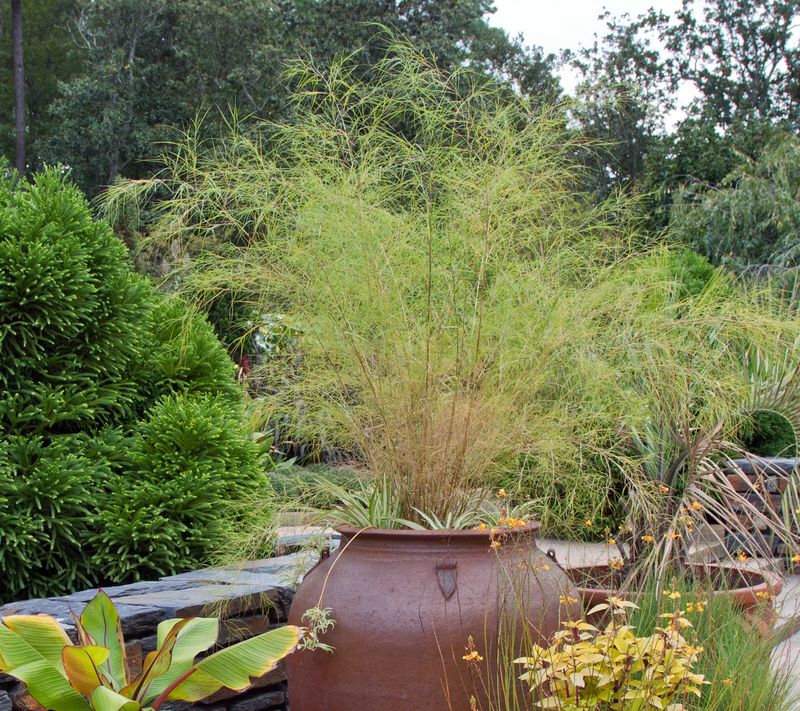
Few plants put on a show quite like Pink Muhly Grass does when October rolls around. Those airy pink plumes rise above the green blades like a soft cloud, and they look stunning in containers placed near a front door or along a sunny wall.
Pink Muhly thrives in full sun and handles dry conditions well. It does not need rich soil, and it actually performs better when you leave it a little lean.
Overwatering is the most common mistake people make with this grass in pots.
Cut it back hard in late winter, right down to a few inches above the soil. New growth pushes out quickly in spring, and by summer the plant looks full and healthy again.
It stays green and tidy through the warmer months before putting on its fall color display.
Container size matters here. A pot that is at least 14 inches wide gives the roots enough room to spread without getting cramped.
Use a fast-draining cactus or desert blend mix to keep moisture from sitting too long at the base.
Pink Muhly Grass pairs well with other desert perennials in mixed container arrangements. It adds movement and softness next to spiky or bold-textured plants.
Once established, it needs very little attention and rewards patient gardeners with one of the most beautiful fall displays in the Southwest.
2. Firecracker Penstemon Starts Blooming Before Summer Arrives
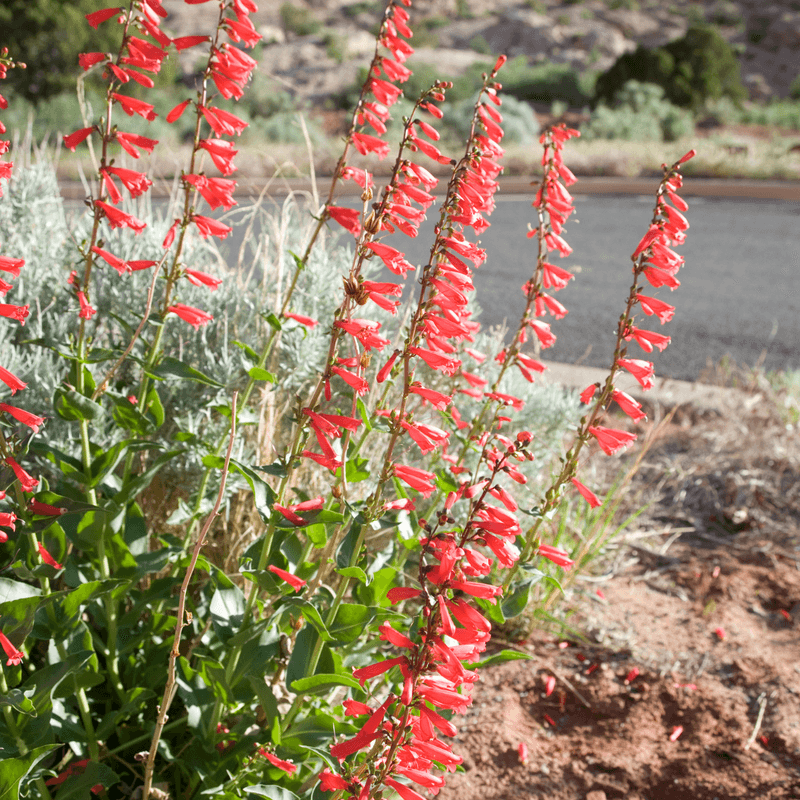
Bright red tubes of color appear on Firecracker Penstemon while most other plants are still waking up.
It starts blooming in spring, sometimes as early as March in warmer desert zones, and keeps going strong right up to the edge of summer heat.
Hummingbirds absolutely love it. If you grow this plant on a patio or near a window, expect regular visits from early spring onward.
That alone makes it worth growing in a visible spot where you can actually watch the action.
In containers, Firecracker Penstemon needs excellent drainage above everything else. Soggy roots are its one real weakness.
A raised pot with drain holes and a gritty mix will keep it healthy through wet winters and humid monsoon stretches.
Your Arizona Garden Changes Every Week. Your Plan Should Too.
Gardening in Arizona changes quickly throughout the season. Every Friday you’ll receive a simple weekly plan showing exactly what to plant, prune, fertilize, harvest, and protect so you never miss the right timing.
After the blooms fade, cut the spent flower stalks back to encourage a possible second flush. The plant goes semi-dormant in intense summer heat but does not disappear entirely.
New basal growth stays present through the off season.
Choose a pot that is deep rather than wide, since this plant sends roots down more than out. Terra cotta works well because it breathes and dries faster than plastic.
Place it where it gets at least six hours of direct sun daily, and water only when the top inch of soil feels completely dry.
Established plants in good containers can last many years with minimal intervention.
3. Baja Ruellia Survives Intense Heat In Small Pots
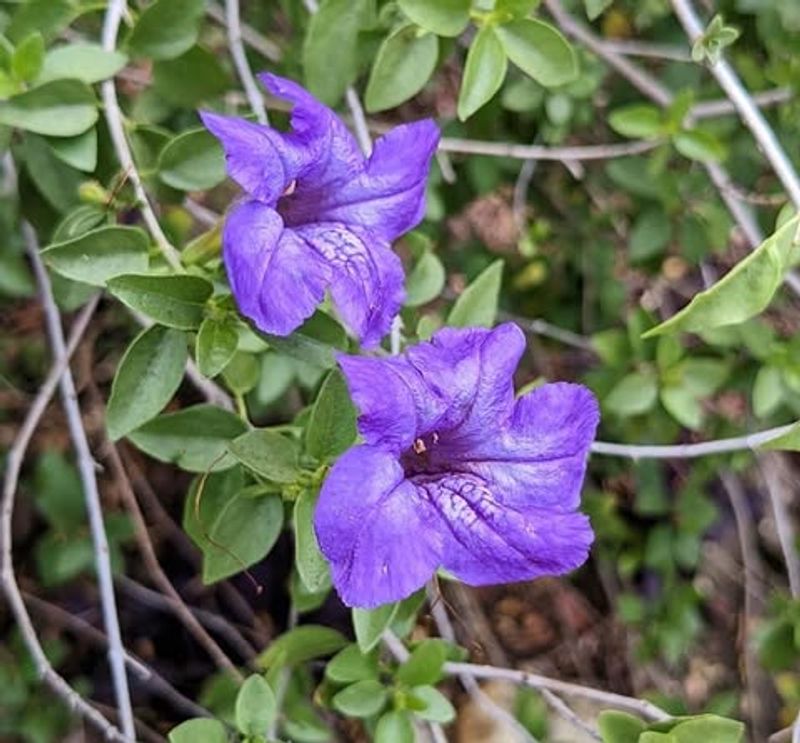
Not many flowering plants hold up in a small pot sitting on a concrete patio in 110-degree heat. Baja Ruellia does it without much fuss, and it keeps producing those cheerful purple-pink blooms even when conditions get brutal.
Native to Baja California, this compact shrub was made for intense sun and low water. It stays relatively small, usually under two feet tall, which makes it ideal for containers where space is limited.
Unlike its aggressive cousin Mexican Ruellia, Baja Ruellia does not spread invasively.
Water it deeply but infrequently. Let the soil dry out between waterings, especially during summer.
In cooler months, scale back even more. Root rot from overwatering is a real risk in containers, so err on the dry side rather than the wet side.
Small pots heat up faster than large ones, so check moisture levels more often during peak summer weeks.
A light-colored pot reflects heat better than dark containers, which can help protect roots during the hottest stretch of the year.
Trim it lightly after each heavy bloom cycle to keep the shape tidy and encourage fresh growth. Hard pruning in late winter helps the plant come back fuller in spring.
Baja Ruellia is a reliable performer that suits anyone who wants consistent color without constant maintenance. Its tolerance for tough conditions makes it a standout choice for small-space desert container gardening.
4. Euphorbia Rigida Holds Its Blue-Green Color Year-Round
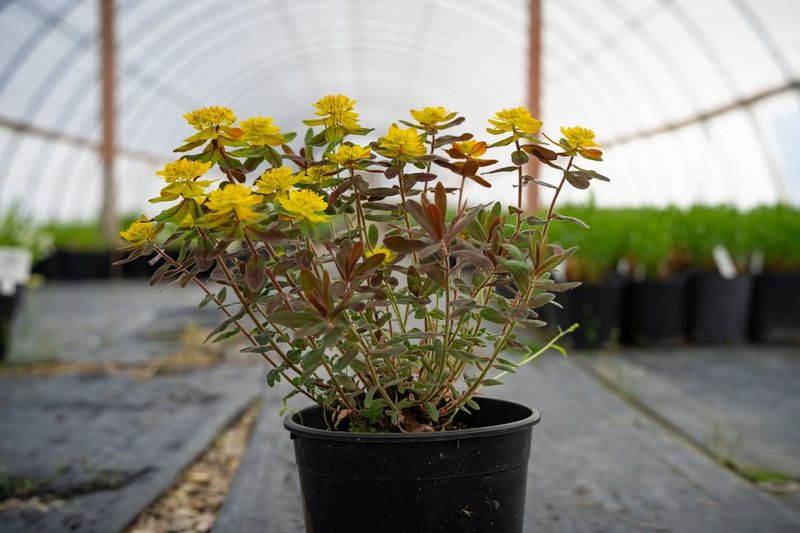
Color consistency is rare in desert containers, but Euphorbia Rigida delivers it every single month. Those stiff blue-green leaves spiral up the stems in tight geometric patterns, and the plant looks architectural even when nothing is blooming.
Bright yellow-green flower bracts appear in late winter and early spring, adding a second layer of visual interest to an already striking plant.
After the flowers fade, the foliage keeps doing its job through summer, fall, and winter without skipping a beat.
Handle with care when planting or repotting. Like all euphorbias, this one produces a milky white sap that irritates skin and eyes.
Wear gloves and avoid touching your face while working with it. Wash hands thoroughly afterward.
In containers, drainage is critical. Use a very gritty mix, something closer to a cactus blend than a standard potting soil.
Water sparingly, especially in cooler months when the plant barely needs any moisture at all.
Full sun is best. Partial shade produces weaker, leggier growth that loses that tight sculptural quality the plant is known for.
A south or west-facing exposure works well on most desert patios.
Euphorbia Rigida pairs beautifully with warm-toned pots and gravel mulch on top of the soil. It rarely needs repotting and stays attractive for years.
Few container plants offer this level of year-round structure with so little required in return.
5. Purple Trailing Dalea Cascades Over Container Edges
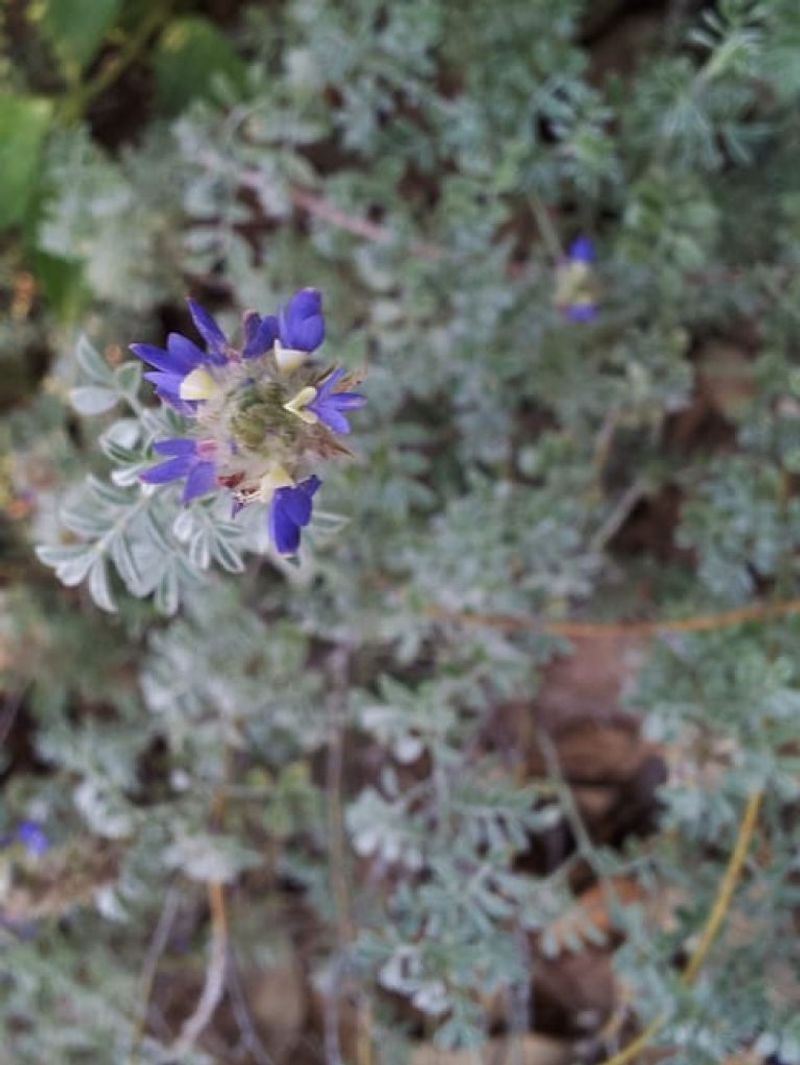
Watching Purple Trailing Dalea spill over the sides of a pot is one of those small gardening pleasures that never gets old.
Those slender stems covered in tiny purple flower clusters drape down naturally, softening the hard edges of any container.
Spring is its big moment. Blooms appear heavily from late winter through spring, and the display can be quite impressive when the plant is well established in a good-sized pot.
A second lighter flush sometimes follows after monsoon rains in late summer.
Place it in full sun. This plant needs direct light to bloom properly and to keep its trailing habit tight.
Shade causes the stems to reach and stretch rather than cascade, which ruins the look you are going for in a container display.
Water deeply once the soil dries out, but do not let it sit wet for extended periods. In containers, the roots can get waterlogged faster than in the ground, so drainage holes are non-negotiable.
A mix of native soil and coarse sand or perlite works well.
Trim the stems back by about one-third after the spring bloom ends. That light pruning encourages denser regrowth and keeps the plant from getting woody and open at the base.
Skip the fertilizer unless the plant looks genuinely pale or stressed.
Purple Trailing Dalea is native to the Sonoran Desert region and is perfectly adapted to the conditions most desert container gardeners deal with every season.
6. Twin-Flower Agave Fits Nicely In Large Planters
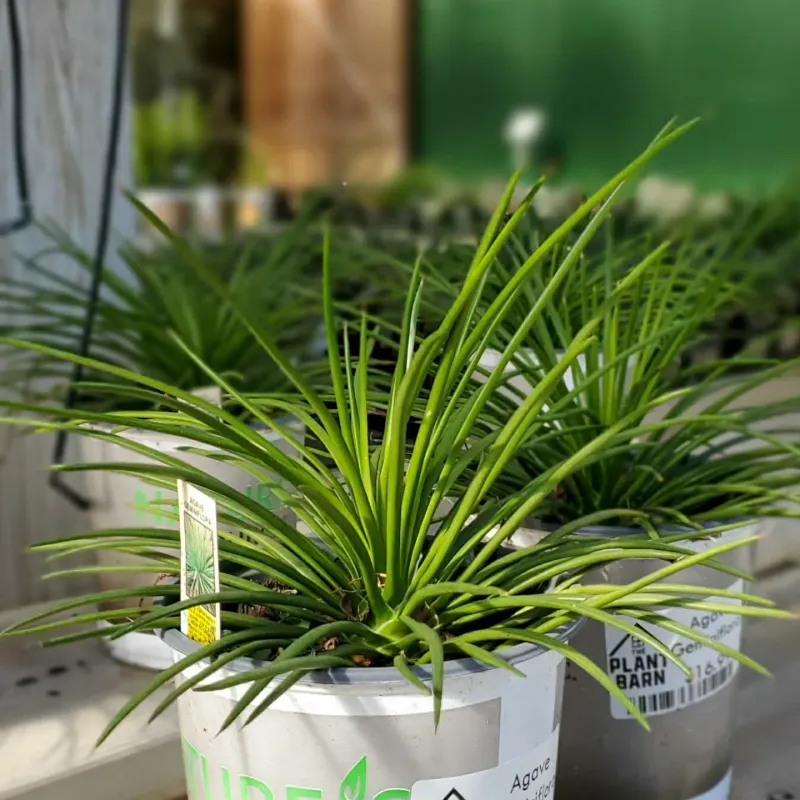
Agaves have a reputation for being massive and hard to manage, but Twin-Flower Agave breaks that rule completely.
It stays compact, usually reaching no more than two feet wide, and fits comfortably in a large planter without overwhelming the space around it.
The rosette shape is clean and symmetrical, with soft-tipped leaves that are far less threatening than most agave species. Families with kids or pets in outdoor spaces often appreciate that softer edge.
It still looks bold and structural without the sharp hazard factor.
Twin-Flower Agave blooms after several years of growth, sending up a tall flower spike covered in yellow blossoms. Unlike many agaves, this species produces offsets before the main plant finishes its life cycle, so the container display continues even after blooming.
Use a large pot with excellent drainage. At least 16 to 18 inches wide and deep gives the roots room to anchor properly.
A cactus and succulent mix keeps moisture from building up around the base of the rosette, which is the most vulnerable spot on any agave.
Water every two to three weeks in summer and cut back to once a month or less in cooler months. Fertilizer is rarely needed.
Afternoon shade in extreme heat can help prevent leaf tip burn, though the plant generally handles full sun well throughout most of the year.
This agave is a long-term container investment that rewards patience.
7. Damianita Reblooms After Seasonal Trimming
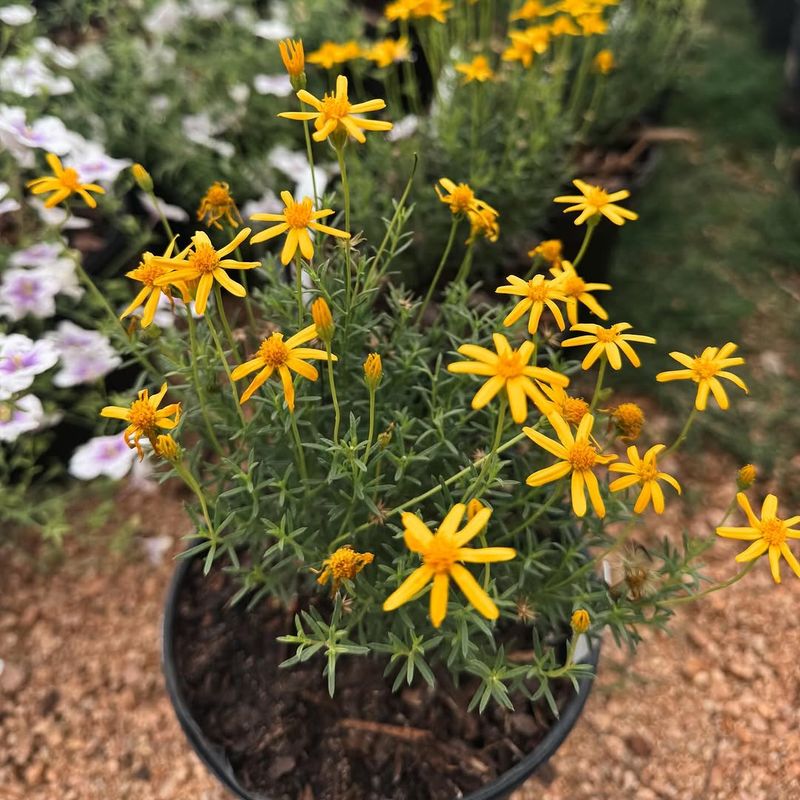
Bright yellow and tough as nails, Damianita is one of those underrated desert perennials that earns its space in any container lineup. It blooms in spring, slows down in intense summer heat, and often rebounds with another flush when temperatures ease up in fall.
Trimming is the key to keeping Damianita productive. After the spring bloom fades, cut the plant back by about one-third.
That simple step removes spent material and signals the plant to push out fresh growth. Skip the pruning and the plant gets woody and sparse over time.
Full sun is mandatory. Damianita will not perform in shade or partial shade.
It needs direct light for most of the day to stay compact and bloom reliably. A south or west-facing patio spot is ideal for getting the most out of this plant each season.
In containers, use a fast-draining desert soil mix.
Water thoroughly after trimming to support new growth, then back off once the plant looks established again.
Overwatering between bloom cycles is a common mistake that leads to root problems.
Damianita has a pleasant herbal fragrance that becomes noticeable when you brush against the foliage. Some gardeners place it near seating areas specifically for that reason.
It also attracts native bees and butterflies, which adds an extra layer of life to a patio container garden.
Pot size does not need to be large. A 12-inch container is enough for a healthy, full-looking plant.
8. Bulbine Flowers Through Long Warm Seasons
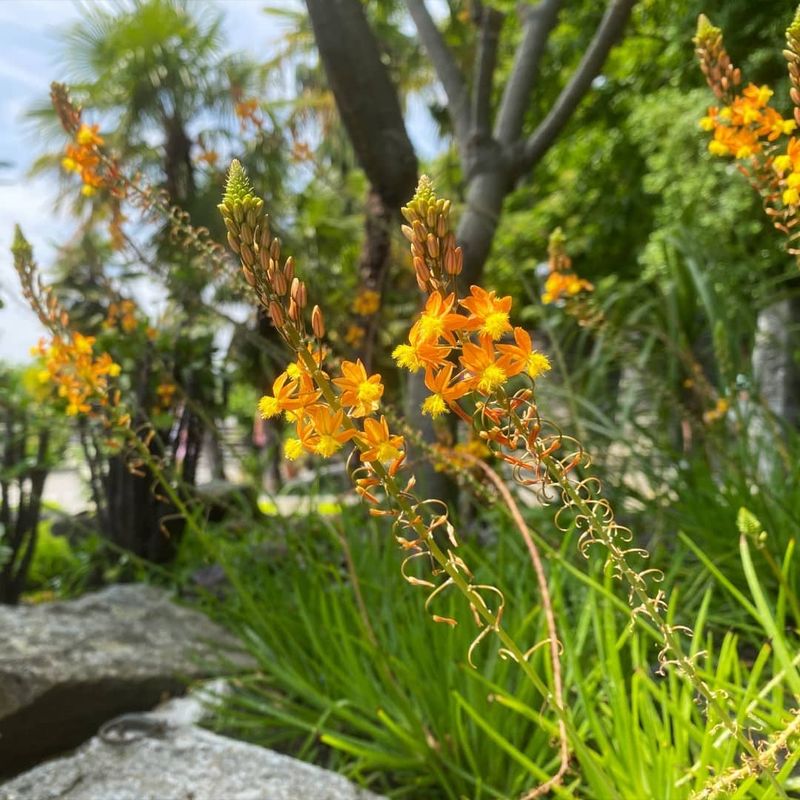
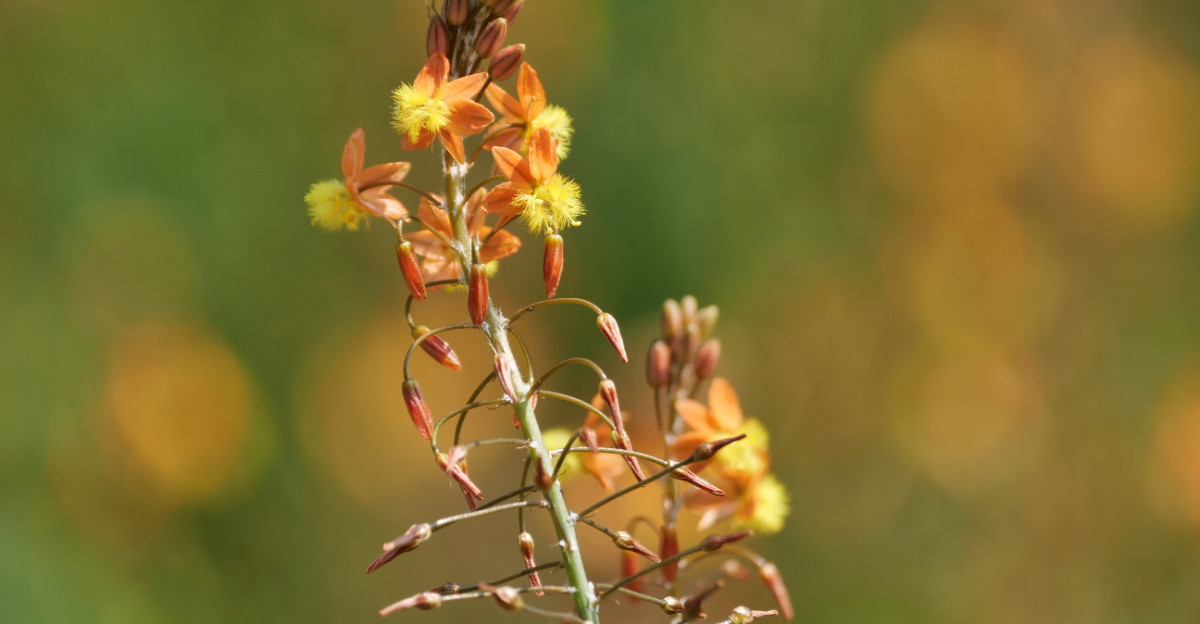
Bulbine brings a cheerful burst of orange and yellow to desert containers. It also keeps blooming far longer than most flowering perennials.
Flowers appear from spring through early summer. In milder spots, the plant often blooms again in fall without much extra effort from the gardener.
Succulent leaves store water efficiently, which makes Bulbine naturally drought-tolerant once established.
Water it regularly during the active growing season but allow the soil to dry between waterings.
In winter, cut back almost completely and let the plant rest.
Flower stalks rise above the low rosette of foliage on slender stems, creating a layered look that works well in mixed containers.
Pair it with trailing plants around the edges and something tall and structural in the center for a well-balanced arrangement.
Container size should match the number of plants you want to group together. One plant fills a 10-inch pot nicely.
For a fuller look, plant three together in a 16-inch container and let them grow into each other over a season or two.
Bulbine does best in full sun but tolerates light afternoon shade in the hottest months. Too much shade causes the flower stalks to lean toward the light, which makes the plant look uneven.
Rotate the container occasionally if it sits in a spot with uneven light exposure.
Native to South Africa, Bulbine has adapted well to warm desert climates and performs reliably across much of the low desert Southwest year after year.