Why Michigan Gardeners Are Ripping Out Their Hostas In Full Sun And What They’re Growing Instead
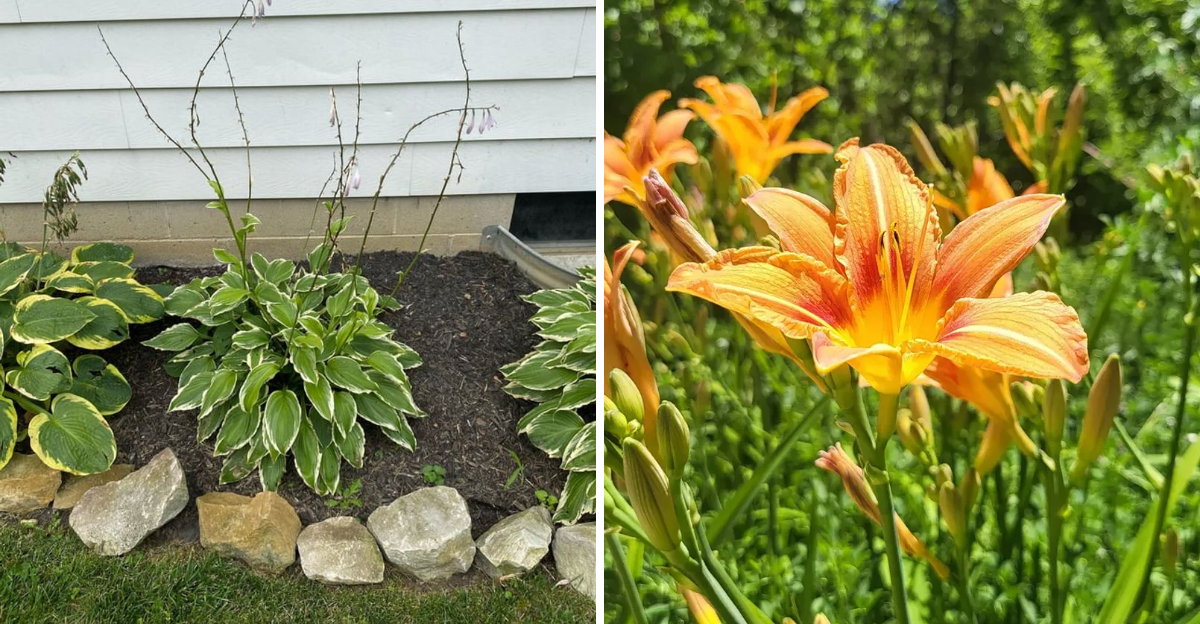
Hostas are beautiful plants, but putting them in the wrong spot is a mistake that becomes obvious very quickly.
Michigan gardeners who placed them in direct sun have watched those big lush leaves turn pale, crispy, and ragged by midsummer, no matter how much water they added.
The good news is that pulling them out opens up space for something far better suited to those bright, open areas.
There are some genuinely impressive plants that not only survive Michigan summers in full sun but thrive without constant attention or extra watering.
Making the switch is easier than most people expect, and the results are dramatically better starting from the very first season after replanting.
1. Hostas Struggle In Full Sun
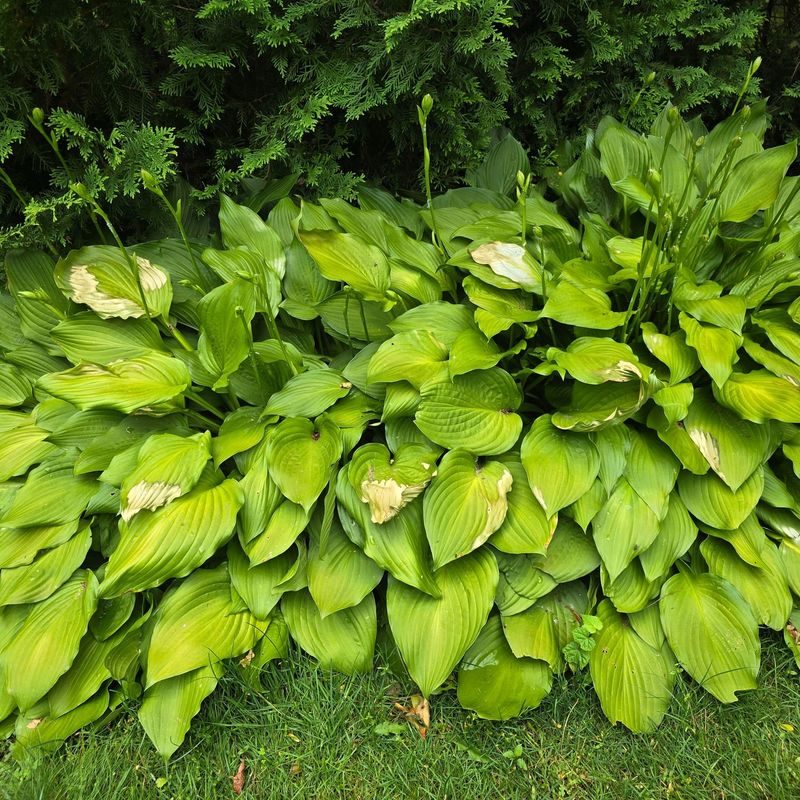
Walk through almost any Michigan neighborhood in July and you’ll spot them: hostas with crispy brown edges, faded leaves, and a general look of exhaustion. These plants are built for shade, and full sun is simply not their environment.
When sunlight hits their wide, soft leaves for more than a couple of hours, the damage adds up fast.
Hostas naturally grow under forest canopies in Asia, where dappled light and cool, moist soil are the norm. Michigan summers bring intense heat and UV exposure that those leaves were never designed to handle.
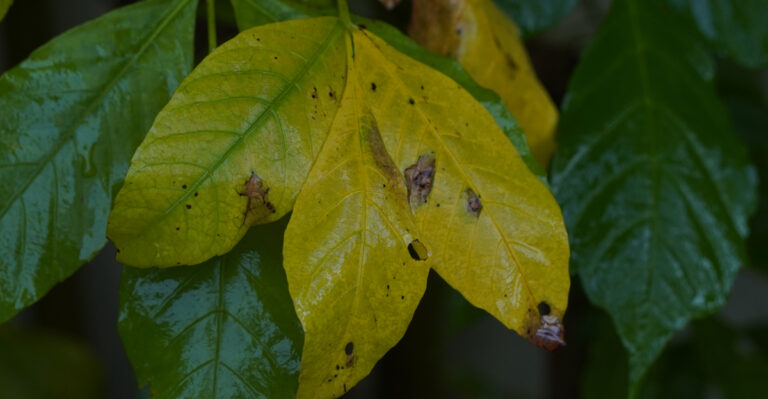
Leaf scorch appears first along the edges, then spreads inward, leaving the foliage looking pale and burnt rather than bold and green.
Beyond the cosmetic damage, sun stress weakens the entire plant. Stressed hostas become more vulnerable to disease, produce fewer of their already modest blooms, and require far more water to survive.
Gardeners end up spending extra time and money trying to keep a plant alive in conditions it was never suited for. Choosing the right plant for the right spot saves energy, water, and frustration.
Michigan’s sunny beds deserve plants that love the light rather than fight it every single day of the growing season.
2. High Pest Pressure
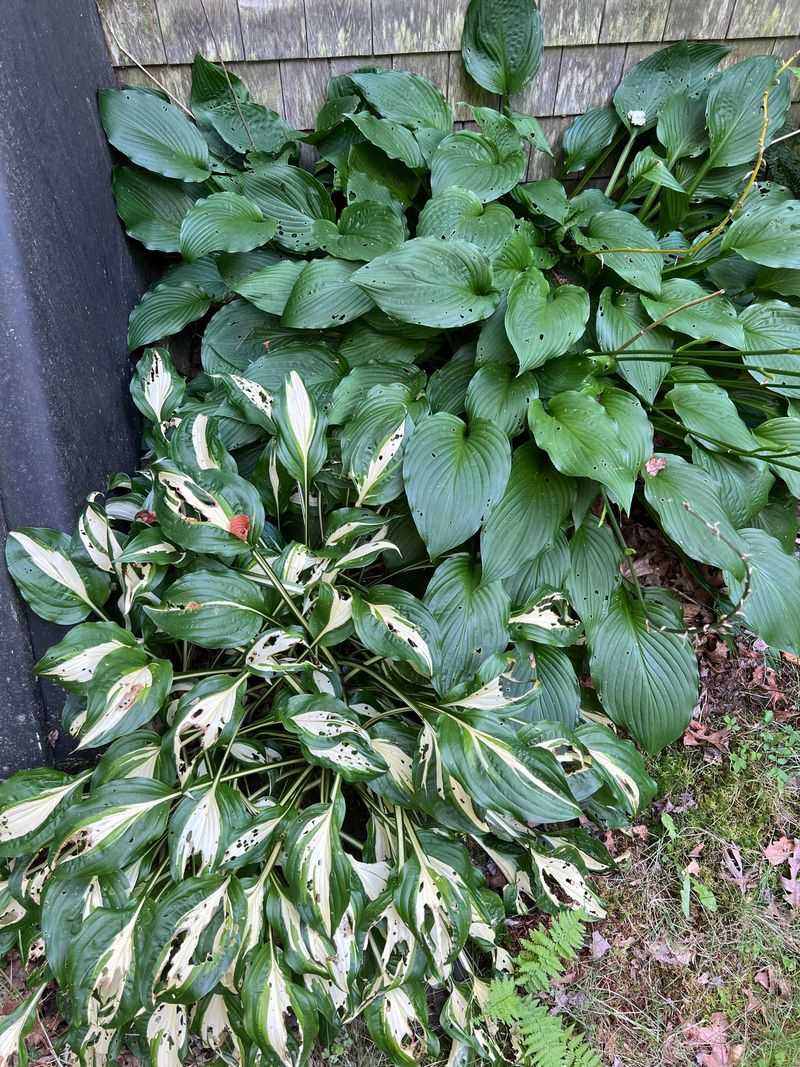
Slugs absolutely love hostas. These soft-leaved plants are basically an all-you-can-eat buffet, and when a hosta is already stressed from too much sun, its natural defenses are even weaker than usual.
Exposed sunny beds tend to stay warmer and drier during the day, but evening moisture creates perfect slug conditions overnight.
Deer are another serious issue for hosta growers. White-tailed deer populations across the Lower Peninsula are high, and hostas rank among their favorite snacks.
A deer can strip an entire hosta bed in one evening, leaving behind nothing but stubby stems. Gardeners who have experienced this know the frustration of investing in plants only to watch them disappear before breakfast.
Switching to sun-tolerant natives dramatically reduces pest pressure. Plants like coneflowers, wild bergamot, and butterfly weed have tougher foliage, stronger scents, or bitter compounds that naturally discourage deer and slugs.
Native plants also tend to attract beneficial insects that help keep pest populations in check. Rather than fighting slugs with bait and deer with repellent sprays, gardeners are finding it much easier to simply grow plants that pests tend to leave alone.
Your Michigan Garden Changes Every Week. Your Plan Should Too.
Gardening in Michigan changes quickly throughout the season. Every Friday you’ll receive a simple weekly plan showing exactly what to plant, prune, fertilize, harvest, and protect so you never miss the right timing.
It’s a smarter, lower-effort approach to keeping a sunny garden looking its best all season long.
3. Poor Bloom Production
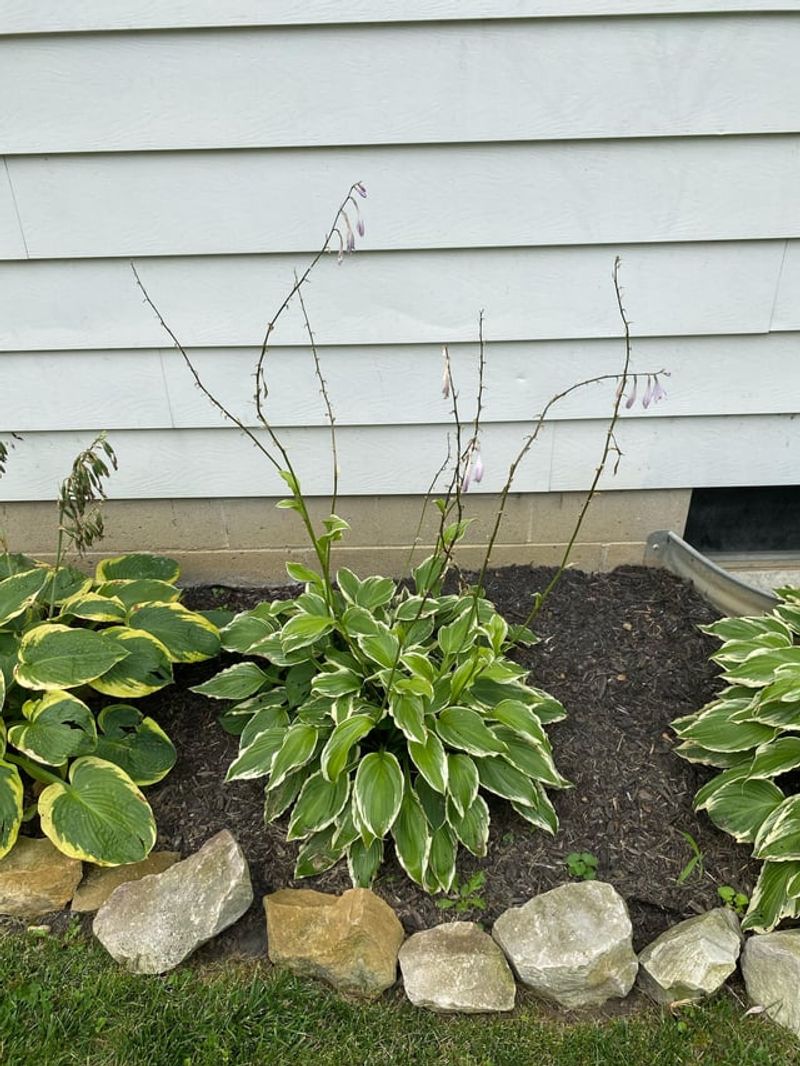
Hostas are primarily grown for their foliage, but even that bold leaf display falls apart in full sun. When sun stress takes hold, leaves fade from rich green or blue-green to washed-out yellow or tan.
The plant puts so much energy into surviving the heat that blooming becomes an afterthought.
The flowers hostas do produce are modest under the best conditions, typically pale lavender or white bell-shaped blooms on tall stalks. In full sun, those stalks often appear later, shorter, and in smaller numbers.
Pollinators visit hosta flowers, but a stressed plant offers far less floral reward than a healthy shade-grown specimen. For a sunny bed, that’s a missed opportunity for both beauty and ecological value.
Gardeners who want genuine summer color and pollinator activity need plants that bloom abundantly in bright conditions. Native perennials like black-eyed Susans, coneflowers, and coreopsis produce dozens of flowers per plant throughout the entire summer season.
They draw in butterflies, bees, and beneficial insects week after week. Replacing struggling hostas with these enthusiastic bloomers transforms a dull, faded bed into a vibrant, living garden that earns its space.
The difference in visual impact alone is enough to convince most Michigan gardeners that the switch is absolutely worth making.
4. Rudbeckia Fulgida
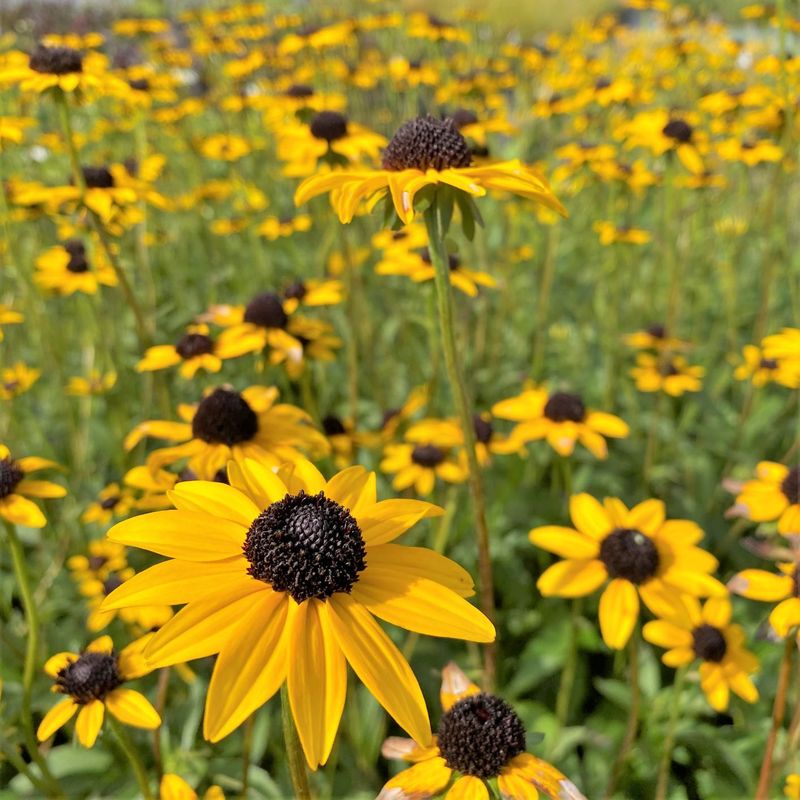
Few plants deliver the kind of reliable, season-long color that Rudbeckia fulgida brings to a Michigan garden.
Known as Eastern Coneflower or orange coneflower, this native perennial bursts into golden-yellow blooms in midsummer and keeps going strong well into fall.
Bees and butterflies flock to it from the moment the first flower opens.
What makes this plant especially smart for full-sun beds is its toughness. It handles heat, tolerates clay soils common throughout the state, and bounces back from dry spells without much fuss.
Unlike hostas, which need consistent moisture and shade to look their best, Rudbeckia fulgida actually performs better when conditions get a little challenging.
The plant spreads gradually by rhizomes, forming dense clumps that naturally crowd out weeds over time.
Spacing plants about 18 to 24 inches apart gives them room to spread while still providing good coverage in the first season. They pair beautifully with ornamental grasses, wild bergamot, and black-eyed Susans for a layered, naturalistic look.
After blooming finishes, leaving the seed heads standing through winter feeds goldfinches and adds textural interest to the garden.
For gardeners ready to replace sun-stressed hostas, Eastern Coneflower is one of the most rewarding and low-maintenance choices available anywhere in the state.
5. Rudbeckia Hirta
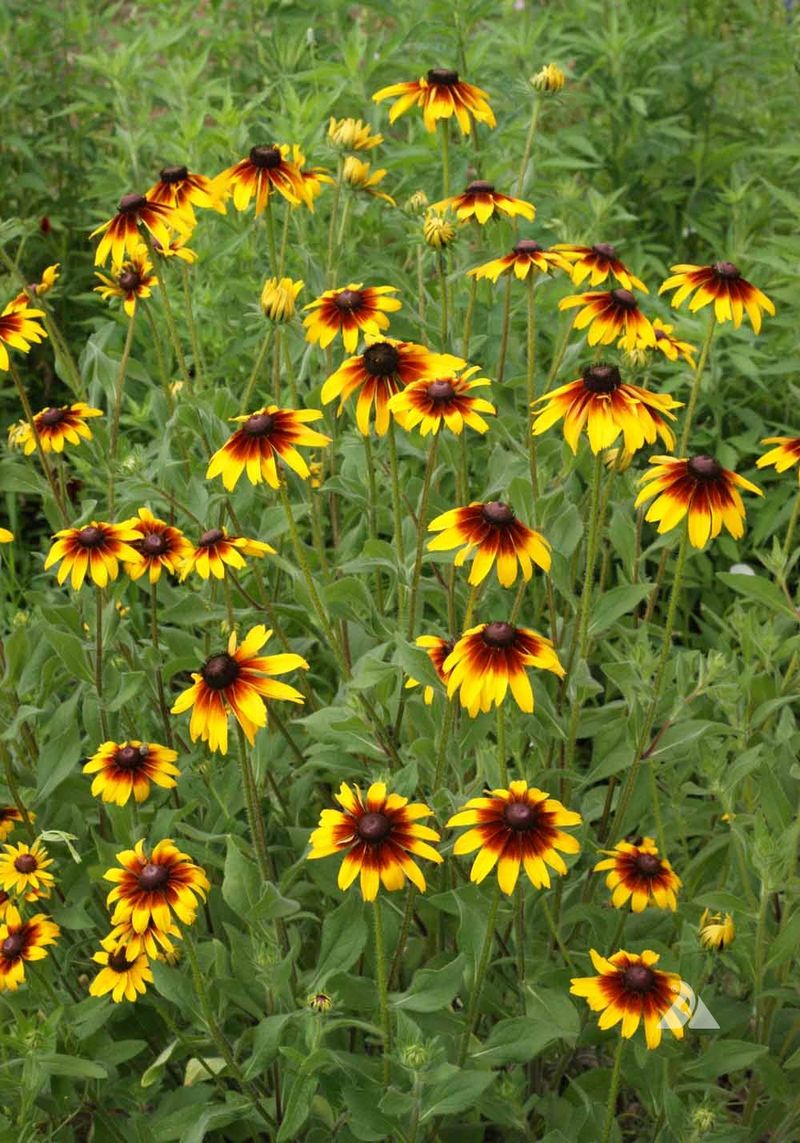
There’s something undeniably cheerful about a Black-Eyed Susan in full bloom. Those bright yellow petals surrounding a dark, velvety center have made Rudbeckia hirta one of the most recognized wildflowers across Michigan and the entire Midwest.
It grows just about anywhere the sun shines, and it does it with almost zero complaint.
Heat tolerance is one of this plant’s strongest qualities. During our hottest July and August weeks, when other plants wilt and fade, Black-Eyed Susans keep producing fresh flowers without missing a beat.
They’re also remarkably pest-resistant. Deer tend to avoid them, and their slightly rough, hairy stems and leaves discourage slugs naturally.
That combination of toughness and beauty makes them a practical upgrade from hostas in any sunny spot.
Black-Eyed Susans work well as short-lived perennials that self-seed freely, meaning once you plant them, they tend to stick around and spread on their own. Thinning the seedlings every couple of years keeps the bed from getting overcrowded.
They bloom from late June through September, providing continuous color during the core of Michigan’s outdoor entertaining season.
Pairing them with purple coneflower or ornamental grasses creates a bold, pollinator-rich planting that looks intentional and stunning.
Swapping hostas for this sunny superstar is one of the easiest and most rewarding decisions a gardener can make.
6. Wild Bergamot
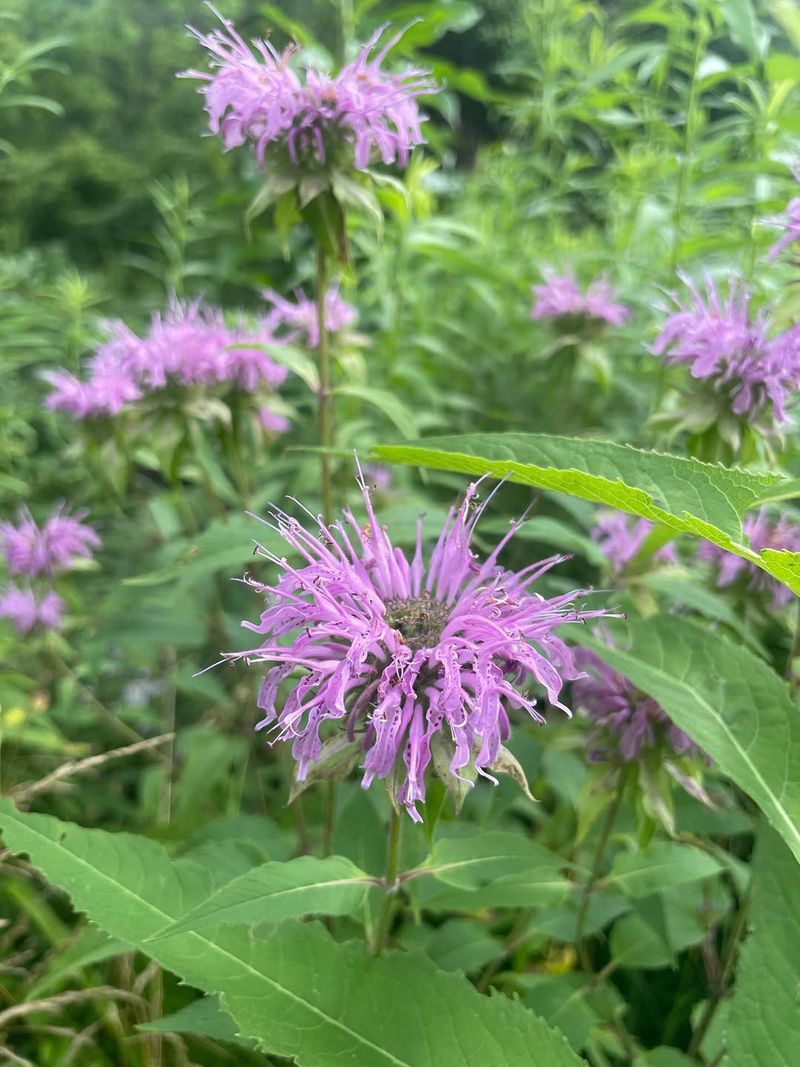
Wild Bergamot is the kind of plant that makes a garden feel truly alive. Its lavender-pink blooms appear in midsummer and immediately attract bumblebees, honeybees, hummingbirds, and dozens of butterfly species.
The foliage carries a pleasant oregano-like fragrance that most gardeners find delightful and most deer find unappealing, which is a very welcome bonus.
Native to Michigan and widespread across the Midwest, Monarda fistulosa is perfectly adapted to the state’s climate. It thrives in full sun with average to dry soil, making it ideal for the kind of hot, exposed beds where hostas struggle most.
Unlike its showier cousin bee balm (Monarda didyma), wild bergamot is significantly more drought-tolerant and less prone to powdery mildew, a common problem in humid summers.
Plants reach two to four feet tall and spread slowly by rhizomes, filling in gaps over time without becoming invasive. Cutting stems back by one-third in early June encourages bushier growth and more blooms.
After flowering, the round seed heads add winter interest and provide food for finches and sparrows.
Wild bergamot pairs naturally with black-eyed Susans, coneflowers, and native grasses for a meadow-style planting that requires almost no intervention once established.
For Michigan gardeners tired of babying stressed hostas, this fragrant native offers a refreshing, low-effort alternative that earns its place every single season.
7. Butterfly Weed
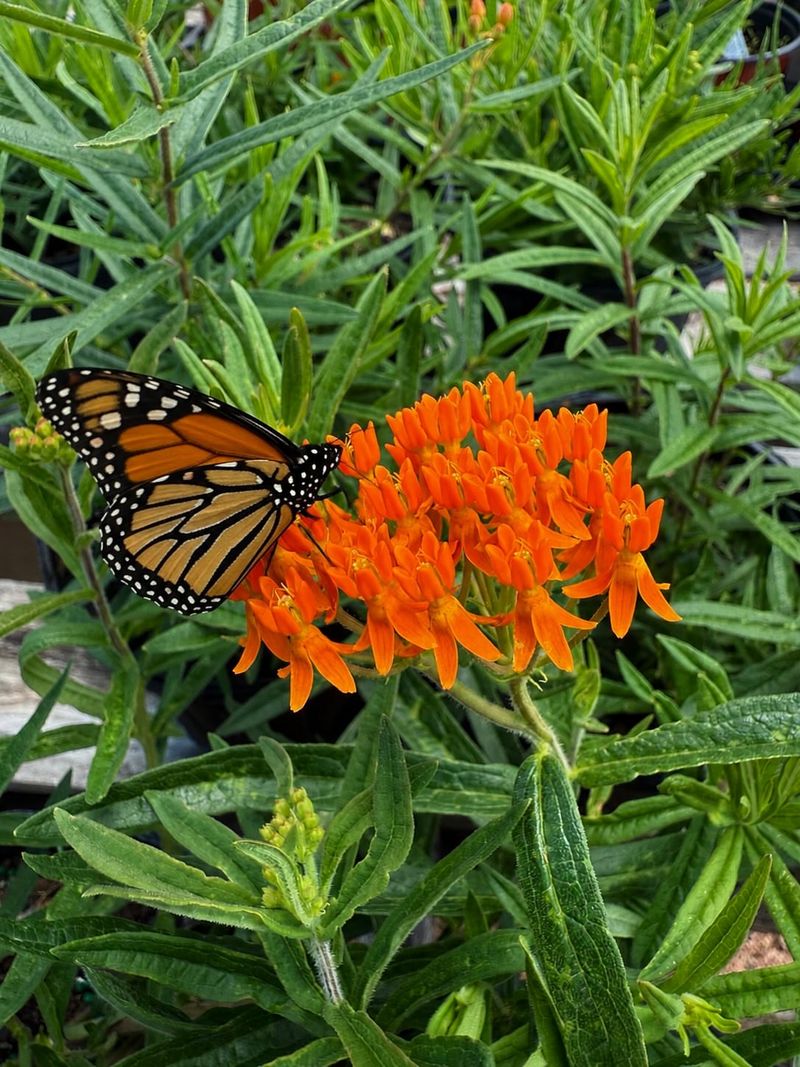
Bright orange and completely unbothered by heat, Butterfly Weed is one of the most striking native perennials you can grow in a Michigan full-sun bed.
Asclepias tuberosa produces clusters of vivid orange flowers from June through August, and monarch butterflies depend on it as a critical host plant for their caterpillars.
Planting it isn’t just good gardening; it’s genuinely helping a species in decline.
One of the best things about this plant is how little it asks for in return. Butterfly Weed develops a deep taproot that allows it to access moisture far below the soil surface, making it remarkably drought-tolerant once established.
It prefers lean, well-drained soil and actually blooms more abundantly when conditions are a bit dry and poor. Rich, over-amended soil can lead to floppy growth and fewer flowers, so skip the heavy fertilizing.
Because the taproot goes deep, Butterfly Weed can be slow to emerge in spring, sometimes not showing above ground until late May. Marking its location helps avoid accidentally disturbing it during early-season cleanup.
It reaches about 18 to 24 inches tall and works beautifully alongside coneflowers, wild bergamot, and prairie dropseed grass. Deer rarely touch it, slugs ignore it, and once established, it returns reliably for decades.
For Michigan gardeners replacing sun-stressed hostas, this is one plant that truly delivers on every promise.
8. Daylilies
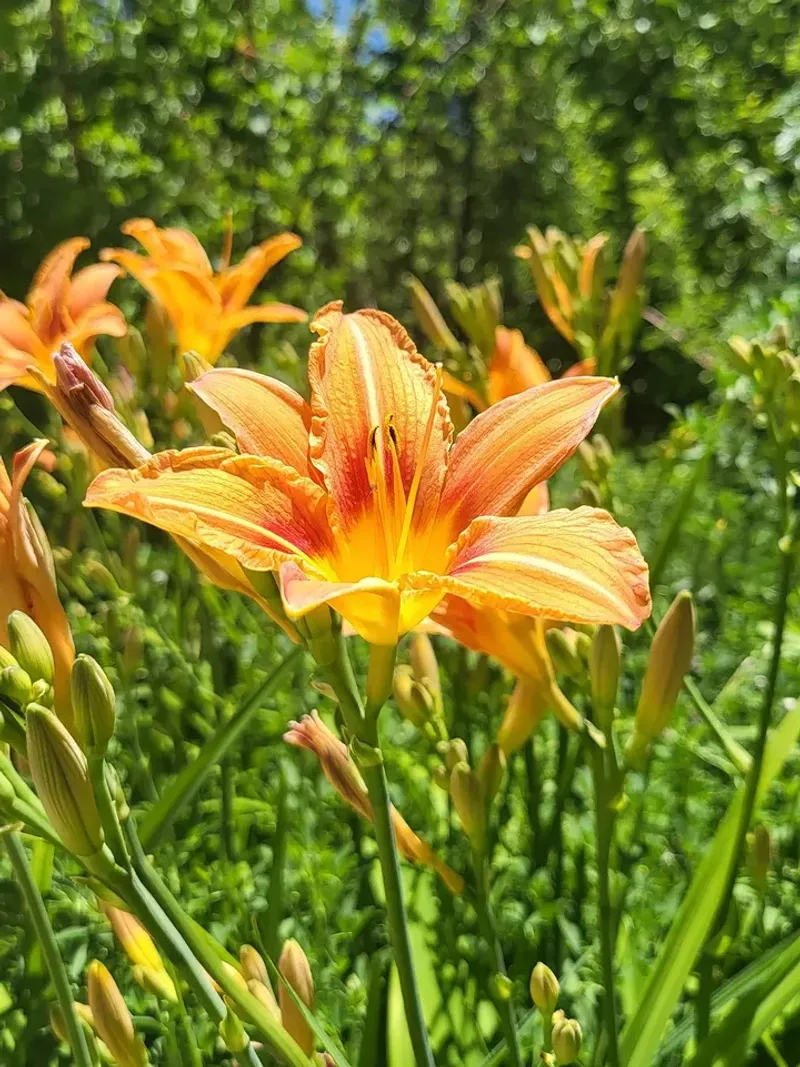
If you want a plant that practically takes care of itself while delivering armloads of color, daylilies are hard to beat.
Hemerocallis varieties come in an almost endless range of colors, from soft cream and pale yellow to deep burgundy and blazing orange.
They thrive in full sun, handle Michigan’s summer heat without complaint, and multiply steadily year after year without much help from the gardener.
Each individual daylily flower lasts just one day, but a single mature clump produces dozens of buds that open in sequence, keeping the show going for weeks.
Extended-blooming and reblooming varieties can flower from June well into September, providing continuous color through the heart of summer.
That kind of staying power is something sun-stressed hostas simply cannot match in exposed Michigan garden beds.
Daylilies tolerate a wide range of soil types, including the clay-heavy soils found across much of Michigan. They’re also largely ignored by slugs and, while deer may occasionally sample them, most gardeners find them reasonably resistant compared to hostas.
Dividing clumps every three to four years keeps them blooming vigorously and gives you free plants to spread around the garden.
Pairing daylilies with ornamental grasses, black-eyed Susans, or coneflowers creates a bold, layered bed that looks professionally designed.
They’re one of the most forgiving and rewarding swaps a Michigan gardener can make in a sunny spot.
9. Coreopsis
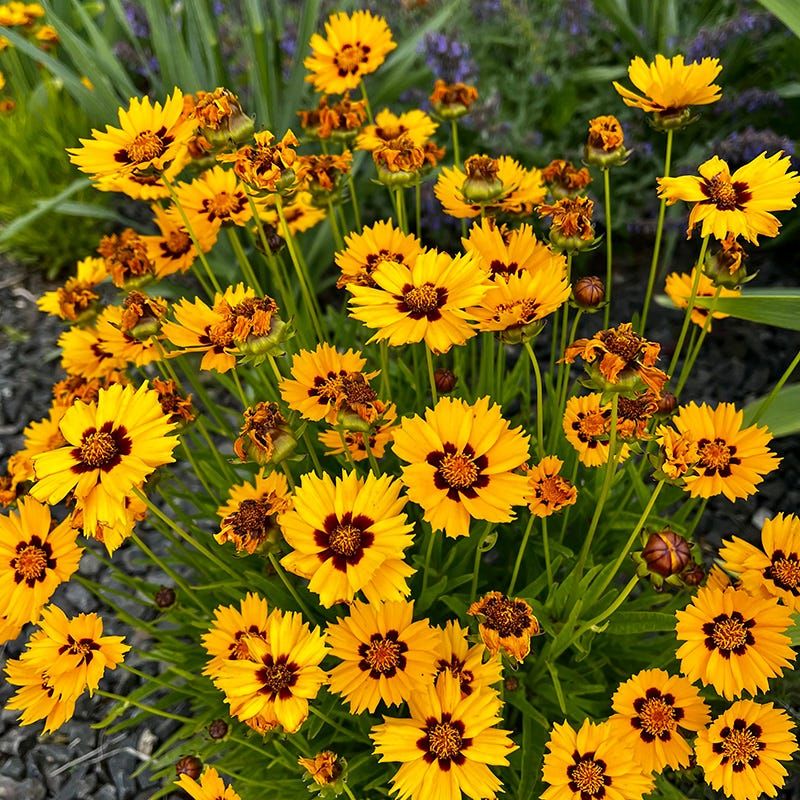
Cheerful, durable, and almost absurdly easy to grow, Coreopsis lanceolata is the kind of plant that makes gardening feel effortless.
Its bright yellow daisy-like flowers bloom from late spring through midsummer, and deadheading spent blooms encourages a second flush of color later in the season.
Michigan’s sunny beds suit it perfectly, and it asks very little in return for all that color.
Coreopsis naturally suppresses weeds by forming dense mats of fine-textured foliage that shade the soil below. That means less time weeding and more time enjoying the garden.
Pollinators absolutely love it, with bees and small butterflies visiting the flowers constantly throughout the blooming period. The plant is also quite drought-tolerant once established, thanks to a sturdy root system that seeks out moisture efficiently.
A fun fact worth knowing: Coreopsis is the official state wildflower of Florida, but it performs just as impressively in Michigan’s climate, proving its wide adaptability across very different growing conditions.
Plants stay compact at around 12 to 24 inches tall, making them ideal for the front or middle of a sunny border. They pair nicely with black-eyed Susans, wild bergamot, and ornamental grasses.
Replacing hostas with Coreopsis lanceolata brings extended color, pollinator activity, and natural weed suppression to beds that previously looked tired and washed out by midsummer.
It’s a genuinely satisfying upgrade for any Michigan gardener ready for a change.
10. Benefits Of Switching To Sun-Tolerant Natives
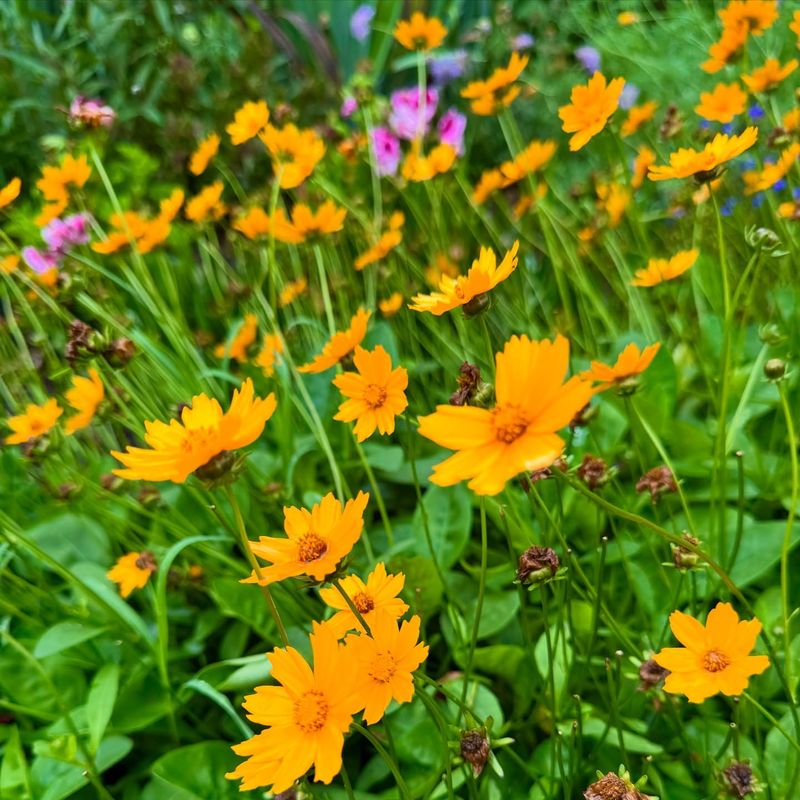
Replacing sun-stressed hostas with native, sun-tolerant perennials is one of the most practical decisions a Michigan gardener can make.
Native plants are already adapted to local rainfall patterns, soil types, and seasonal temperature swings, which means they need far less irrigation, fertilizer, and intervention once they settle in.
The first season requires some attention, but by year two, most of these plants are largely self-sufficient.
Soil preparation makes a real difference at planting time. Loosening the soil to about 12 inches deep and mixing in a modest amount of compost gives roots a strong start without over-enriching the bed.
Most sun-tolerant natives actually prefer leaner soil, so heavy amendments aren’t necessary or even helpful.
Spacing plants according to their mature spread, usually 18 to 24 inches apart for most perennials, allows them to fill in naturally while still providing good coverage in the first growing season.
Companion planting adds another layer of success. Mixing plants with different bloom times creates continuous color from spring through fall, while varying heights and textures add visual depth.
Ornamental grasses make excellent structural companions for flowering perennials, providing movement and winter interest. Native plantings also reduce runoff, support local insect populations, and lower the overall maintenance load significantly.
Michigan gardeners who make this switch consistently report spending less time managing their beds while enjoying more color, more wildlife activity, and more satisfaction from their outdoor spaces every single season.