7 Native Texas Plants That Practically Deter Ticks By Themselves Along Garden Borders
Tick management along garden borders in Texas typically comes down to chemical treatments and regular maintenance, approaches that work well enough but require consistent effort through a tick-active season that in Texas can stretch considerably longer than in cooler states.
Native Texas plants offer a more passive layer of defense that works alongside those strategies without adding to the maintenance load.
Several Texas natives produce aromatic compounds and oils that ticks navigate away from, and when planted intentionally along the borders where lawn meets garden or yard meets wilder ground, they create a living deterrent that functions continuously without any intervention.
Texas heat and sun actually intensify the aromatic properties of many of these plants, making them more effective here than in milder climates.
The best part is that these are plants worth growing entirely on their own merits, bringing color, pollinator value, and seasonal interest to border areas that tick deterrence turns into an additional reason to plant them.
1. American Beautyberry (Callicarpa Americana)
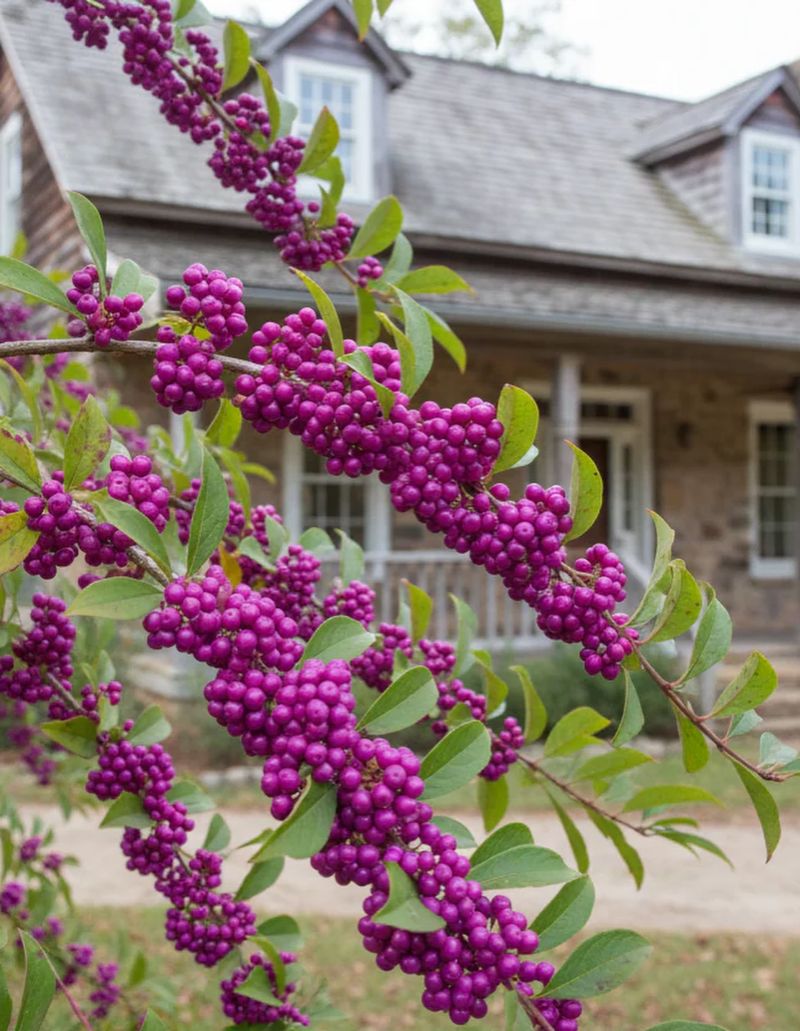
Few plants in the Texas landscape are as eye-catching as American Beautyberry. Those brilliant clusters of bright purple berries along its arching branches make it a showstopper in any garden.
But beyond its good looks, this native shrub has a remarkable secret weapon against ticks. When you crush the leaves of American Beautyberry, they release a natural compound called callicarpenal.
Research from the USDA has confirmed that this compound is highly effective at repelling ticks and mosquitoes.
Some people even rub the crushed leaves on their skin as a natural insect repellent, a trick that Native Americans used long before modern bug sprays existed.
Planting American Beautyberry along your garden borders creates a dense, leafy barrier that ticks find very unappealing. The shrub grows quickly and can reach four to eight feet tall, making it an excellent natural screen.
Its thick growth habit means ticks have fewer easy entry points into your yard. American Beautyberry thrives in partial shade and is incredibly easy to grow in Texas conditions. It handles heat, humidity, and occasional drought without much fuss.
You do not need to be an experienced gardener to keep this plant happy. Plant it in groups of two or three along fence lines or walkway edges for the best tick-deterring effect.
In fall, the purple berries also attract birds, adding another layer of life and activity to your garden.
American Beautyberry truly earns its place as a hardworking, beautiful border plant that pulls double duty in any Texas yard.
2. Eastern Red Cedar (Juniperus Virginiana)
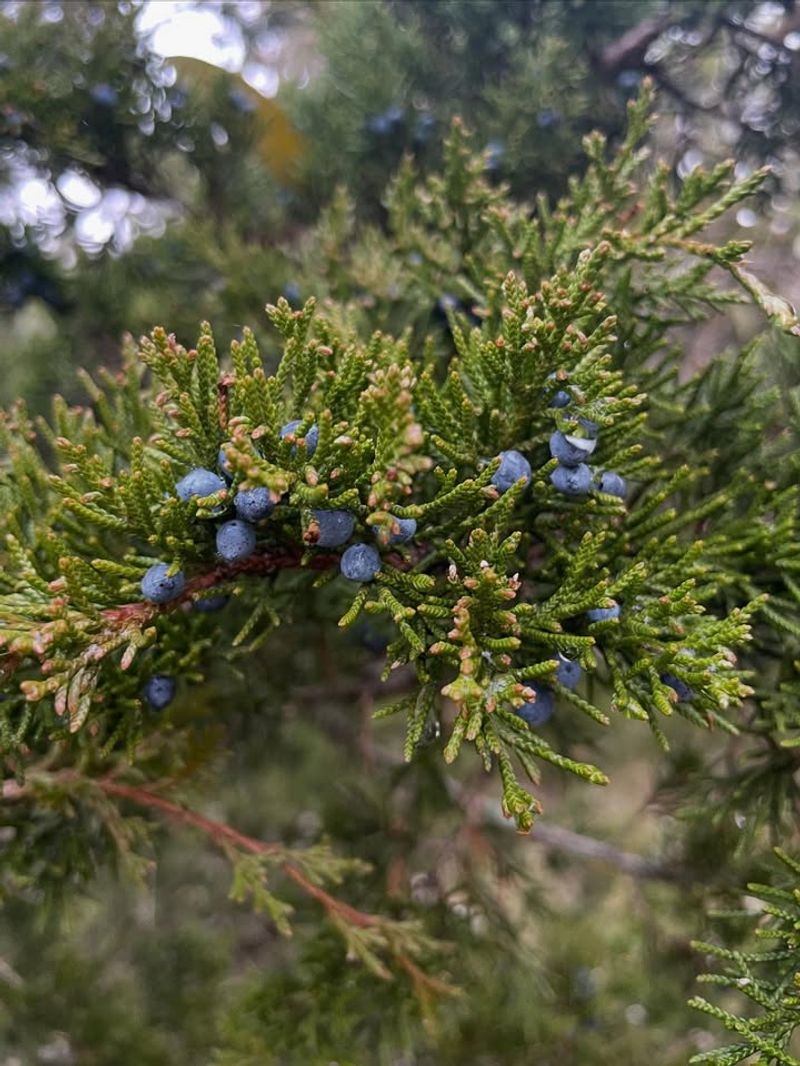
Walk past an Eastern Red Cedar on a warm afternoon and you will immediately notice that sharp, clean, woody scent in the air.
That smell is not just pleasant to people; it is absolutely off-putting to ticks and other biting insects. The aromatic oils in this tree’s foliage are nature’s own pest repellent.
Eastern Red Cedar is one of the most common native trees in Texas, and for good reason. It is incredibly tough, surviving drought, poor soil, and intense summer heat without skipping a beat.
Your Texas Garden Changes Every Week. Your Plan Should Too.
Gardening in Texas changes quickly throughout the season. Every Friday you’ll receive a simple weekly plan showing exactly what to plant, prune, fertilize, harvest, and protect so you never miss the right timing.
Its evergreen structure means it keeps working as a tick barrier every single month of the year, not just during the warm season.
Using Eastern Red Cedar as a border plant gives your garden a tall, dense screen that ticks struggle to move through. The thick foliage creates a physical and chemical barrier that discourages pests from crossing into your yard.
Planting a row of these trees along a property line is one of the smartest long-term investments a Texas homeowner can make.
The wood of this tree has been used for centuries in cedar chests and closet liners to repel moths and insects, so its pest-fighting reputation is well established. Even the sawdust and wood shavings carry that protective scent.
Eastern Red Cedar provides habitat for birds like cedar waxwings and robins that love its small blue berries. So while it is keeping ticks out of your space, it is also bringing wildlife in. Few plants offer that kind of all-around garden value in the Texas climate.
3. Rosemary (Rosmarinus Officinalis)
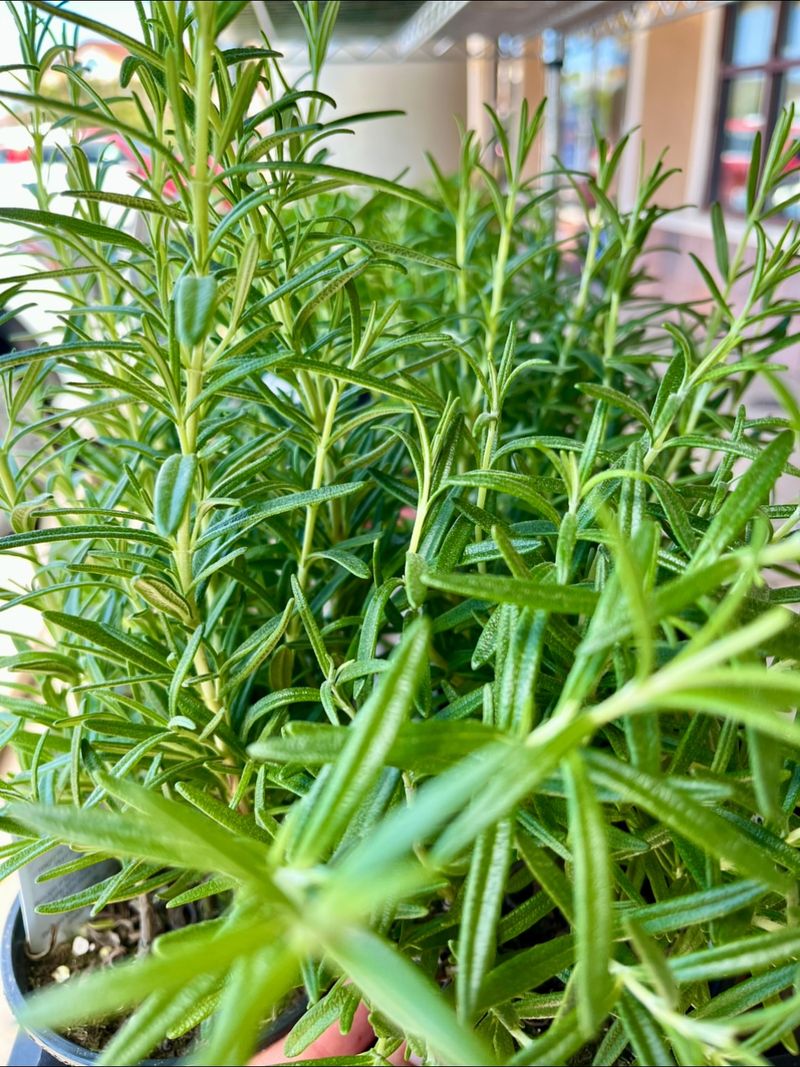
Rosemary is one of those plants that works overtime in a garden. Most people know it from the kitchen, where its piney, herbal scent flavors roasted meats and vegetables.
But out in the yard, that same powerful aroma does something just as useful: it sends ticks running in the other direction.
Ticks rely heavily on their sense of smell to find hosts. Rosemary’s strong volatile oils confuse and repel them, making it much harder for ticks to navigate through areas where this plant grows.
Studies have shown that rosemary oil is an effective natural insect and tick repellent, which is why it appears in many commercial pest-control products.
In South Texas, rosemary grows almost like a native plant, thriving in the hot sun and well-drained, sandy or rocky soils that are common across the region.
Once established, it needs very little water, making it a low-maintenance choice for busy gardeners. It can grow as a sprawling ground cover or be trimmed into a tidy low hedge along a border.
Planting rosemary along pathways or garden edges creates a fragrant, functional barrier. Every time someone brushes past the plant, it releases more of those tick-repelling oils into the air.
It is a self-activating pest deterrent that gets triggered simply by foot traffic. Rosemary also attracts pollinators like bees when it blooms in late winter and spring, adding ecological value to your yard.
You can even snip sprigs for cooking while keeping your borders protected. Practical, aromatic, and attractive, rosemary is a true garden workhorse for Texas gardeners.
4. Lavender (Lavandula Spp.)
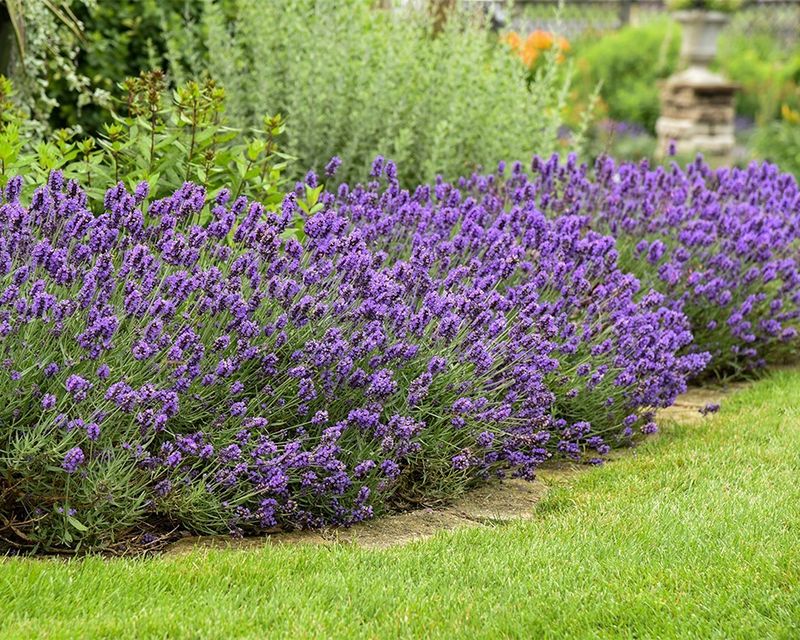
There is something almost magical about a row of lavender in full bloom. The soft purple spikes, the gentle swaying in the breeze, and that unmistakable sweet floral scent all combine to make it one of the most loved garden plants in the world.
What many gardeners do not realize is that lavender is also one of the most effective natural tick deterrents you can plant along your borders.
Lavender contains linalool and other natural compounds that ticks and many other insects find deeply unpleasant. While humans love the scent, ticks want nothing to do with it.
Planting lavender densely along sunny garden edges creates a fragrant wall of protection that pests prefer to avoid entirely.
Lavender has naturalized beautifully in many Texas gardens, especially in areas with full sun and well-drained soil.
It handles the Texas heat with grace, though it does appreciate good air circulation to stay healthy during humid summer months. Raised beds or sloped borders with sandy or gravelly soil are ideal growing spots.
One of the best things about lavender is how little maintenance it requires once it is settled in. A light pruning after each bloom cycle keeps the plant compact and encourages fresh growth.
The dried flowers can even be used indoors to repel insects in closets and drawers. Lavender also draws in butterflies and bees, making it a pollinator magnet. So while it is guarding your garden borders against ticks, it is simultaneously supporting local wildlife.
Few plants manage to be beautiful, fragrant, pest-resistant, and ecologically beneficial all at the same time.
5. Catmint (Nepeta Spp.)
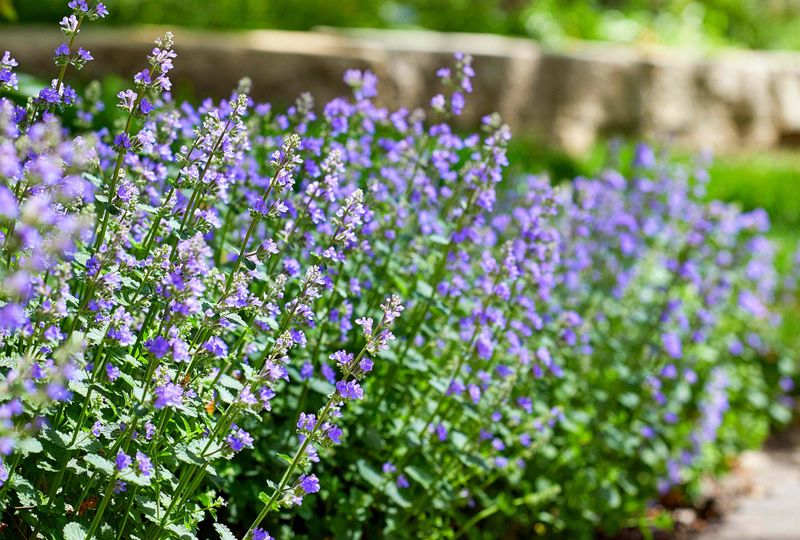
Catmint might be best known for sending cats into a happy frenzy, but its benefits in the garden go way beyond entertaining your feline friends. Packed with aromatic oils, this low-growing perennial is a surprisingly powerful defender against ticks and mosquitoes.
Scientists have actually found that nepetalactone, the compound responsible for catmint’s distinctive smell, is more effective at repelling insects than DEET in some laboratory tests.
That is a pretty bold claim for such a soft, pretty plant. Catmint forms dense mounds of silvery-green foliage topped with spikes of lavender-blue flowers.
When planted along garden borders, it creates a living mulch that covers the ground and leaves very little room for ticks to lurk in the soil beneath it.
Growing catmint in Texas is straightforward. It loves full sun to partial shade and handles the summer heat well, especially if given occasional deep watering.
Once established, it is quite drought-tolerant, which is a huge bonus in the Texas climate. It also tends to bloom twice a season if you cut it back after the first flush of flowers.
Along garden pathways or vegetable bed edges, catmint acts as a soft, fragrant border that looks intentional and polished.
Every time the wind blows or someone walks by, the plant releases more of its pest-repelling oils into the surrounding air. It is a passive defense system that requires almost no effort from you.
Bees and butterflies are huge fans of catmint blooms, so planting it also supports your local pollinator population. Catmint is proof that a plant can be charming, cheerful, and seriously useful all at once.
6. Texas Sage (Leucophyllum Frutescens)
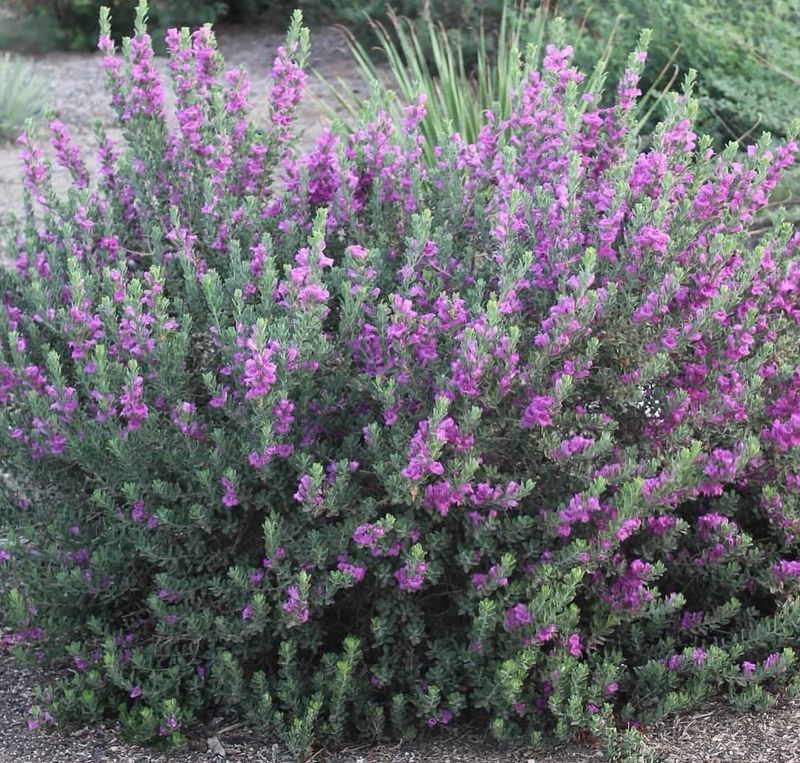
If there is one plant that truly captures the spirit of Texas landscaping, it is Texas Sage. Also called cenizo or barometer bush, this tough native shrub is beloved for its silvery-white foliage and stunning bursts of purple blooms that appear after summer rains.
But beyond its beauty, Texas Sage has physical and chemical properties that make it a natural tick deterrent along garden borders.
The dense, compact growth habit of Texas Sage leaves very little open space at ground level. Ticks prefer to travel through moist, shaded areas with good ground cover.
Texas Sage creates the opposite environment: dry, open, and exposed. Its silvery leaves reflect sunlight, keeping the area beneath the shrub warm and dry, which ticks actively avoid.
Texas Sage is one of the most drought-tolerant plants you can put in a Texas garden. It thrives in full sun, alkaline soils, and long dry spells without any complaints.
In fact, too much water or shade will actually harm it. Once established, it practically takes care of itself, which makes it perfect for low-maintenance border planting.
Plant Texas Sage in a continuous row along a fence line or property border and you get a dense, attractive hedge that functions as a natural barrier.
Its thick growth discourages not just ticks but also other pests that prefer sheltered hiding spots. Trimming it once or twice a year keeps it tidy and encourages fresh, healthy growth.
During blooming season, the sight of a silver-and-purple Texas Sage hedge is genuinely breathtaking. You get a plant that earns its place in the garden on looks alone, but secretly doubles as a pest-control powerhouse.
7. Garlic Chives (Allium Tuberosum)
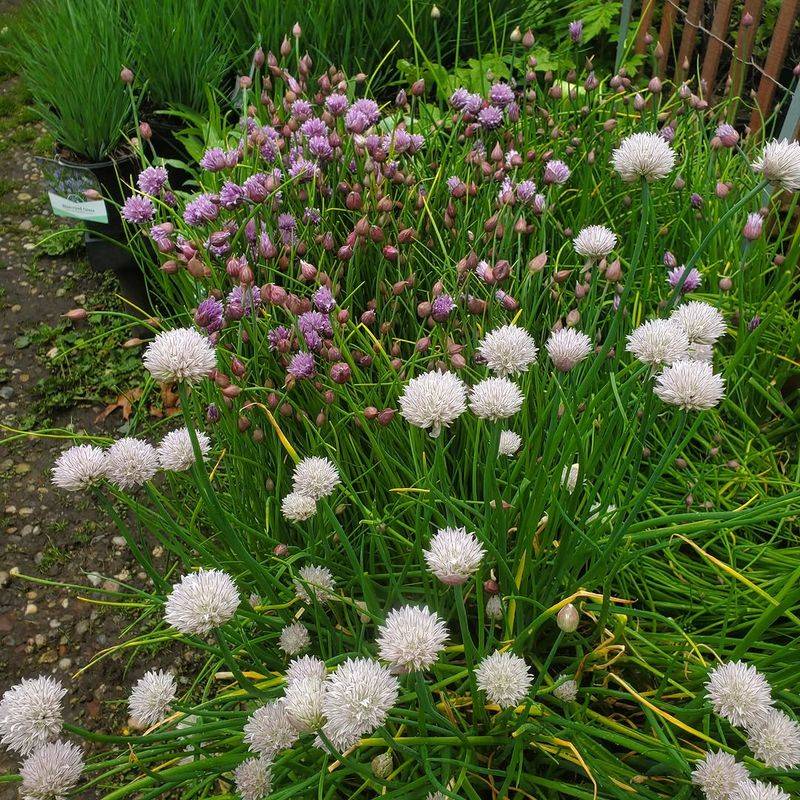
Garlic chives might just be the most underrated pest-fighting plant you can add to your garden borders. They look delicate and graceful, with long flat leaves and clusters of small white star-shaped flowers in late summer.
But beneath that gentle appearance lies a powerfully pungent chemistry that ticks and many other insects find completely unbearable.
The sulfur compounds in garlic chives are what give them that sharp, garlicky smell. These same compounds are well-known for their insect-repelling properties.
Ticks navigate toward hosts using scent cues, and the strong smell of garlic chives essentially scrambles those signals. Planting a thick border of garlic chives along pathways or vegetable bed edges creates a scent barrier that pests prefer to steer clear of.
Garlic chives are remarkably easy to grow in Texas. They tolerate a wide range of soil conditions, handle heat well, and come back reliably year after year as perennials.
They spread gradually on their own, filling in gaps along a border without much effort on your part. Just be sure to deadhead the flowers occasionally if you do not want them to spread too aggressively.
One of the best things about garlic chives is that they are fully edible. The leaves have a mild garlic flavor that works great in salads, stir-fries, and dips.
So while they are protecting your garden from ticks, you can also harvest them regularly for your kitchen. That is a genuinely rare combination in the plant world.
Pollinators love the white flowers too, so garlic chives attract beneficial insects while repelling harmful ones. Smart, edible, and effective, they deserve a permanent spot in every Texas garden.